Garudimimus
"Garuda mimic"
- Lived
- 94 to 84 million years ago, Late Cretaceous
- Diet
- Omnivore
- Length
- about 4.7 m (15 ft)
- Group
- Theropods, Deinocheiridae
- Found in
- Mongolia
- Named by
- Barsbold 1981
Size comparison
To scale

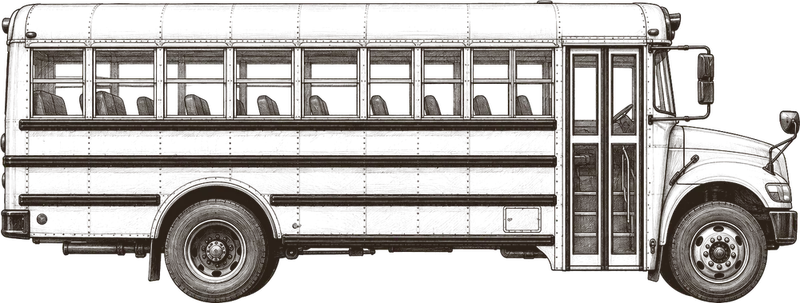
Scale in metersOutline: typical theropod shape
Where its fossils were found
The evidence
Today

90 million years ago
Habitat
The Baynshire Formation records rivers, floodplains and lakes, with alternating wetter and drier conditions. Other dinosaurs from these rocks include Segnosaurus, Erlikosaurus and Talarurus.
Field notes
About Garudimimus
What it was like
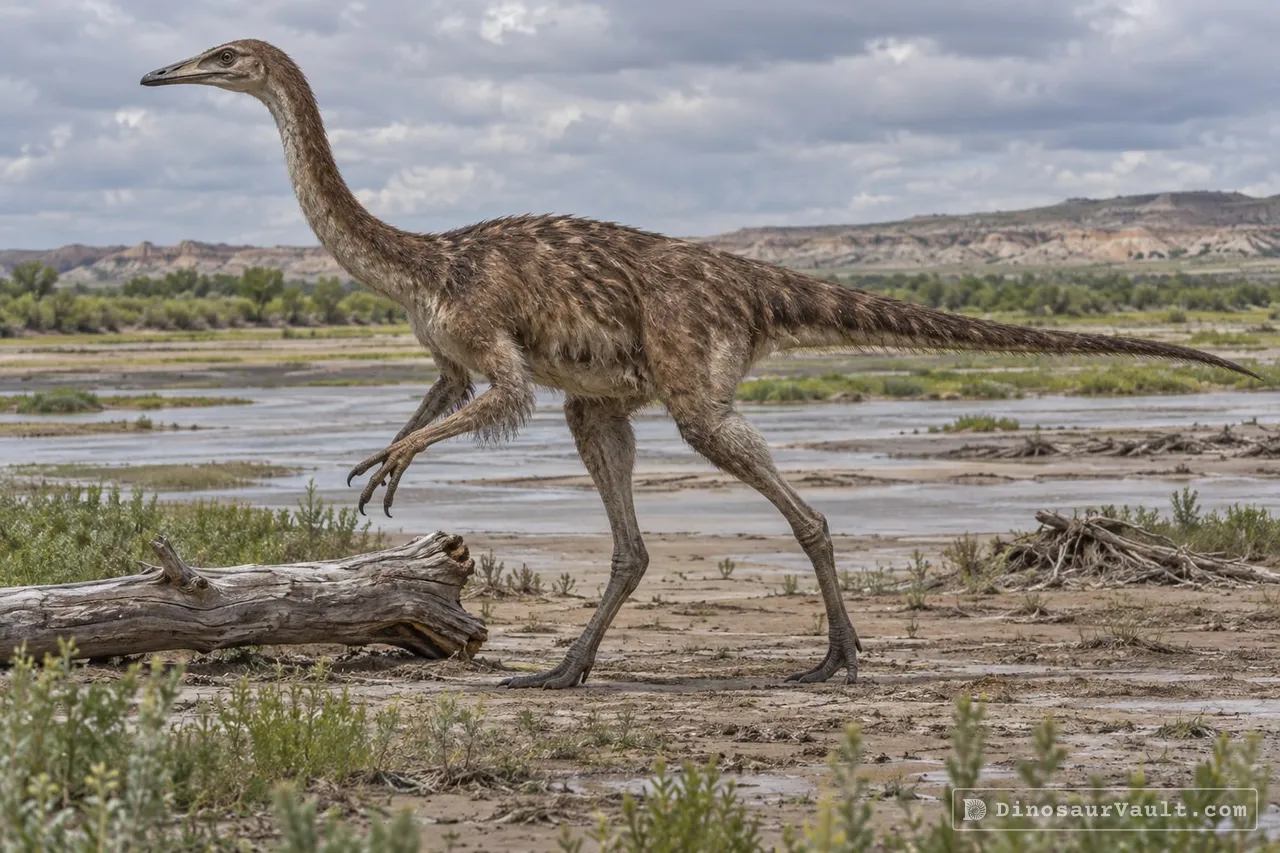
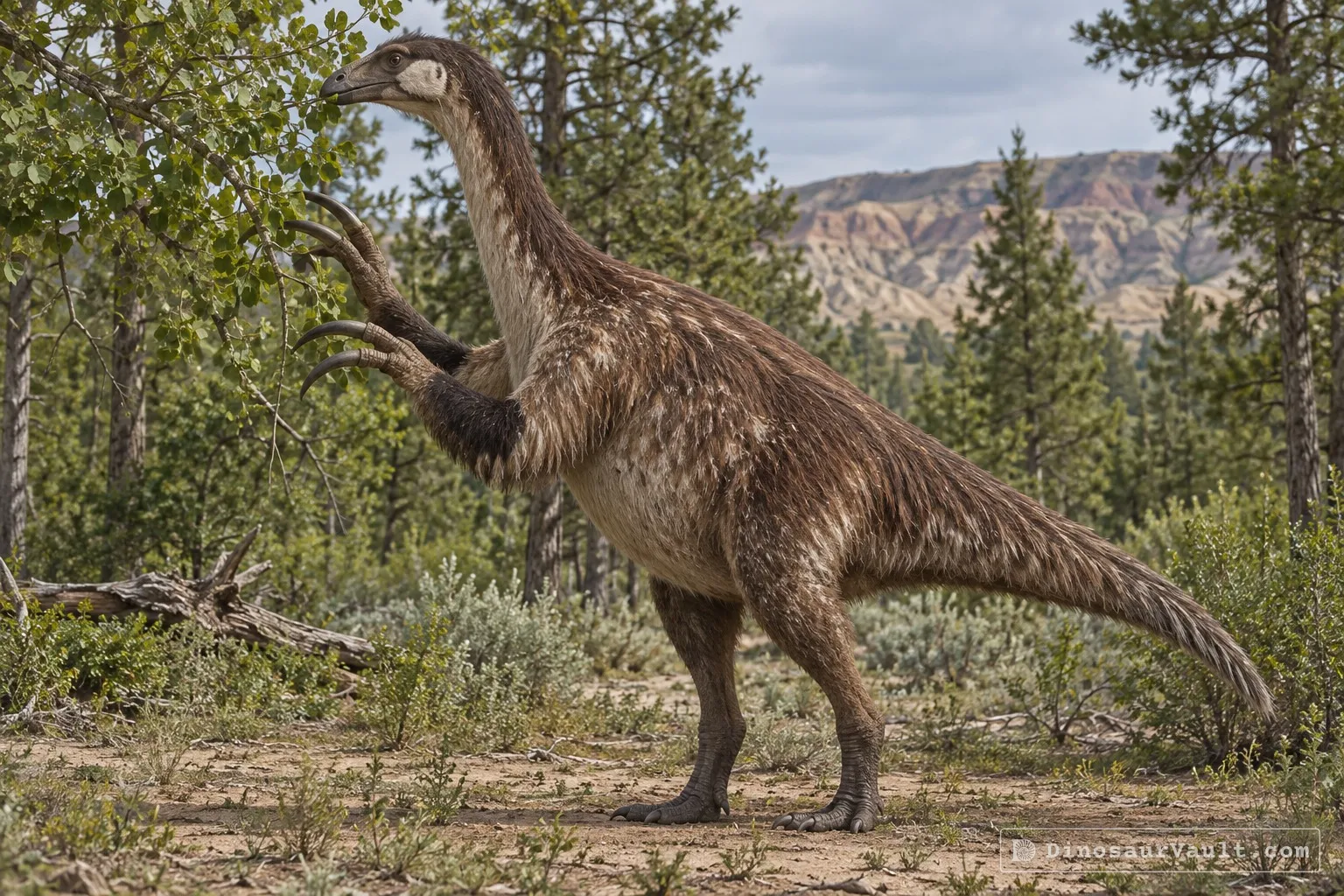
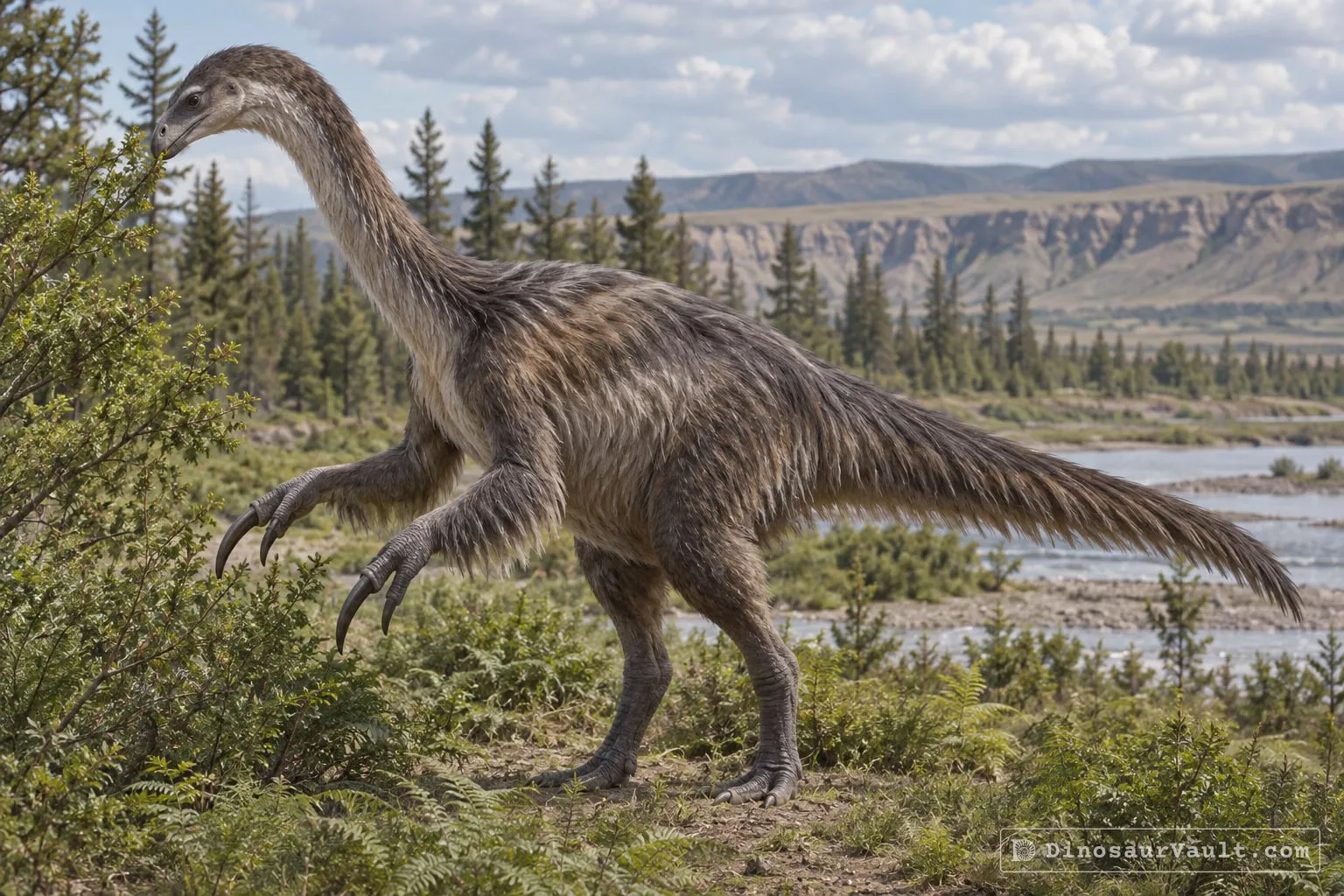
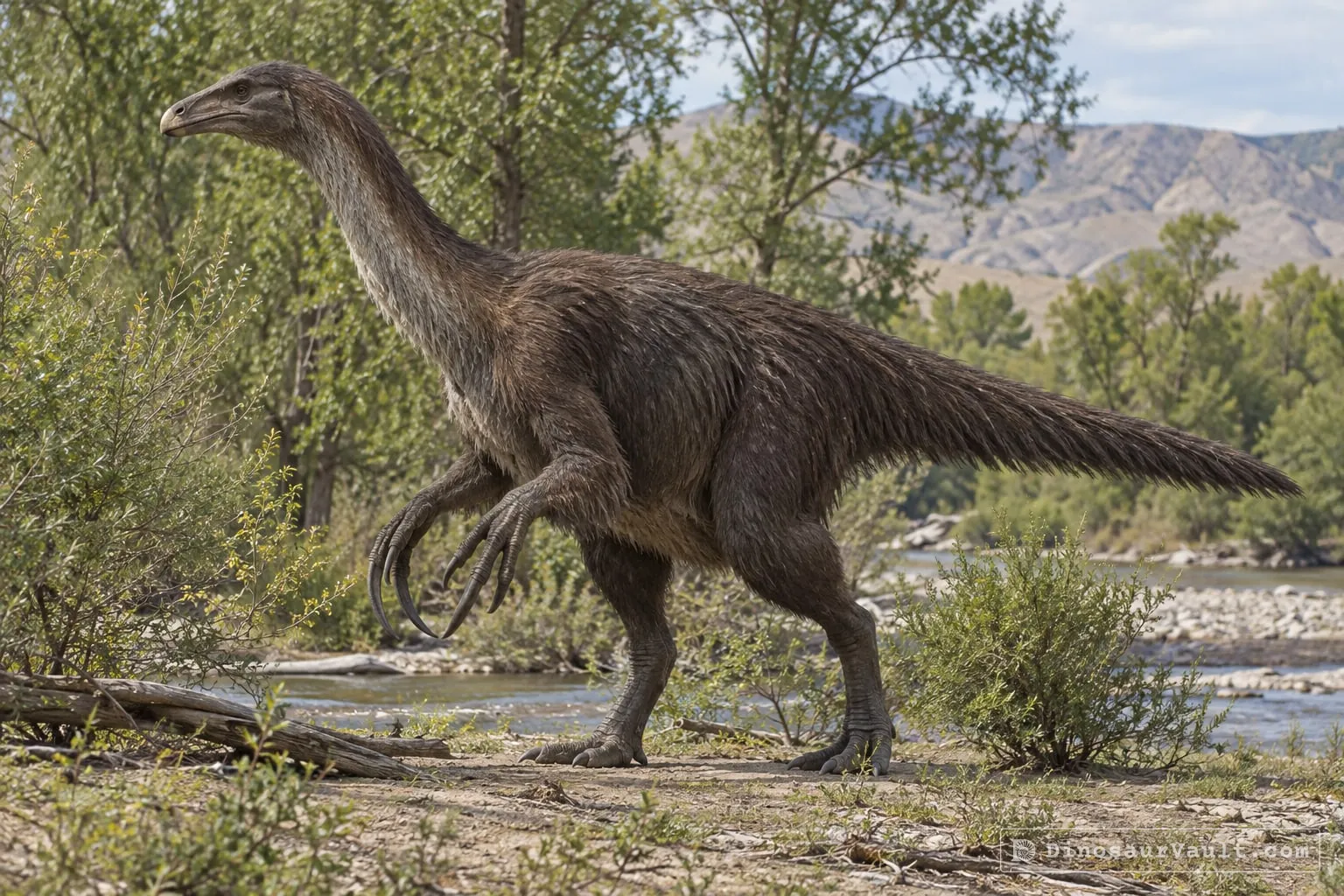
Garudimimus was an ostrich-like dinosaur about 4.7 meters (15 feet) long, with a toothless beak. It had shorter, sturdier feet than many of its fast-running relatives, and it was a close relative of the giant Deinocheirus. It probably ate plants and perhaps small animals.
Its world
It lived in the Late Cretaceous in what is now Mongolia. Its bones come from the Baynshire Formation, where it lived alongside the raptor Achillobator, the long-clawed Segnosaurus and Erlikosaurus and the armored Talarurus.
How it was found
Barsbold named Garudimimus in 1981 from one skeleton with a skull. Its name comes from a bird-like creature of Asian legend.
Field gallery
More views of Garudimimus
Scenes reconstructed from the available fossil evidence.
1 of 3
Lived alongside
Found in the same rock formations
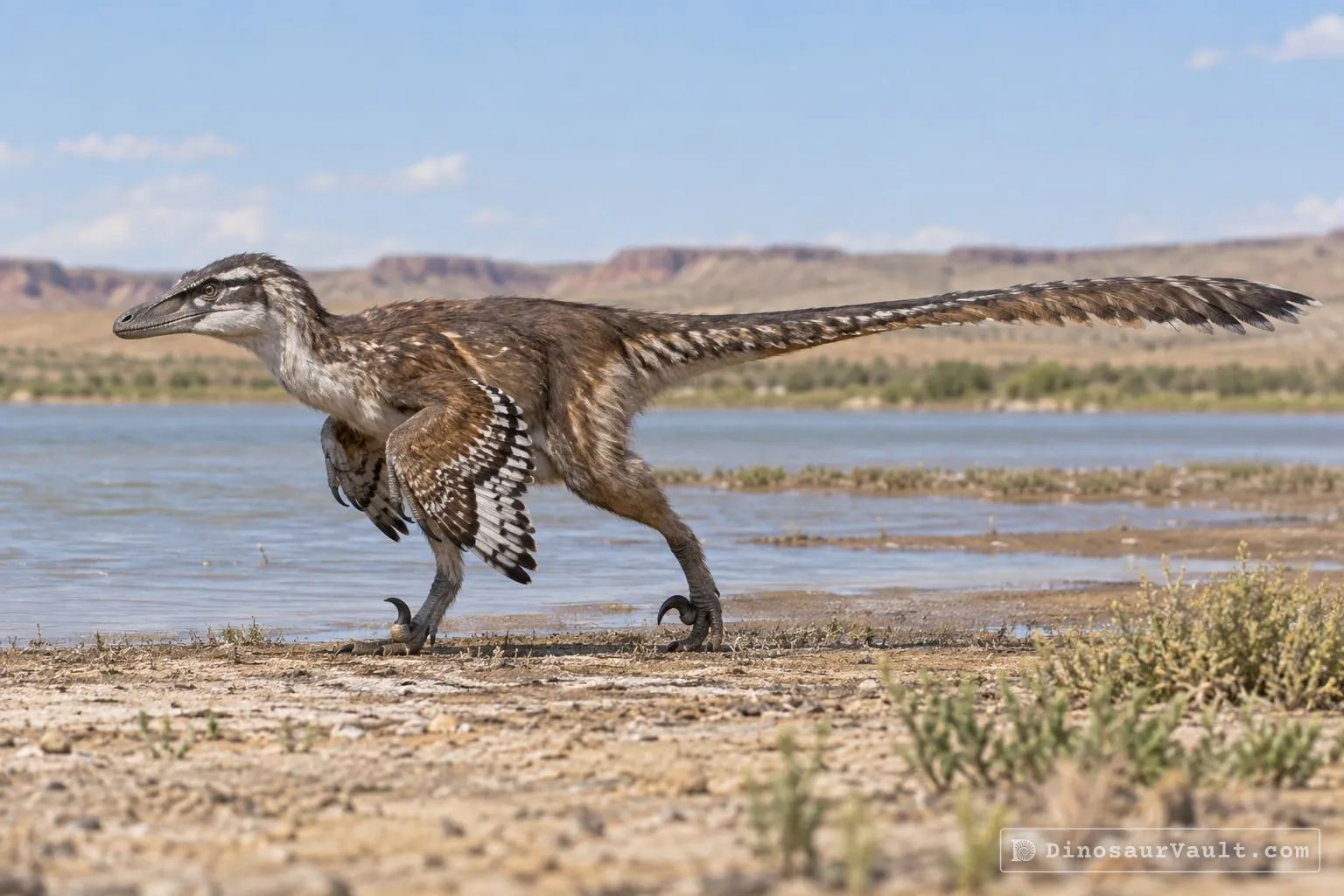
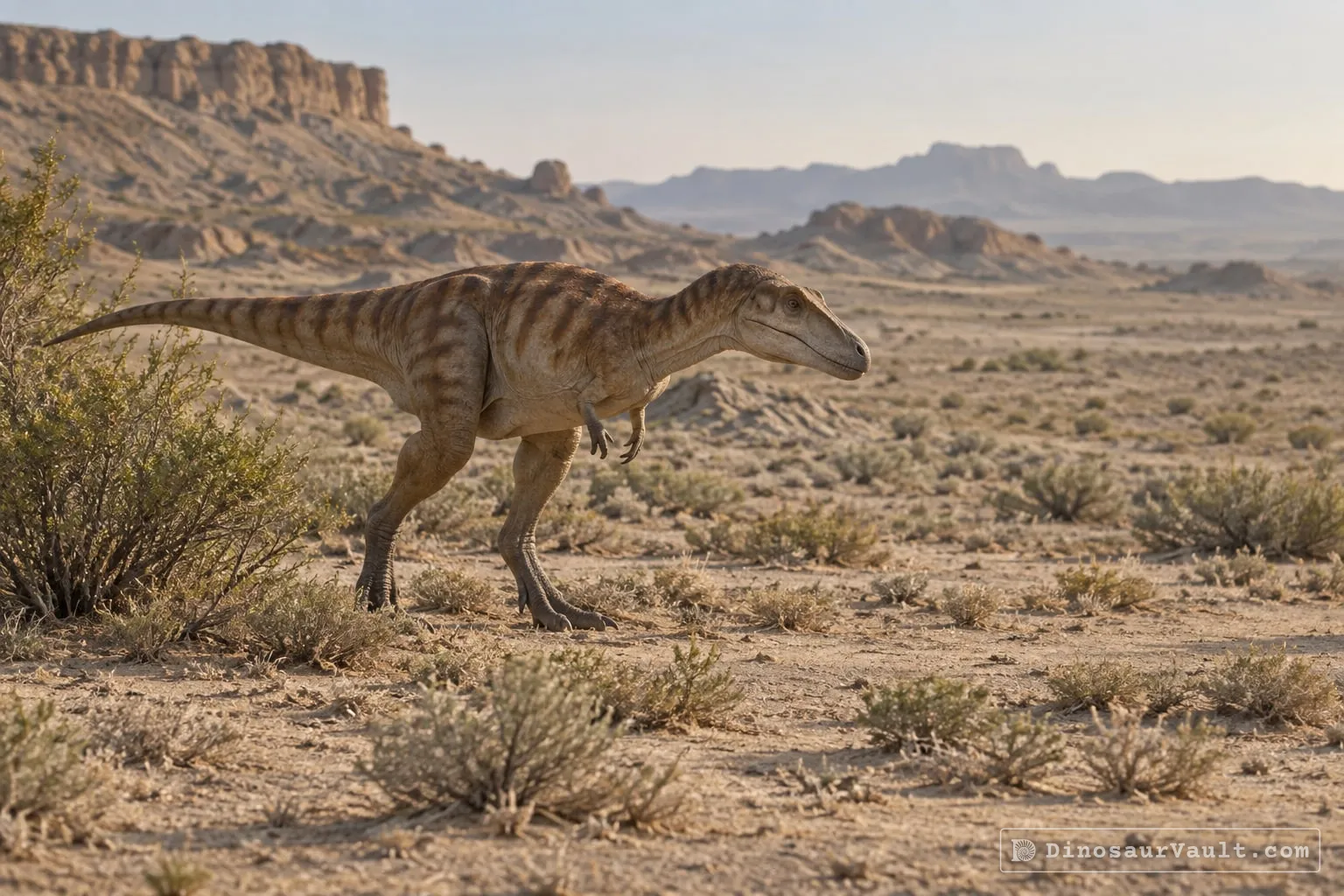
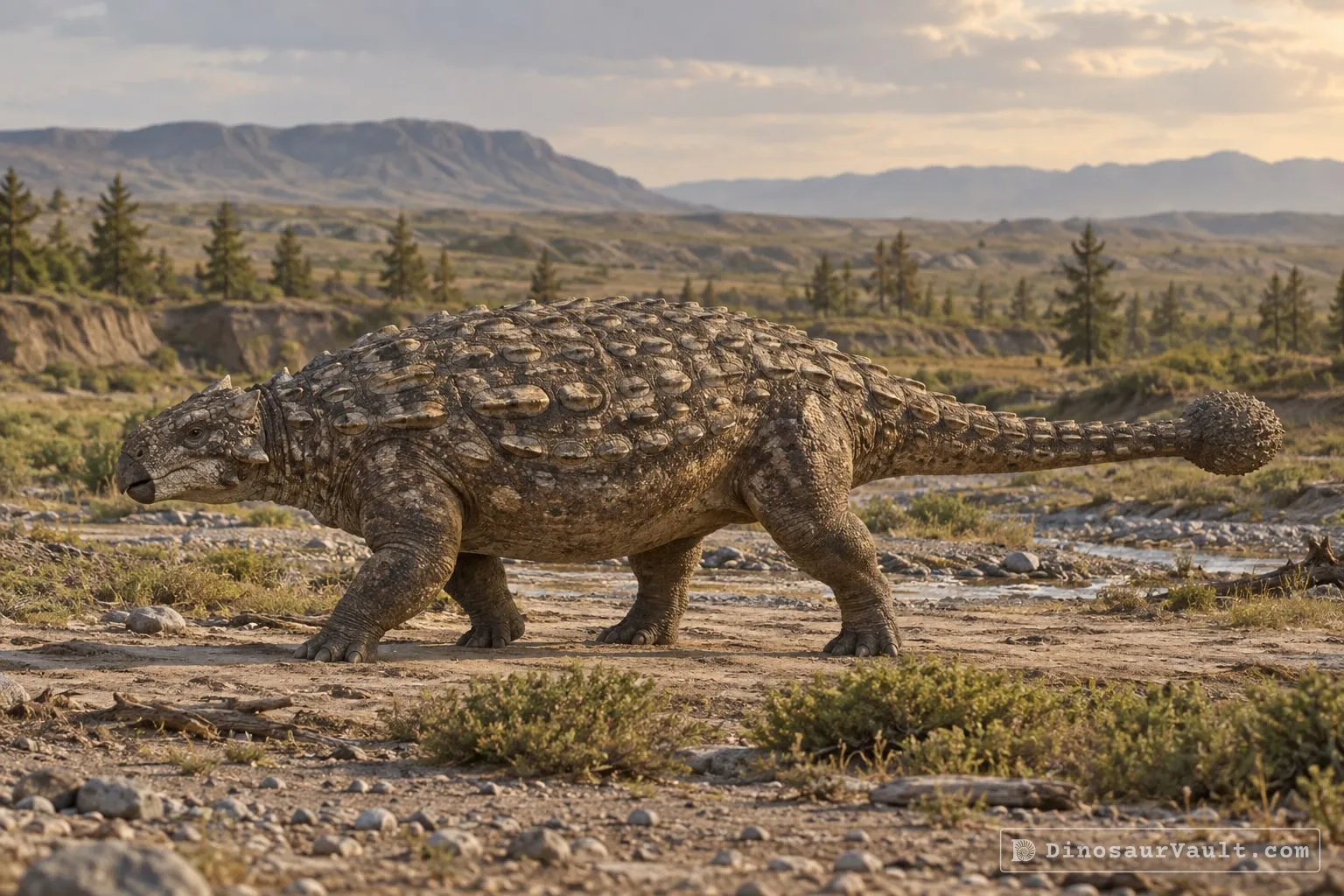
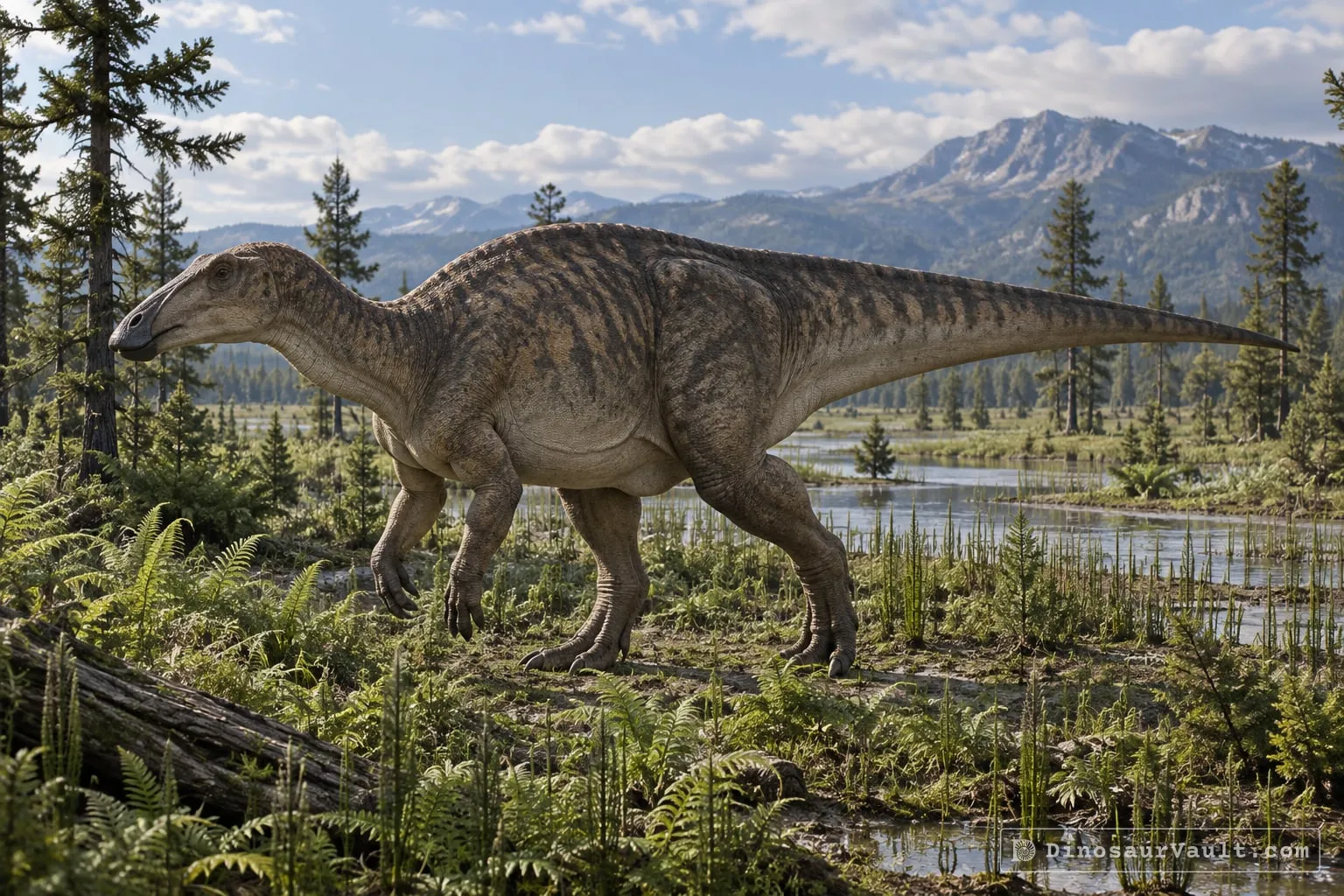
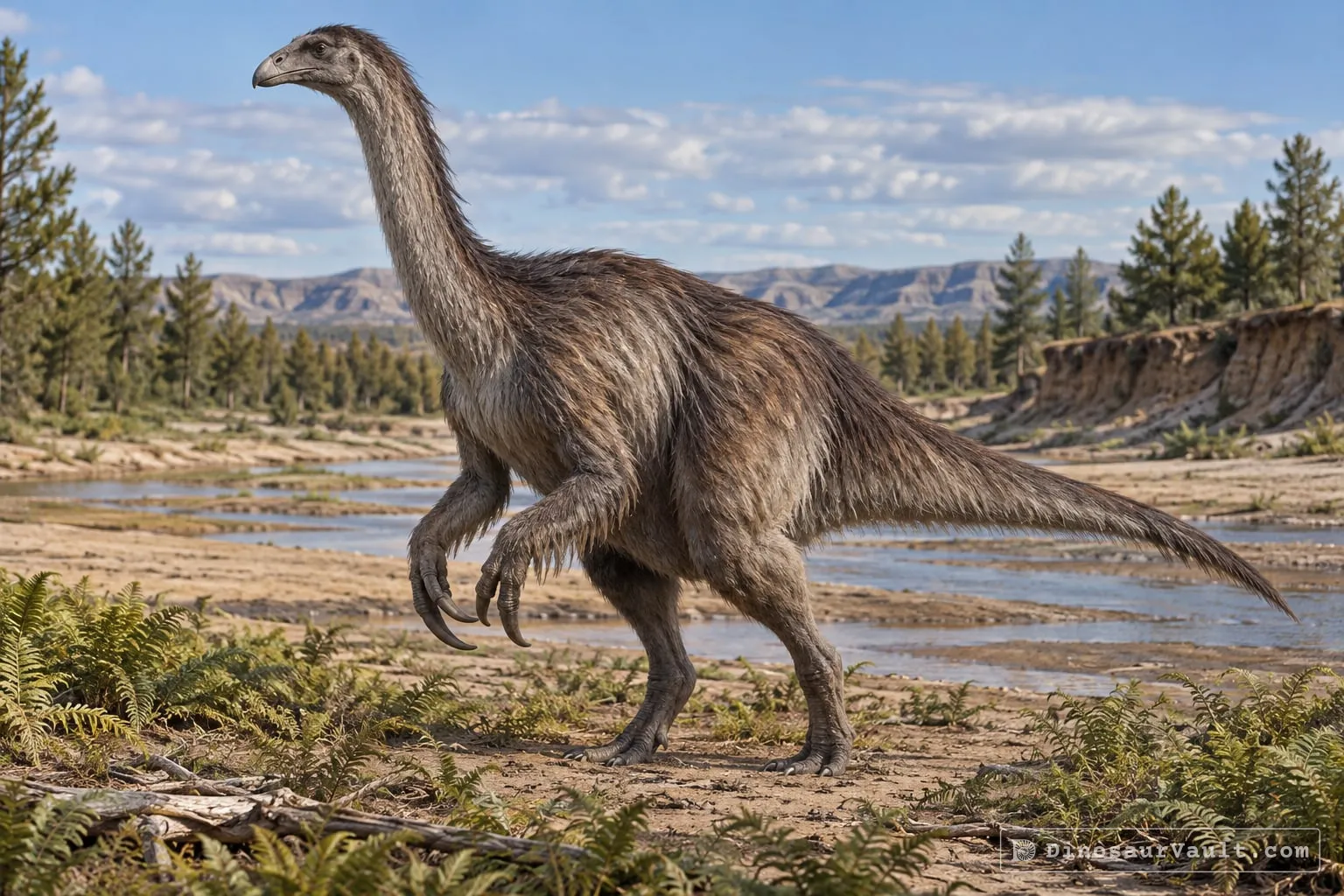


A rock formation can hold fossils laid down millions of years apart, so not every animal here met Garudimimus.
The evidence
The science behind Garudimimus
Which parts of the picture come from its own bones, and which come from its relatives.
From its own fossils
- A partial skeleton preserves the skull, parts of the backbone, hips and hind legs.
- The jaws were toothless, and the snout ended in a rounded tip.
- Its short feet retained a small inner toe, unlike the feet of many later ostrich-like dinosaurs.
Borrowed from relatives
- The missing arms and hands are restored by comparison with other ornithomimosaurs, such as Harpymimus and Gallimimus.
Still unknown
- Its skin covering and color.
- Which foods it ate.
- How its appearance changed as it grew.
Discovery timeline
- 1981Named itBarsbold
- 2005Full descriptionKobayashi & Barsbold
- 2014Family treeLee et al.
- 2025Its worldTucker et al.
Key papers
The research behind what we know of Garudimimus
Named it
Named Garudimimus from a partial skeleton with toothless jaws, short hips and a small inner toe.
Bezzubyye khishchnyye dinozavry Mongolii [Toothless carnivorous dinosaurs of Mongolia]. Sovmestnaia Sovetsko-Mongol’skaia Paleontologicheskaia Ekspeditsiia Trudy 15: 28-39
No link available
Full description
Restudied the skeleton and compared its toothless jaws and short feet with those of other ostrich-like dinosaurs.
Reexamination of a primitive ornithomimosaur, Garudimimus brevipes Barsbold, 1981 (Dinosauria: Theropoda), from the Late Cretaceous of Mongolia. Canadian Journal of Earth Sciences 42: 1501-1521
Read the paper : Reexamination of a primitive ornithomimosaur, Garudimimus brevipes Barsbold, 1981 (Dinosauria: Theropoda), from the Late Cretaceous of Mongolia (opens in a new tab)Family tree
New Deinocheirus skeletons helped place Garudimimus in the same branch of the ostrich-like dinosaur family tree.
Resolving the long-standing enigmas of a giant ornithomimosaur Deinocheirus mirificus. Nature 515: 257-260
Read the paper : Resolving the long-standing enigmas of a giant ornithomimosaur Deinocheirus mirificus (opens in a new tab)Its world
Traced changes between desert, lake and river environments in the rocks that contain Garudimimus.
Protracted intercontinental aridification preserved within the early Late Cretaceous strata of the Eastern Gobi Basin, Mongolia. Sedimentology 73: 147-185
Read the paper : Protracted intercontinental aridification preserved within the early Late Cretaceous strata of the Eastern Gobi Basin, Mongolia (opens in a new tab)
Close relatives
Other members of Deinocheiridae


Sources: Wikidata