Outline: a typical theropod
Xiongguanlong
"Xiongguan dragon"
- Lived
- 121 to 113 million years ago, Early Cretaceous
- Diet
- Carnivore
- Group
- Theropods
- Found in
- China
- Named by
- Li et al. 2009
Where its fossils were found
The evidence
Today
115 million years ago
Field notes
About Xiongguanlong
What it was like
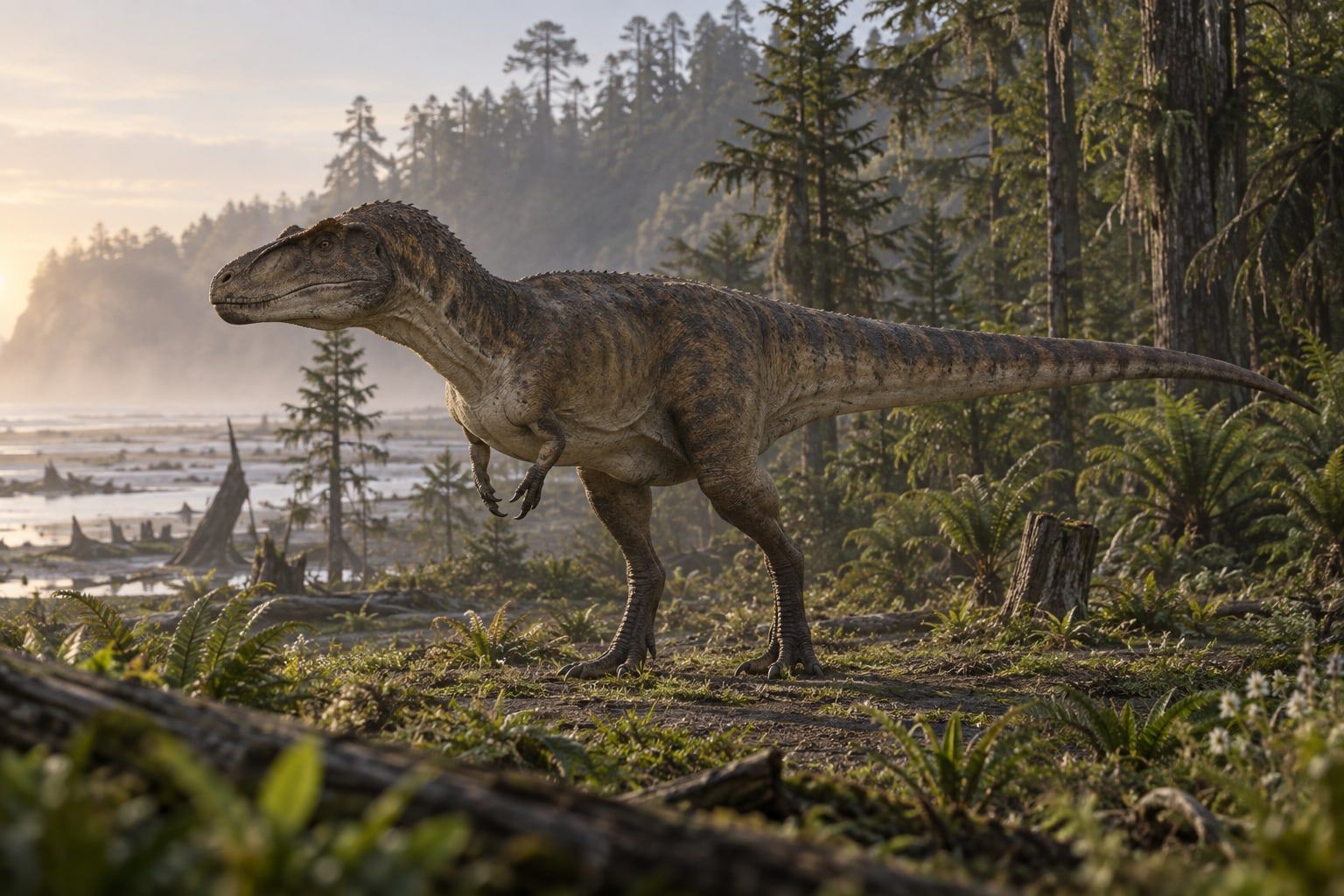
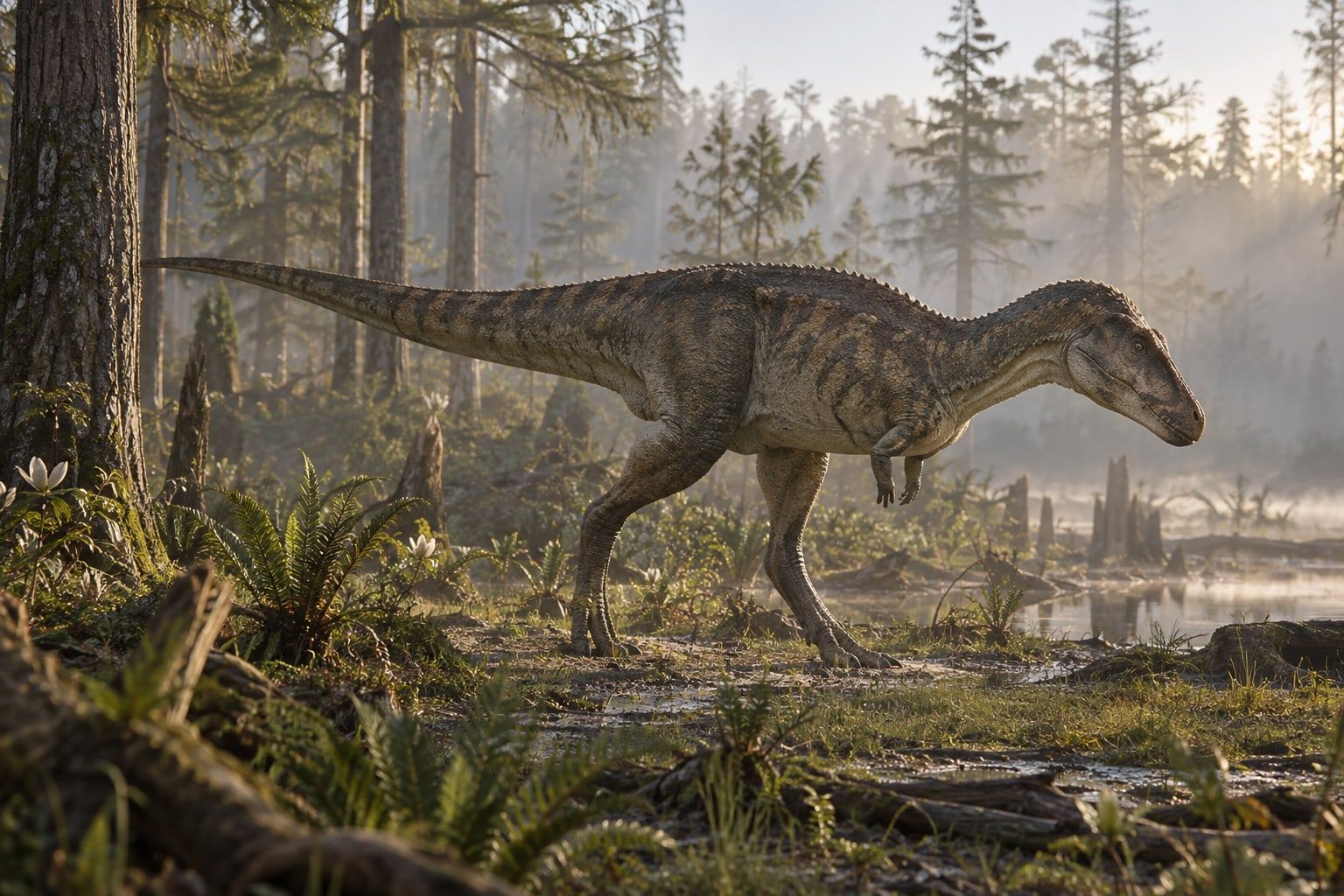
Xiongguanlong was an early relative of the tyrannosaurs, a medium-sized hunter with a long, narrow snout. It was more advanced than the earliest tyrannosauroids and shows some of the features that later tyrannosaurs had.
Its world
It lived about 121 to 113 million years ago, in the Early Cretaceous, in what is now northwestern China. Its bones come from the Xiagou Formation, where it lived alongside the early horned Archaeoceratops and the plant eaters Jintasaurus and Xuwulong.
How it was found
Li and colleagues named Xiongguanlong in 2009, from a single find. The name refers to an old name of the nearby city, "grand pass," and the Chinese word for dragon.
Lived alongside
Found in the same rock formations
Close relatives
Other members of Tyrannosauroidea
Sources: WikidataNamed in: D. Li, M. A. Norell, and K.-Q. Gao, N. D. Smith, P. J. Makovicky. 2009. A longirostrine tyrannosauroid from the Early Cretaceous of China. Proceedings of the Royal Society B: Biological Sciences 277:183–190