Achillobator
uh-KIL-oh-BAH-tor
"Achilles hero"
- Lived
- 101 to 84 million years ago, Late Cretaceous
- Diet
- Carnivore
- Length
- about 5 m (16 ft)
- Group
- Theropods, Dromaeosauridae
- Found in
- Mongolia
- Named by
- Perle et al. 1999
Size comparison
To scale


Scale in meters
Where its fossils were found
The evidence
Today

90 million years ago
Habitat
It probably lived on seasonally dry river plains with sandy banks and scattered woody vegetation. Segnosaurus, Erlikosaurus and Talarurus lived in the same region.
Field notes
About Achillobator
What it was like
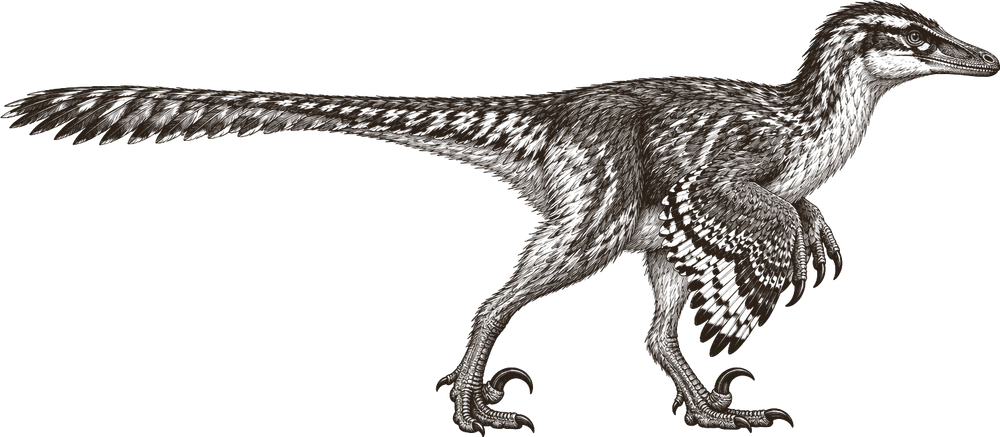
Achillobator was a large, heavily built dromaeosaurid, more robust than most of its raptor relatives, with a deep skull, stocky legs, and an enlarged, curved claw on each second toe. It grew to about 5 meters (16 feet) long, ranking among the biggest known members of its family, alongside Utahraptor and Austroraptor.
Its short, muscular arms and sturdy build suggest Achillobator hunted large prey on the ground rather than climbing or gliding, unlike some of its smaller, lighter relatives. Its stocky legs also suggest it was not built for high speed the way some other dromaeosaurids were.
Its world
Achillobator lived from about 101 to 84 million years ago, in the Late Cretaceous, in what is now Mongolia. Its fossils come from the Baynshire Formation.
It shared its world with plant eaters such as Segnosaurus, Erlikosaurus, and the armored Talarurus, as well as the ostrich-like Garudimimus.
How it was found
Perle and colleagues named Achillobator in 1999, from bones found in Mongolia. Only one fossil find has been reported for the genus so far, so several aspects of its life and behavior remain uncertain. Achillobator is closely related to Dromaeosaurus and Utahraptor, and along with Austroraptor and Dakotaraptor, it ranks among the largest dromaeosaurids known.
Field gallery
More views of Achillobator
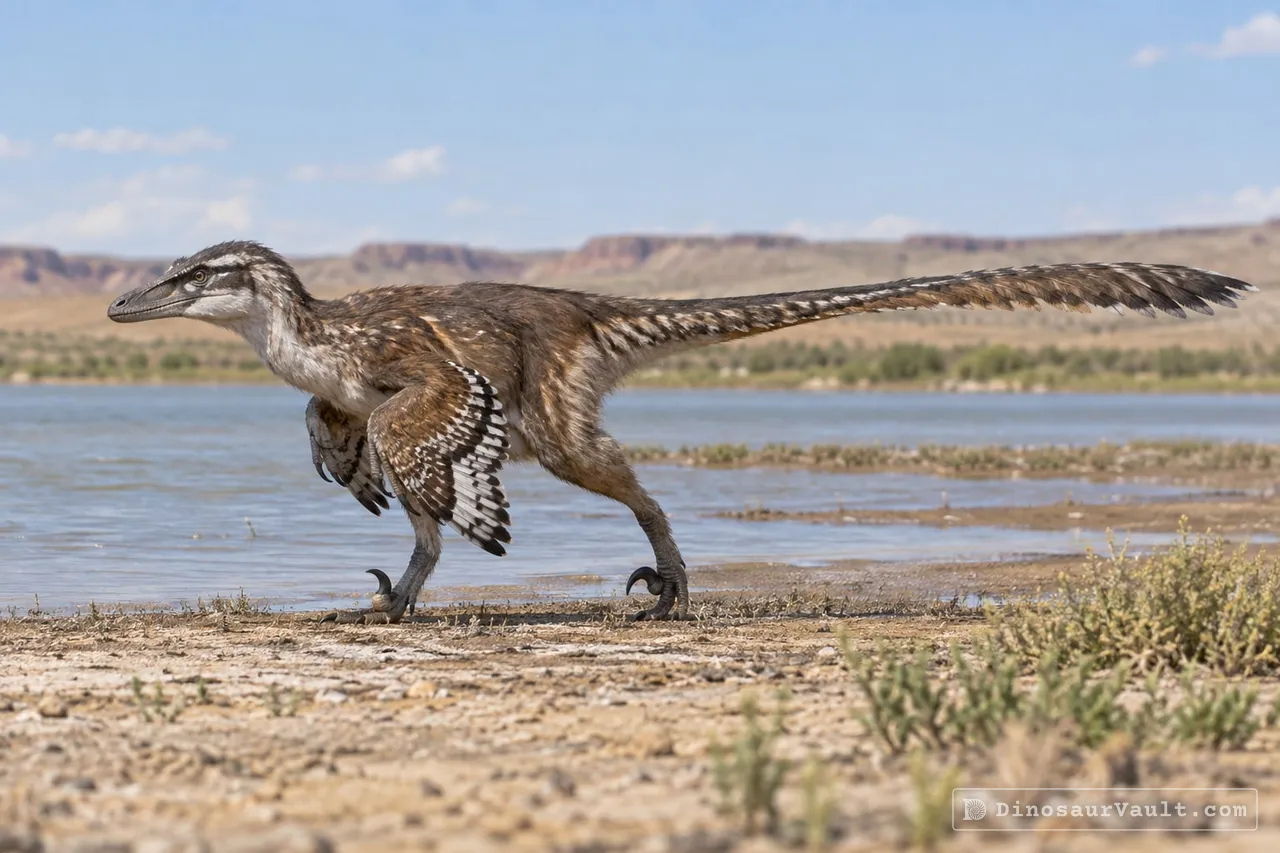
Scenes reconstructed from the available fossil evidence.
1 of 7
Lived alongside
Found in the same rock formations
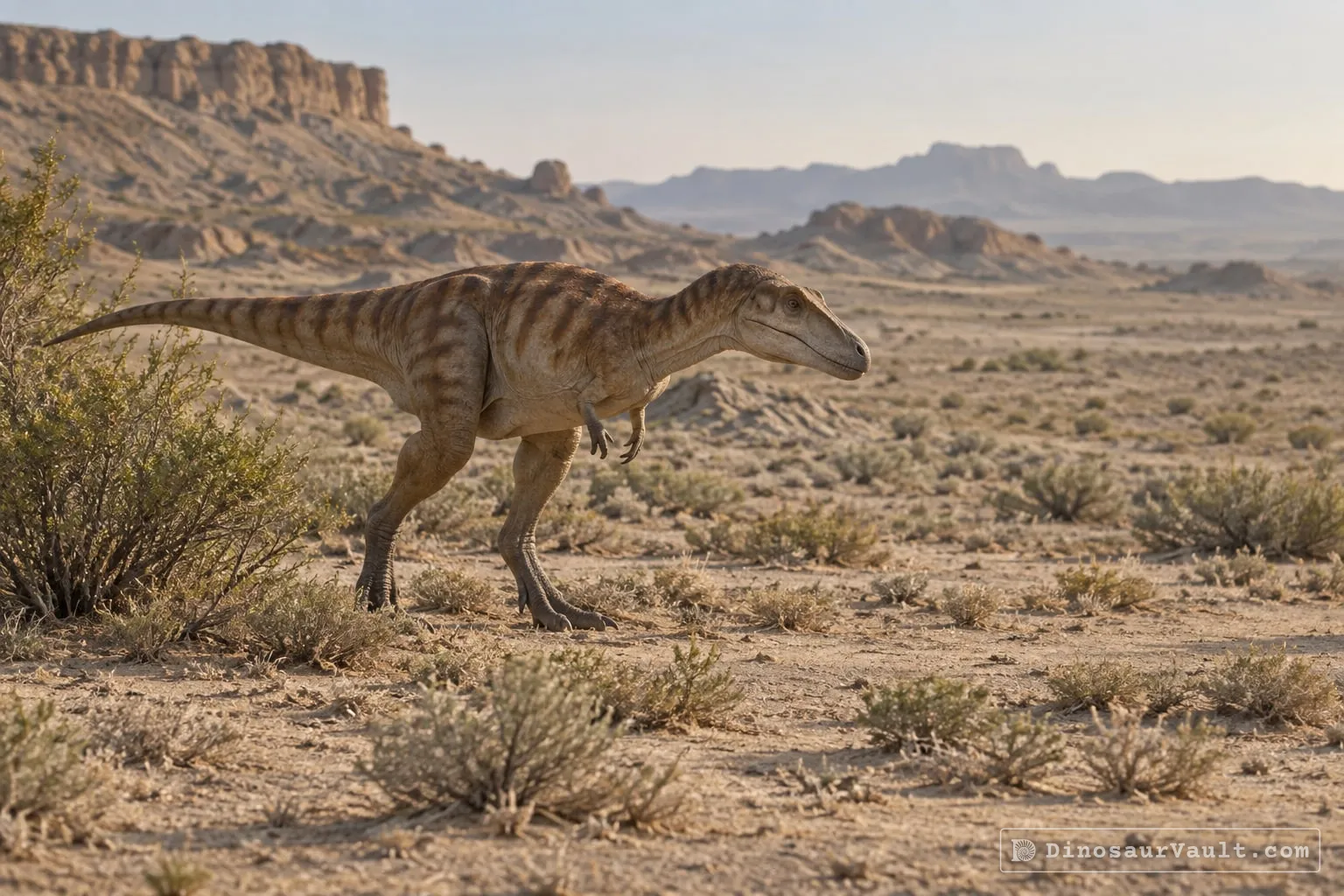
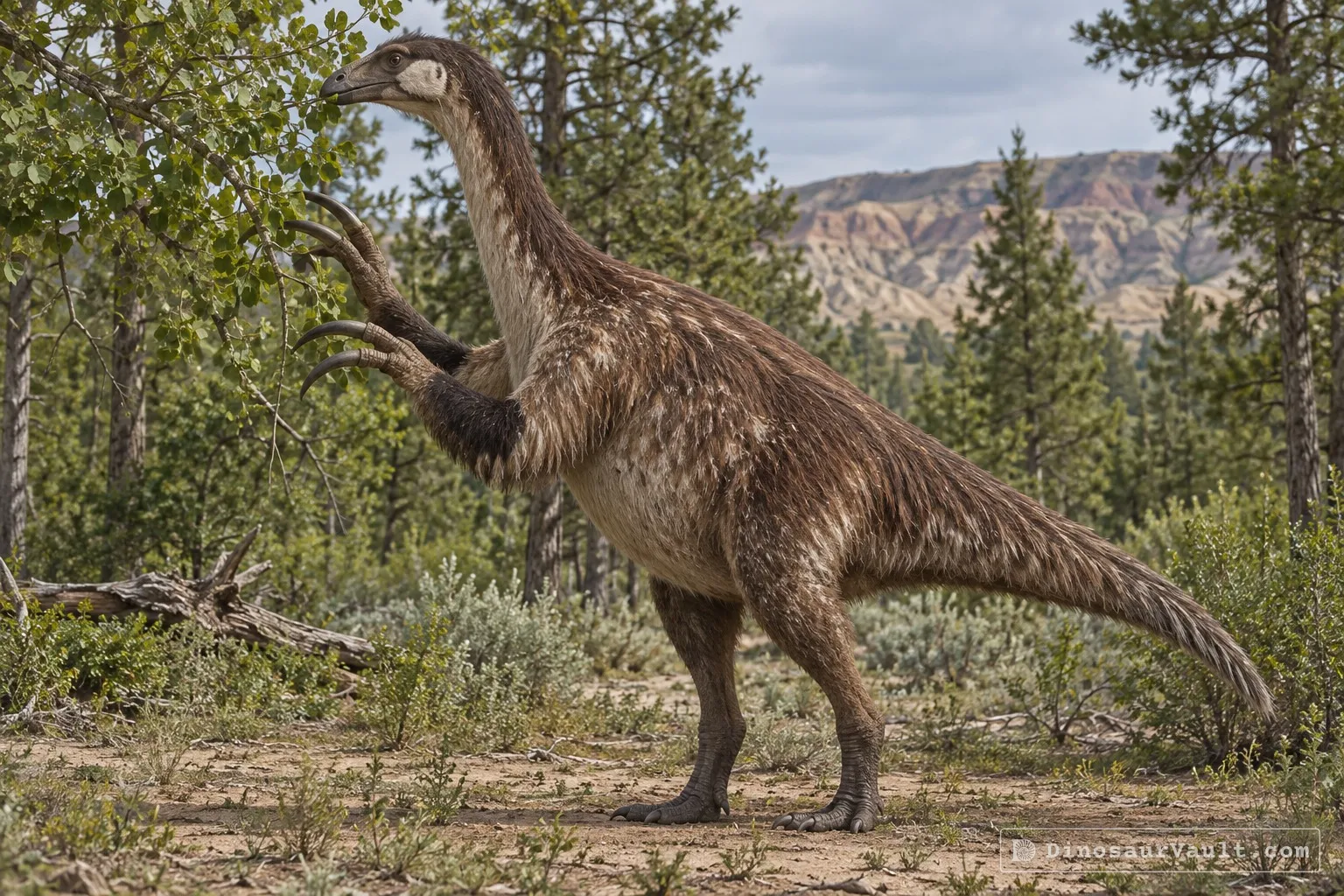
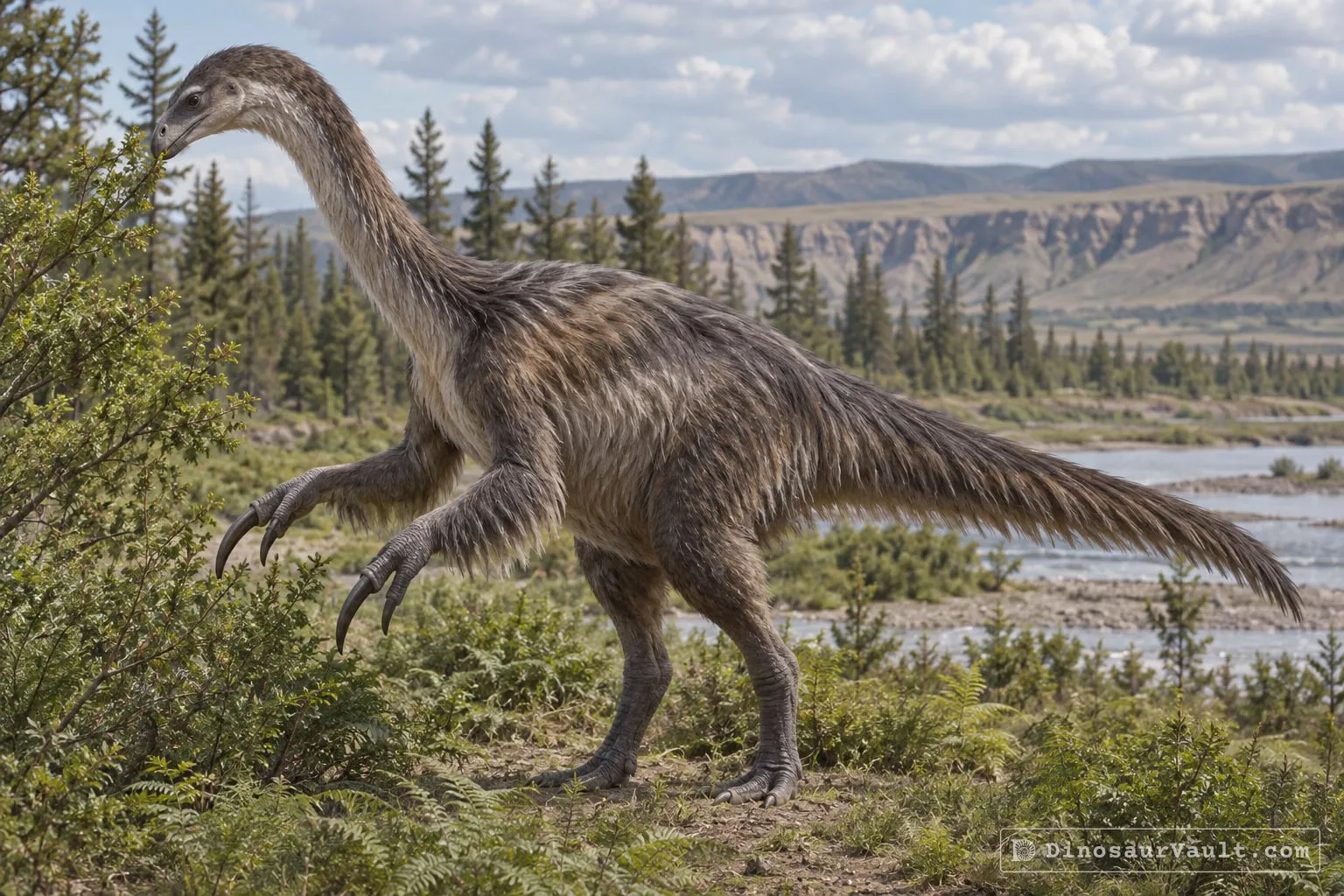
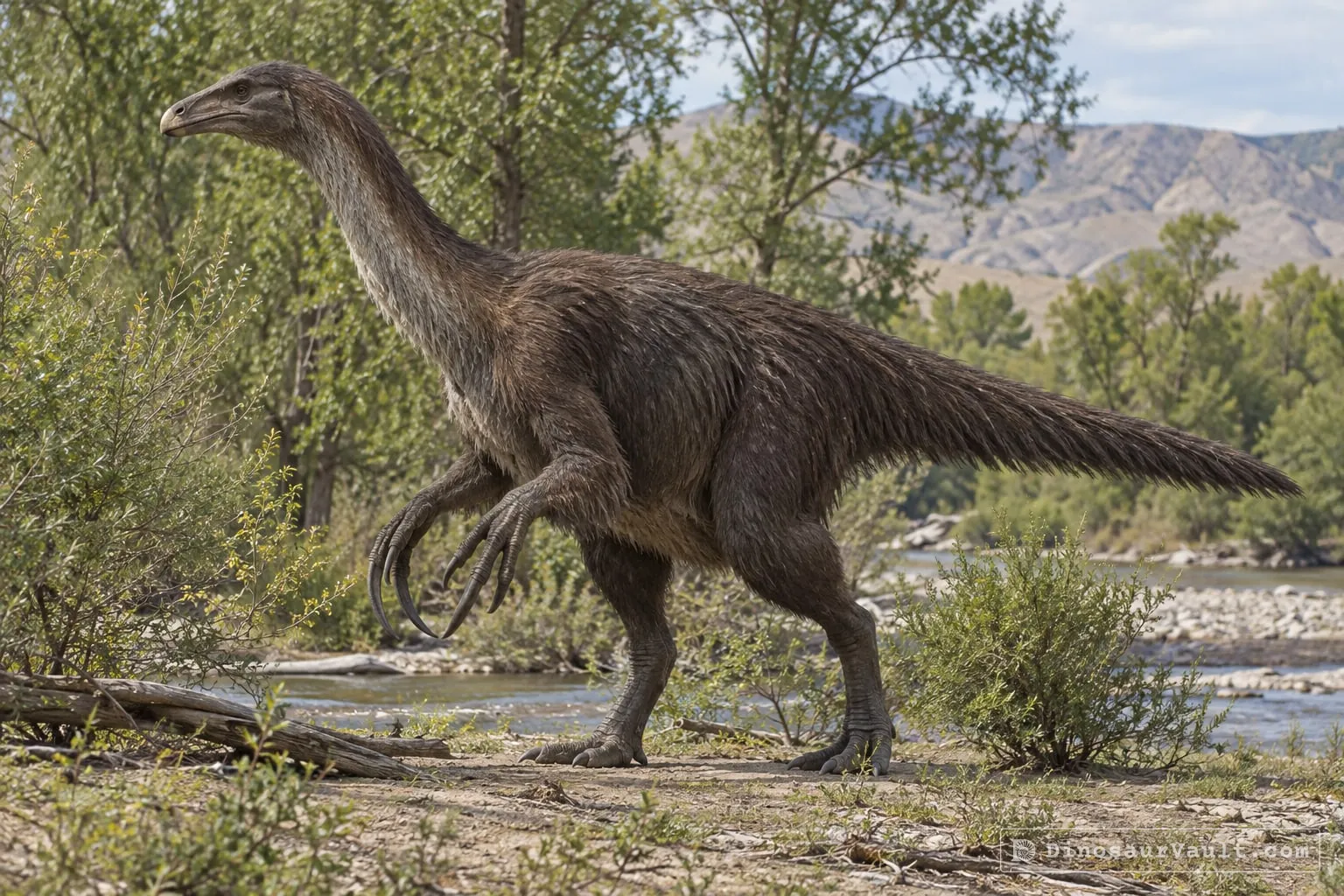
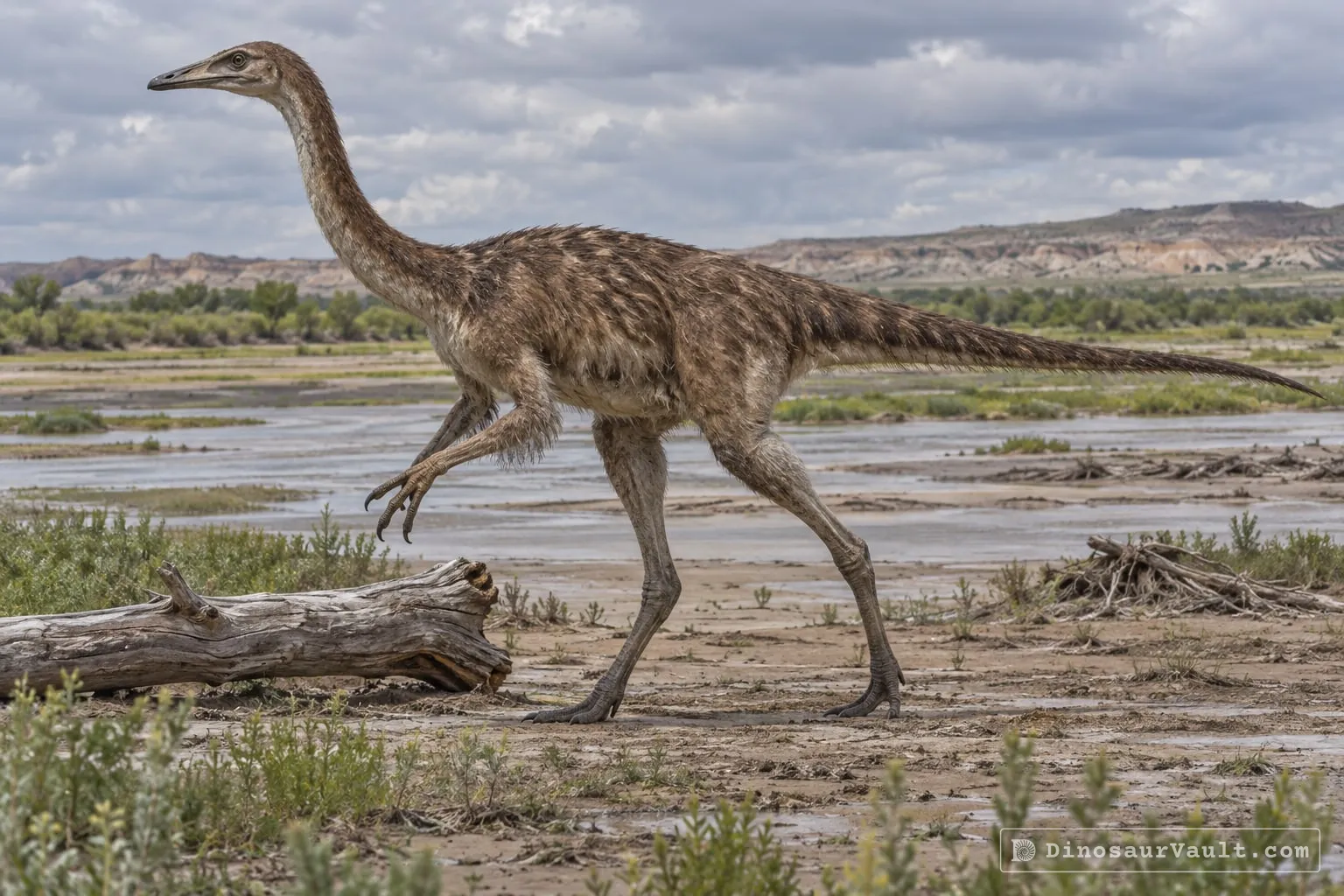
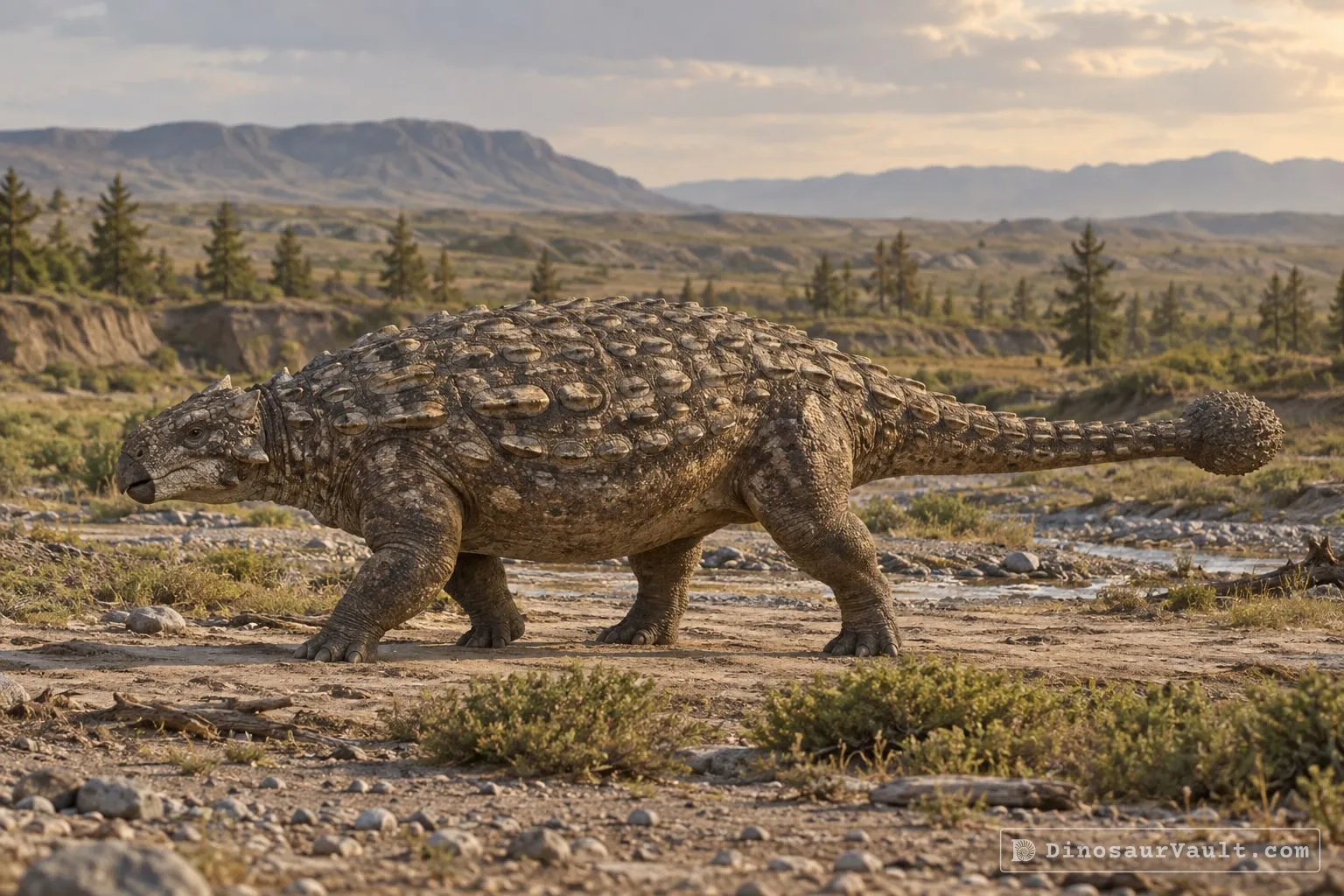
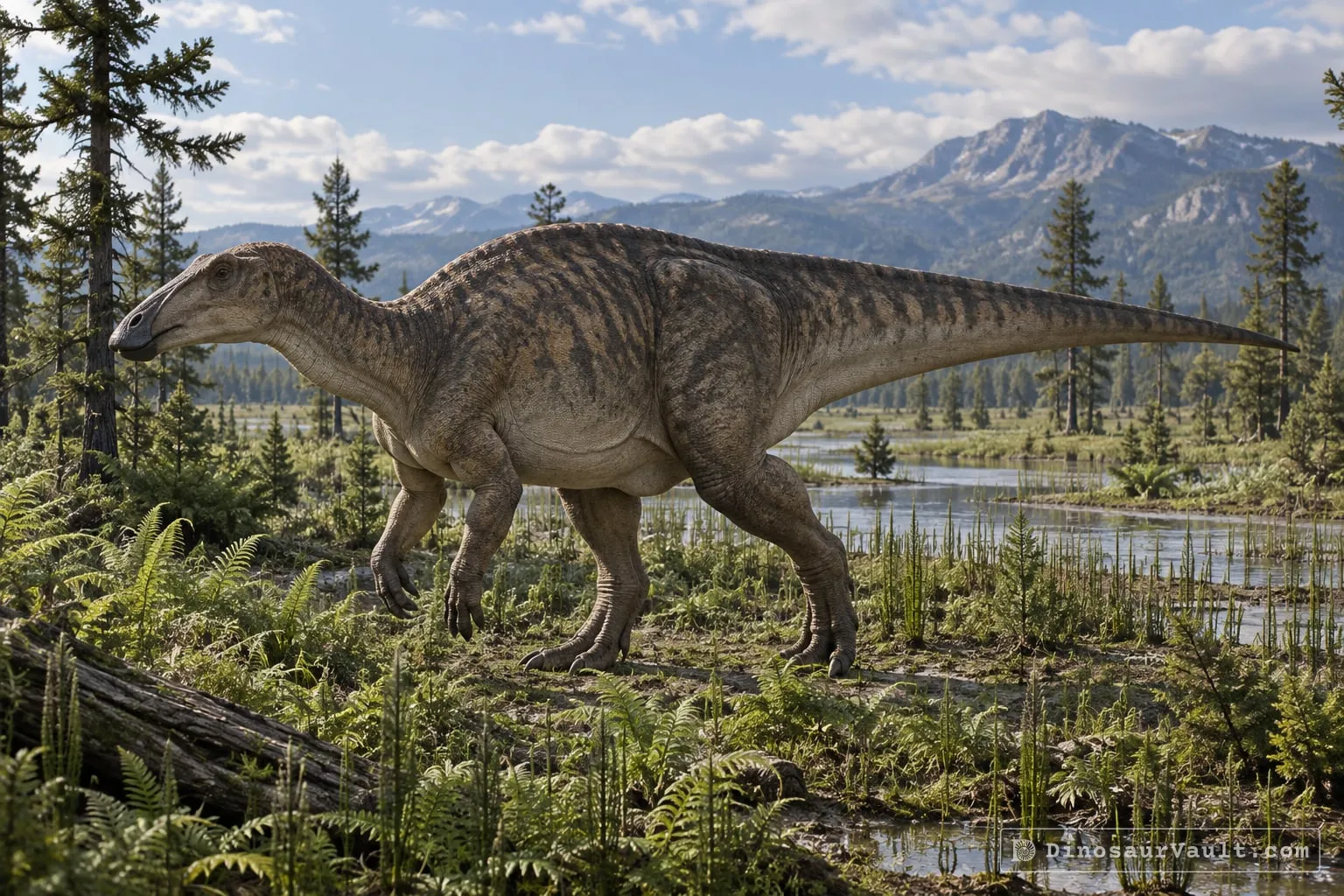
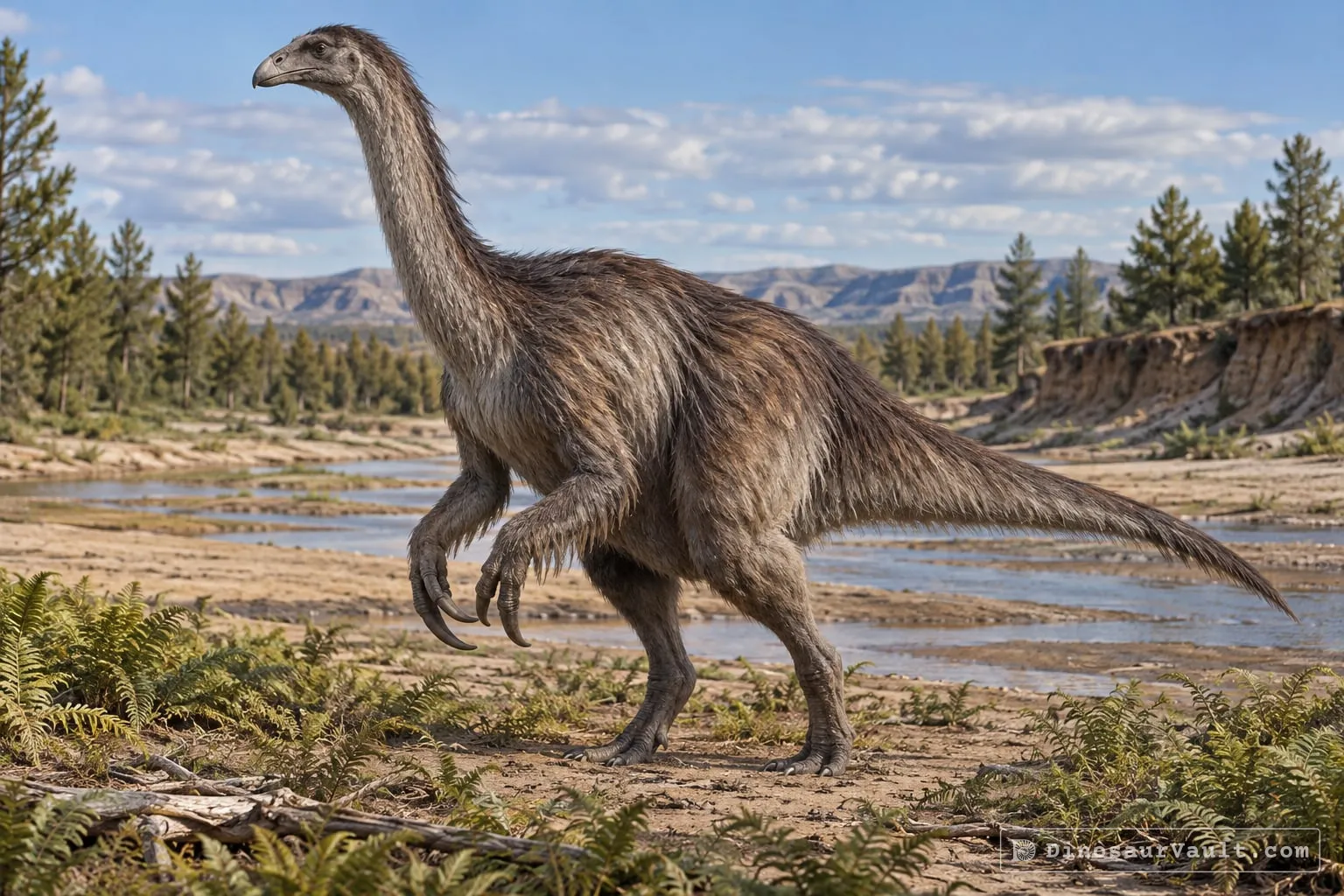


A rock formation can hold fossils laid down millions of years apart, so not every animal here met Achillobator.
The evidence
The science behind Achillobator
Which parts of the picture come from its own bones, and which come from its relatives.
From its own fossils
- A partial skeleton includes jaw, backbone, hip and limb bones from a large, heavily built raptor.
- A large curved claw on the second toe and sturdy hindlimb bones gave it powerful feet.
Borrowed from relatives
- Feathered relatives such as Velociraptor and Microraptor suggest feathers on the body and arms.
- Dromaeosaurus and other raptors help fill gaps in the skull and skeleton.
Still unknown
- The length, shape and color of its feathers.
- What hatchlings and young animals looked like.
- Its hunting behavior and usual prey.
Often drawn wrong
- Its palms faced each other rather than the ground.
- The enlarged second-toe claws were carried clear of the ground when walking.
- Its head should follow raptor proportions rather than resemble the oversized skull of Tyrannosaurus.
Discovery timeline
- 1999Named itPerle, Norell & Clark
- 2007Close relativeTurner, Makovicky & Norell
- 2012Family treeTurner, Makovicky & Norell
Key papers
The research behind what we know of Achillobator
Named it
Named a large, robust raptor from a partial skeleton in Mongolia, including a greatly enlarged second-toe claw.
A new maniraptoran theropod—Achillobator giganticus (Dromaeosauridae)—from the Upper Cretaceous of Burkhant, Mongolia. Contributions of the Department of Geology, National University of Mongolia 101: 1-105
No link available
Close relative
Found feather attachment bumps on a Velociraptor forearm, supporting feathered arms in related ground-dwelling raptors.
Feather quill knobs in the dinosaur Velociraptor. Science 317: 1721
Read the paper : Feather quill knobs in the dinosaur Velociraptor (opens in a new tab)Family tree
Reviewed Achillobator bones and compared them with other raptors to test relationships within the family.
A Review of Dromaeosaurid Systematics and Paravian Phylogeny. Bulletin of the American Museum of Natural History 371: 1-206
Read the paper : A Review of Dromaeosaurid Systematics and Paravian Phylogeny (opens in a new tab)
Close relatives
Other members of Dromaeosauridae


Sources: Wikidata