Alectrosaurus
"unmarried lizard"
- Lived
- 90 to 72 million years ago, Late Cretaceous
- Diet
- Carnivore
- Length
- about 5 m (16 ft)
- Group
- Theropods
- Found in
- China
- Named by
- Gilmore 1933
Size comparison
To scale


Scale in metersOutline: typical theropod shape
Where its fossils were found
The evidence
Today

80 million years ago
Habitat
Rivers crossed a broad floodplain with soils and temporary pools in what is now China. The Iren Dabasu Formation also contains Gigantoraptor and Archaeornithomimus.
Field notes
About Alectrosaurus
What it was like
Alectrosaurus was a medium-sized tyrannosauroid, an early relative of Tyrannosaurus. It was about 5 meters (16 feet) long, with long legs built for running and larger arms than its giant later cousins.
Its skull is poorly known, but it probably hunted like other early tyrannosaur relatives, chasing down plant eaters smaller than itself.
Its world
It lived in the Late Cretaceous, in what is now China. The first bones came from the Iren Dabasu Formation, where it shared the land with the giant bird-like Gigantoraptor and the ostrich-like Archaeornithomimus.
How it was found
Gilmore named Alectrosaurus in 1933, from bones found by an American expedition to Asia. Some fossils from Uzbekistan have also been referred to it, but that link is uncertain.
Field gallery
More views of Alectrosaurus
Scenes reconstructed from the available fossil evidence.
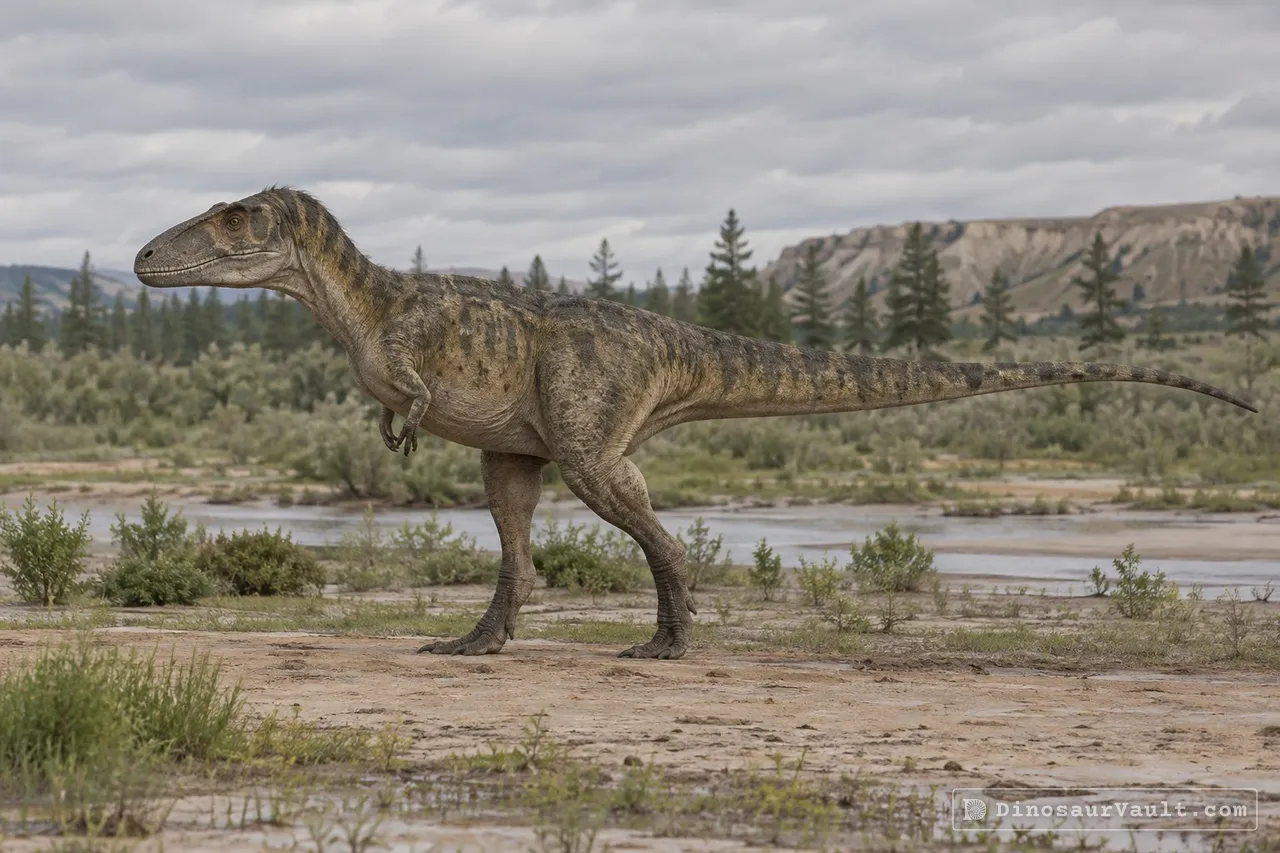
1 of 3
Lived alongside
Found in the same rock formations
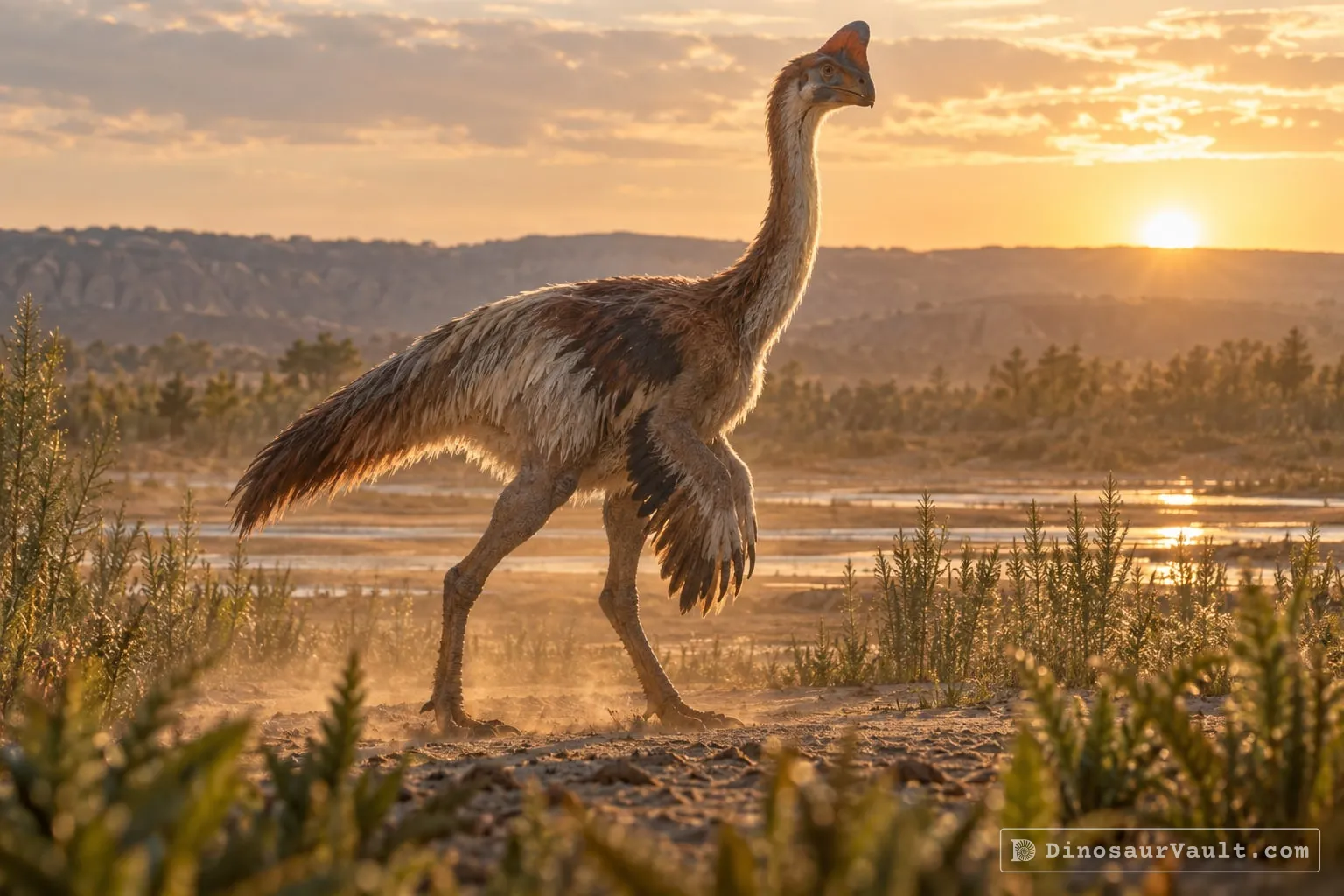
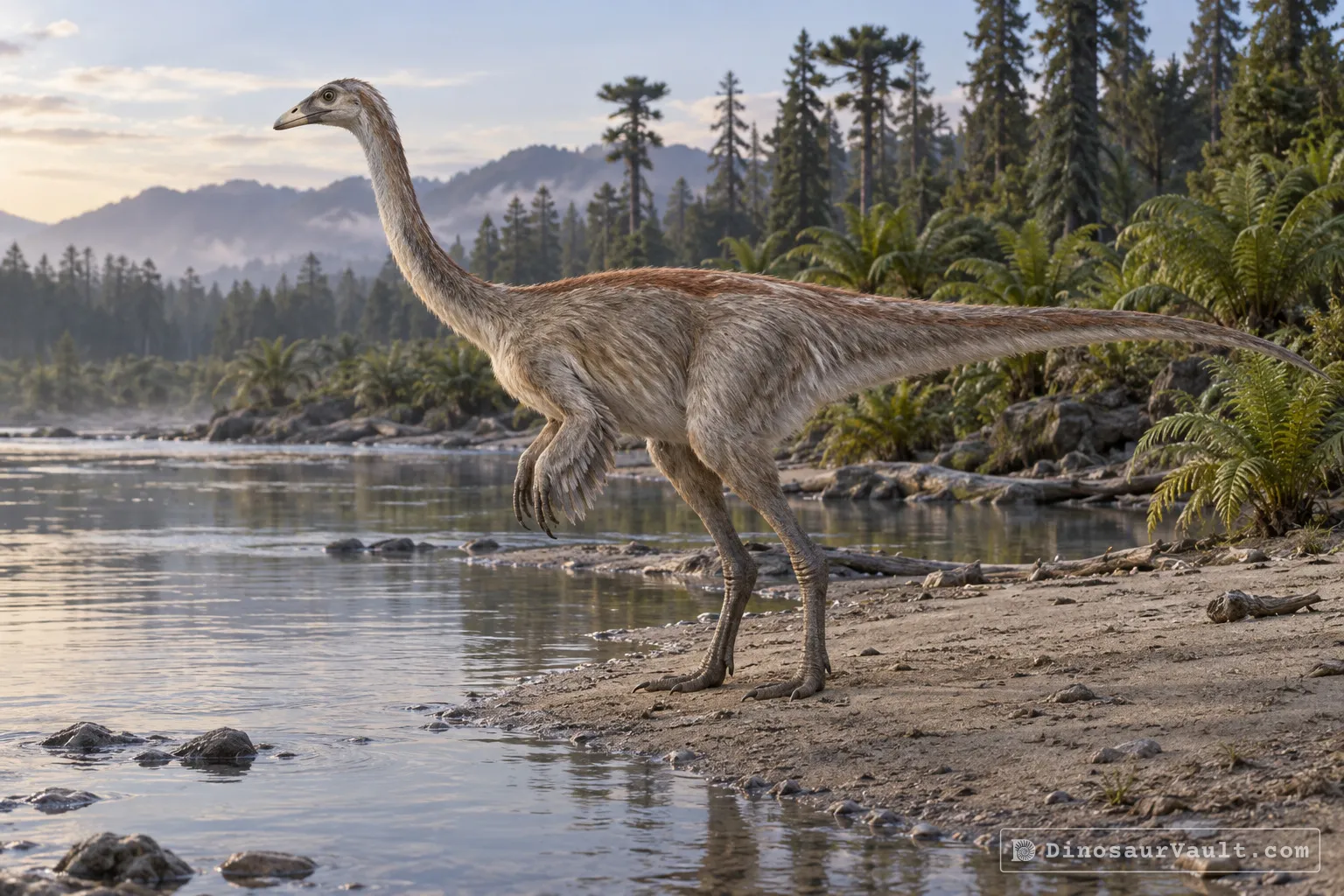
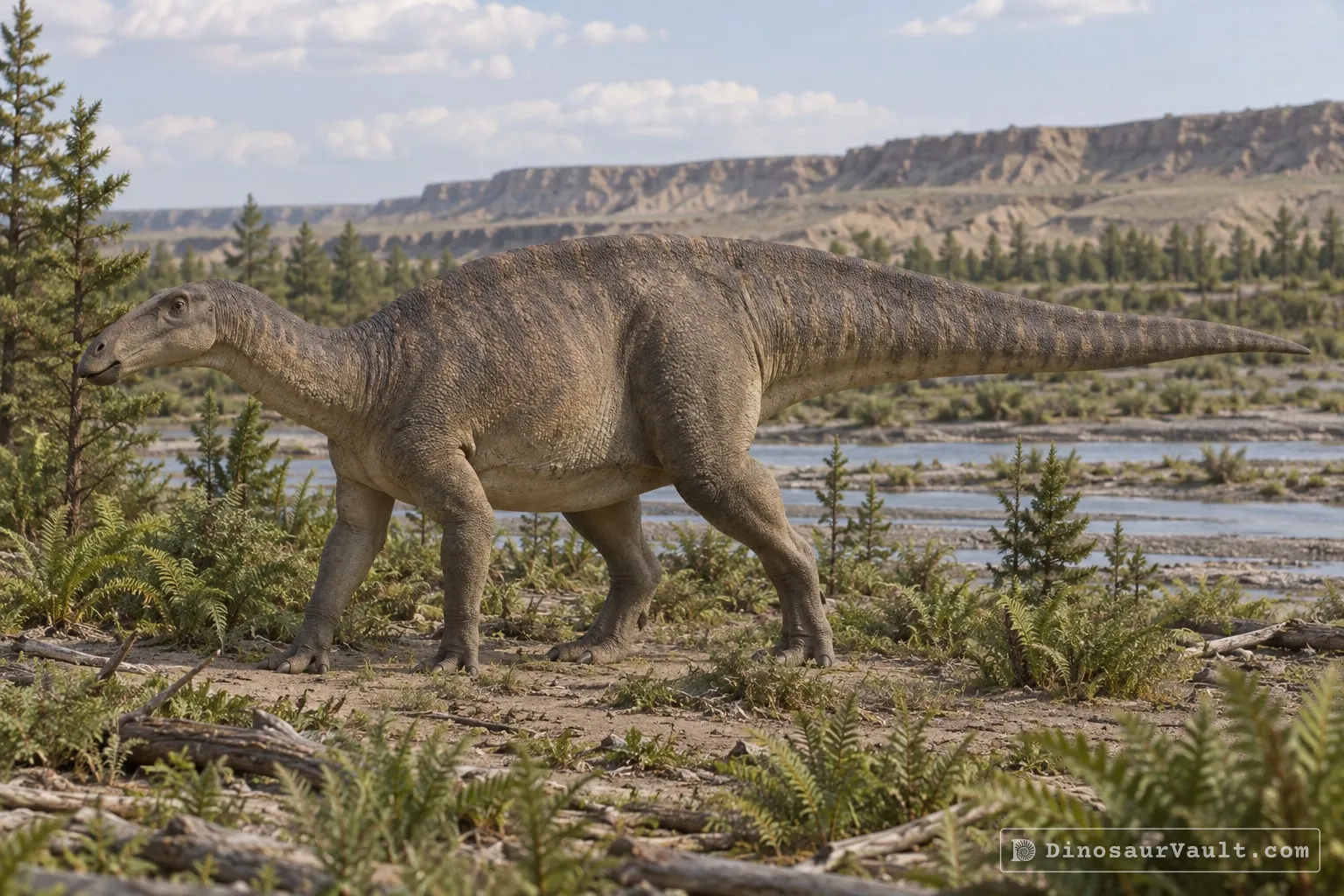
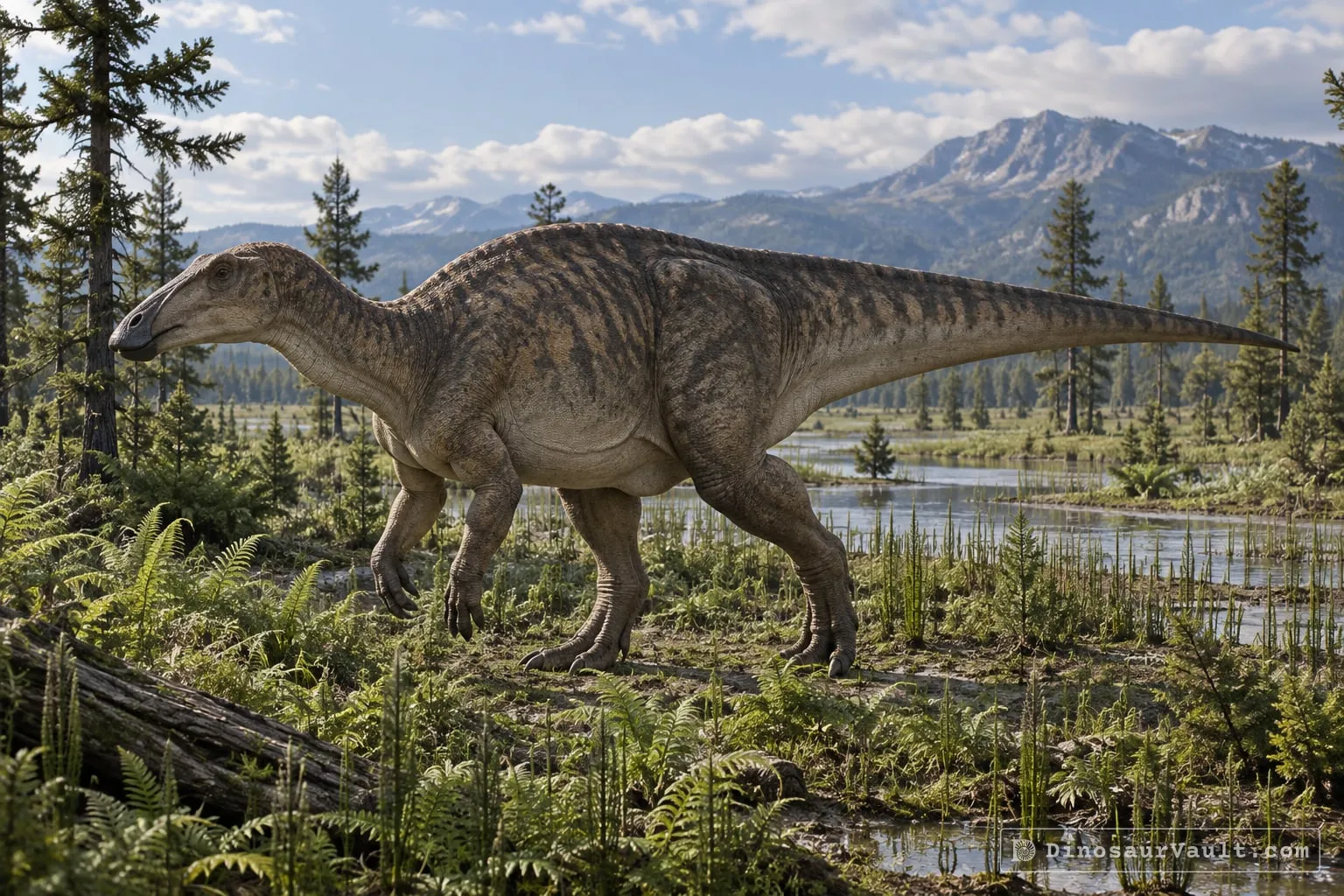
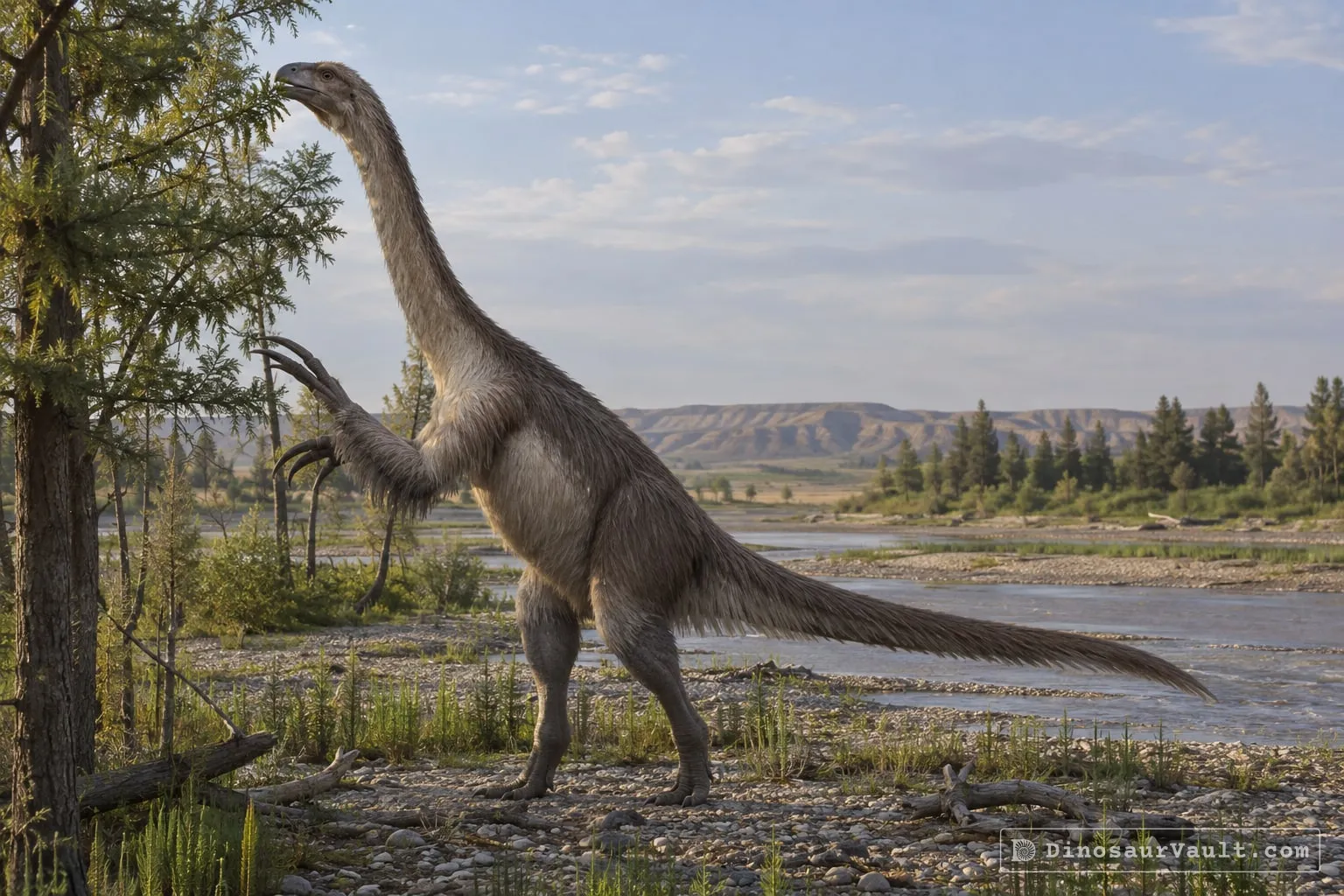
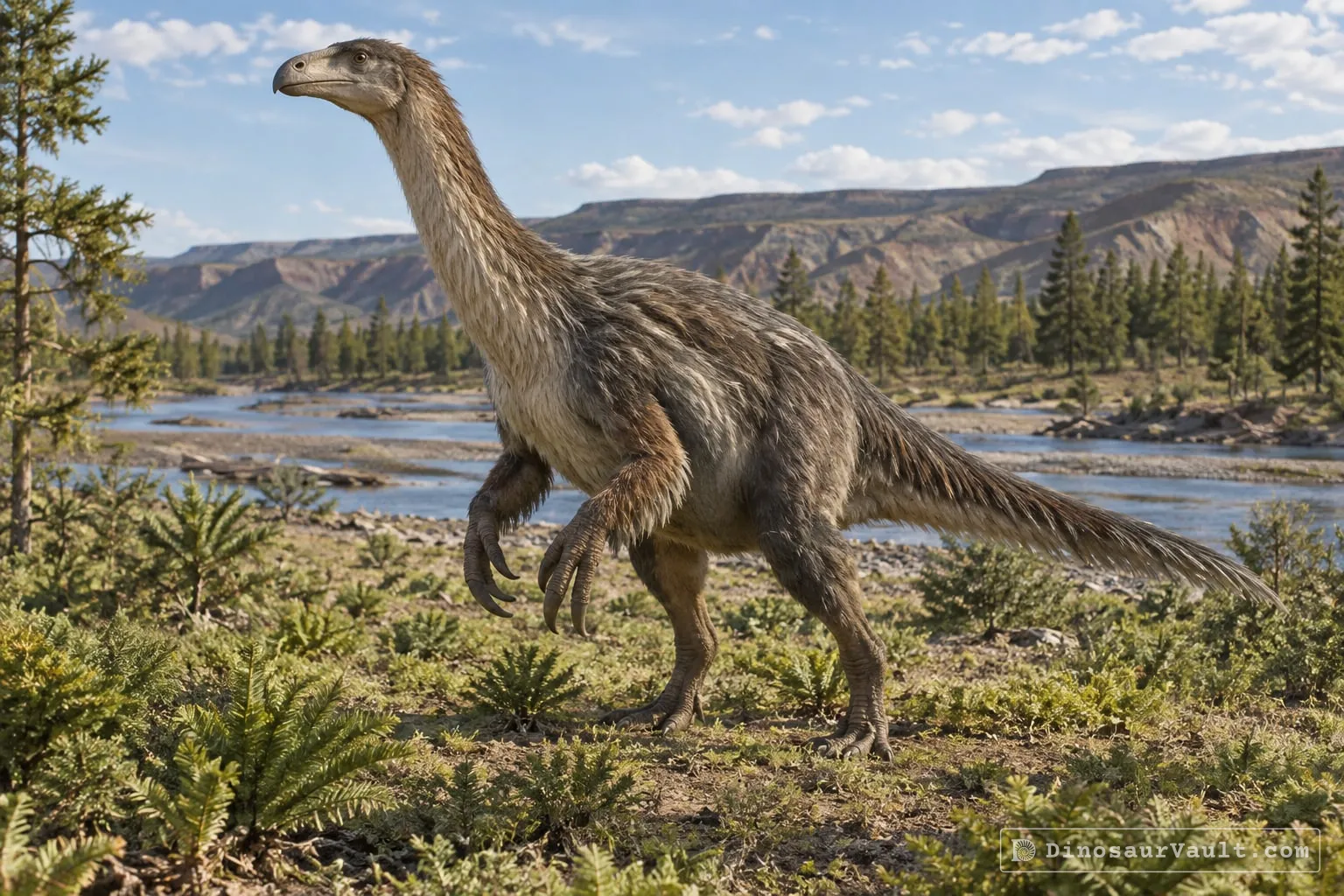
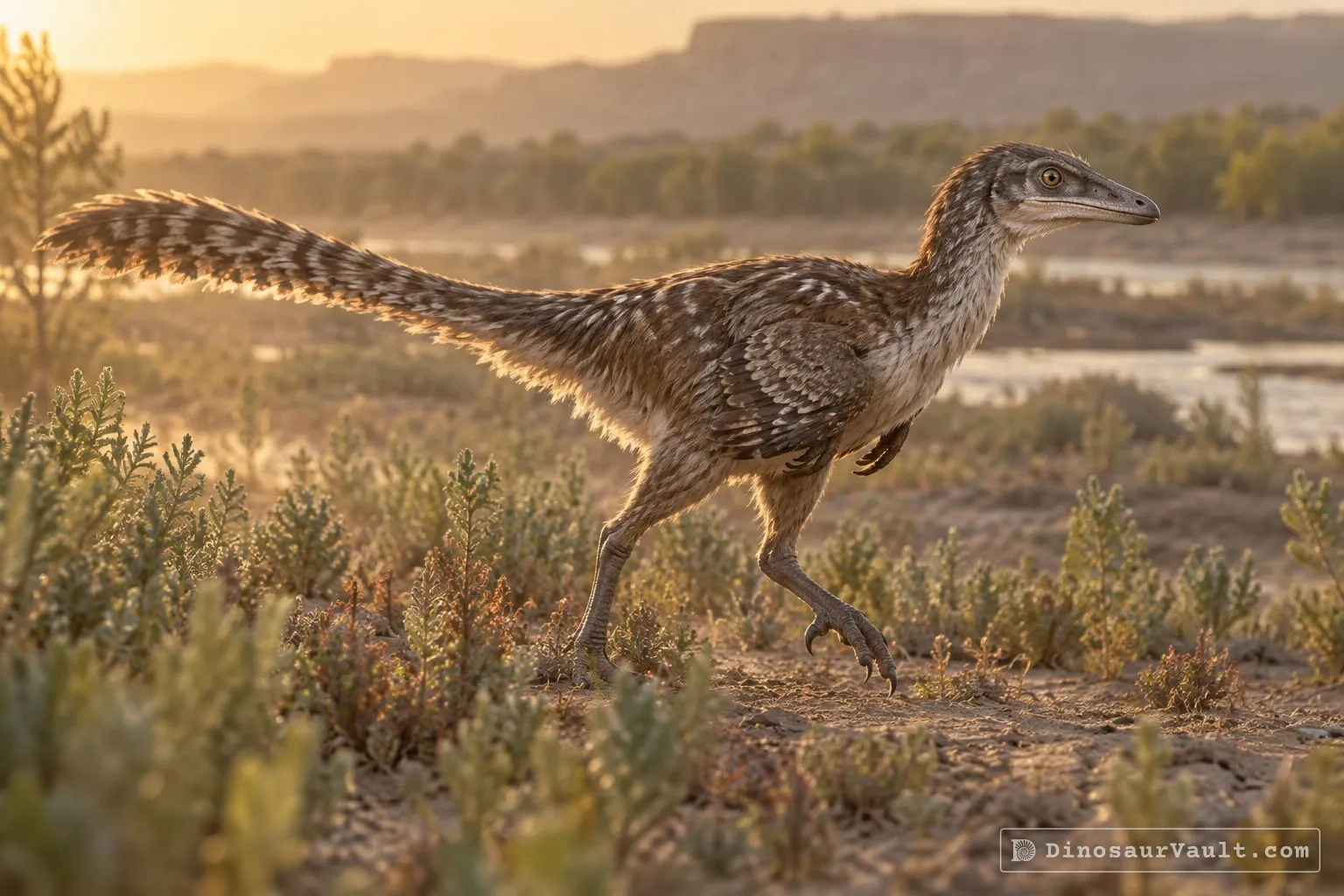
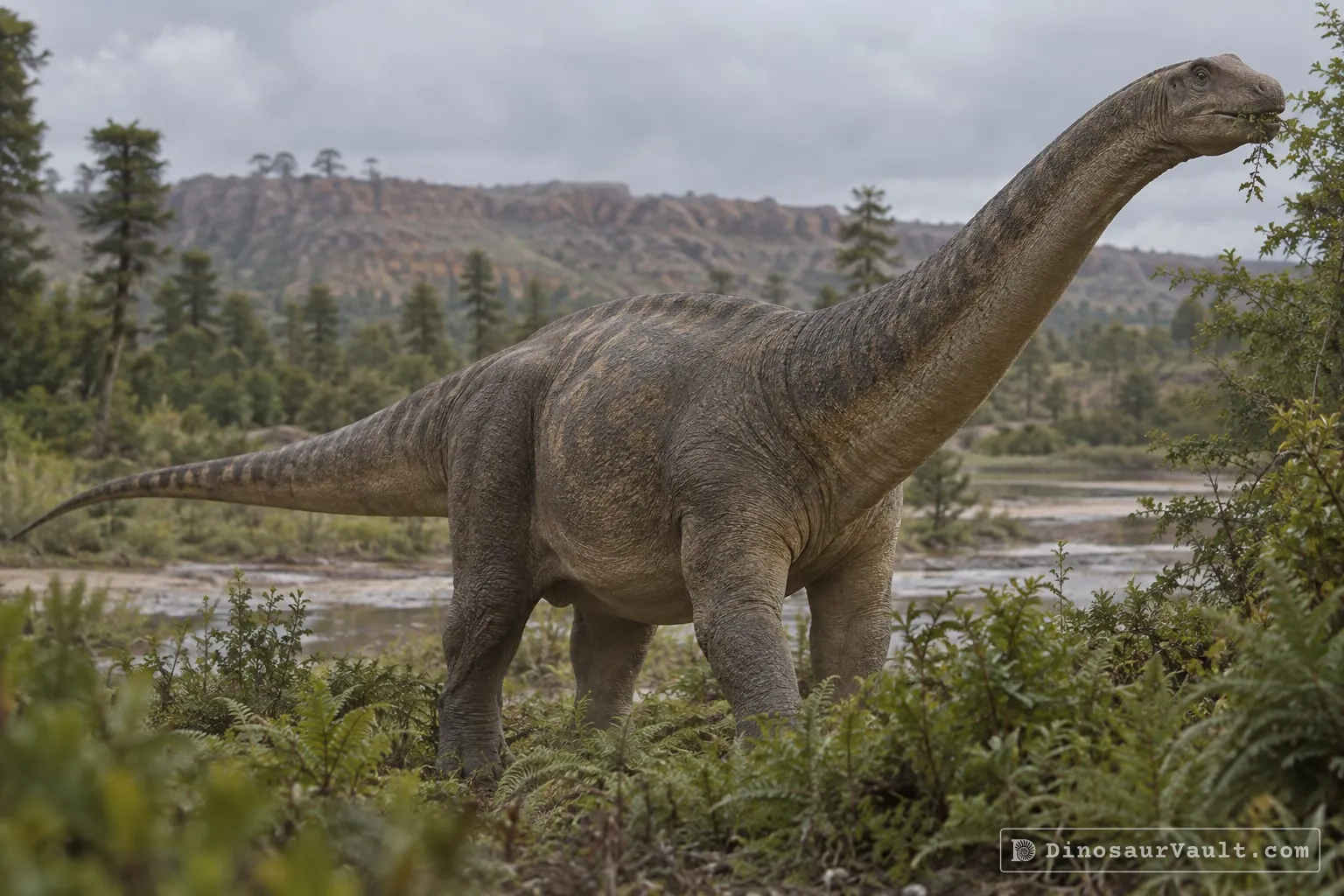


A rock formation can hold fossils laid down millions of years apart, so not every animal here met Alectrosaurus.
The evidence
The science behind Alectrosaurus
Which parts of the picture come from its own bones, and which come from its relatives.
From its own fossils
- The defining specimen preserves a right hind leg with its bones still joined, part of the left foot and pieces of the hips.
- Its toe bones have strongly raised joint ends, giving the foot a distinctive shape.
Borrowed from relatives
- Most of the skull, torso and arms are restored by comparison with other tyrannosauroids, such as Xiongguanlong and Tyrannosaurus.
Still unknown
- Its skull and arms. A skull and arm bones once linked to it come from separate finds that cannot be matched to the leg.
- Whether two small hand claws found with the leg belong to it or to a different kind of dinosaur.
- Its exact position in the tyrannosauroid family tree.
Discovery timeline
- 1933Named itGilmore
- 1989RedescriptionMader & Bradley
- 2005Its worldVan Itterbeeck et al.
- 2022Full descriptionCarr
Key papers
The research behind what we know of Alectrosaurus
Named it
Named Alectrosaurus from theropod bones found in the Iren Dabasu Formation.
On the dinosaurian fauna of the Iren Dabasu Formation. Bulletin of the American Museum of Natural History 68: 23-78
No link available
Redescription
Separated bones from different dinosaur families in the original material and made the tyrannosauroid hind leg the defining specimen of Alectrosaurus.
A redescription and revised diagnosis of the syntypes of the Mongolian tyrannosaurAlectrosaurus olseni. Journal of Vertebrate Paleontology 9: 41-55
Read the paper : A redescription and revised diagnosis of the syntypes of the Mongolian tyrannosaurAlectrosaurus olseni (opens in a new tab)Its world
Studied river deposits, floodplain soils and small water-dwelling fossils to reconstruct the landscape of the Iren Dabasu Formation.
Stratigraphy and palaeoenvironment of the dinosaur-bearing Upper Cretaceous Iren Dabasu Formation, Inner Mongolia, People's Republic of China. Cretaceous Research 26: 699-725
Read the paper : Stratigraphy and palaeoenvironment of the dinosaur-bearing Upper Cretaceous Iren Dabasu Formation, Inner Mongolia, People's Republic of China (opens in a new tab)Full description
Identified distinctive toe joints and rejected several earlier assignments of skull and other fossils to Alectrosaurus.
A reappraisal of tyrannosauroid fossils from the Iren Dabasu Formation (Coniacian–Campanian), Inner Mongolia, People’s Republic of China. Journal of Vertebrate Paleontology 42
Read the paper : A reappraisal of tyrannosauroid fossils from the Iren Dabasu Formation (Coniacian–Campanian), Inner Mongolia, People’s Republic of China (opens in a new tab)
Close relatives
Other members of Tyrannosauroidea


Sources: Wikidata