Enigmosaurus
"riddle lizard"
Type species Enigmosaurus mongoliensis
- Lived
- 101 to 84 million years ago, Late Cretaceous
- Diet
- Herbivore
- Group
- Theropods, Therizinosauridae
- Found in
- Mongolia
- Named by
- Barsbold and Perle 1983
Where its fossils were found
The evidence
Today

90 million years ago
Habitat
River landscapes in what is now Mongolia were home to Segnosaurus, Erlikosaurus and Talarurus.
Field notes
About Enigmosaurus
What it was like
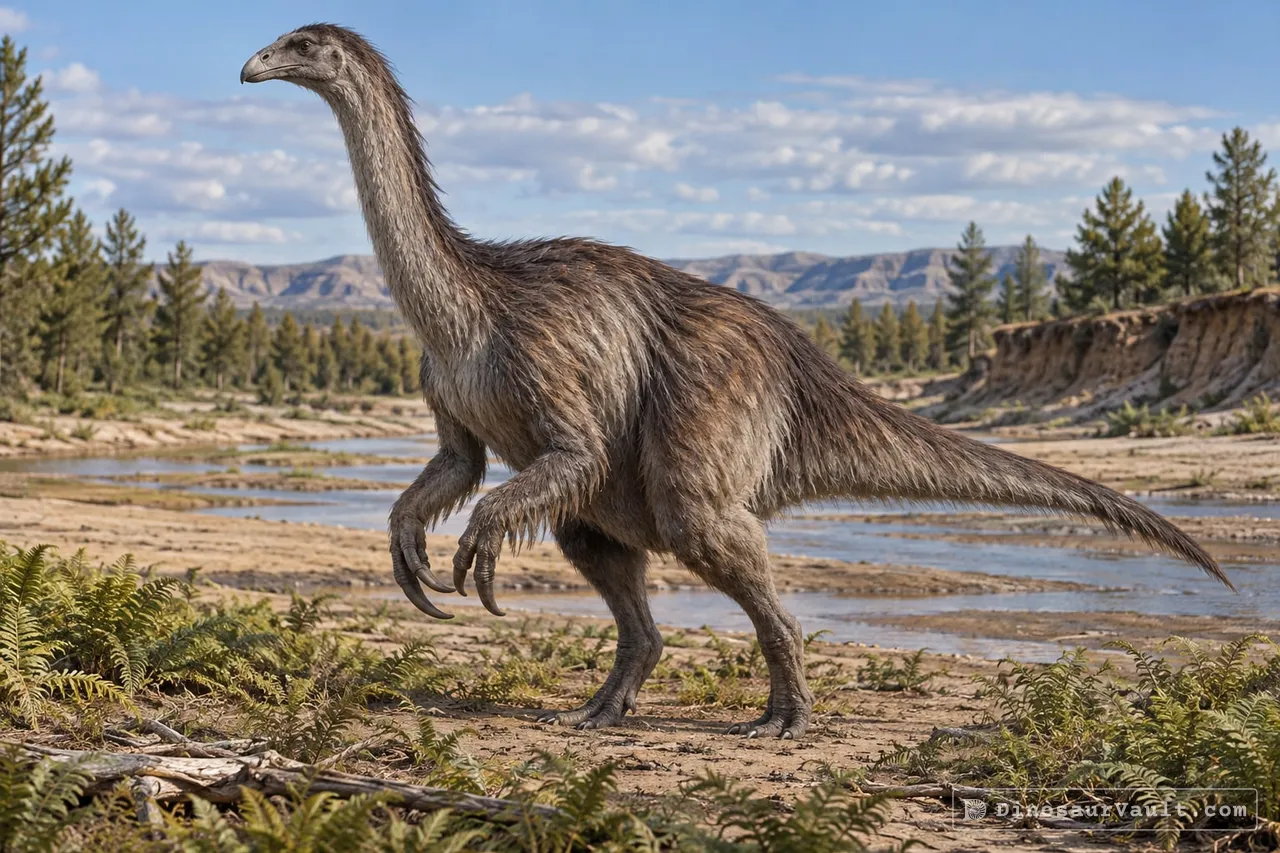
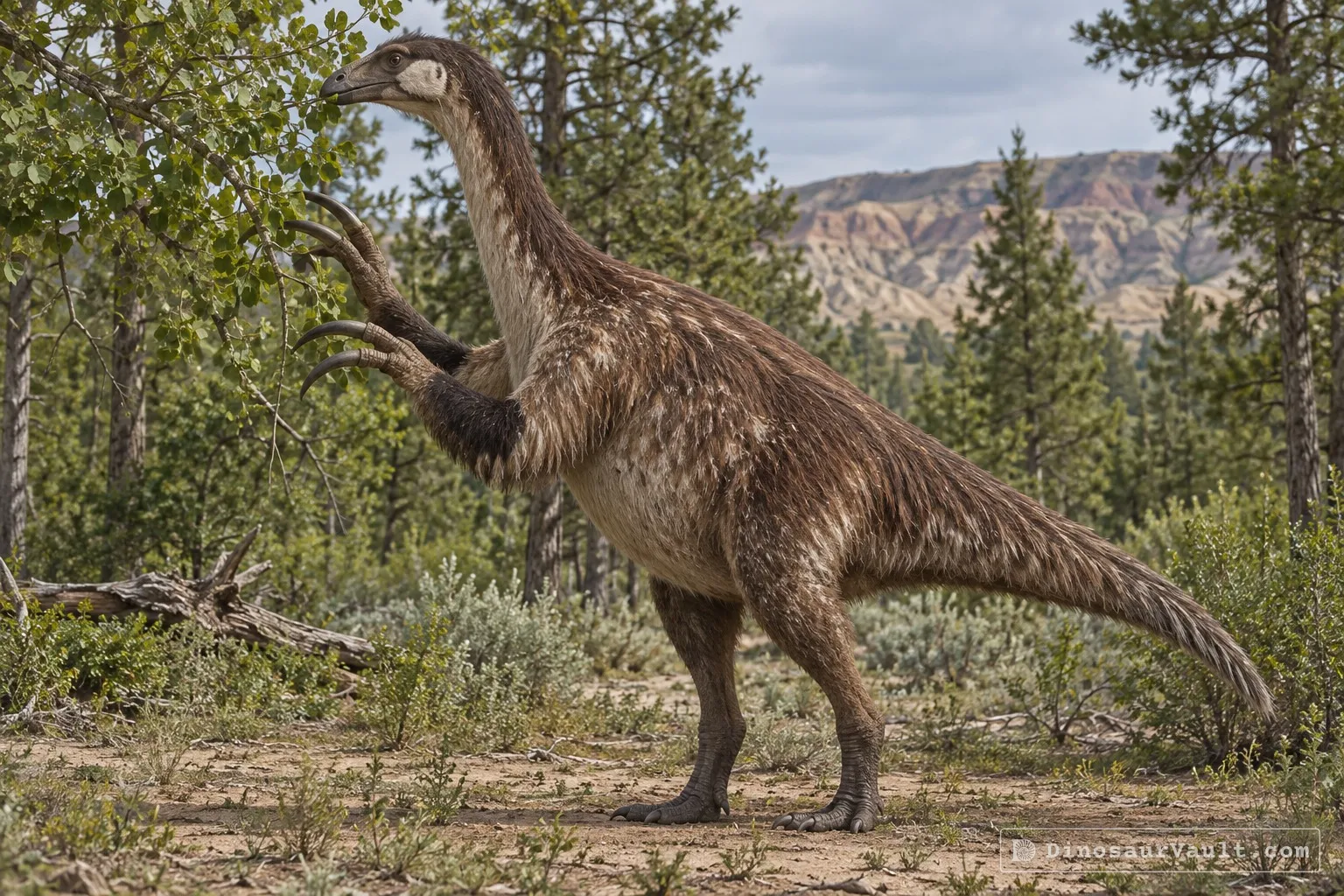
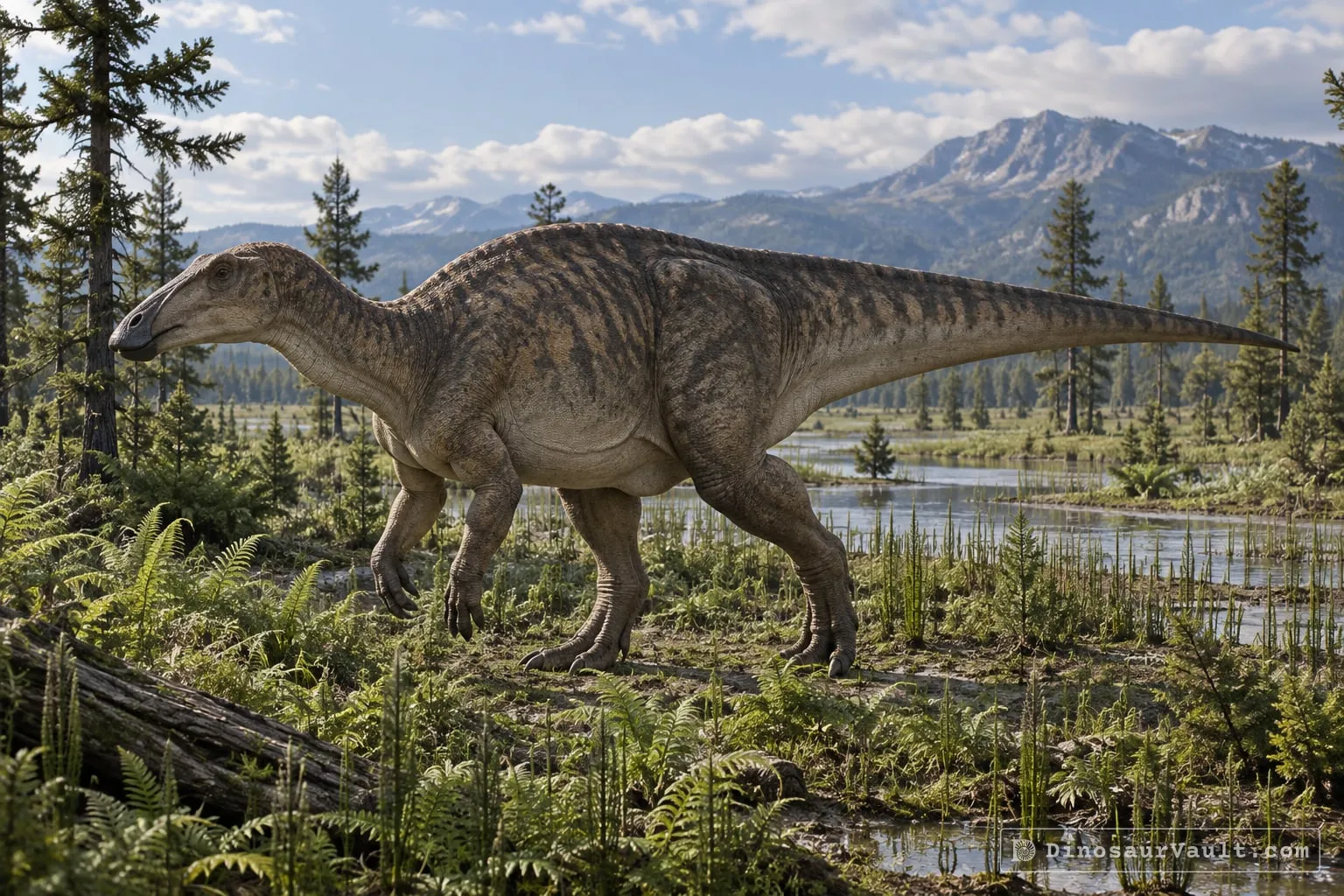
Enigmosaurus was a therizinosaur, a plant-eating theropod with a pot belly and long hand claws. It is known only from its hips, which are broad and unusual.
Its world
It lived in the Late Cretaceous, in what is now Mongolia. It comes from the Baynshire Formation, where it shared the land with its relatives Segnosaurus and Erlikosaurus, the dromaeosaur Achillobator and the armored Talarurus.
How it was found
Barsbold and Perle named Enigmosaurus in 1983. The type species is Enigmosaurus mongoliensis. Some scientists think it may be the same animal as Erlikosaurus, which is known from a skull but no hips.
Field gallery
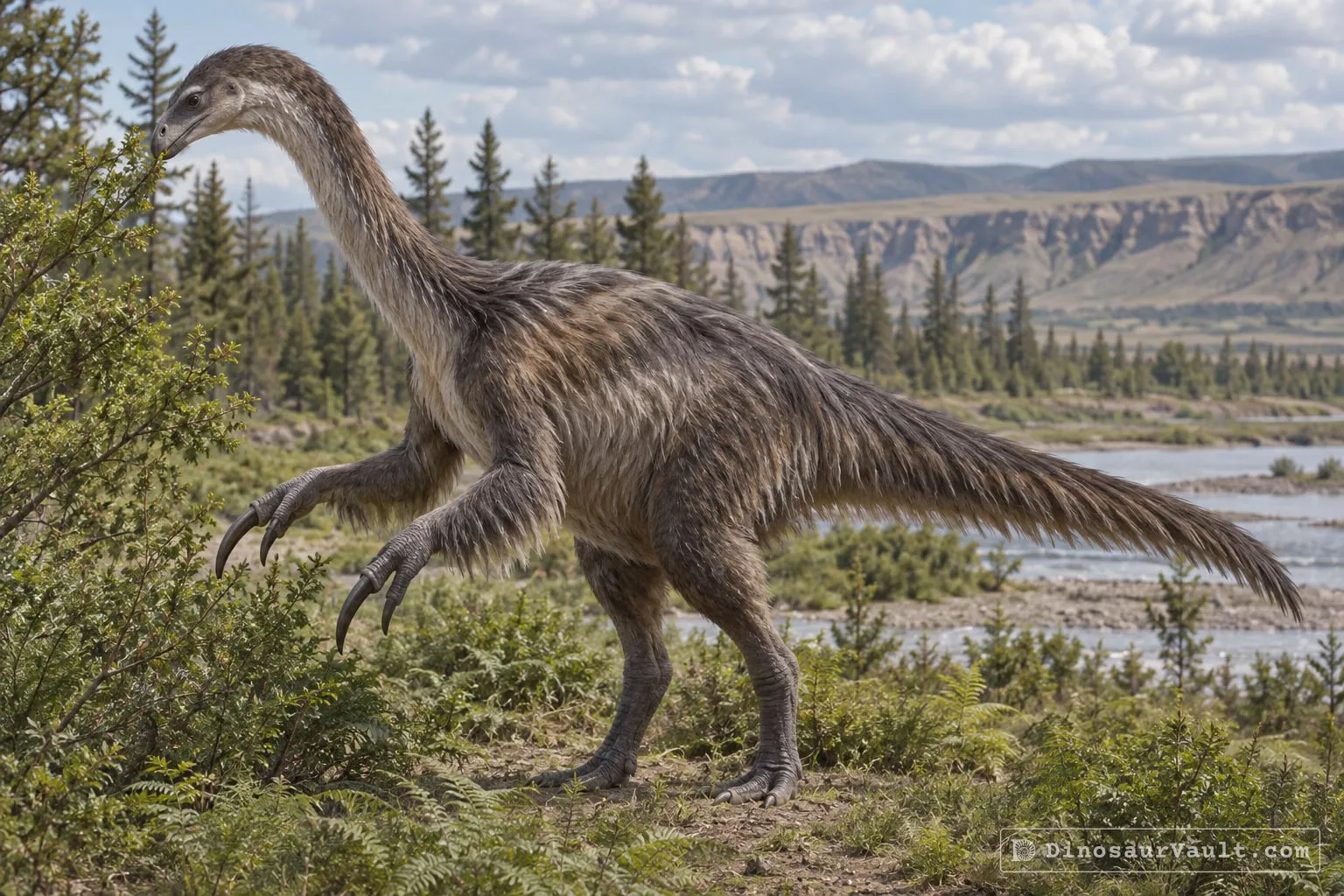
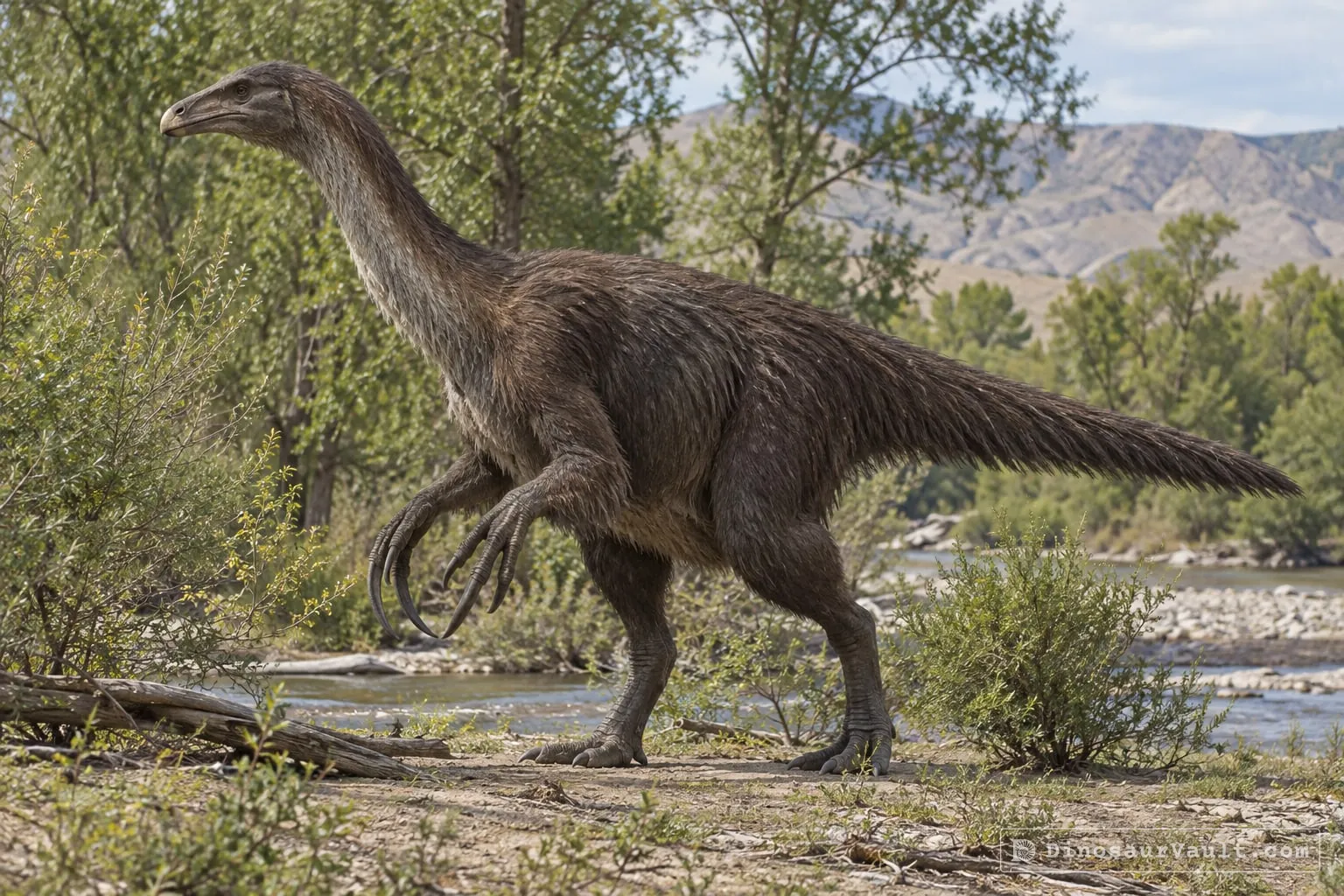
More views of Enigmosaurus
Scenes reconstructed from the available fossil evidence.
Lived alongside
Found in the same rock formations
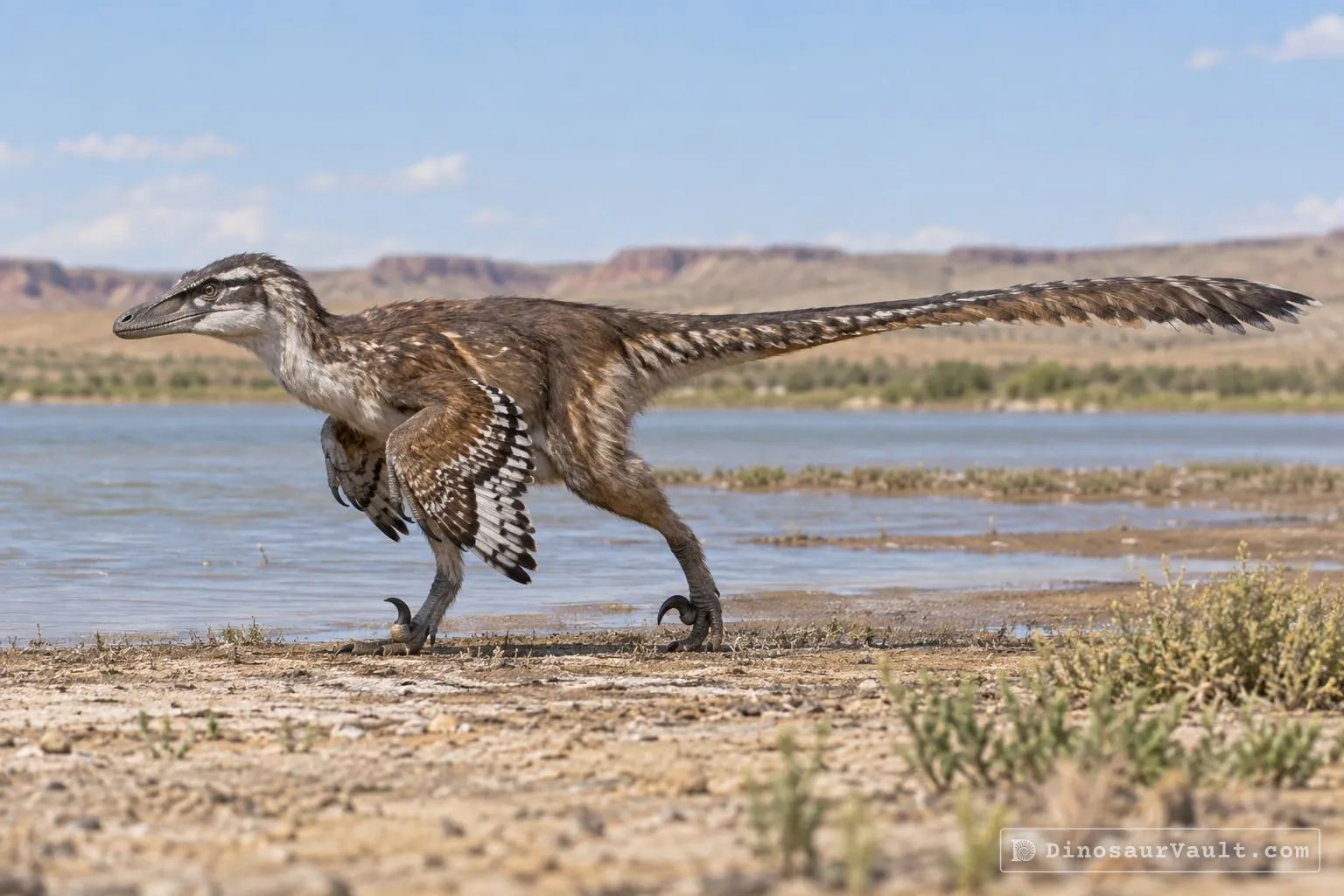
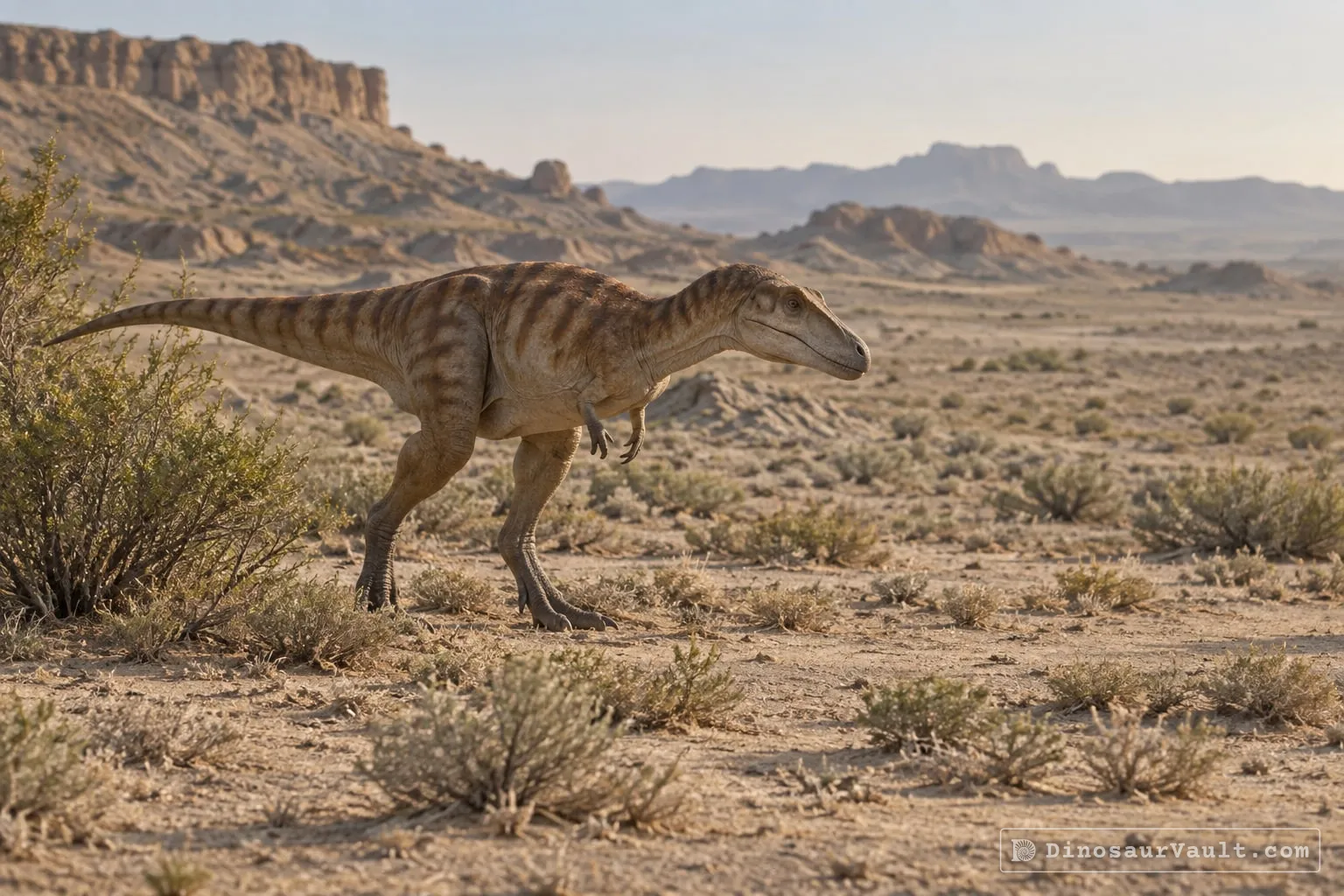
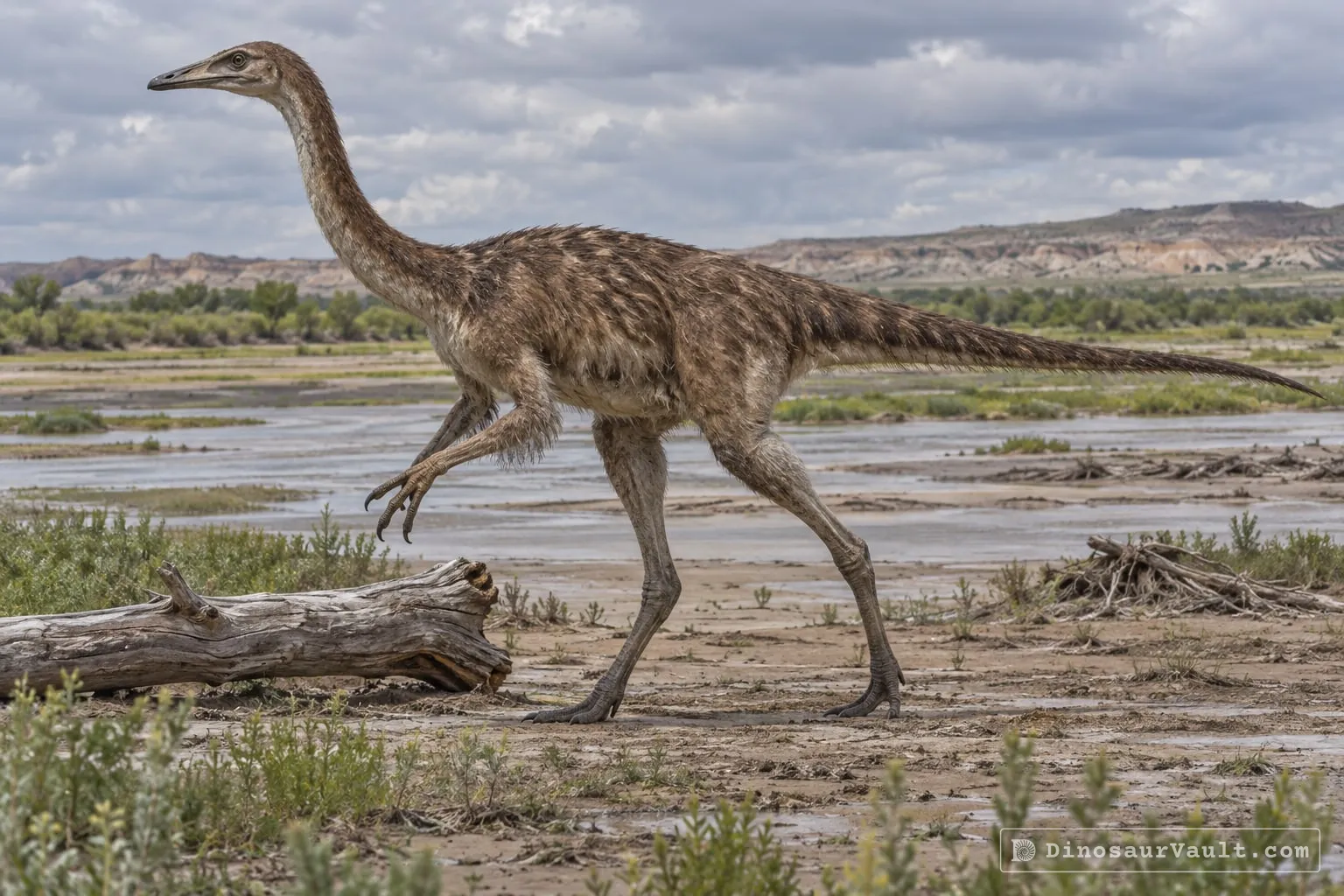
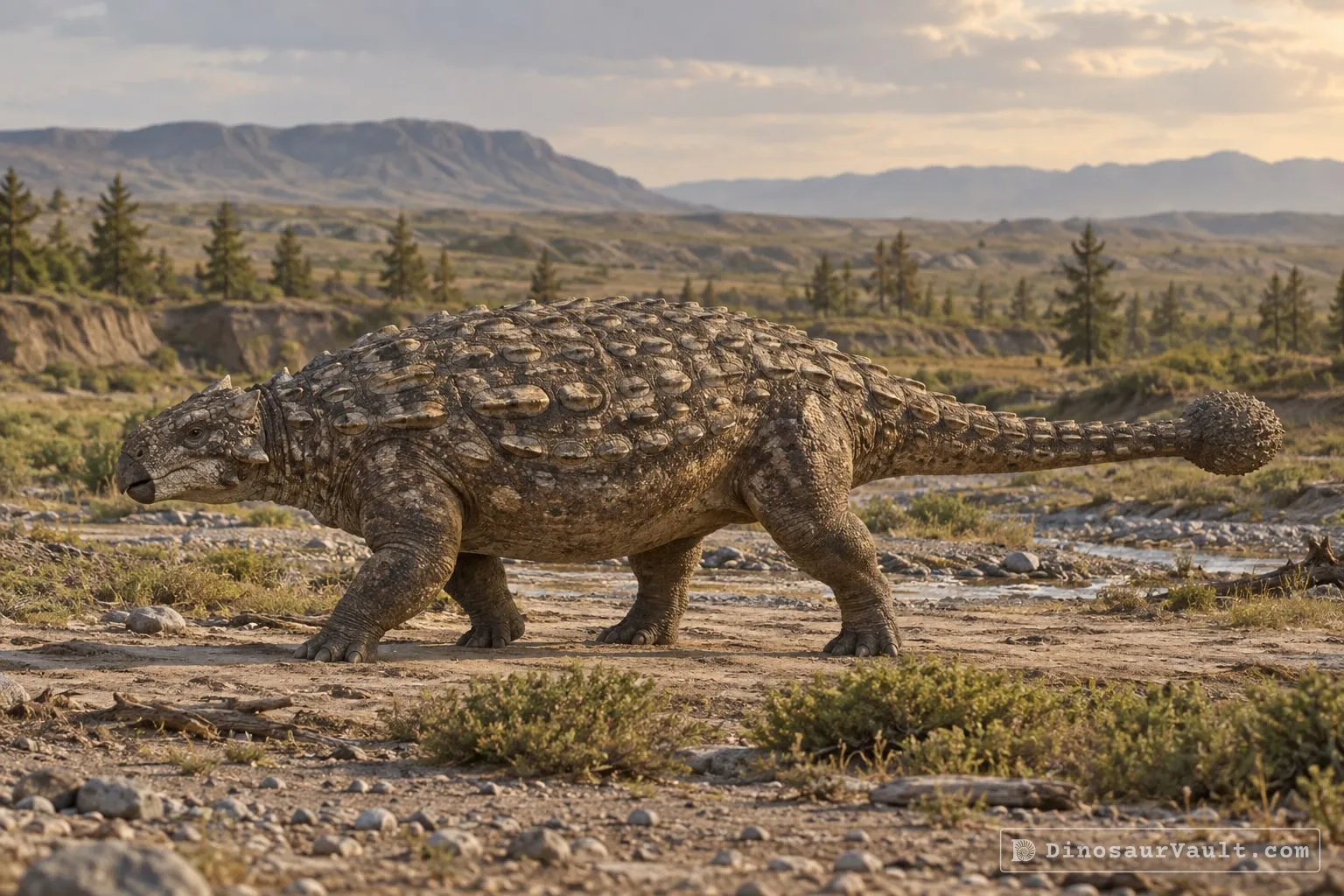


A rock formation can hold fossils laid down millions of years apart, so not every animal here met Enigmosaurus.
The evidence
The science behind Enigmosaurus
Which parts of the picture come from its own bones, and which come from its relatives.
From its own fossils
- An incomplete pelvis preserves widely spaced hip bones and long, narrow lower hip bones.
- The pubic bones end in a narrow, shoe-shaped expansion.
Borrowed from relatives
- The long neck, small head, rounded belly and clawed arms are restored from better-known therizinosaurs such as Segnosaurus and Nothronychus.
- A beaked head is modeled on the skull of Erlikosaurus.
Still unknown
- The shape of its own skull and hand claws.
- Its skin covering and color.
- Whether it could be the same animal as Erlikosaurus.
Discovery timeline
- 1983Named itBarsbold
- 2009Close relativeZanno et al.
- 2010RedescriptionZanno
Key papers
The research behind what we know of Enigmosaurus
Named it
Named Enigmosaurus from an incomplete pelvis with an unusual shape at the joined ends of the pubic bones.
Khishchnye dinosavry mela Mongoliy [Carnivorous dinosaurs from the Cretaceous of Mongolia]. Transactions of the Joint Soviet-Mongolian Paleontological Expedition 19: 1-117
No link available
Close relative
Described a much more complete Nothronychus skeleton and linked therizinosaur body features to plant eating.
A new North American therizinosaurid and the role of herbivory in ‘predatory’ dinosaur evolution. Proceedings of the Royal Society B: Biological Sciences 276: 3505-3511
Read the paper : A new North American therizinosaurid and the role of herbivory in ‘predatory’ dinosaur evolution (opens in a new tab)Redescription
Reexamined its pelvis, refined the features used to identify Enigmosaurus and reassessed its place among therizinosaurs.
A taxonomic and phylogenetic re-evaluation of Therizinosauria (Dinosauria: Maniraptora). Journal of Systematic Palaeontology 8: 503-543
Read the paper : A taxonomic and phylogenetic re-evaluation of Therizinosauria (Dinosauria: Maniraptora) (opens in a new tab)
Close relatives
Other members of Therizinosauridae


Sources: Wikidata