Outline: a typical theropod
Segnosaurus
SEG-no-SORE-us
"slow lizard"
Type species Segnosaurus galbinensis
- Lived
- 101 to 84 million years ago, Late Cretaceous
- Diet
- Herbivore
- Length
- estimates range from 4 to 7 m (13 to 23 ft)
- Group
- Theropods, Therizinosauridae
- Found in
- Mongolia and Japan
- Named by
- Perle 1979
Where its fossils were found
The evidence
Today
90 million years ago
Field notes
About Segnosaurus
What it was like
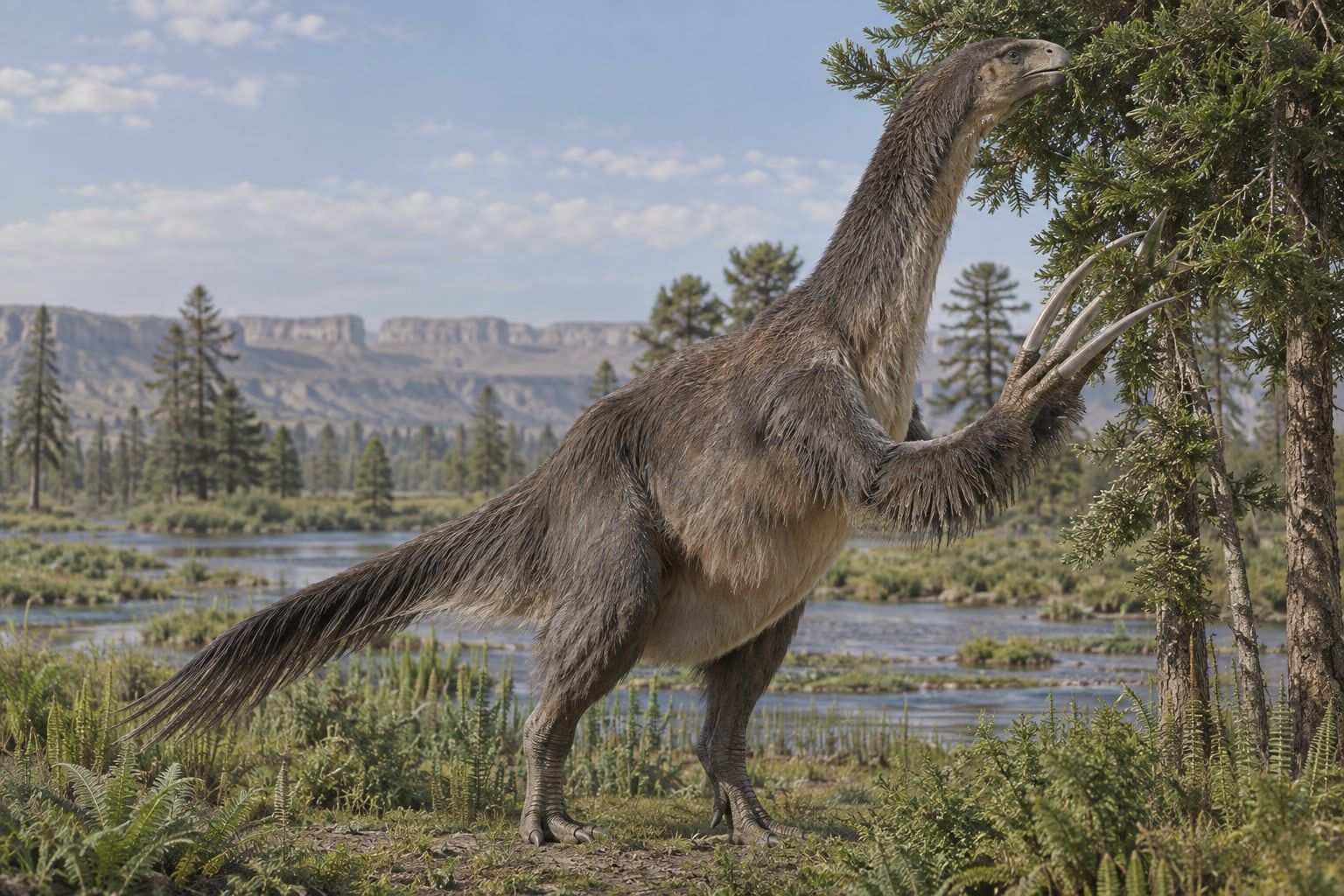
Segnosaurus was a therizinosaur, a strange theropod that gave up hunting to eat plants. It had a long neck, a small head with a beak, a pot belly, and long claws on its hands. It was about 4 to 7 meters (13 to 23 feet) long.
Its hips were broad and turned back like a bird's, a feature that puzzled scientists for years.
Its world
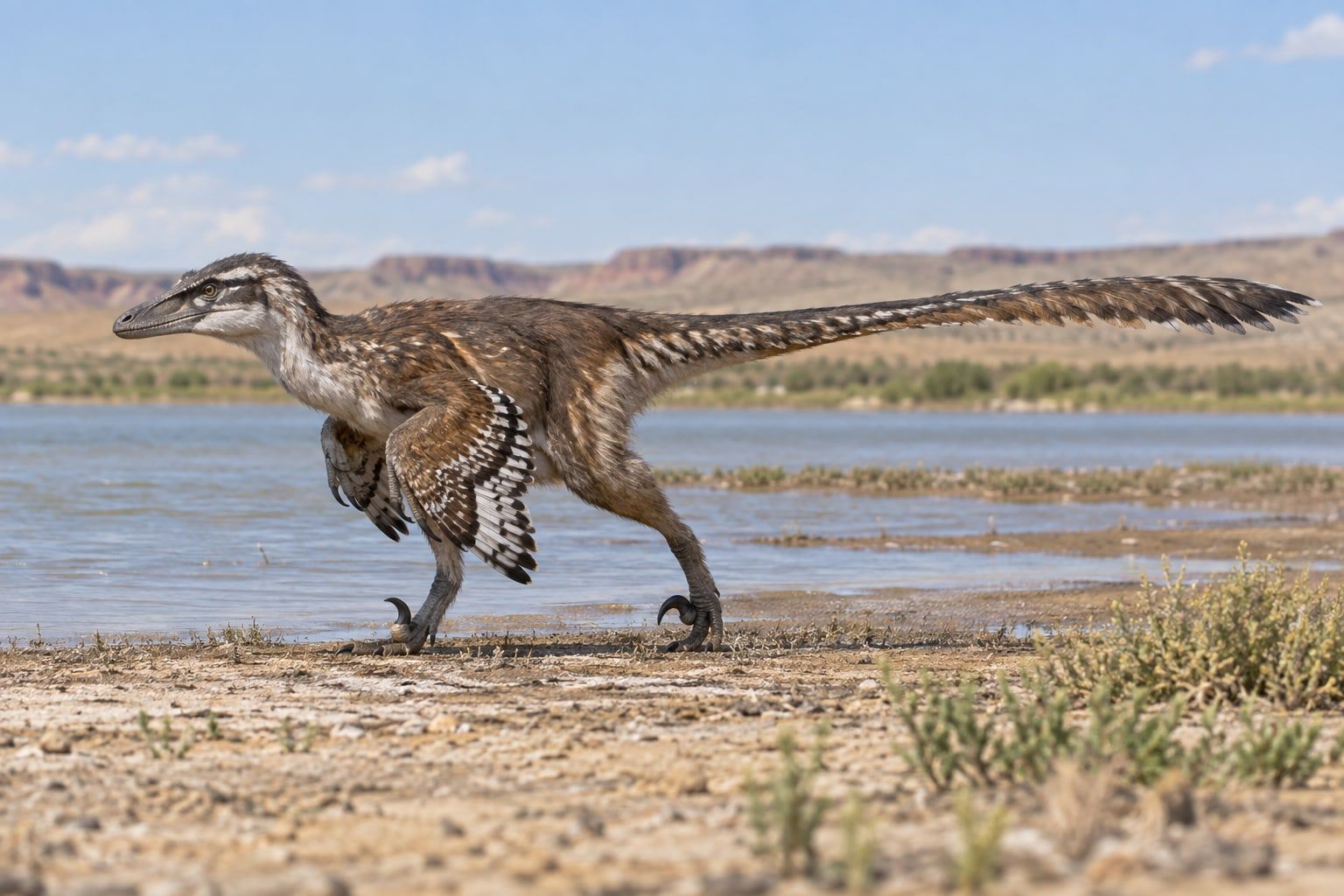
It lived in the Late Cretaceous, in what is now Mongolia. Its bones come from the Baynshire Formation, where it shared the land with the dromaeosaur Achillobator, the therizinosaur Erlikosaurus, the ostrich-like Garudimimus and the armored Talarurus.
How it was found
Perle named Segnosaurus in 1979. The type species is Segnosaurus galbinensis. For years it was hard to classify, and it was once thought to be a late relative of the long-necked sauropods.
Lived alongside
Found in the same rock formations
Close relatives
Other members of Therizinosauridae
Sources: WikidataNamed in: A. Perle. 1979. Segnosauridae - novoe semeistvo teropod is posdnego mela Mongolii [Segnosauridae - a new family of theropods from the Late Cretaceous of Mongolia]. Trudy - Sovmestnaya Sovetsko-Mongol'skaya Paleontologicheskaya Ekspeditsiya 8:45-55