Jaculinykus
Type species Jaculinykus yaruui
- Lived
- 84 to 72 million years ago, Late Cretaceous
- Diet
- Carnivore
- Group
- Theropods, Alvarezsauridae
- Found in
- Mongolia
- Named by
- Kubo et al. 2023
Where its fossils were found
The evidence
Today

80 million years ago
Habitat
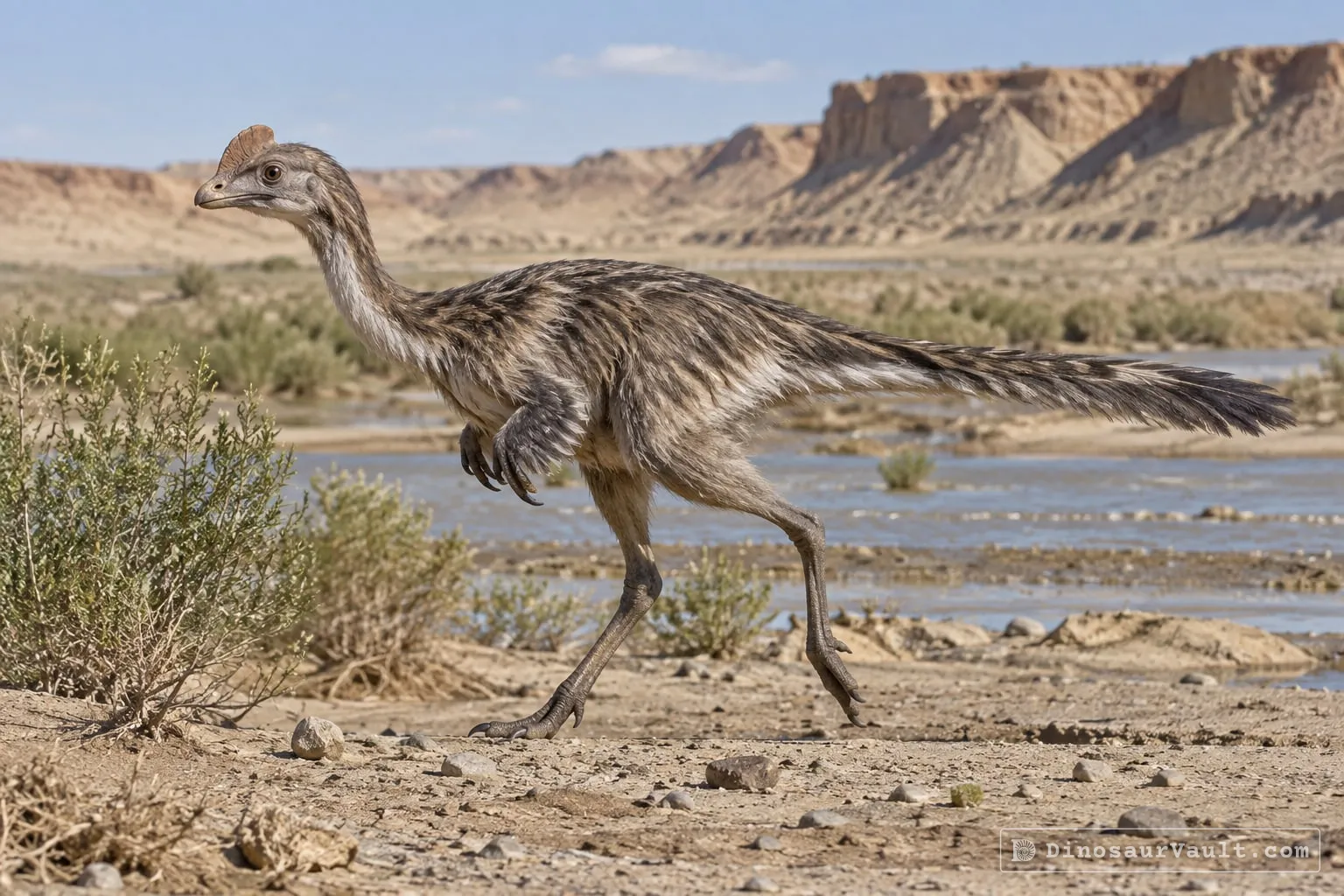
It lived in a dry, sandy landscape in Mongolia, preserved in the Baruungoyot Formation. Tarchia and Saichania were other dinosaurs of these rocks.
Field notes
About Jaculinykus
What it was like
Jaculinykus was a small alvarezsaur, a bird-like dinosaur with long legs and short, strong arms. It is known from a nearly complete skeleton. Its hands had one large finger and a much smaller second finger.
Its world
It lived in the Late Cretaceous in what is now Mongolia. Its bones come from the Baruungoyot Formation, a dry land shared with the armored Tarchia and Saichania and the small feathered Avimimus.
How it was found
Kubo and colleagues named it in 2023. The type species is Jaculinykus yaruui. Its name compares it to a small jumping rodent.
Field gallery
More views of Jaculinykus
Scenes reconstructed from the available fossil evidence.
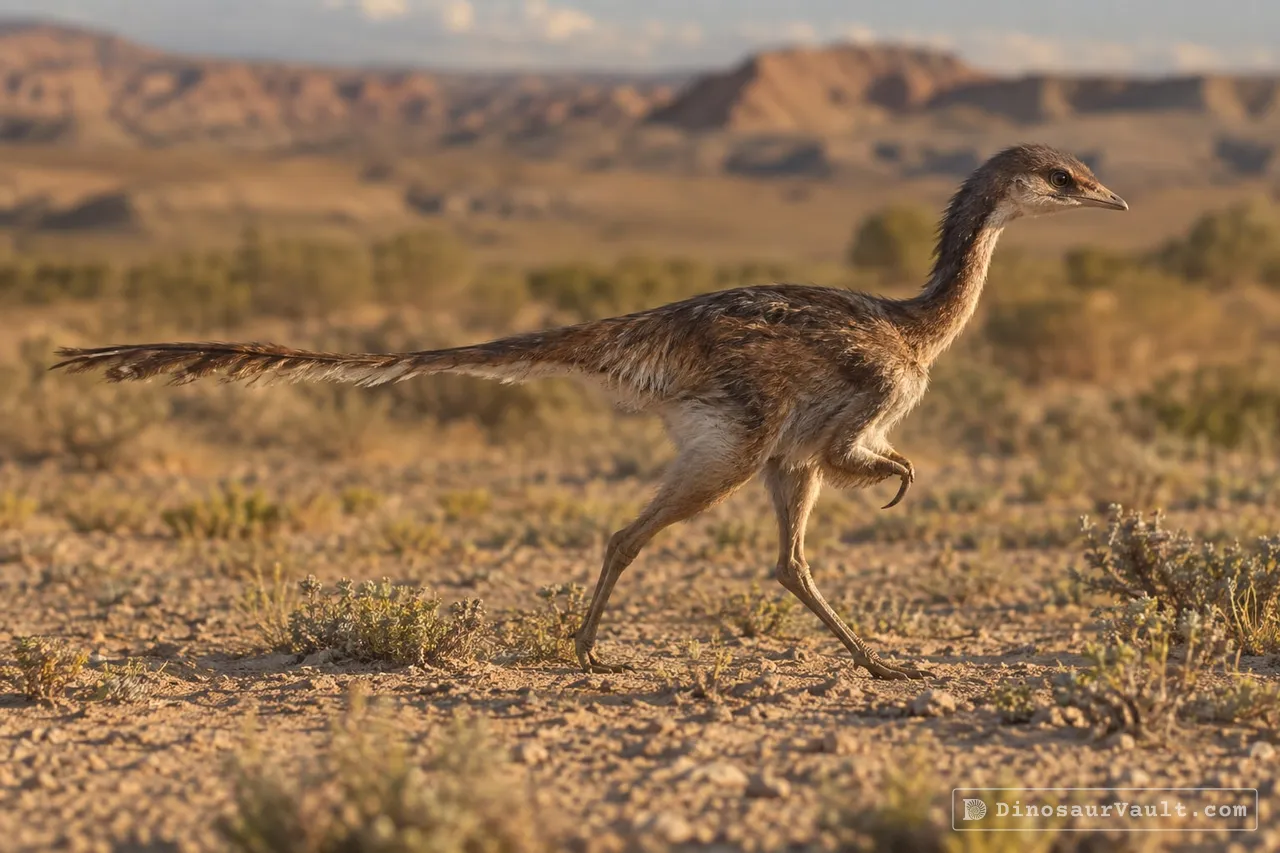
1 of 3
Lived alongside
Found in the same rock formations
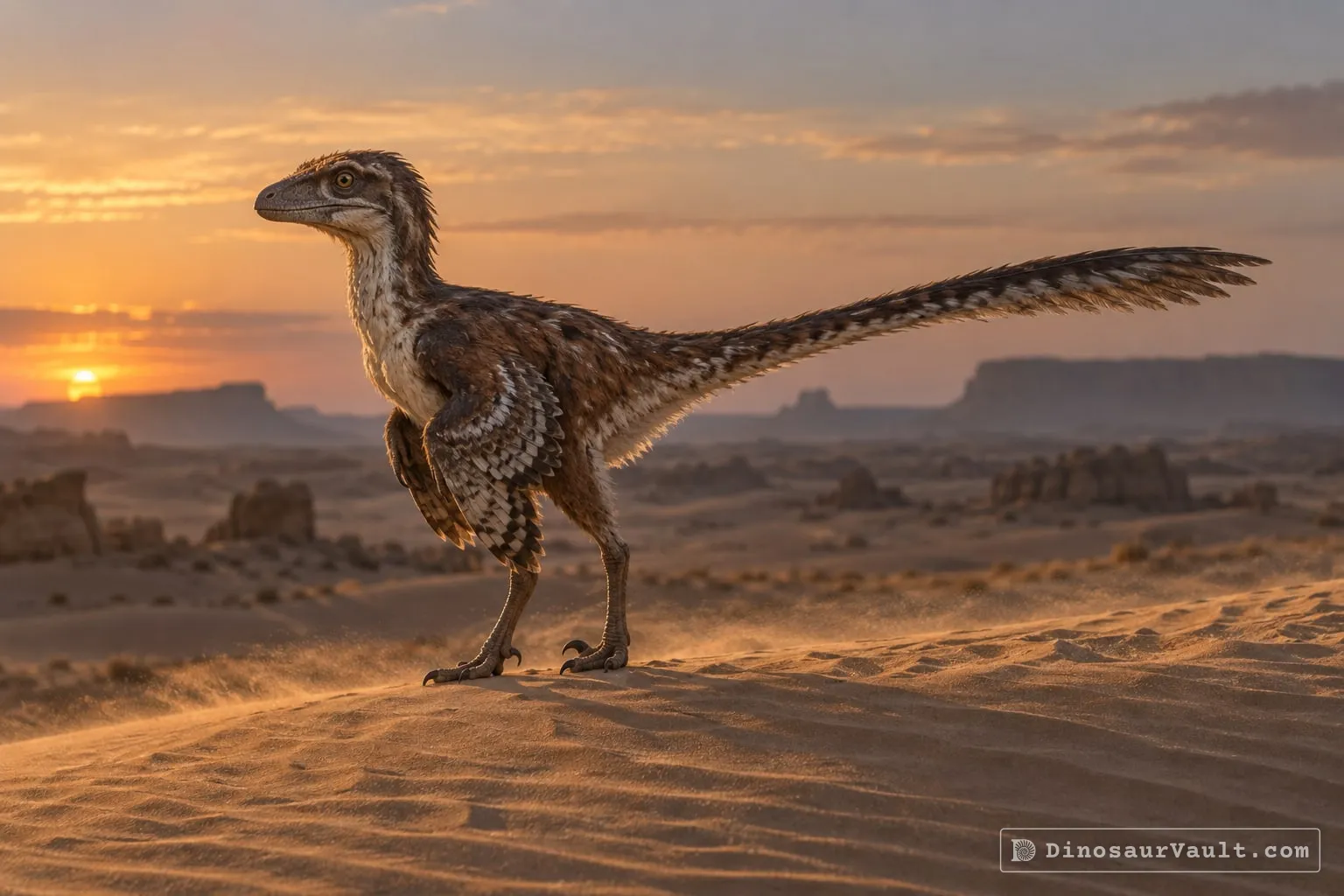
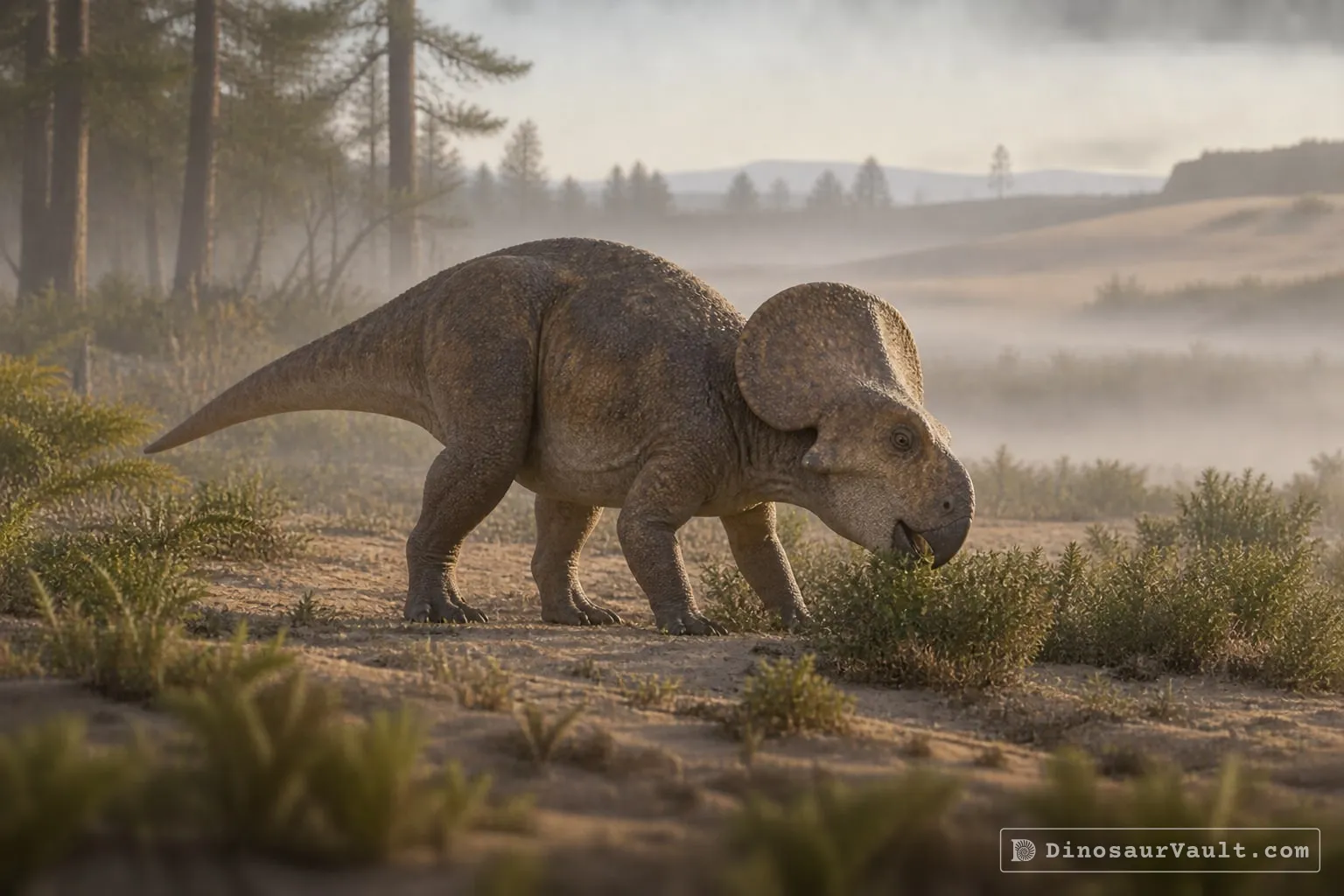
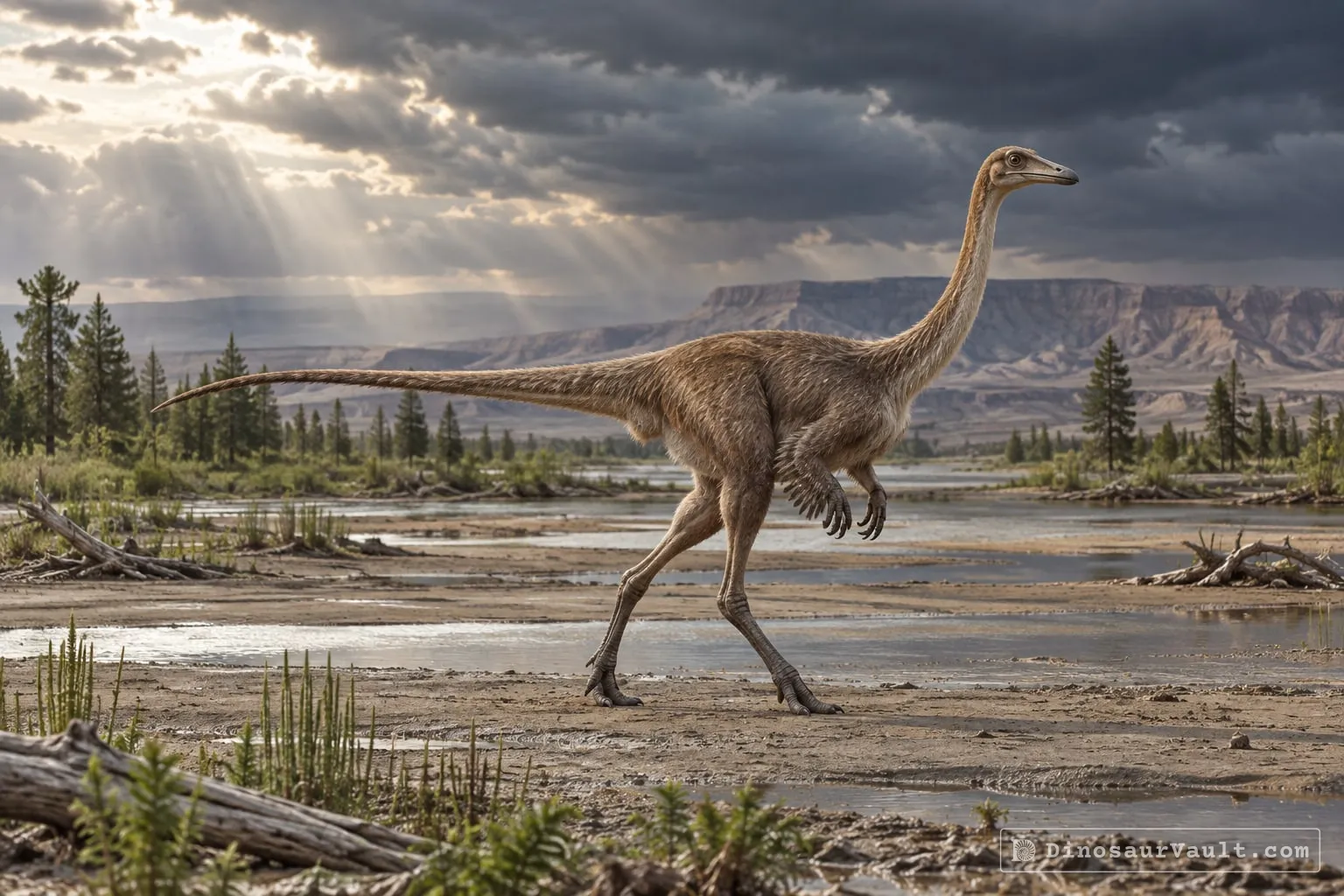
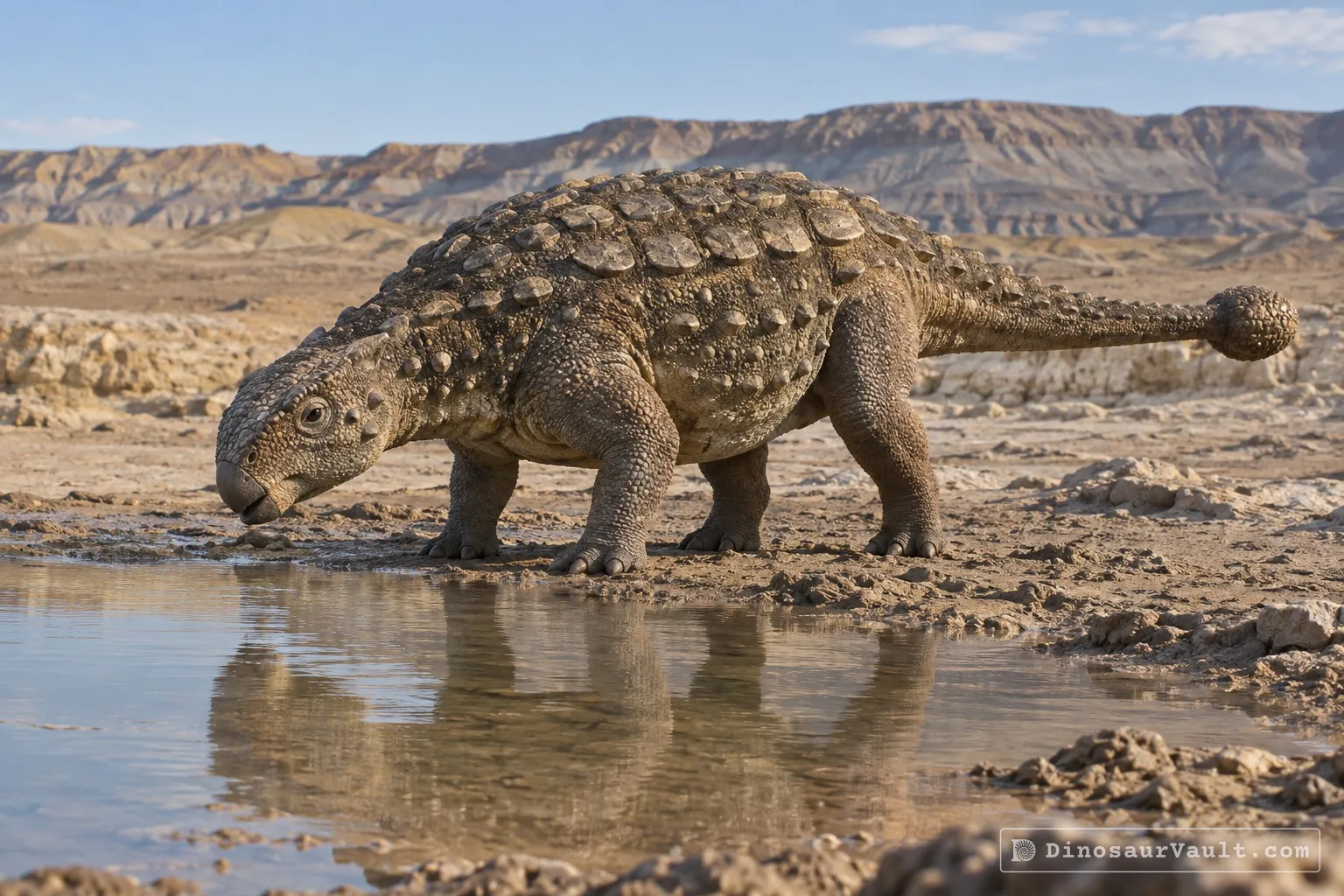
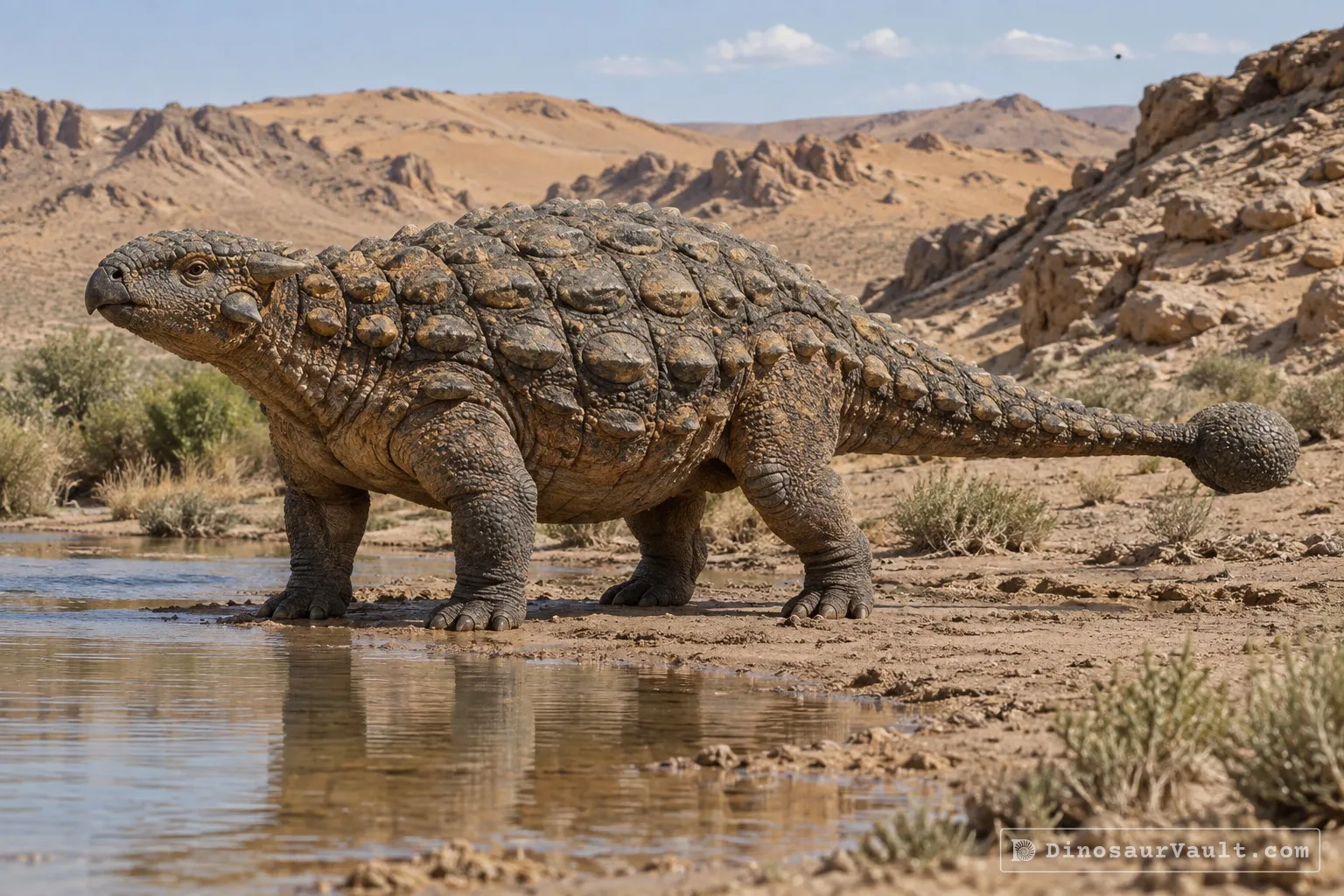
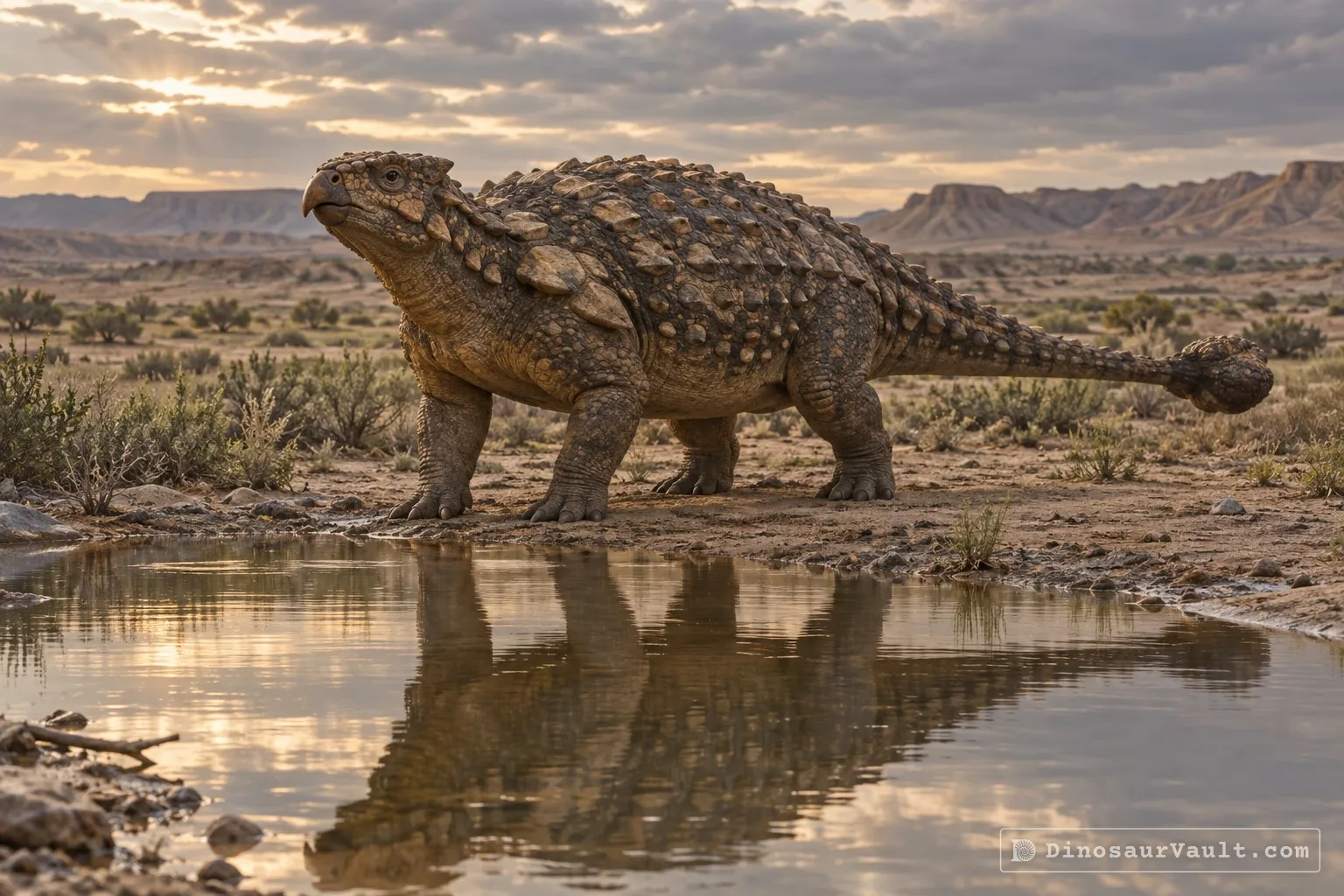
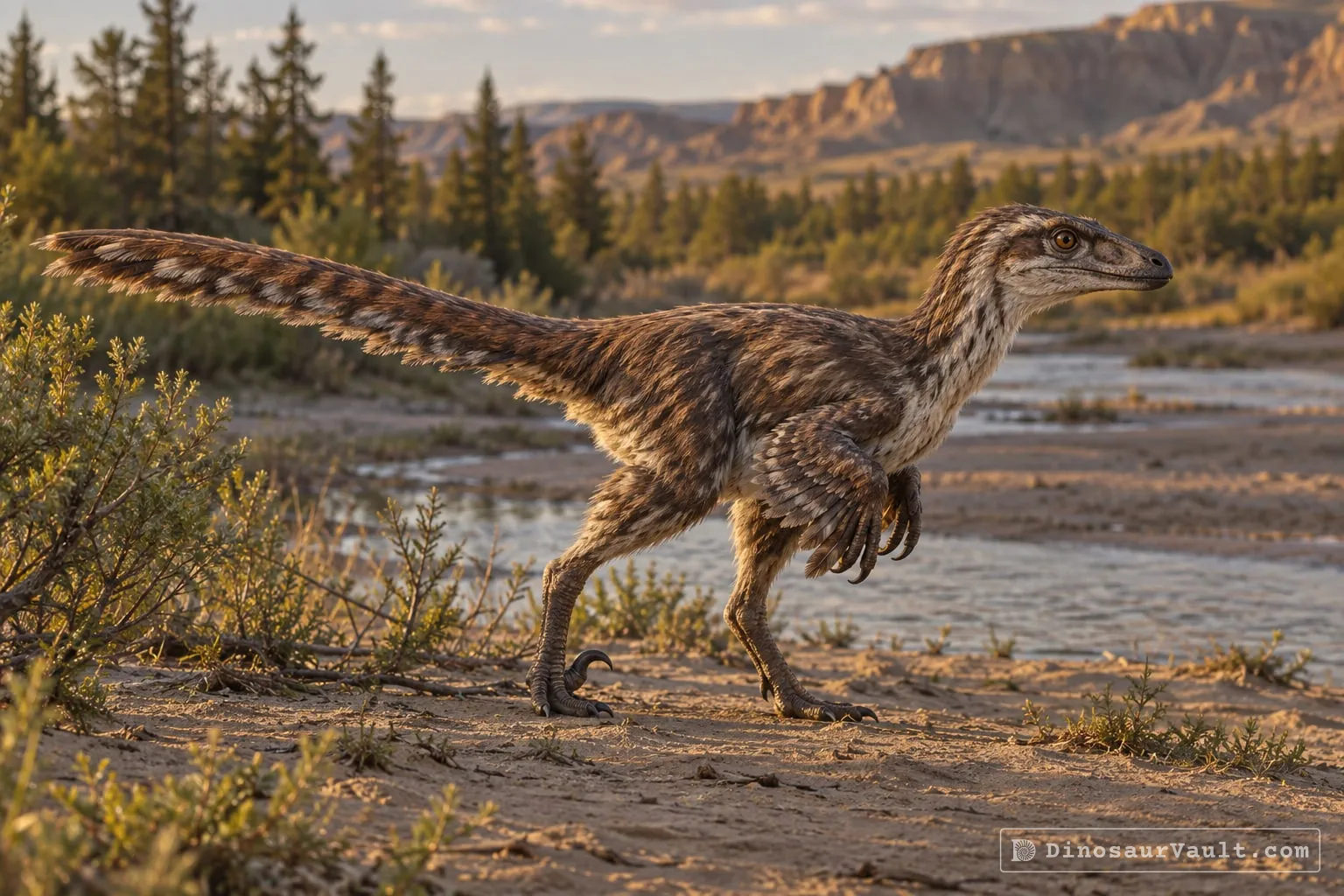


A rock formation can hold fossils laid down millions of years apart, so not every animal here met Jaculinykus.
The evidence
The science behind Jaculinykus
Which parts of the picture come from its own bones, and which come from its relatives.
From its own fossils
- A nearly complete skeleton includes much of the skull, short arms and long, slender legs.
- Each hand had a large claw-bearing finger and a much smaller second finger.
- The skeleton lay curled up, with folded legs, an arched tail and the head tucked close to the body, suggesting a bird-like resting posture.
Borrowed from relatives
- Most of its body shape comes from its own skeleton; missing bones are compared with Shuvuuia and Mononykus.
- A feather covering is inferred from its place among bird-like theropods.
Still unknown
- The shape and color of its feathers.
- Exactly what it ate.
- How its young grew.
Discovery timeline
- 2004PostureXu & Norell
- 2011Close relativeXu et al.
- 2023Named itKubo et al.
Key papers
The research behind what we know of Jaculinykus
Posture
Described Mei curled in a bird-like resting pose, a comparison used to interpret the position of the Jaculinykus skeleton.
A new troodontid dinosaur from China with avian-like sleeping posture. Nature 431: 838-841
Read the paper : A new troodontid dinosaur from China with avian-like sleeping posture (opens in a new tab)Close relative
Described Linhenykus with a single functional finger, showing how finger loss and changes in claw shape evolved separately among alvarezsaurs.
A monodactyl nonavian dinosaur and the complex evolution of the alvarezsauroid hand. Proceedings of the National Academy of Sciences 108: 2338-2342
Read the paper : A monodactyl nonavian dinosaur and the complex evolution of the alvarezsauroid hand (opens in a new tab)Named it
Named Jaculinykus from a nearly complete skeleton with an unusual hand and a curled, bird-like resting posture.
A new alvarezsaurid dinosaur (Theropoda, Alvarezsauria) from the Upper Cretaceous Baruungoyot Formation of Mongolia provides insights for bird-like sleeping behavior in non-avian dinosaurs. PLOS ONE 18: e0293801
Read the paper : A new alvarezsaurid dinosaur (Theropoda, Alvarezsauria) from the Upper Cretaceous Baruungoyot Formation of Mongolia provides insights for bird-like sleeping behavior in non-avian dinosaurs (opens in a new tab)
Close relatives
Other members of Alvarezsauridae


Sources: Wikidata