Gobihadros
"Gobi hadrosaur"
Type species Gobihadros mongoliensis
- Lived
- 101 to 84 million years ago, Late Cretaceous
- Diet
- Herbivore
- Group
- Ornithopods
- Found in
- Mongolia
- Named by
- Tsogtbaatar et al. 2019
Where its fossils were found
The evidence
Today

90 million years ago
Habitat
Rivers deposited sand and mud across its landscape in Mongolia. Segnosaurus, Erlikosaurus and Talarurus are also recorded from the Baynshire Formation.
Field notes
About Gobihadros
What it was like
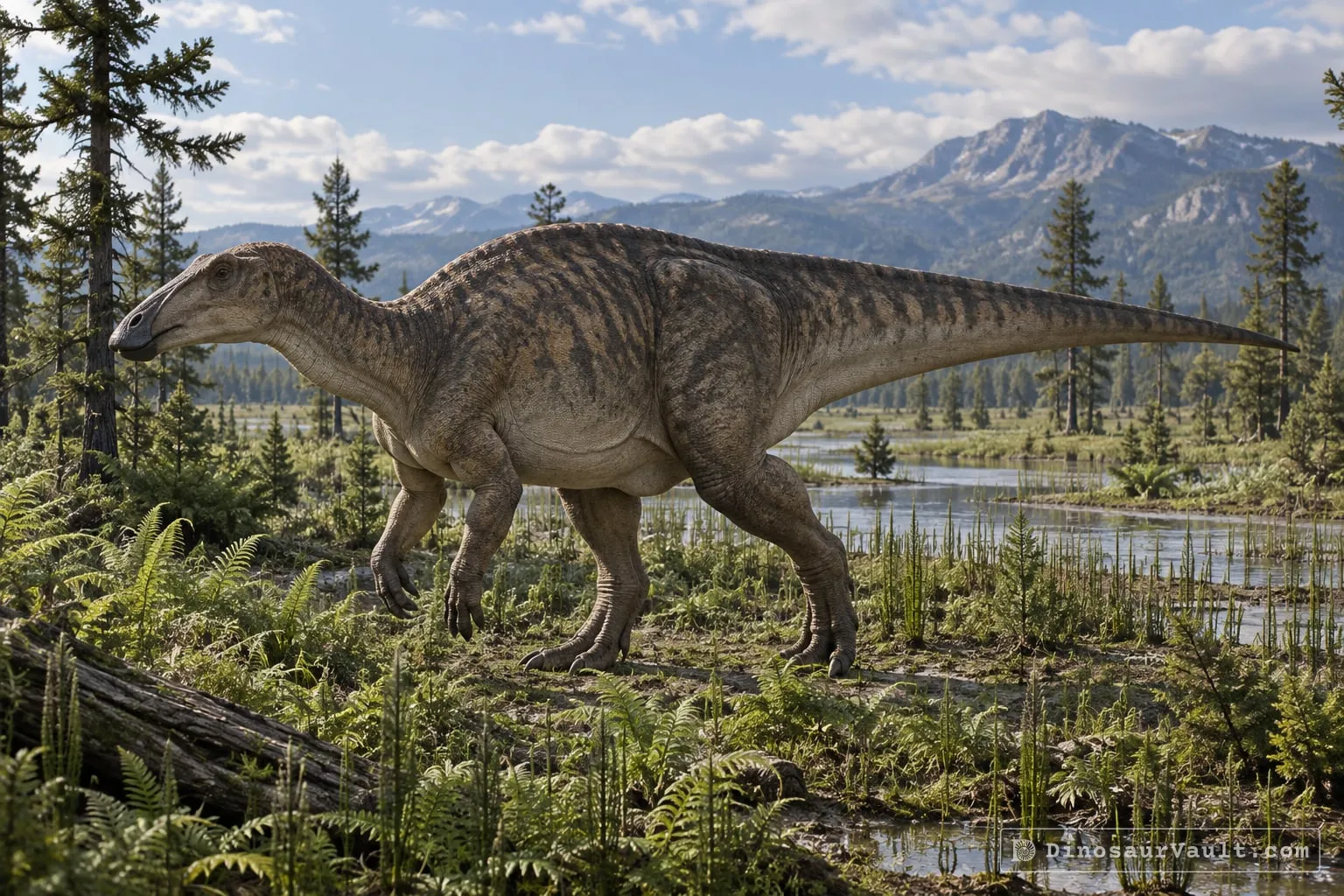
Gobihadros was a plant eater, an early relative of the duck-billed dinosaurs. It is known from a nearly complete skeleton and skull, and from more than one animal.
It had a duck-like beak and rows of grinding teeth, like later hadrosaurs, but it lacked some of their features.
Its world
It lived in the Late Cretaceous in what is now Mongolia. Its bones come from the Baynshire Formation, where it shared the land with the plant eater Bactrosaurus, the therizinosaurs Segnosaurus and Erlikosaurus and the armored Talarurus.
How it was found
Tsogtbaatar and colleagues named Gobihadros in 2019. Six finds are known.
Field gallery
More views of Gobihadros
Scenes reconstructed from the available fossil evidence.
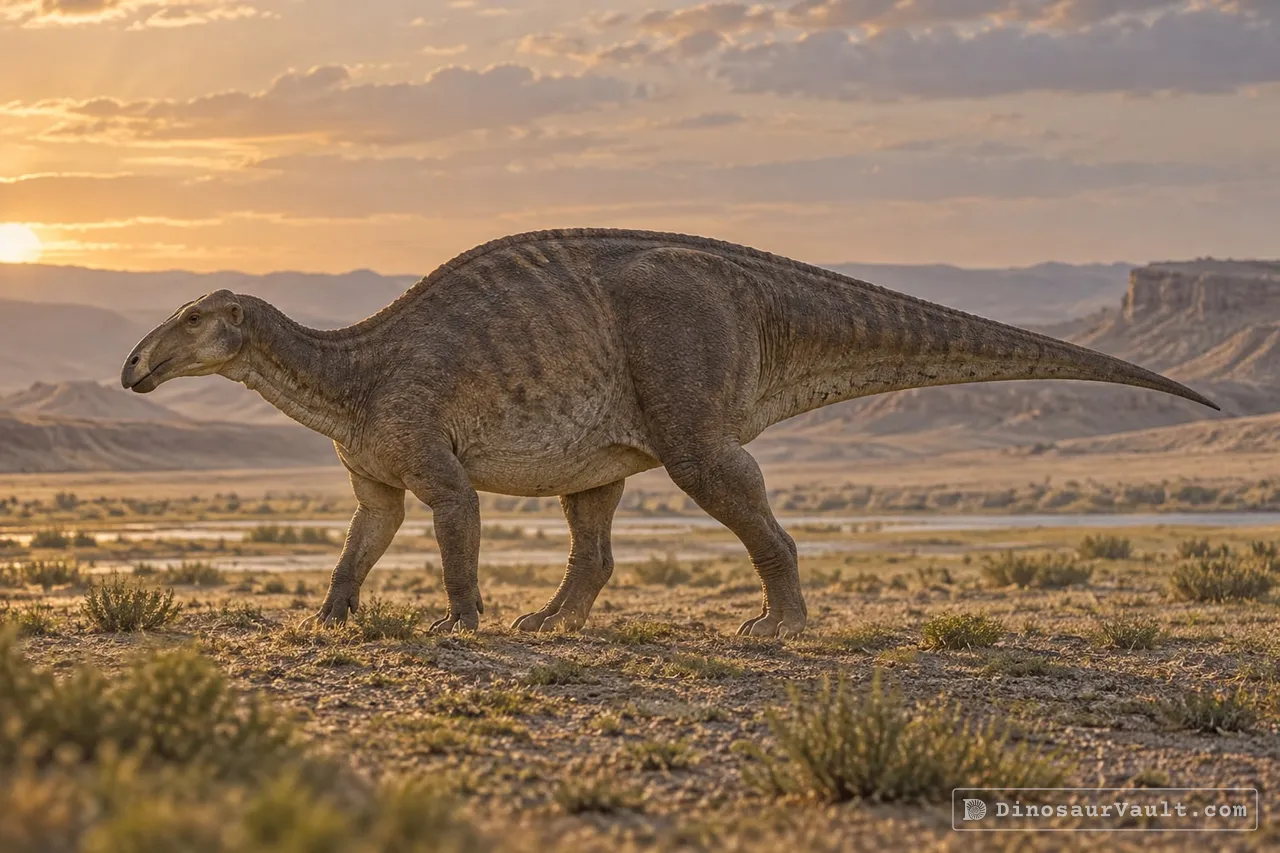
1 of 3
Lived alongside
Found in the same rock formations
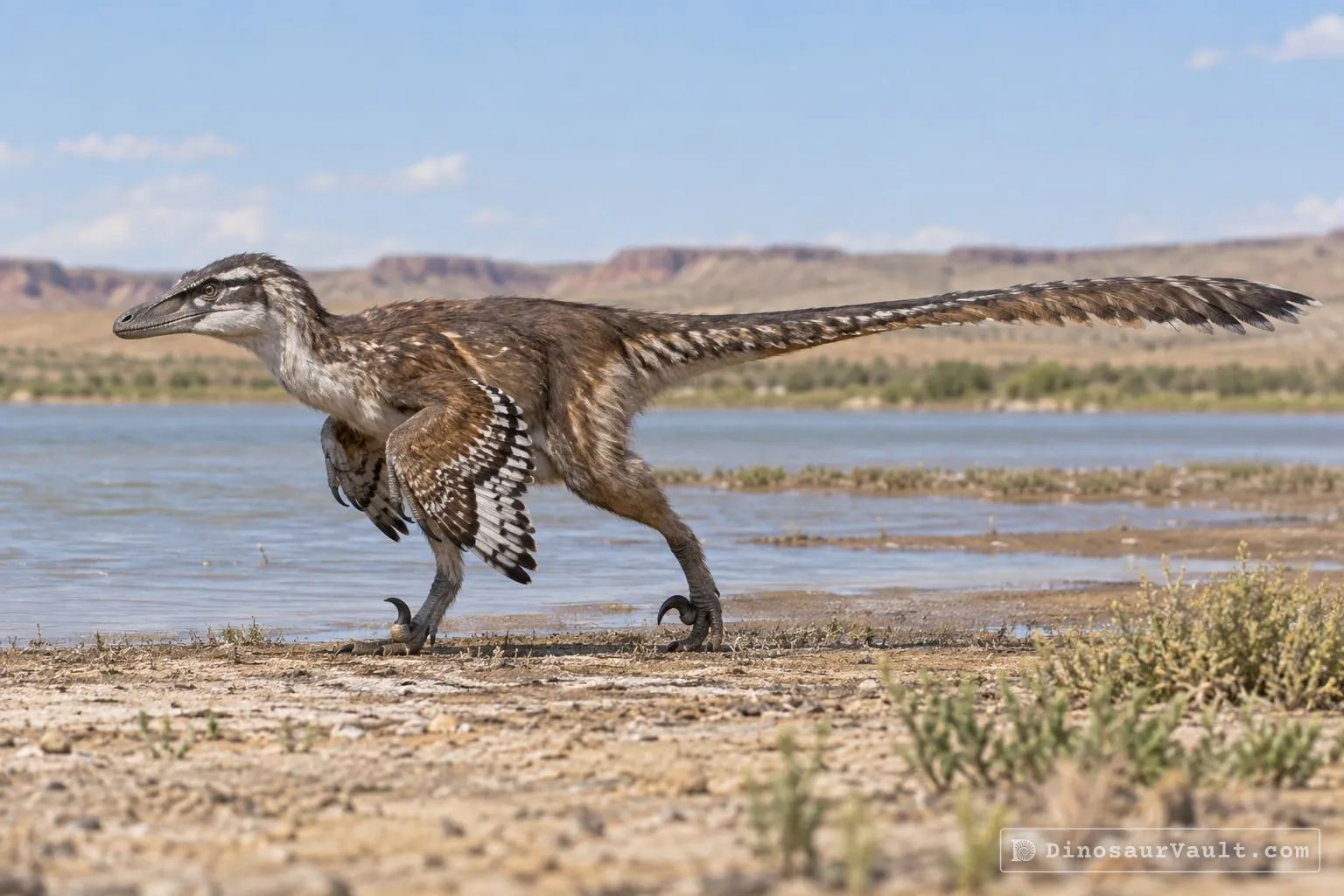
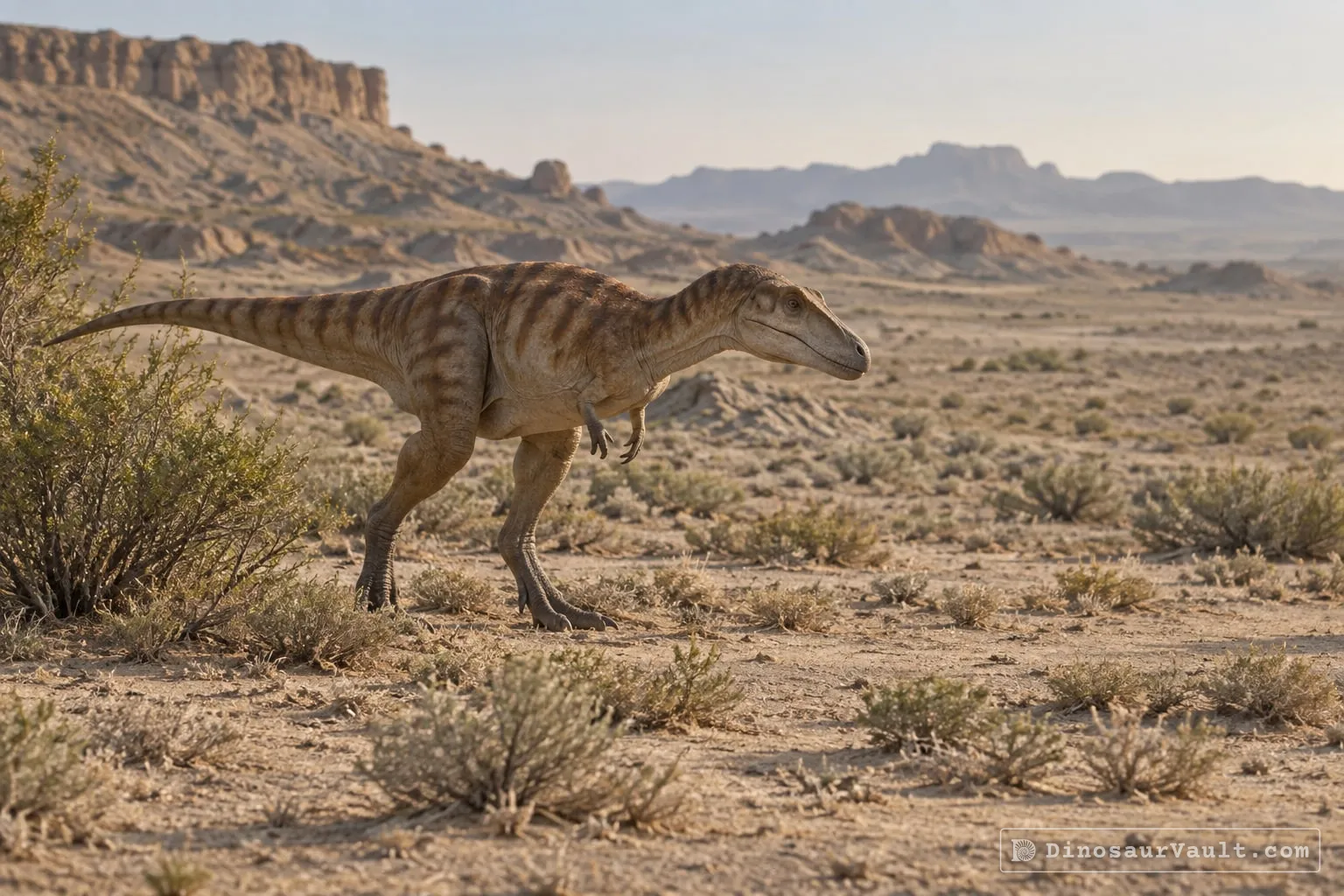
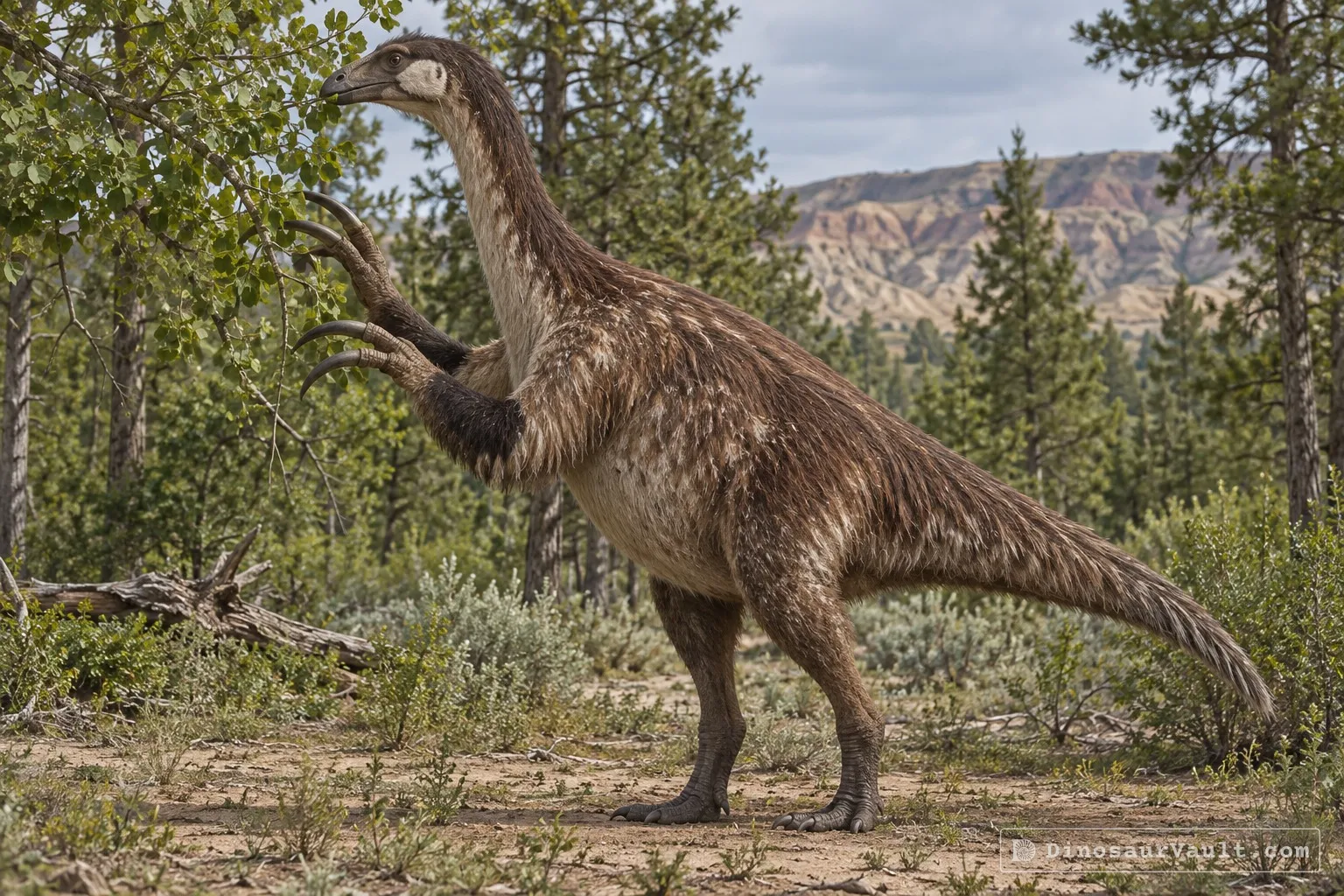
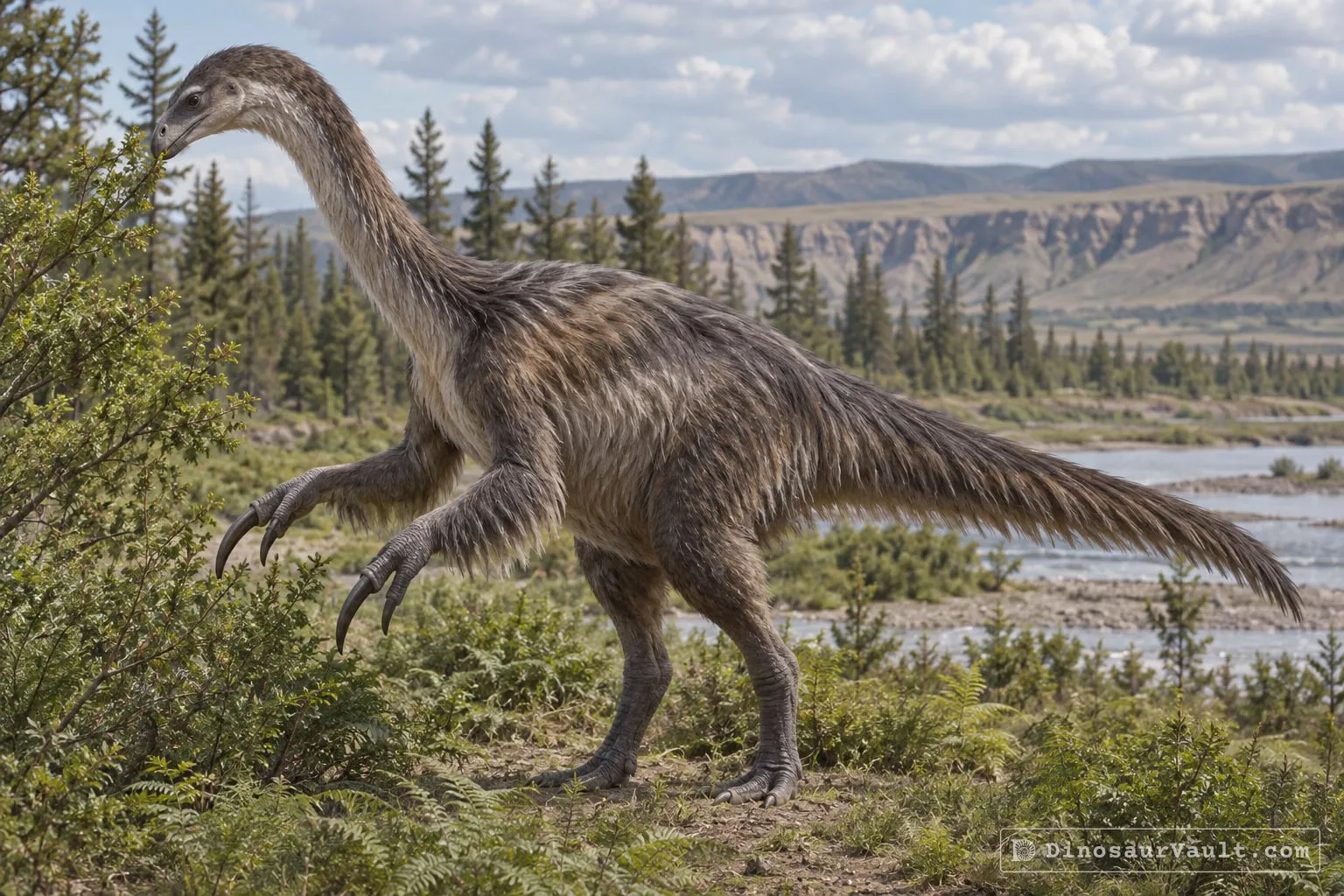
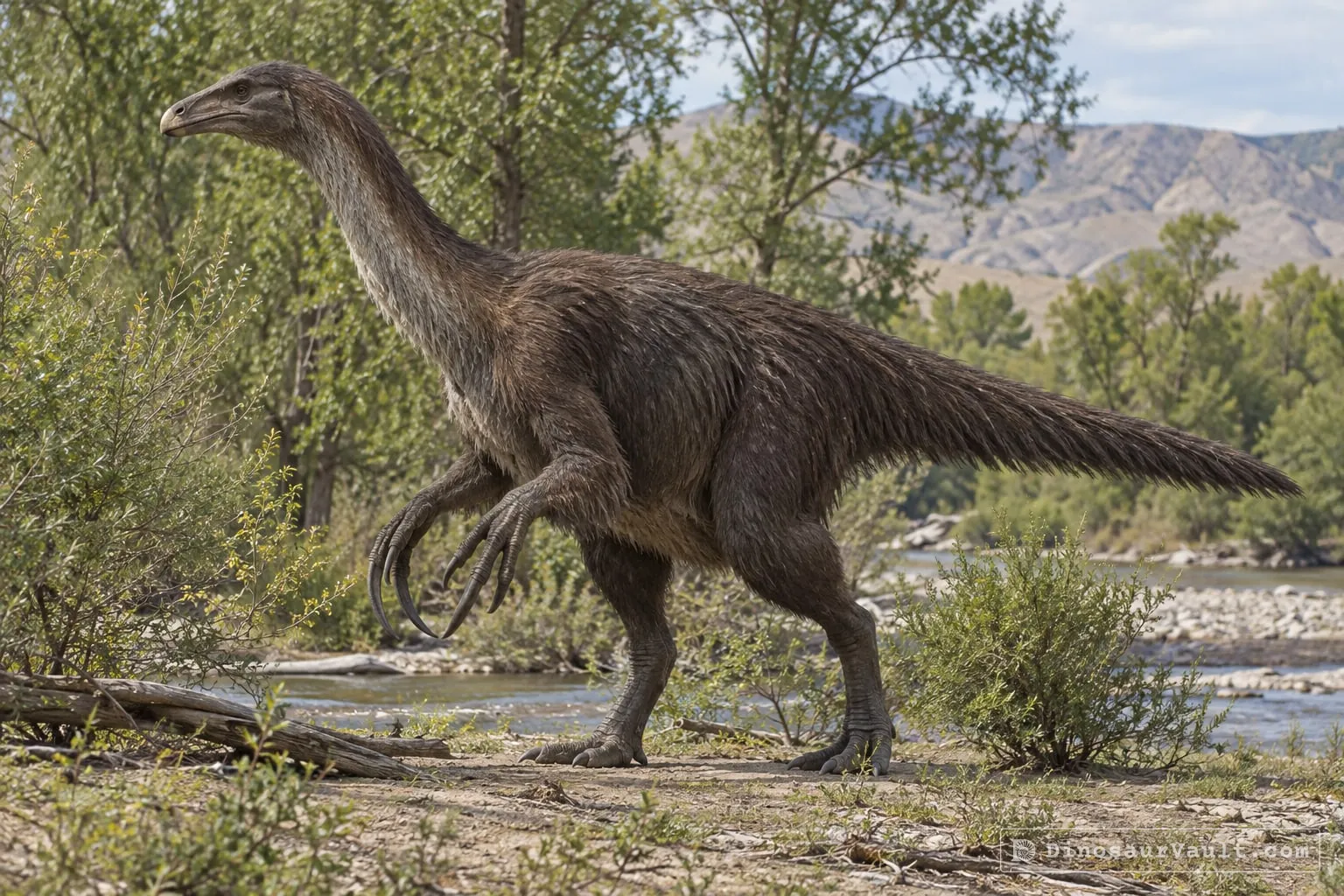
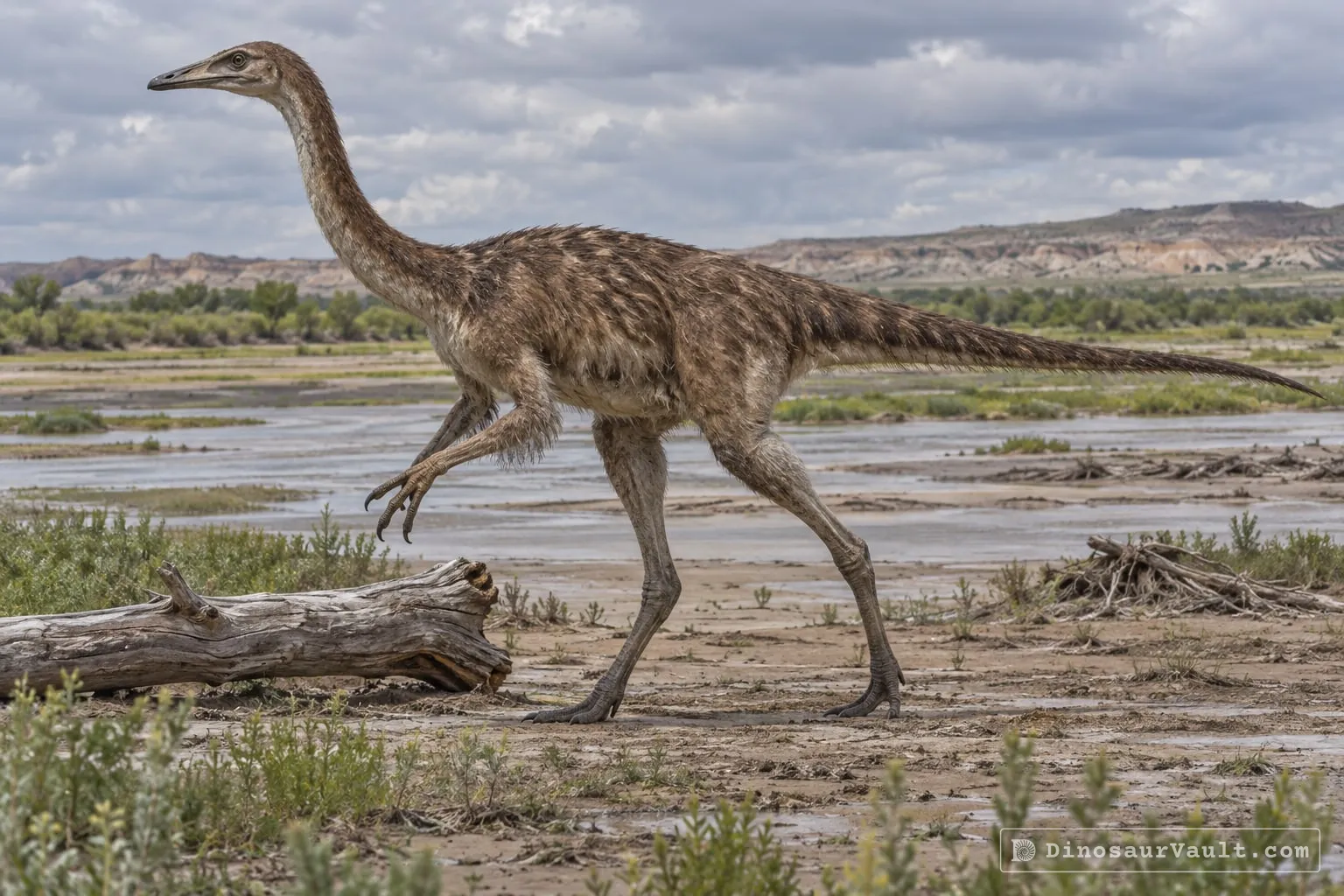
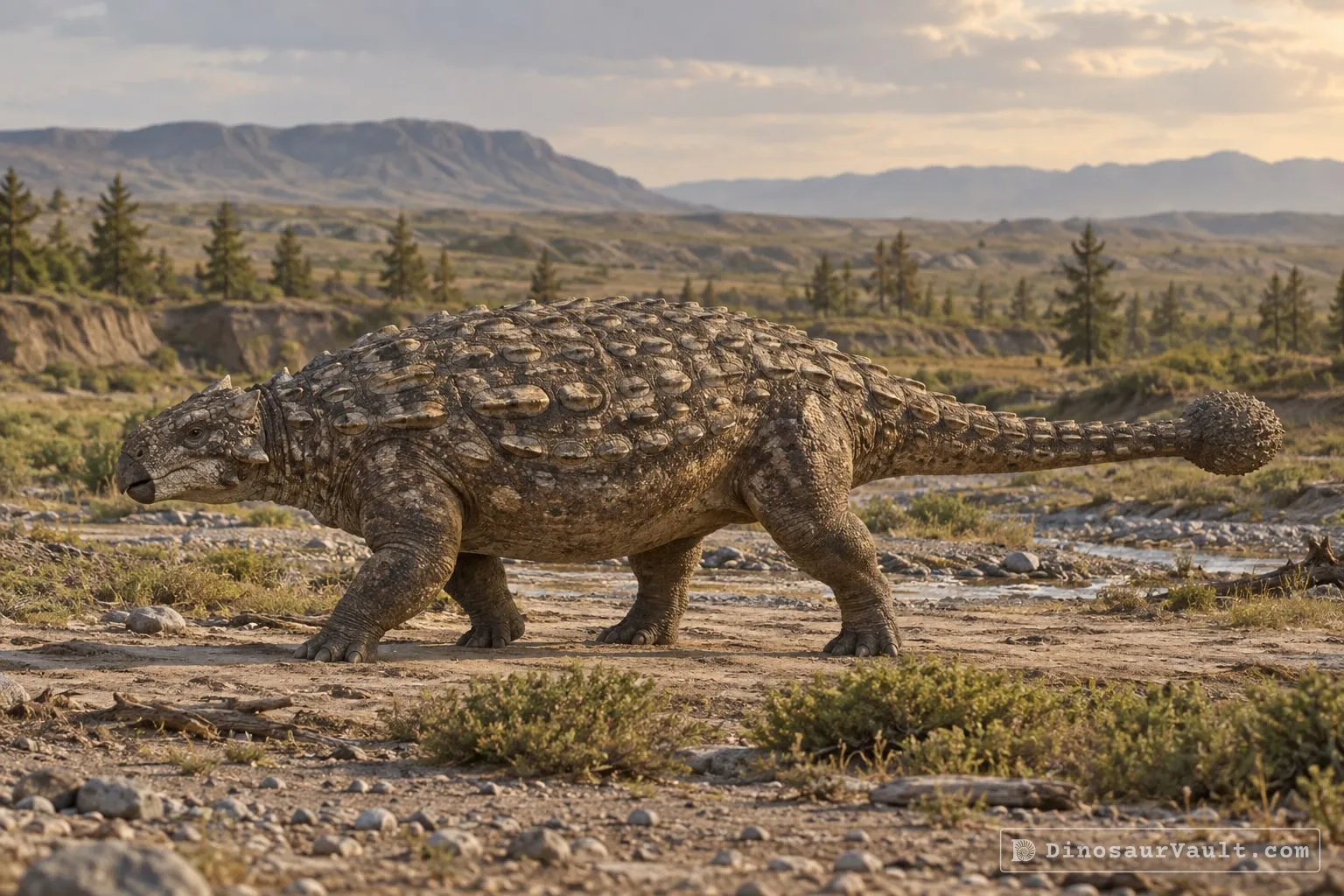


A rock formation can hold fossils laid down millions of years apart, so not every animal here met Gobihadros.
The evidence
The science behind Gobihadros
Which parts of the picture come from its own bones, and which come from its relatives.
From its own fossils
- A nearly complete skeleton and well-preserved skulls show its beak, tooth rows and body proportions.
- The skull has a smooth top without a bony crest.
- An old animal had calcium deposits in joints of its foot and tail, signs of age-related disease.
Borrowed from relatives
- Almost the whole skeleton is known from its own bones, so little skeletal anatomy needs to be borrowed from relatives such as Bactrosaurus.
Still unknown
- Its skin color and markings.
- Whether it lived in herds or cared for its young.
- Which plants made up most of its diet.
Discovery timeline
- 2019Named itTsogtbaatar et al.
- 2021Growing upSłowiak et al.
- 2023Family treeAlarcón-Muñoz et al.
Key papers
The research behind what we know of Gobihadros
Named it
Described well-preserved skulls and skeletons of an early duckbill relative, including its beak, grinding teeth and place in the family tree.
A new hadrosauroid (Dinosauria: Ornithopoda) from the Late Cretaceous Baynshire Formation of the Gobi Desert (Mongolia). PLOS ONE 14: e0208480
Read the paper : A new hadrosauroid (Dinosauria: Ornithopoda) from the Late Cretaceous Baynshire Formation of the Gobi Desert (Mongolia) (opens in a new tab)Growing up
An old Gobihadros had stopped growing and developed calcium deposits in its joints, linking bone structure with age-related disease.
Dinosaur senescence: a hadrosauroid with age-related diseases brings a new perspective of “old” dinosaurs. Scientific Reports 11
Read the paper : Dinosaur senescence: a hadrosauroid with age-related diseases brings a new perspective of “old” dinosaurs (opens in a new tab)Family tree
Included Gobihadros in a broad comparison of duckbill relatives while tracing the separate arrival of Gonkoken in South America.
Relict duck-billed dinosaurs survived into the last age of the dinosaurs in subantarctic Chile. Science Advances 9
Read the paper : Relict duck-billed dinosaurs survived into the last age of the dinosaurs in subantarctic Chile (opens in a new tab)
Close relatives
Other members of Hadrosauroidea


Sources: Wikidata