Outline: a typical theropod
Hagryphus
- Lived
- 84 to 72 million years ago, Late Cretaceous
- Diet
- Omnivore
- Length
- about 3 m (10 ft)
- Group
- Theropods, Caenagnathidae
- Found in
- United States
- Named by
- Zanno and Sampson 2005
Size comparison
To scale

Scale in metersOutline: typical theropod shape
Where its fossils were found
The evidence
Today

80 million years ago
Field notes
About Hagryphus
What it was like
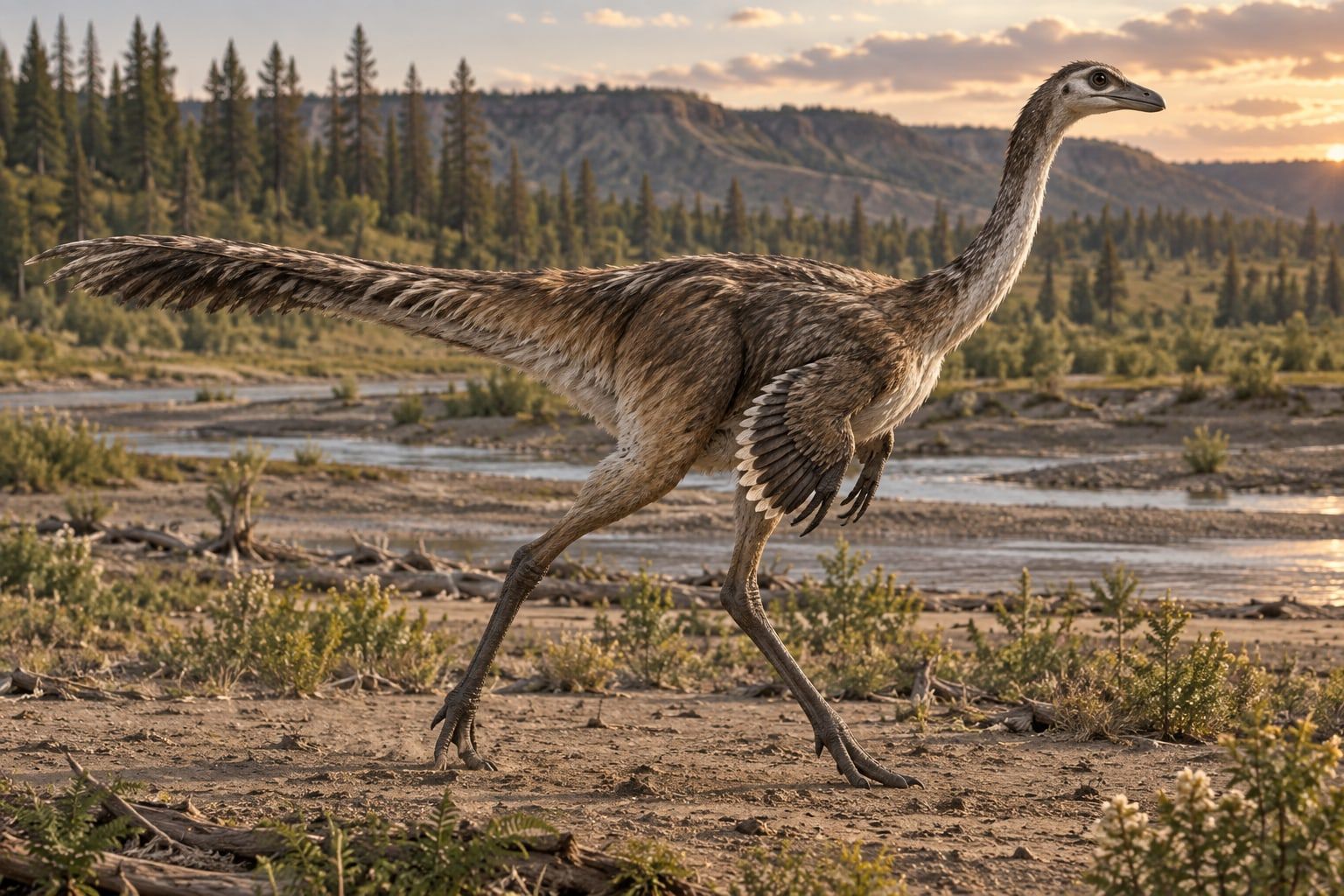
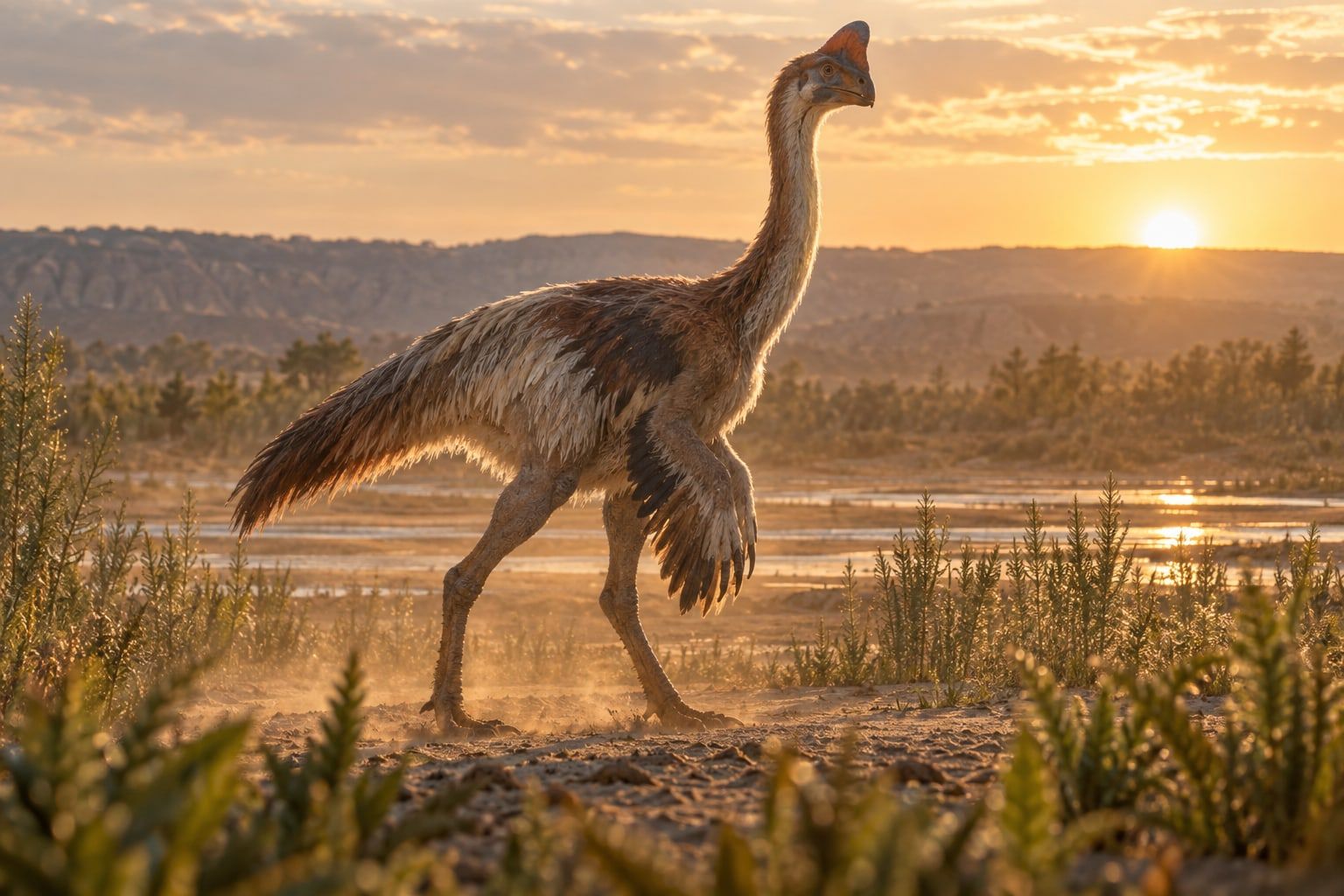
Hagryphus was a caenagnathid, a feathered, toothless theropod about 3 meters (10 feet) long. It is known from a hand and part of a foot.
Its world
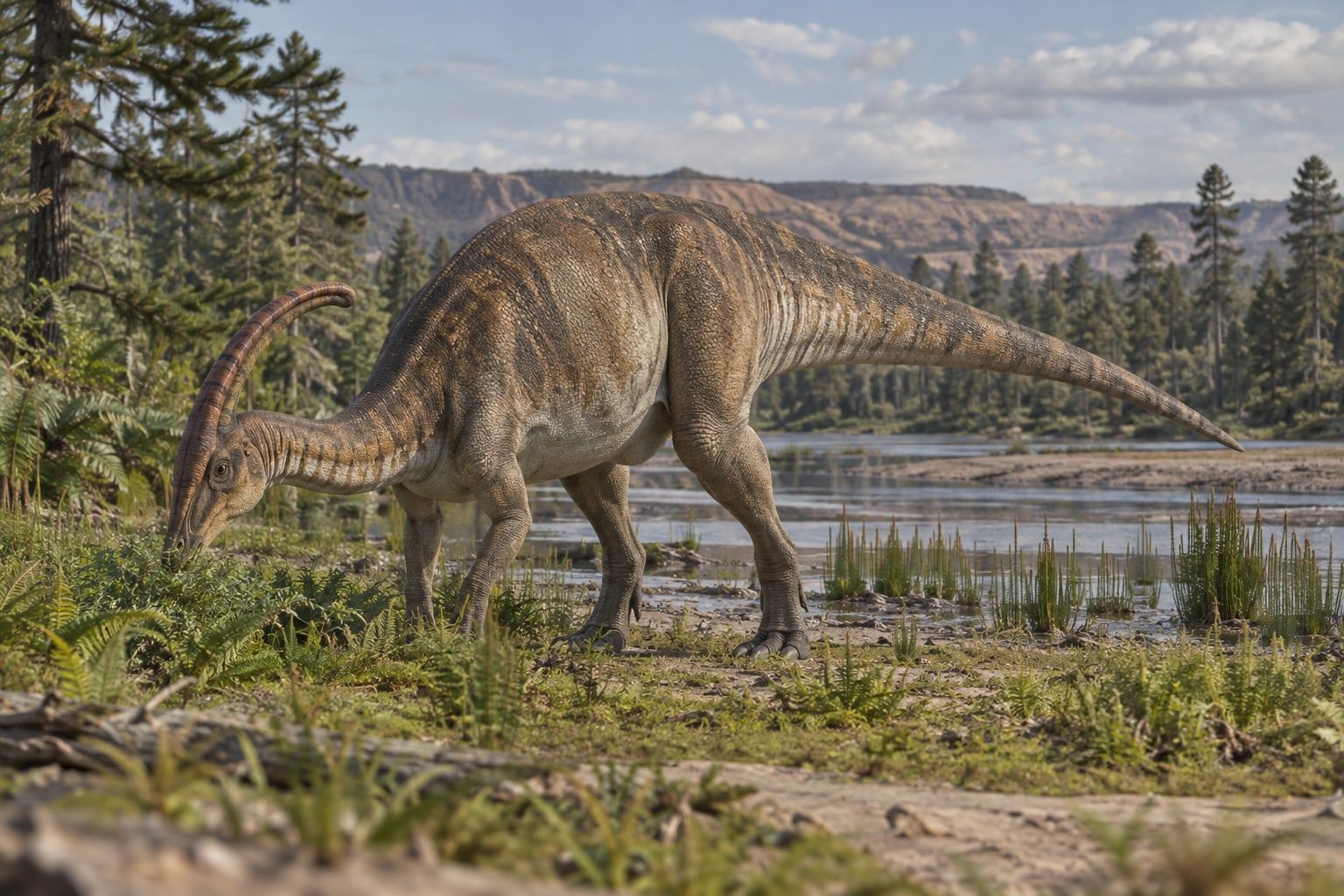
It lived in the Late Cretaceous, in what is now Utah. It comes from the Kaiparowits Formation, where it shared the land with the tyrannosaur Teratophoneus, the horned Kosmoceratops and Utahceratops, and the crested duckbill Parasaurolophus.
How it was found
Zanno and Sampson named Hagryphus in 2005. Its name combines a god of the local native people with the griffin of legend.
Lived alongside
Found in the same rock formations
Close relatives
Other members of Caenagnathidae
Sources: WikidataNamed in: L. E. Zanno and S. D. Sampson. 2005. A new oviraptorosaur (Theropoda, Maniraptora) from the Late Cretaceous (Campanian) of Utah. Journal of Vertebrate Paleontology 25(4):897-904