Outline: a typical theropod
Talos
- Lived
- 84 to 72 million years ago, Late Cretaceous
- Diet
- Omnivore
- Length
- about 2 m (7 ft)
- Group
- Theropods, Troodontidae
- Found in
- United States
- Named by
- Zanno et al. 2011
Size comparison
To scale

Scale in metersOutline: typical theropod shape
Where its fossils were found
The evidence
Today

80 million years ago
Field notes
About Talos
What it was like
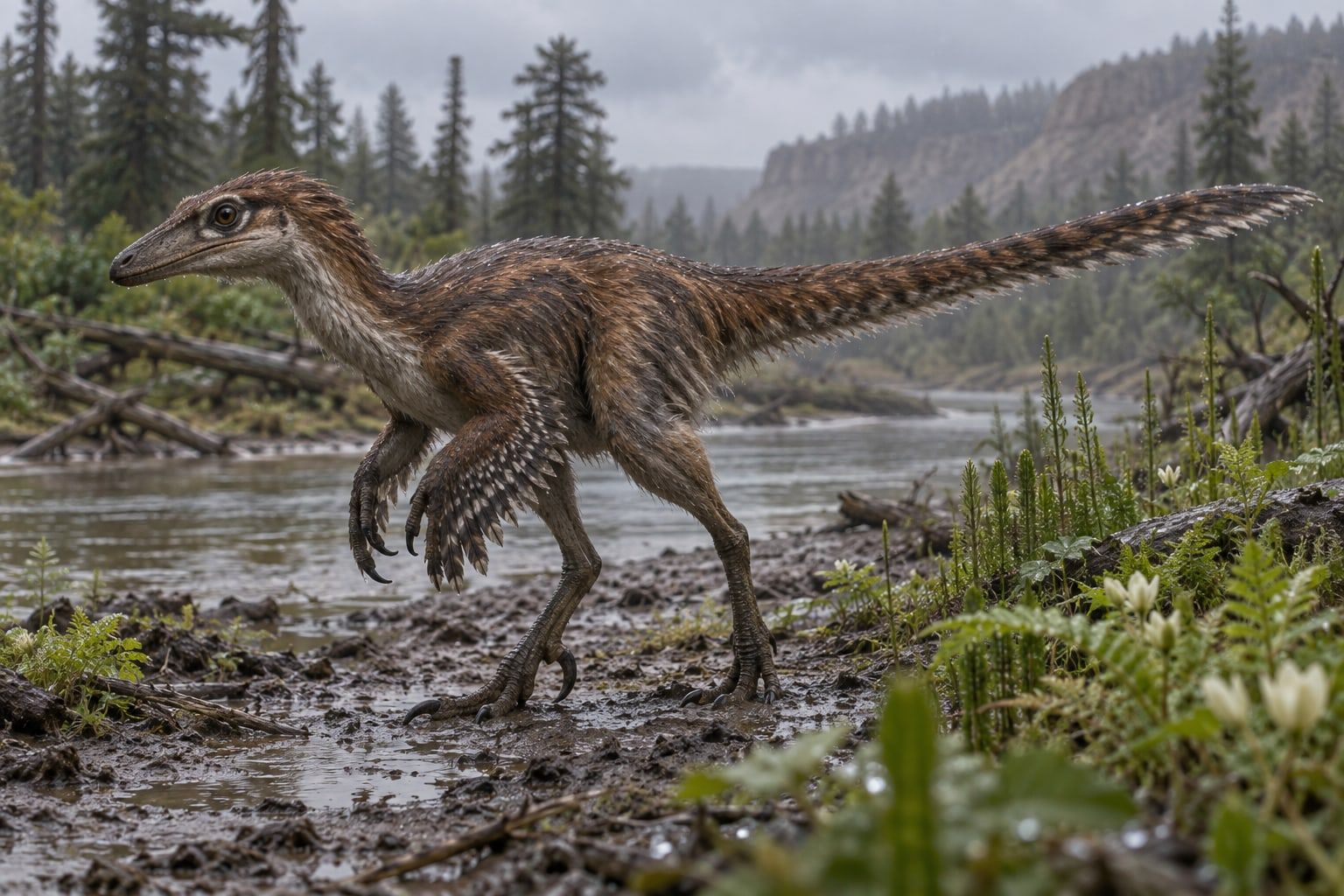
Talos was a feathered troodontid, a big-eyed, lightly built theropod about 2 meters (7 feet) long. Its only skeleton shows an injured and healed toe on the foot that carried its large claw, which suggests it lived with the injury for some time.
Its world
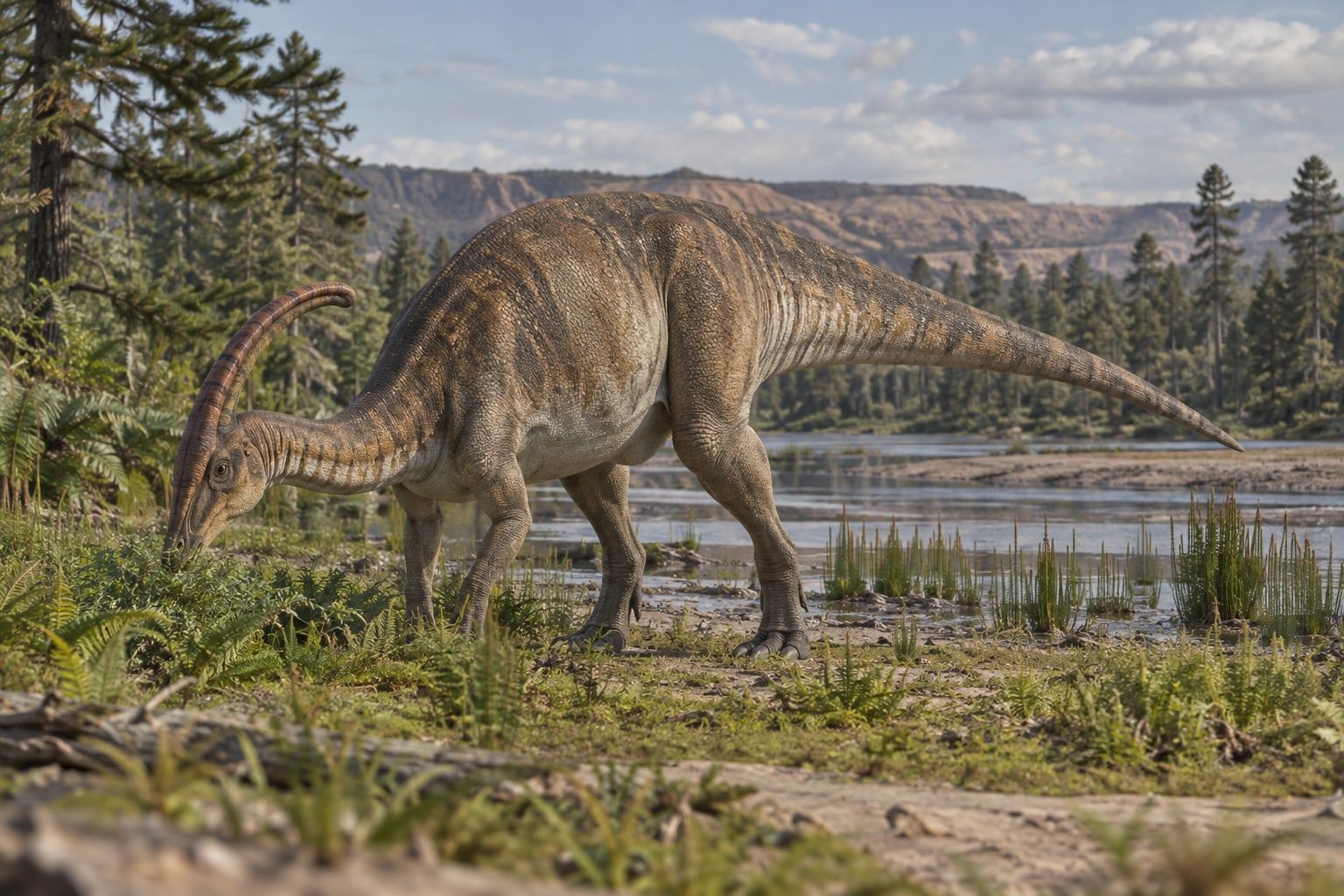
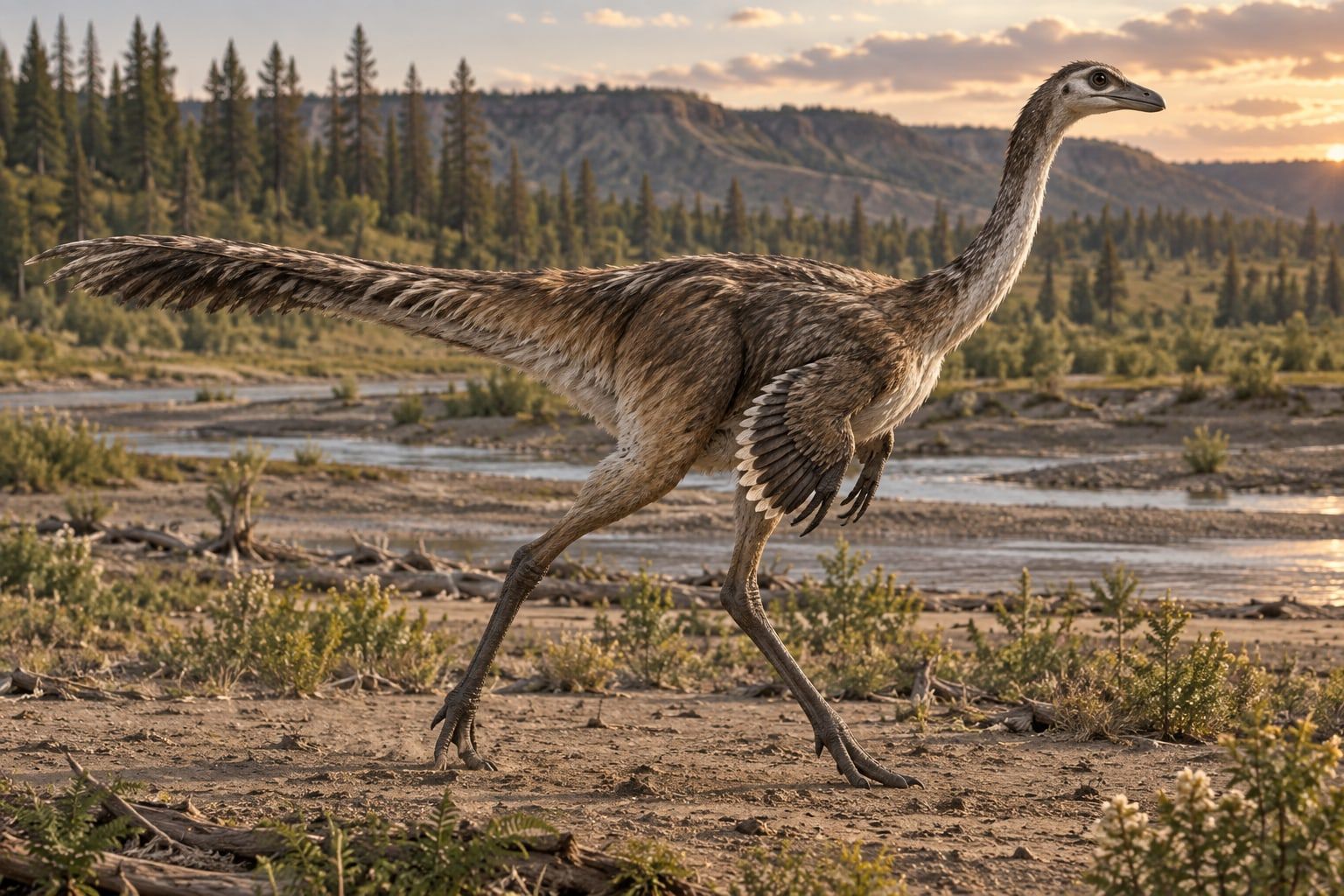
It lived in the Late Cretaceous in what is now Utah. Its bones come from the Kaiparowits Formation, a land of rivers and swamps shared with the tyrannosaur Teratophoneus, the horned Kosmoceratops and Utahceratops and the duckbill Gryposaurus.
How it was found
Zanno and colleagues named it in 2011. Its name comes from a bronze giant in Greek myth.
Lived alongside
Found in the same rock formations
Close relatives
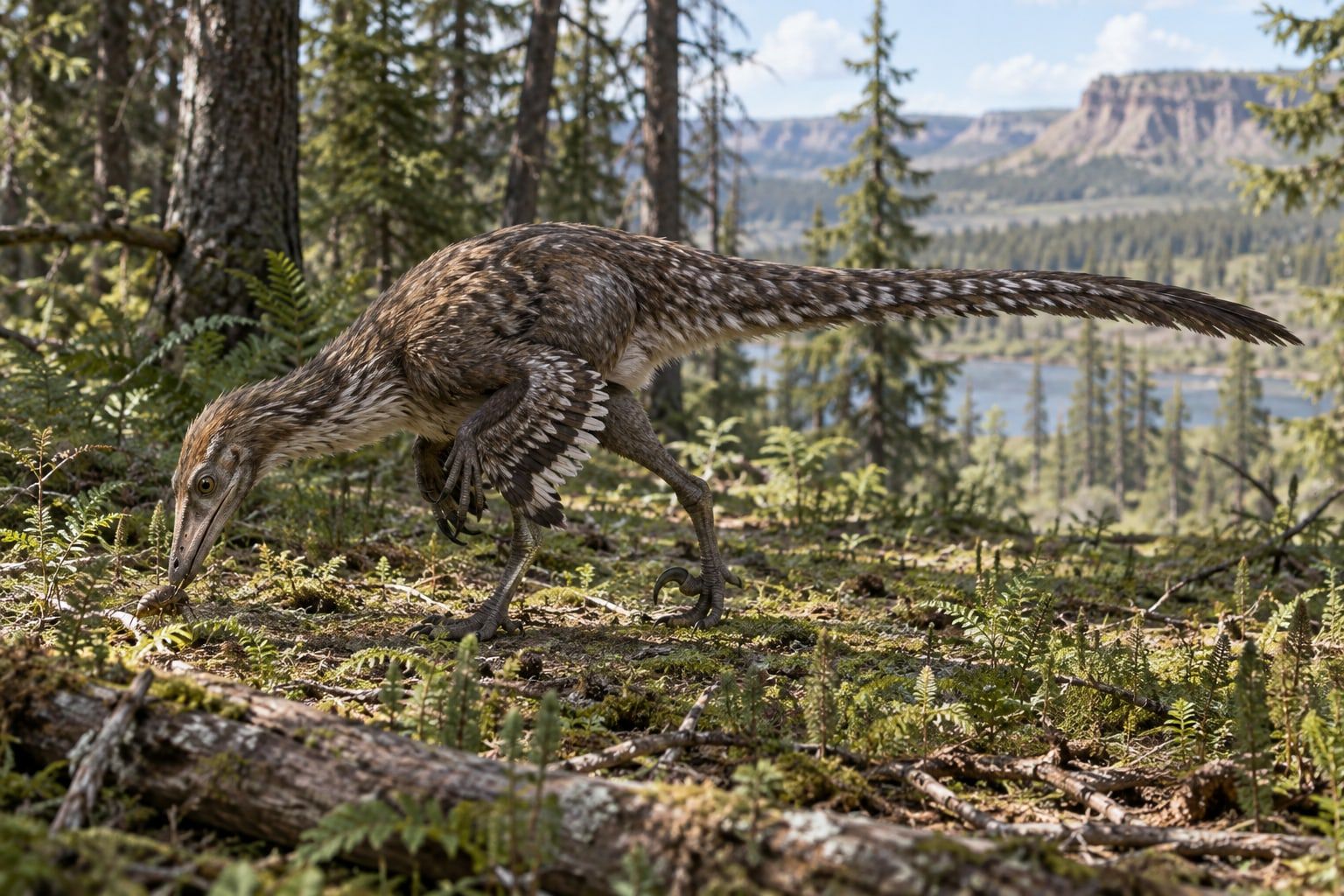
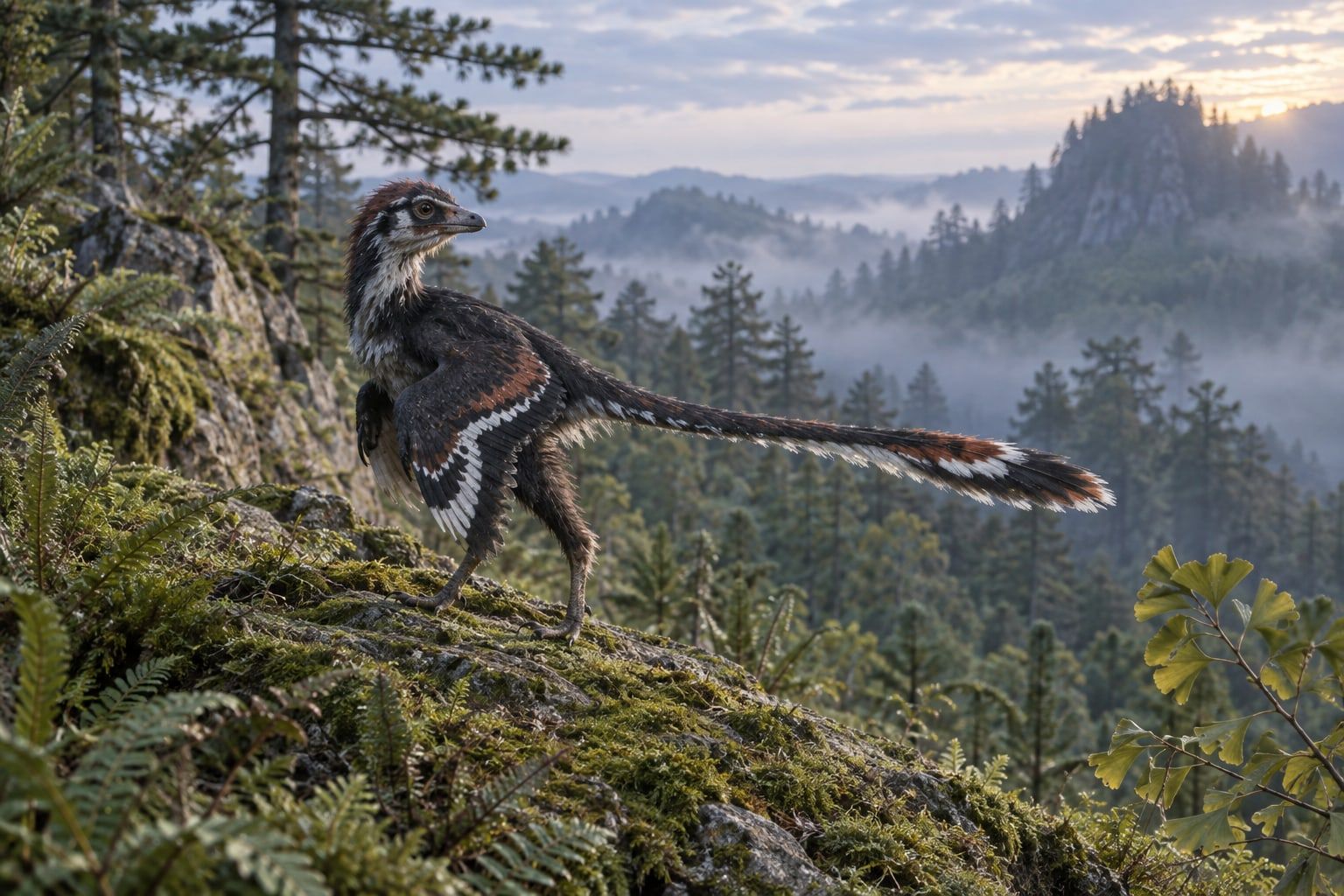
Other members of Troodontidae
Sources: WikidataNamed in: L. E. Zanno, D. J. Varricchio, and P. M. O.'Connor, A. L. Titus, M. J. Knell. 2011. A new troodontid theropod, Talos sampsoni gen. et sp. nov., from the Upper Cretaceous Western Interior Basin of North America. PLoS ONE 6(9):e24487:1-20