Teratophoneus
TER-uh-toh-FOH-nee-us
"monstrous murderer"
- Lived
- 84 to 72 million years ago, Late Cretaceous
- Diet
- Carnivore
- Group
- Theropods, Tyrannosauridae
- Found in
- United States
- Named by
- Carr et al. 2011
Where its fossils were found
The evidence
Today

80 million years ago
Habitat
River plains with lakes in what is now Utah. Kosmoceratops, Utahceratops and Gryposaurus lived in the same region.
Field notes
About Teratophoneus
What it was like
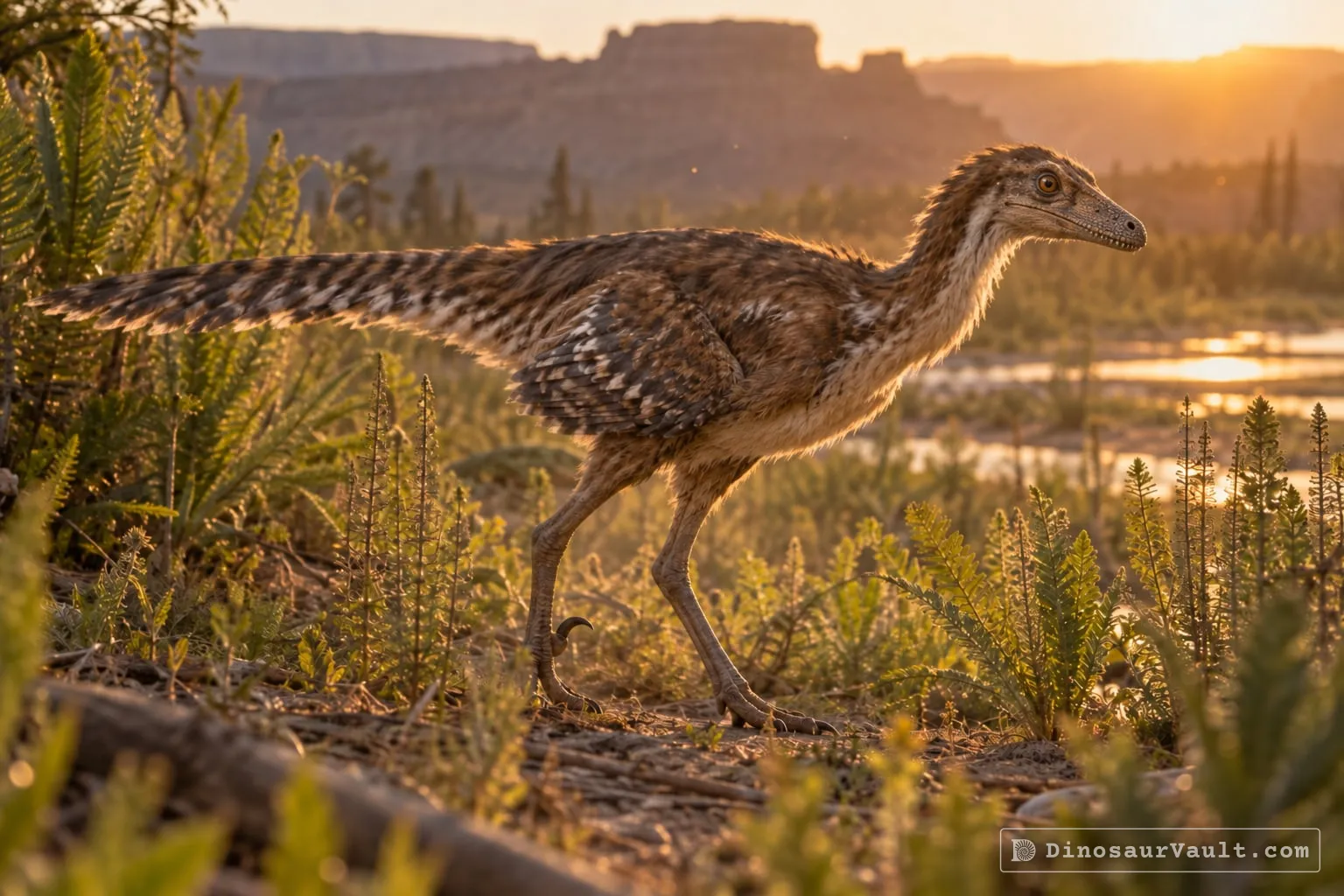
Teratophoneus was a tyrannosaur with a short, deep skull, shorter than those of its northern relatives. It walked on two legs and had small arms and thick teeth for biting through bone.
The known skeletons seem to be young animals, so adults may have been larger.
Its world
It lived about 84 to 72 million years ago, in the Late Cretaceous, in what is now Utah. Its fossils come from the Kaiparowits Formation, where it was probably the top predator.
It shared that land with the horned Kosmoceratops and Utahceratops and the duck-bills Parasaurolophus and Gryposaurus.
How it was found
Carr and colleagues named Teratophoneus in 2011. Two finds are known.
Field gallery
More views of Teratophoneus
Scenes reconstructed from the available fossil evidence.
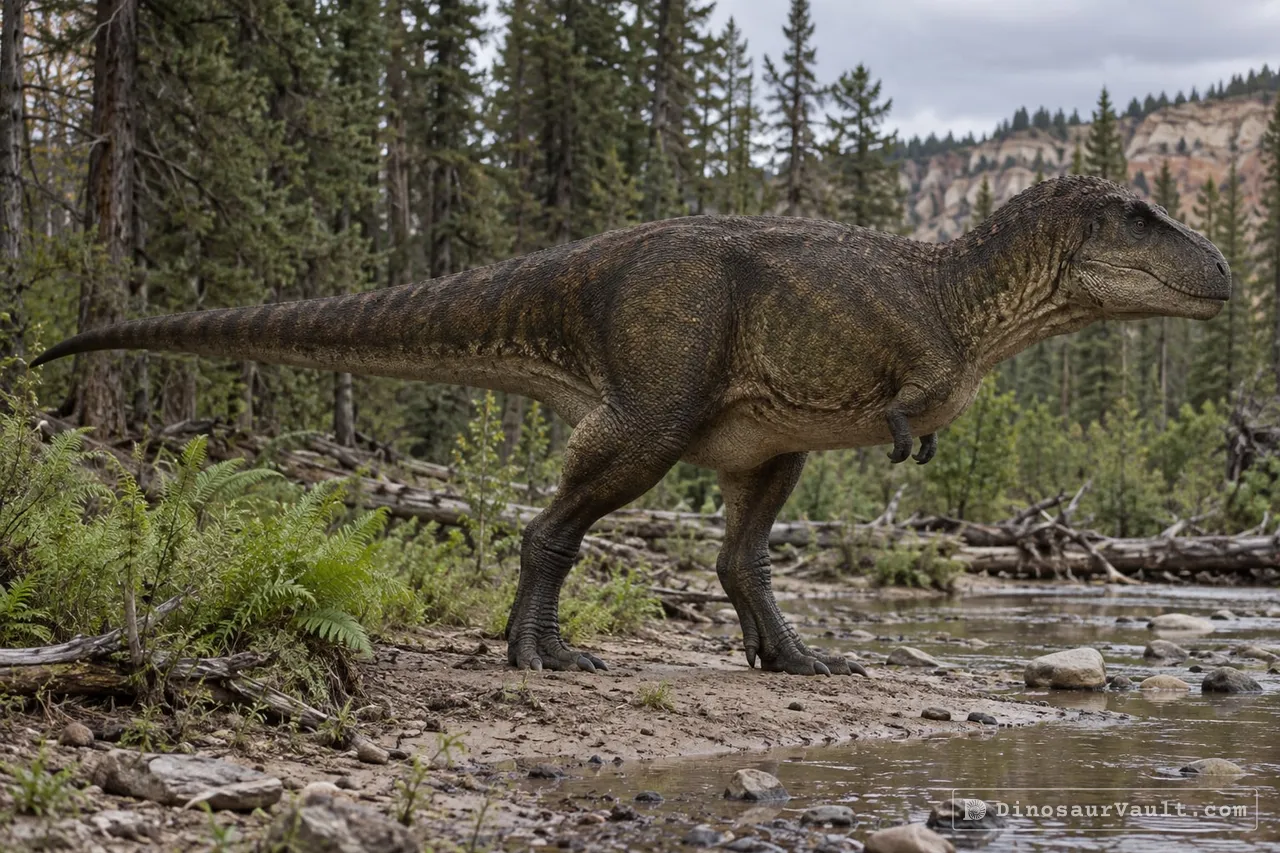
1 of 3
Lived alongside
Found in the same rock formations
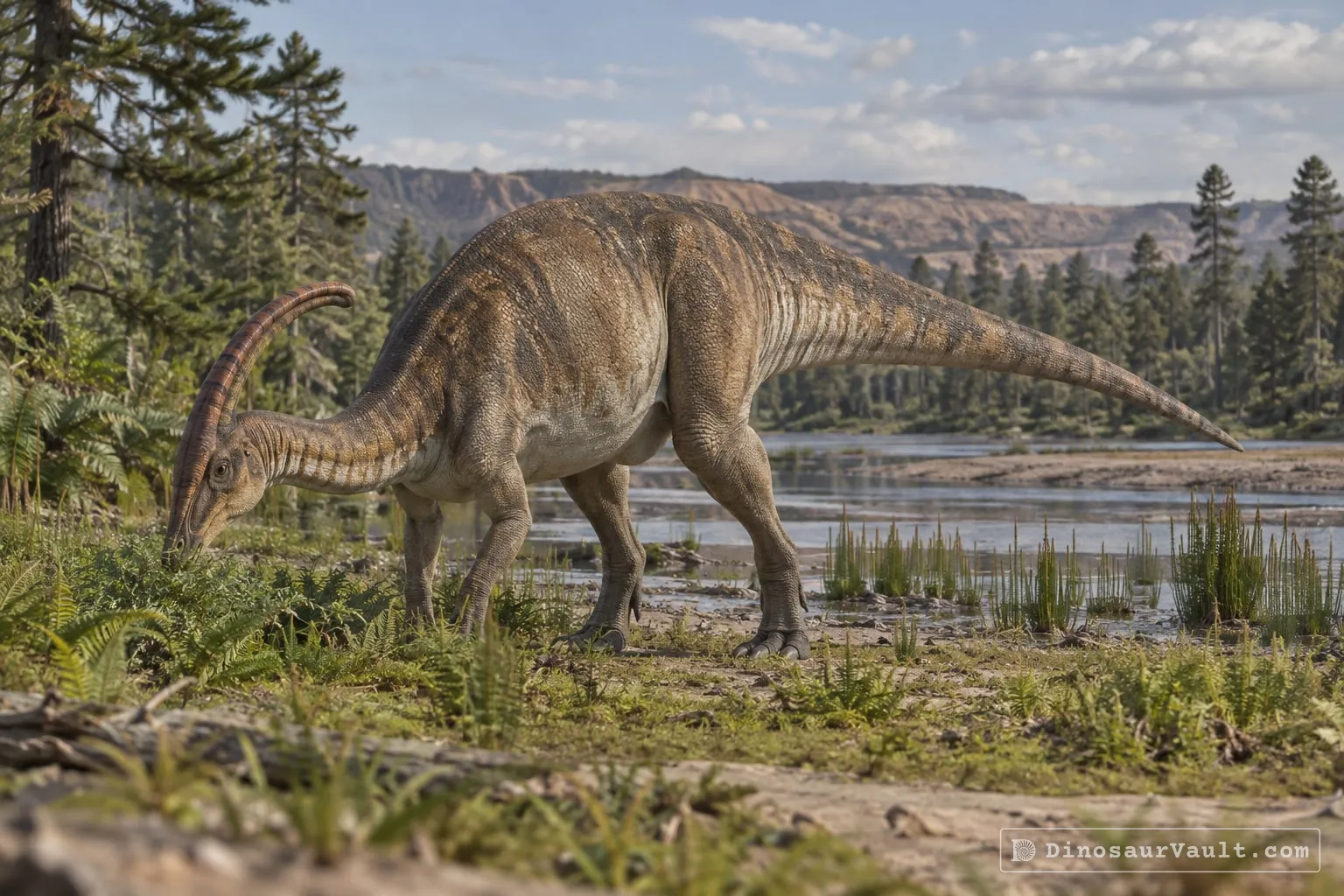
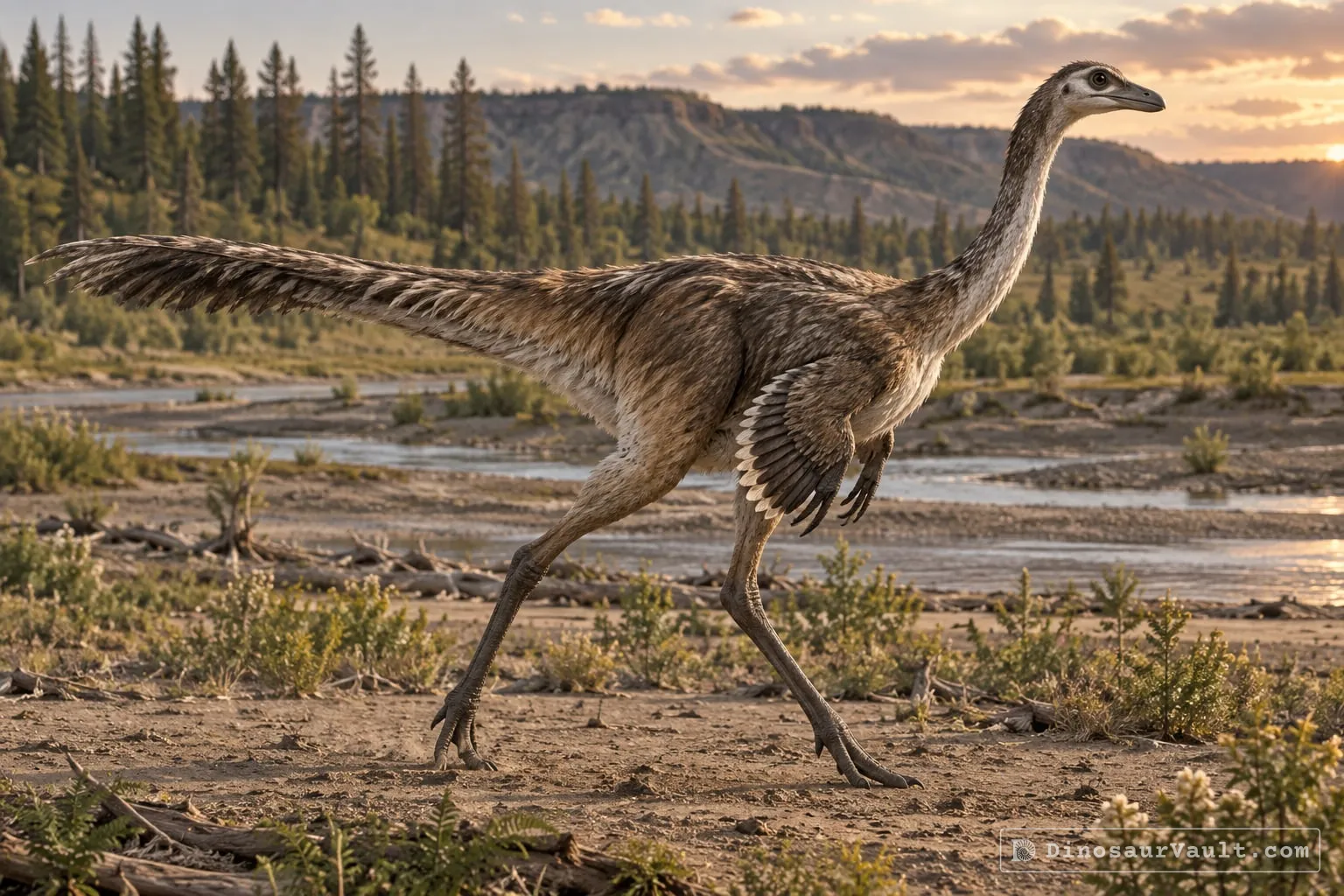
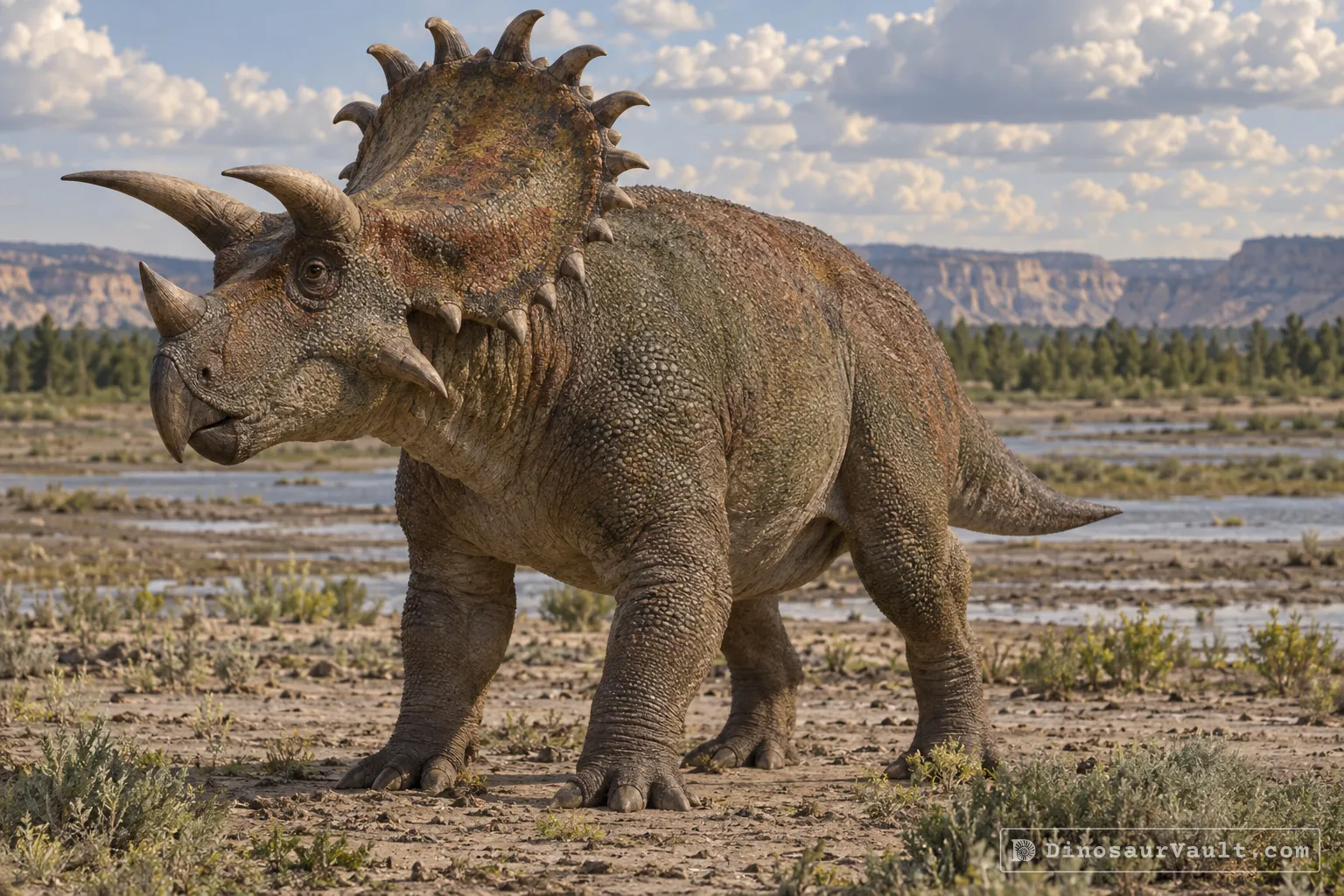
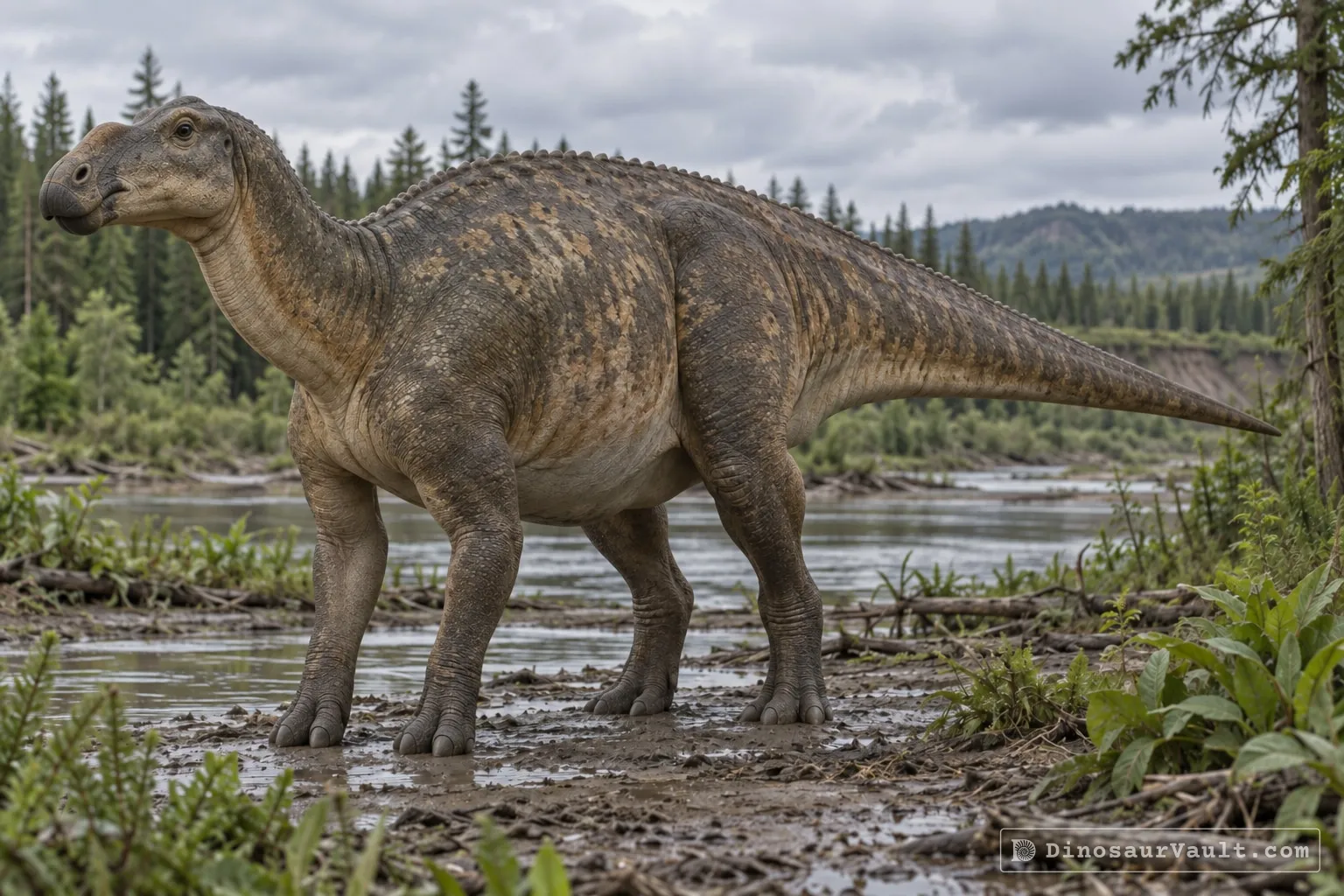
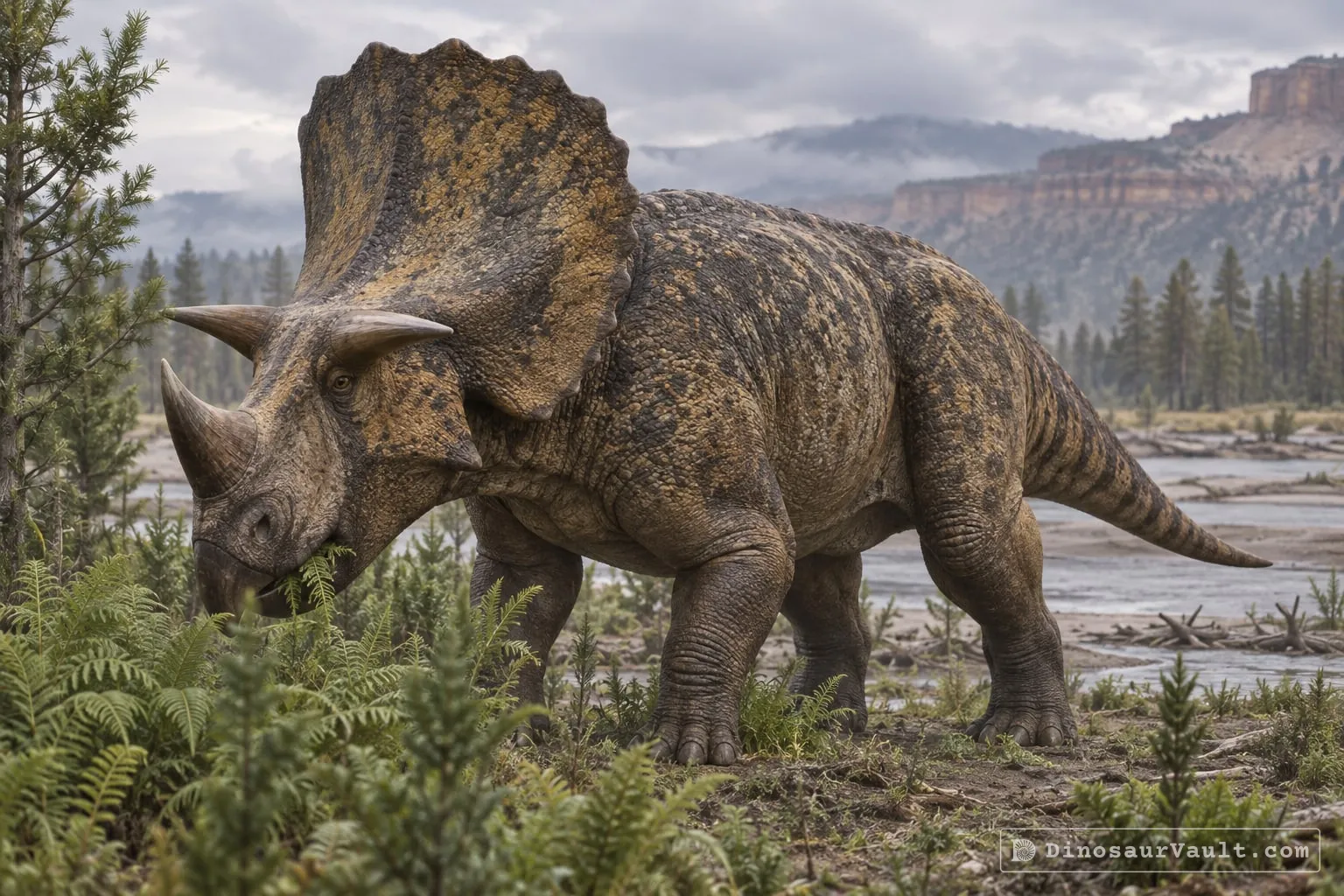
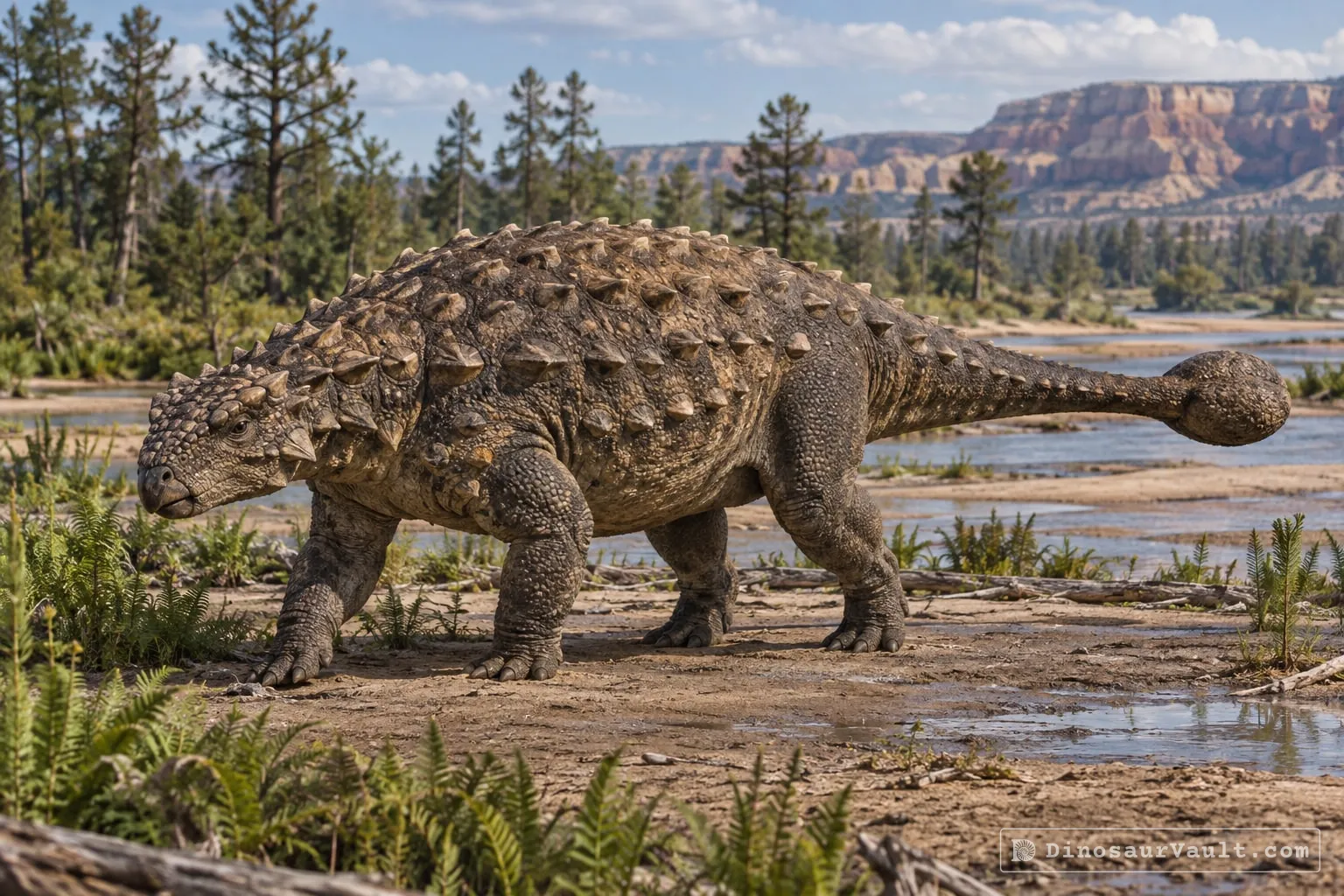
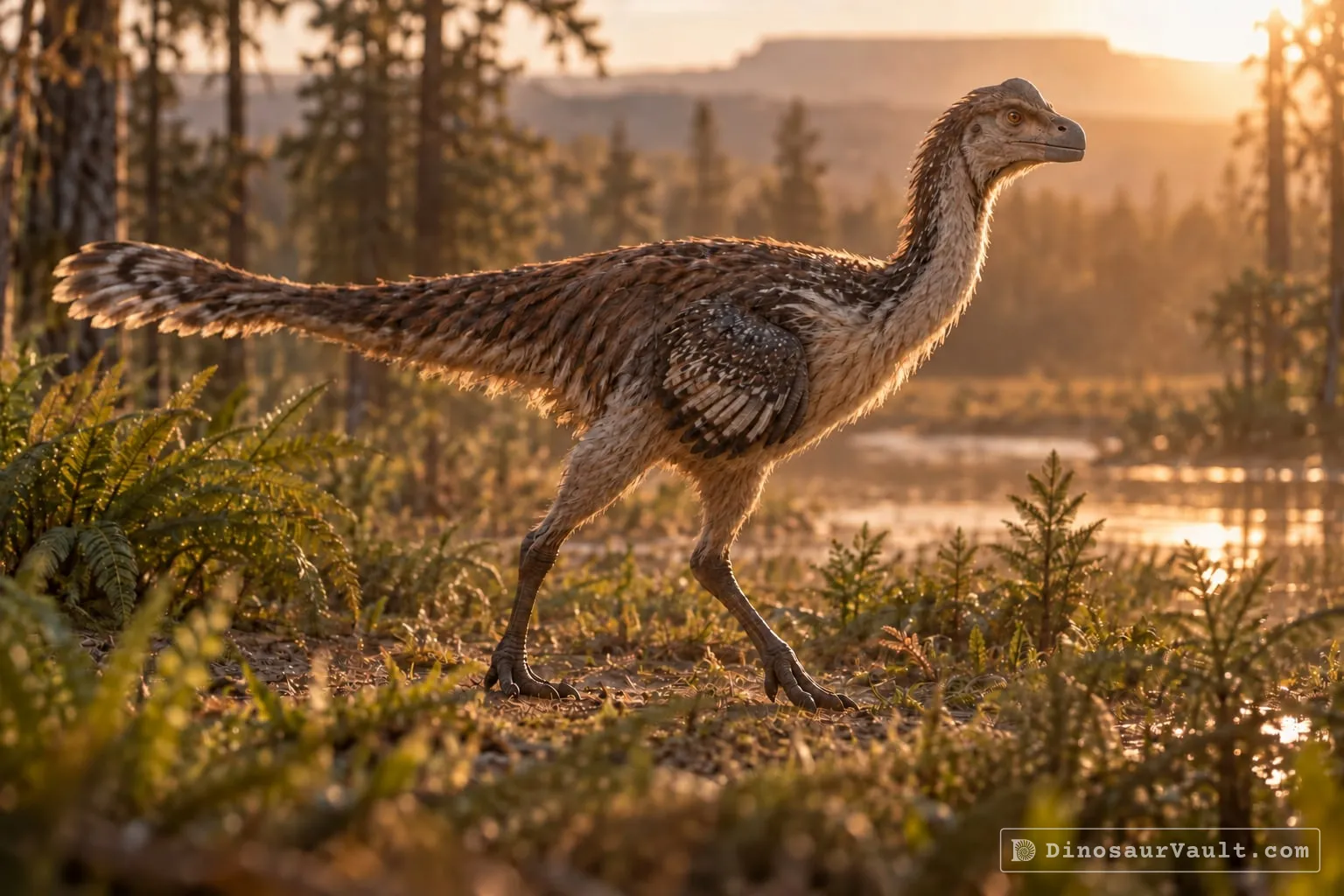


A rock formation can hold fossils laid down millions of years apart, so not every animal here met Teratophoneus.
The evidence
The science behind Teratophoneus
Which parts of the picture come from its own bones, and which come from its relatives.
From its own fossils
- Skull bones show a short, deep snout with fewer upper-jaw teeth than in many other tyrannosaurs.
- A later skeleton preserves much of the skull and backbone, the hips and part of a hind leg.
Borrowed from relatives
- Missing arm bones are restored using Tyrannosaurus and other tyrannosaurids as guides.
Still unknown
- Its skin covering and color.
- Whether it regularly traveled or hunted in groups.
- The size and proportions of a fully grown adult.
Discovery timeline
- 2011Named itCarr et al.
- 2013New findLoewen et al.
- 2021Fossil sitesTitus et al.
Key papers
The research behind what we know of Teratophoneus
Named it
Named a short-snouted tyrannosaur from Utah, adding to the variety of southern tyrannosaurs.
Evidence for high taxonomic and morphologic tyrannosauroid diversity in the Late Cretaceous (Late Campanian) of the American Southwest and a new short-skulled tyrannosaurid from the Kaiparowits formation of Utah. Naturwissenschaften 98: 241-246
Read the paper : Evidence for high taxonomic and morphologic tyrannosauroid diversity in the Late Cretaceous (Late Campanian) of the American Southwest and a new short-skulled tyrannosaurid from the Kaiparowits formation of Utah (opens in a new tab)New find
Described a much more complete Teratophoneus skeleton and compared its place in the tyrannosaur family tree.
Tyrant Dinosaur Evolution Tracks the Rise and Fall of Late Cretaceous Oceans. PLoS ONE 8: e79420
Read the paper : Tyrant Dinosaur Evolution Tracks the Rise and Fall of Late Cretaceous Oceans (opens in a new tab)Fossil sites
Studied a bonebed tentatively assigned to Teratophoneus and proposed that the tyrannosaurs may have gathered in groups before dying in a flood.
Geology and taphonomy of a unique tyrannosaurid bonebed from the upper Campanian Kaiparowits Formation of southern Utah: implications for tyrannosaurid gregariousness. PeerJ 9: e11013
Read the paper : Geology and taphonomy of a unique tyrannosaurid bonebed from the upper Campanian Kaiparowits Formation of southern Utah: implications for tyrannosaurid gregariousness (opens in a new tab)
Close relatives
Other members of Tyrannosauridae


Sources: Wikidata