Ornithomimus
OR-nith-oh-MY-mus
"bird mimic"
- Lived
- 84 to 66 million years ago, Late Cretaceous
- Diet
- Omnivore
- Length
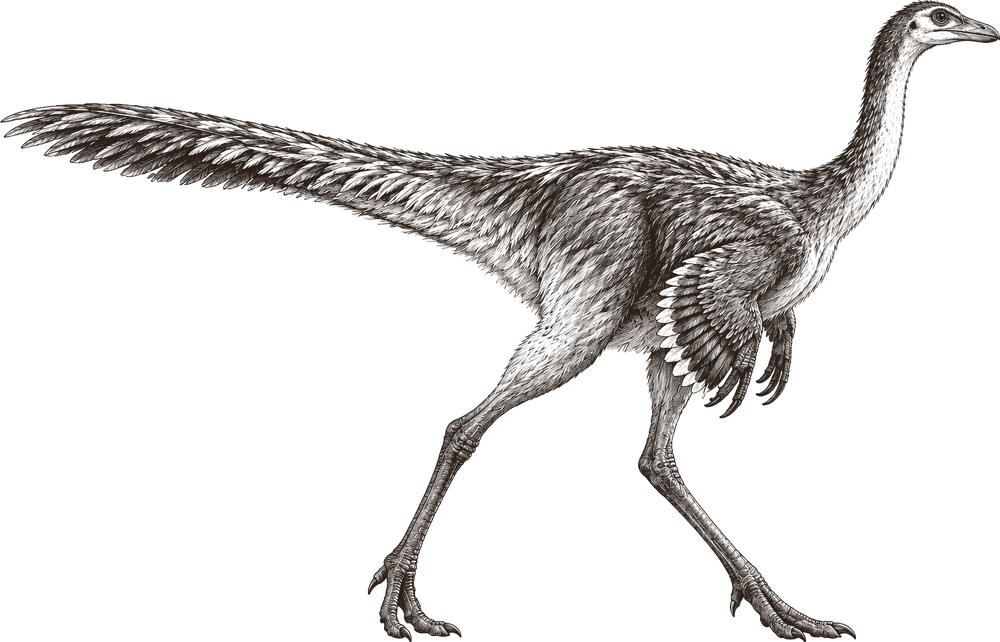
- about 4 m (13 ft)
- Group
- Theropods, Ornithomimidae
- Found in
- United States and Canada
- Named by
- Marsh 1890
Size comparison
To scale

Scale in meters
Where its fossils were found
The evidence
Today
75 million years ago
Field notes
About Ornithomimus
What it was like
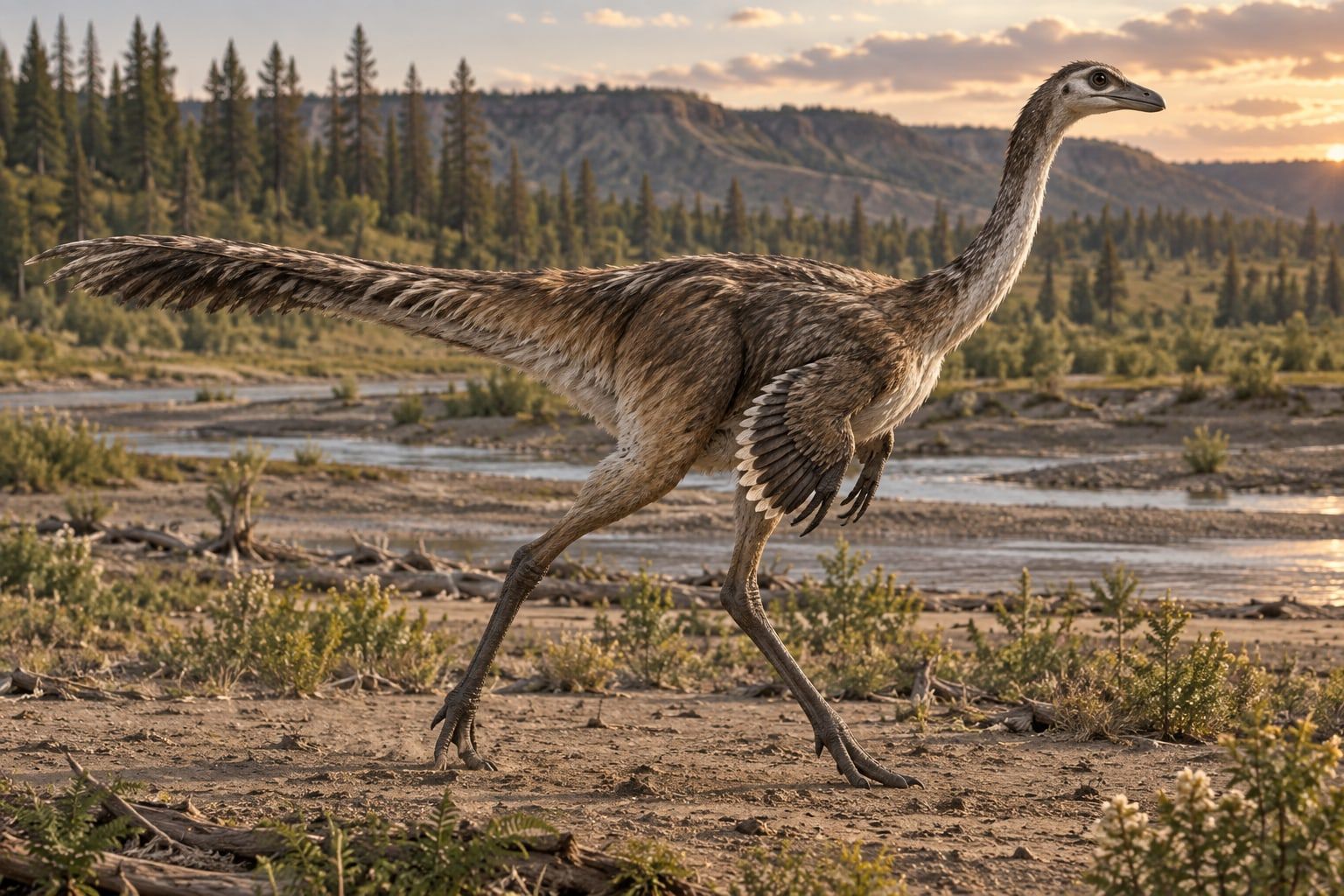
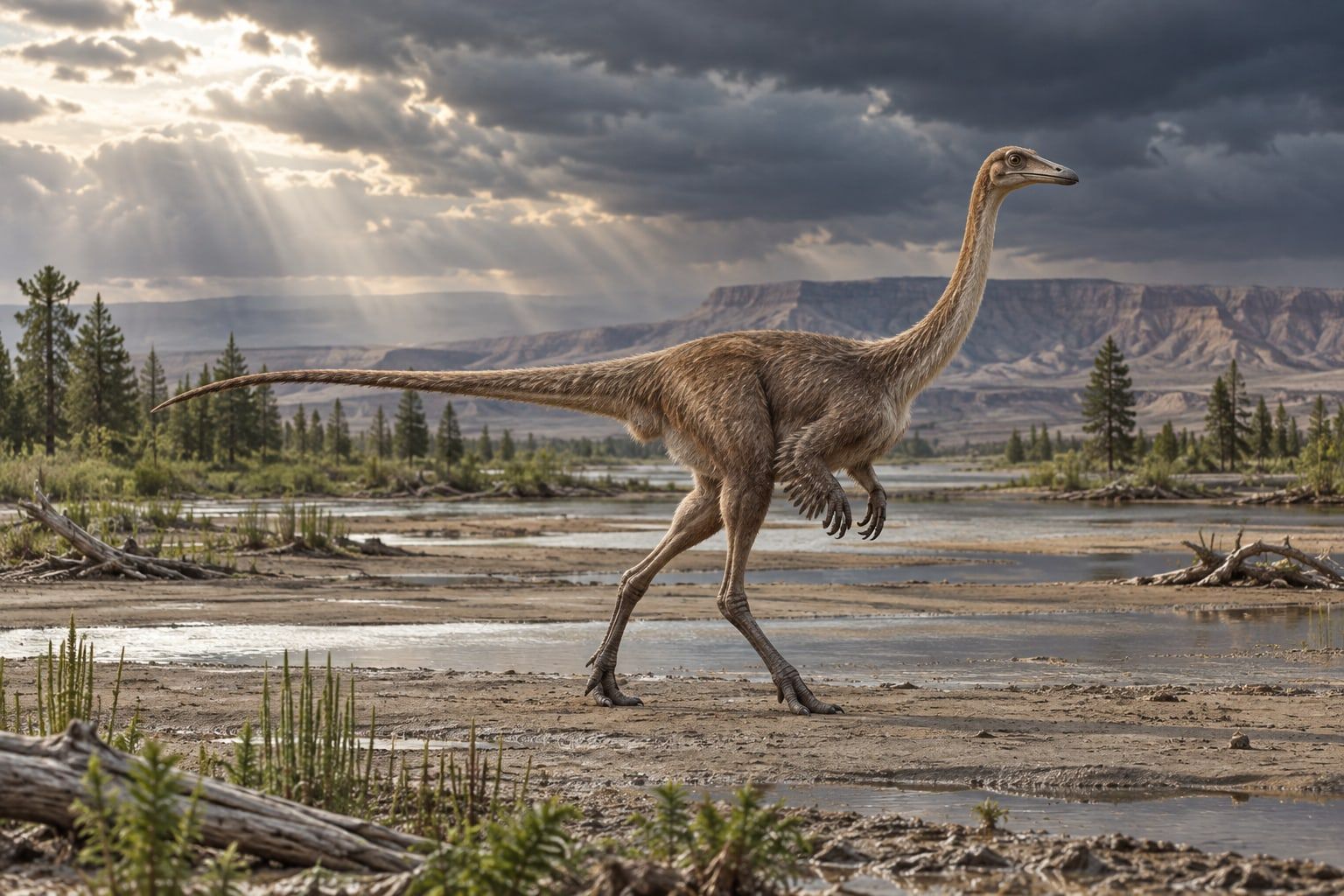
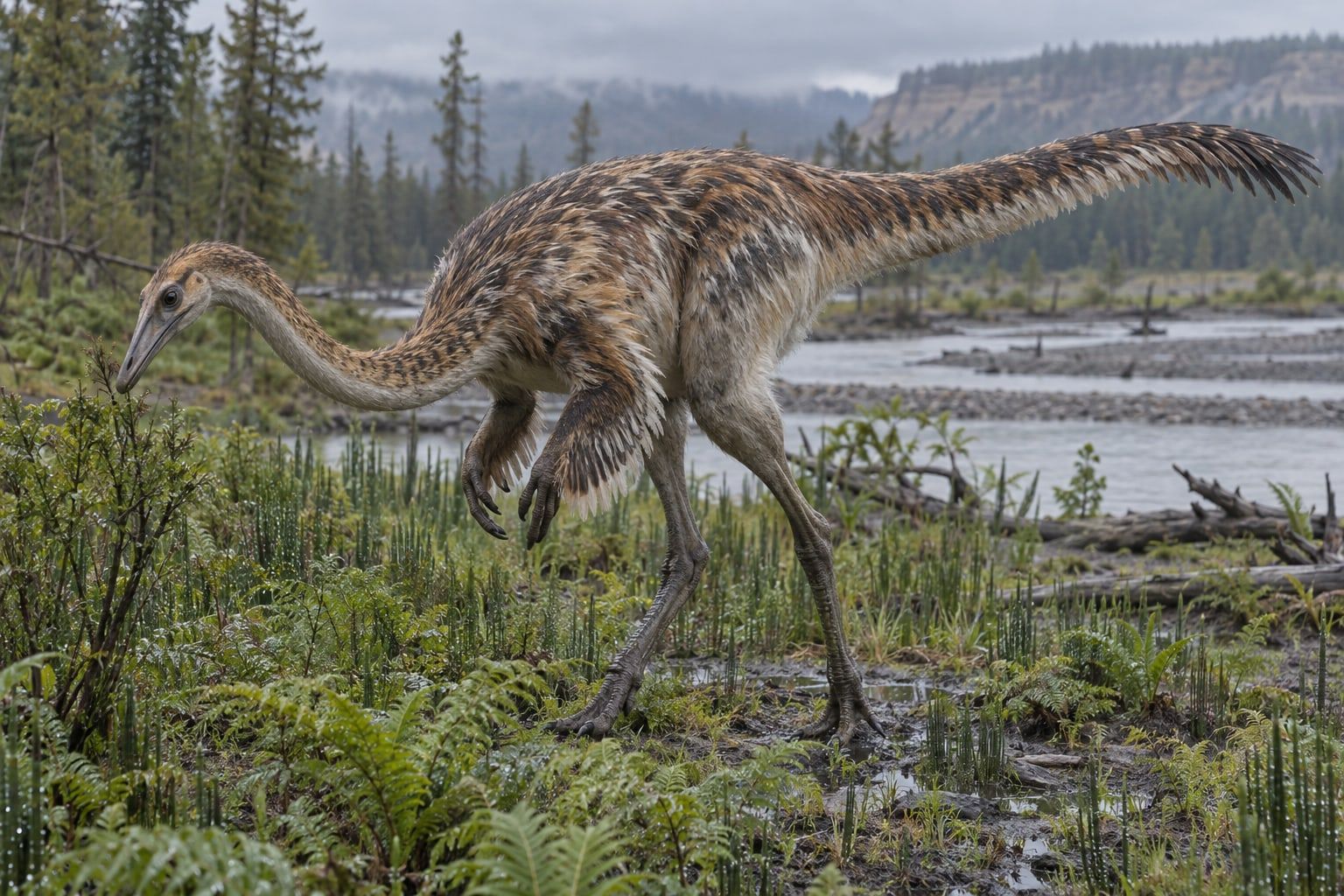
Ornithomimus was a slender, fast-moving dinosaur that looked much like a giant, toothless ostrich, with long legs, a long neck, and a small head ending in a beak. It grew to about 4 meters (13 feet) long and was covered in feathers, though it could not fly.
Its toothless beak and long, slim hands suggest Ornithomimus was an omnivore, probably picking up plants, seeds, insects, and small animals as it foraged, more like a modern bird than a typical meat-eating dinosaur.
Its world
Ornithomimus lived from about 84 to 66 million years ago, in the Late Cretaceous, across what are now the United States and Canada, including Alberta, Montana, South Dakota, Wyoming, Colorado, and New Mexico.
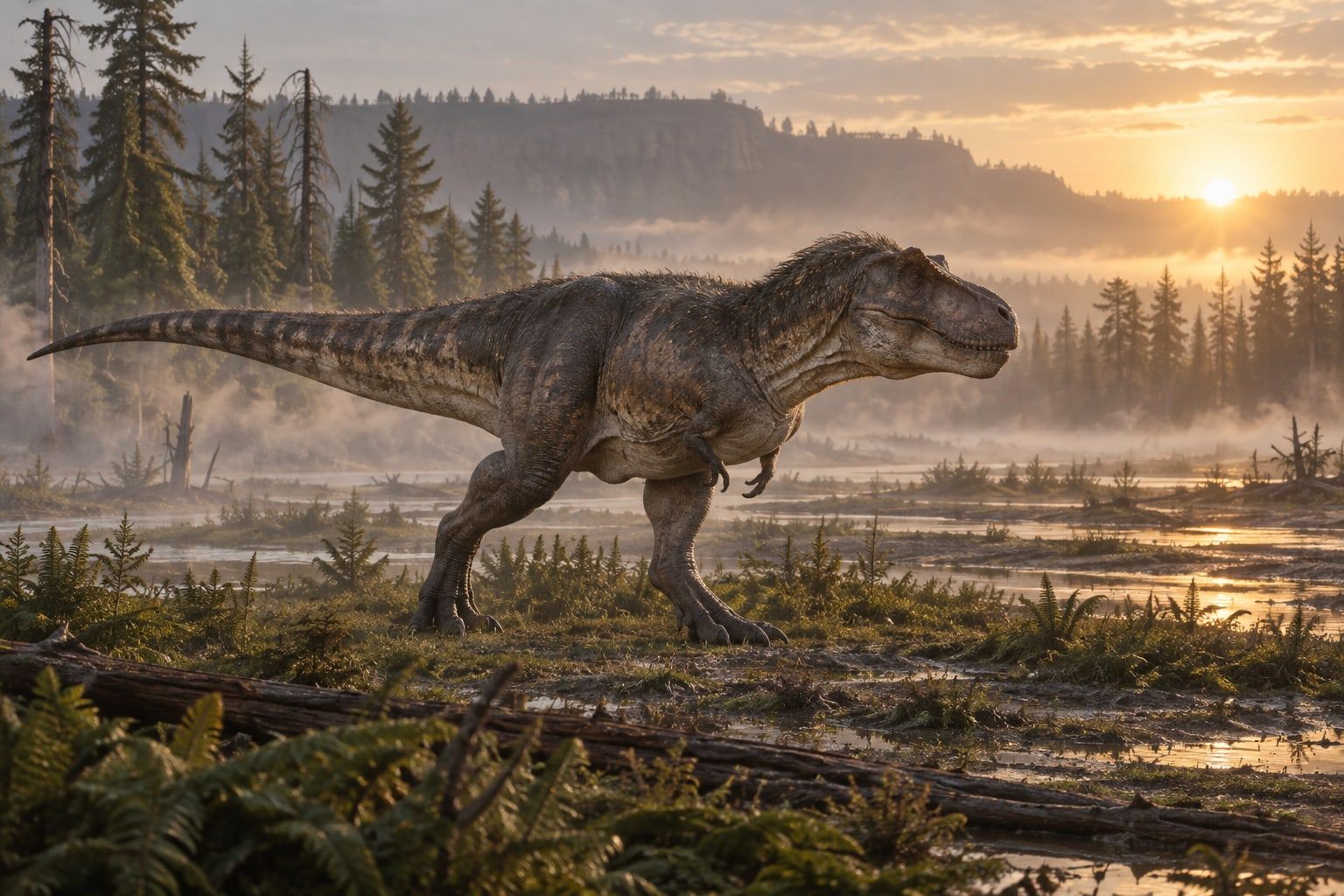
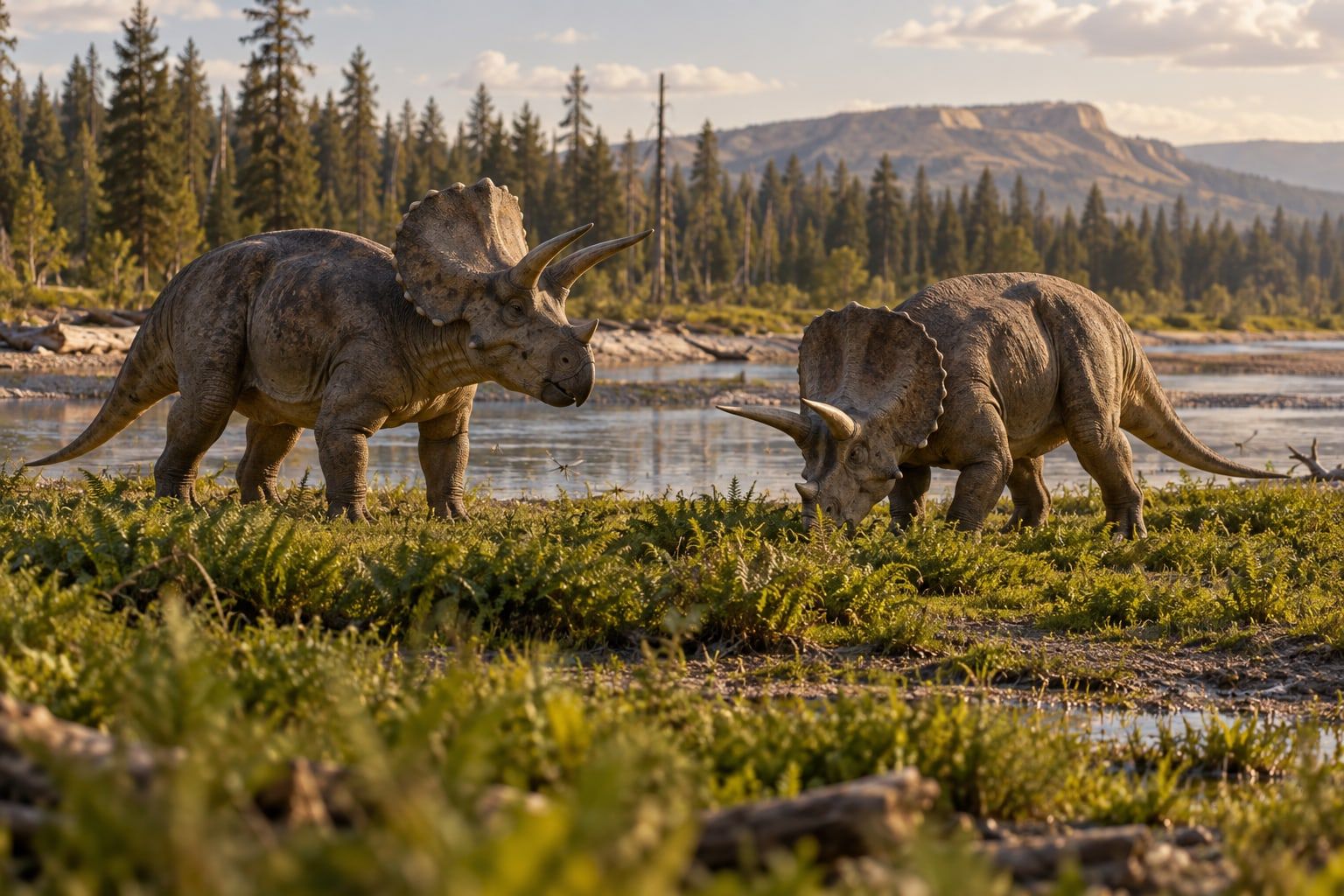
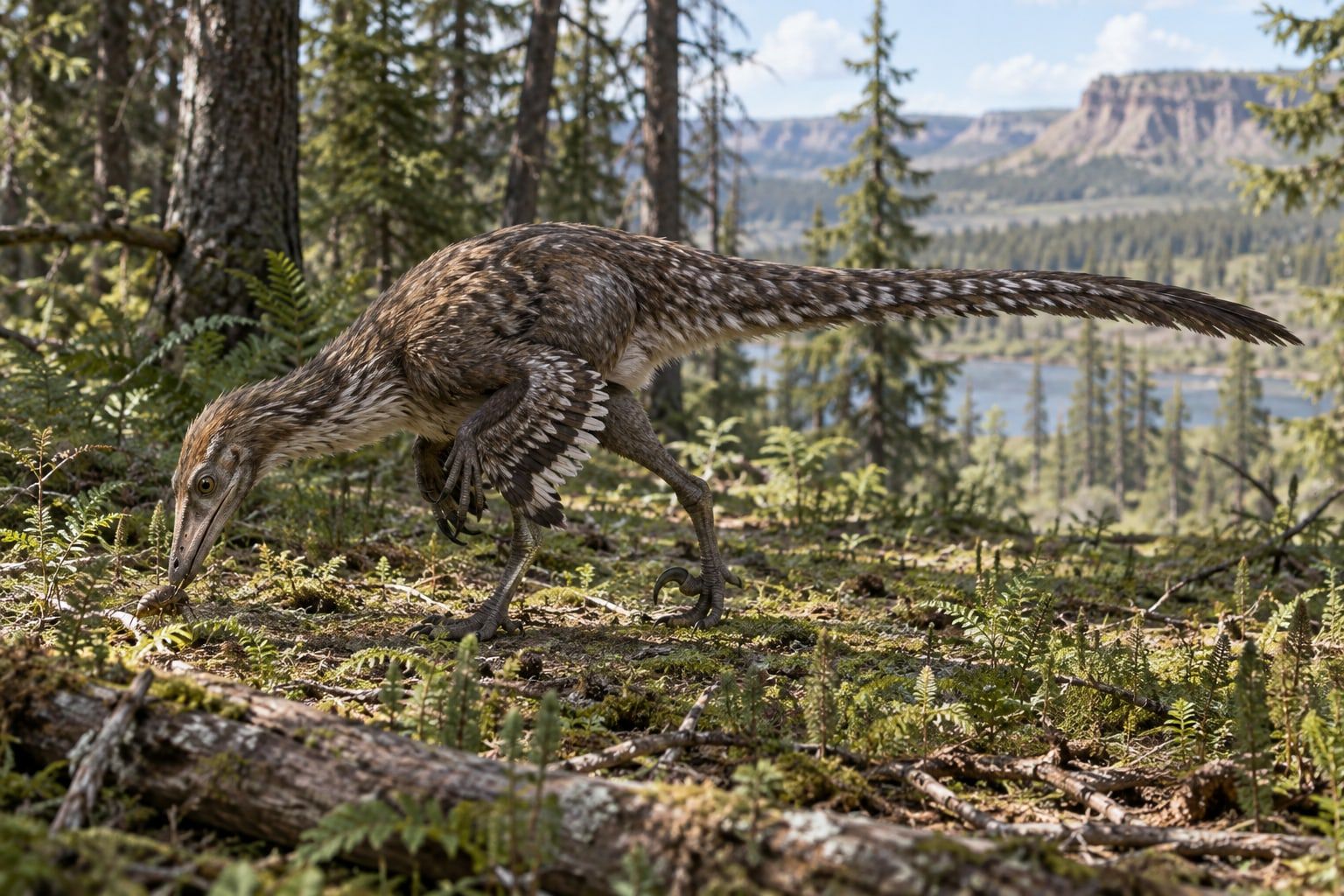
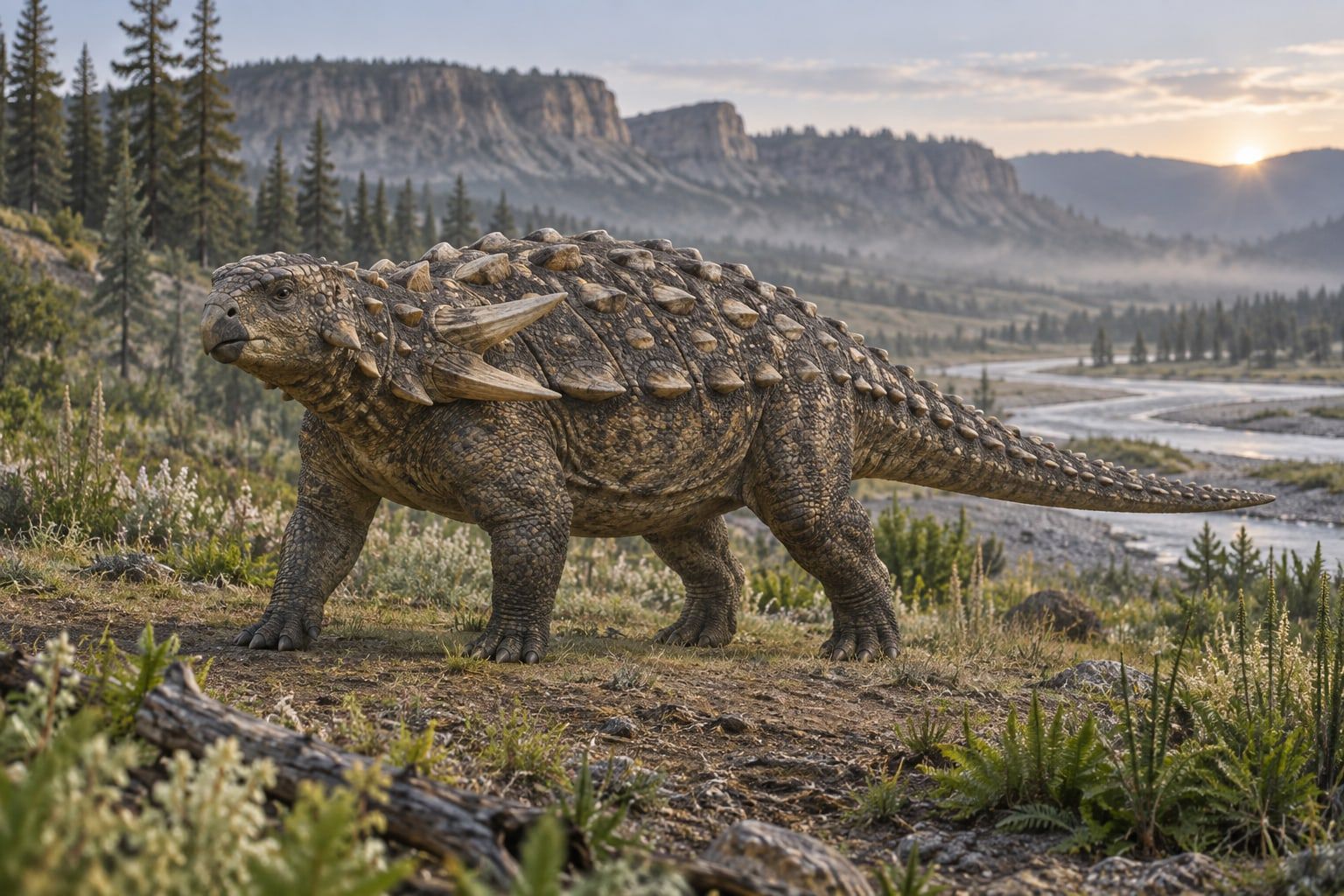
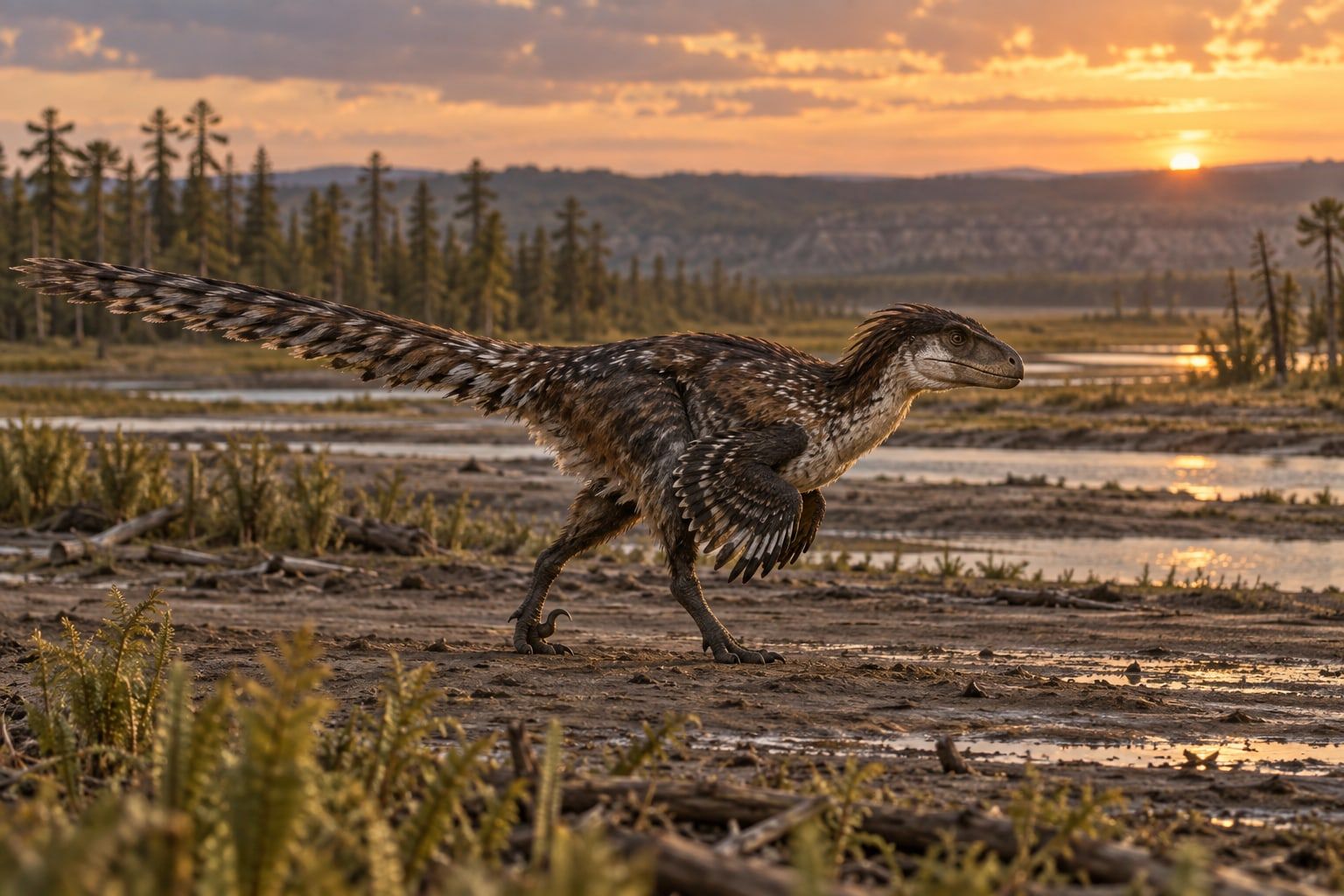
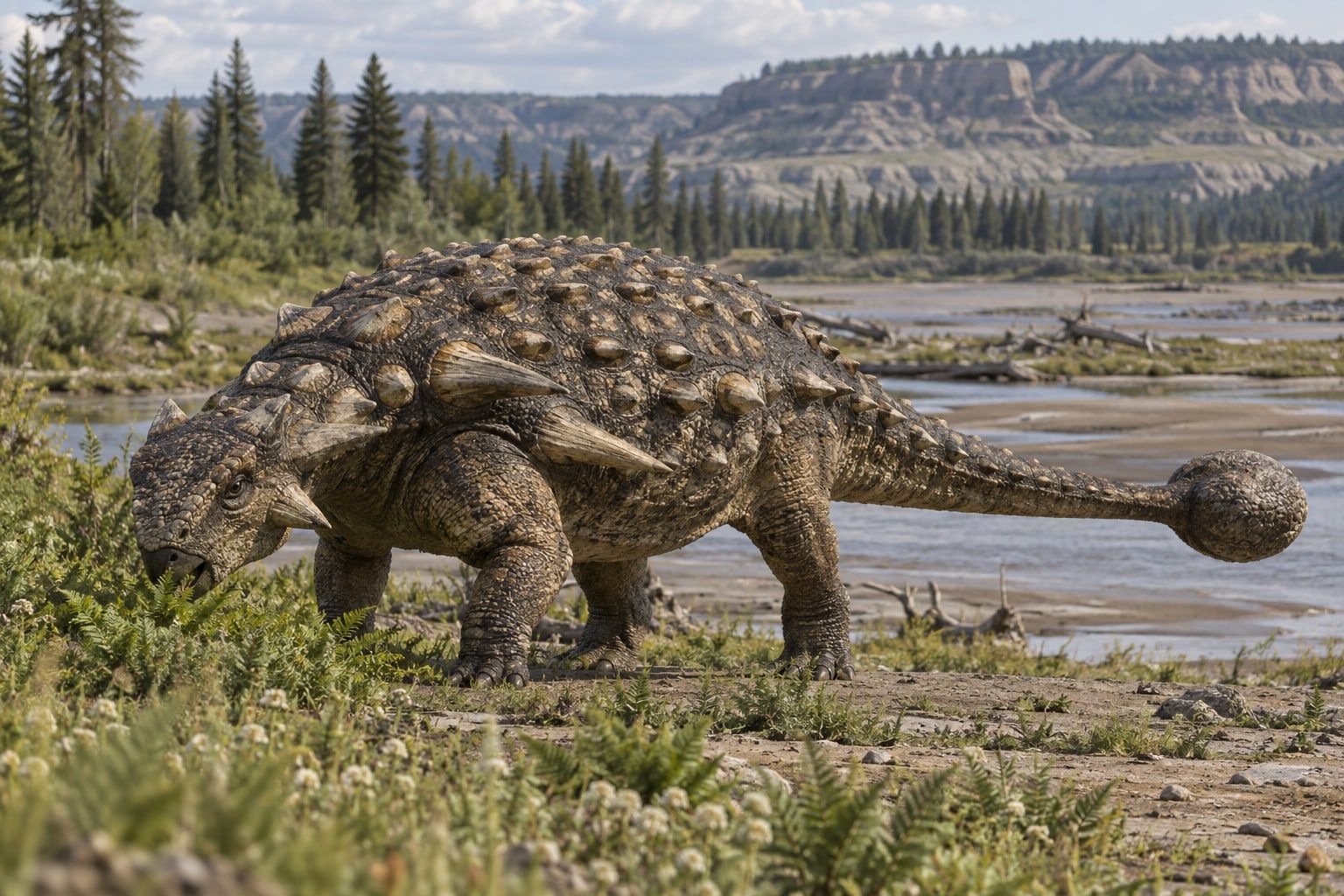
It shared its world with predators such as Tyrannosaurus, Troodon, and Dromaeosaurus, the armored Edmontonia, and the horned Triceratops, one of the most common plant eaters of the time.
How it was found
Marsh named Ornithomimus in 1890. With around 26 fossil finds known, it is one of the better-represented dinosaurs of its kind, giving paleontologists a good picture of its skeleton and feathers. Its closest relatives include Gallimimus, Struthiomimus, and Archaeornithomimus, all members of the ostrich-mimic family Ornithomimidae.
Lived alongside
Found in the same rock formations
Close relatives
Other members of Ornithomimidae
Sources: WikidataNamed in: O. C. Marsh. 1890. Description of new dinosaurian reptiles. The American Journal of Science, series 3 39:81-86