Outline: a typical theropod
Chirostenotes
KYE-roh-sten-OH-teez
"narrow hands"
- Lived
- 84 to 66 million years ago, Late Cretaceous
- Diet
- Omnivore
- Length
- about 1.7 m (6 ft)
- Group
- Theropods, Caenagnathidae
- Found in
- United States and Canada
- Named by
- Gilmore 1924
Size comparison
To scale

Scale in metersOutline: typical theropod shape
Where its fossils were found
The evidence
Today
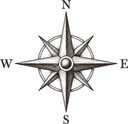
75 million years ago
Field notes
About Chirostenotes
What it was like
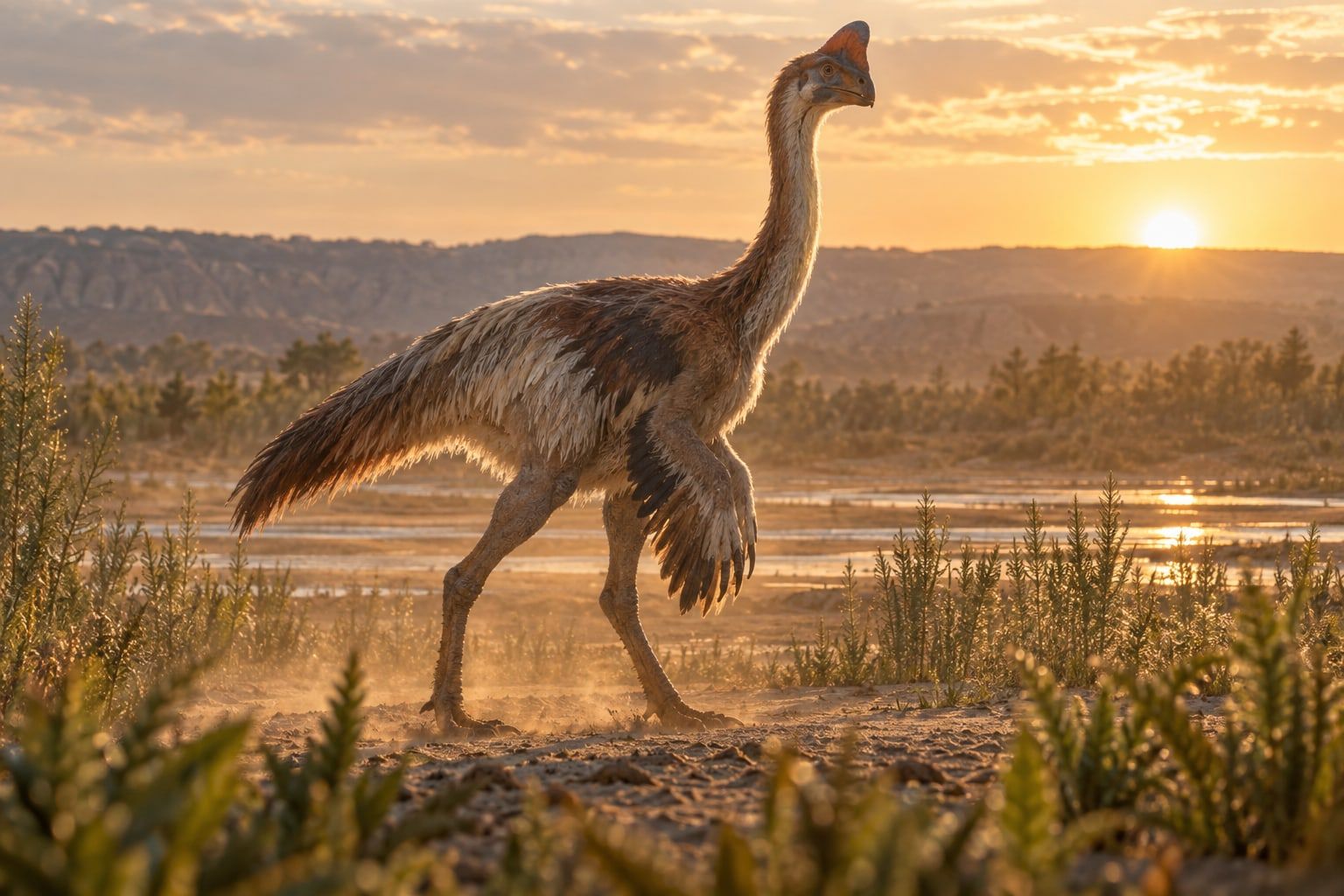
Chirostenotes was a feathered, beaked dinosaur from the oviraptor family, about 1.7 meters (6 feet) long. It had long, slender fingers and long legs, and a toothless beak.
It probably ate plants, eggs and small animals, but no one knows for sure.
Its world
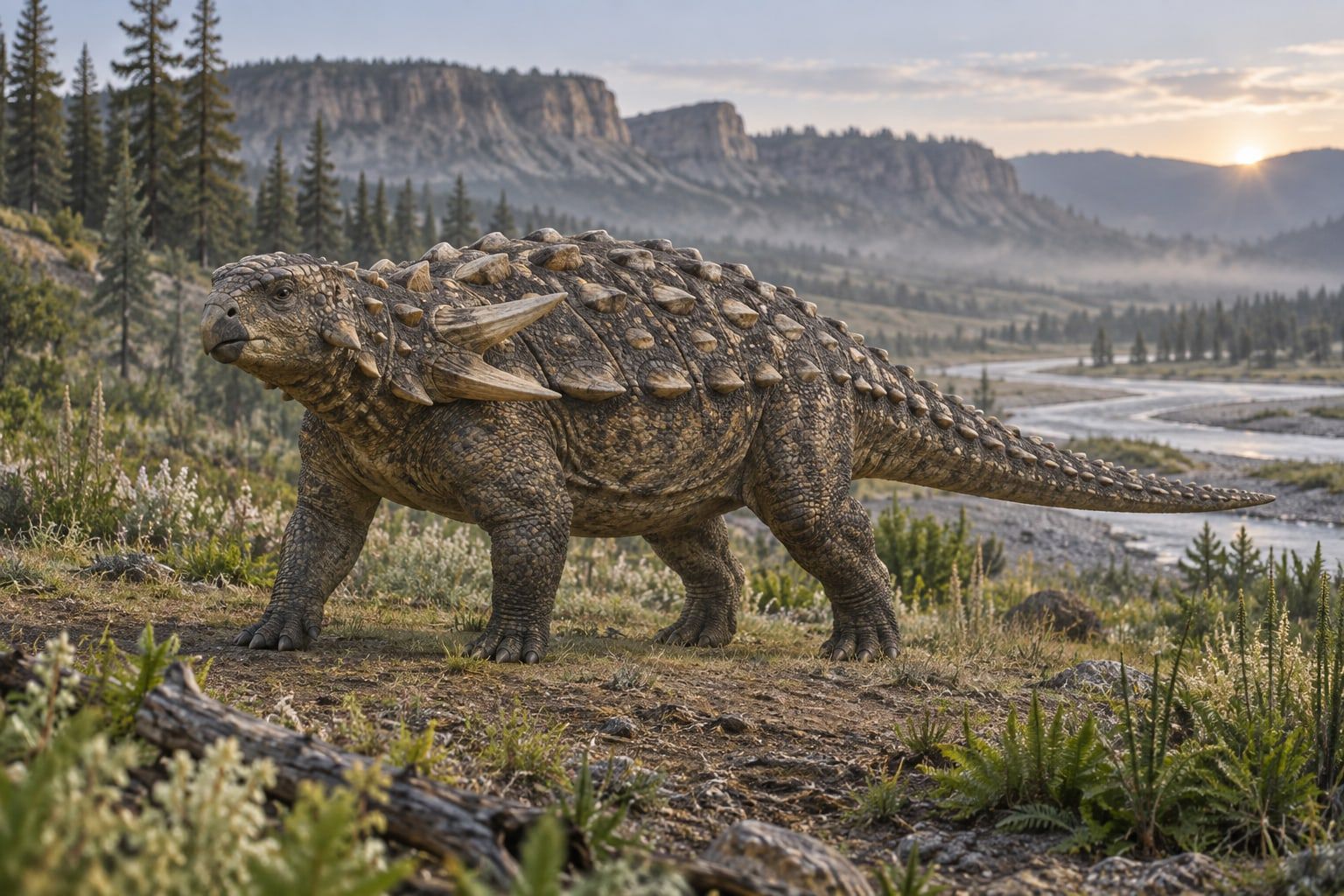
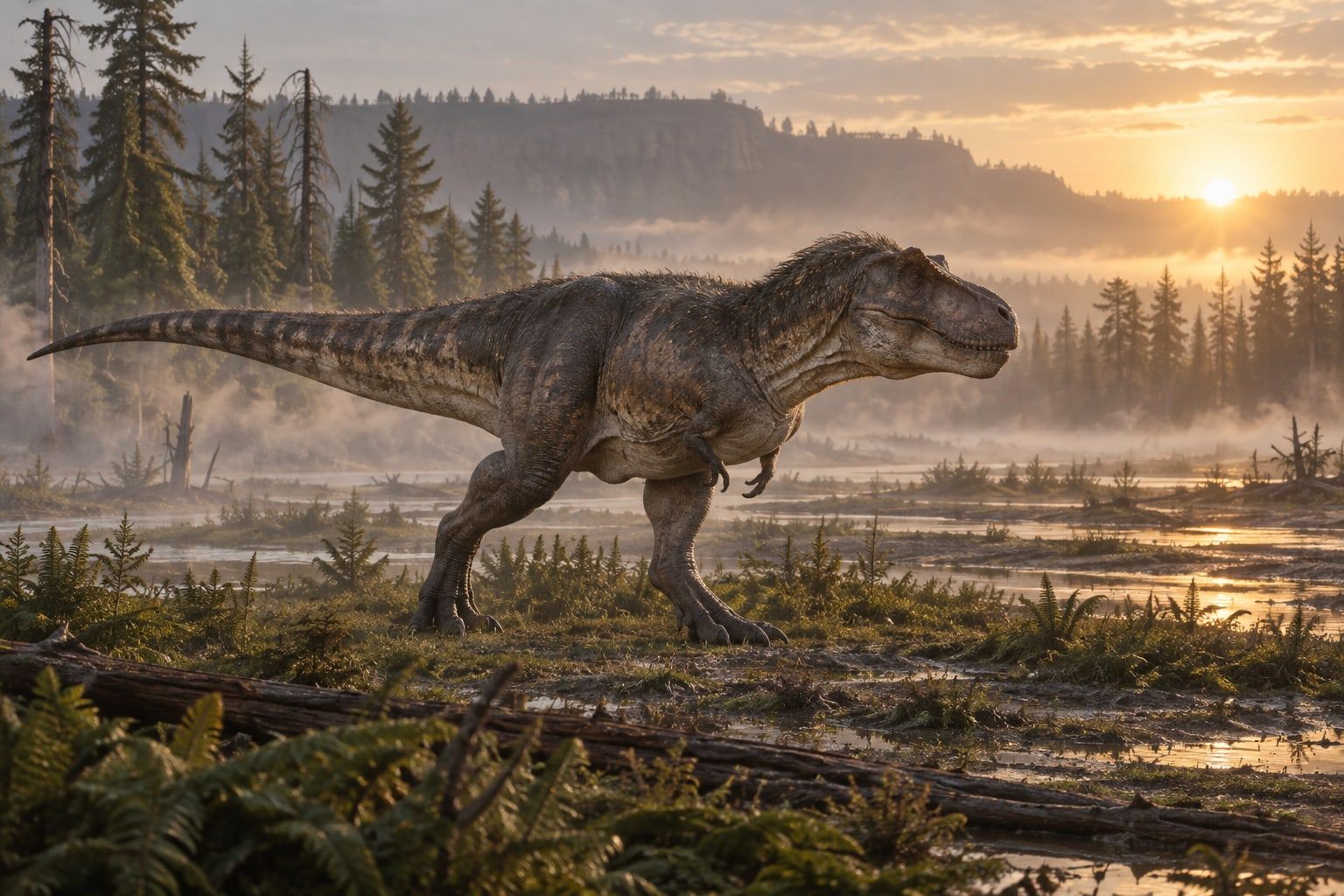
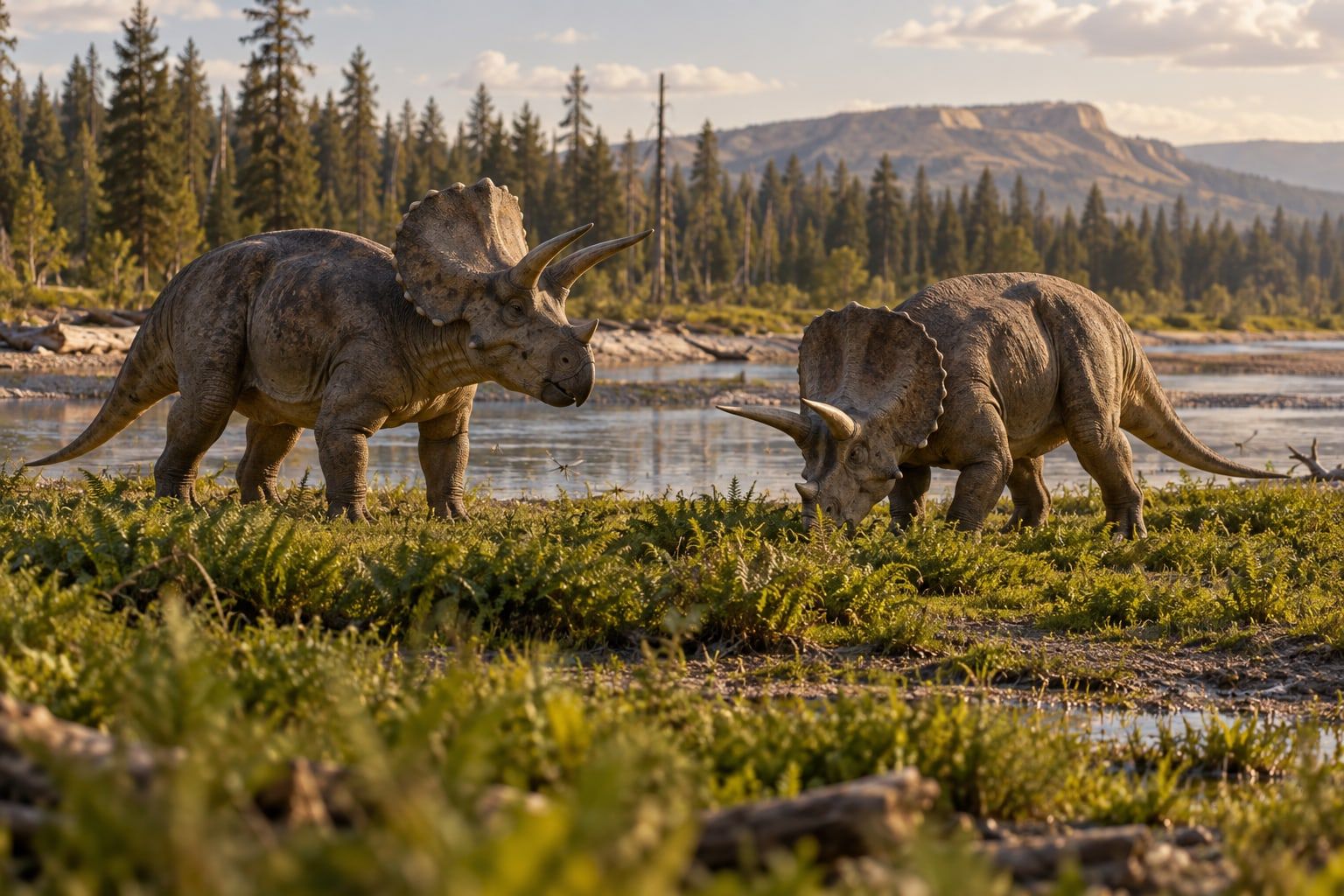
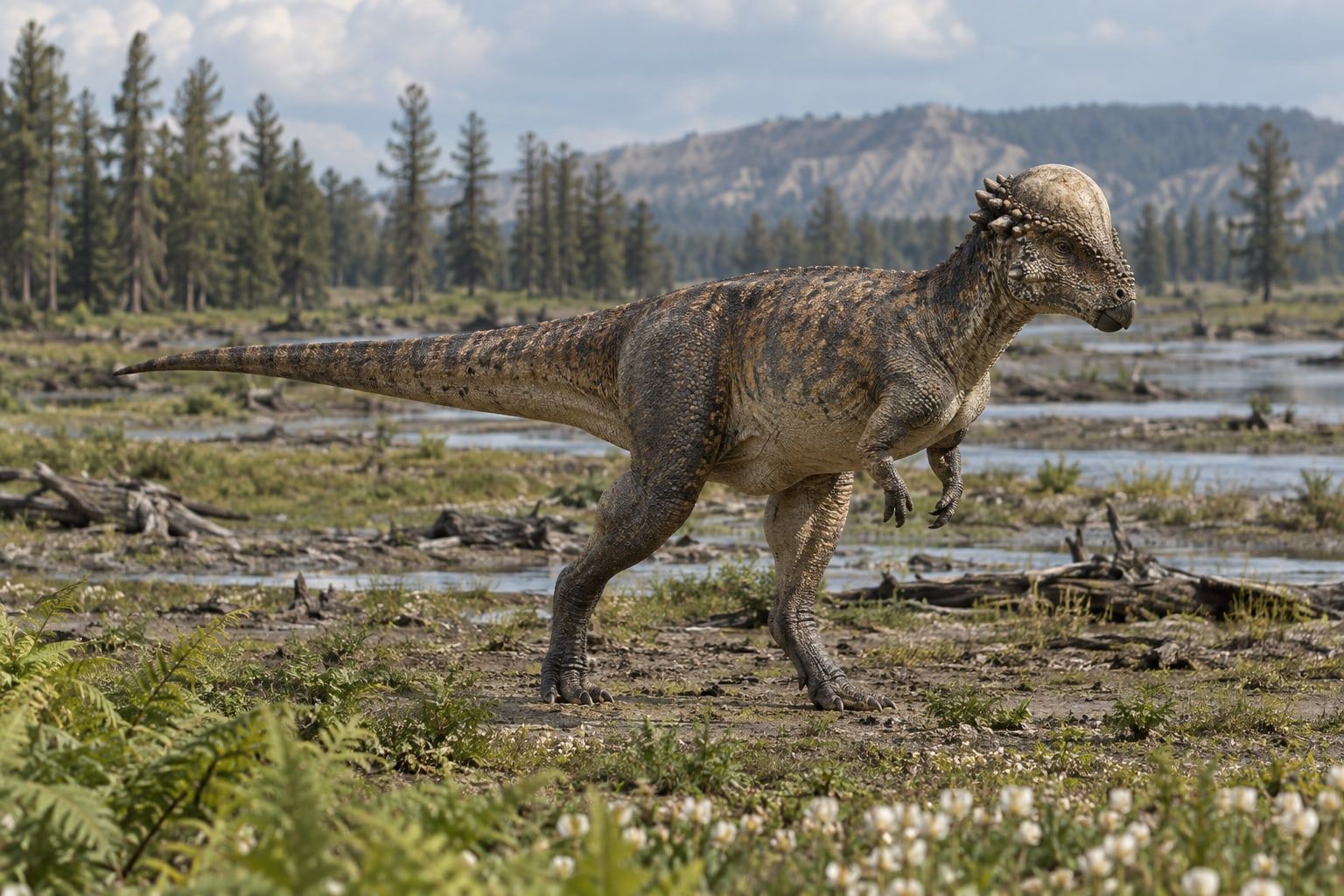
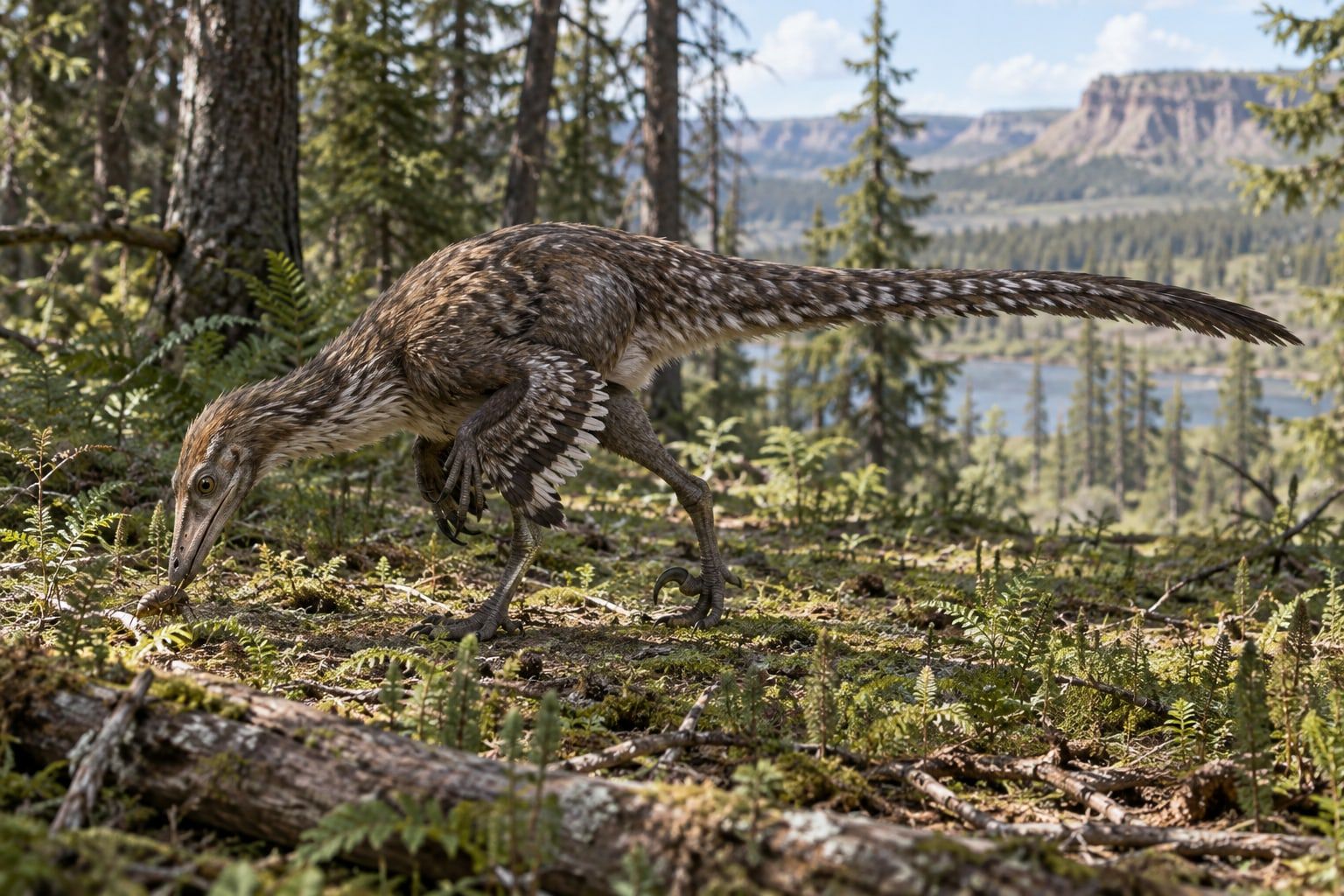
It lived in the Late Cretaceous in what is now Alberta, Canada. Its bones come from the Dinosaur Park Formation, where it shared the land with the tyrannosaurs Gorgosaurus and Daspletosaurus, the dome-headed Stegoceras and the small hunters Troodon and Saurornitholestes.
How it was found
Gilmore named Chirostenotes in 1924 from a pair of hands. For decades its hands, feet and jaws were found separately and given different names, until better skeletons showed they came from the same kind of animal.
Lived alongside
Found in the same rock formations
Close relatives
Other members of Caenagnathidae
Sources: WikidataNamed in: C. W. Gilmore. 1924. A new coelurid dinosaur from the Belly River Cretaceous of Alberta. Canada Department of Mines Geological Survey Bulletin (Geological Series) 38(43):1-12