Kosmoceratops
KOZ-moh-SER-uh-tops
"ornate horned face"
- Lived
- 84 to 72 million years ago, Late Cretaceous
- Diet
- Herbivore
- Group
- Ceratopsians, Ceratopsidae
- Found in
- United States
- Named by
- Sampson et al. 2010
Where its fossils were found
The evidence
Today

80 million years ago
Habitat
Wet river plains in Utah included lakes and wooded areas with conifers. Utahceratops, Gryposaurus and Teratophoneus lived in the same region.
Field notes
About Kosmoceratops
What it was like
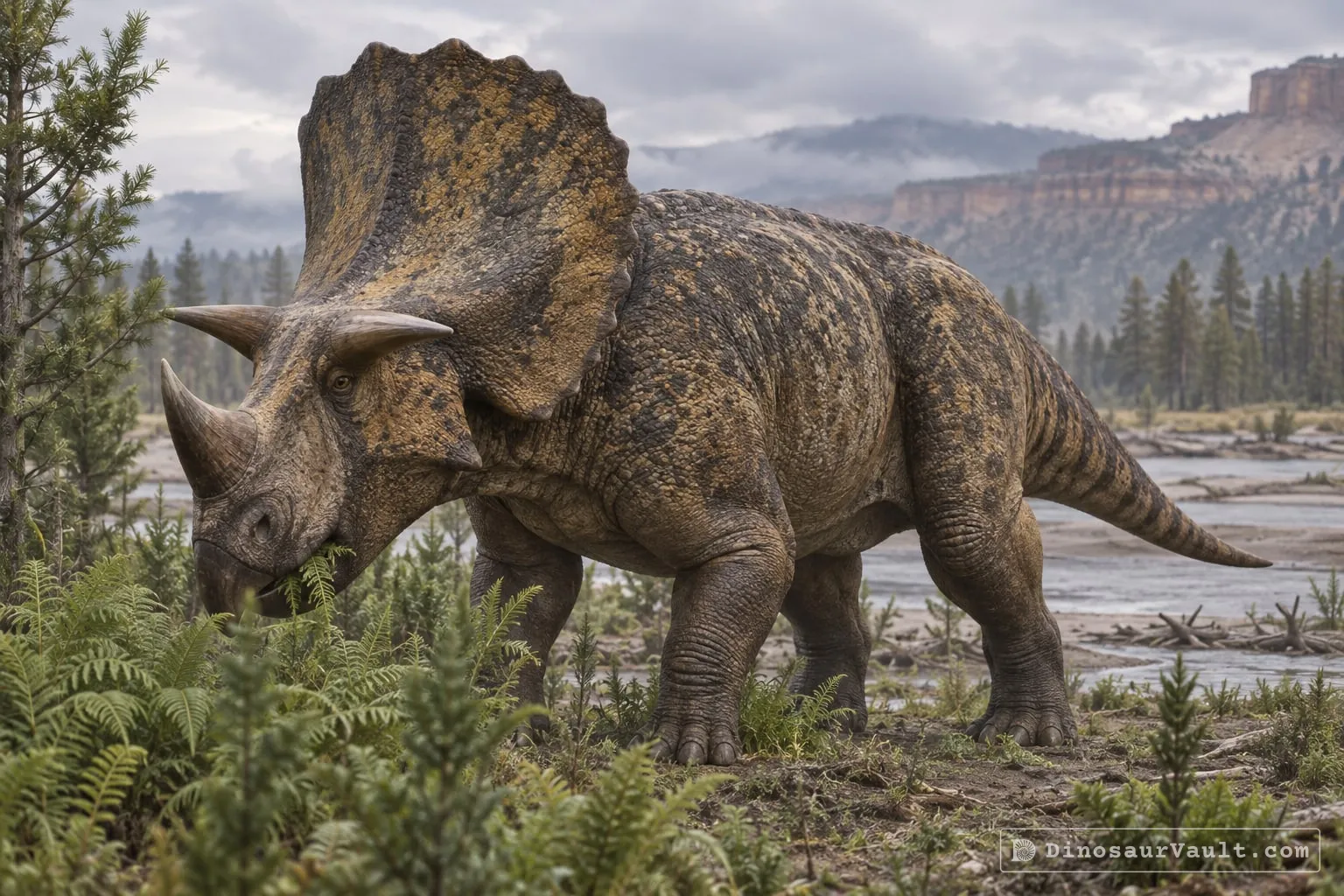
Kosmoceratops was a horned plant eater with one of the most decorated heads of any dinosaur. The top edge of its frill carried a row of hook-shaped horns that curled forward, and it had horns over its eyes that swept out to the sides and a blade-like horn on its nose.
It walked on four sturdy legs and snipped plants with a sharp beak. Its fancy headgear was probably for display, to impress rivals and mates.
Its world
It lived about 84 to 72 million years ago, in the Late Cretaceous, in what is now Utah. Its fossils come from the Kaiparowits Formation, on a strip of land along the western shore of a sea that split North America in two.
It shared that land with another horned dinosaur, Utahceratops, the duck-bills Parasaurolophus and Gryposaurus, and the tyrannosaur Teratophoneus.
How it was found
Sampson and colleagues named Kosmoceratops in 2010, along with Utahceratops. Two finds are known, including an adult skull and part of its skeleton.
Field gallery
More views of Kosmoceratops
Scenes reconstructed from the available fossil evidence.
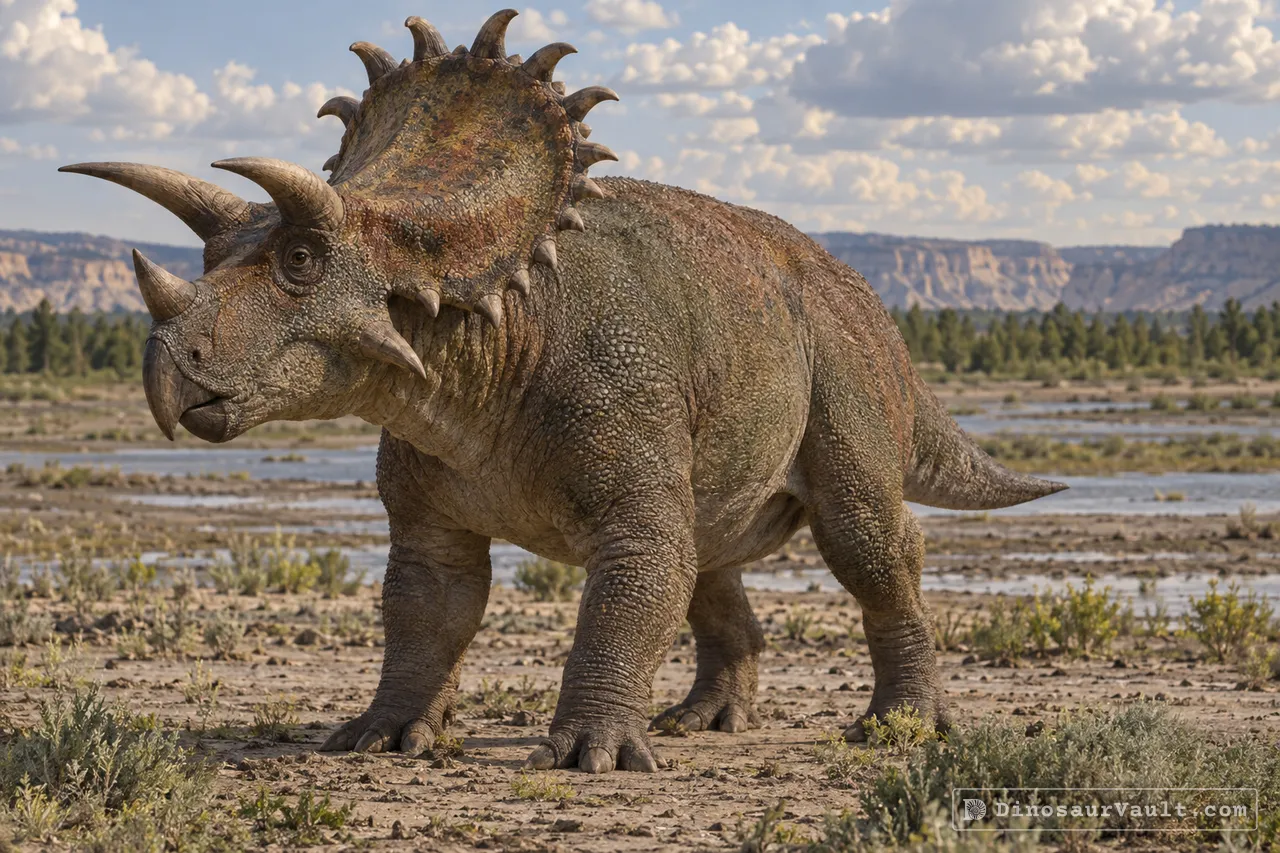
1 of 3
Lived alongside
Found in the same rock formations
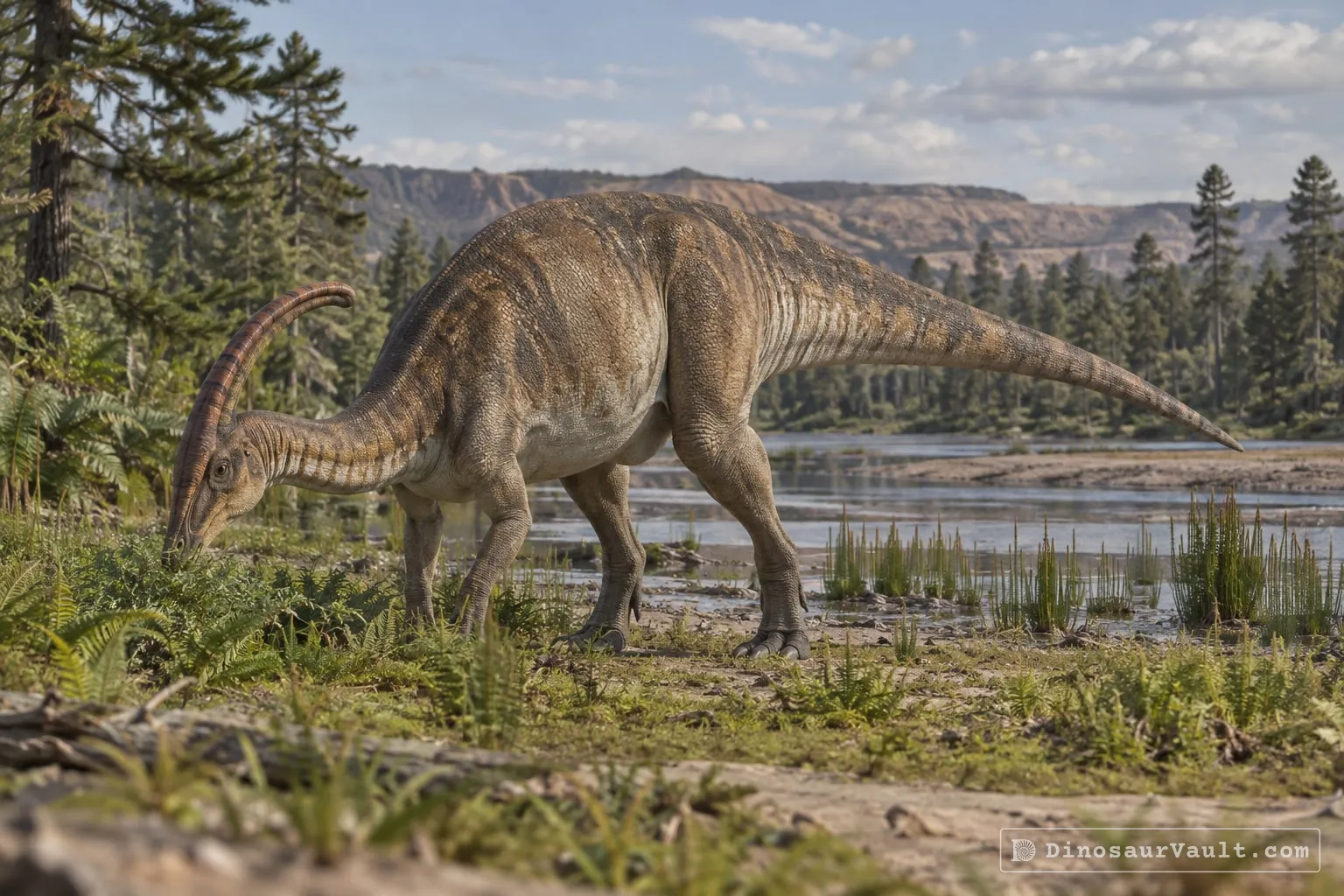
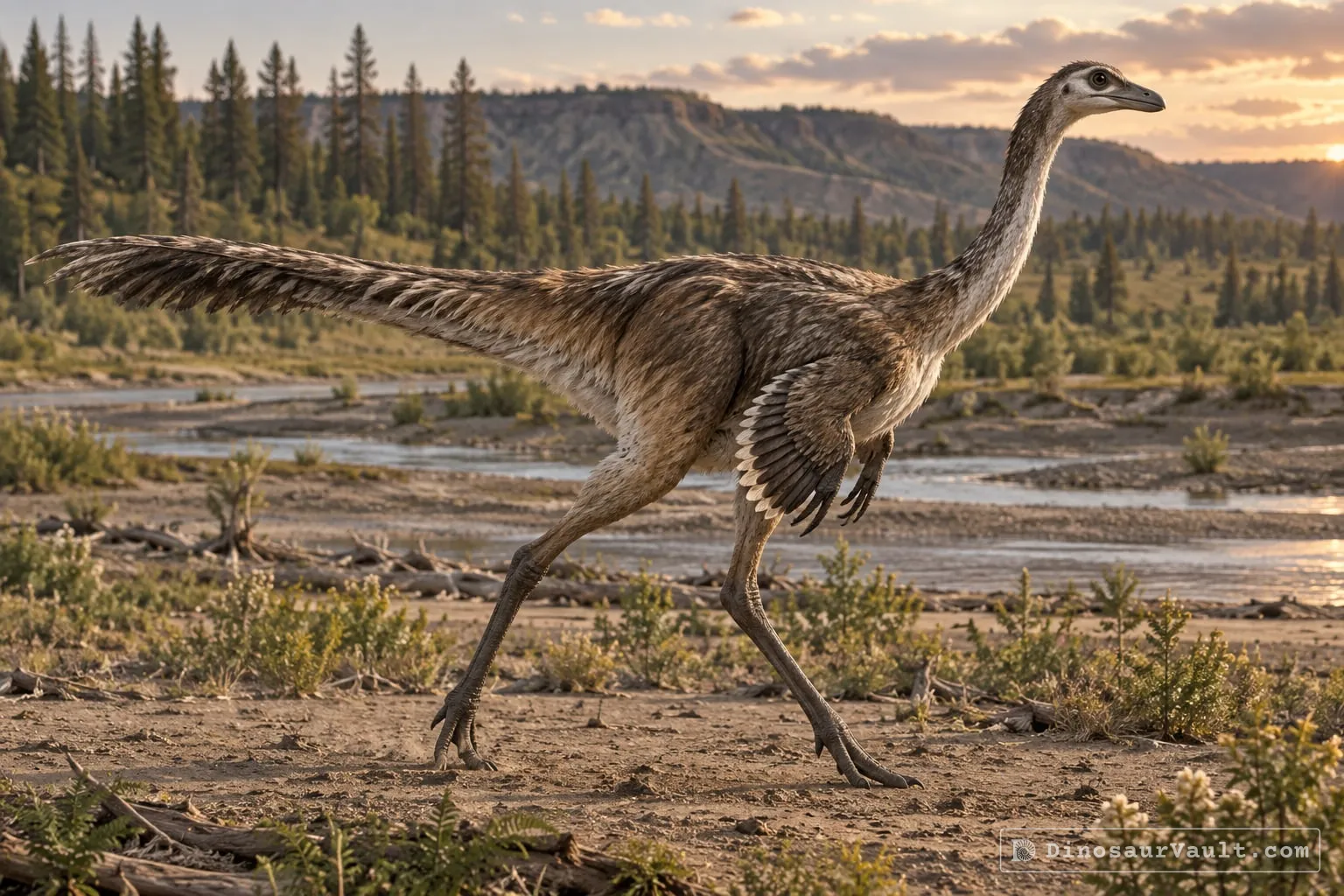
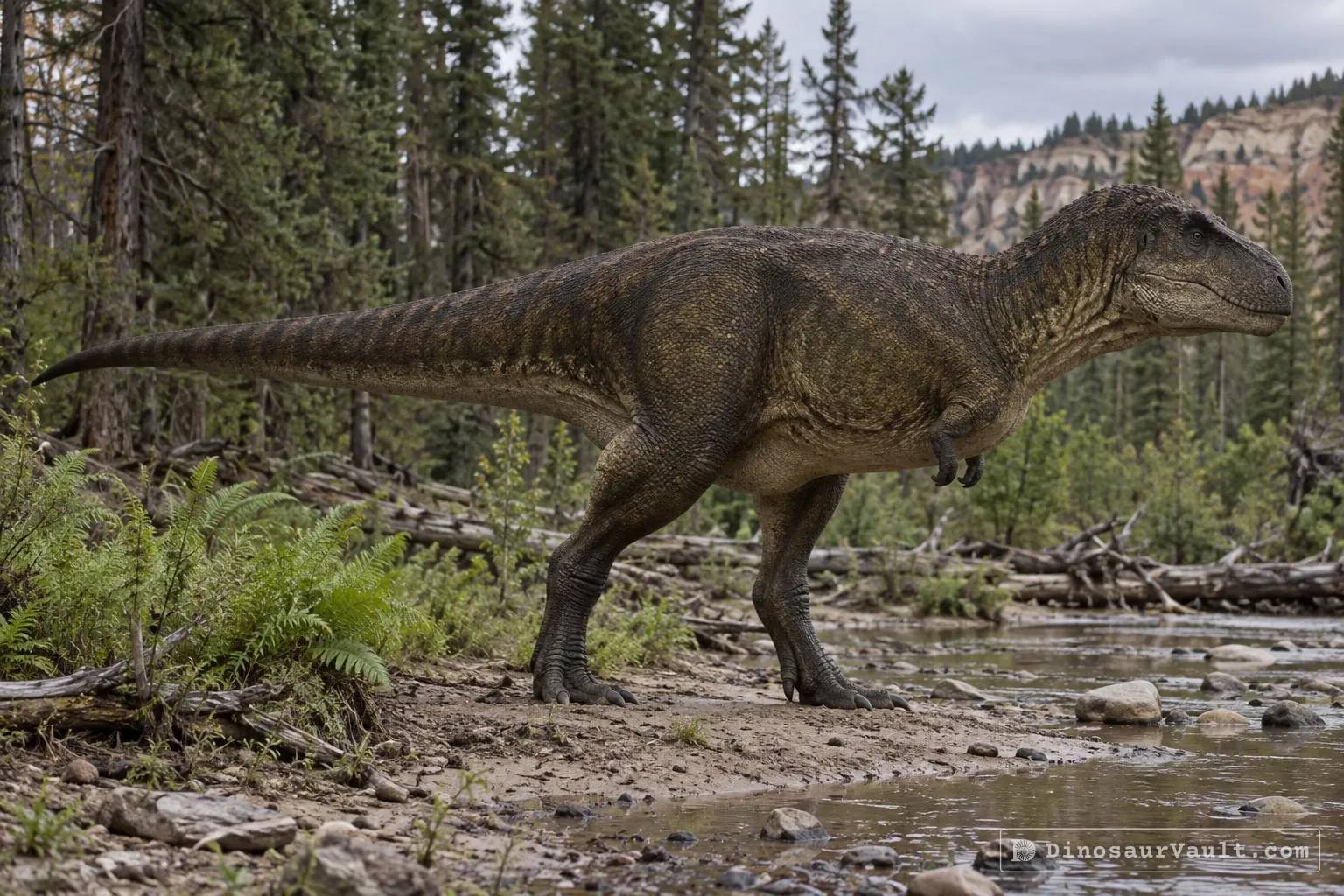
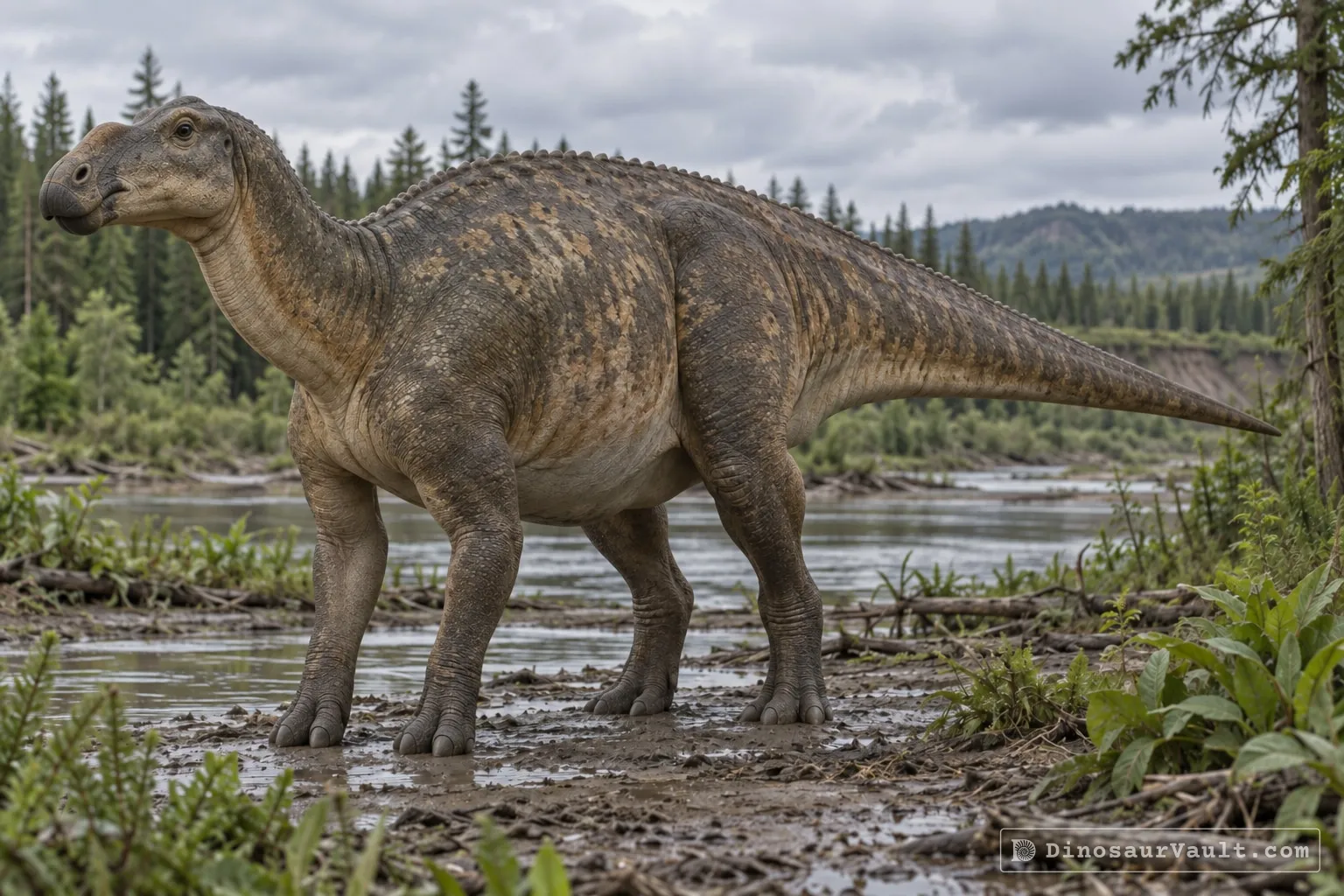
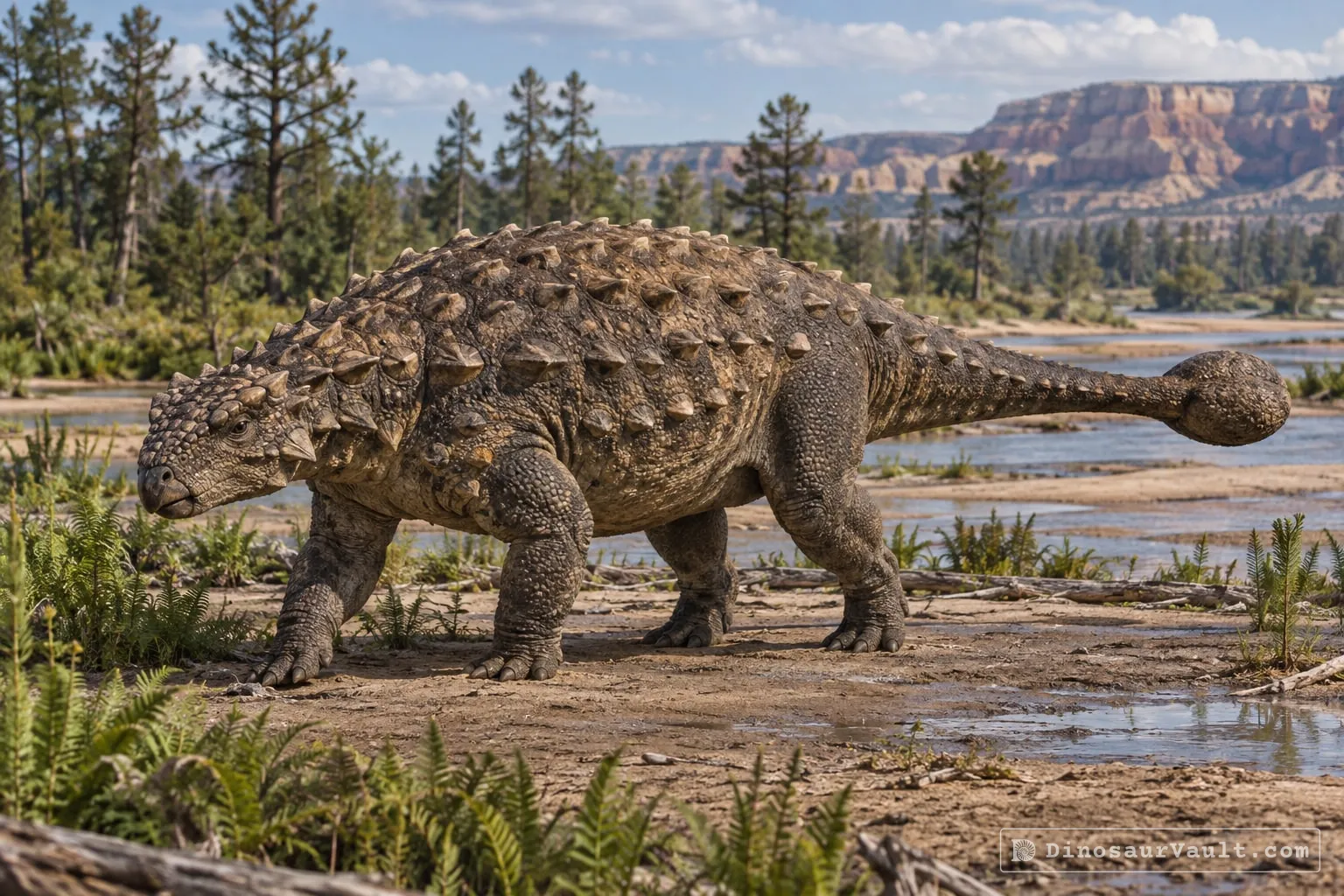
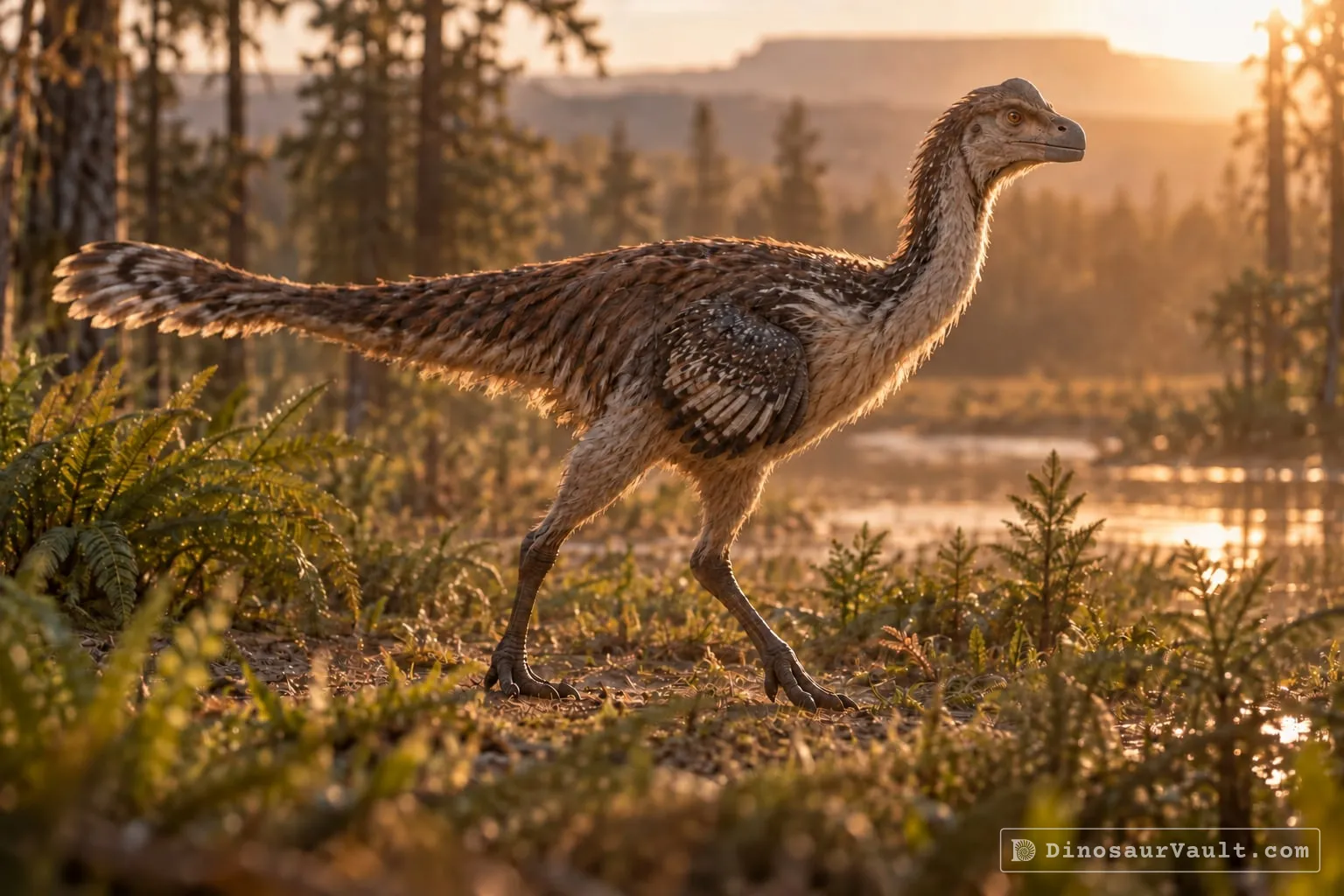


A rock formation can hold fossils laid down millions of years apart, so not every animal here met Kosmoceratops.
The evidence
The science behind Kosmoceratops
Which parts of the picture come from its own bones, and which come from its relatives.
From its own fossils
- A nearly complete skull has long horns that sweep out above the eyes and curve downward near their tips.
- Its nose horn is narrow and blade-shaped, with a flattened tip.
- The short, broad frill has small openings and a rear edge lined with hooks, most of them curling forward.
Borrowed from relatives
- Its skull supplies the distinctive head shape; relatives such as Chasmosaurus help restore the body and limbs.
Still unknown
- Its color and skin pattern.
- How it used its horns and frill during encounters with other animals.
- The appearance of its newly hatched young.
Discovery timeline
- 2010Named itSampson et al.
- 2016Close relativeMallon et al.
- 2021Same rocksTitus et al.
Key papers
The research behind what we know of Kosmoceratops
Named it
Named Kosmoceratops and Utahceratops, showing that southern Laramidia had its own distinctive horned dinosaurs.
New Horned Dinosaurs from Utah Provide Evidence for Intracontinental Dinosaur Endemism. PLoS ONE 5: e12292
Read the paper : New Horned Dinosaurs from Utah Provide Evidence for Intracontinental Dinosaur Endemism (opens in a new tab)Close relative
Named Spiclypeus and compared its frill hooks with those of Kosmoceratops and Vagaceratops, proposing a close relationship.
Spiclypeus shipporum gen. et sp. nov., a Boldly Audacious New Chasmosaurine Ceratopsid (Dinosauria: Ornithischia) from the Judith River Formation (Upper Cretaceous: Campanian) of Montana, USA. PLOS ONE 11: e0154218
Read the paper : Spiclypeus shipporum gen. et sp. nov., a Boldly Audacious New Chasmosaurine Ceratopsid (Dinosauria: Ornithischia) from the Judith River Formation (Upper Cretaceous: Campanian) of Montana, USA (opens in a new tab)Same rocks
Studied a tyrannosaur bonebed in the same formation, reconstructing a landscape of rivers, lakes and wooded areas.
Geology and taphonomy of a unique tyrannosaurid bonebed from the upper Campanian Kaiparowits Formation of southern Utah: implications for tyrannosaurid gregariousness. PeerJ 9: e11013
Read the paper : Geology and taphonomy of a unique tyrannosaurid bonebed from the upper Campanian Kaiparowits Formation of southern Utah: implications for tyrannosaurid gregariousness (opens in a new tab)
Close relatives
Other members of Ceratopsidae


Sources: Wikidata