Citipes
"fleet-footed"
Type species Citipes elegans
- Lived
- 84 to 66 million years ago, Late Cretaceous
- Diet
- Omnivore
- Group
- Theropods, Caenagnathidae
- Found in
- Canada and United States
- Named by
- Funston 2020
Where its fossils were found
The evidence
Today

75 million years ago
Habitat
It lived on the coastal plains of the Dinosaur Park Formation in Alberta. Gorgosaurus, Ornithomimus and Edmontonia shared this landscape.
Field notes
About Citipes
What it was like
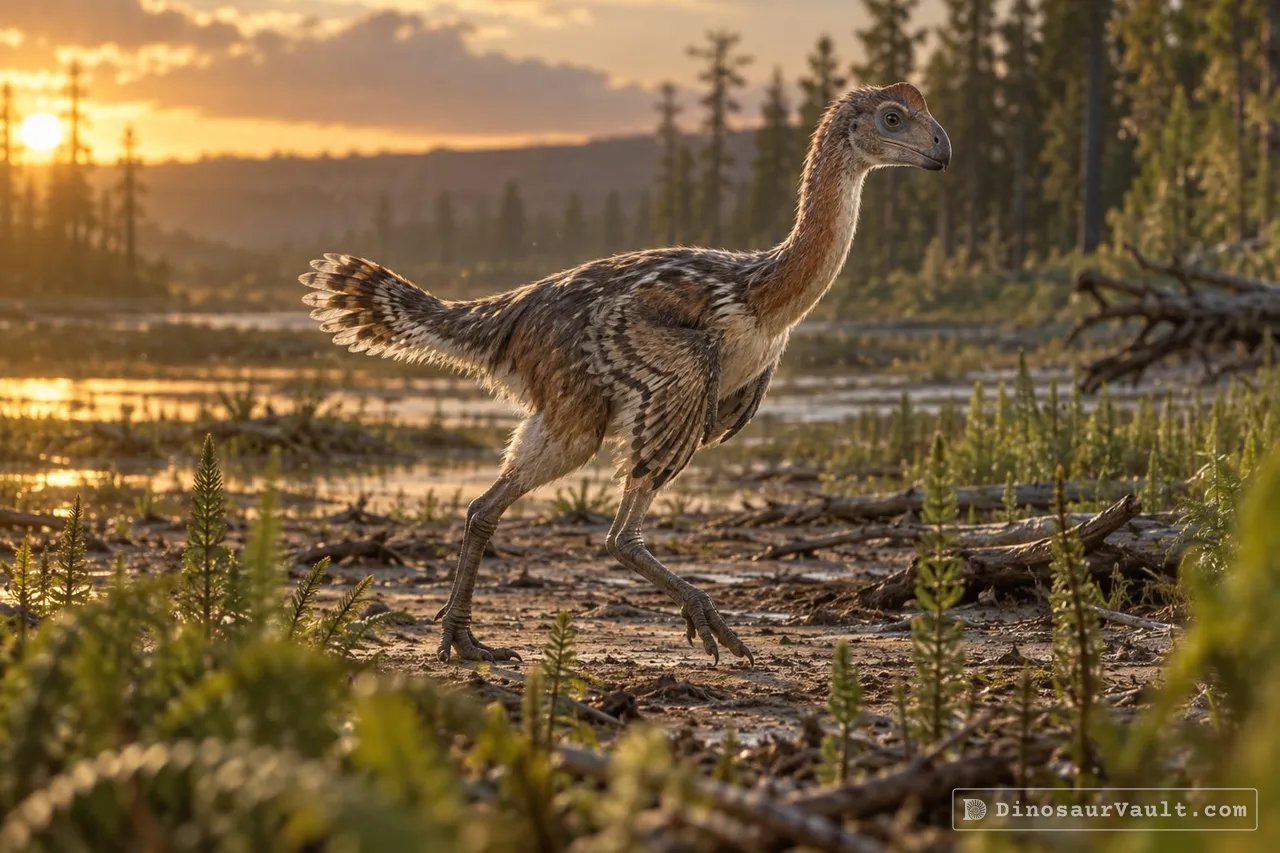
Citipes was a small caenagnathid, a toothless, feathered relative of Oviraptor. It is known from foot bones, which were long and slender, suited for running.
Its world
It lived in the Late Cretaceous in what is now Alberta, Canada. Its bones come from the Dinosaur Park Formation, where it shared the land with Troodon, the tyrannosaur Gorgosaurus and the armored Edmontonia.
How it was found
Its bones were first placed in other genera. Funston gave it its own name in 2020. The type species is Citipes elegans.
Field gallery
More views of Citipes
Scenes reconstructed from the available fossil evidence.
Lived alongside
Found in the same rock formations
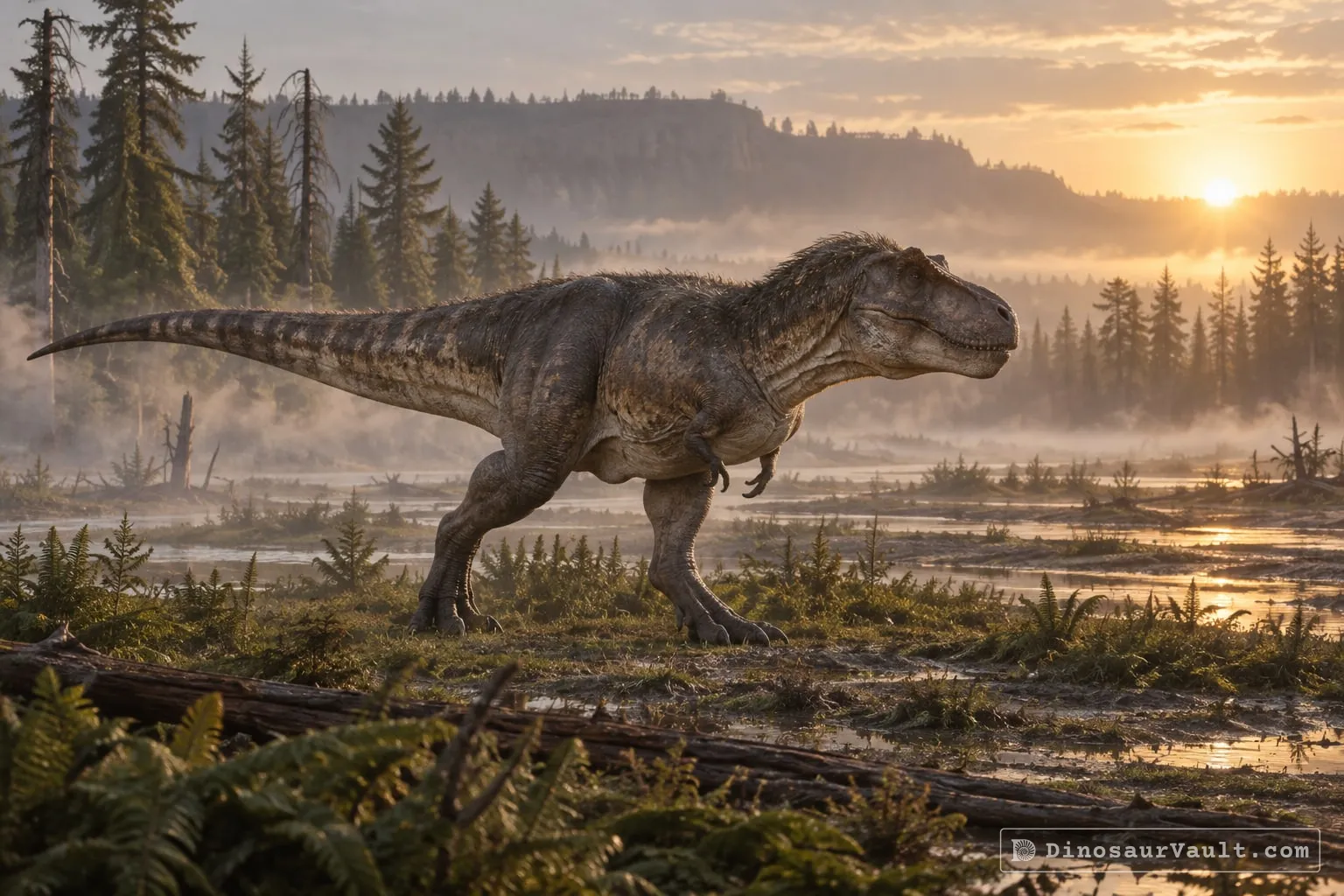
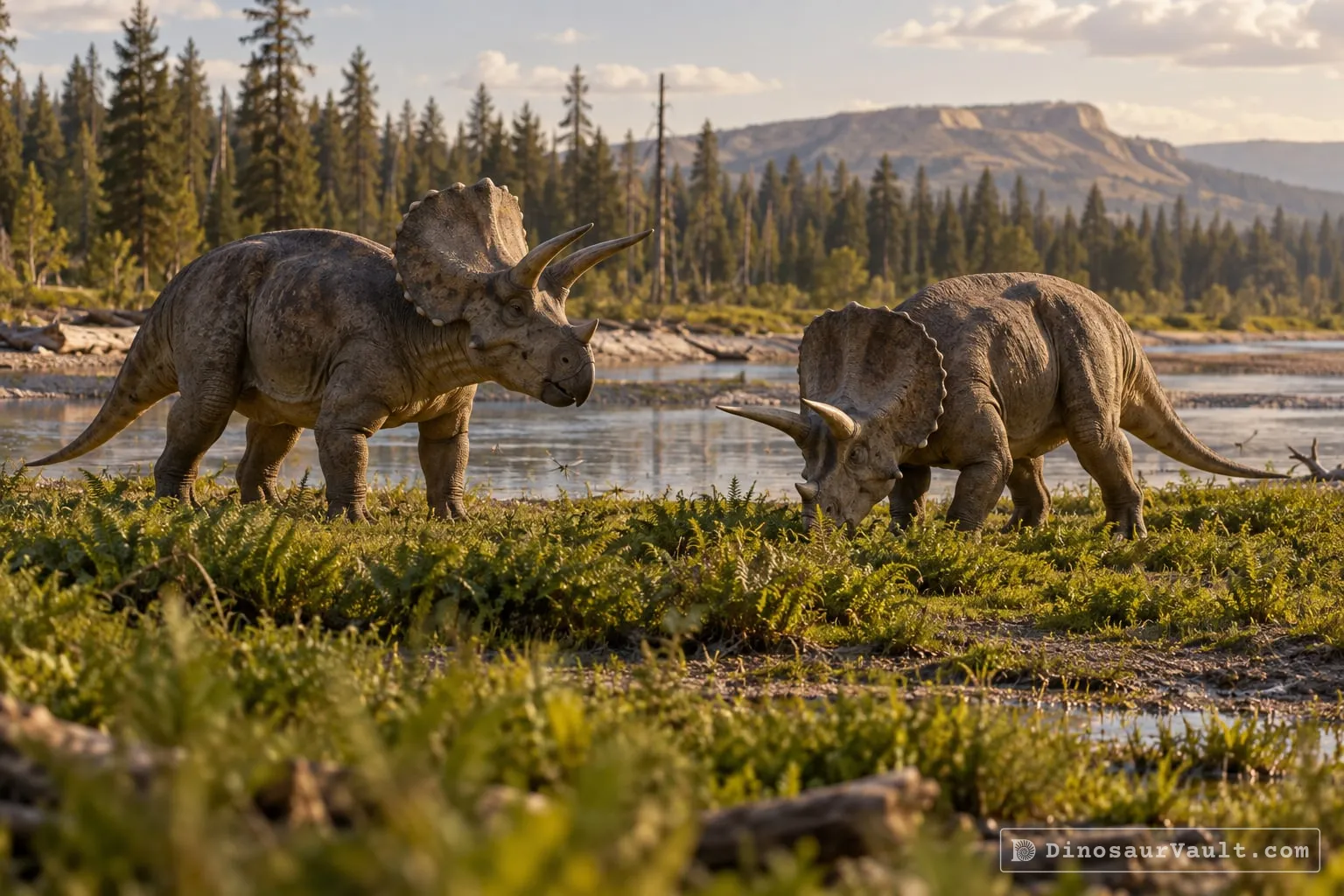
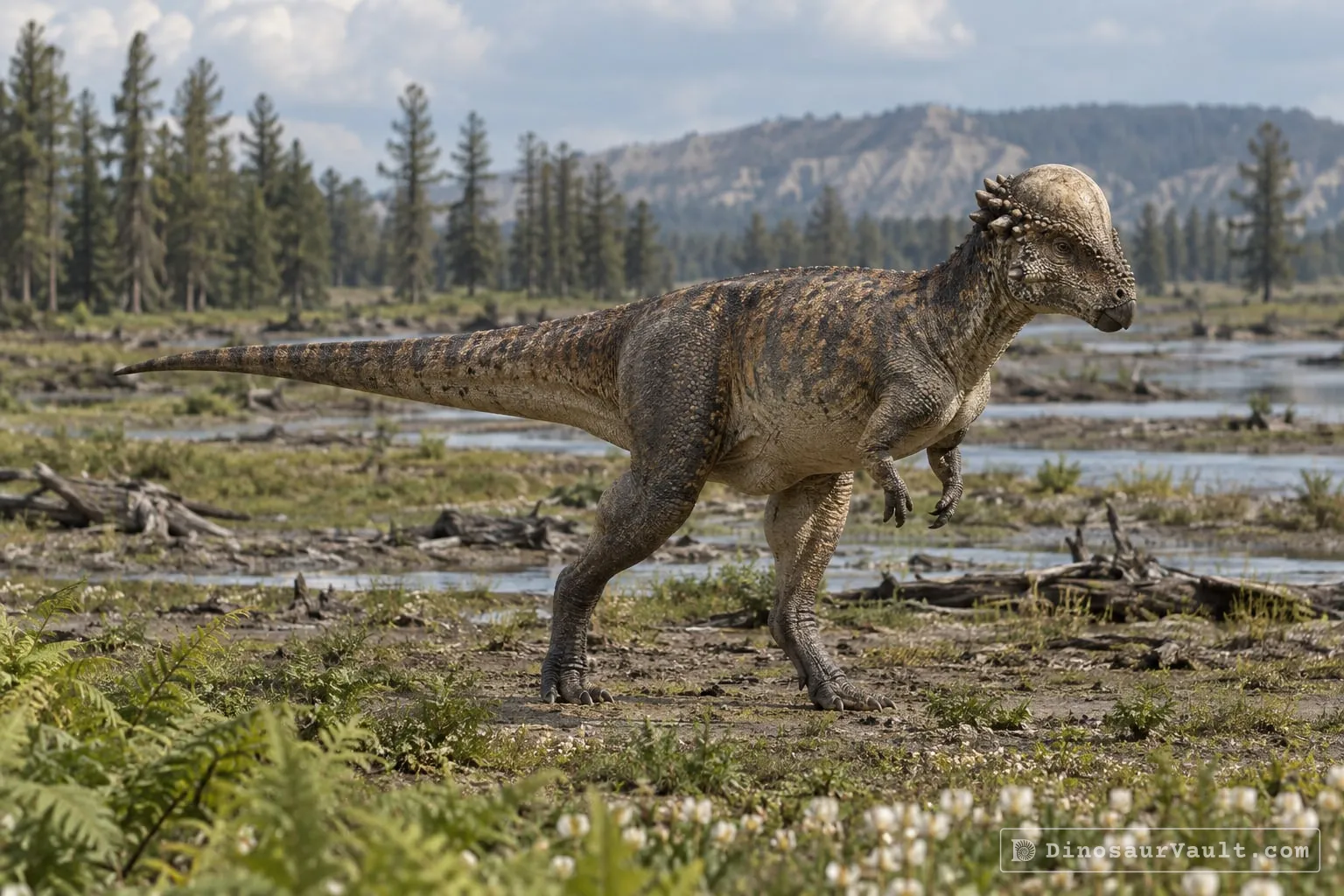
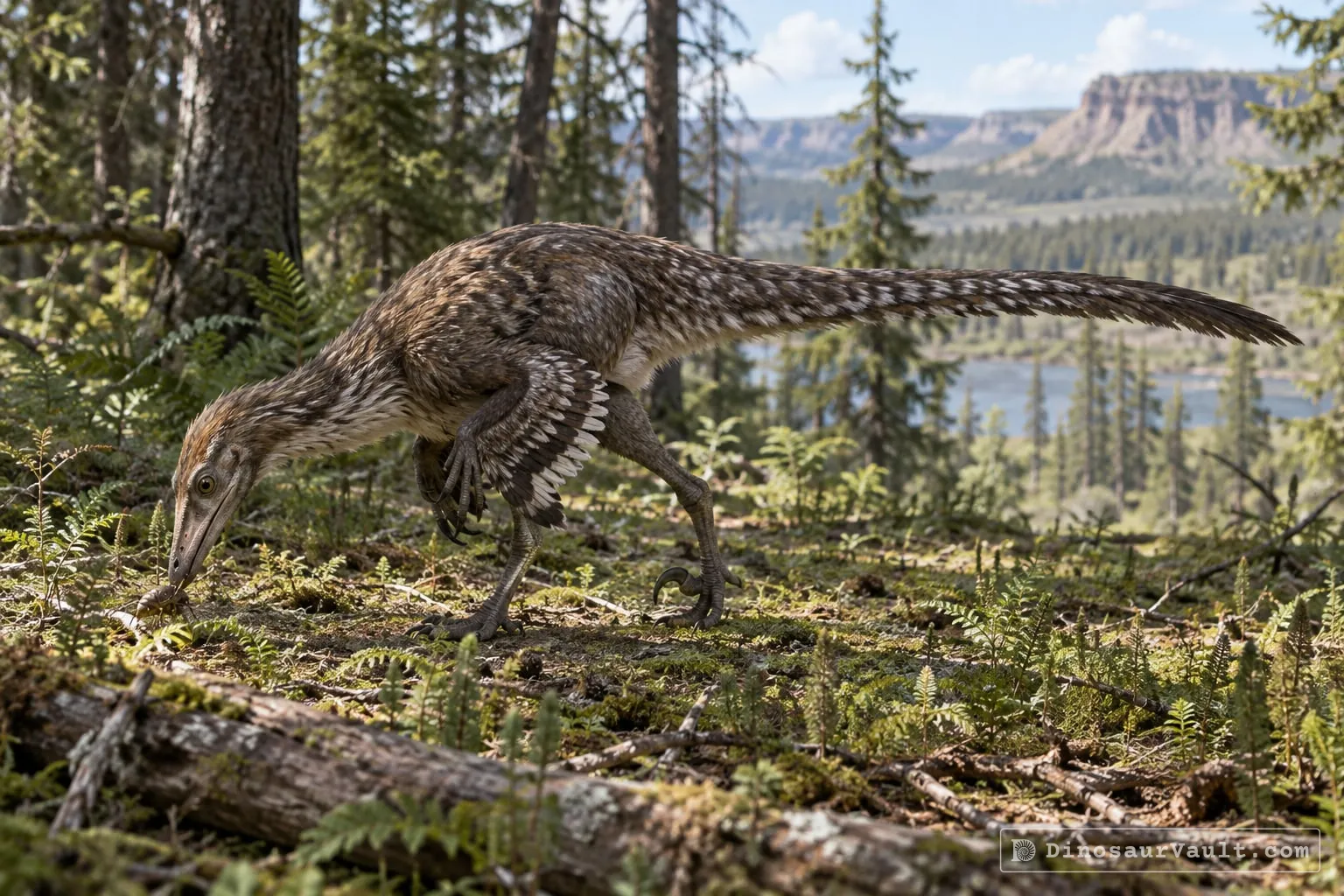
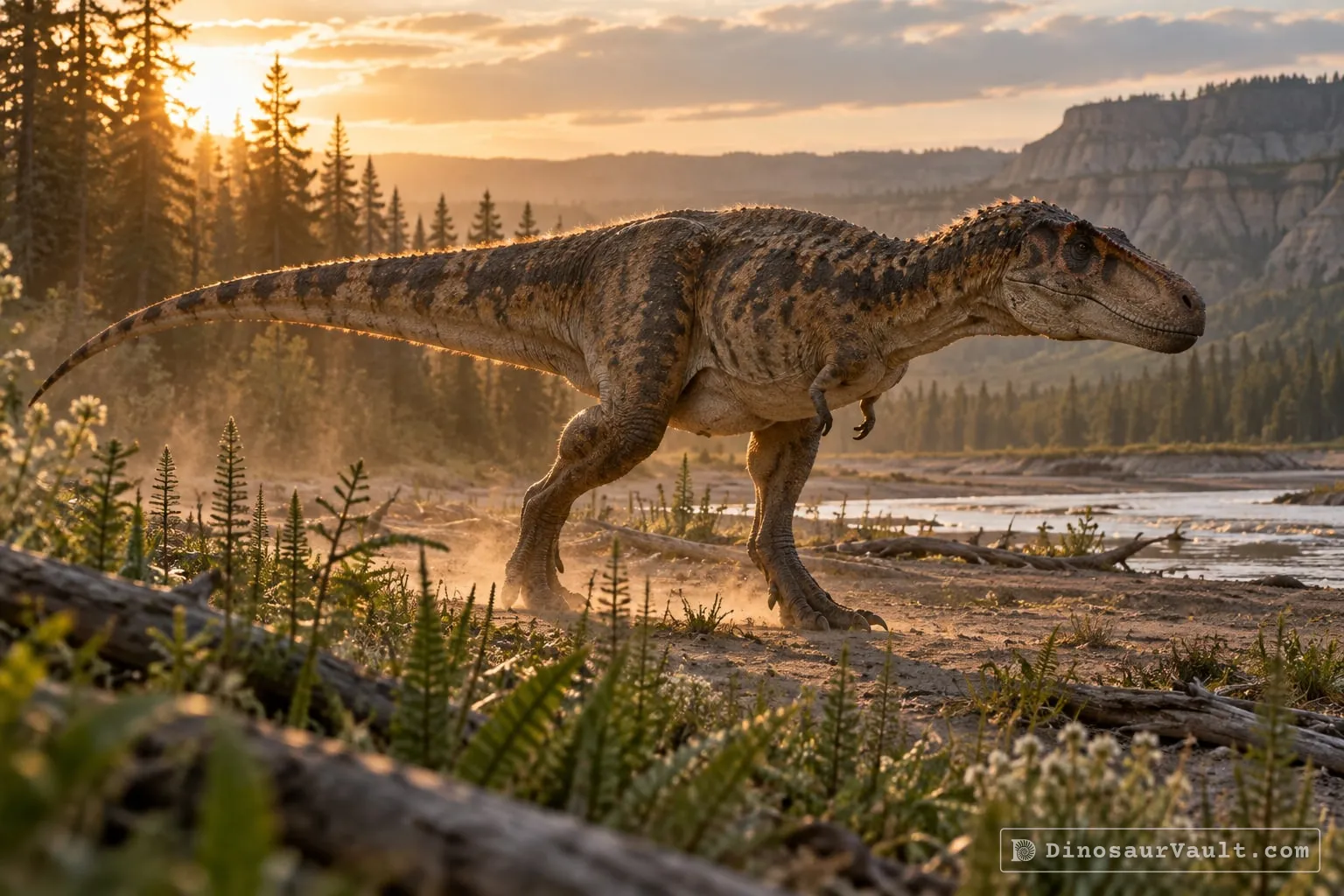
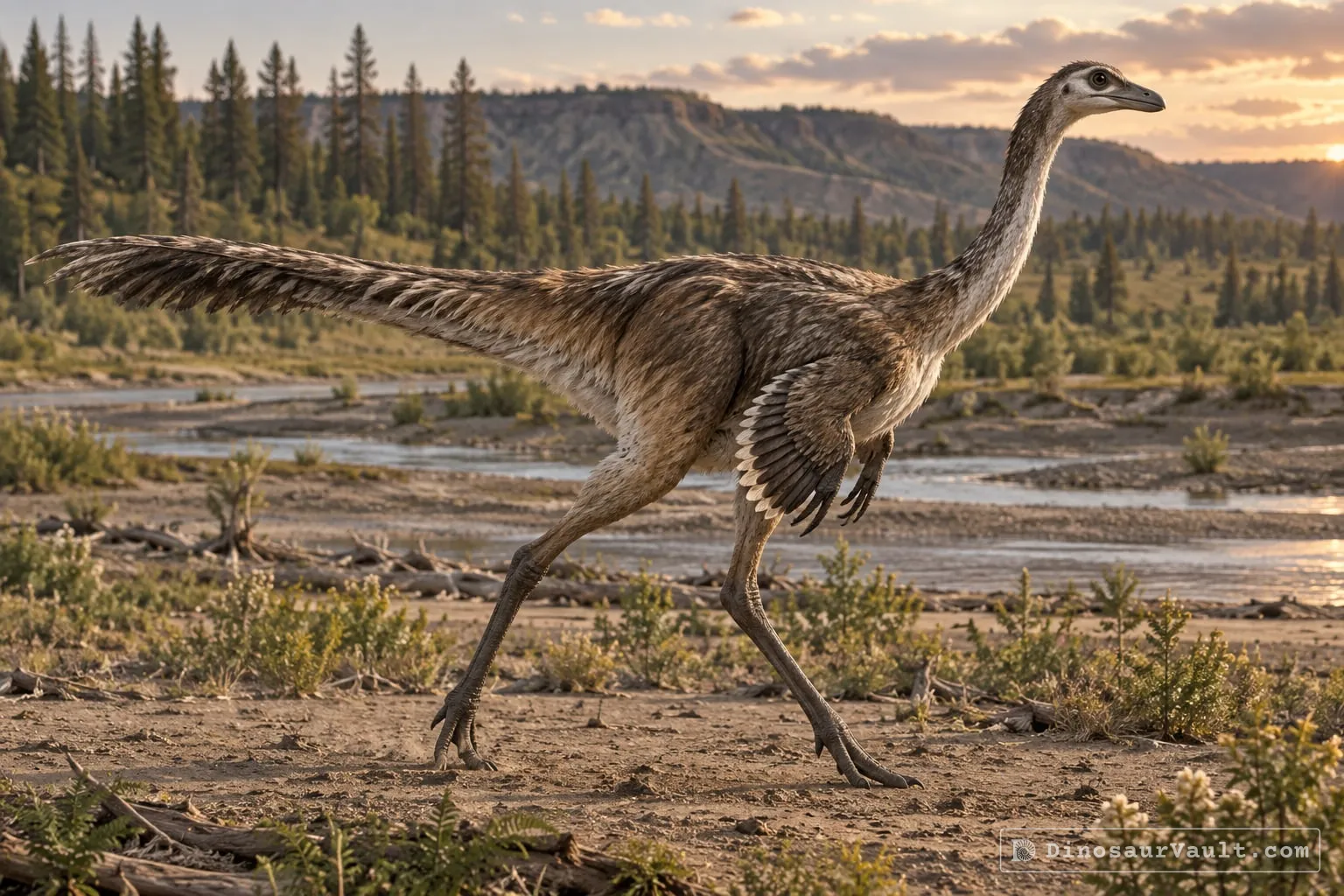
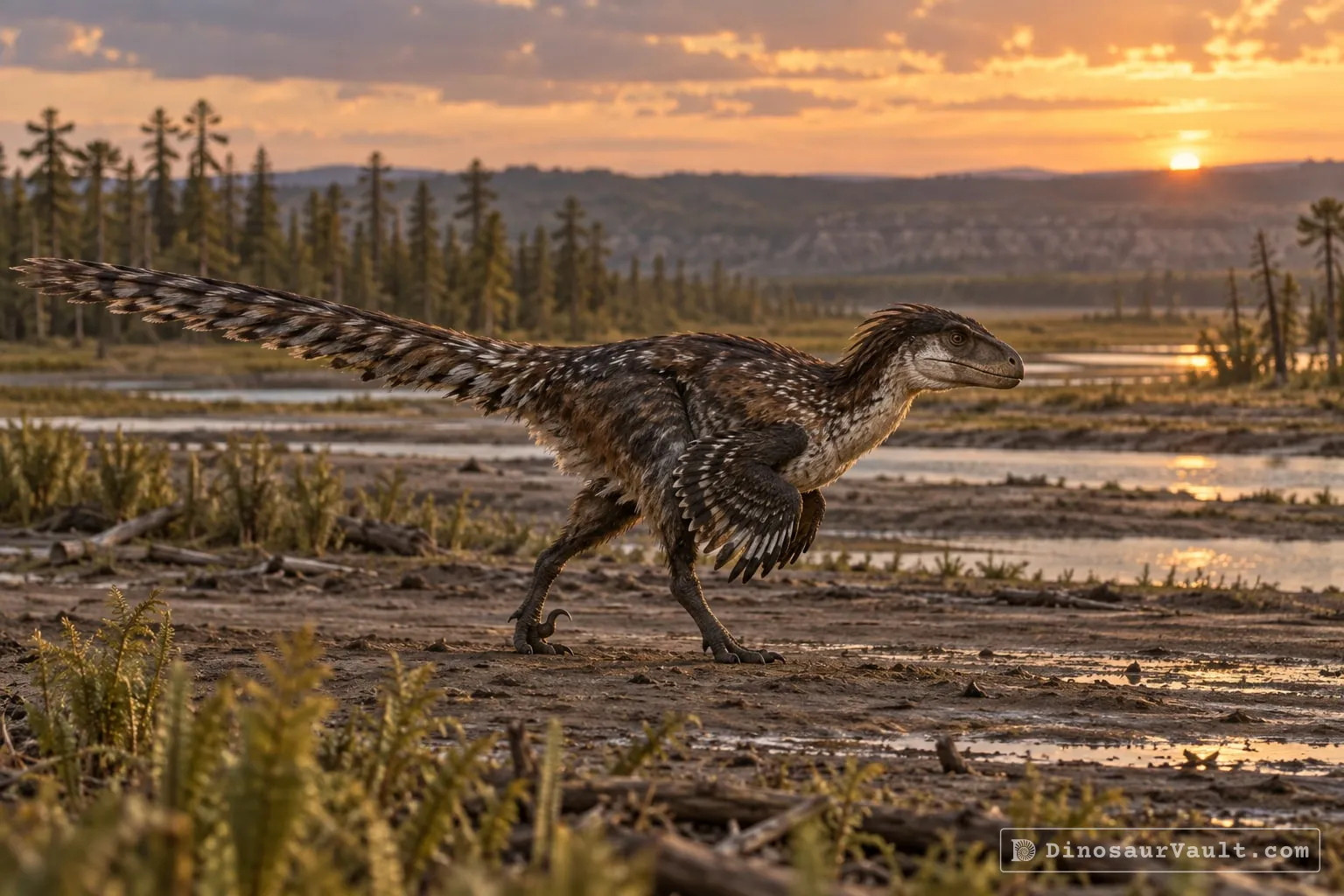
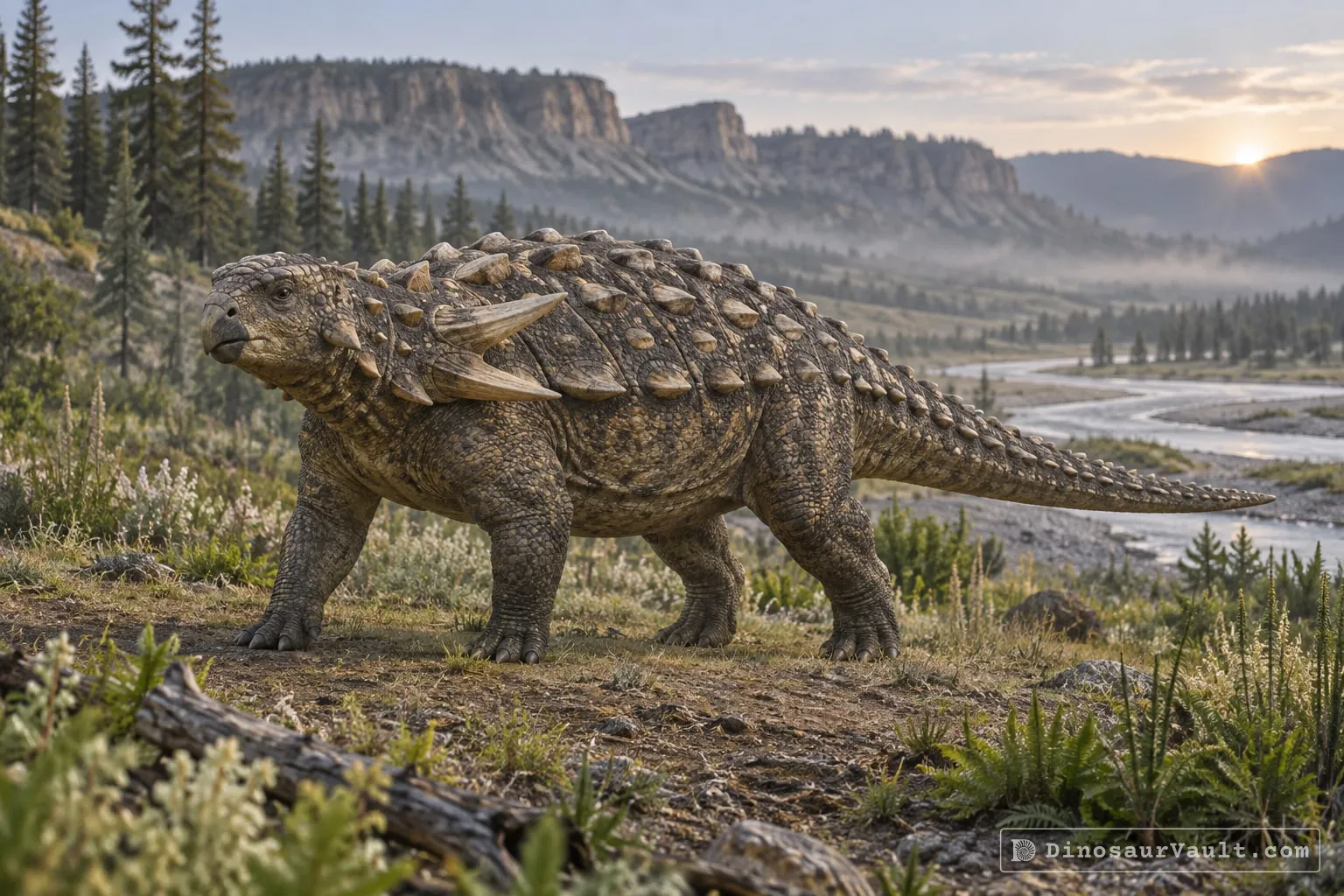


A rock formation can hold fossils laid down millions of years apart, so not every animal here met Citipes.
The evidence
The science behind Citipes
Which parts of the picture come from its own bones, and which come from its relatives.
From its own fossils
- Long, slender foot bones include ankle bones fused to the metatarsals.
- Microscopic bone structure shows that its small size was a feature of mature animals.
- The hind limbs of young Citipes were found inside the stomach of a young Gorgosaurus.
Borrowed from relatives
- Its feathered body and toothless beak are restored by comparison with other oviraptorosaurs, including Chirostenotes and Oviraptor.
Still unknown
- The full shape of its skull and any crest.
- The color and arrangement of its feathers.
- Which isolated jaw and hip bones belong to it.
Discovery timeline
- 2020Named itFunston
- 2020Same rocksRhodes, Funston & Currie
- 2023Growing upTherrien et al.
Key papers
The research behind what we know of Citipes
Named it
Recognized Citipes as a separate genus and used bone growth to distinguish small adults from juveniles of larger caenagnathids.
Caenagnathids of the Dinosaur Park Formation (Campanian) of Alberta, Canada: anatomy, osteohistology, taxonomy, and evolution. Vertebrate Anatomy Morphology Palaeontology 8: 105-153
Read the paper : Caenagnathids of the Dinosaur Park Formation (Campanian) of Alberta, Canada: anatomy, osteohistology, taxonomy, and evolution (opens in a new tab)Same rocks
Distinguished several forms of caenagnathid hips from the Dinosaur Park Formation, helping untangle the diversity of Citipes and its neighbors.
New material reveals the pelvic morphology of Caenagnathidae (Theropoda, Oviraptorosauria). Cretaceous Research 114: 104521
Read the paper : New material reveals the pelvic morphology of Caenagnathidae (Theropoda, Oviraptorosauria) (opens in a new tab)Growing up
Found young Citipes inside a young Gorgosaurus, recording separate meals and identifying the prey's early growth stage from bone tissue.
Exceptionally preserved stomach contents of a young tyrannosaurid reveal an ontogenetic dietary shift in an iconic extinct predator. Science Advances 9
Read the paper : Exceptionally preserved stomach contents of a young tyrannosaurid reveal an ontogenetic dietary shift in an iconic extinct predator (opens in a new tab)
Close relatives
Other members of Caenagnathidae


Sources: Wikidata