Elmisaurus
"foot sole lizard"
- Lived
- 72 to 66 million years ago, Late Cretaceous
- Diet
- Omnivore
- Group
- Theropods, Caenagnathidae
- Found in
- Mongolia
- Named by
- Osmolska 1981
Where its fossils were found
The evidence
Today

70 million years ago
Habitat
Rivers and floodplains in the Nemegt Formation, in what is now Mongolia. Neighbors included Tarbosaurus, Gallimimus and Therizinosaurus.
Field notes
About Elmisaurus
What it was like
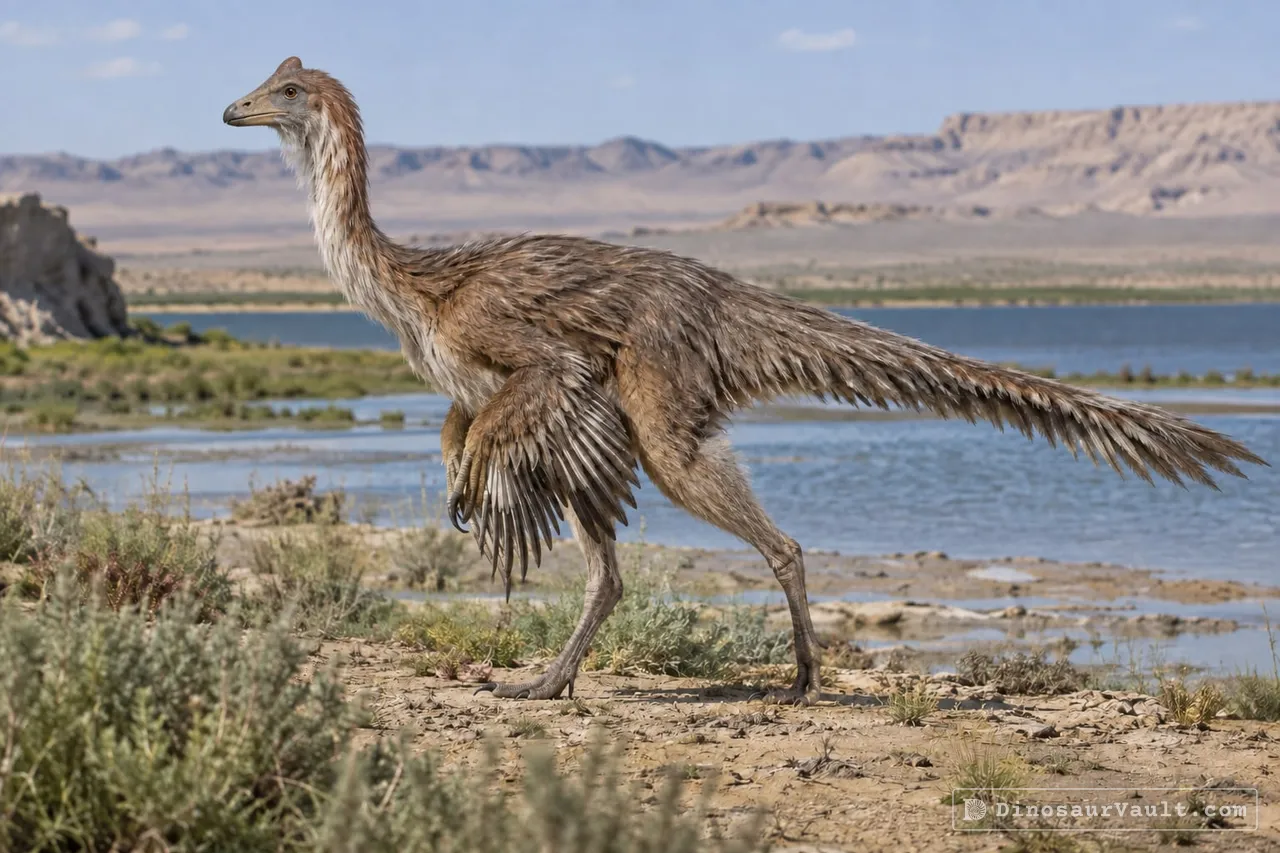
Elmisaurus was a small feathered dinosaur from the caenagnathids, toothless relatives of Oviraptor. It is known from hands and feet, and its foot bones were fused together, a little like those of birds.
Its world
It lived about 72 to 66 million years ago, at the end of the Late Cretaceous, in what is now Mongolia. Its bones come from the Nemegt Formation, where it shared the land with the giant clawed Therizinosaurus, the hump-backed Deinocheirus, the ostrich-like Gallimimus and the tyrannosaur Tarbosaurus.
How it was found
Osmolska named Elmisaurus in 1981. Four finds are known.
Field gallery
More views of Elmisaurus
Scenes reconstructed from the available fossil evidence.
Lived alongside
Found in the same rock formations
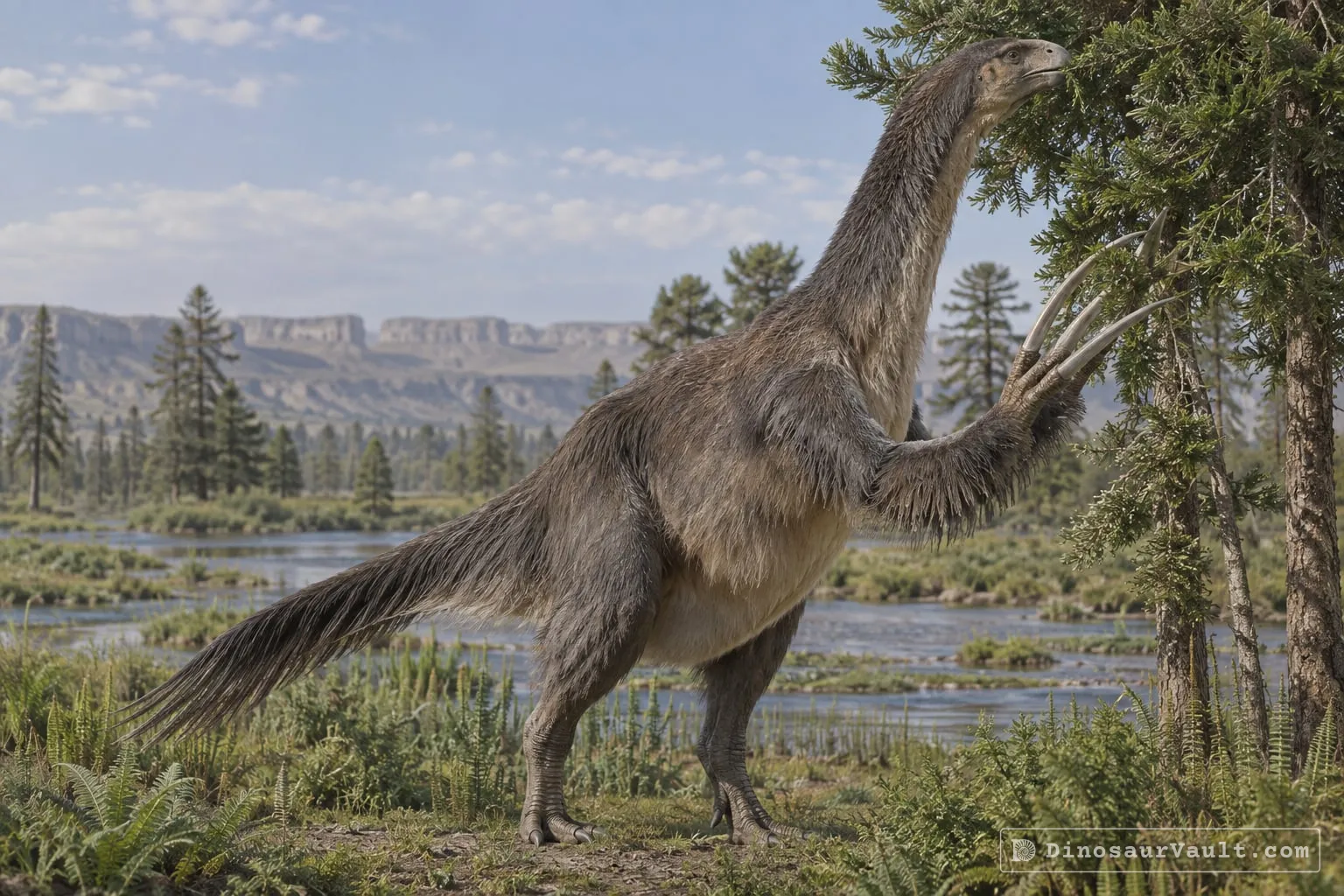
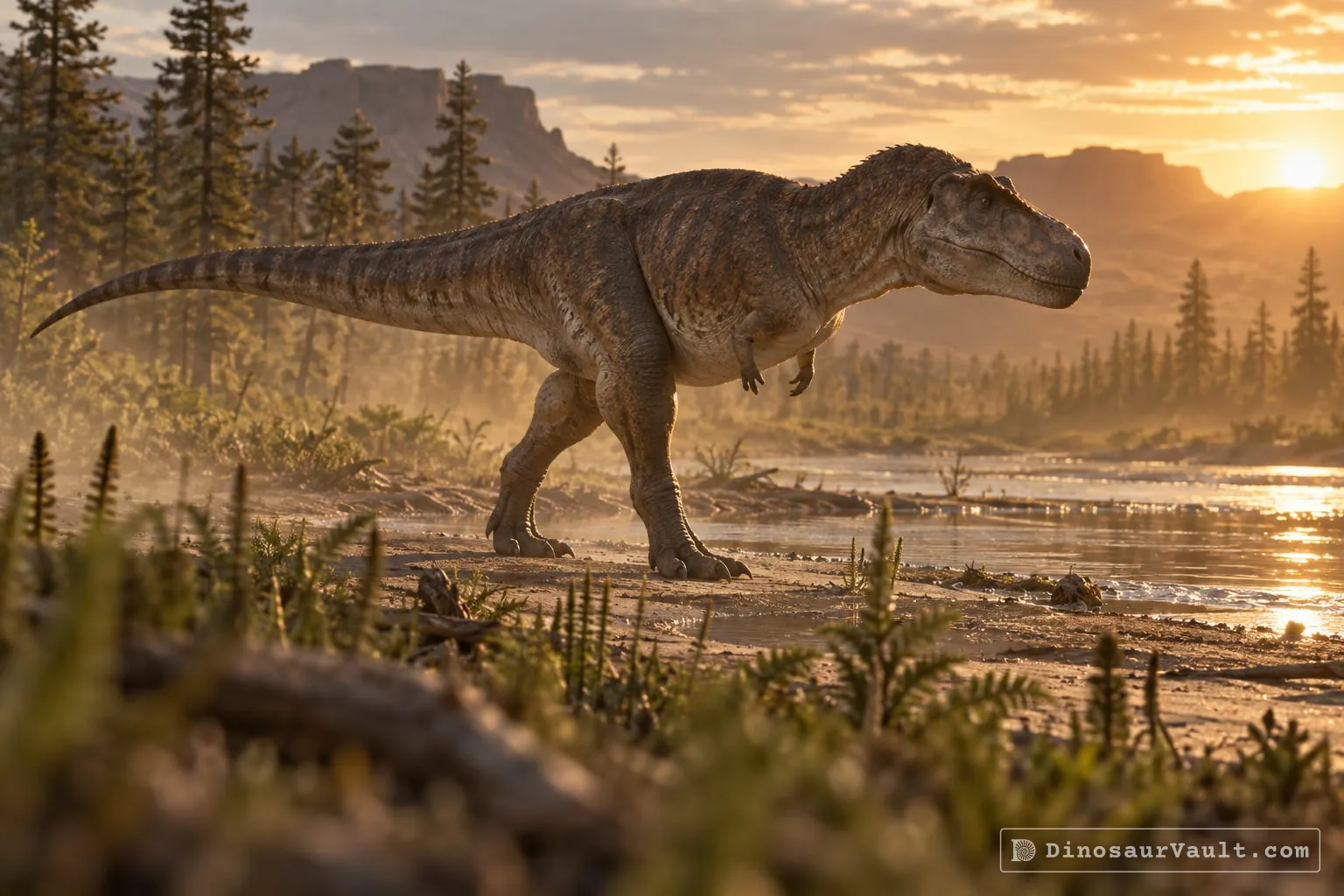
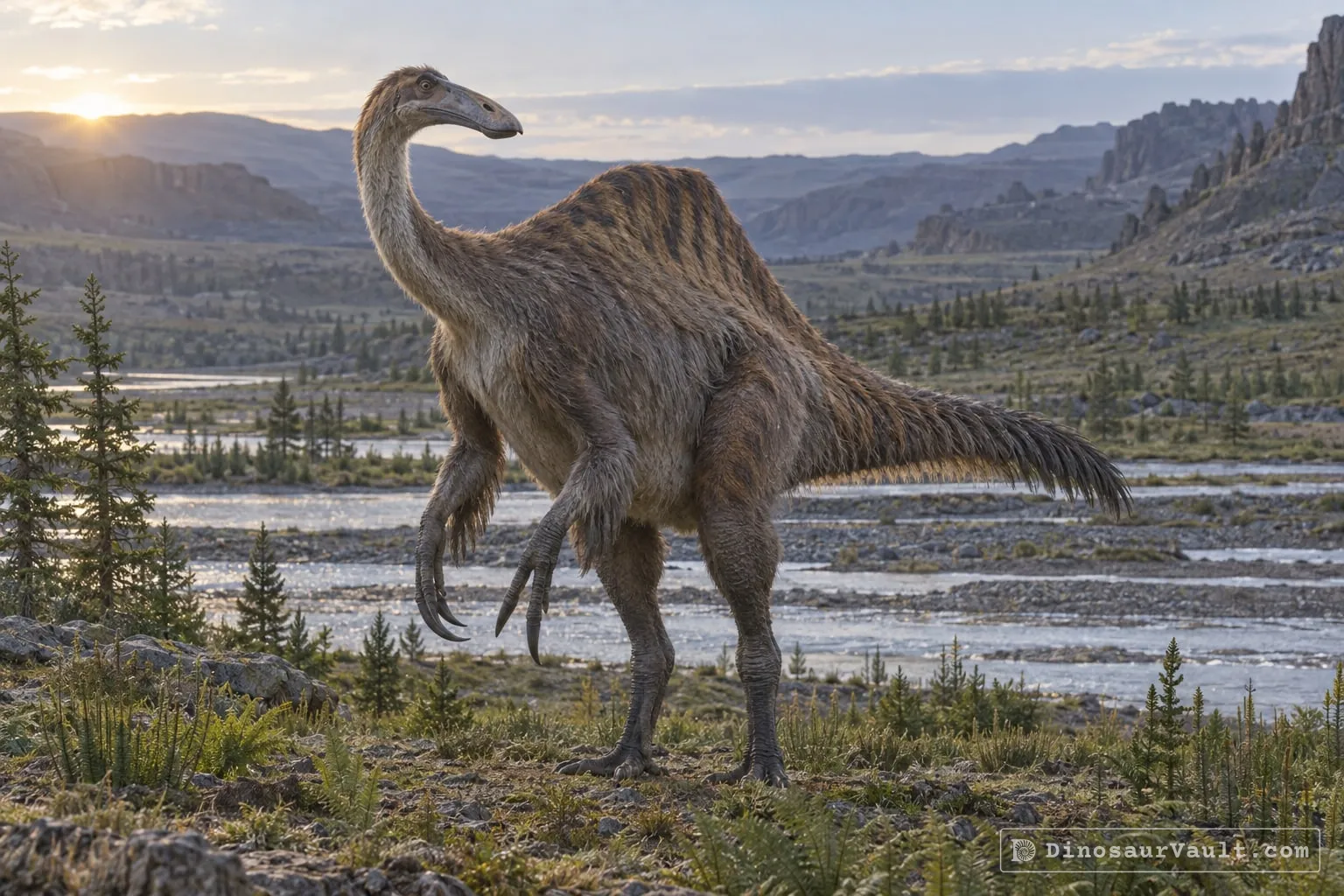
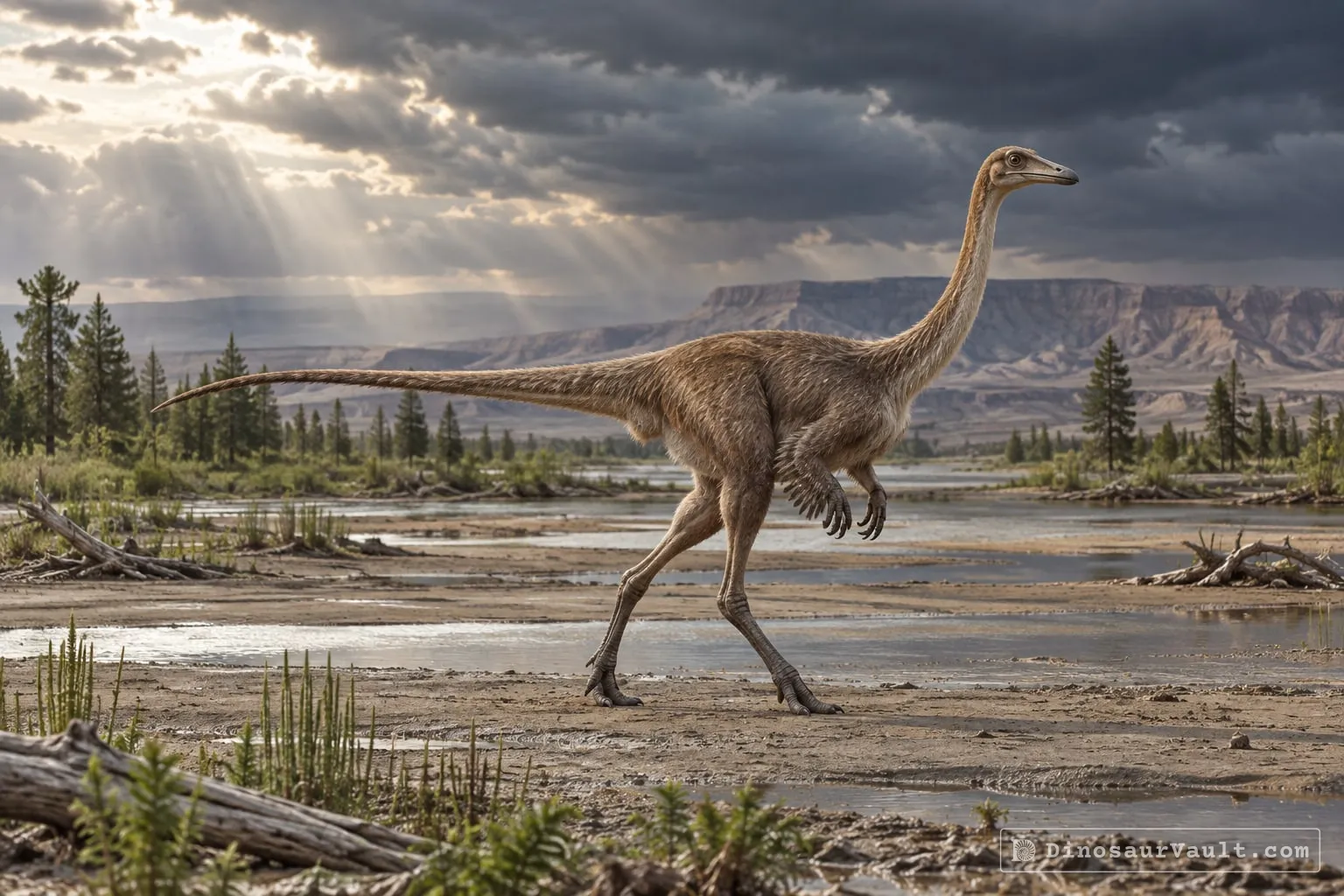
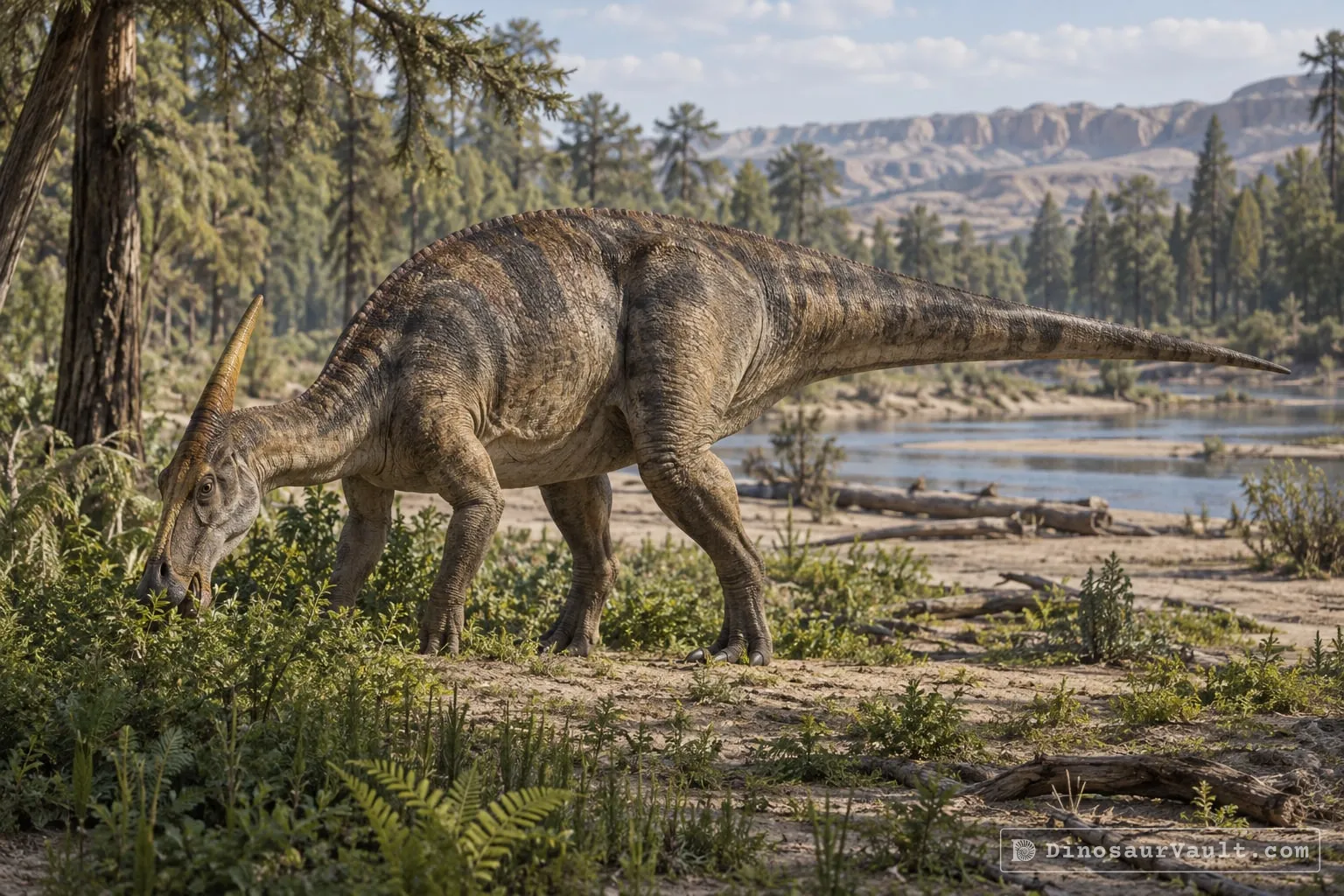
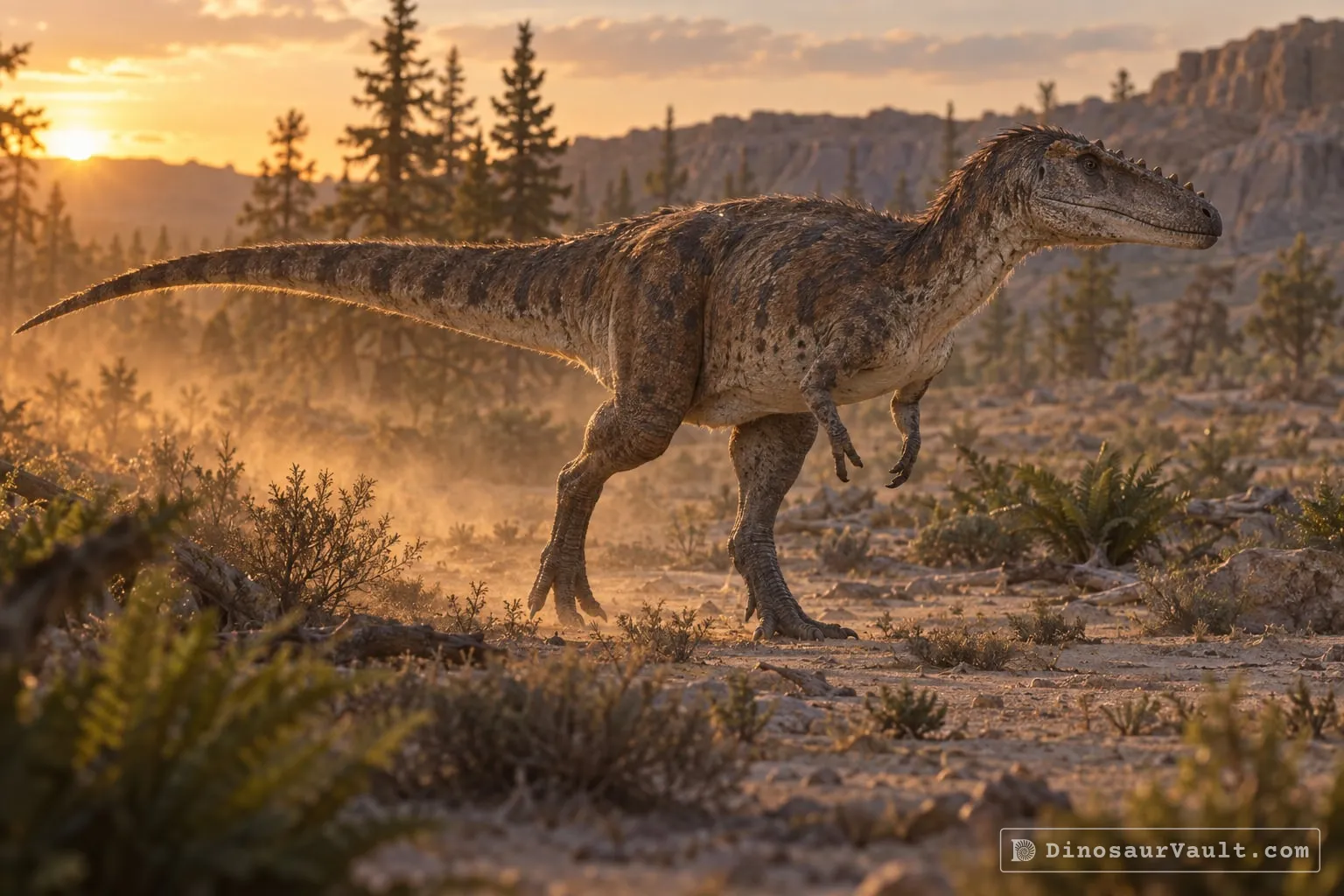
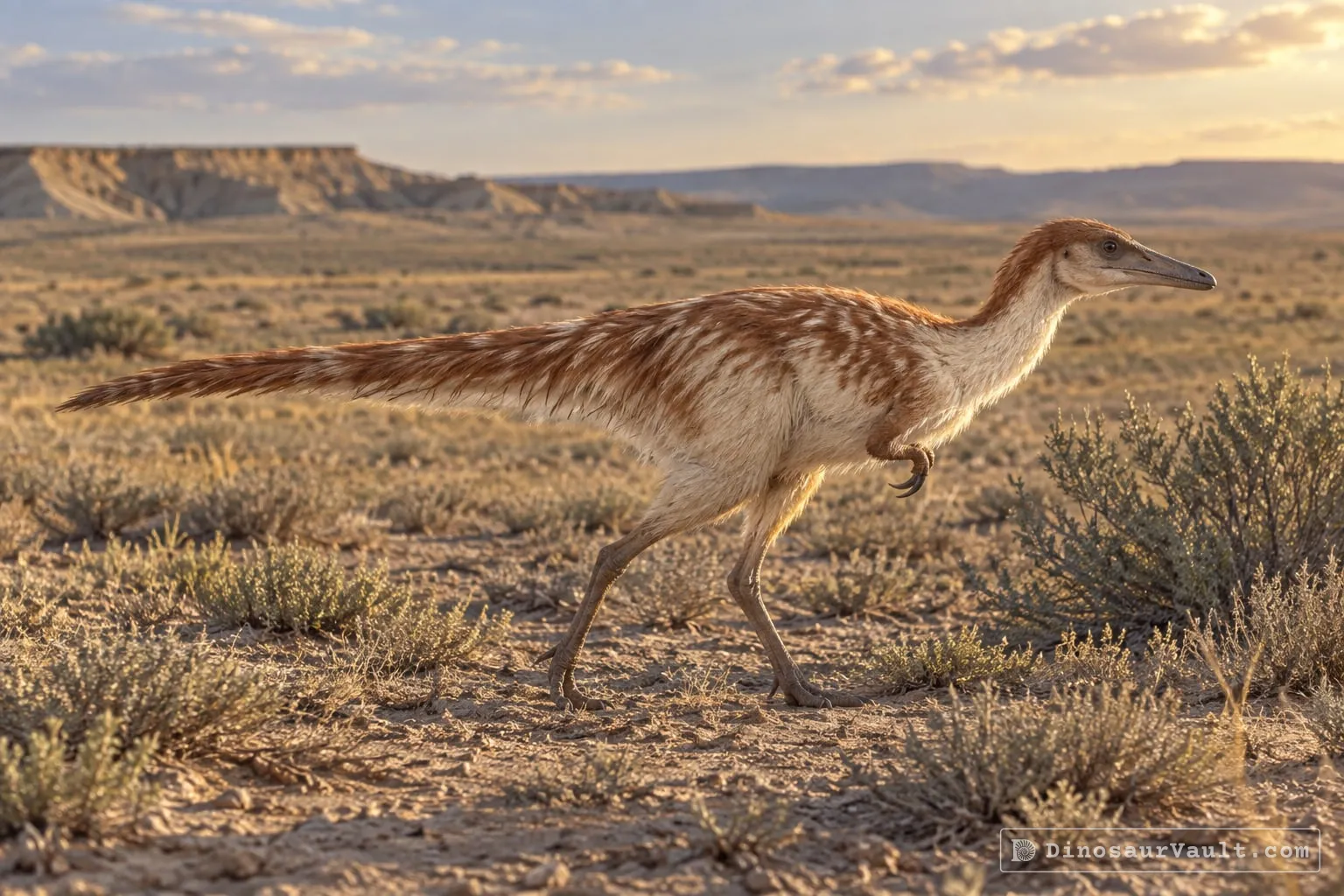


A rock formation can hold fossils laid down millions of years apart, so not every animal here met Elmisaurus.
The evidence
The science behind Elmisaurus
Which parts of the picture come from its own bones, and which come from its relatives.
From its own fossils
- Hand and foot bones include a foot whose ankle bones and upper foot bones fuse together.
- A bone from the roof of the skull indicates a bony crest above the snout.
- Later finds include vertebrae, shoulder bones, parts of the pelvis and long, slender hind legs.
Borrowed from relatives
- Its missing jaws are probably similar to the short, toothless jaws attributed to its close relative Leptorhynchos.
Still unknown
- The complete outline of its head crest.
- Its feather colors and patterns.
- Which foods made up most of its diet.
Discovery timeline
- 1981Named itOsmolska
- 2015New findCurrie, Funston & Osmolska
- 2021New findFunston et al.
Key papers
The research behind what we know of Elmisaurus
Named it
Named Elmisaurus from limb bones and described the fused ankle and foot bones that gave it its name.
Coossified tarsometatarsi in theropod dinosaurs and their bearing on the problem of bird origins. Palaeontologica Polonica 42: 79-95
No link available
New find
Described a skull bone indicating a crest, new limb and shoulder bones, and the distinctive fusion of the foot.
New specimens of the crested theropod dinosaur Elmisaurus rarus from Mongolia. Acta Palaeontologica Polonica
Read the paper : New specimens of the crested theropod dinosaur Elmisaurus rarus from Mongolia (opens in a new tab)New find
Described another partial skeleton, adding shoulder and pelvic bones to the known anatomy of Elmisaurus.
A partial oviraptorosaur skeleton suggests low caenagnathid diversity in the Late Cretaceous Nemegt Formation of Mongolia. PLOS ONE 16: e0254564
Read the paper : A partial oviraptorosaur skeleton suggests low caenagnathid diversity in the Late Cretaceous Nemegt Formation of Mongolia (opens in a new tab)
Close relatives
Other members of Caenagnathidae


Sources: Wikidata