Outline: a typical theropod
Microvenator
"small hunter"
Type species Microvenator celer
- Lived
- 121 to 94 million years ago, Early Cretaceous to Late Cretaceous
- Diet
- Omnivore
- Group
- Theropods, Caenagnathidae
- Found in
- United States
- Named by
- Ostrom 1970
Where its fossils were found
The evidence
Today

110 million years ago
Field notes
About Microvenator
What it was like
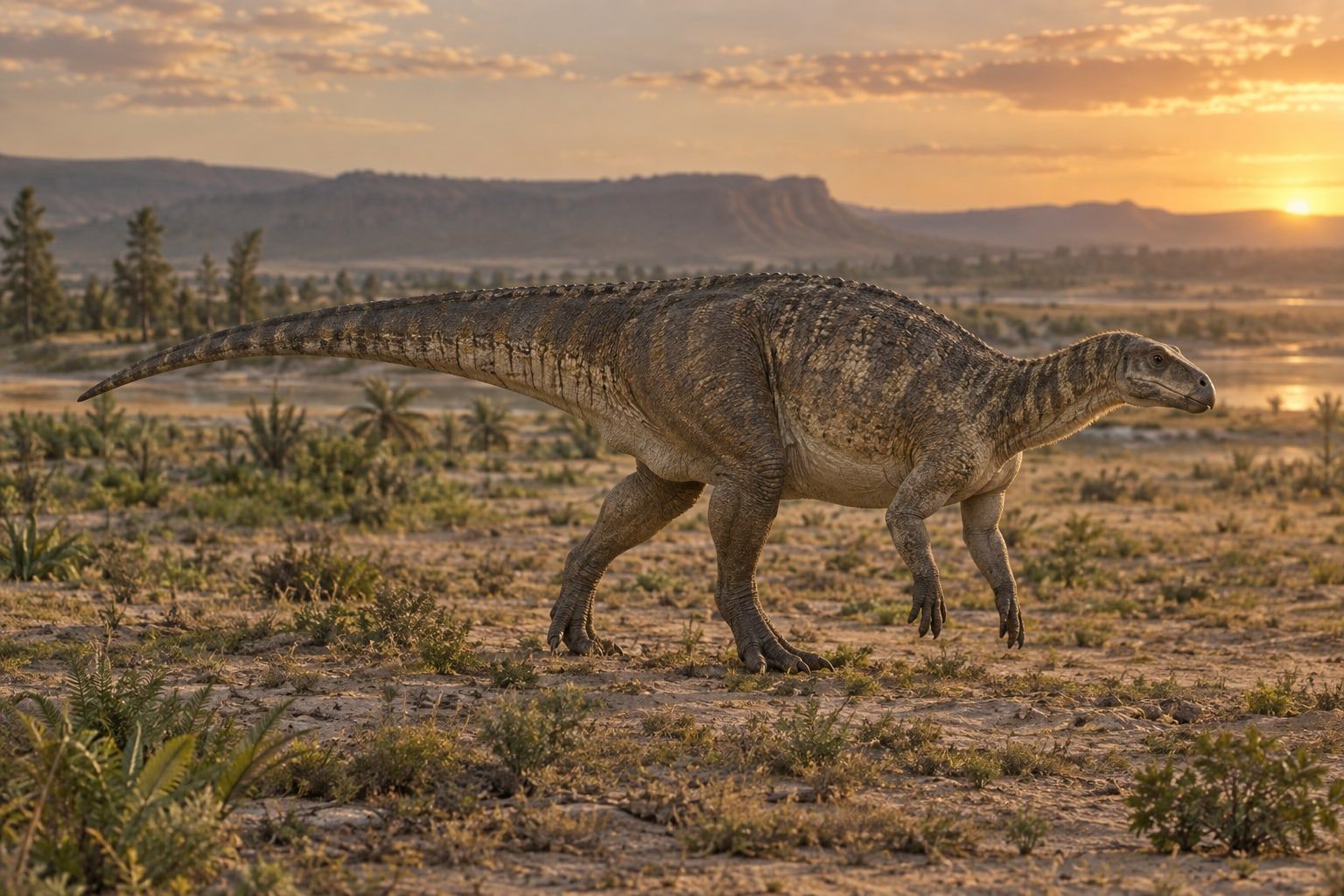
Microvenator was a small oviraptorosaur, a feathered theropod related to Caenagnathus. The only skeleton belongs to a young animal, so adults were larger. Adult oviraptorosaurs had toothless beaks and probably ate a mix of foods.
Its world
It lived in the Early Cretaceous, in what is now Montana. It comes from the Cloverly Formation, where it shared the land with Deinonychus, the plant eater Tenontosaurus and the armored Sauropelta.
How it was found
Ostrom named Microvenator in 1970. The type species is Microvenator celer.
Lived alongside
Found in the same rock formations
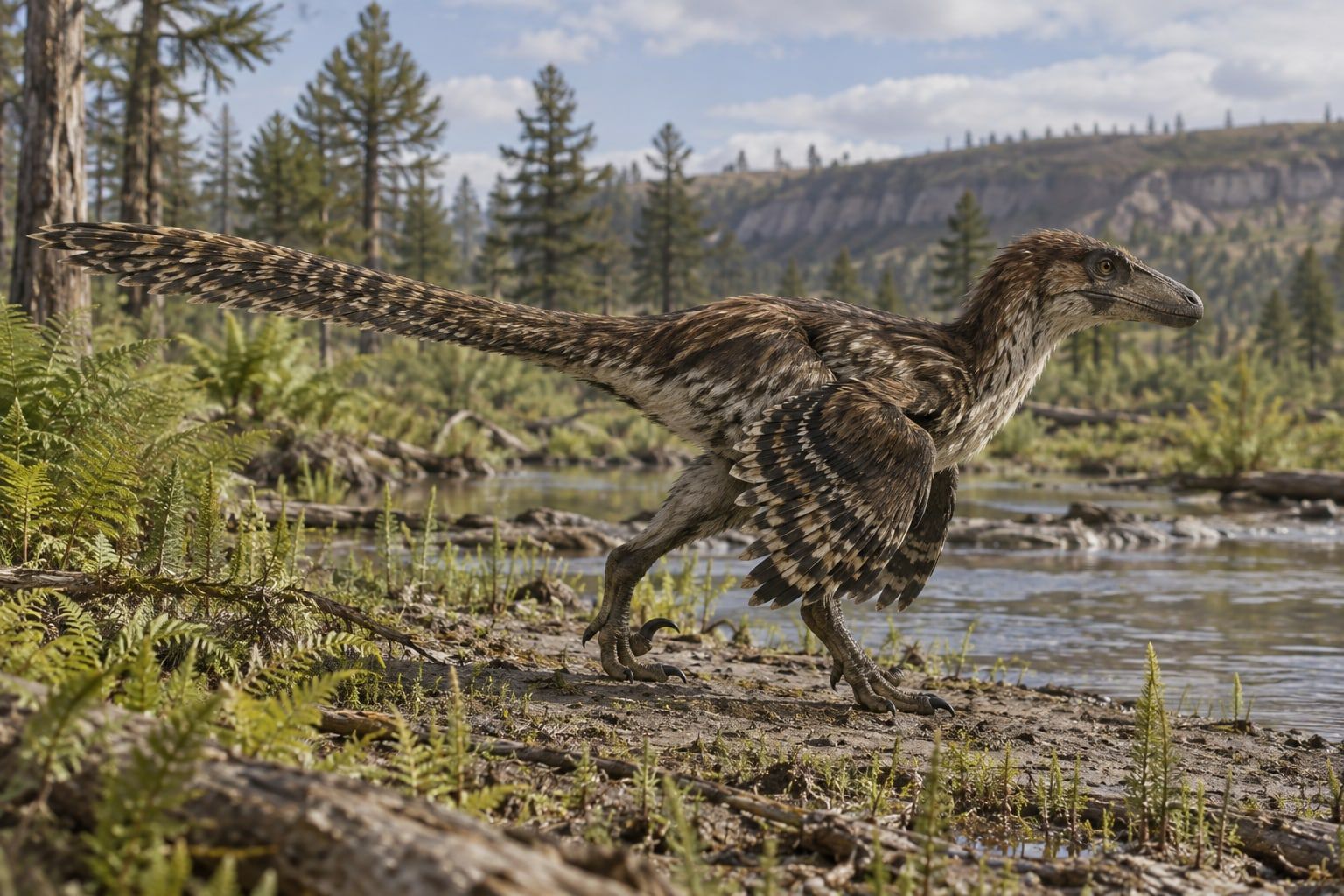
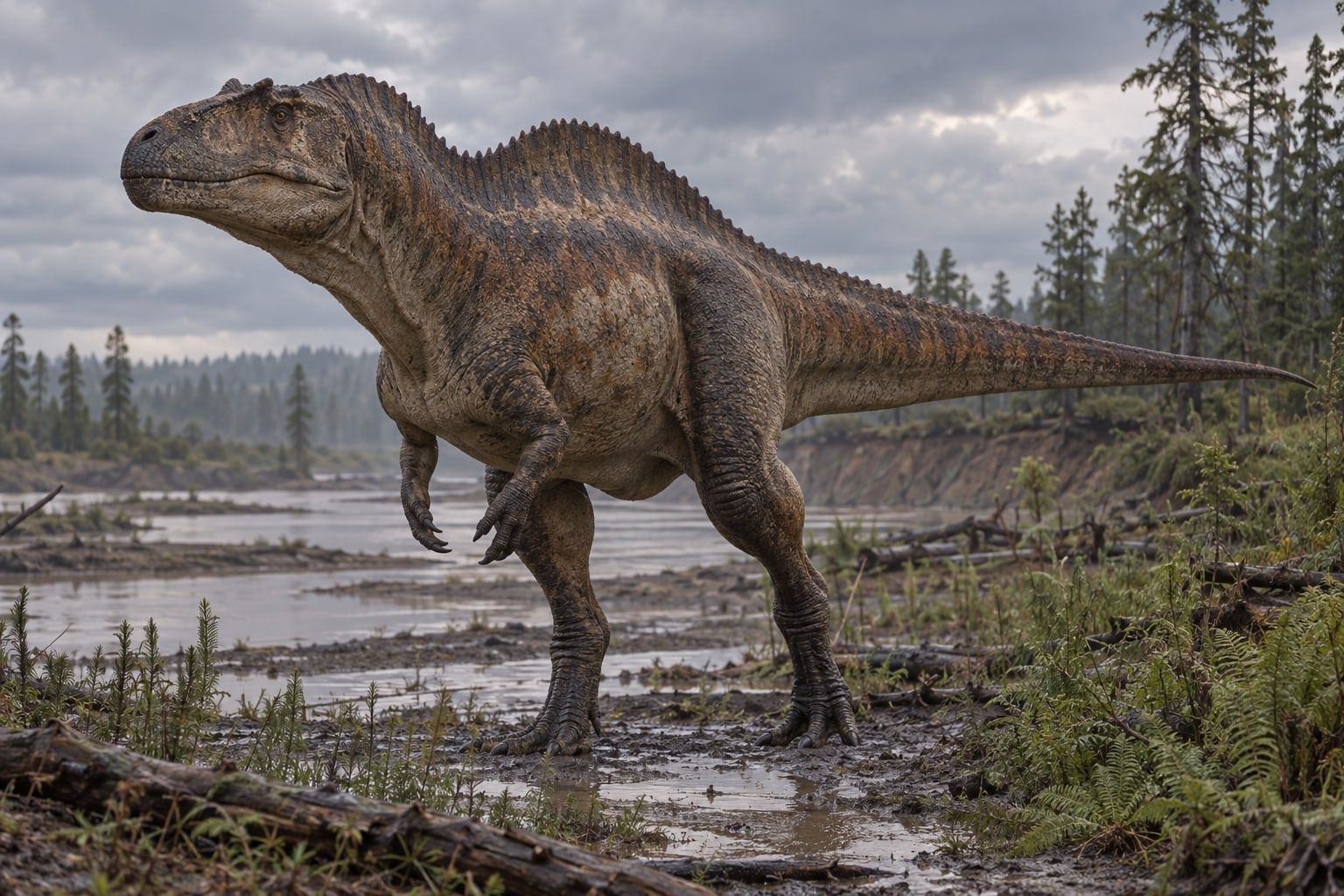
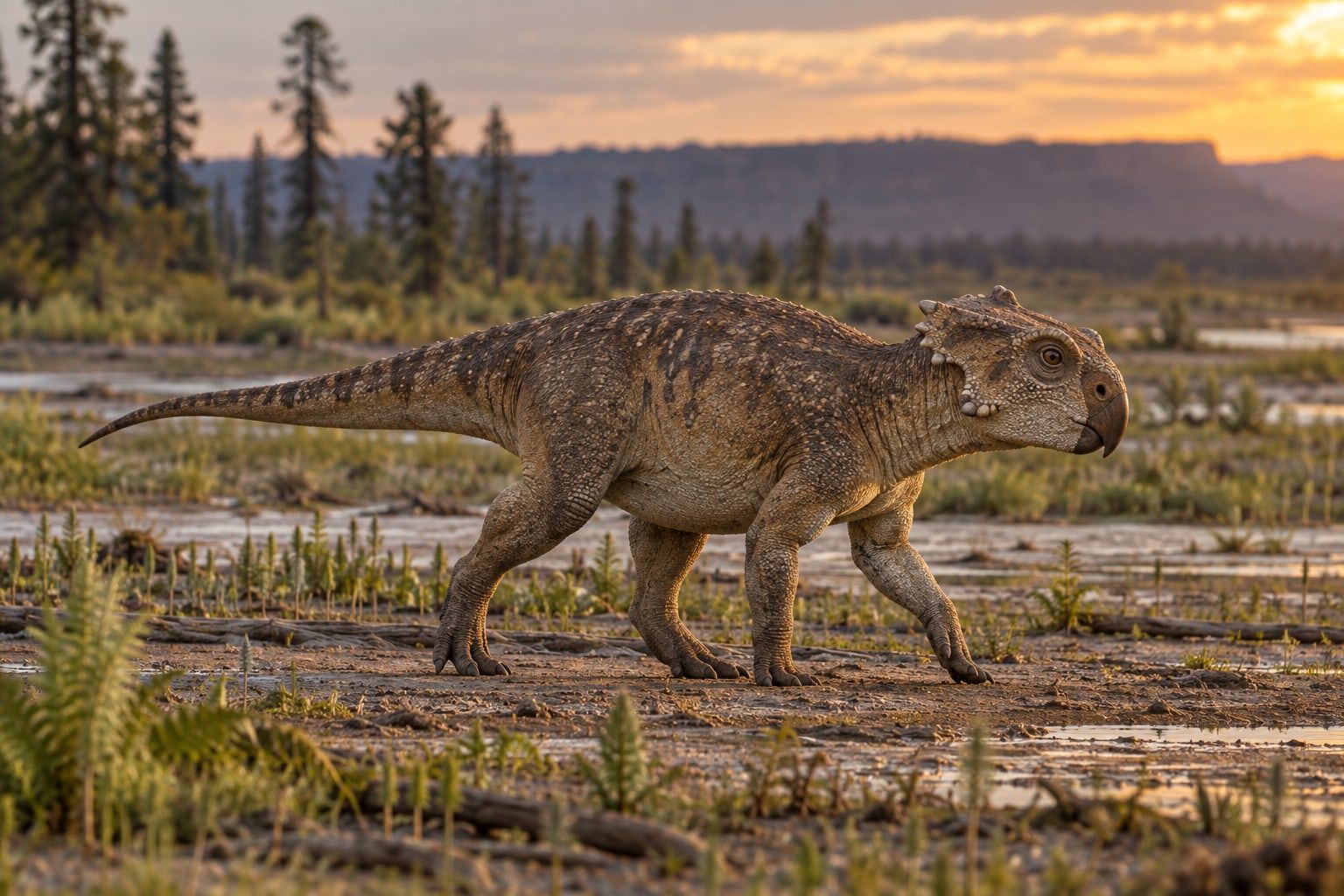
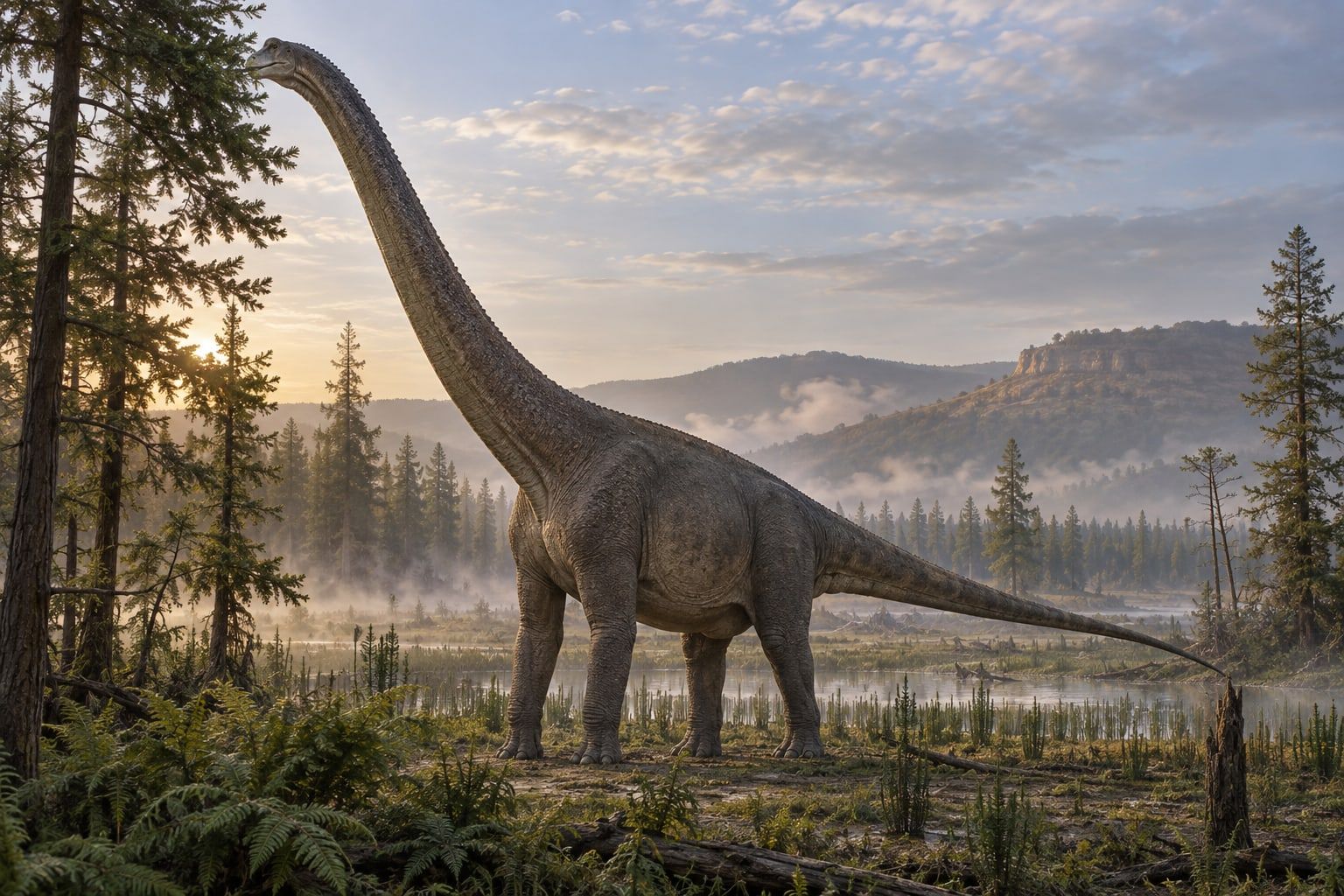
Close relatives
Other members of Caenagnathidae

Sources: WikidataNamed in: J. H. Ostrom. 1970. Stratigraphy and paleontology of the Cloverly Formation (Lower Cretaceous) of the Bighorn Basin area, Wyoming and Montana. Peabody Museum Bulletin 35:1-234