Outline: a typical theropod
Caenagnathus
SEE-nag-NAY-thus
"recent jaw"
Type species Caenagnathus collinsi
- Lived
- 84 to 66 million years ago, Late Cretaceous
- Diet
- Omnivore
- Group
- Theropods, Caenagnathidae
- Found in
- Canada and United States
- Named by
- Sternberg 1940
Where its fossils were found
The evidence
Today
75 million years ago
Field notes
About Caenagnathus
What it was like
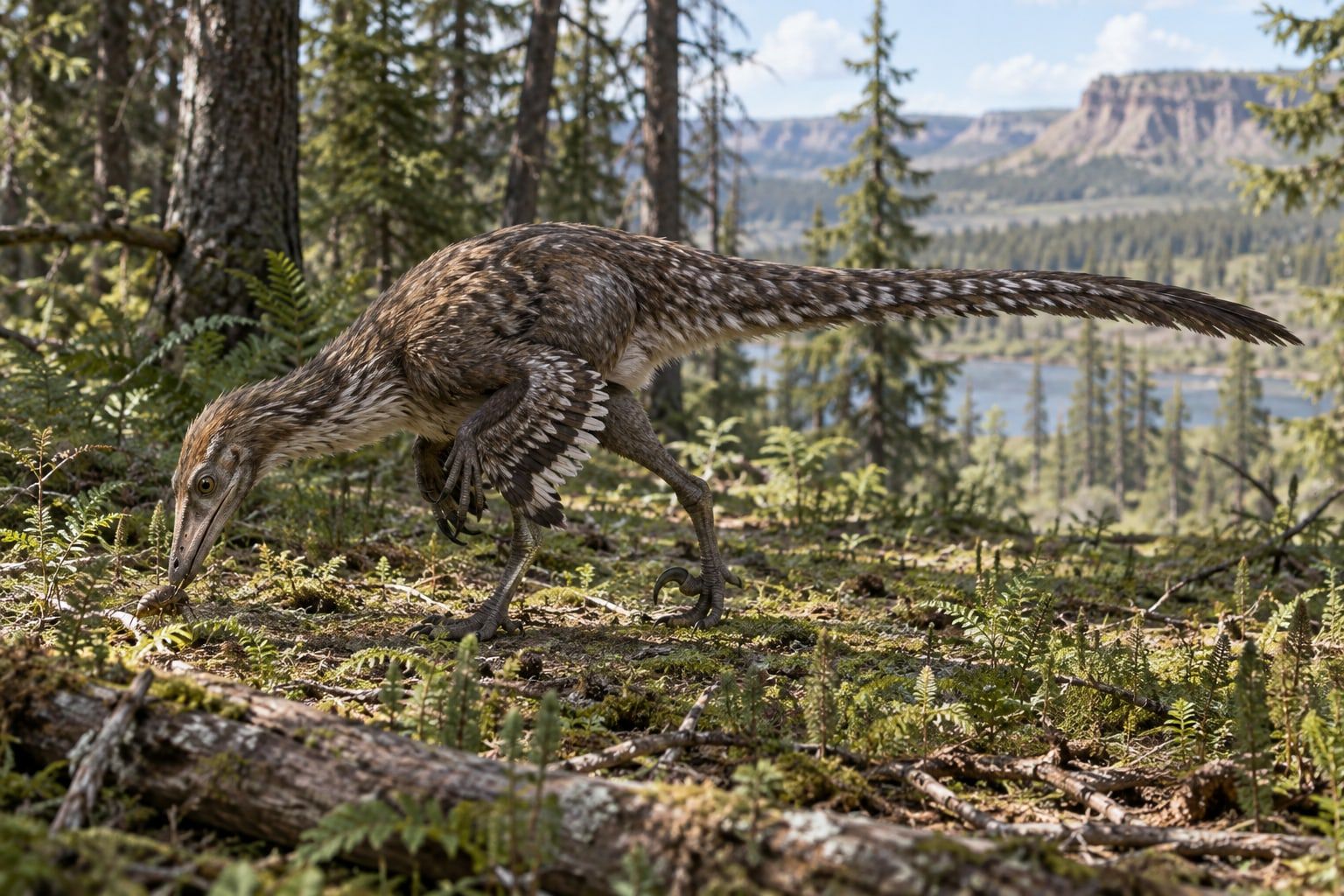
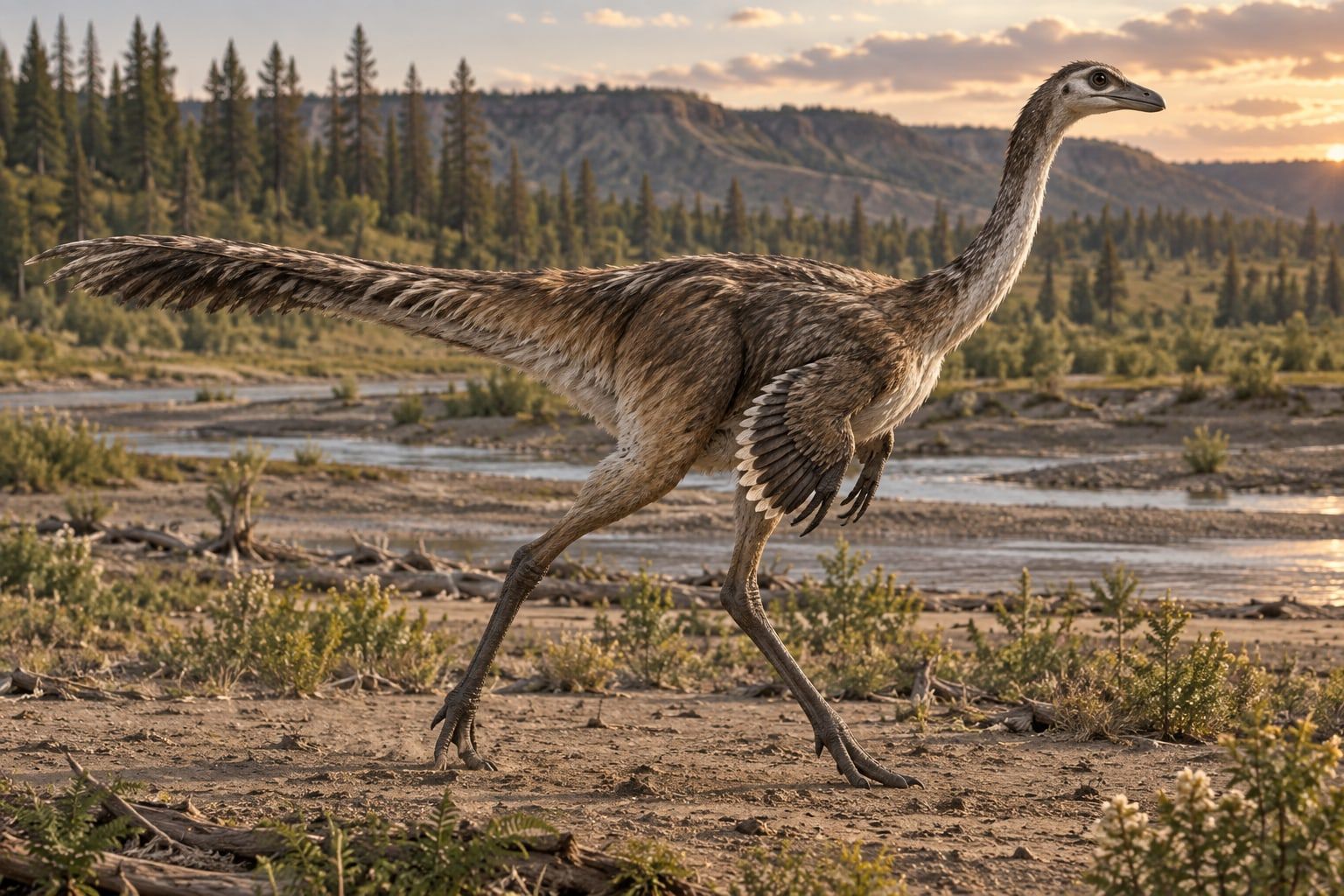
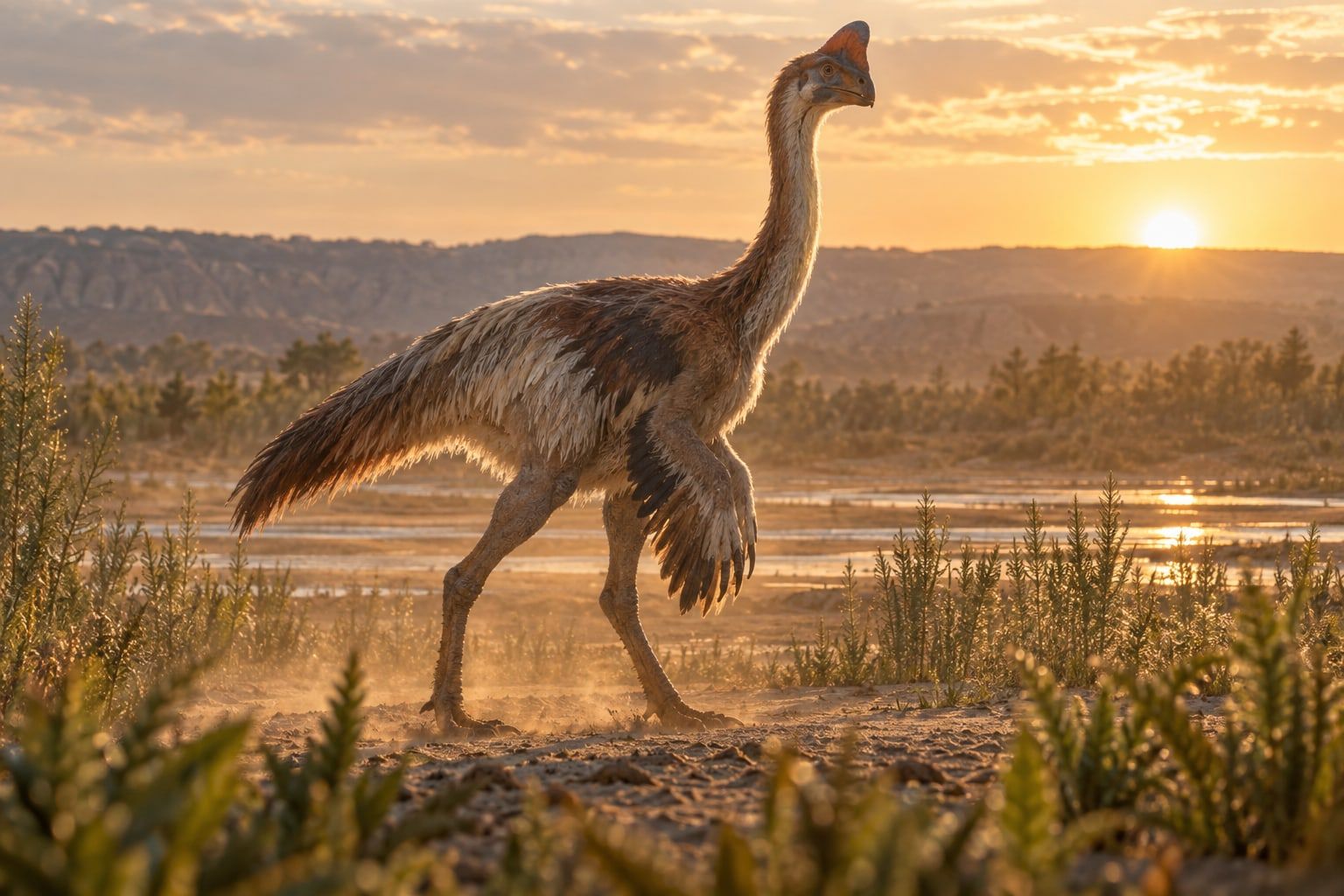
Caenagnathus was a feathered, toothless dinosaur from the oviraptor group, with a long, slender lower jaw that ended in a beak. It walked on two long legs.
Its jaws look a little like those of birds, and when they were first found they were thought to belong to a bird.
Its world
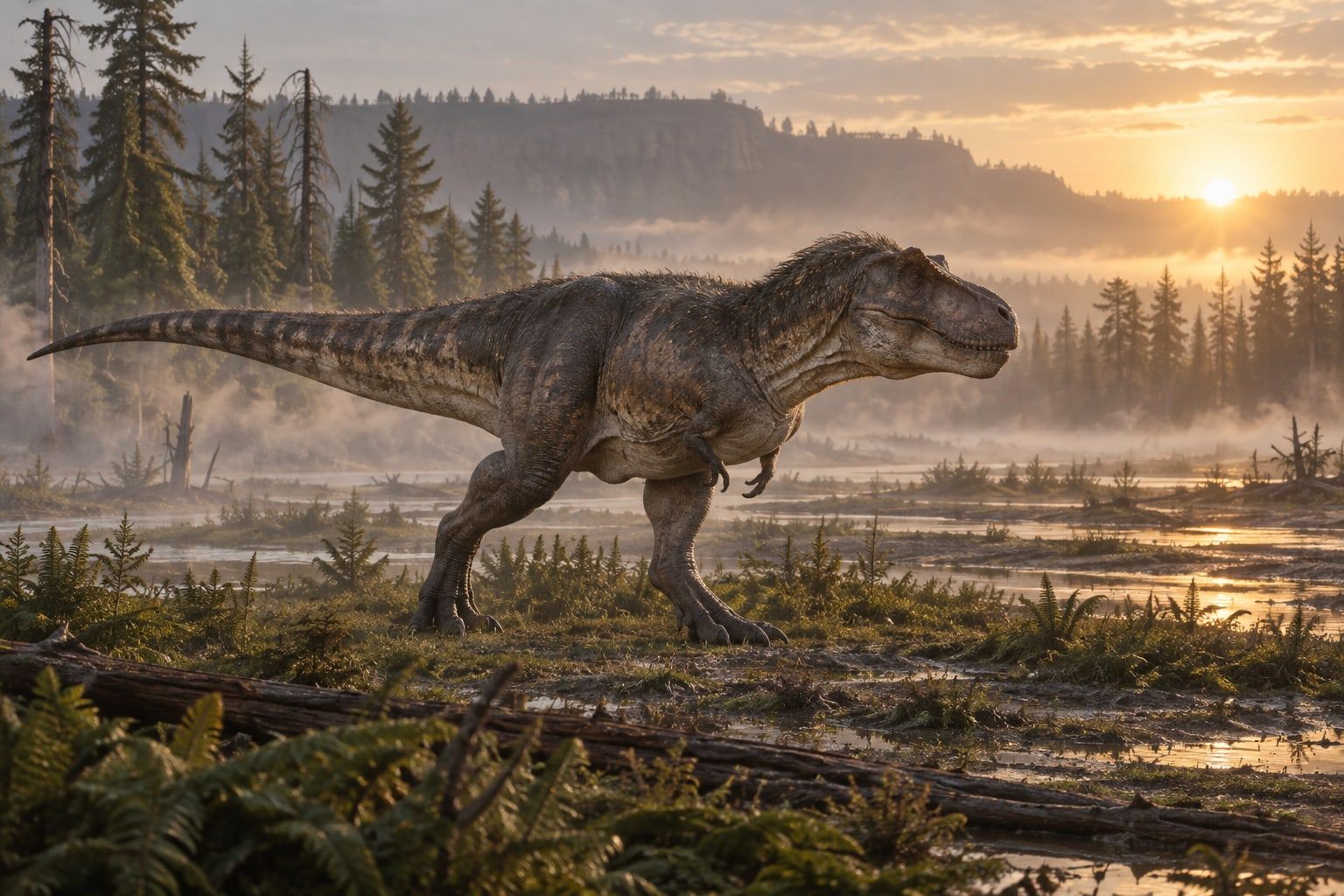
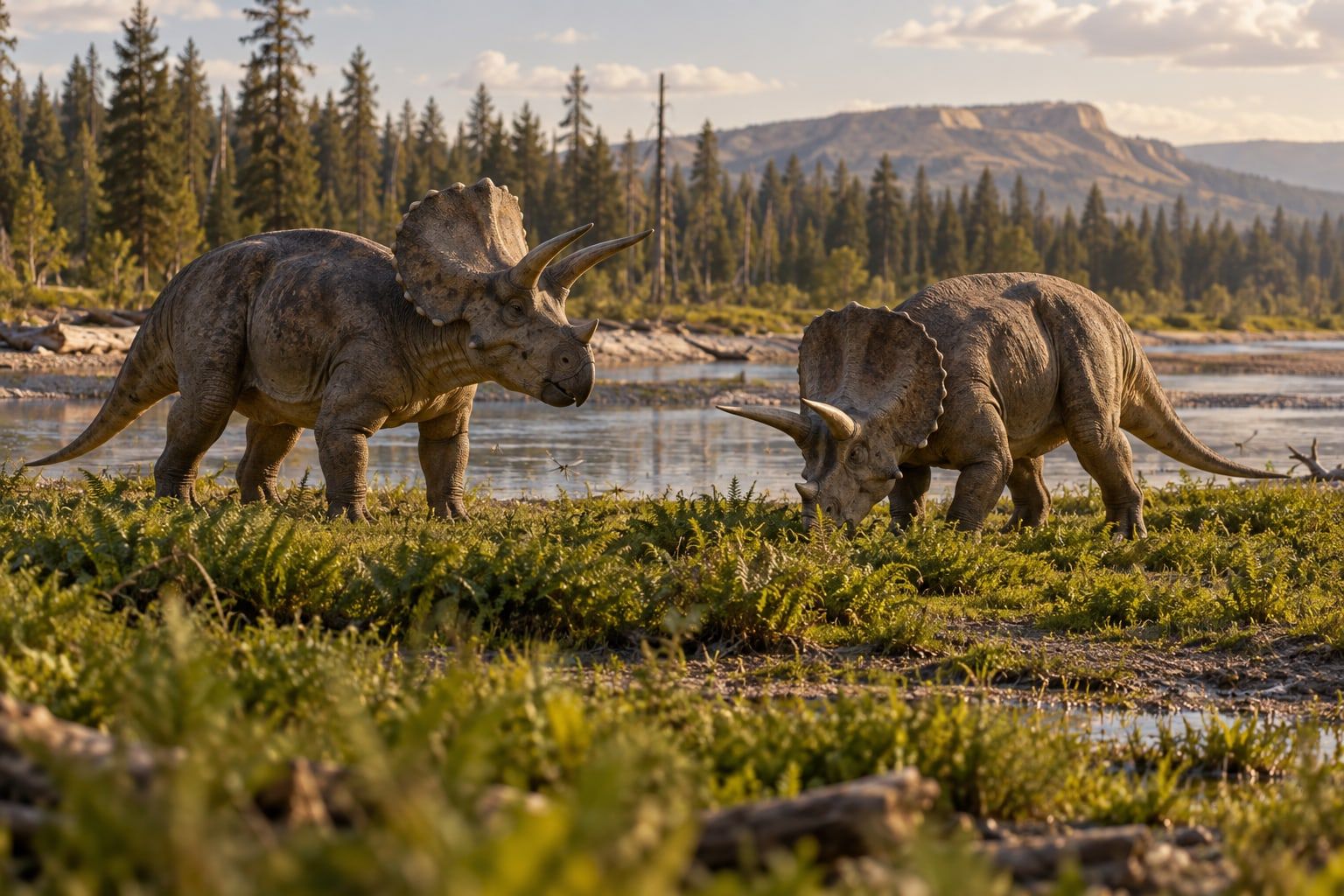
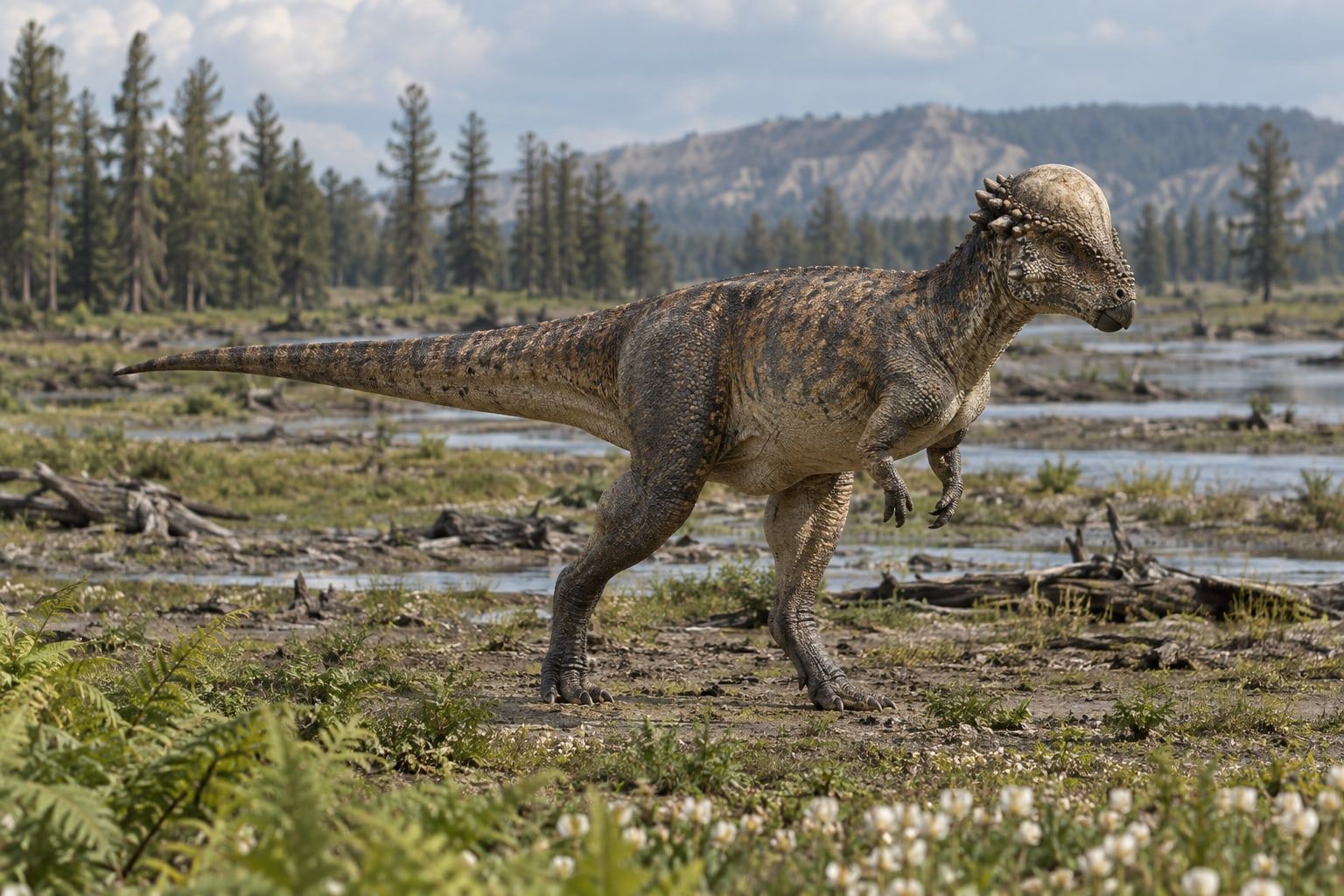
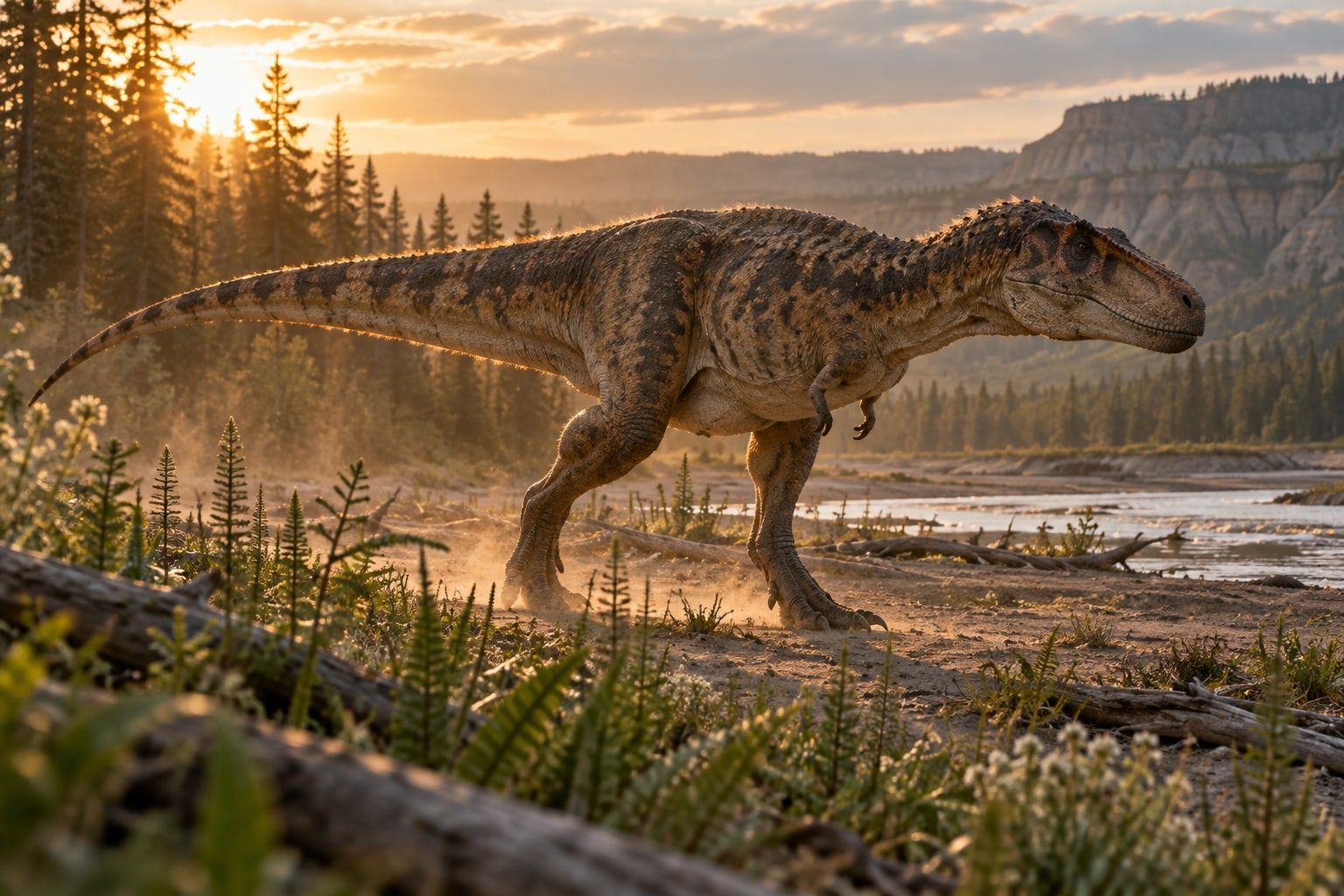
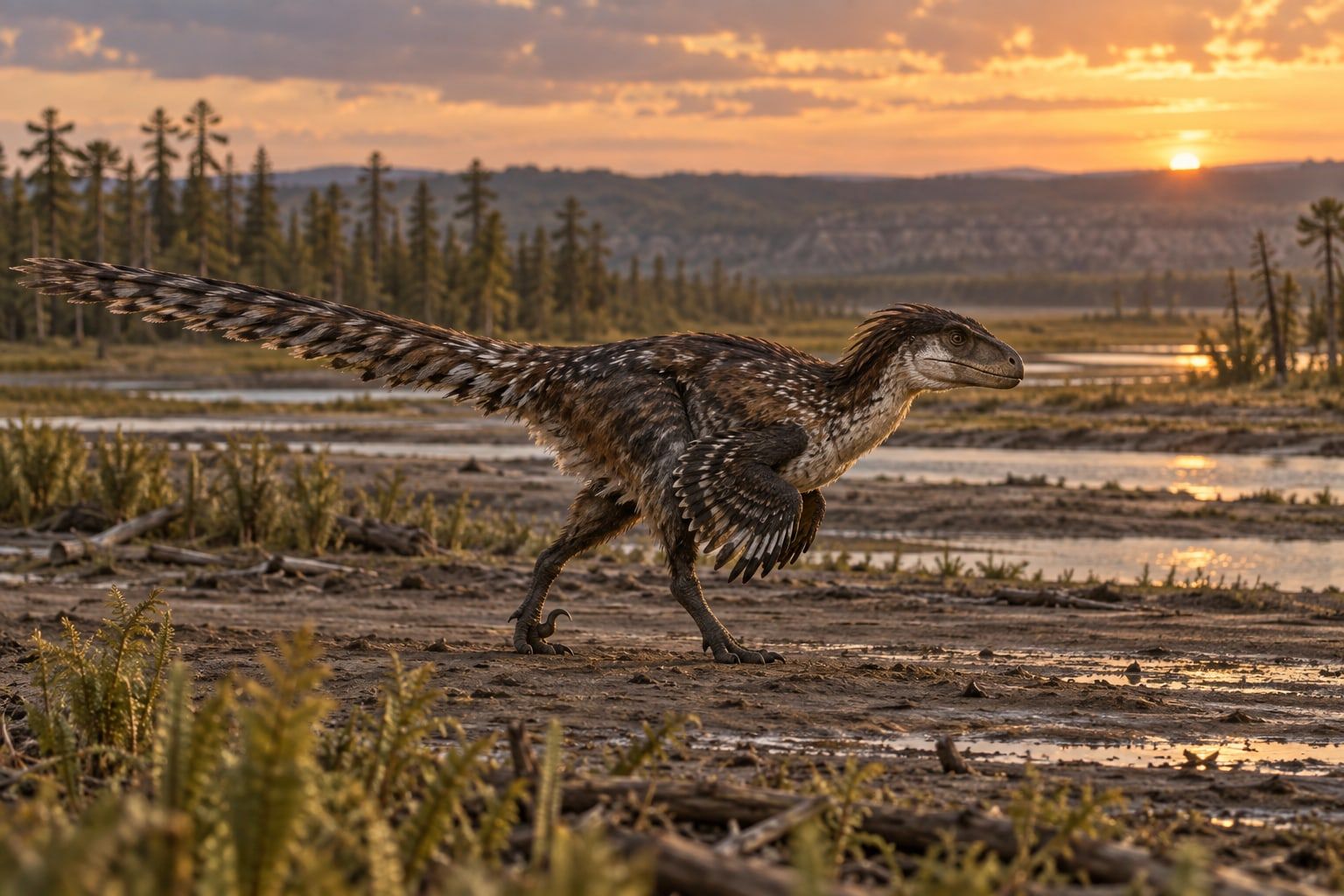
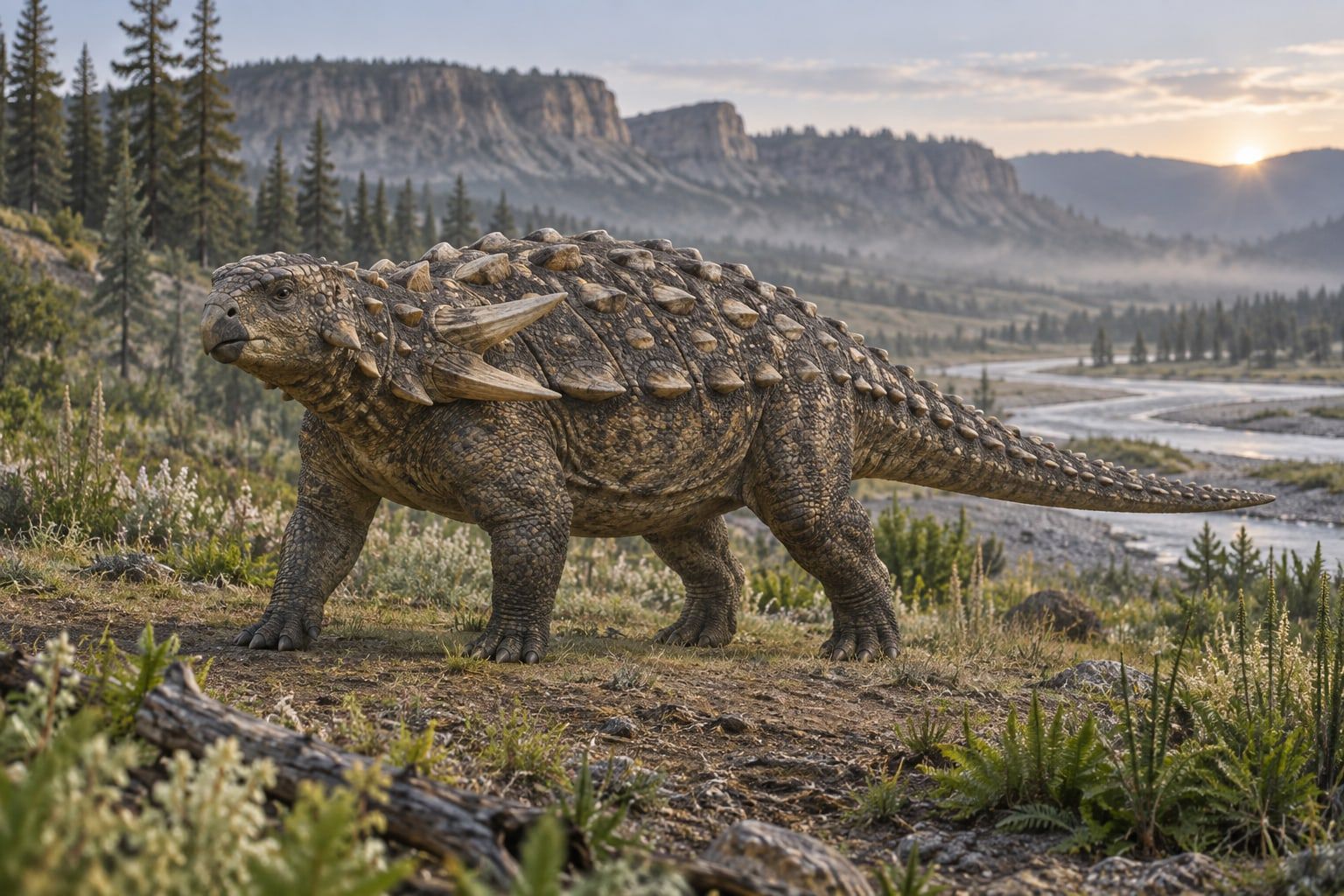
It lived in the Late Cretaceous in what is now Alberta, Canada. Its bones come from the Dinosaur Park Formation, where it shared the land with the tyrannosaur Gorgosaurus, the armored Edmontonia and the small hunters Troodon and Dromaeosaurus.
How it was found
Sternberg named Caenagnathus in 1940, from a lower jaw. Other bones found later have been added, and some from younger rocks in South Dakota have also been placed in it.
Lived alongside
Found in the same rock formations
Close relatives
Other members of Caenagnathidae
Sources: WikidataNamed in: R. M. Sternberg. 1940. A toothless bird from the Cretaceous of Alberta. Journal of Paleontology 14(1):81-85