Gigantoraptor
jy-GAN-toh-RAP-tor
"giant thief"
- Lived
- 84 to 72 million years ago, Late Cretaceous
- Diet
- Omnivore
- Length
- about 8 m (26 ft)
- Group
- Theropods, Caenagnathidae
- Found in
- China
- Named by
- Xu et al. 2007
Size comparison
To scale


Scale in meters
Where its fossils were found
The evidence
Today

80 million years ago
Habitat
It lived in a river landscape recorded in the sandstone of the Iren Dabasu Formation. Regional neighbors included Archaeornithomimus, Bactrosaurus and Alectrosaurus.
Field notes
About Gigantoraptor
What it was like
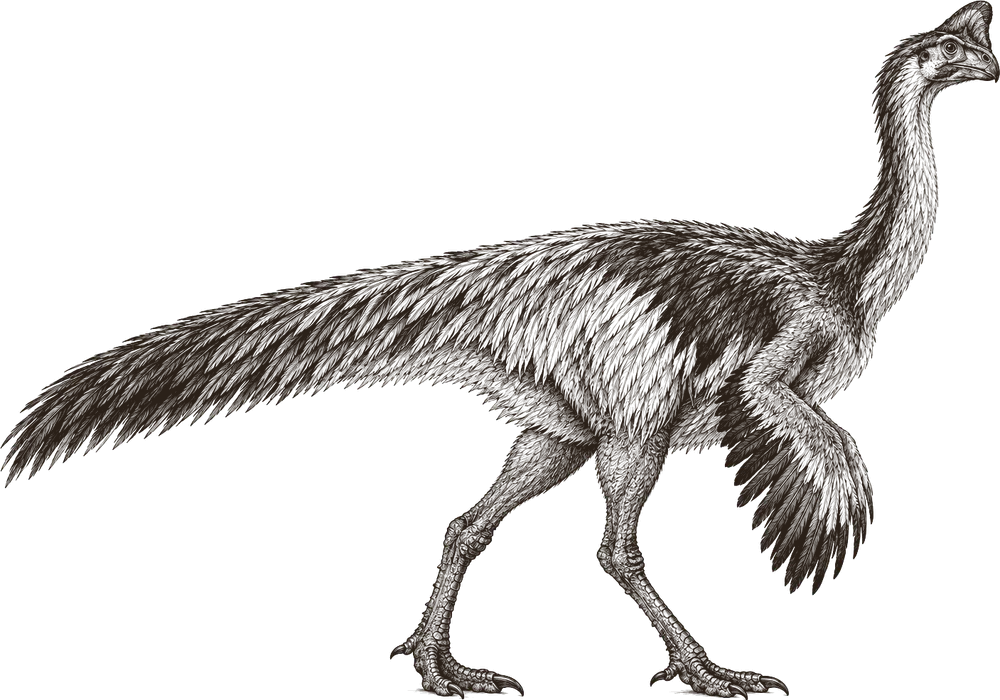
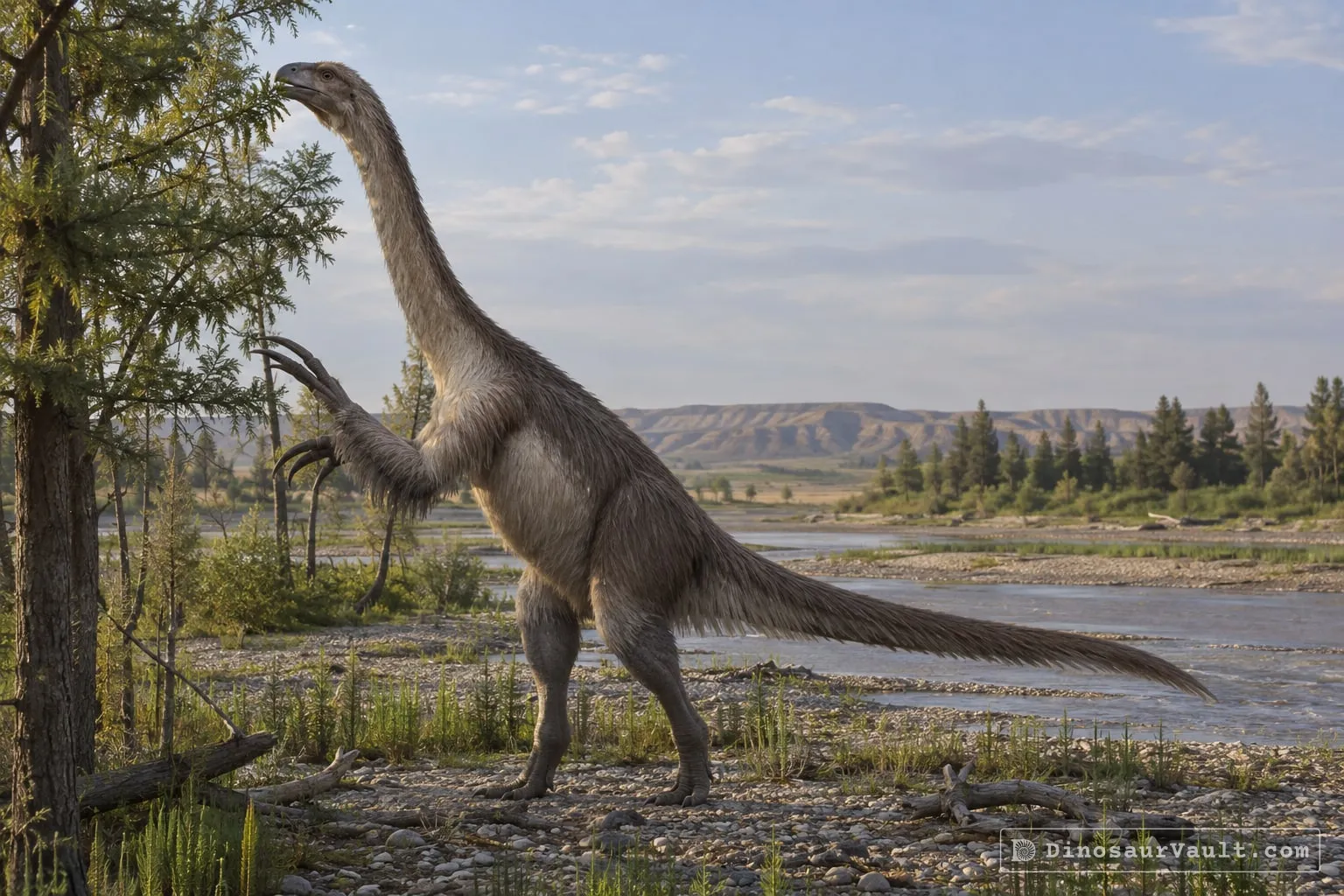
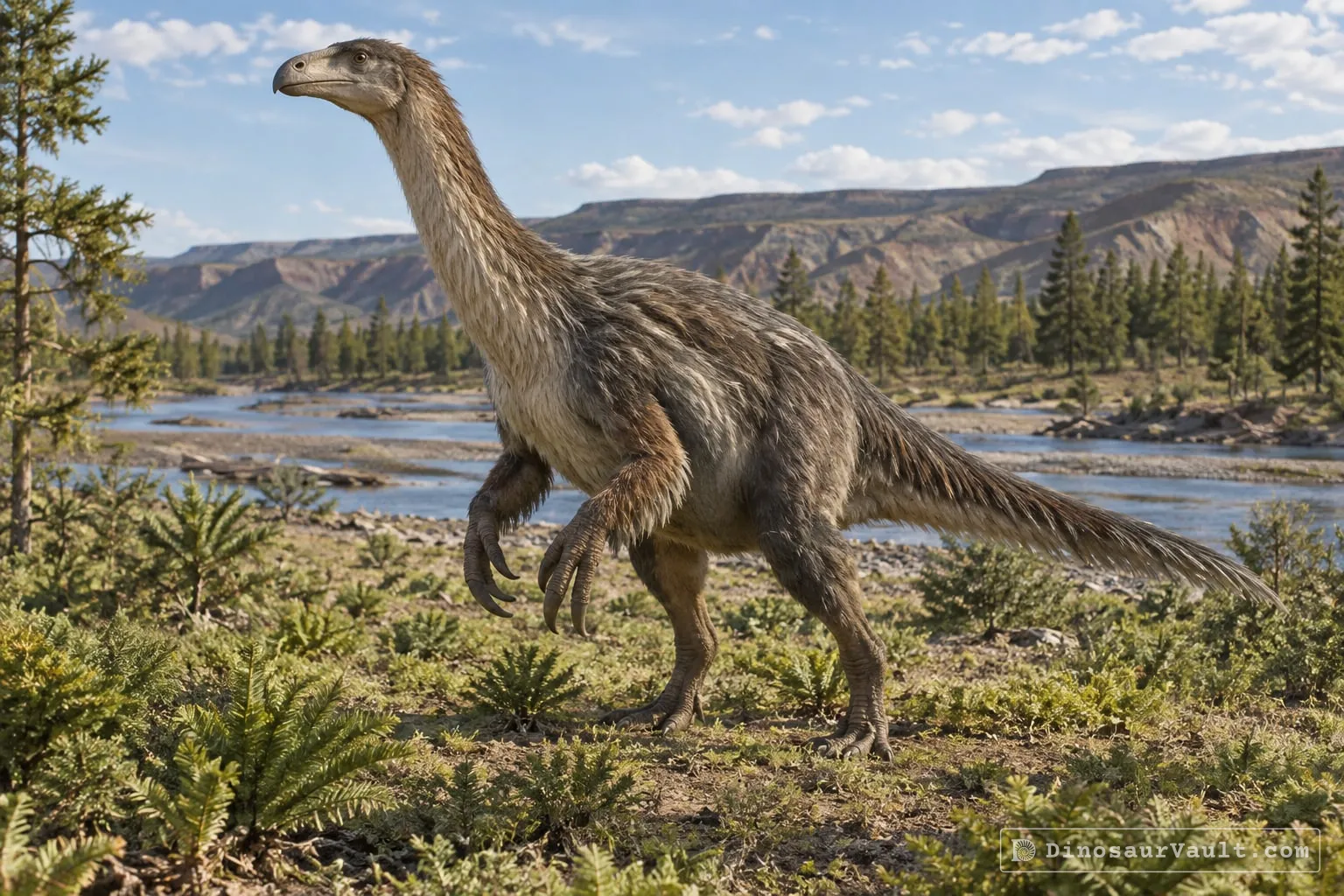
Gigantoraptor was a giant among the oviraptorosaurs, a group of feathered, beaked dinosaurs usually much smaller. It grew to about 8 meters (26 feet) long, walking on two long legs, with a toothless beak likely used to crop plants or seize small prey. Despite its size, it was probably covered in feathers like its smaller relatives, though scientists are unsure how much of that covering it kept as an adult.
Its arms and legs were long in proportion to its body, unusual for such a large theropod, and suggest Gigantoraptor moved efficiently on its two hind legs despite its bulk.
Its world
Gigantoraptor lived in what is now China during the Late Cretaceous, between about 84 and 72 million years ago. Its remains come from a single find in the Iren Dabasu Formation.
It shared its world with the ostrich-like Archaeornithomimus, the hadrosaurs Gilmoreosaurus and Bactrosaurus, the herbivorous Neimongosaurus and Erliansaurus, and predators such as Alectrosaurus.
How it was found
Xu and colleagues named Gigantoraptor in 2007. It belongs to Caenagnathidae, a family of oviraptorosaurs otherwise made up of much smaller animals such as Chirostenotes, Elmisaurus, and Caenagnathus, which makes its huge size unusual within the group.
Field gallery
More views of Gigantoraptor
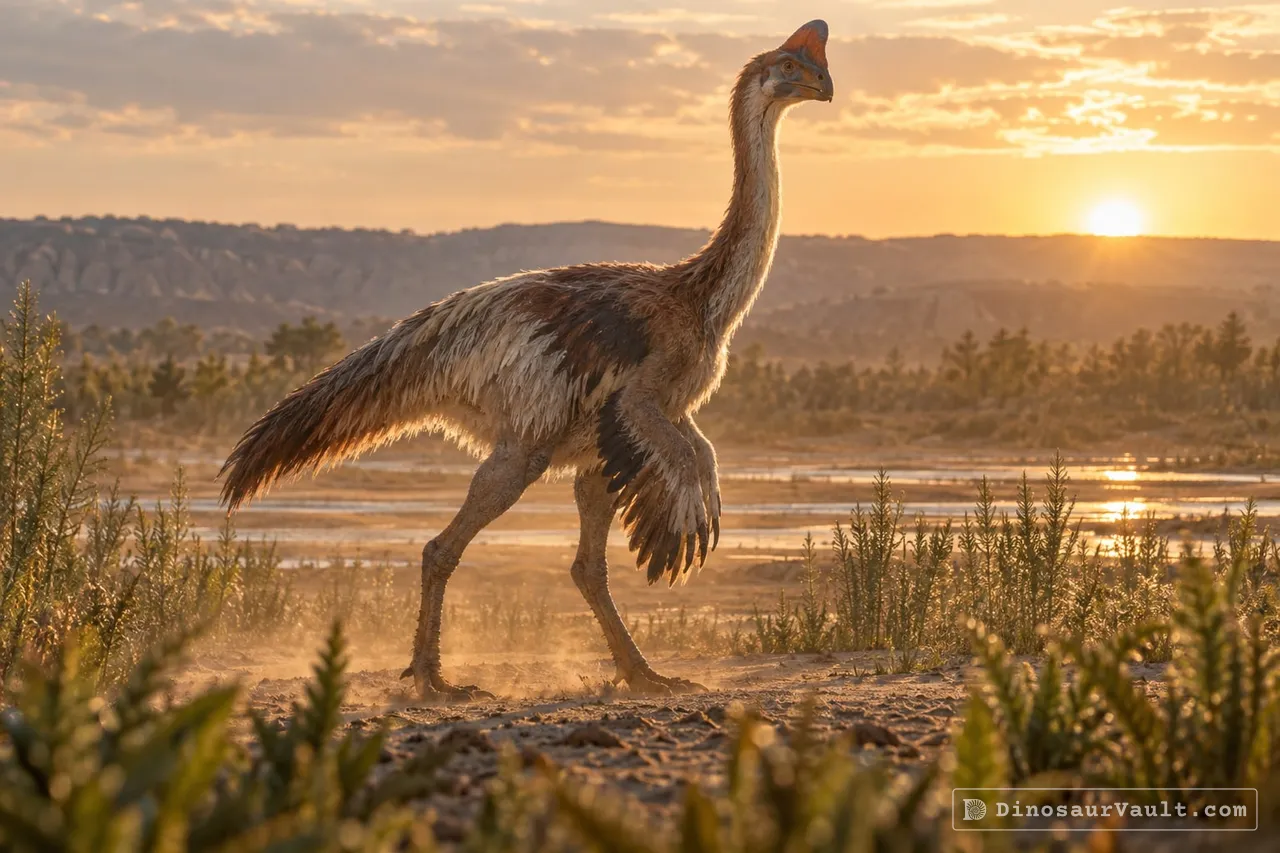
Scenes reconstructed from the available fossil evidence.
1 of 7
Lived alongside
Found in the same rock formations
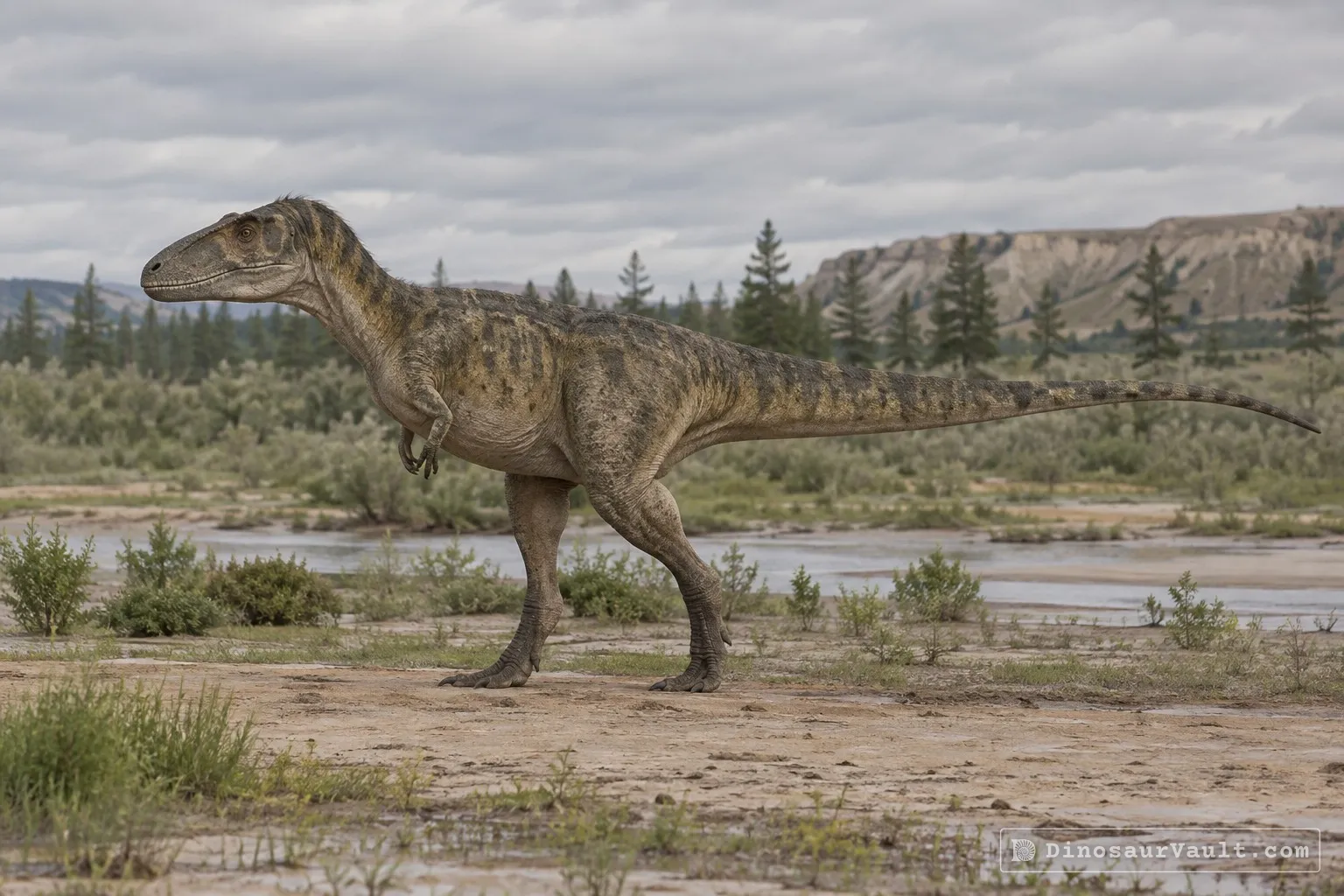
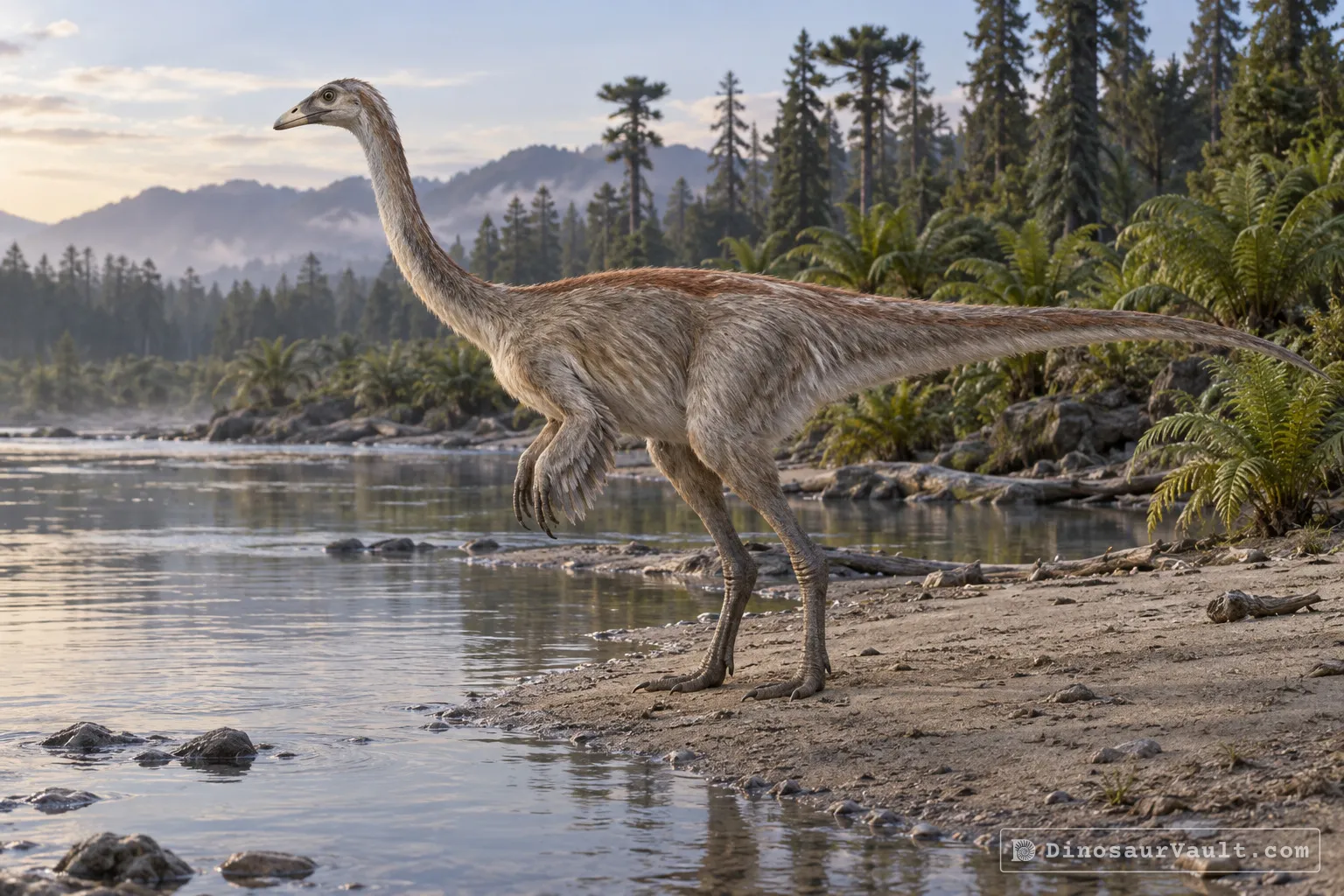
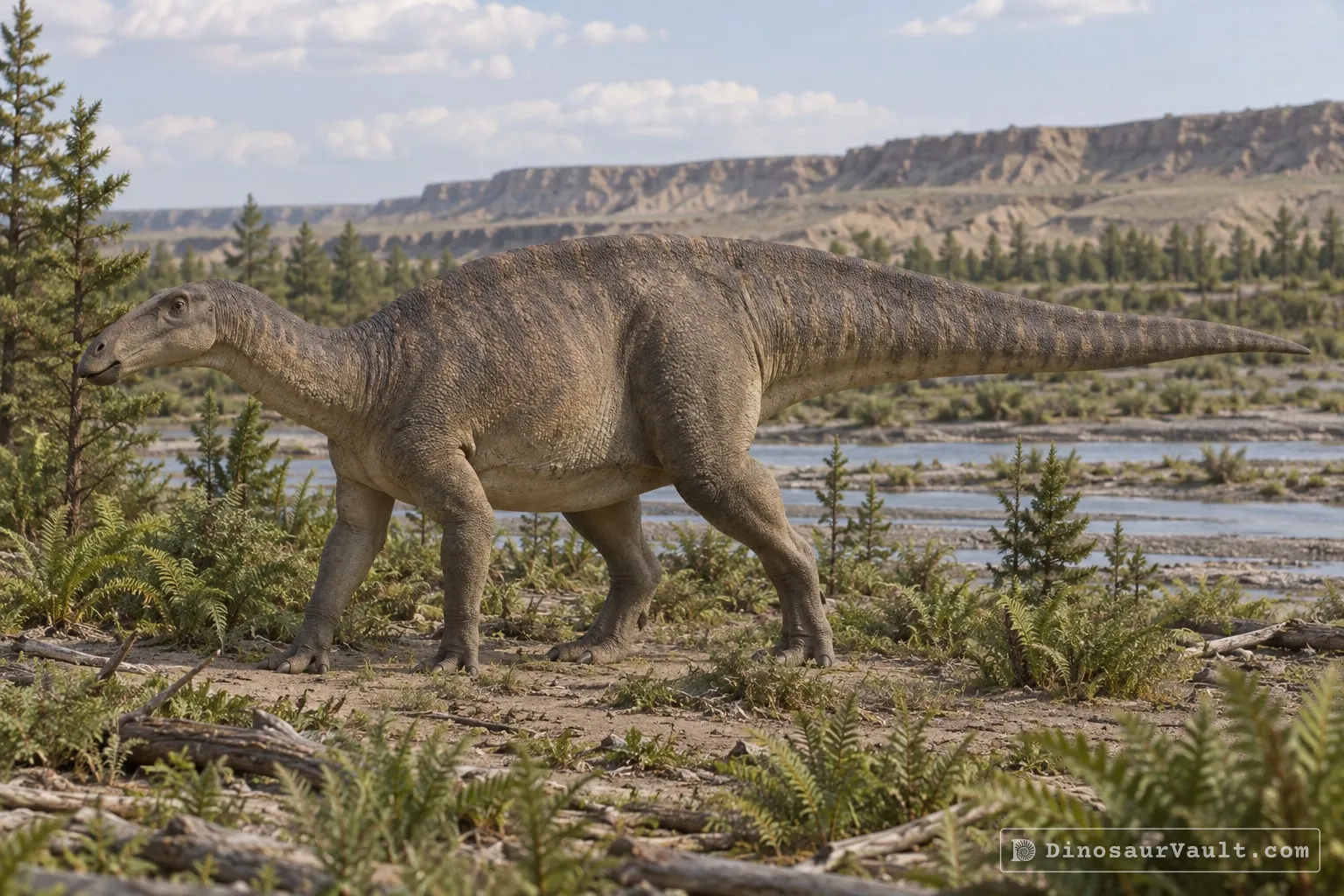
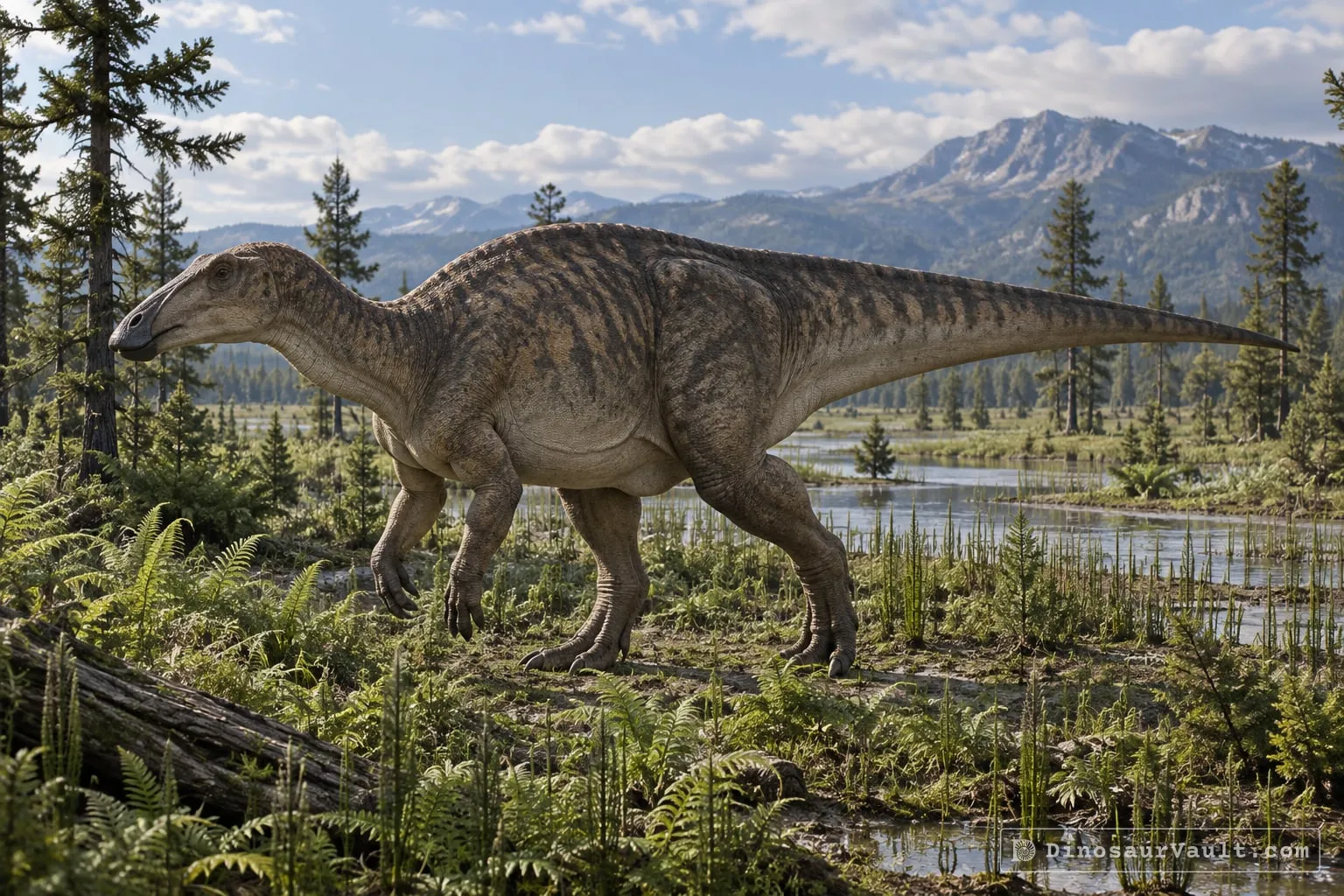
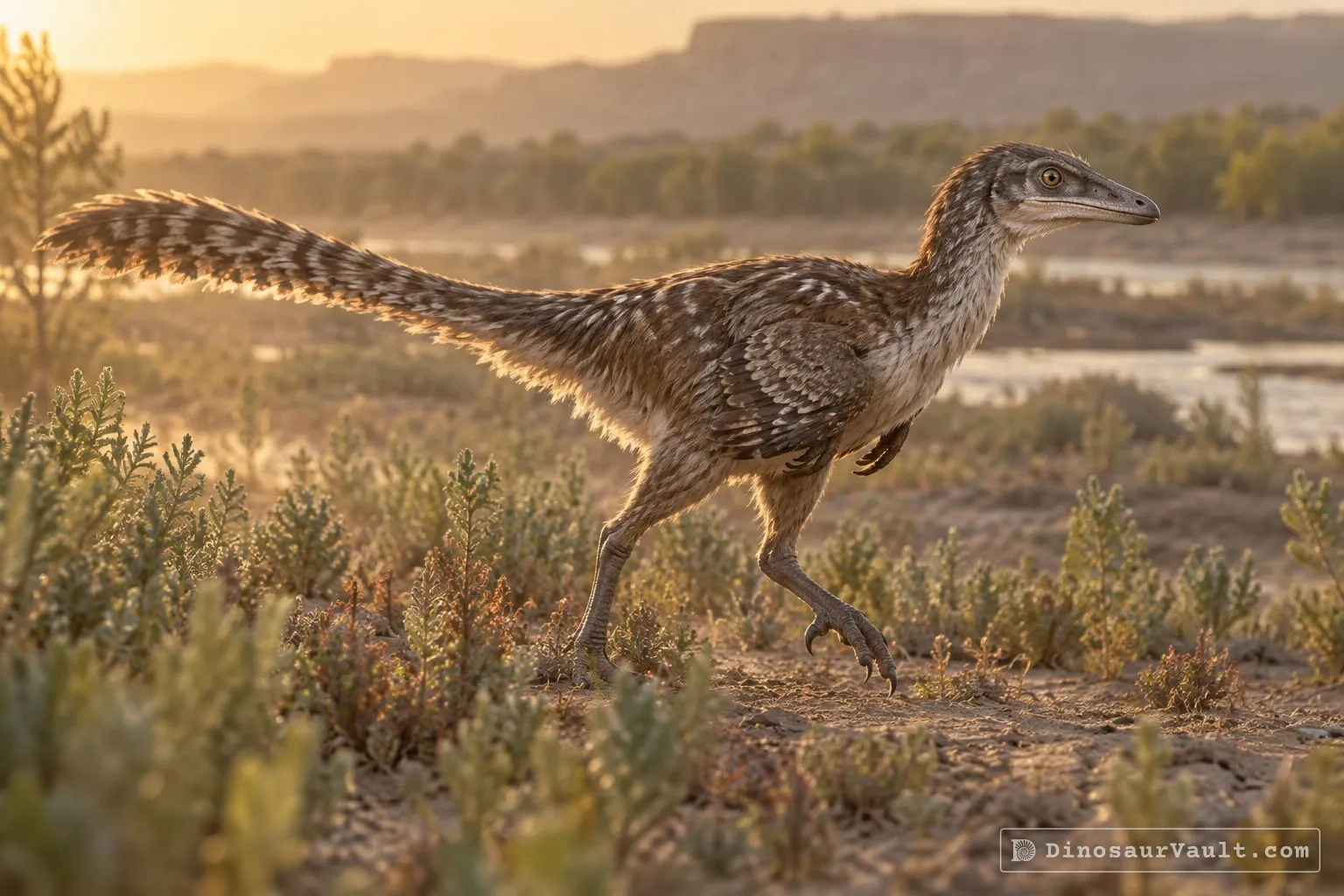
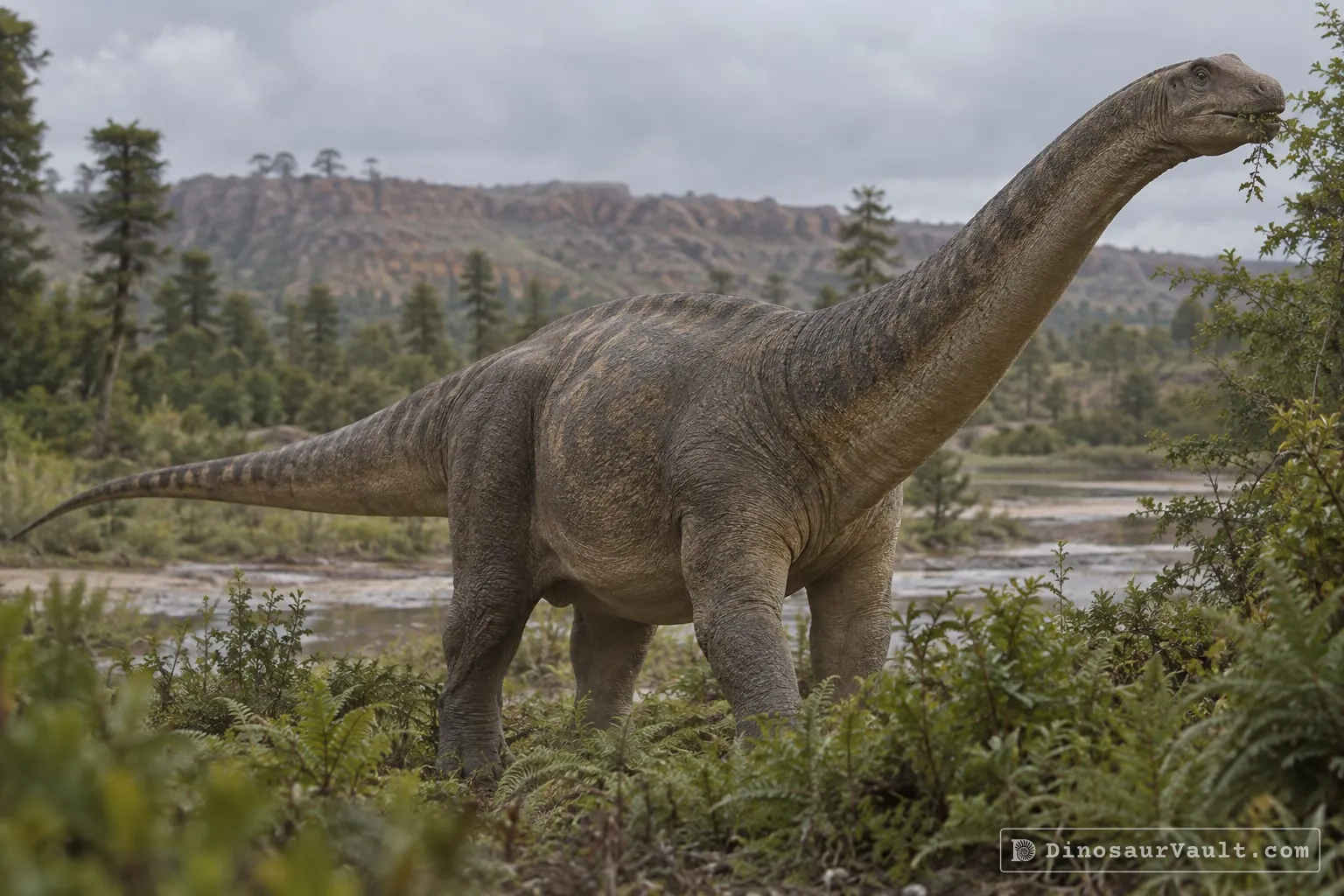


A rock formation can hold fossils laid down millions of years apart, so not every animal here met Gigantoraptor.
The evidence
The science behind Gigantoraptor
Which parts of the picture come from its own bones, and which come from its relatives.
From its own fossils
- A partial skeleton preserves a deep, toothless lower jaw, long arms and unusually long legs for such a large dinosaur.
- Its backbone contains hollow spaces that helped lighten the skeleton.
- Growth rings and bone structure show that the animal grew rapidly.
Borrowed from relatives
- Body feathers and long arm feathers are inferred from feathered oviraptorosaurs such as Caudipteryx.
- The missing upper skull and the covering of its beak are restored by comparison with other oviraptorosaurs.
Still unknown
- How much feather covering a large adult kept, and what color it was.
- The shape of the top of its skull.
- Which foods made up most of its diet.
Often drawn wrong
- Its lower jaw was toothless; rows of sharp teeth give it the wrong mouth.
- A tall crest like Citipati's is an invented addition.
- Its palms faced inward, and its tail was long rather than a modern bird's short tail.
Discovery timeline
- 2007Named itXu et al.
- 2017How it fedMa et al.
- 2017Close relativePu et al.
Key papers
The research behind what we know of Gigantoraptor
Named it
Described a giant oviraptorosaur with a toothless jaw, long limbs and bone structure showing rapid growth.
A gigantic bird-like dinosaur from the Late Cretaceous of China. Nature 447: 844-847
Read the paper : A gigantic bird-like dinosaur from the Late Cretaceous of China (opens in a new tab)How it fed
Examined the deep lower jaw and proposed a shearing bite with forward and backward jaw movement.
Functional anatomy of a giant toothless mandible from a bird-like dinosaur: Gigantoraptor and the evolution of the oviraptorosaurian jaw. Scientific Reports 7
Read the paper : Functional anatomy of a giant toothless mandible from a bird-like dinosaur: Gigantoraptor and the evolution of the oviraptorosaurian jaw (opens in a new tab)Close relative
Named Beibeilong from a tiny skeleton associated with giant eggs, linking these eggs to large relatives of Gigantoraptor.
Perinate and eggs of a giant caenagnathid dinosaur from the Late Cretaceous of central China. Nature Communications 8
Read the paper : Perinate and eggs of a giant caenagnathid dinosaur from the Late Cretaceous of central China (opens in a new tab)
Close relatives
Other members of Caenagnathidae


Sources: Wikidata