Utahceratops
"Utah horned face"
- Lived
- 84 to 72 million years ago, Late Cretaceous
- Diet
- Herbivore
- Group
- Ceratopsians, Ceratopsidae
- Found in
- United States
- Named by
- Sampson et al. 2010
Where its fossils were found
The evidence
Today

80 million years ago
Habitat
Rivers, swamps and floodplains in the Kaiparowits Formation of Utah, with a diverse flowering-plant flora. Kosmoceratops, Gryposaurus and Teratophoneus lived in the same region.
Field notes
About Utahceratops
What it was like
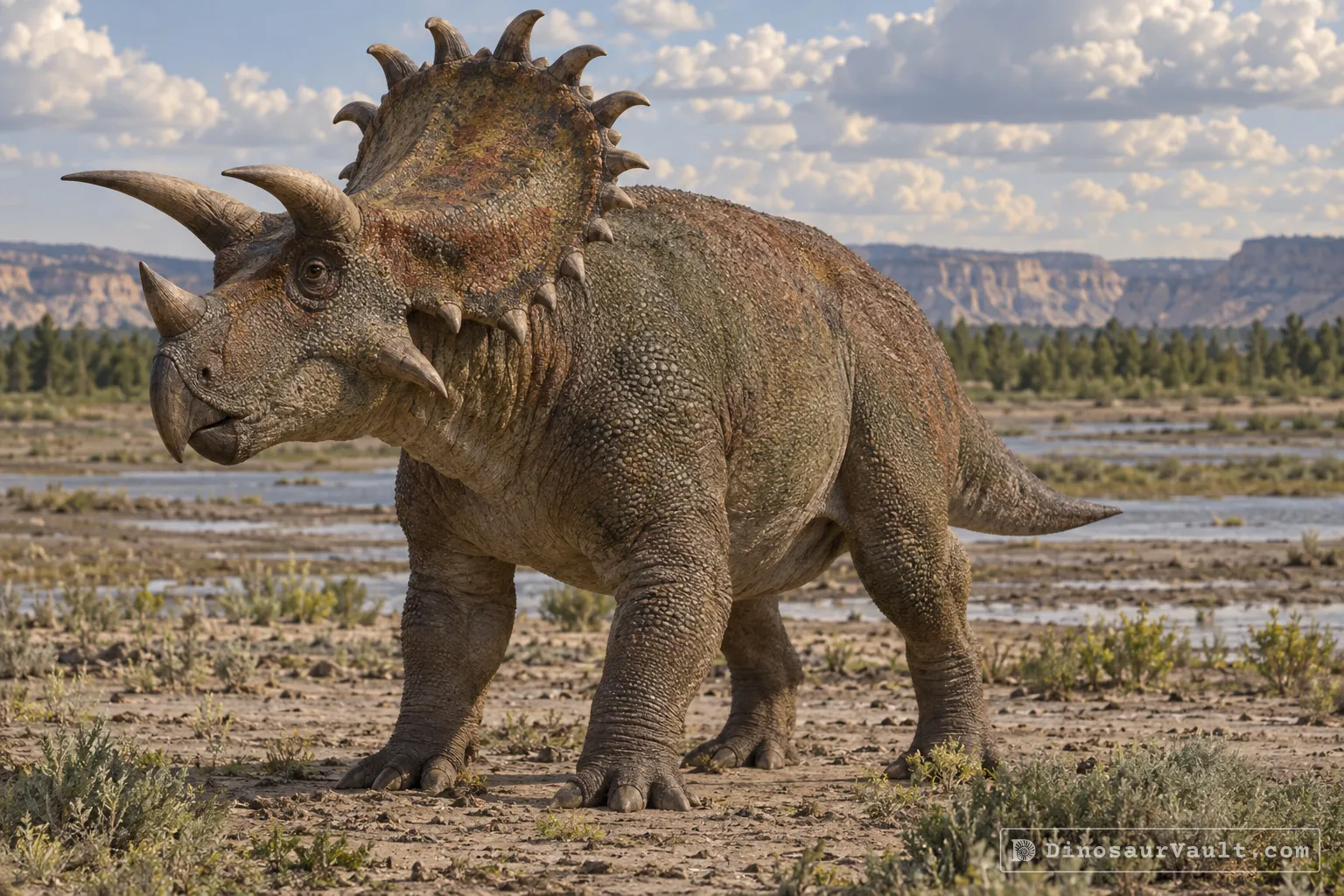
Utahceratops was a large horned plant eater. It had a big horn on its nose, short brow horns that pointed out to the sides and a broad frill. It cut plants with a sharp beak and sliced them with rows of teeth.
Its world
It lived in the Late Cretaceous in what is now Utah. Its bones come from the Kaiparowits Formation, a land of rivers and swamps shared with the horned Kosmoceratops, the tyrannosaur Teratophoneus and the duckbills Gryposaurus and Parasaurolophus.
How it was found
Sampson and colleagues named Utahceratops in 2010, along with Kosmoceratops. There are 8 recorded finds.
Field gallery
More views of Utahceratops
Scenes reconstructed from the available fossil evidence.
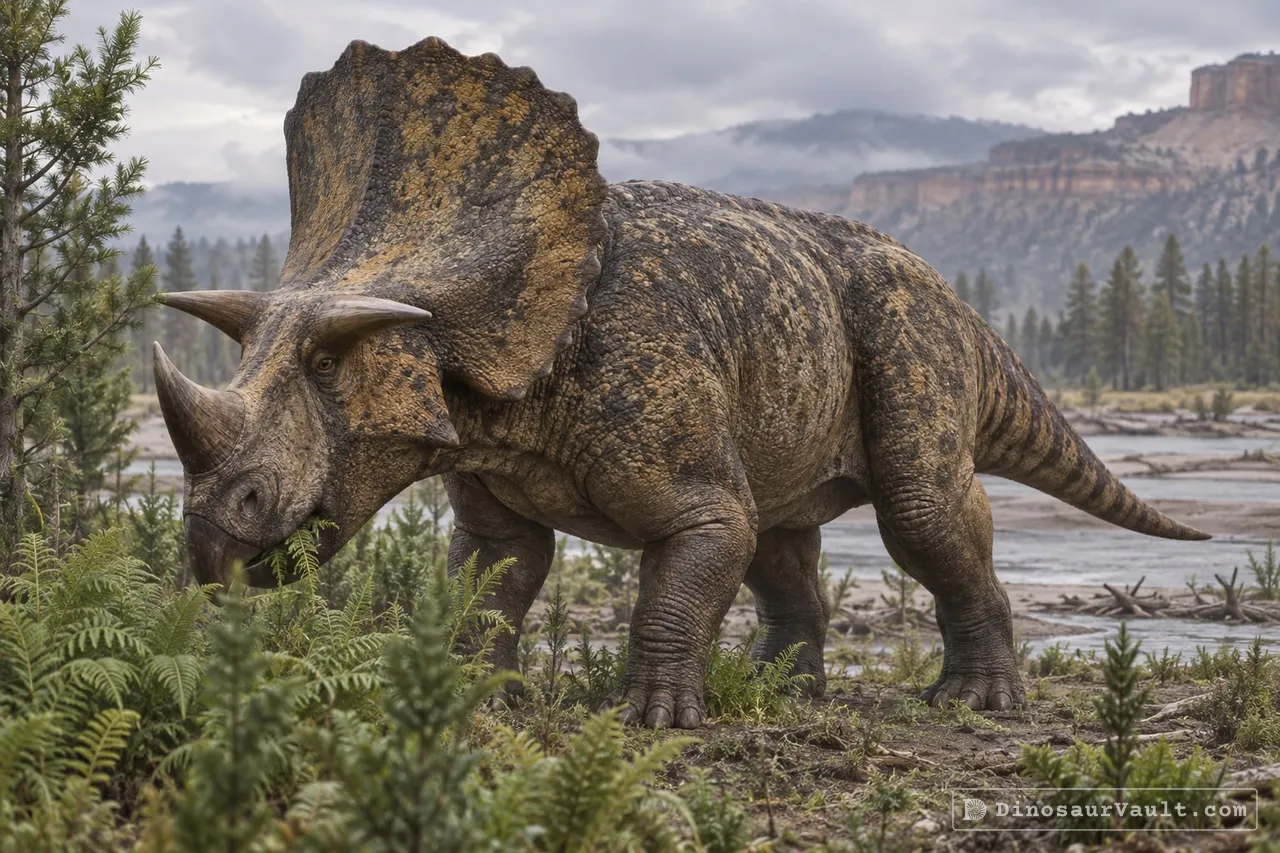
1 of 3
Lived alongside
Found in the same rock formations
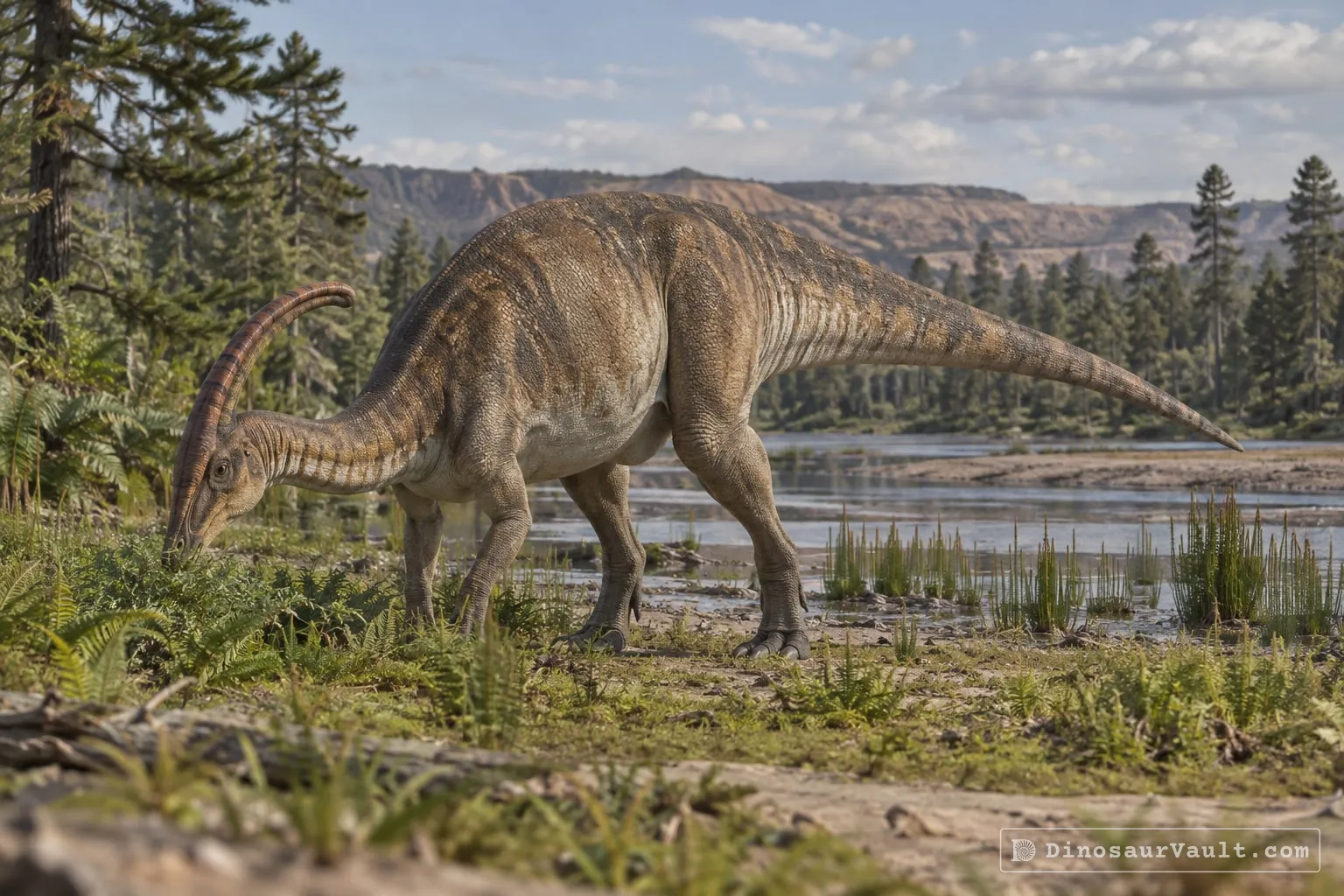
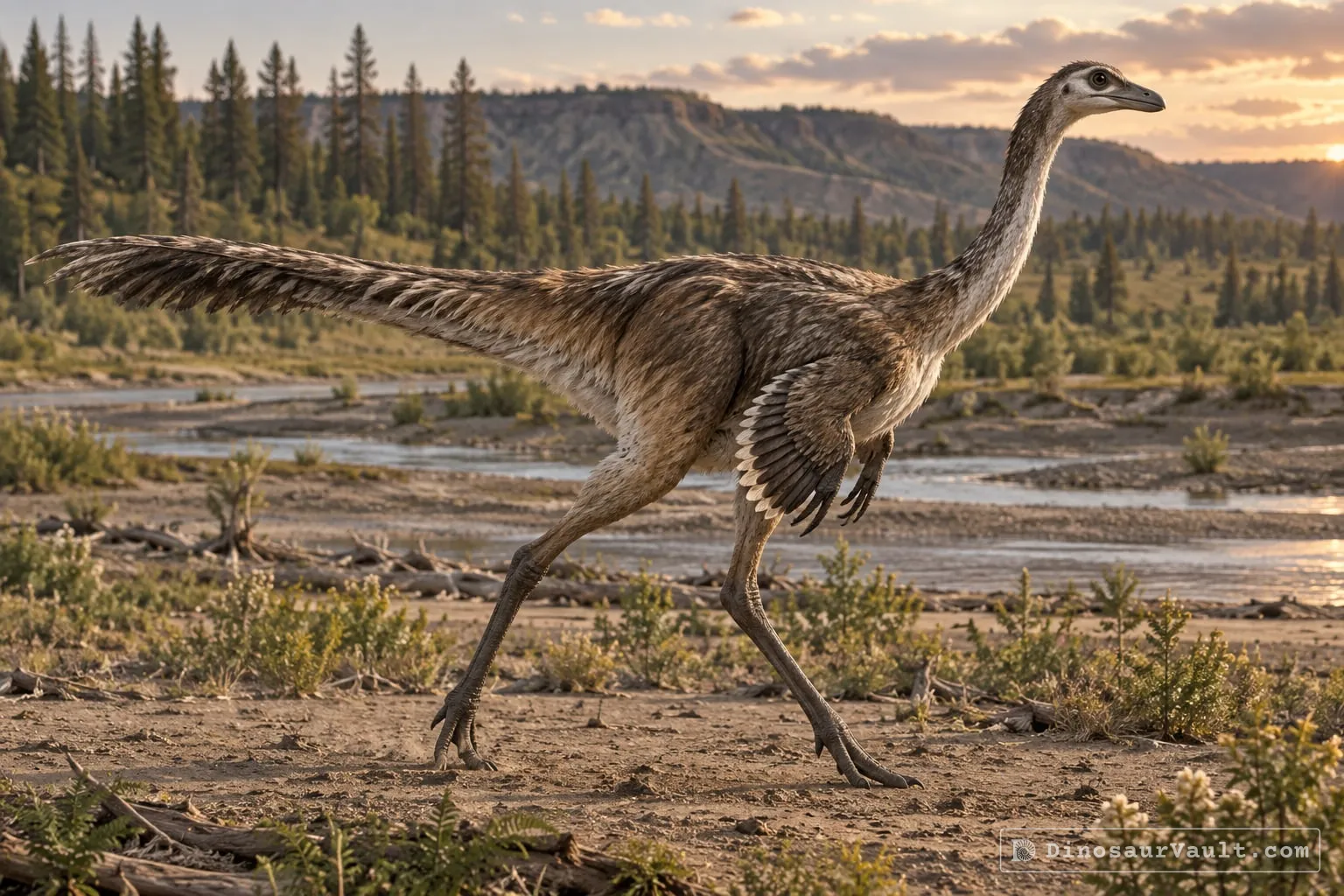
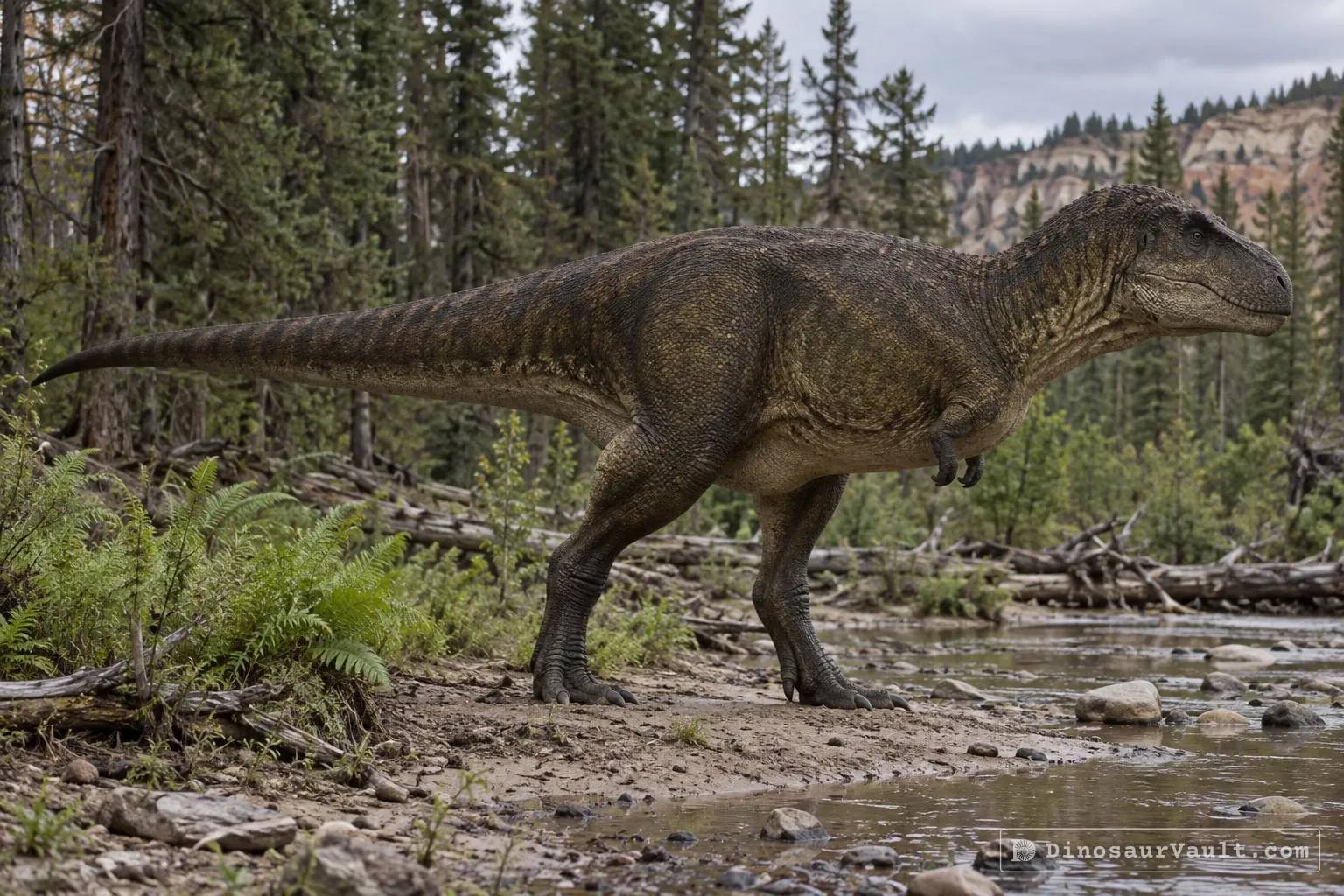
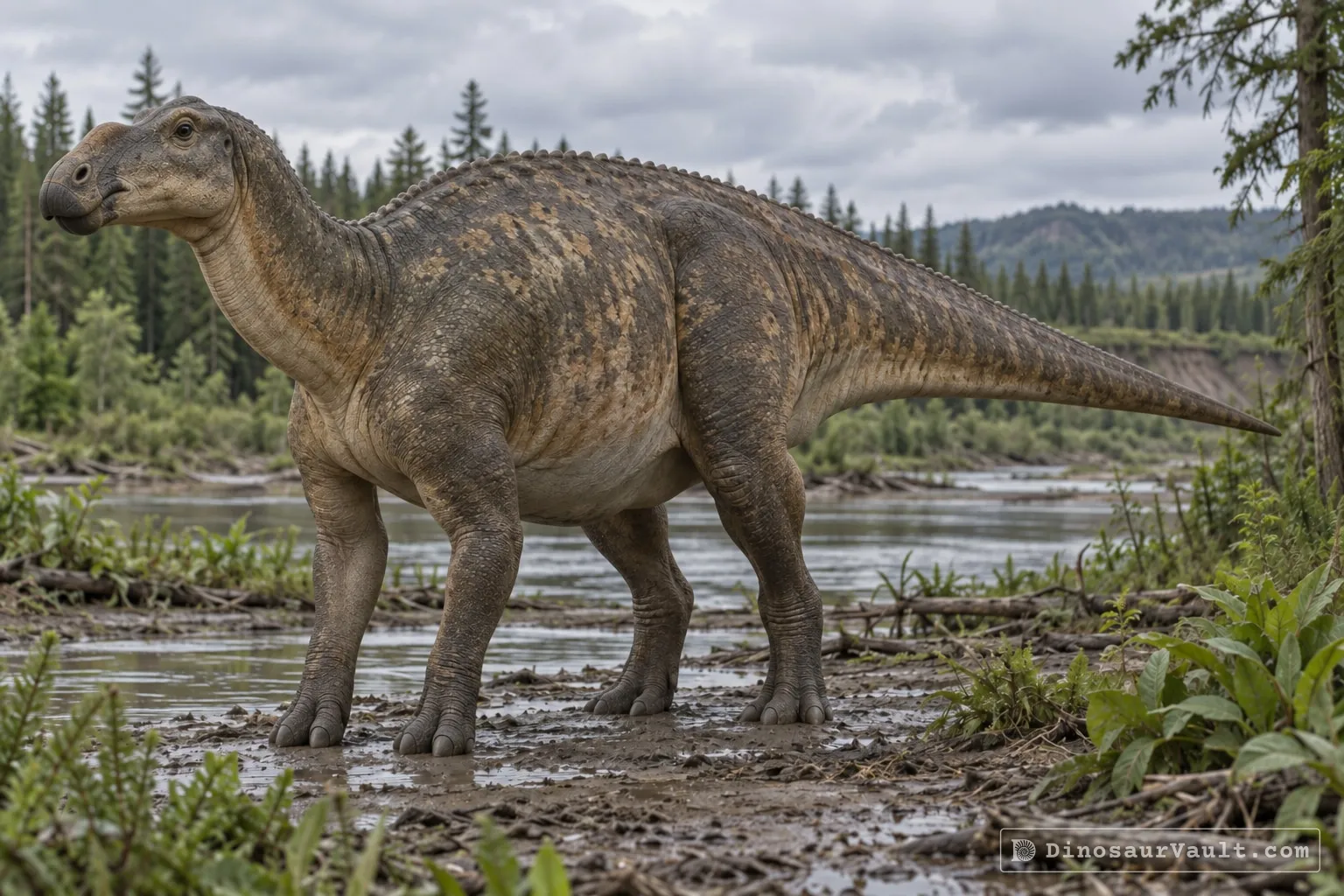
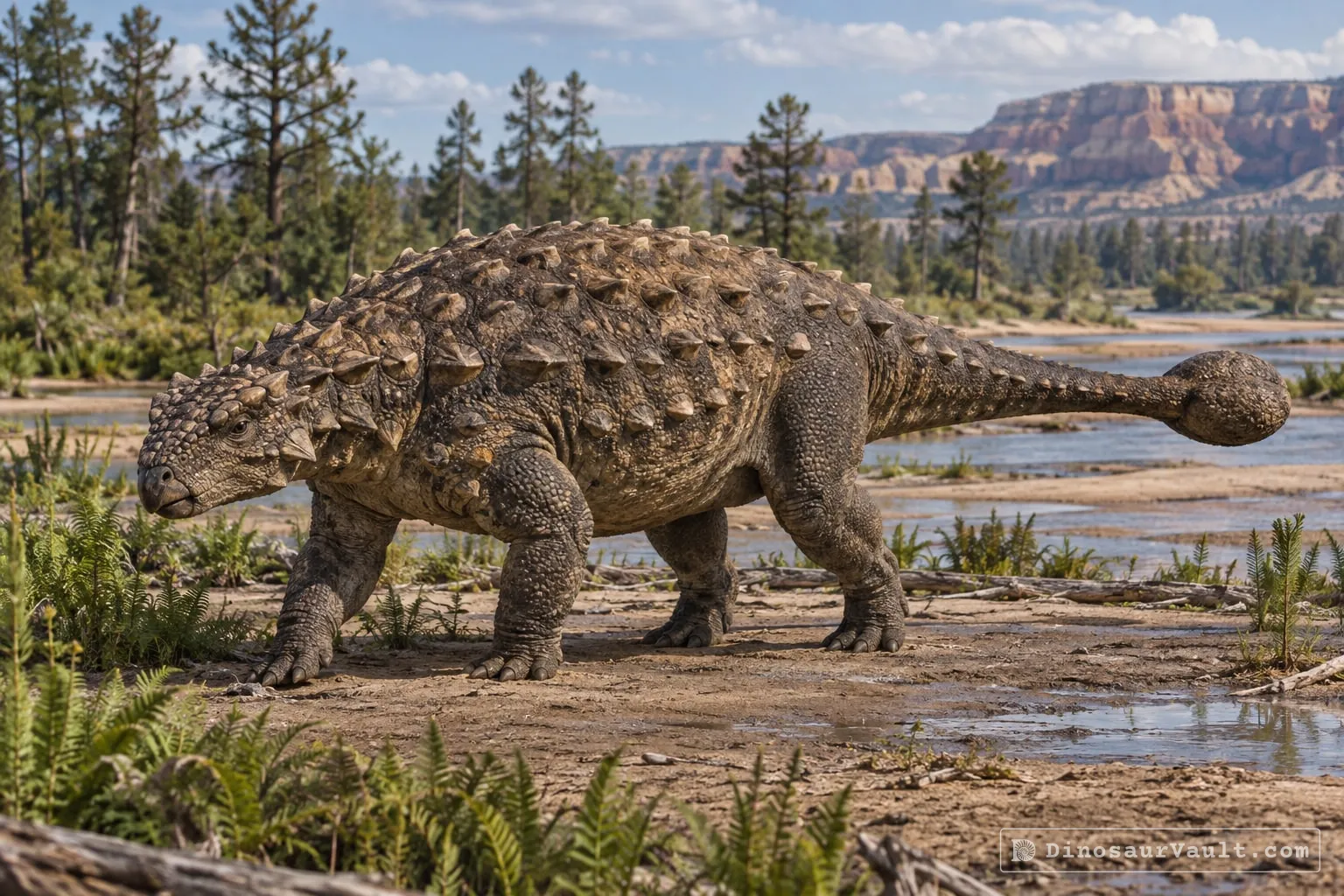
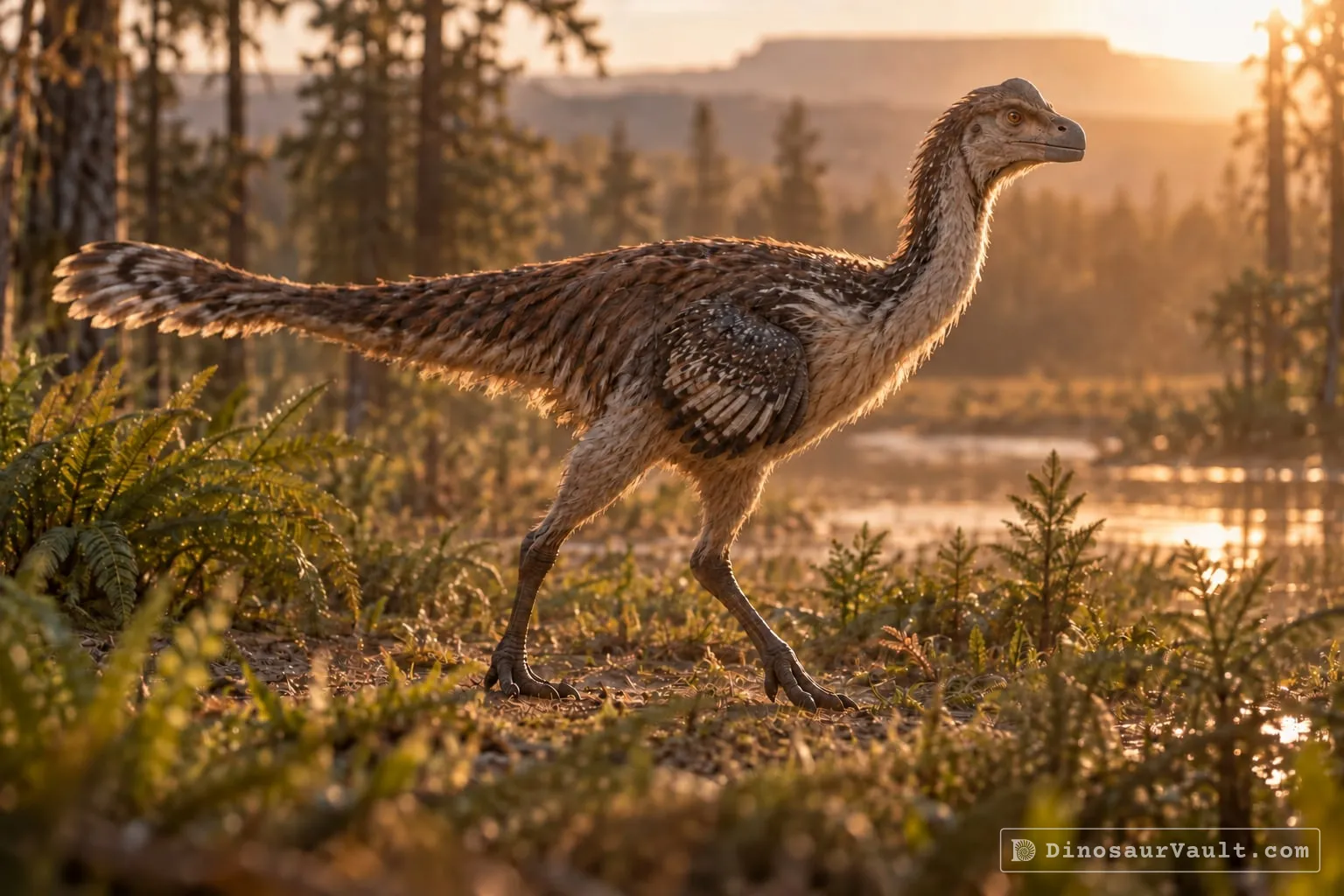


A rock formation can hold fossils laid down millions of years apart, so not every animal here met Utahceratops.
The evidence
The science behind Utahceratops
Which parts of the picture come from its own bones, and which come from its relatives.
From its own fossils
- Several skulls show a large nose horn set far back on the snout and short, blunt brow horns pointing outward.
- The long frill has a deep central notch and low, elongated ornaments along its sides.
- A skull with associated body bones links its distinctive head to the rest of the skeleton.
Borrowed from relatives
- Its horns and frill come from its own skulls; skin and other soft tissues draw on comparisons with horned relatives such as Triceratops.
Still unknown
- Its color and skin pattern.
- How it used its horns and frill during encounters with other animals.
- Whether it cared for its young.
Discovery timeline
- 2010Named itSampson et al.
- 2010Its worldGates et al.
- 2014Family treeLongrich
Key papers
The research behind what we know of Utahceratops
Named it
Named Utahceratops and Kosmoceratops and argued that different horned dinosaur communities lived in northern and southern parts of Laramidia.
New Horned Dinosaurs from Utah Provide Evidence for Intracontinental Dinosaur Endemism. PLoS ONE 5: e12292
Read the paper : New Horned Dinosaurs from Utah Provide Evidence for Intracontinental Dinosaur Endemism (opens in a new tab)Its world
Compared fossil communities including the Kaiparowits Formation and found strong differences between northern and southern regions.
Biogeography of terrestrial and freshwater vertebrates from the late Cretaceous (Campanian) Western Interior of North America. Palaeogeography, Palaeoclimatology, Palaeoecology 291: 371-387
Read the paper : Biogeography of terrestrial and freshwater vertebrates from the late Cretaceous (Campanian) Western Interior of North America (opens in a new tab)Family tree
Compared Utahceratops with northern horned dinosaurs and challenged a strict division between northern and southern dinosaur communities.
The horned dinosaurs Pentaceratops and Kosmoceratops from the upper Campanian of Alberta and implications for dinosaur biogeography. Cretaceous Research 51: 292-308
Read the paper : The horned dinosaurs Pentaceratops and Kosmoceratops from the upper Campanian of Alberta and implications for dinosaur biogeography (opens in a new tab)
Close relatives
Other members of Ceratopsidae


Sources: Wikidata