Outline: a typical ornithopod
Gryposaurus
GRIP-oh-SORE-us
"hooked-nose lizard"
- Lived
- 84 to 72 million years ago, Late Cretaceous
- Diet
- Herbivore
- Length
- about 10 m (33 ft)
- Group
- Ornithopods, Hadrosauridae
- Found in
- Canada and United States
- Named by
- Lambe 1914
Size comparison
To scale

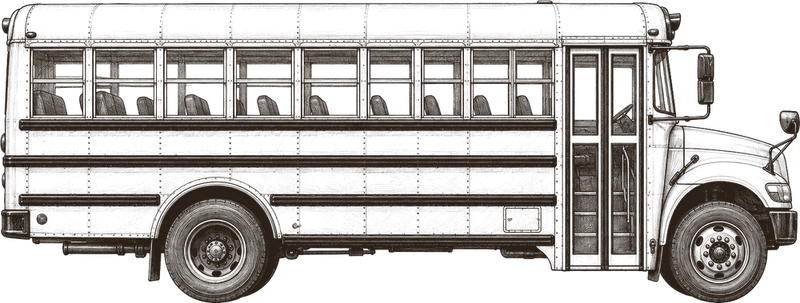
Scale in metersOutline: typical ornithopod shape
Where its fossils were found
The evidence
Today
80 million years ago
Field notes
About Gryposaurus
What it was like
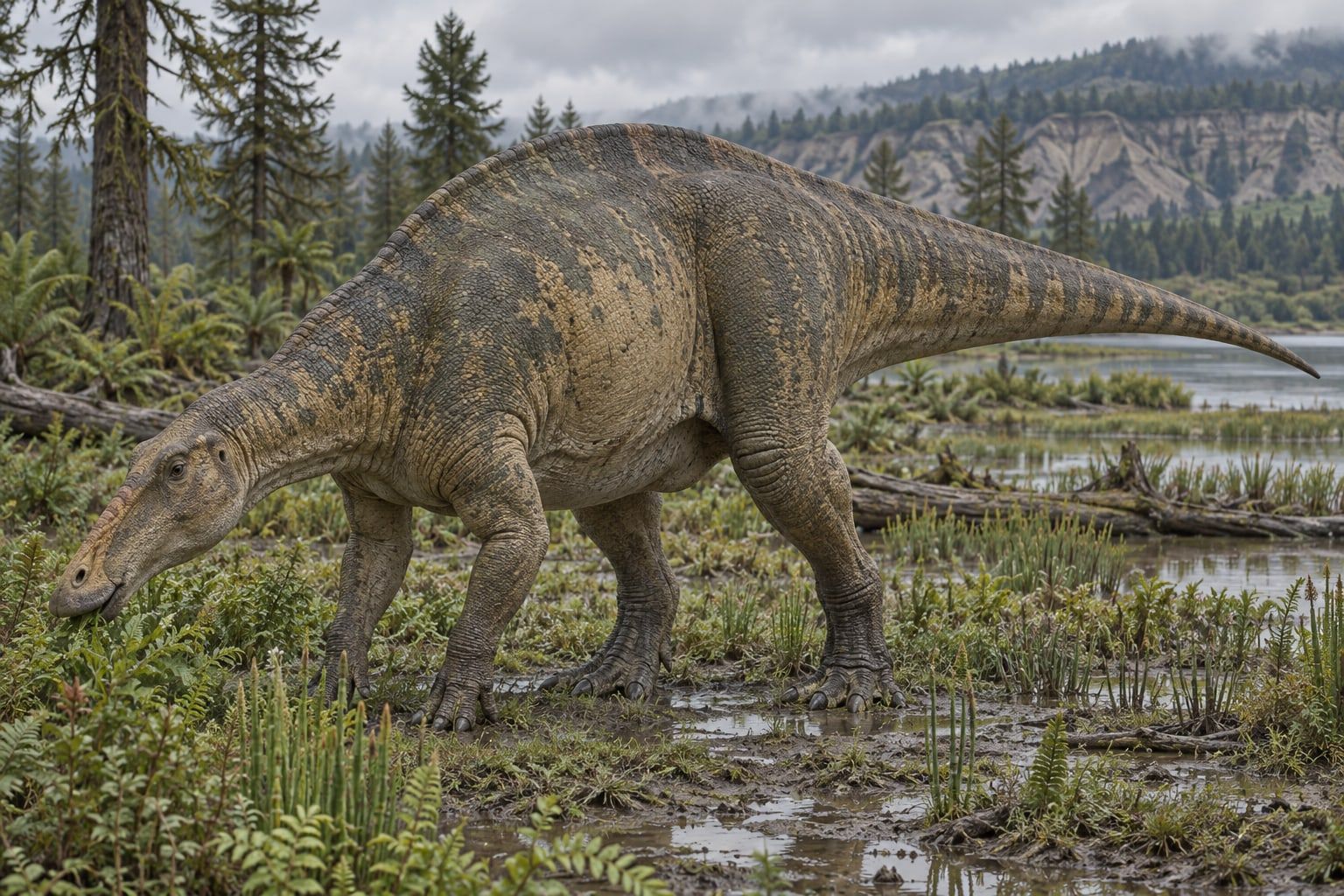
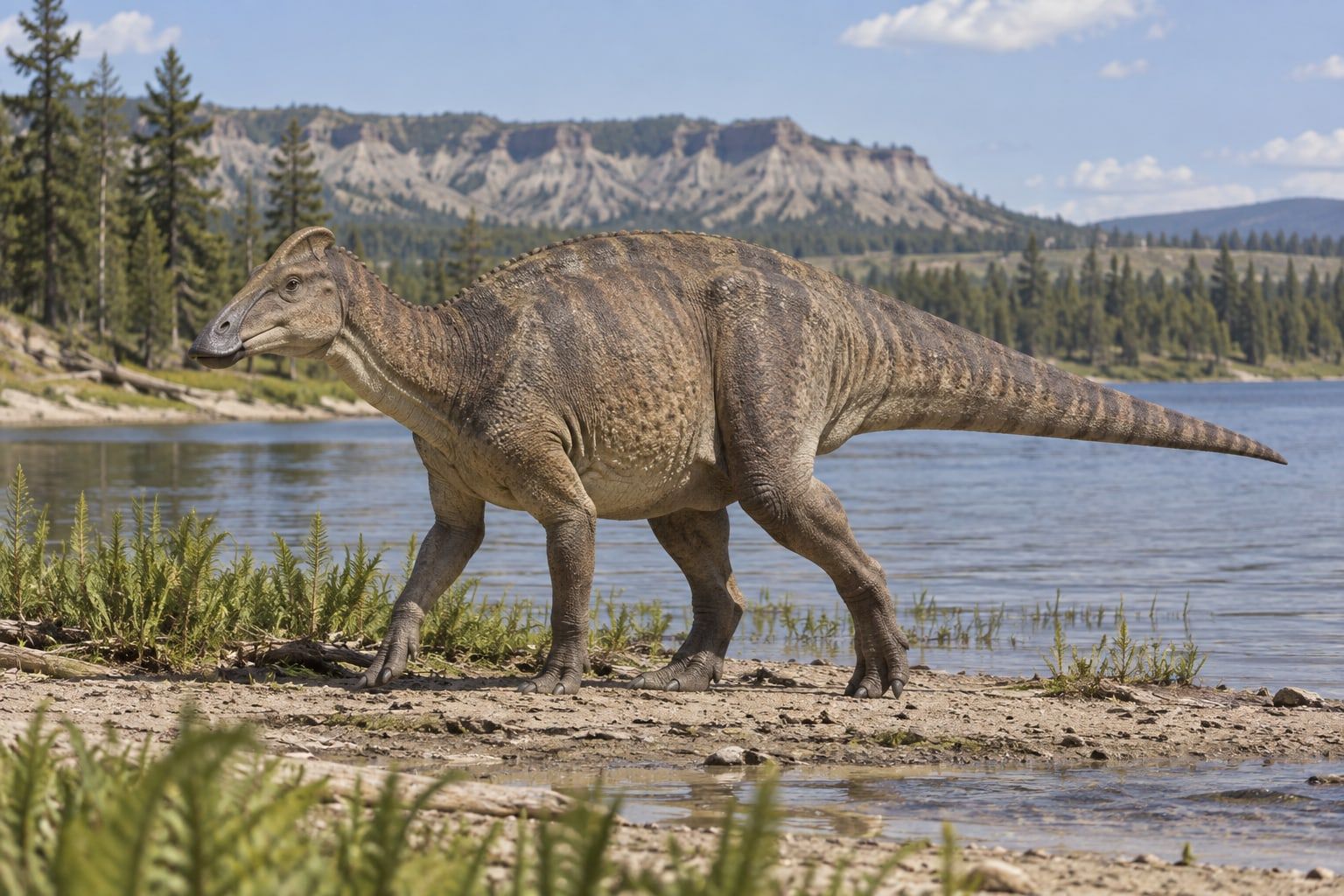
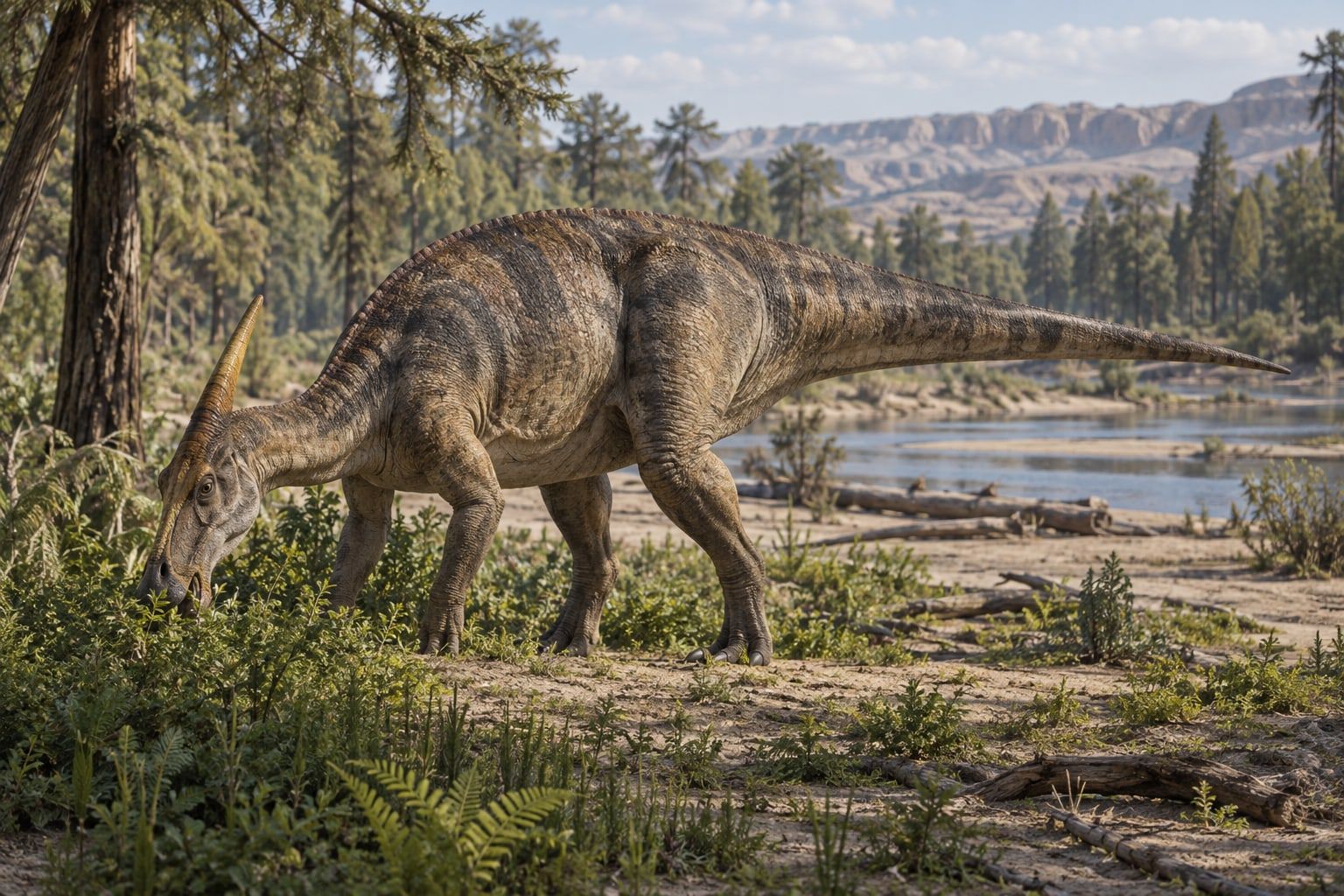
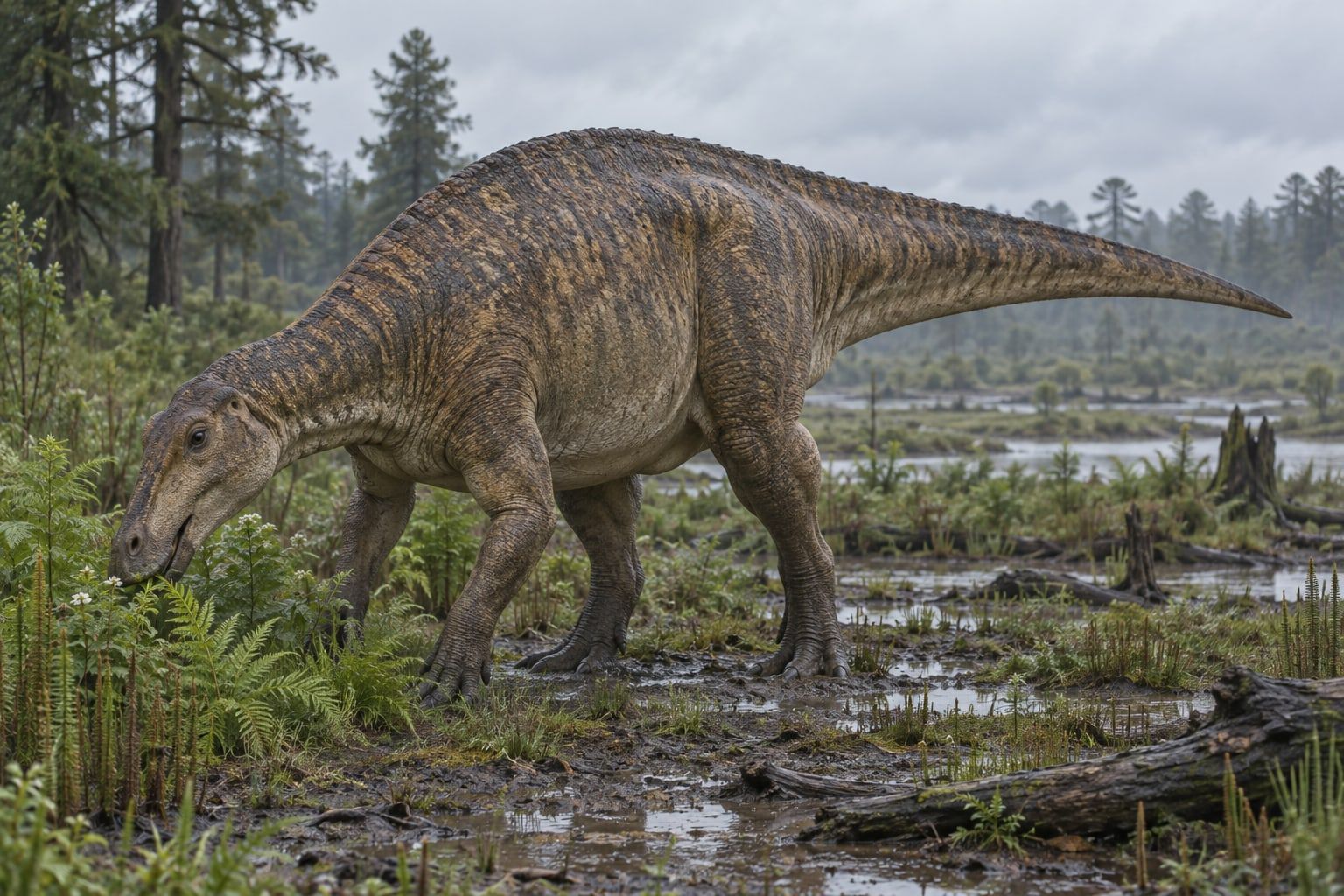
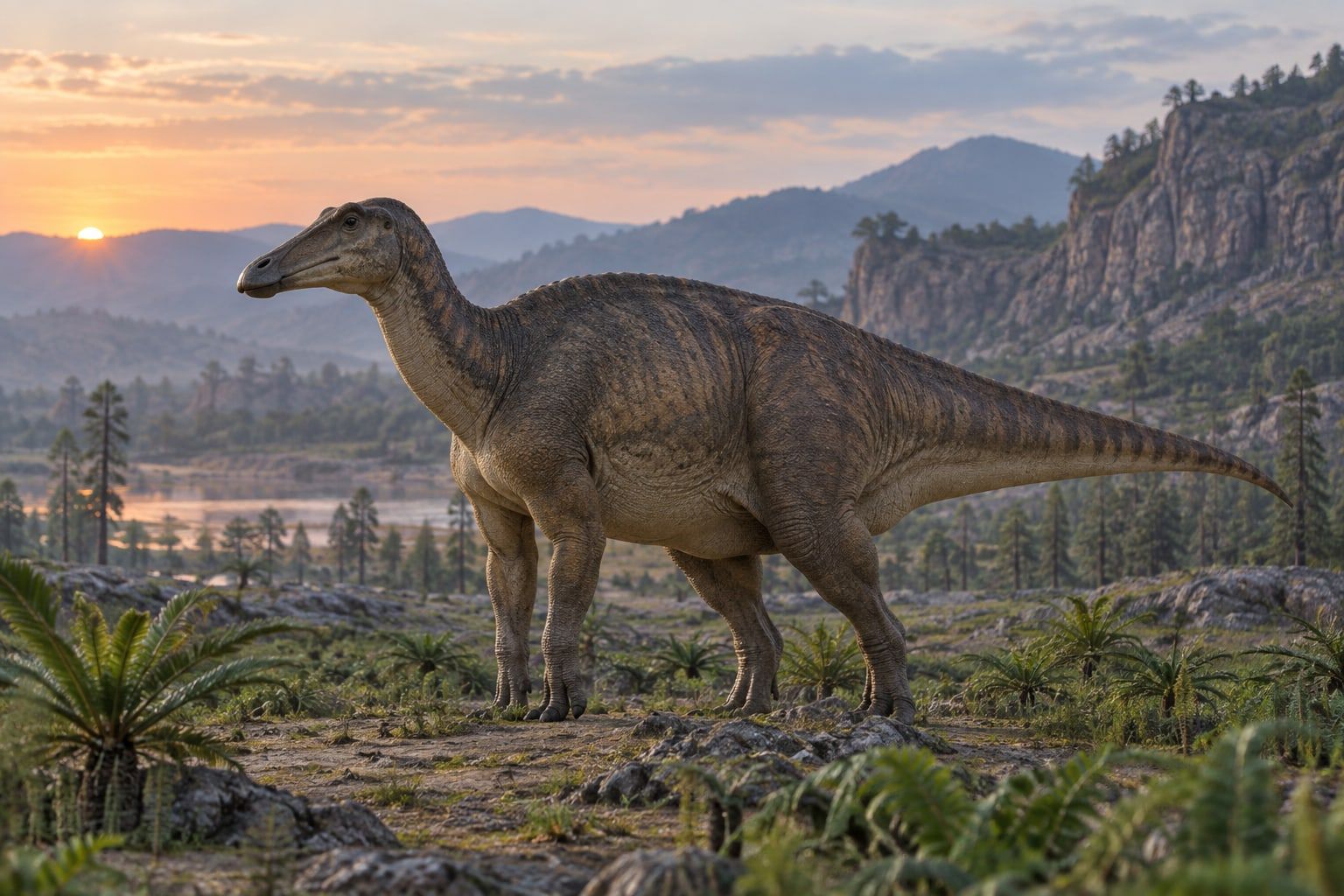
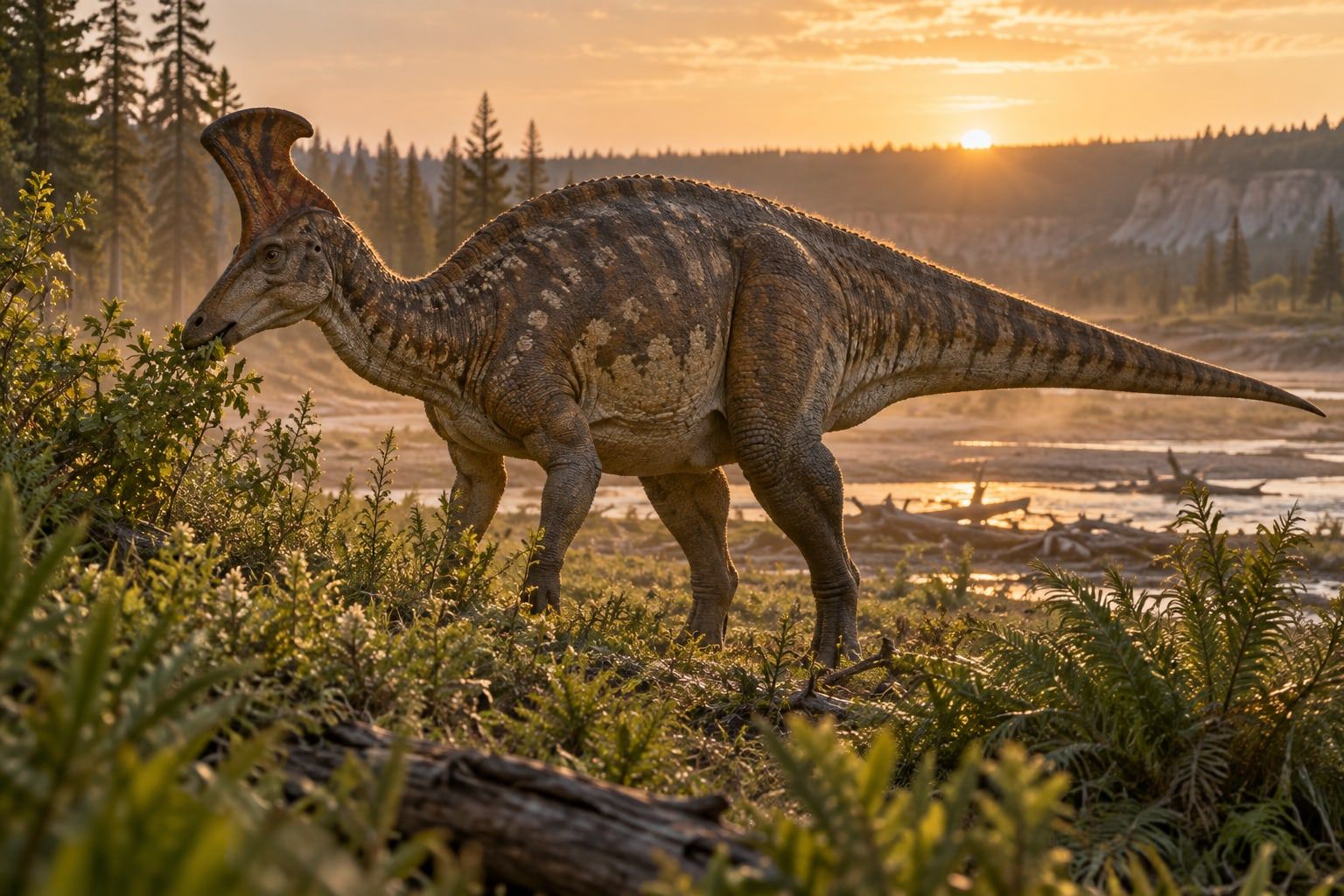
Gryposaurus was a large duck-billed plant eater, up to about 10 meters (33 feet) long. Its most obvious feature was a tall bony arch on its snout, giving it a hooked nose. It may have used this bump for display. Rows of teeth in its jaws ground tough plants.
Its world
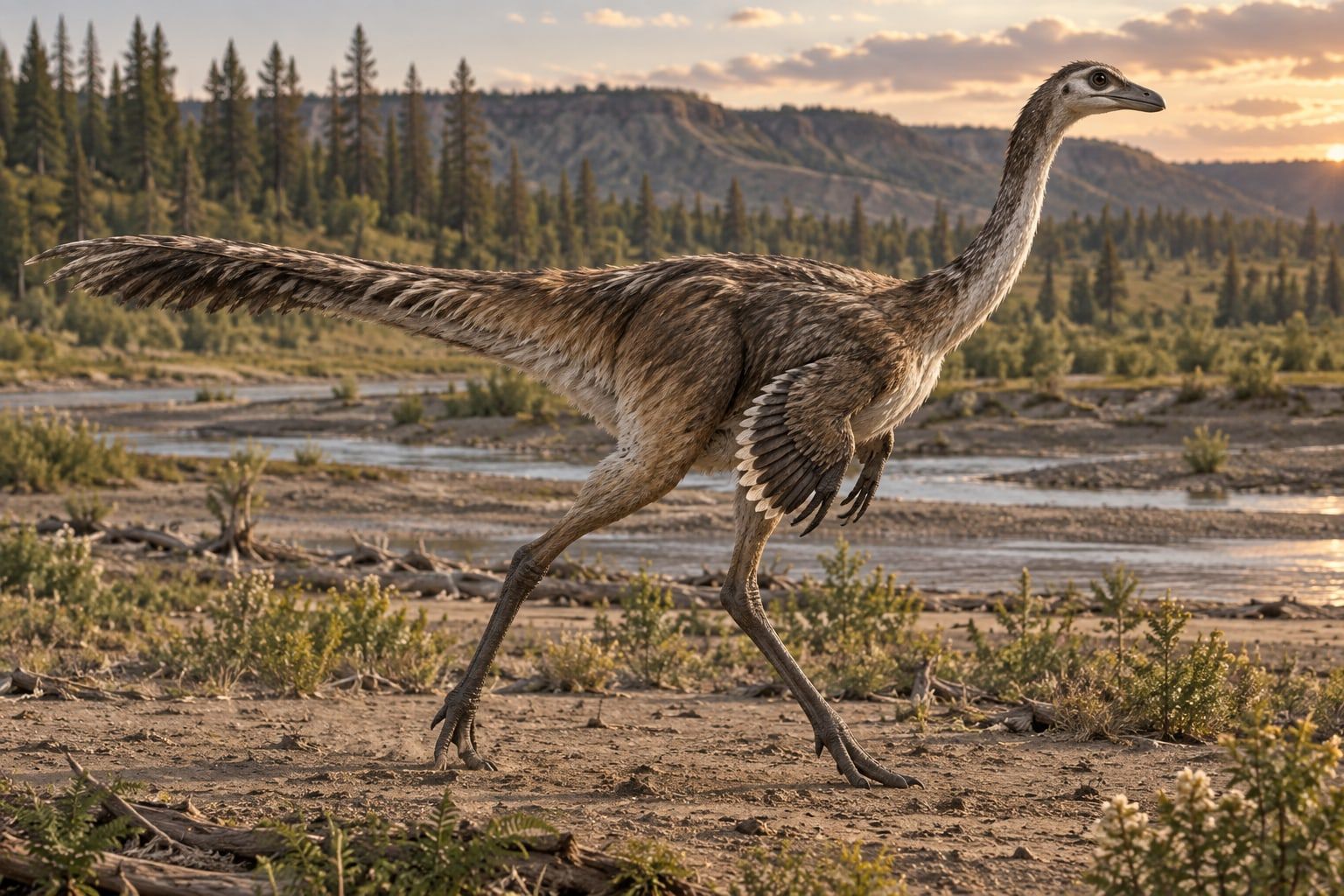
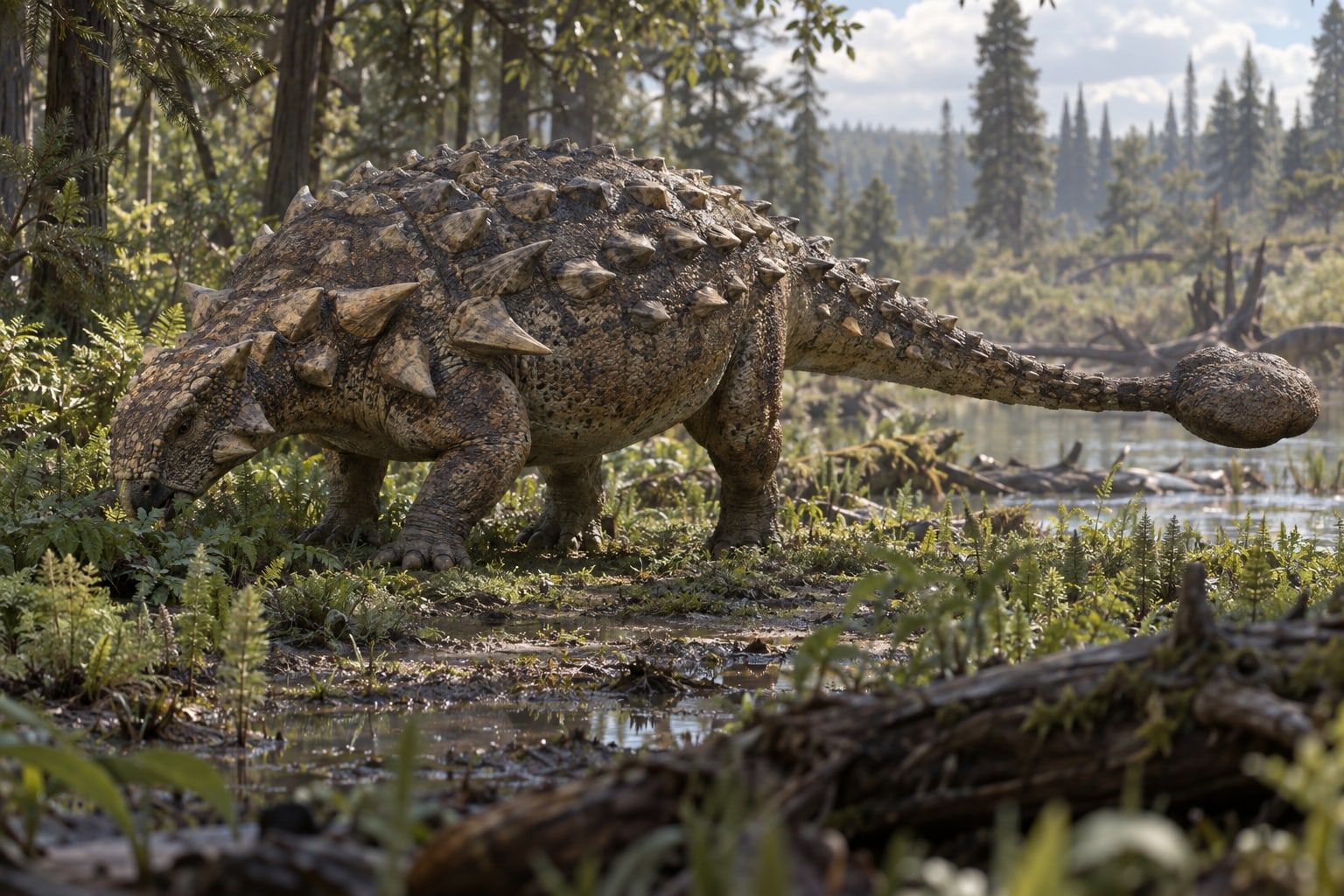
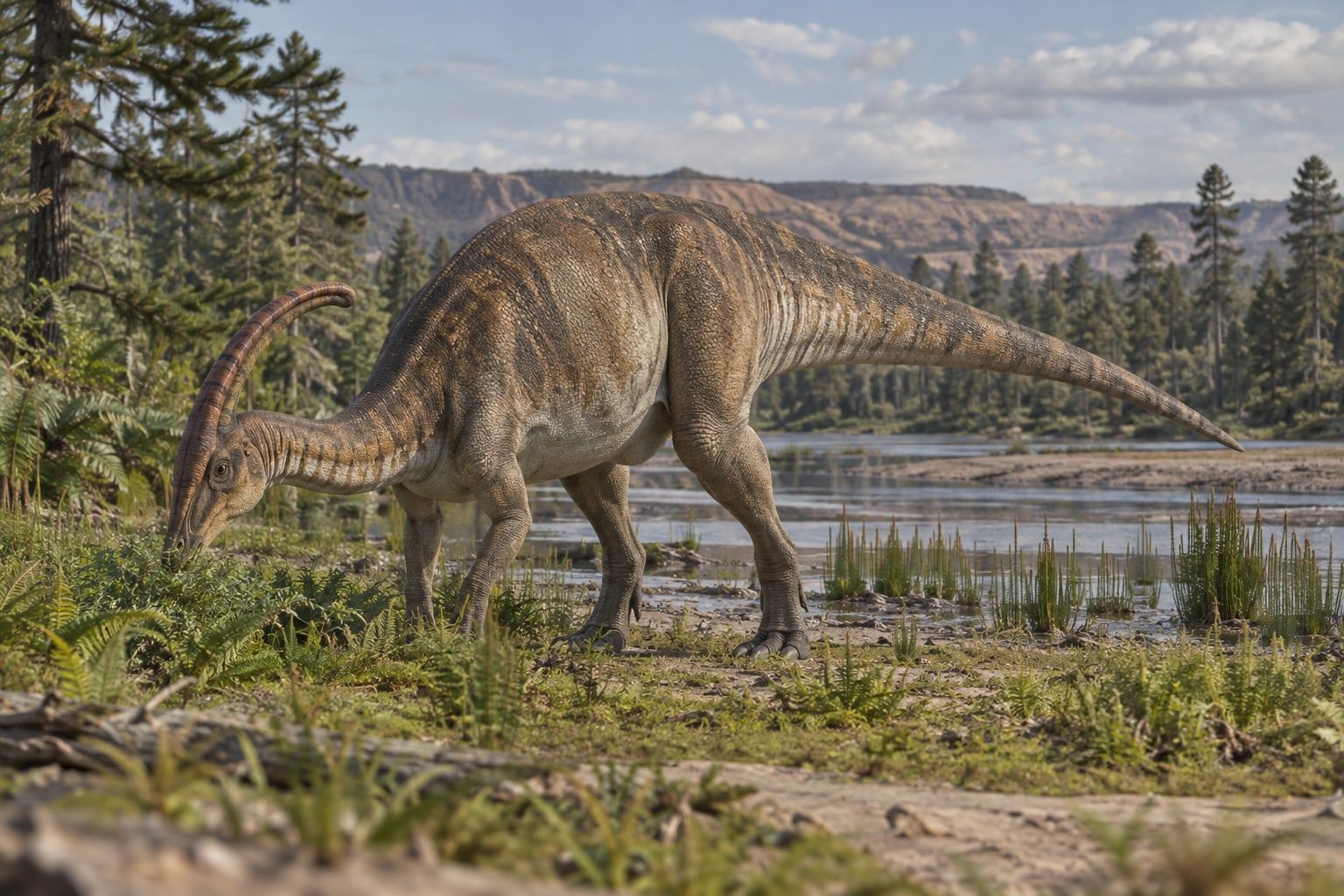
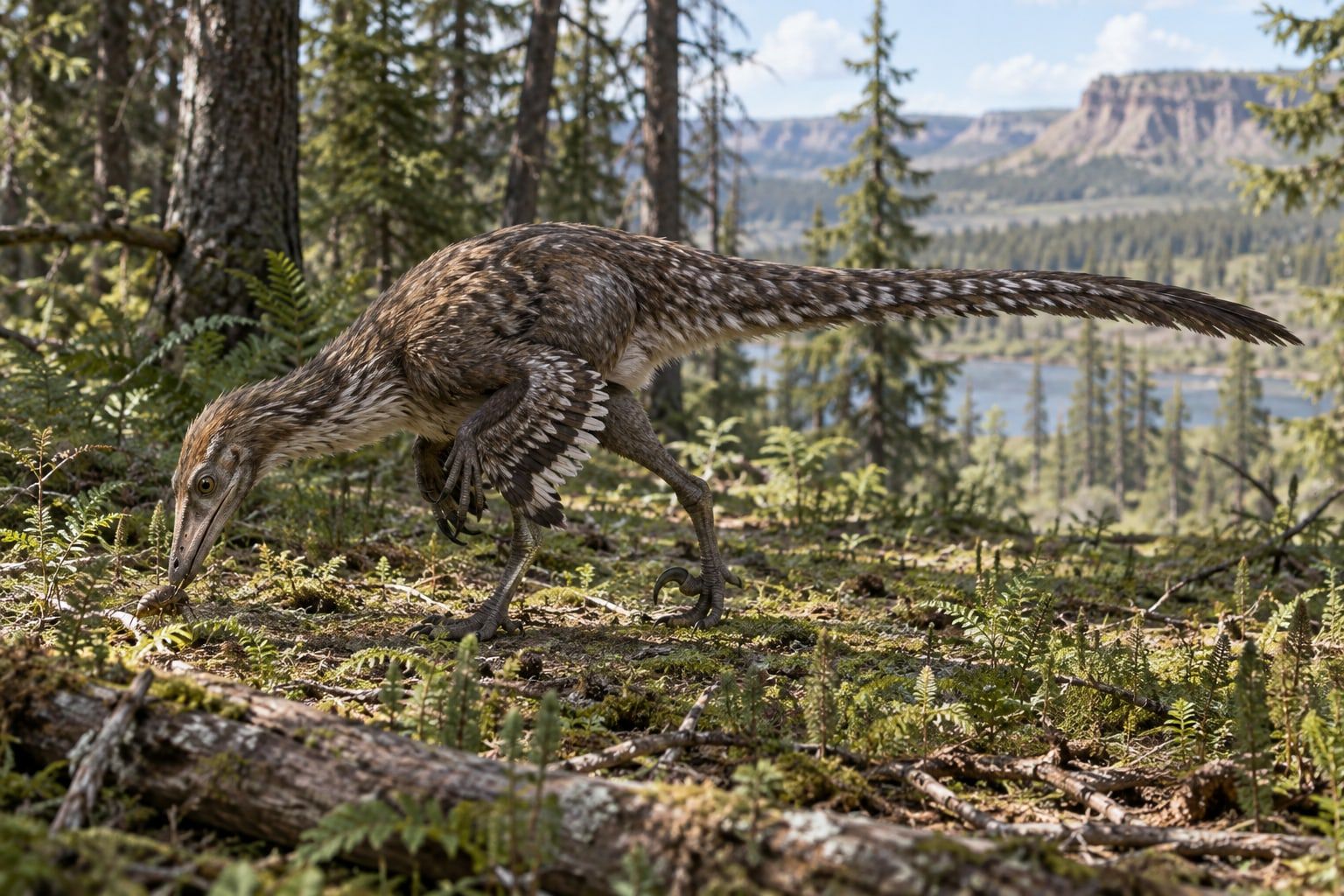
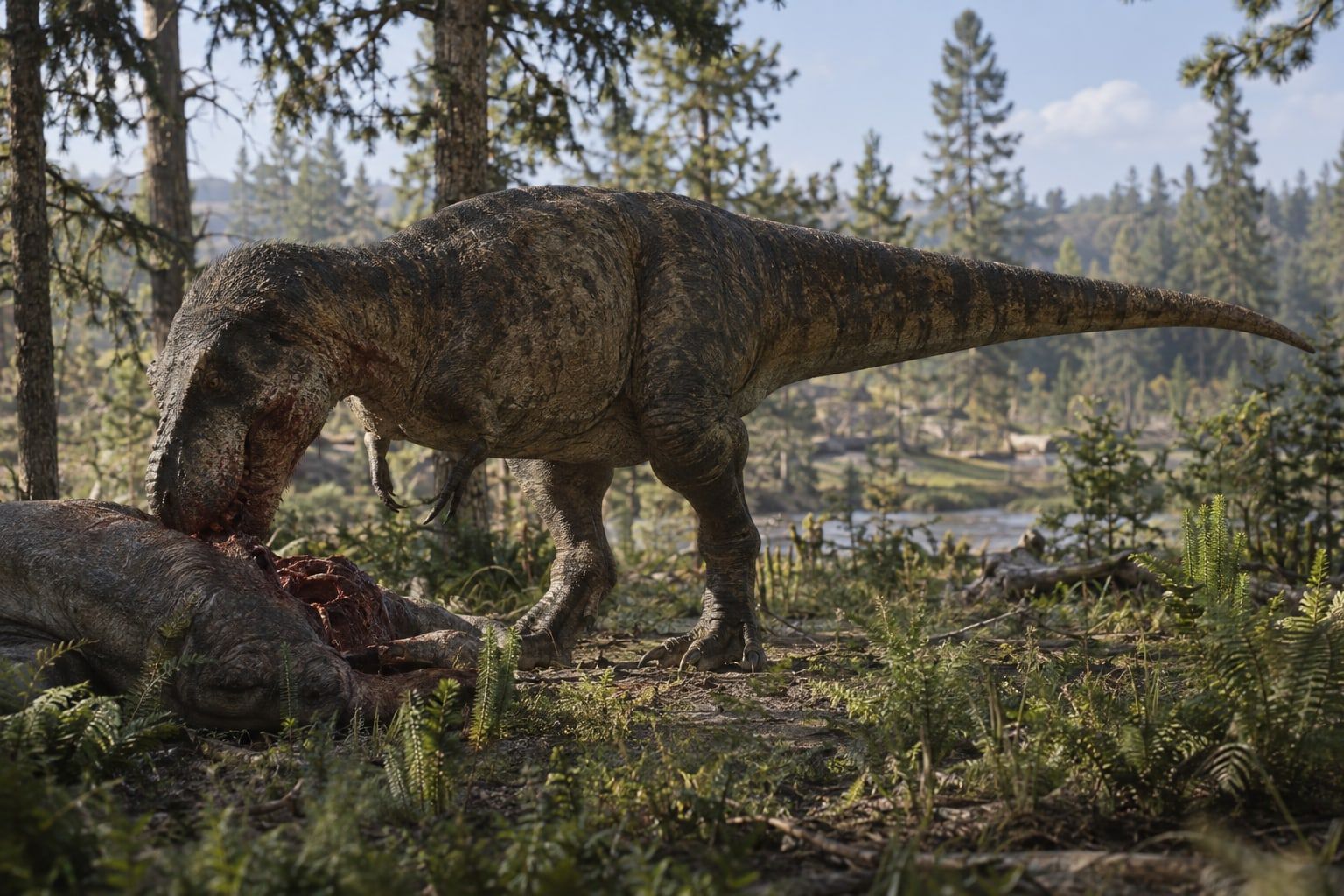
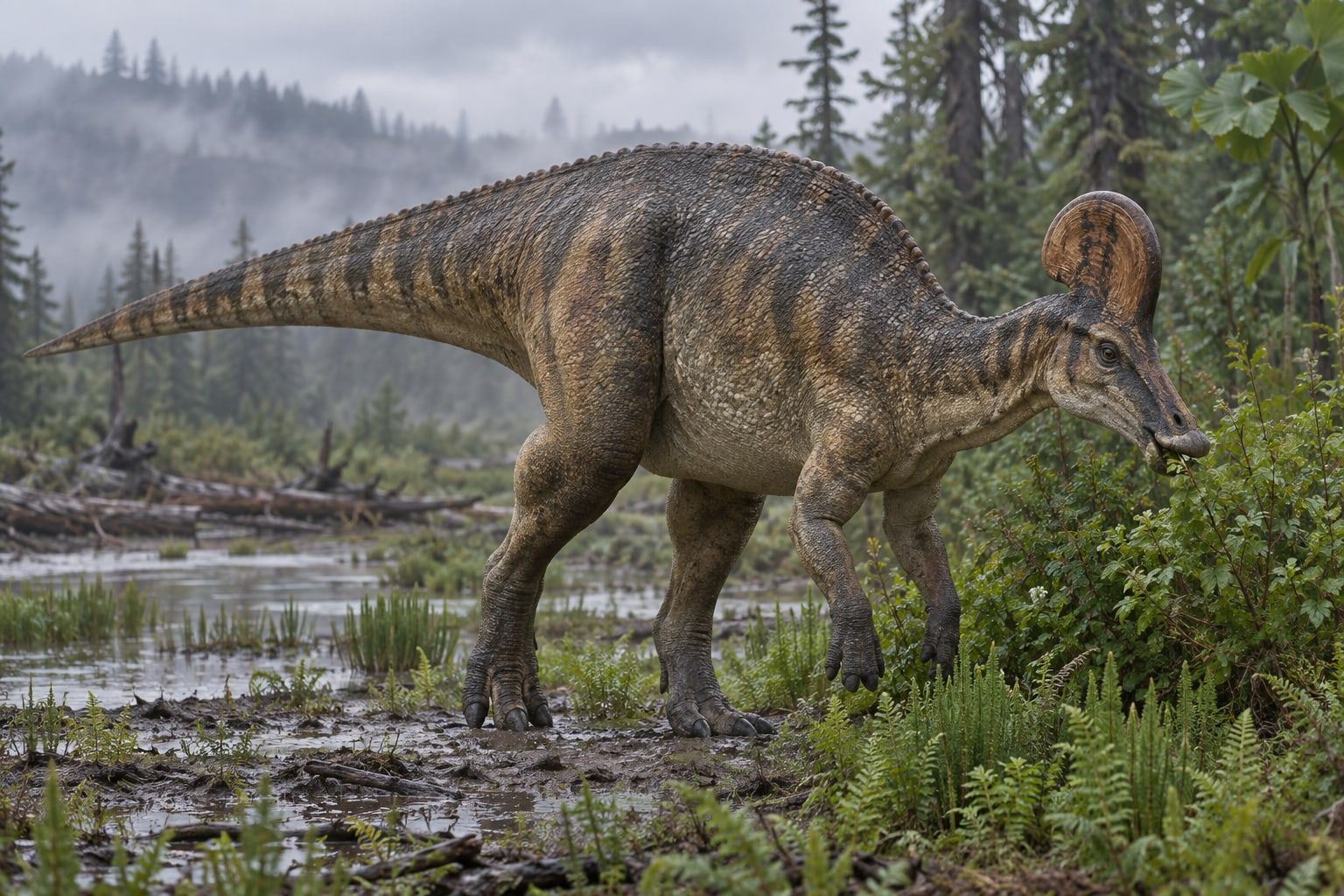
It lived in the Late Cretaceous in what is now Alberta, Montana and Utah. Its bones come from the Dinosaur Park, Two Medicine and Kaiparowits formations. In Alberta it lived alongside the crested duckbills Corythosaurus and Parasaurolophus and the tyrannosaur Daspletosaurus.
How it was found
Lambe named Gryposaurus in 1914. There are 16 recorded finds, and several species have been named from different regions.
Lived alongside
Found in the same rock formations
Close relatives
Other members of Hadrosauridae
Sources: WikidataNamed in: L. M. Lambe. 1914. On Gryposaurus notabilis, a new genus and species of trachodont dinosaur from the Belly River Formation of Alberta, with a description of the skull of Chasmosaurus belli. The Ottawa Naturalist 27(11):145-155