Struthiosaurus
"ostrich lizard"
- Lived
- 84 to 66 million years ago, Late Cretaceous
- Diet
- Herbivore
- Length
- about 2.5 m (8 ft)
- Group
- Ankylosaurs, Nodosauridae
- Found in
- Austria, Romania and Spain
- Named by
- Bunzel 1870
Size comparison
To scale

Scale in metersOutline: typical ankylosaur shape
Where its fossils were found
The evidence
Today

75 million years ago
Also reported from France.
Habitat
It lived on European islands with wooded lowlands and rivers. Regional neighbors included Rhabdodon, Zalmoxes and Telmatosaurus.
Field notes
About Struthiosaurus
What it was like
Struthiosaurus was one of the smallest armored dinosaurs, about 2.5 meters (8 feet) long. It had spikes on its shoulders and bands of armor on its back. Its small size may come from life on islands.
Its world
It lived in the Late Cretaceous, in what is now Austria, Romania and Spain. Europe was then a chain of islands, and it shared them with the small plant eaters Rhabdodon and Zalmoxes, the duckbill relative Telmatosaurus and the dwarf sauropod Magyarosaurus.
How it was found
Bunzel named Struthiosaurus in 1870. The odd name came from the first skull piece, which he thought looked like a bird's.
Field gallery
More views of Struthiosaurus
Scenes reconstructed from the available fossil evidence.
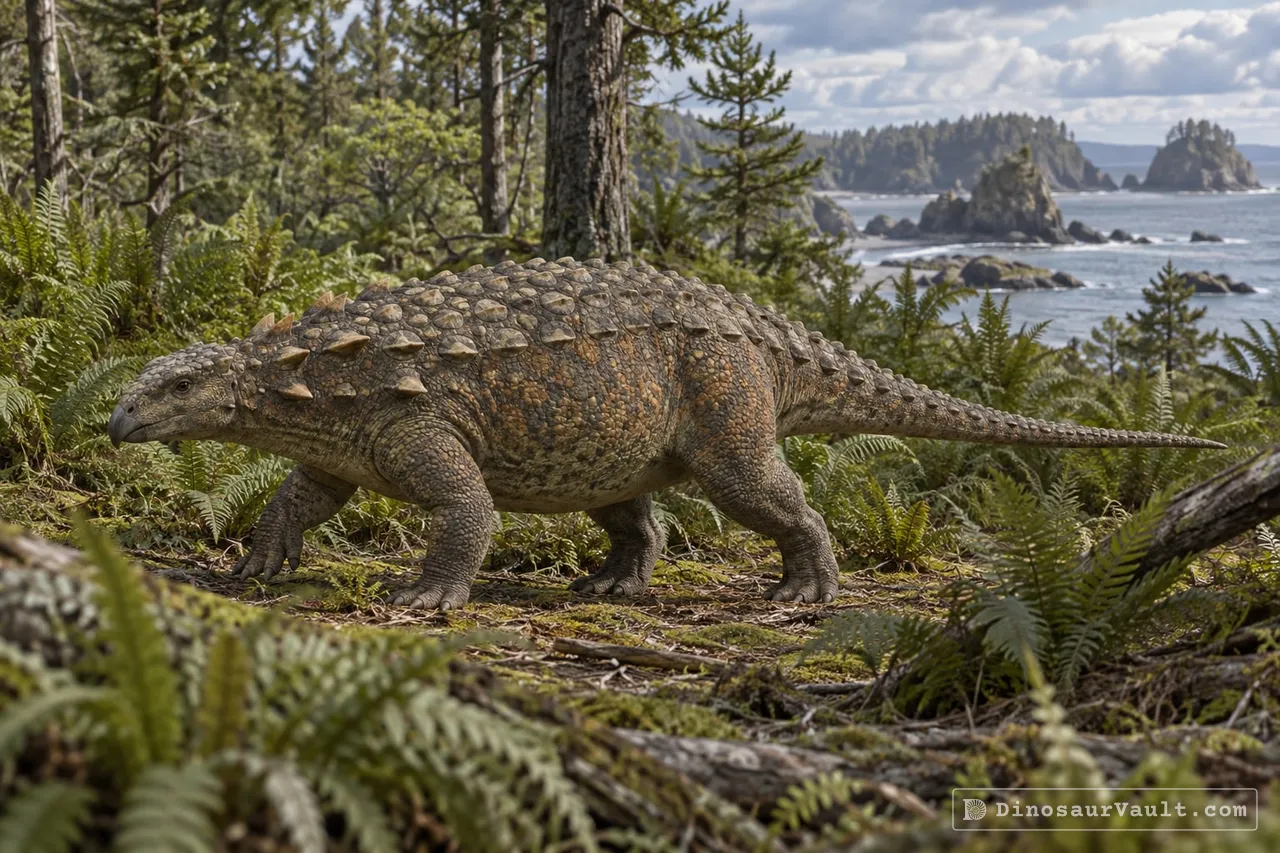
1 of 3
Lived alongside
Found in the same rock formations
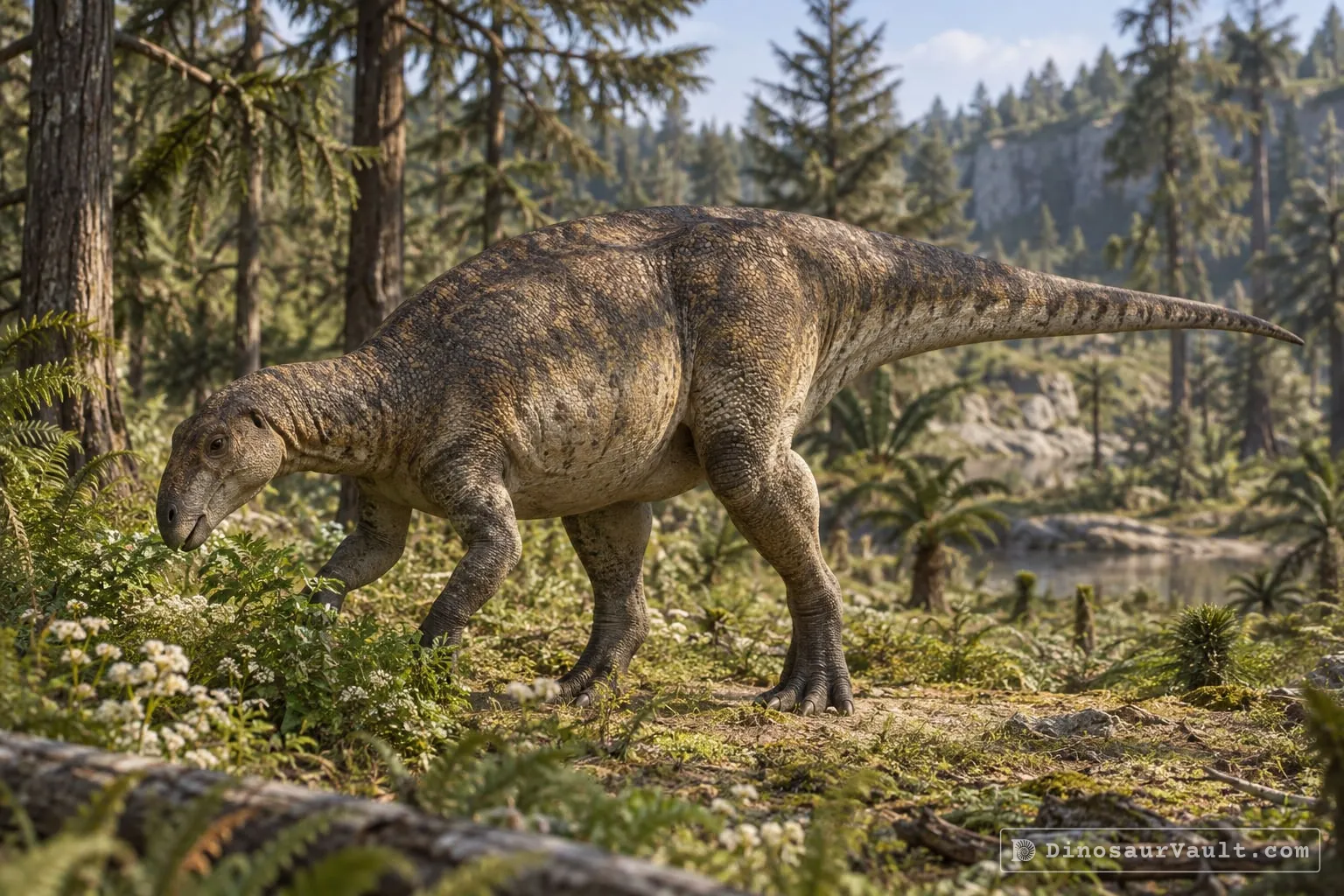
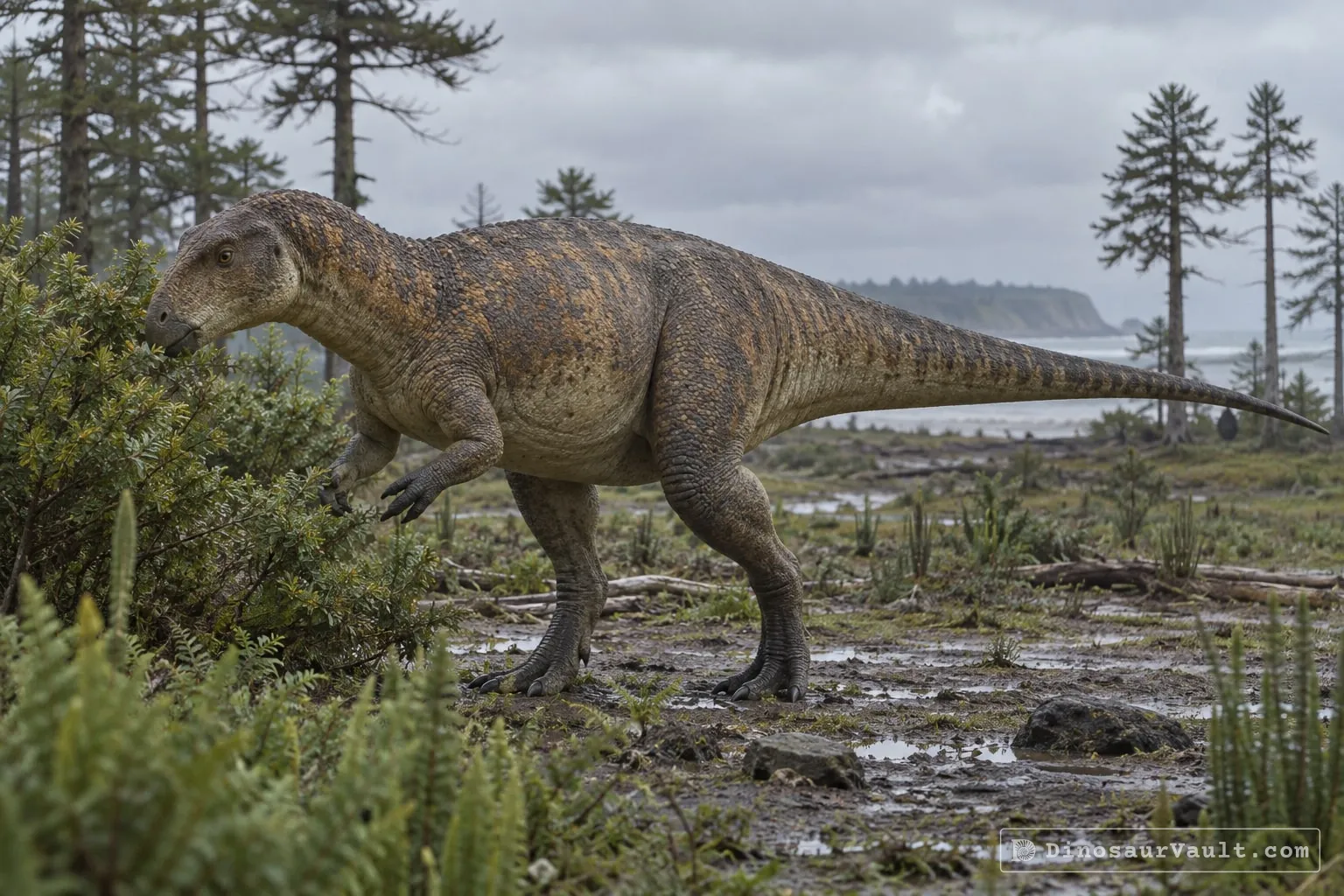
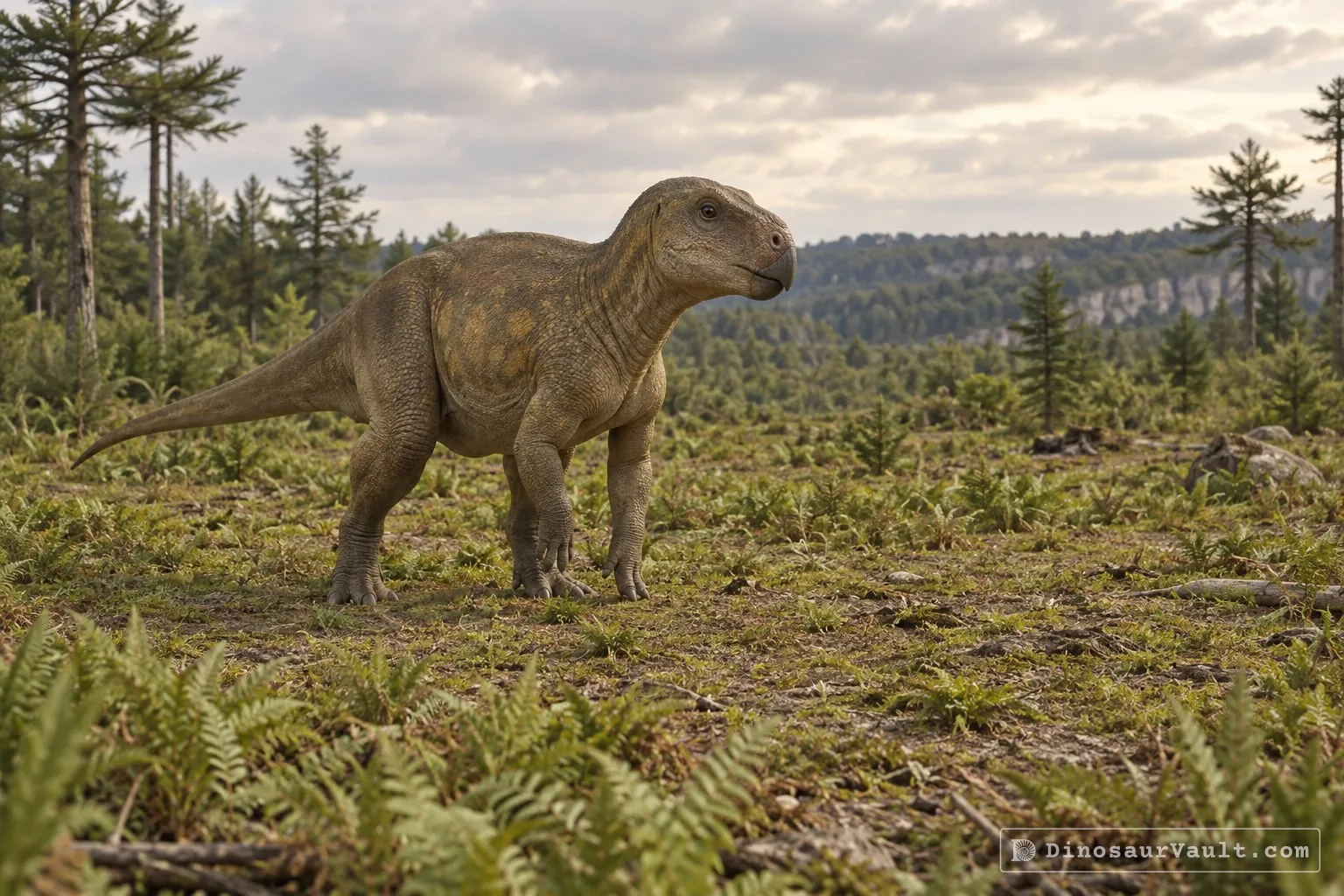
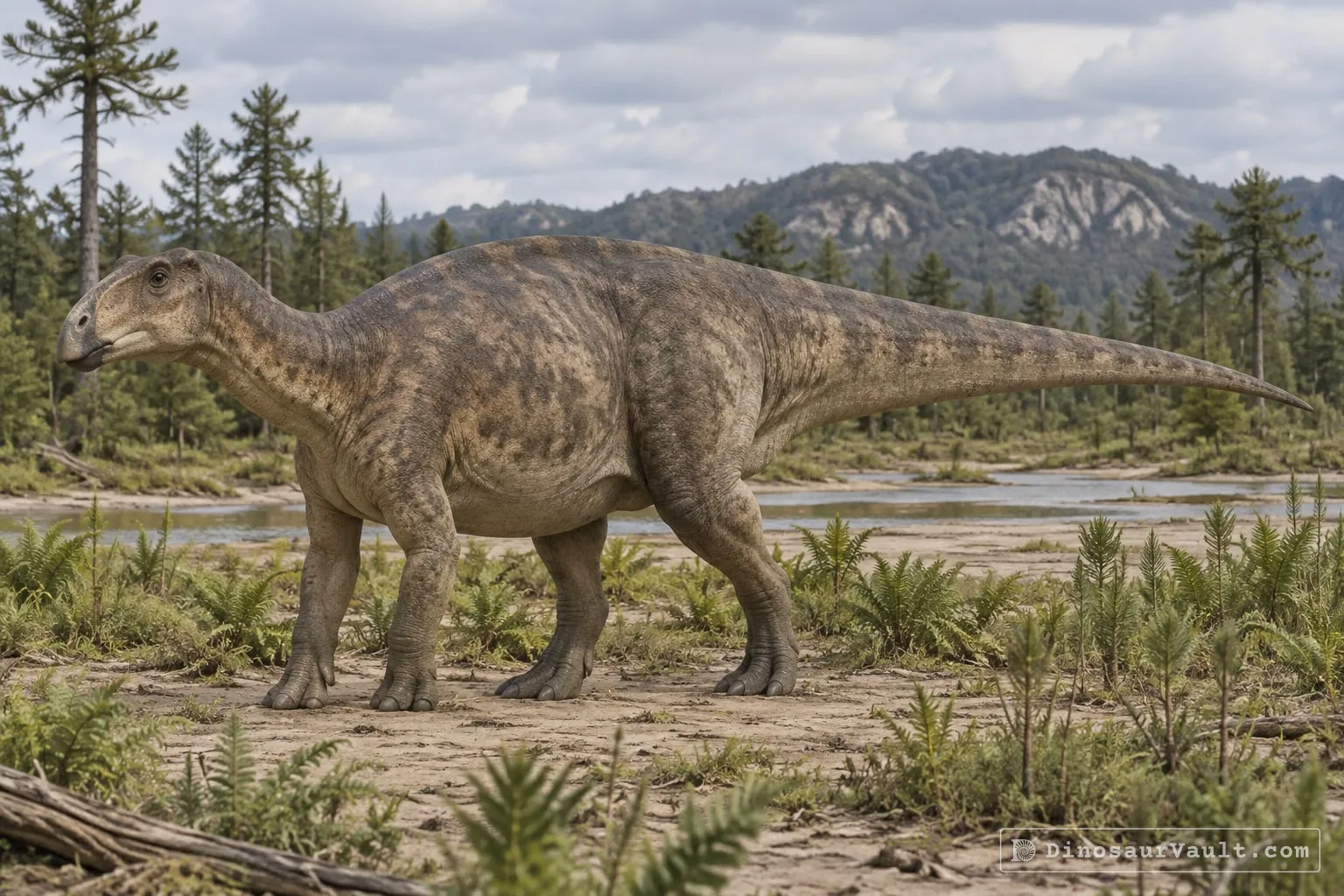
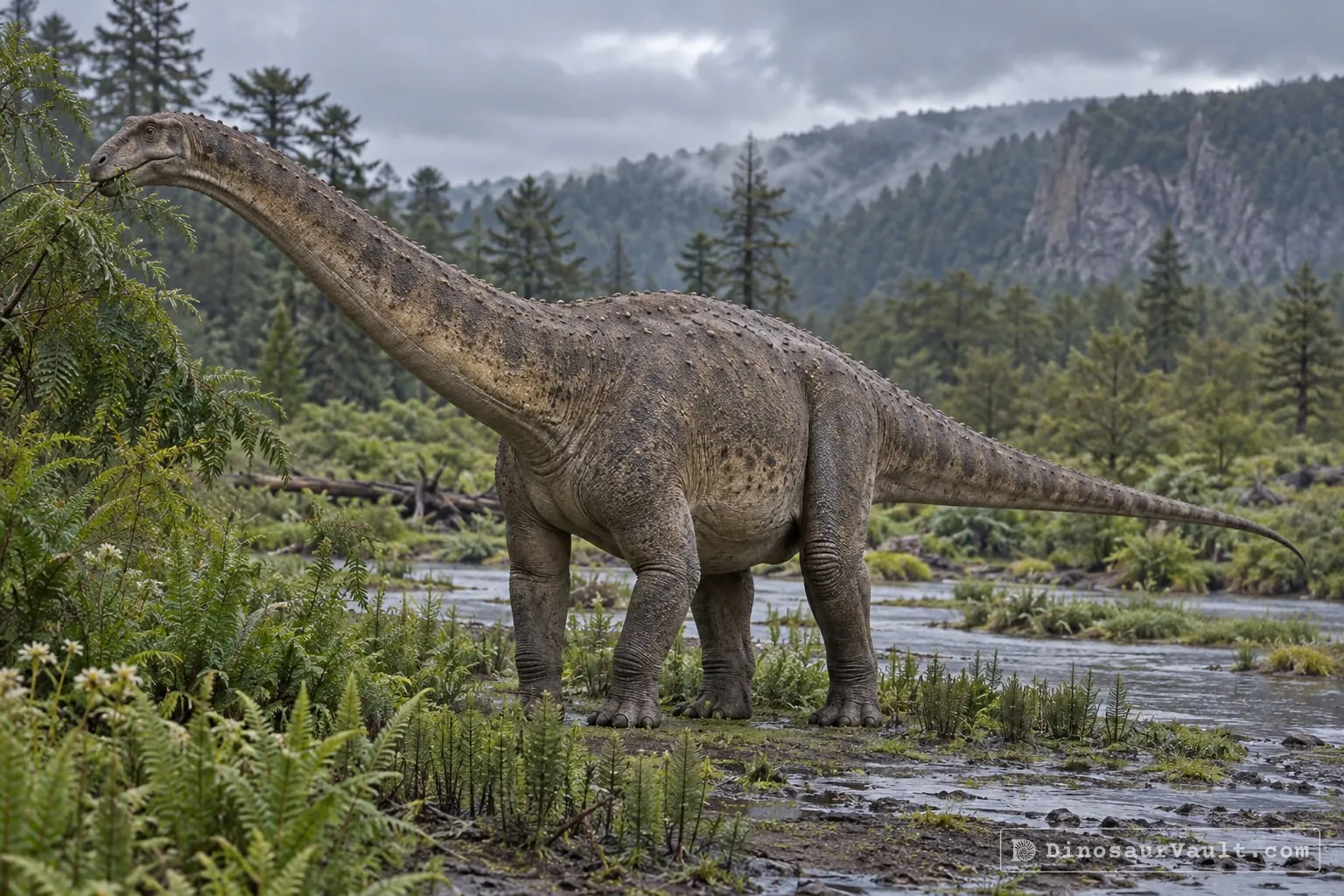
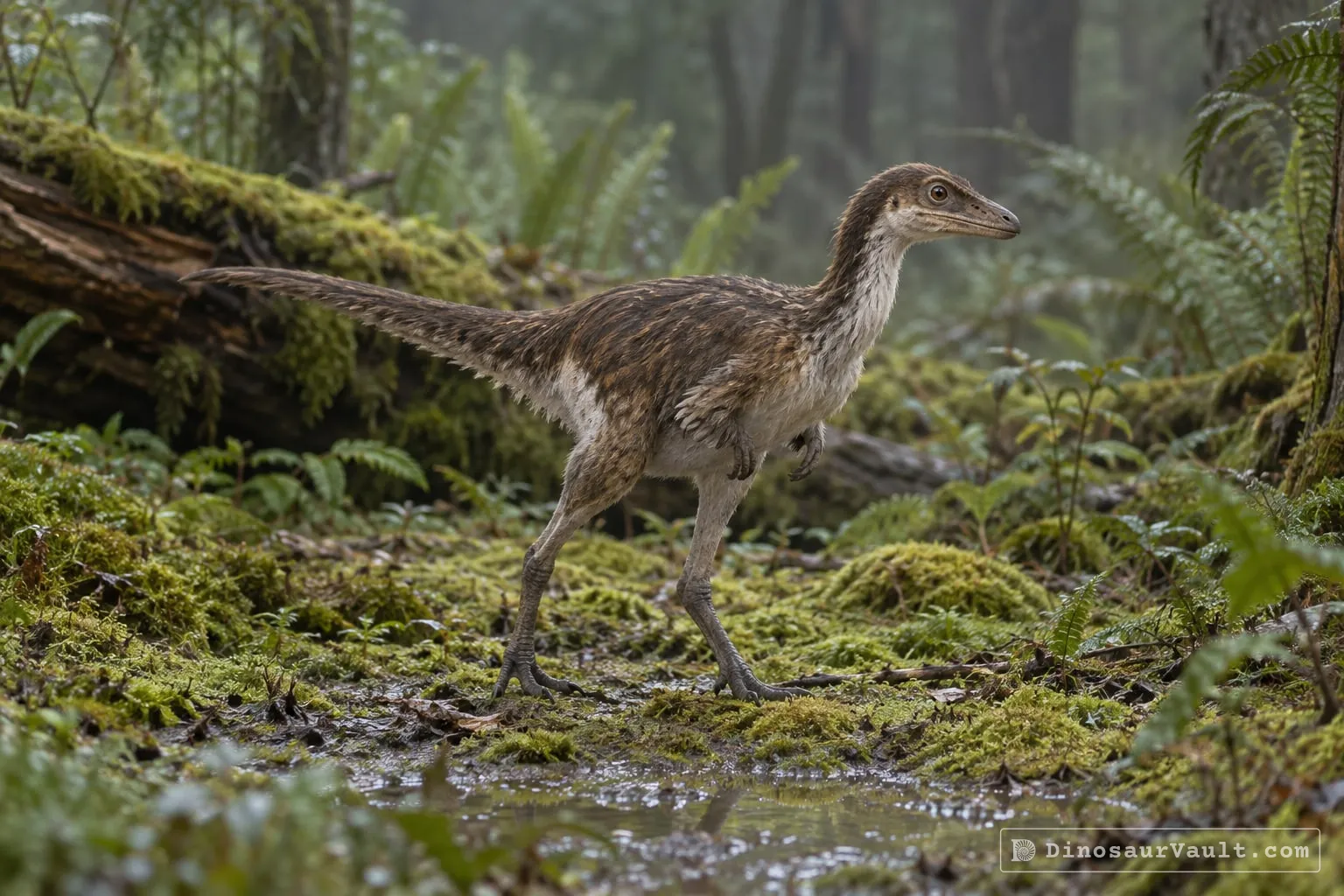
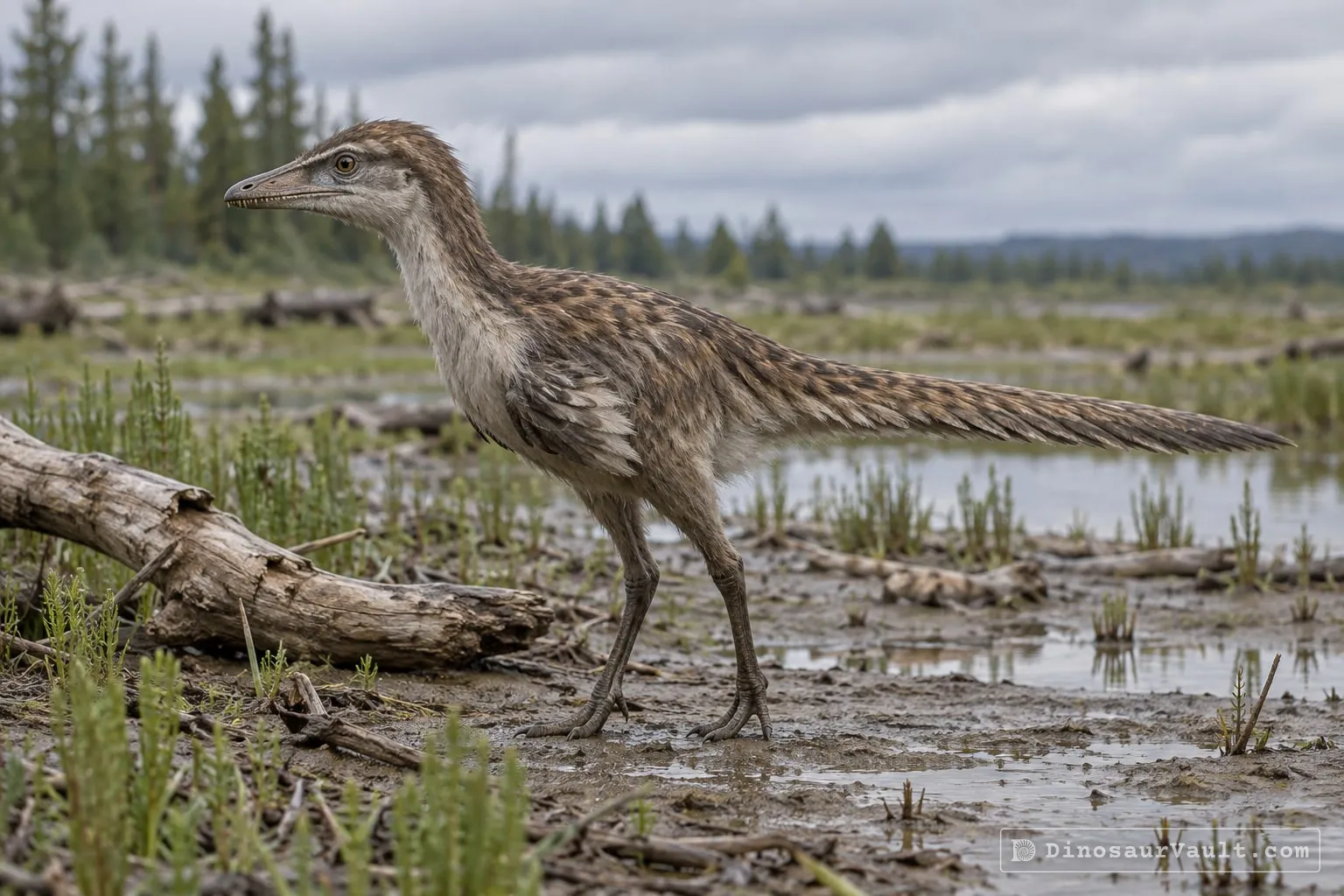


A rock formation can hold fossils laid down millions of years apart, so not every animal here met Struthiosaurus.
The evidence
The science behind Struthiosaurus
Which parts of the picture come from its own bones, and which come from its relatives.
From its own fossils
- Partial skull bones include the braincase, pieces around the eye, jaws and teeth.
- Bony armor includes keeled plates and bands that protected the neck.
- Foot bones include short, broad toe bones with blunt ends.
Borrowed from relatives
- Hungarosaurus guides the shape of missing parts at the front of the face.
- Peloroplites provides a comparison for sturdy limbs and compact feet.
Still unknown
- The exact arrangement of its armor plates.
- The complete shape of its hands and feet.
- Its color and whether it lived in groups.
Often drawn wrong
- It had a plain tail rather than the heavy club of ankylosaurids.
Discovery timeline
- 1870Named itBunzel
- 2014Close relativeOsi, Pereda Suberbiola & Földes
- 2022SkullSchade et al.
Key papers
The research behind what we know of Struthiosaurus
Named it
Named Struthiosaurus from a partial skull whose braincase was initially compared with that of a bird.
Notice of a Fragment of a Reptilian Skull from the Upper Cretaceous of Grünbach. Quarterly Journal of the Geological Society of London 26: 394-394
Read the paper : Notice of a Fragment of a Reptilian Skull from the Upper Cretaceous of Grünbach (opens in a new tab)Close relative
Compared Hungarosaurus skull and brain-cavity anatomy with Struthiosaurus, finding clear differences between the genera.
Partial skull and endocranial cast of the ankylosaurian dinosaur Hungarosaurus from the Late Cretaceous of Hungary: implications for locomotion. Palaeontologia Electronica
Read the paper : Partial skull and endocranial cast of the ankylosaurian dinosaur Hungarosaurus from the Late Cretaceous of Hungary: implications for locomotion (opens in a new tab)Skull
Scans of the braincase revealed the shape of its brain cavity and an unusually short inner-ear hearing duct.
Neuroanatomy of the nodosaurid Struthiosaurus austriacus (Dinosauria: Thyreophora) supports potential ecological differentiations within Ankylosauria. Scientific Reports 12
Read the paper : Neuroanatomy of the nodosaurid Struthiosaurus austriacus (Dinosauria: Thyreophora) supports potential ecological differentiations within Ankylosauria (opens in a new tab)
Close relatives
Other members of Nodosauridae


Sources: Wikidata