Magyarosaurus
muh-JAR-oh-SORE-us
"Hungarian lizard"
Type species Magyarosaurus dacus
- Lived
- 72 to 66 million years ago, Late Cretaceous
- Diet
- Herbivore
- Length
- about 5 m (16 ft)
- Group
- Sauropods
- Found in
- Romania
- Named by
- Huene 1932
Size comparison
To scale
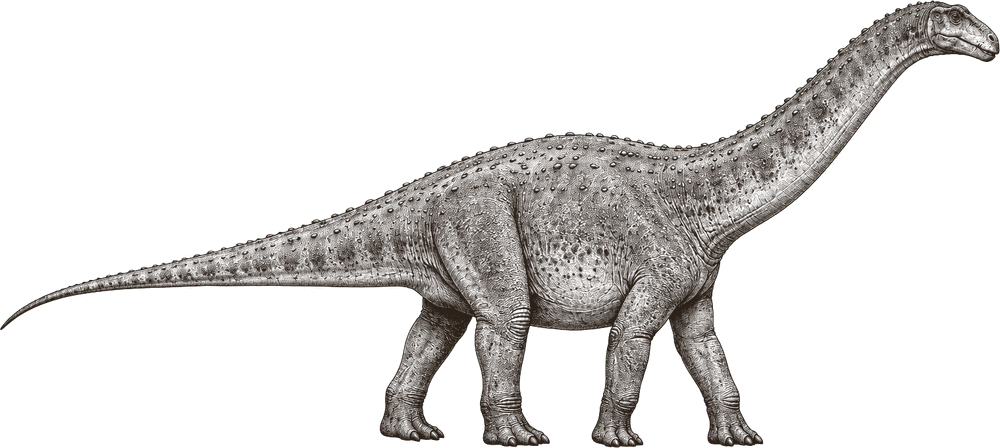


Scale in meters
Where its fossils were found
The evidence
Today

Habitat
It lived on an island in what is now Romania, with wet river floodplains. Other island dinosaurs included Zalmoxes, Telmatosaurus and Struthiosaurus.
Field notes
About Magyarosaurus
What it was like
Magyarosaurus was a dwarf sauropod, tiny by the standards of its family. It grew to only about 5 meters (16 feet) long, far smaller than giant relatives such as Argentinosaurus and Patagotitan. Scientists think its small size developed because it lived on an island, where limited food and space over many generations favored smaller bodies, a pattern known as island dwarfism.
Even at its small size, Magyarosaurus kept the same basic body plan as its giant relatives, with a long neck and tail and thick, column-like legs to support its body.
Its world
Magyarosaurus lived in what is now Romania during the Late Cretaceous, between about 72 and 66 million years ago. Its bones, nine finds in all, come from formations including Sînpetru, Densuș-Ciula, and Sebeş. It shared this island world with other small dinosaurs, including the plant eater Zalmoxes and the armored Struthiosaurus, along with the unusual predator Balaur.
How it was found
Huene named Magyarosaurus in 1932, giving it the type species Magyarosaurus dacus. It belongs to Titanosauria, the group of sauropods that also includes Argentinosaurus and Dreadnoughtus, though Magyarosaurus stands out among them for its small size rather than its bulk.
Field gallery
More views of Magyarosaurus
Scenes reconstructed from the available fossil evidence.
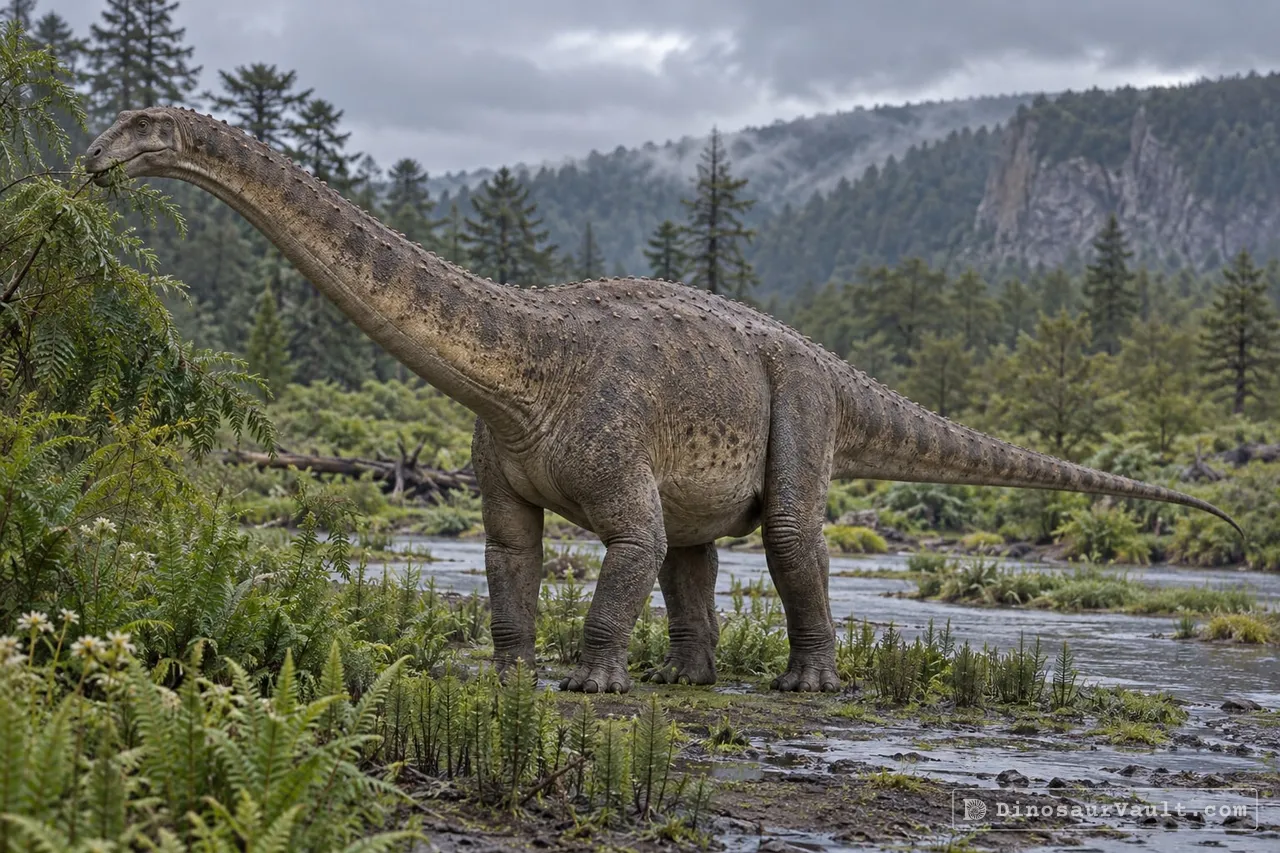
1 of 7
Lived alongside
Found in the same rock formations
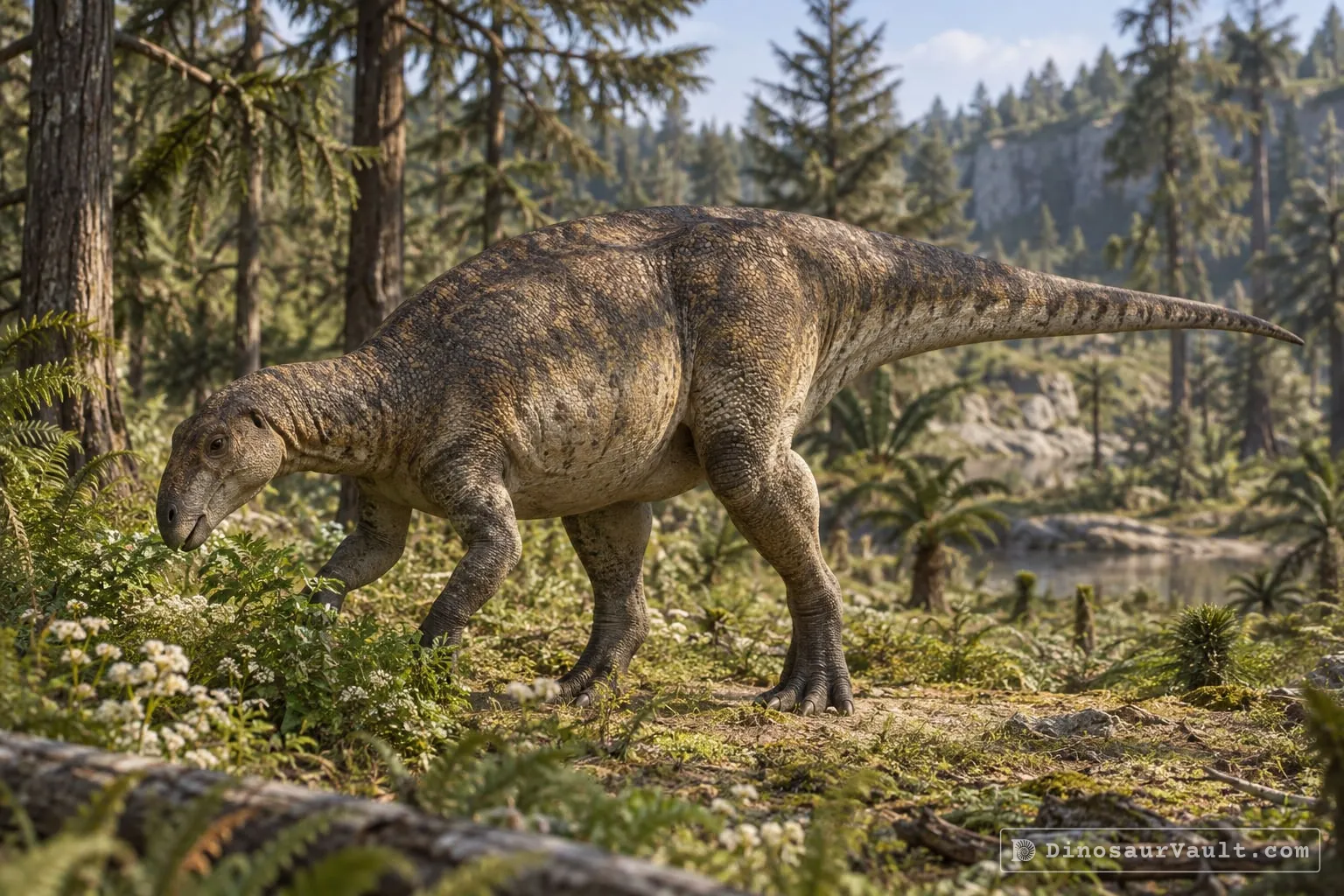
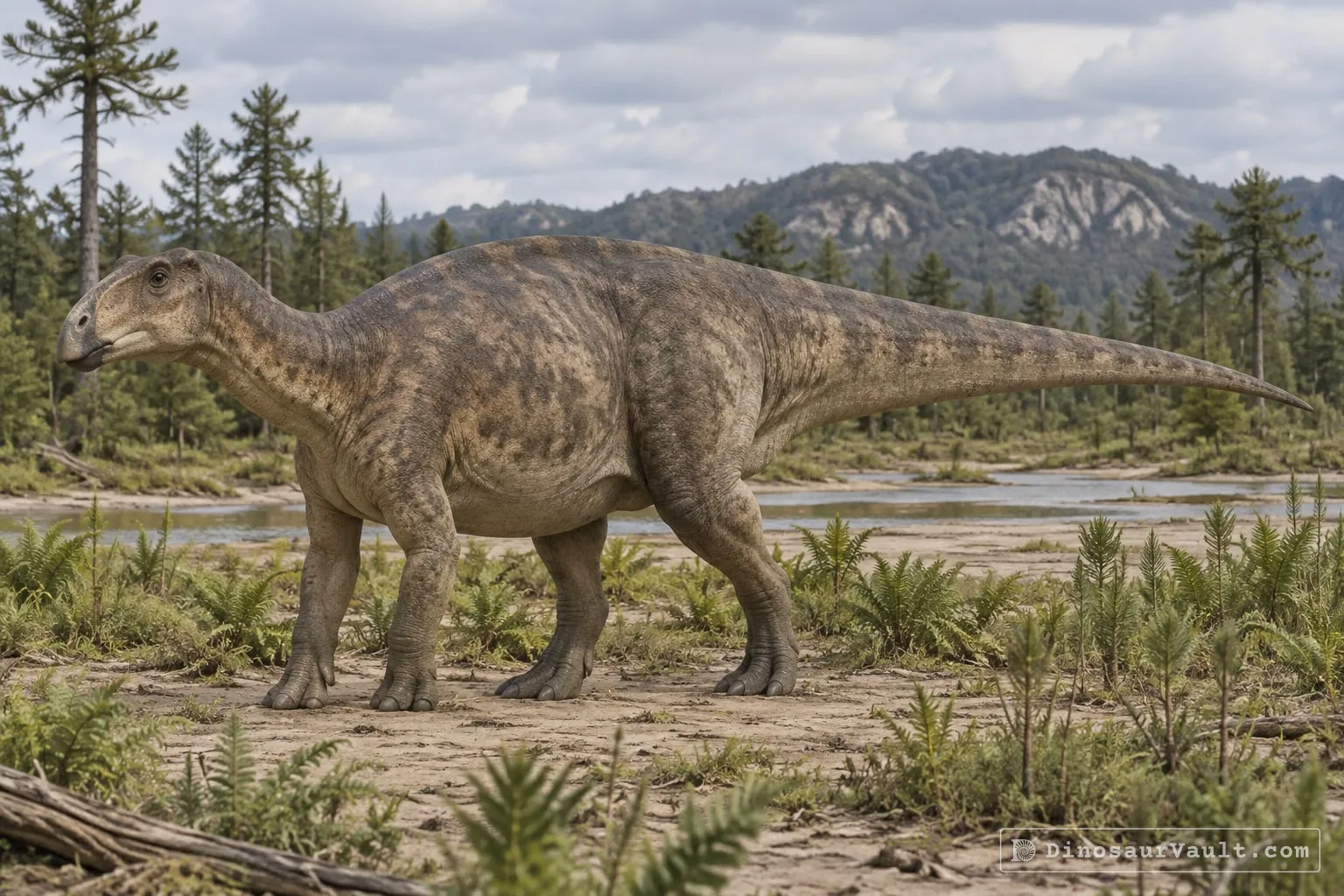
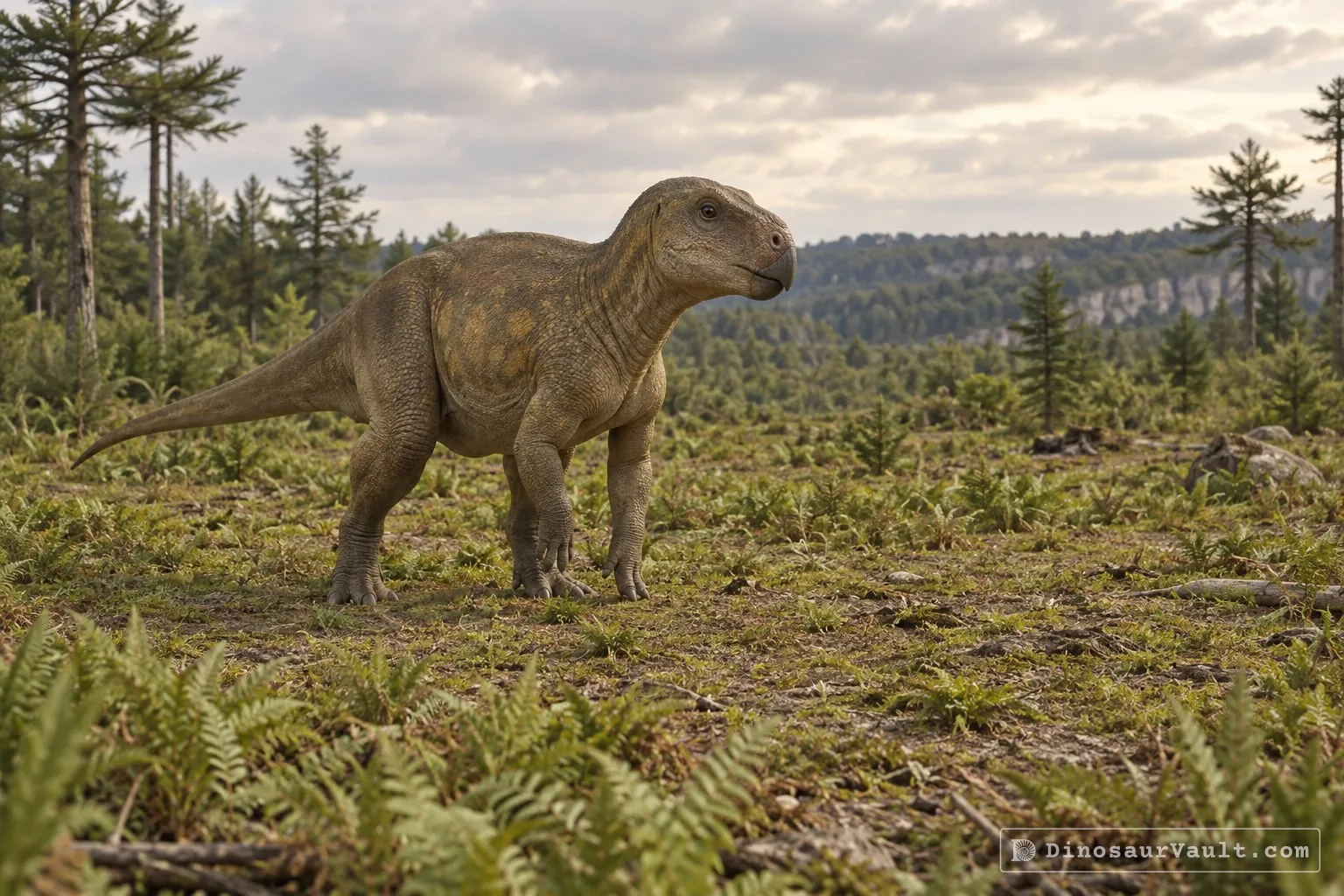
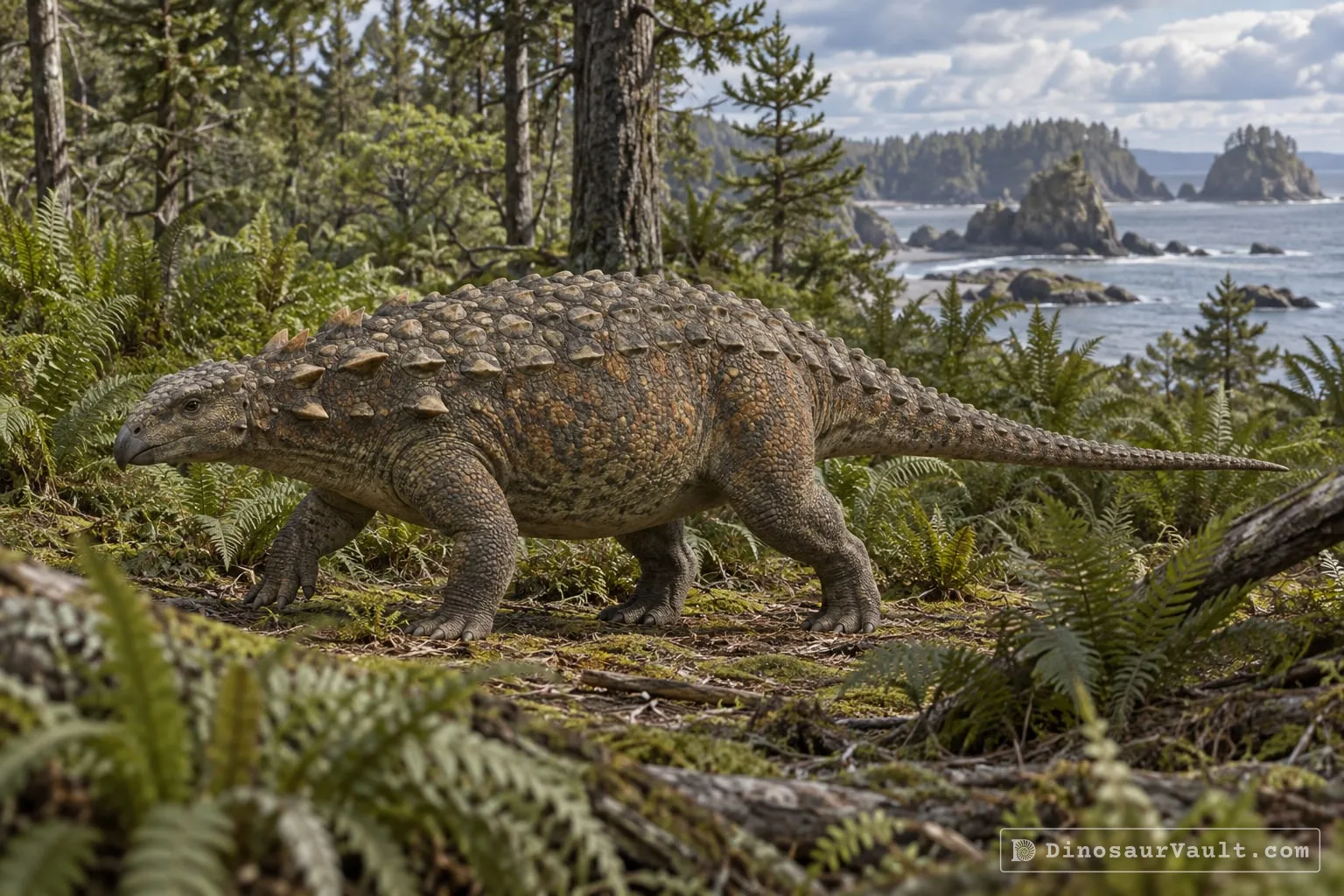
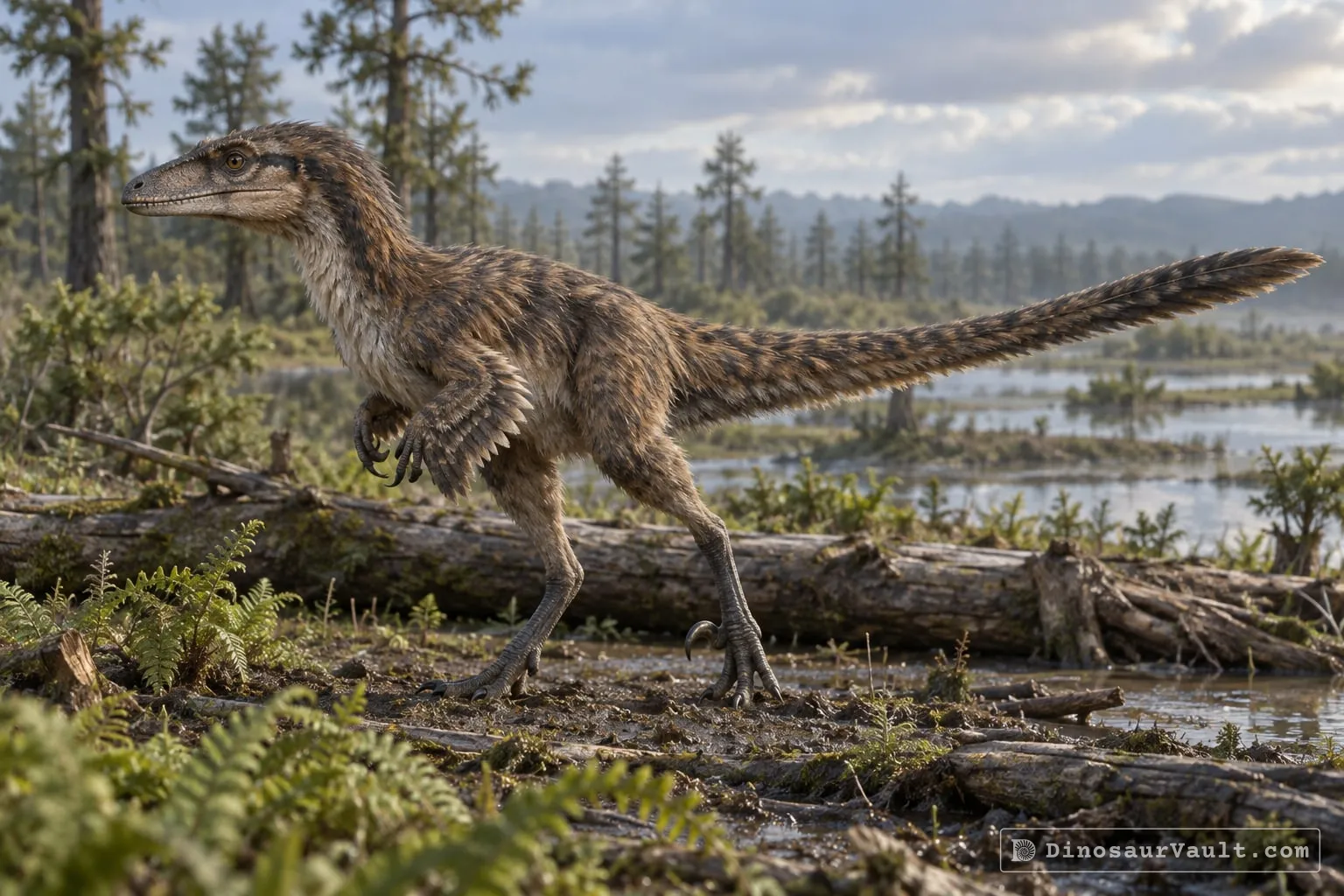
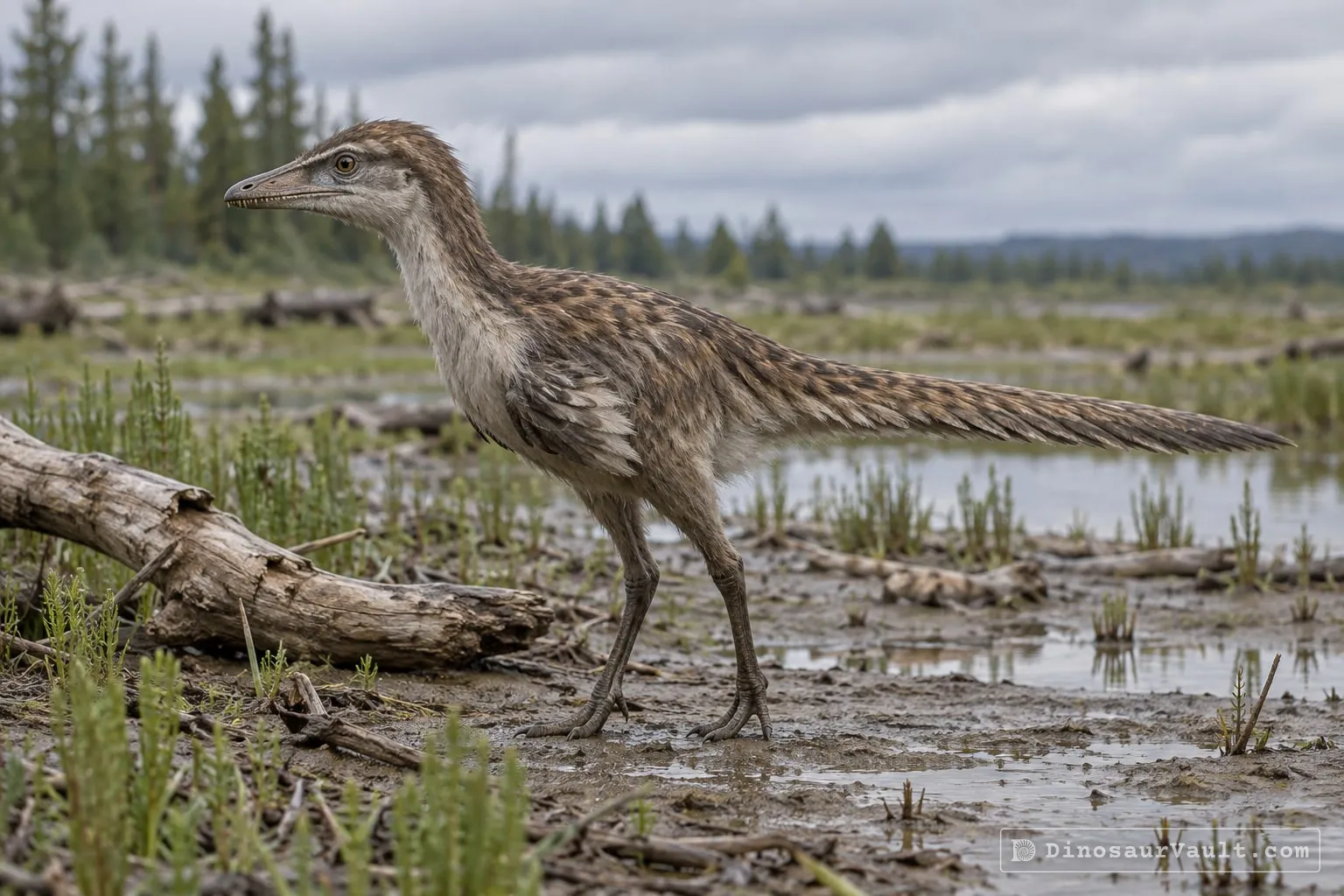
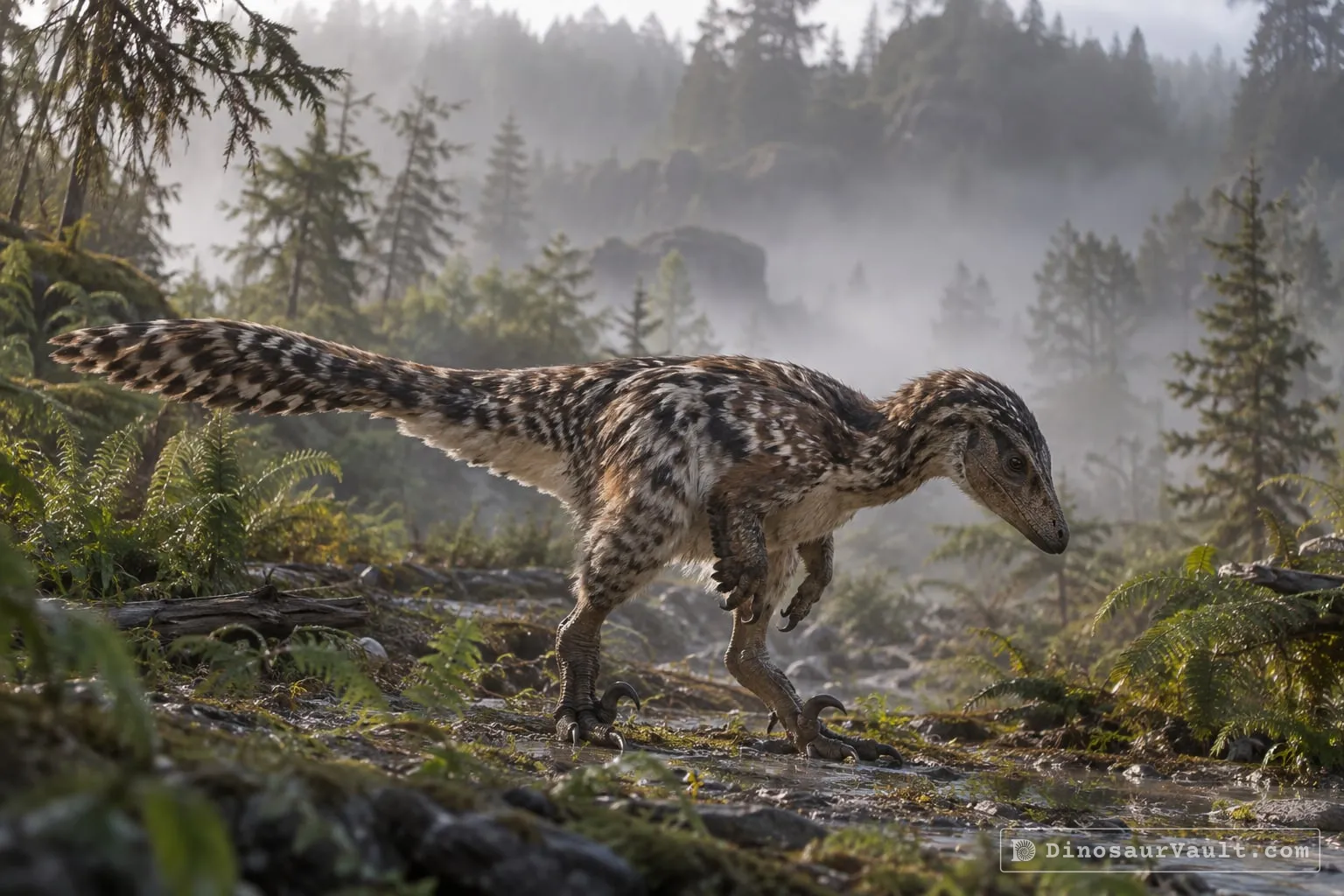
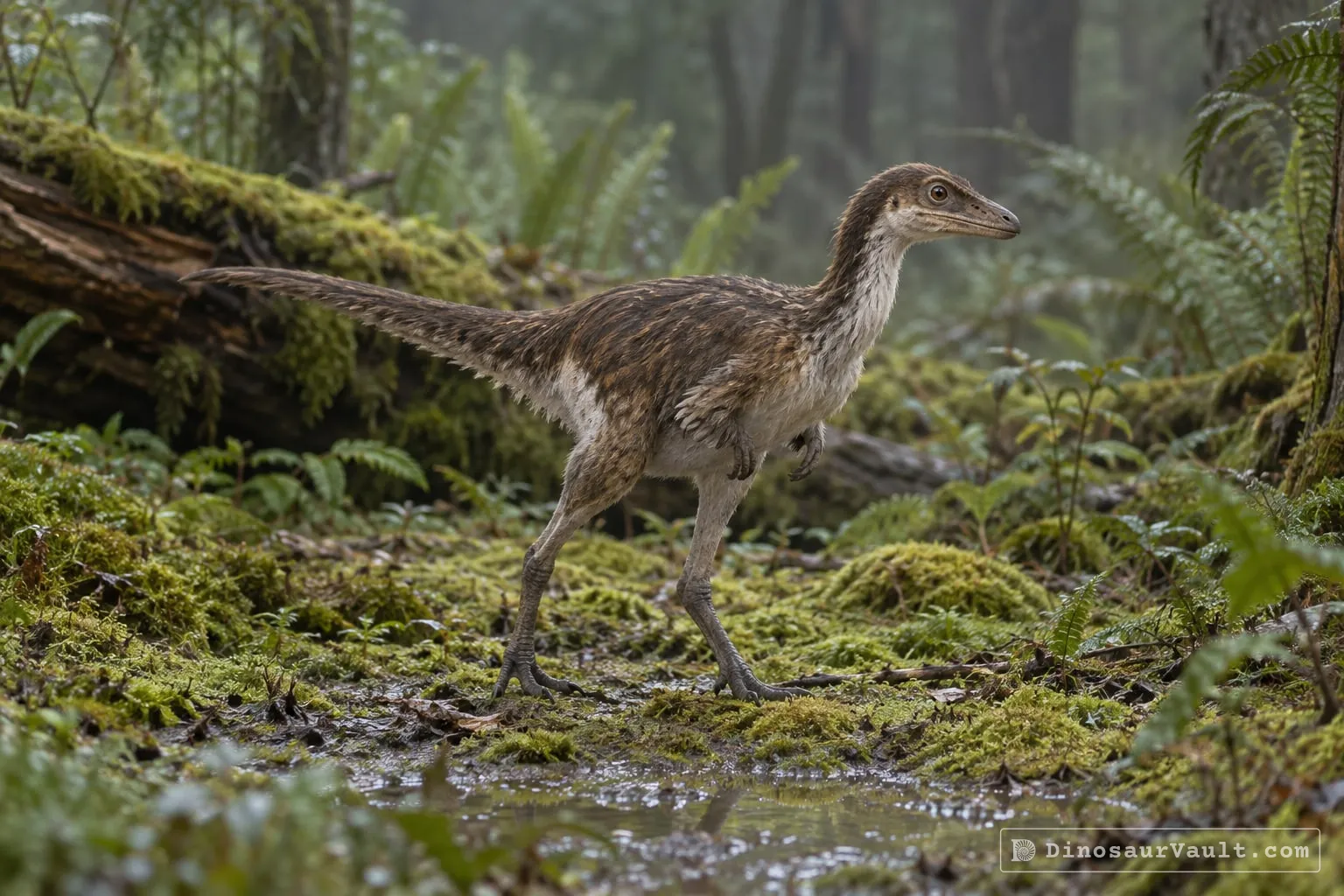


A rock formation can hold fossils laid down millions of years apart, so not every animal here met Magyarosaurus.
The evidence
The science behind Magyarosaurus
Which parts of the picture come from its own bones, and which come from its relatives.
From its own fossils
- Vertebrae and limb bones show a small-bodied titanosaur with the basic build of a long-necked sauropod.
- Microscopic sections of its limb bones show extensive rebuilding of the bone tissue in small adults.
Borrowed from relatives
- Its head and missing parts of the skeleton are restored by comparison with other titanosaurs, such as Paludititan.
- Compact front feet and scaly skin follow other titanosaurs.
Still unknown
- Its exact skull shape and skin color.
- The body proportions of hatchlings and young animals.
- Whether it lived in herds or guarded its nests.
Often drawn wrong
- Its small size should be shown with adult proportions, rather than the oversized head and short limbs of a baby.
Discovery timeline
- 1932Named itHuene
- 2010Growing upStein et al.
- 2025RedescriptionDíaz et al.
Key papers
The research behind what we know of Magyarosaurus
Named it
Established Magyarosaurus as a separate genus for small sauropod remains from Romania.
Die fossile Reptil-Ordnung Saurischia, ihre Entwicklung und Geschichte [The fossil reptile order Saurischia, their development and history]. Monographien zur Geologie und Palaeontologie, serie 1 4: 1-361
No link available
Growing up
Examined microscopic bone structure and showed that small Magyarosaurus were adults, supporting island dwarfism rather than juvenile giant sauropods.
Small body size and extreme cortical bone remodeling indicate phyletic dwarfism in Magyarosaurus dacus (Sauropoda: Titanosauria). Proceedings of the National Academy of Sciences 107: 9258-9263
Read the paper : Small body size and extreme cortical bone remodeling indicate phyletic dwarfism in Magyarosaurus dacus (Sauropoda: Titanosauria) (opens in a new tab)Redescription
Reexamined Magyarosaurus and separated other island sauropod fossils into Petrustitan and Uriash, revealing greater variety in body size.
Revision of Romanian sauropod dinosaurs reveals high titanosaur diversity and body-size disparity on the latest Cretaceous Haţeg Island, with implications for titanosaurian biogeography. Journal of Systematic Palaeontology 23
Read the paper : Revision of Romanian sauropod dinosaurs reveals high titanosaur diversity and body-size disparity on the latest Cretaceous Haţeg Island, with implications for titanosaurian biogeography (opens in a new tab)
Close relatives
Other members of Eutitanosauria


Sources: Wikidata