Zalmoxes
- Lived
- 72 to 66 million years ago, Late Cretaceous
- Diet
- Herbivore
- Length
- estimates range from 2.5 to 3 m (8 to 10 ft)
- Group
- Ornithopods
- Found in
- Romania
- Named by
- Weishampel et al. 2003
Where its fossils were found
The evidence
Today

70 million years ago
Also reported from Austria.
Habitat
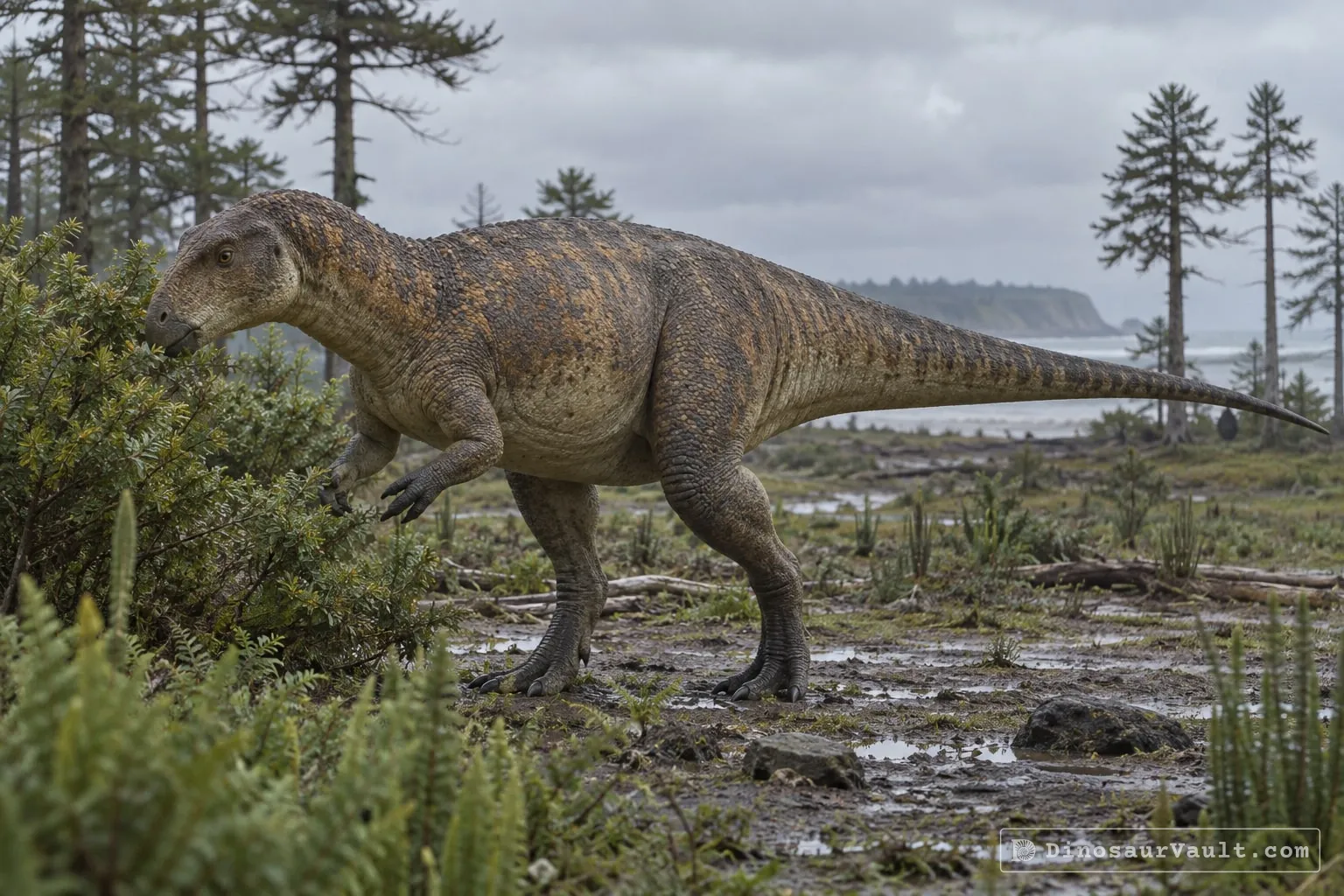
It lived on an island in the Tethys sea, on wet floodplains with ferns and clubmosses. Regional neighbors included Magyarosaurus, Telmatosaurus and Struthiosaurus.
Field notes
About Zalmoxes
What it was like
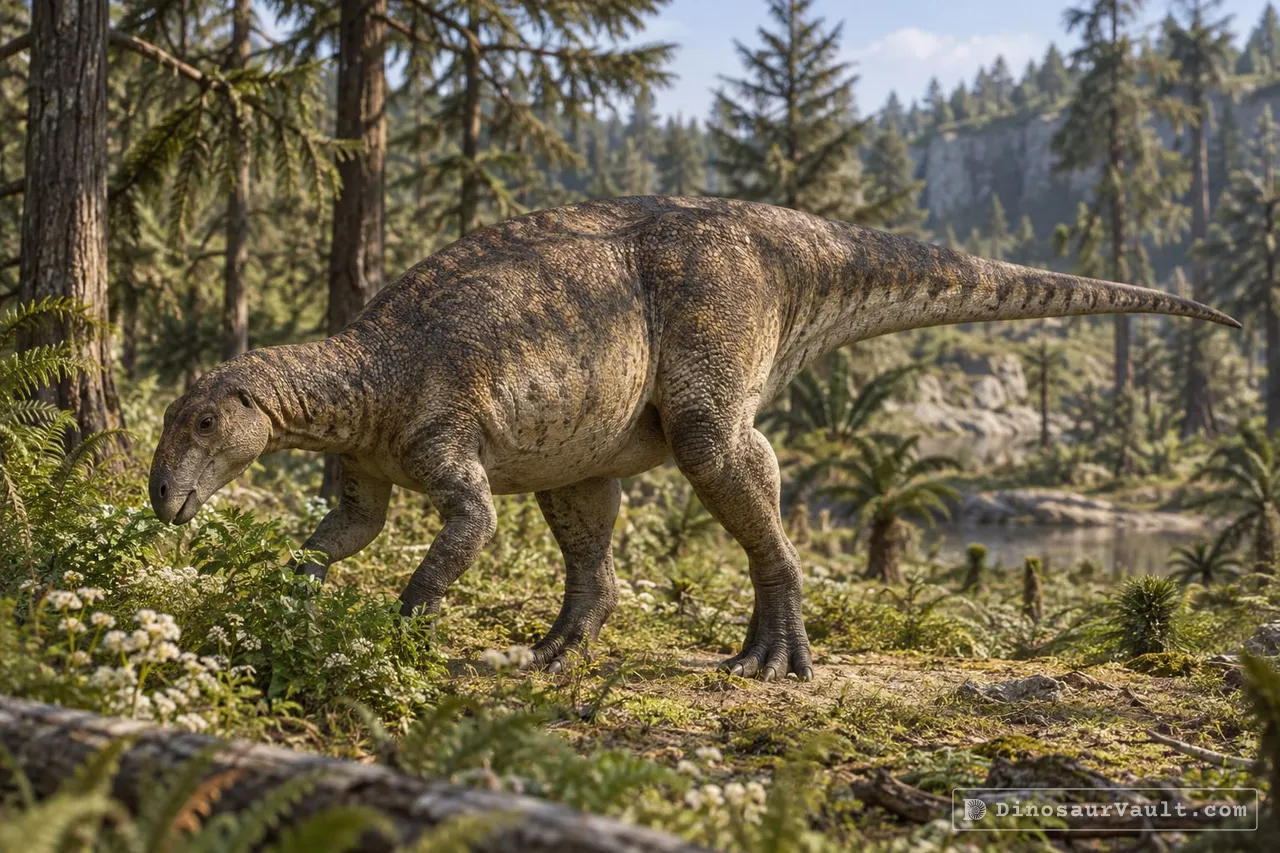
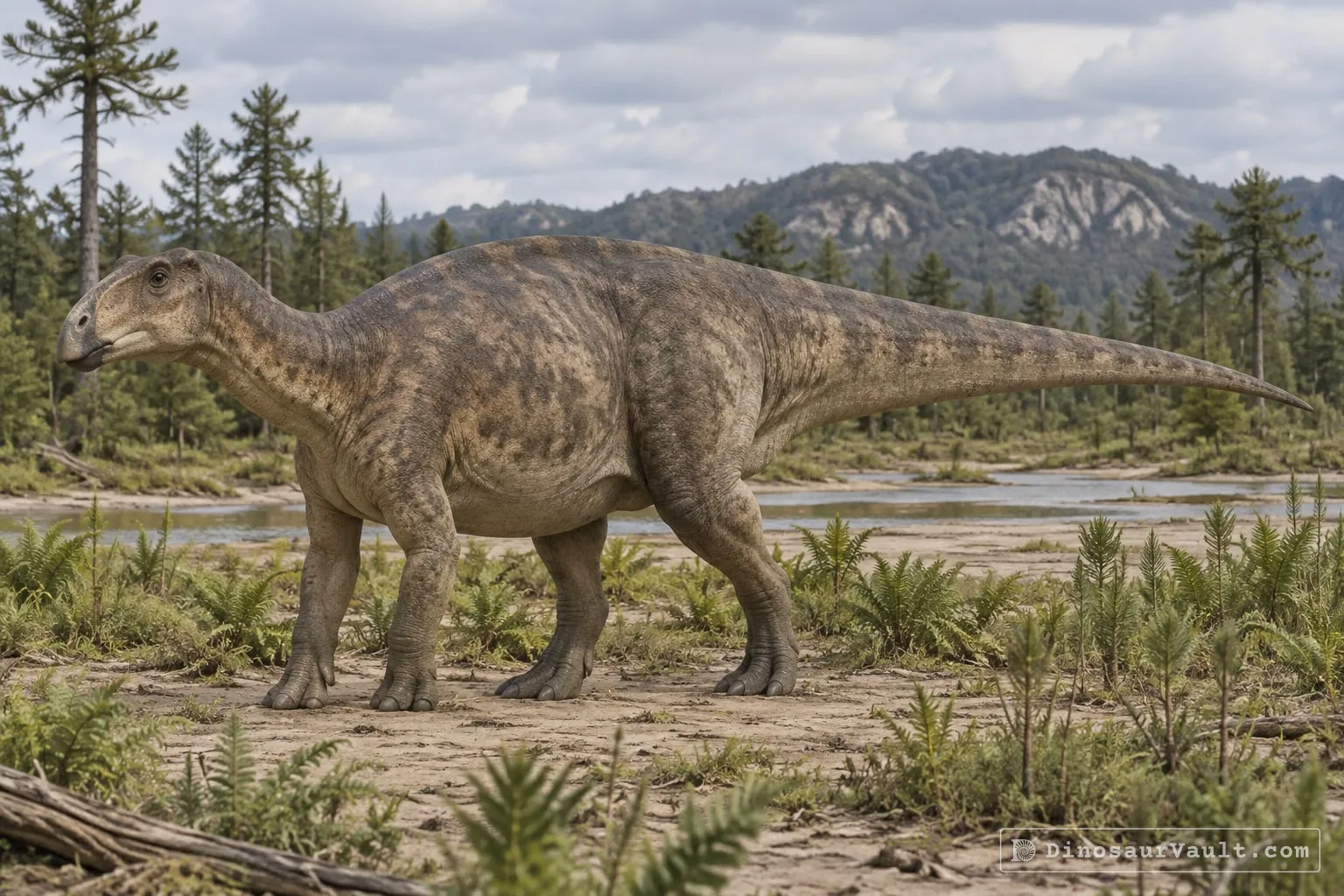
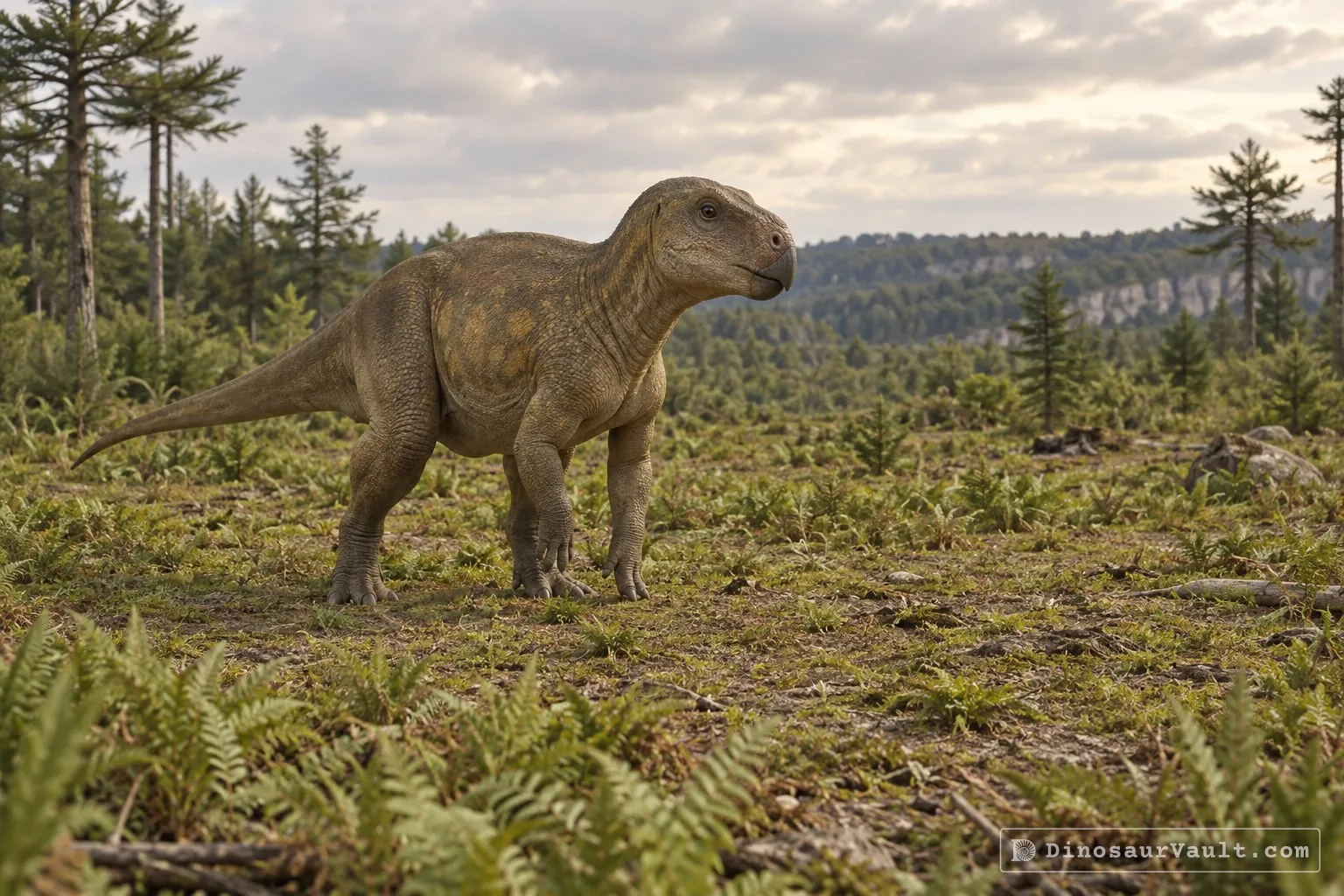
Zalmoxes was a plant-eating ornithopod that walked mainly on two legs. It had ridged cheek teeth suited to grinding tough plants, and a beak at the front of the jaws for cropping them. Zalmoxes grew to between 2.5 and 3 meters (8 to 10 feet) long, smaller than many of its ornithopod relatives found elsewhere in the world.
Its world
Zalmoxes lived from about 72 to 66 million years ago, during the Late Cretaceous, on an island in the Tethys sea, in what is now Romania, with related remains also reported from Austria. Alongside it lived other animals adapted to island life, including the small sauropod Magyarosaurus, the duck-billed Telmatosaurus, and the armored Struthiosaurus, all of which were smaller than their mainland relatives.
How it was found
Weishampel and colleagues named Zalmoxes in 2003. Thirty-eight fossil finds are known today, making Zalmoxes one of the more common dinosaurs known from this part of Cretaceous Europe. Its remains, along with those of the animals living alongside it, have helped paleontologists understand how island life shaped the size of the dinosaurs living there. Because so many specimens have been recovered, Zalmoxes has become one of the better studied examples of dwarfism among dinosaurs.
Field gallery
More views of Zalmoxes
Scenes reconstructed from the available fossil evidence.
1 of 7
Lived alongside
Found in the same rock formations
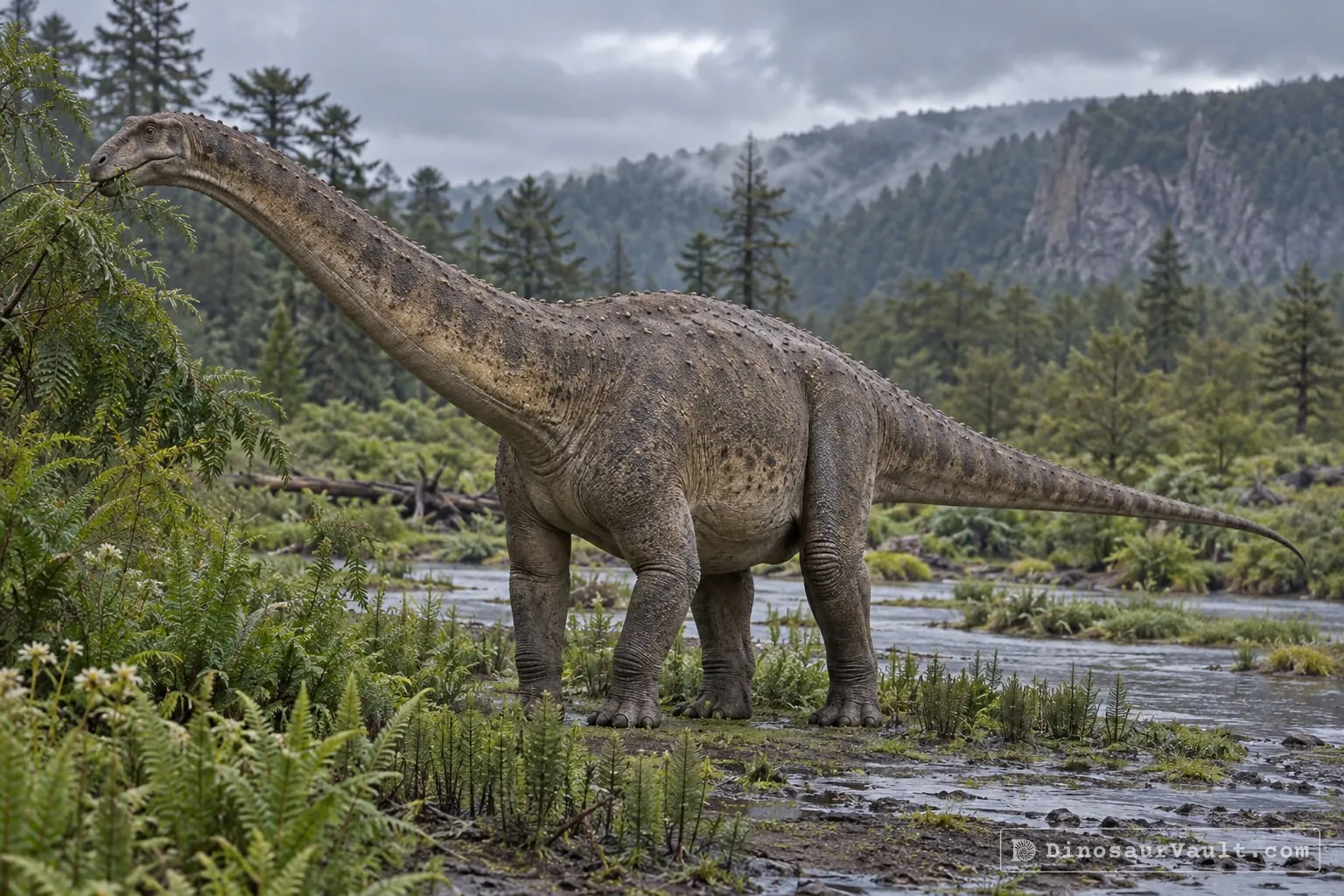
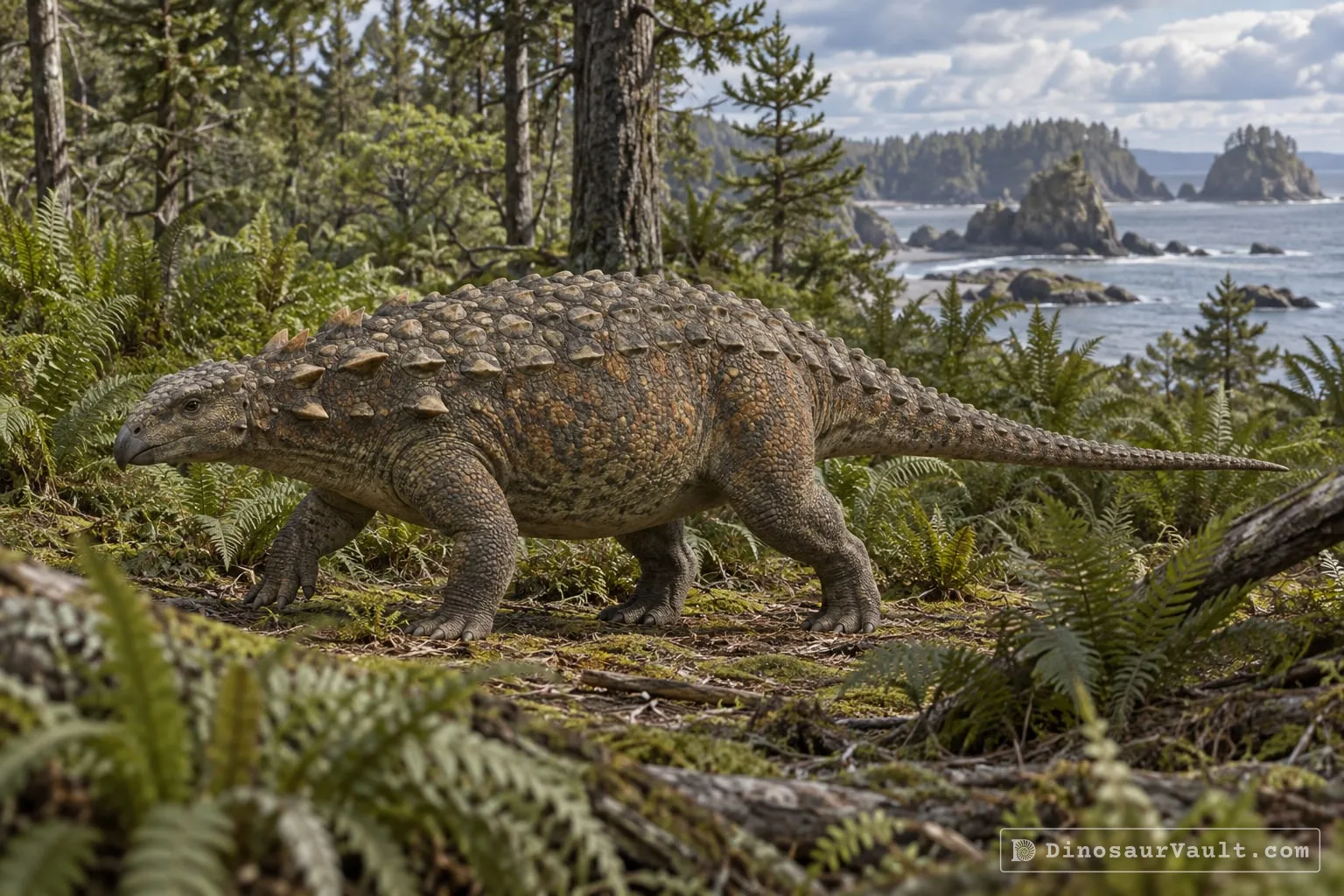
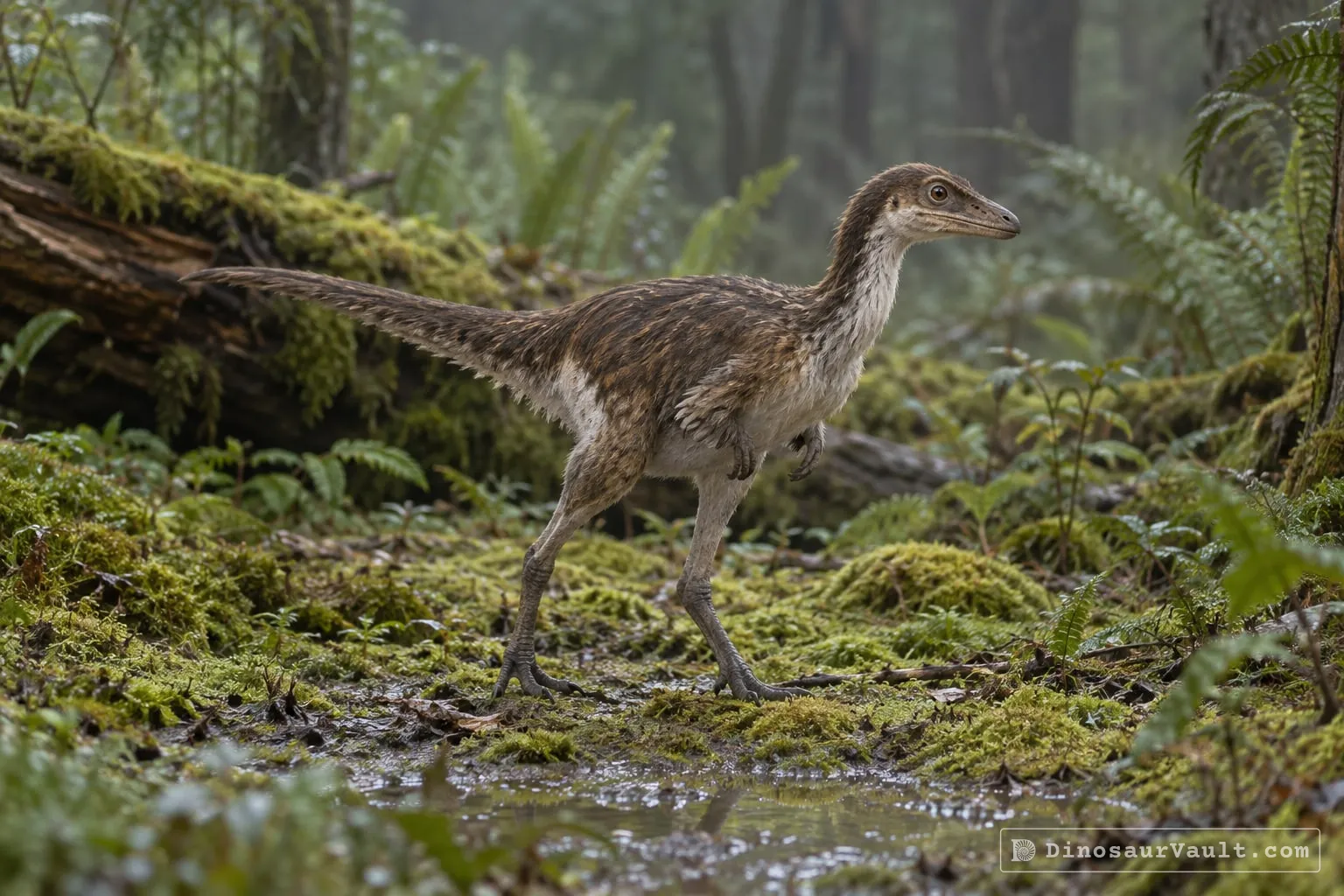


A rock formation can hold fossils laid down millions of years apart, so not every animal here met Zalmoxes.
The evidence
The science behind Zalmoxes
Which parts of the picture come from its own bones, and which come from its relatives.
From its own fossils
- Skull and limb bones show a deep, beaked head, strong hindlegs and shorter forelimbs.
- Ridged cheek teeth formed a grinding surface for tough plants.
- Bone studies include small individuals that had already grown beyond the juvenile stage.
Borrowed from relatives
- Comparisons with Rhabdodon and Mochlodon help fill gaps in the body outline and the soft tissues around its beak.
Still unknown
- How much island life reduced its size.
- The proportions and appearance of its hatchlings.
- Its skin texture and color.
Often drawn wrong
- A duck-billed dinosaur's tall head crest does not belong on its deep, beaked skull.
Discovery timeline
- 2003Named itWeishampel et al.
- 2010Growing upBenton et al.
- 2022SkullAugustin et al.
Key papers
The research behind what we know of Zalmoxes
Named it
Established Zalmoxes for fossils from Romania previously assigned to Rhabdodon, describing their anatomy and relationships.
Osteology and phylogeny of Zalmoxes (n. g.), an unusual Euornithopod dinosaur from the latest Cretaceous of Romania. Journal of Systematic Palaeontology 1: 65-123
Read the paper : Osteology and phylogeny of Zalmoxes (n. g.), an unusual Euornithopod dinosaur from the latest Cretaceous of Romania (opens in a new tab)Growing up
Compared island dinosaur sizes and bone growth, finding small nonjuvenile Zalmoxes while leaving the extent of its island dwarfing unresolved.
Dinosaurs and the island rule: The dwarfed dinosaurs from Haţeg Island. Palaeogeography, Palaeoclimatology, Palaeoecology 293: 438-454
Read the paper : Dinosaurs and the island rule: The dwarfed dinosaurs from Haţeg Island (opens in a new tab)Skull
Reassigned braincases once attributed to Zalmoxes to duck-billed dinosaurs, probably Telmatosaurus, correcting part of its reconstructed skull anatomy.
Reappraisal of the braincase anatomy of the ornithopod dinosaurs Telmatosaurus and Zalmoxes from the Upper Cretaceous of the Haţeg Basin (Romania) and the taxonomic reassessment of some previously referred specimens. PalZ 97: 129-145
Read the paper : Reappraisal of the braincase anatomy of the ornithopod dinosaurs Telmatosaurus and Zalmoxes from the Upper Cretaceous of the Haţeg Basin (Romania) and the taxonomic reassessment of some previously referred specimens (opens in a new tab)
Close relatives
Other members of Rhabdodontoidea


Sources: Wikidata