Outline: a typical theropod
Richardoestesia
- Lived
- 86 to 66 million years ago, Late Cretaceous
- Diet
- Carnivore
- Group
- Theropods, Dromaeosauridae
- Found in
- Canada, United States, Uzbekistan and Romania
- Named by
- Currie et al. 1990
Where its fossils were found
The evidence
Today
75 million years ago
Also reported from Russia.
Field notes
About Richardoestesia
What it was like
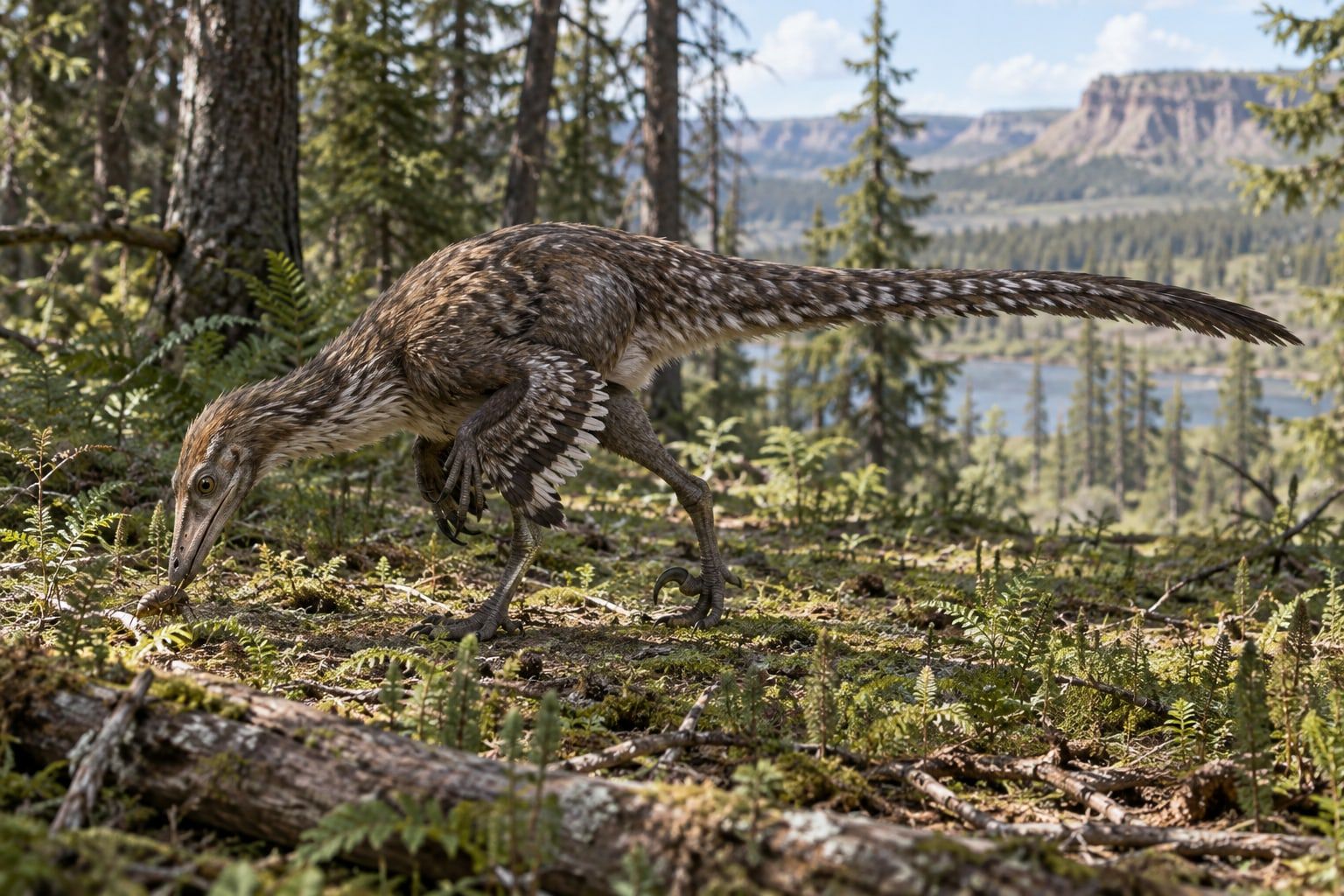
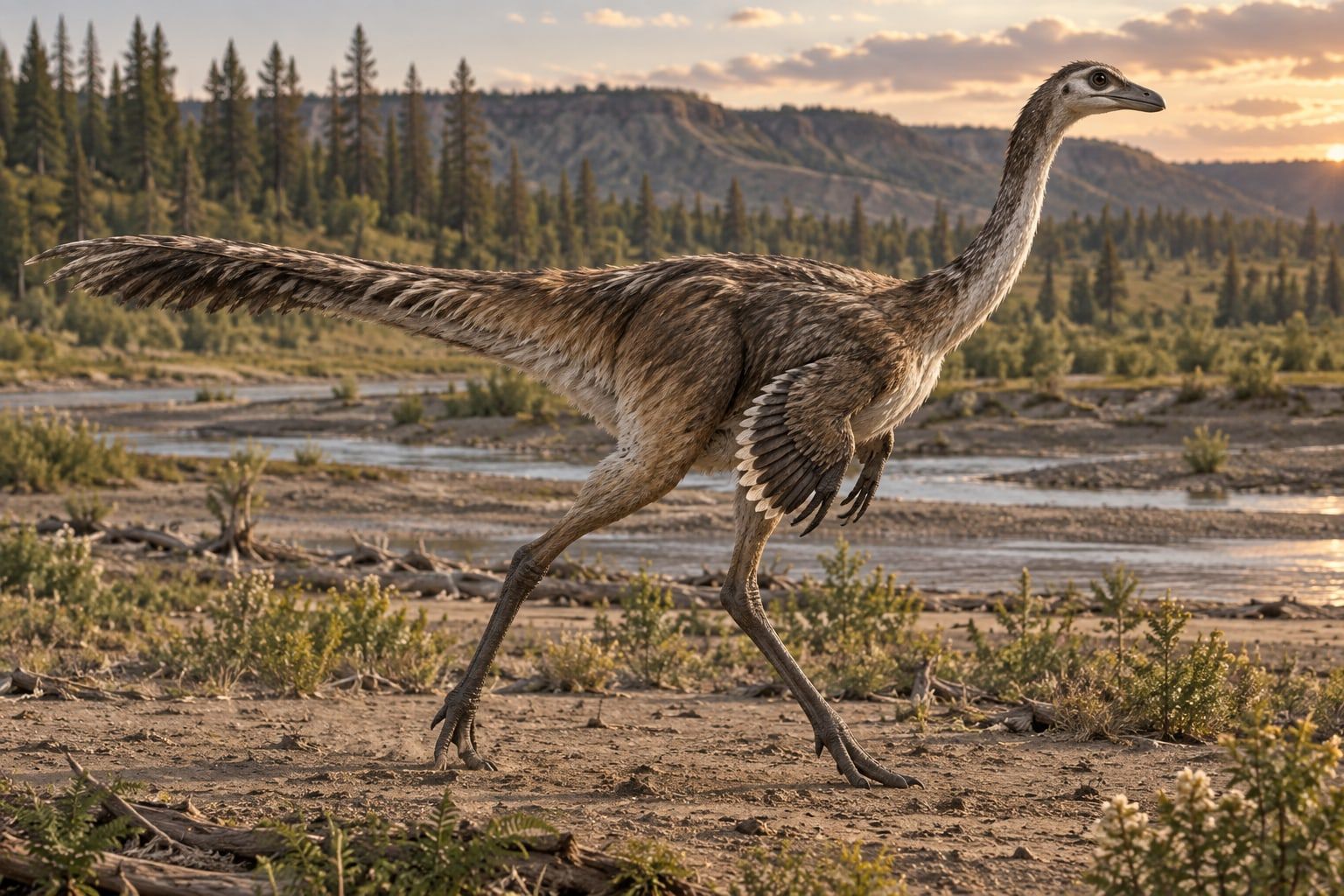
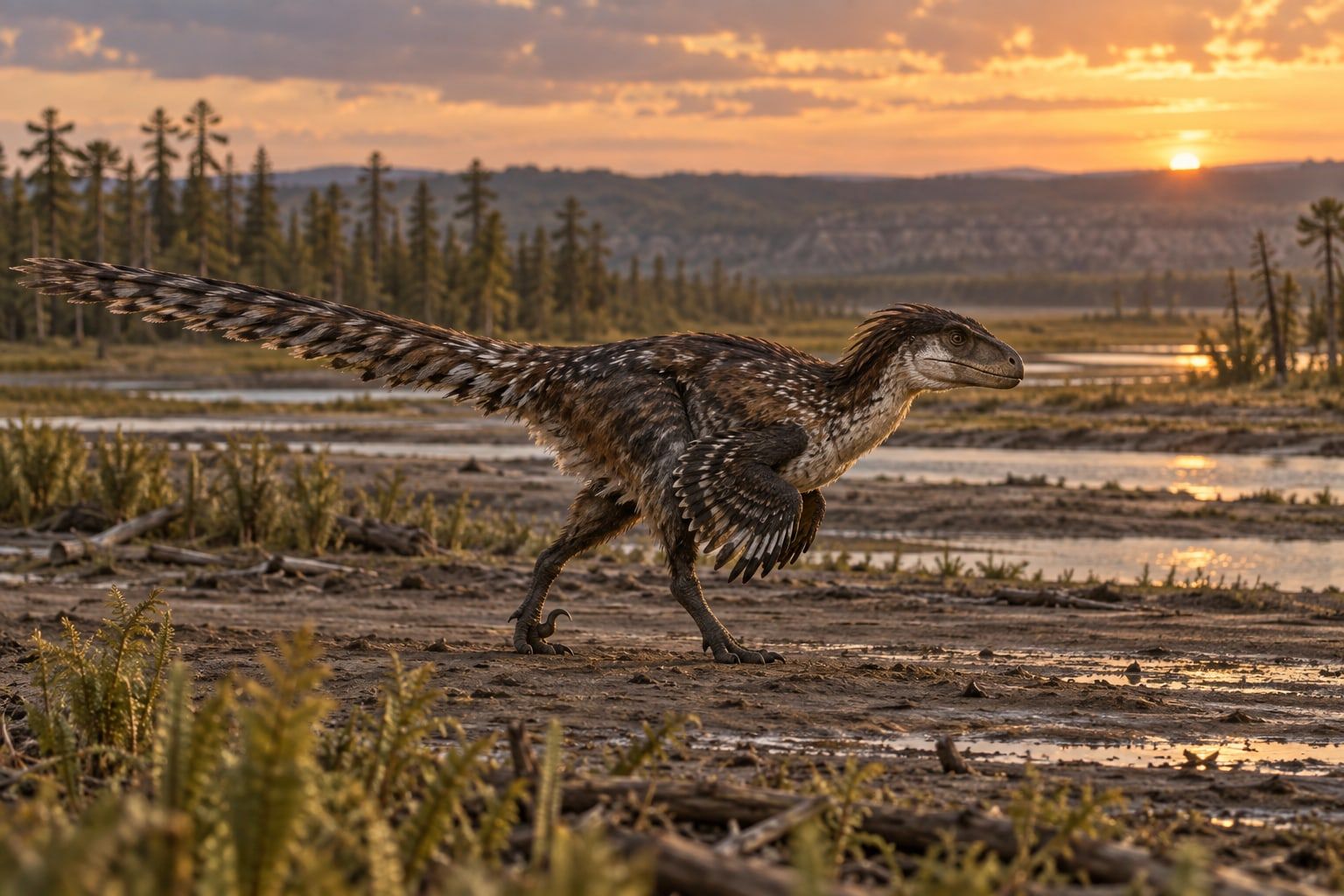
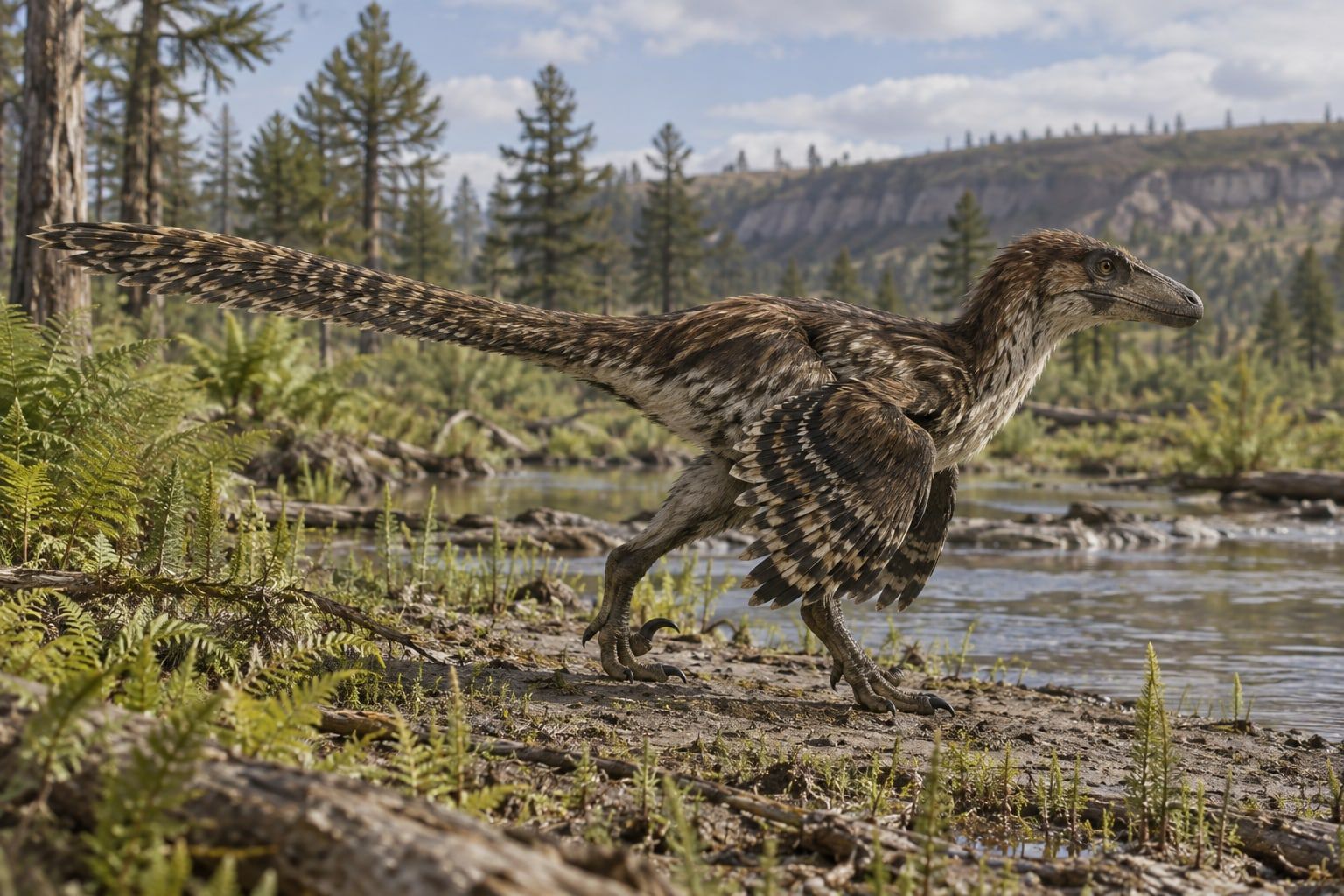
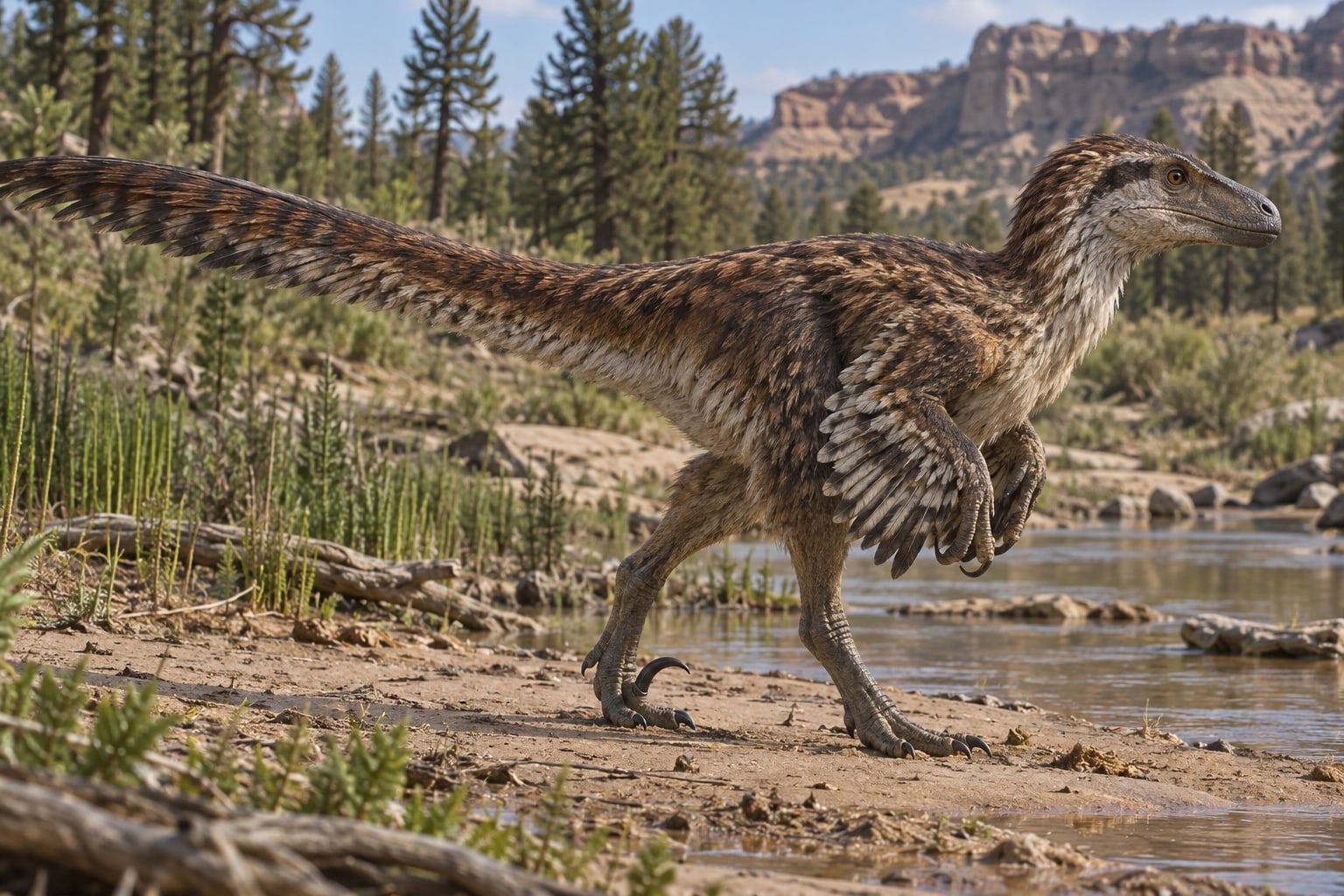
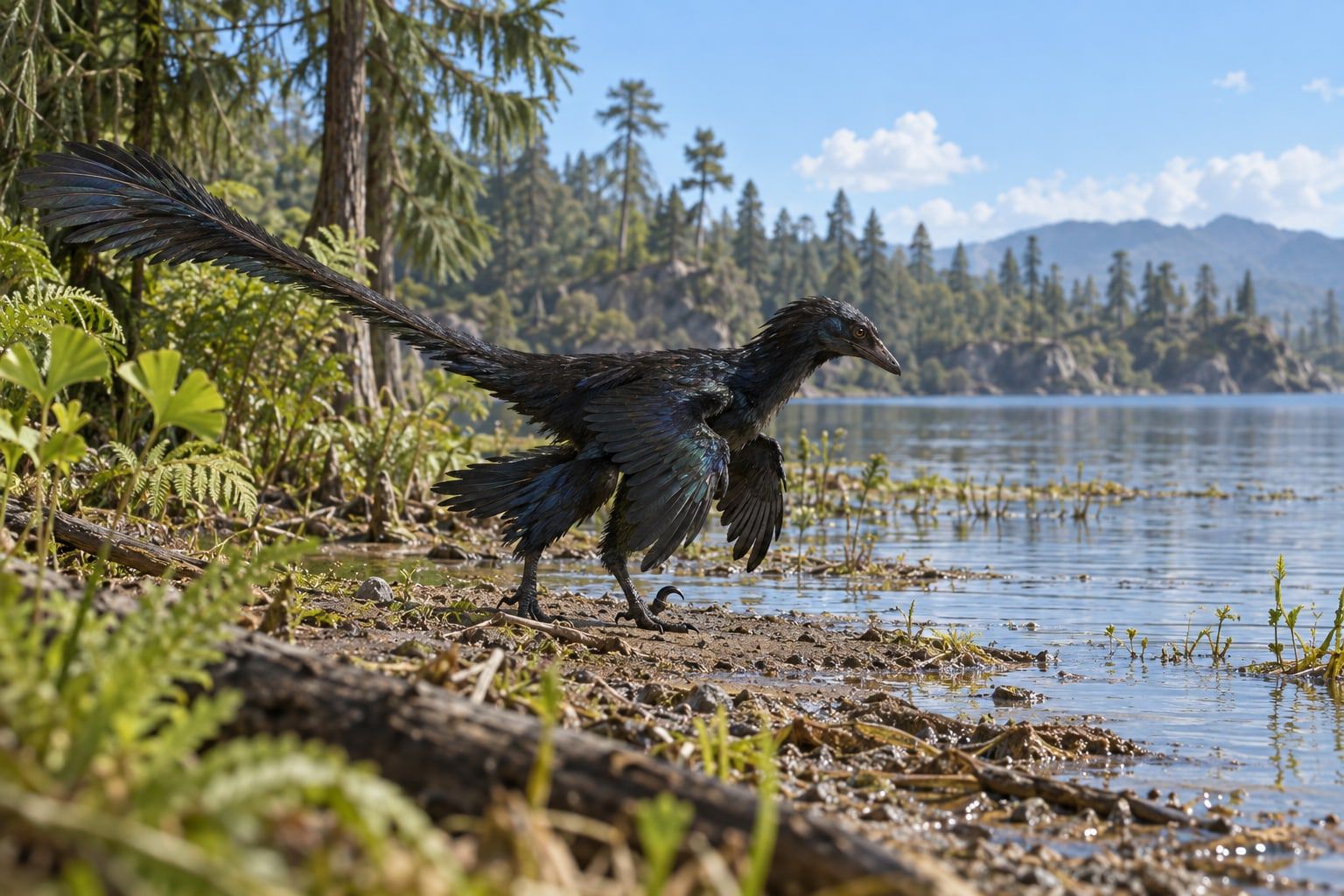
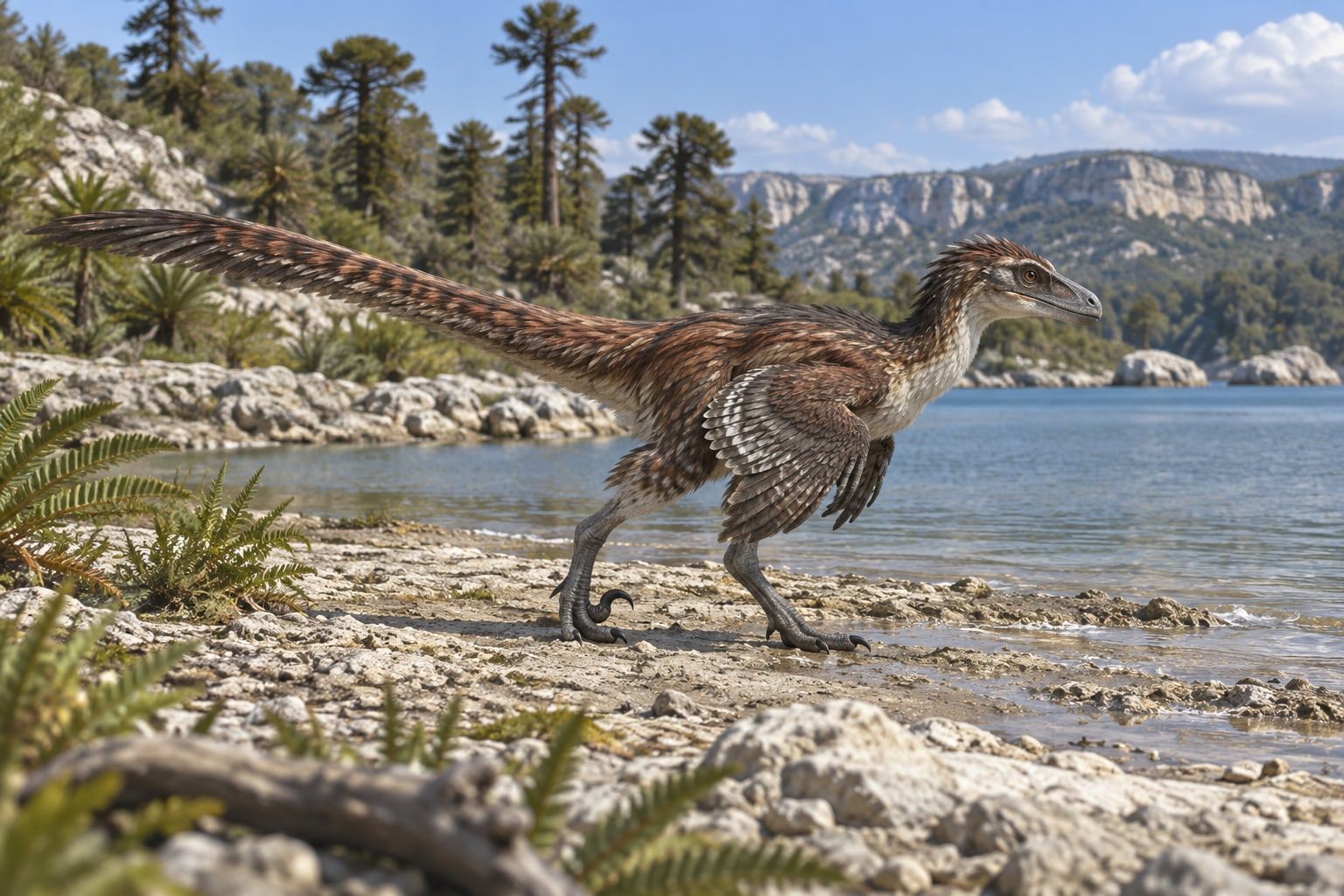
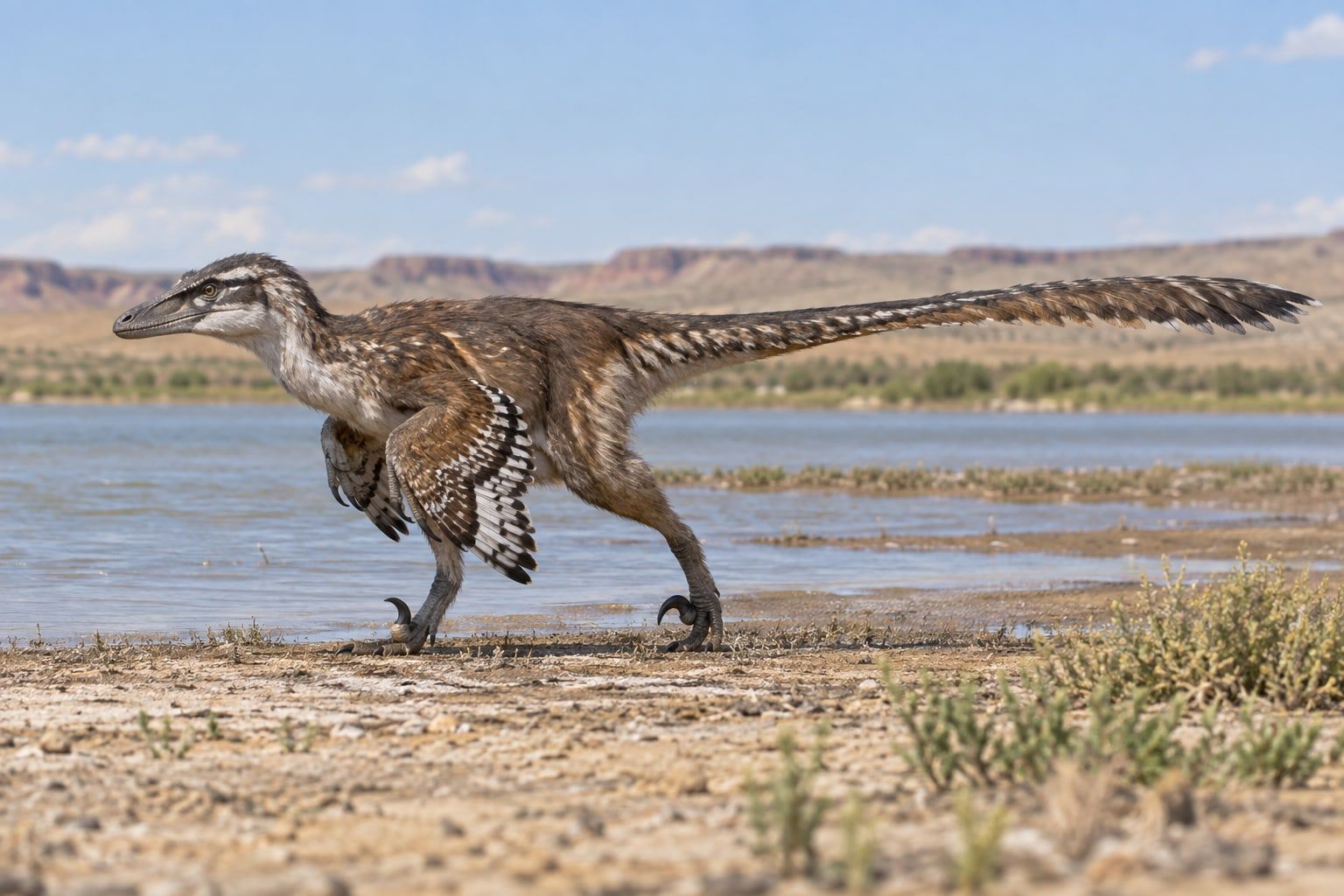
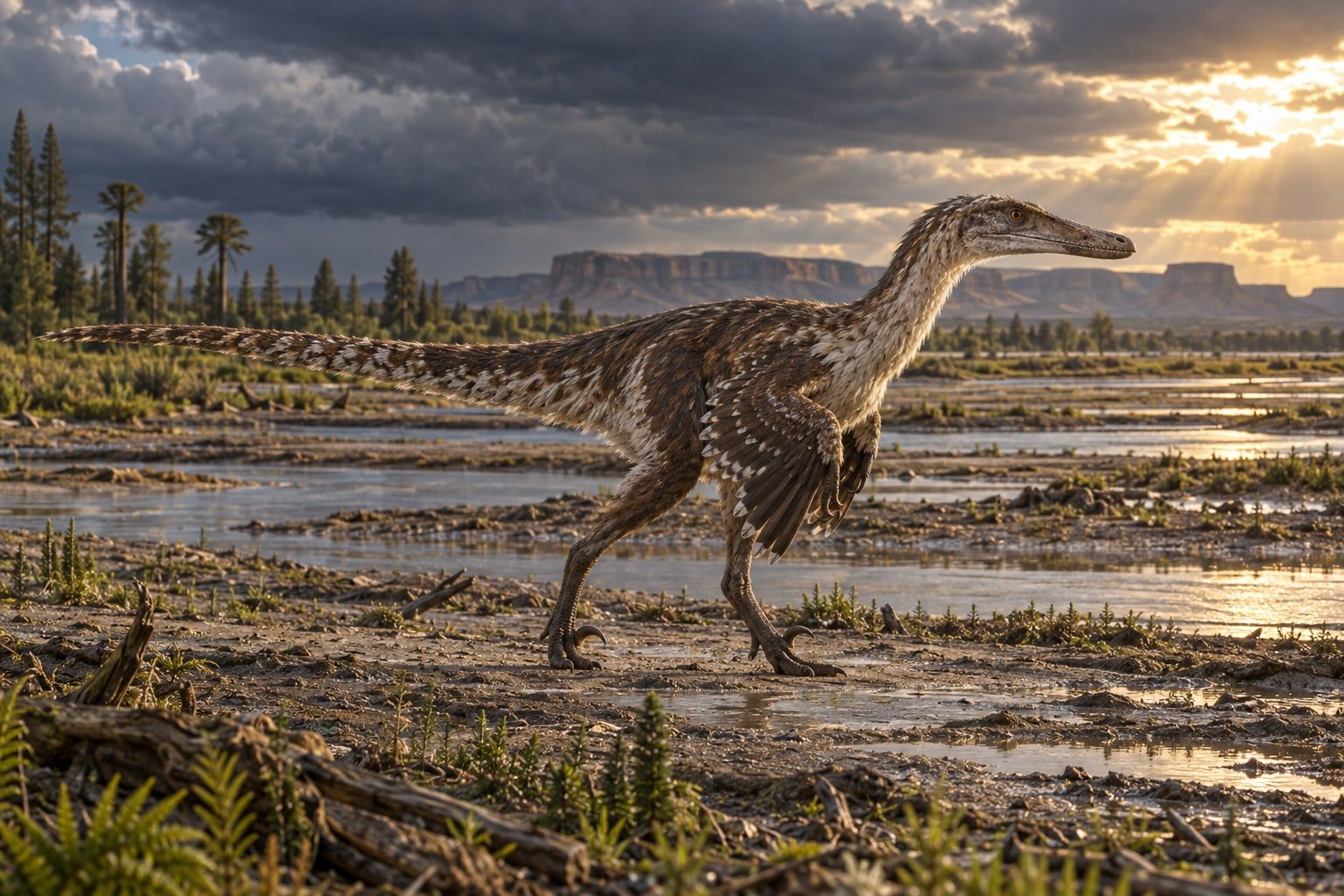
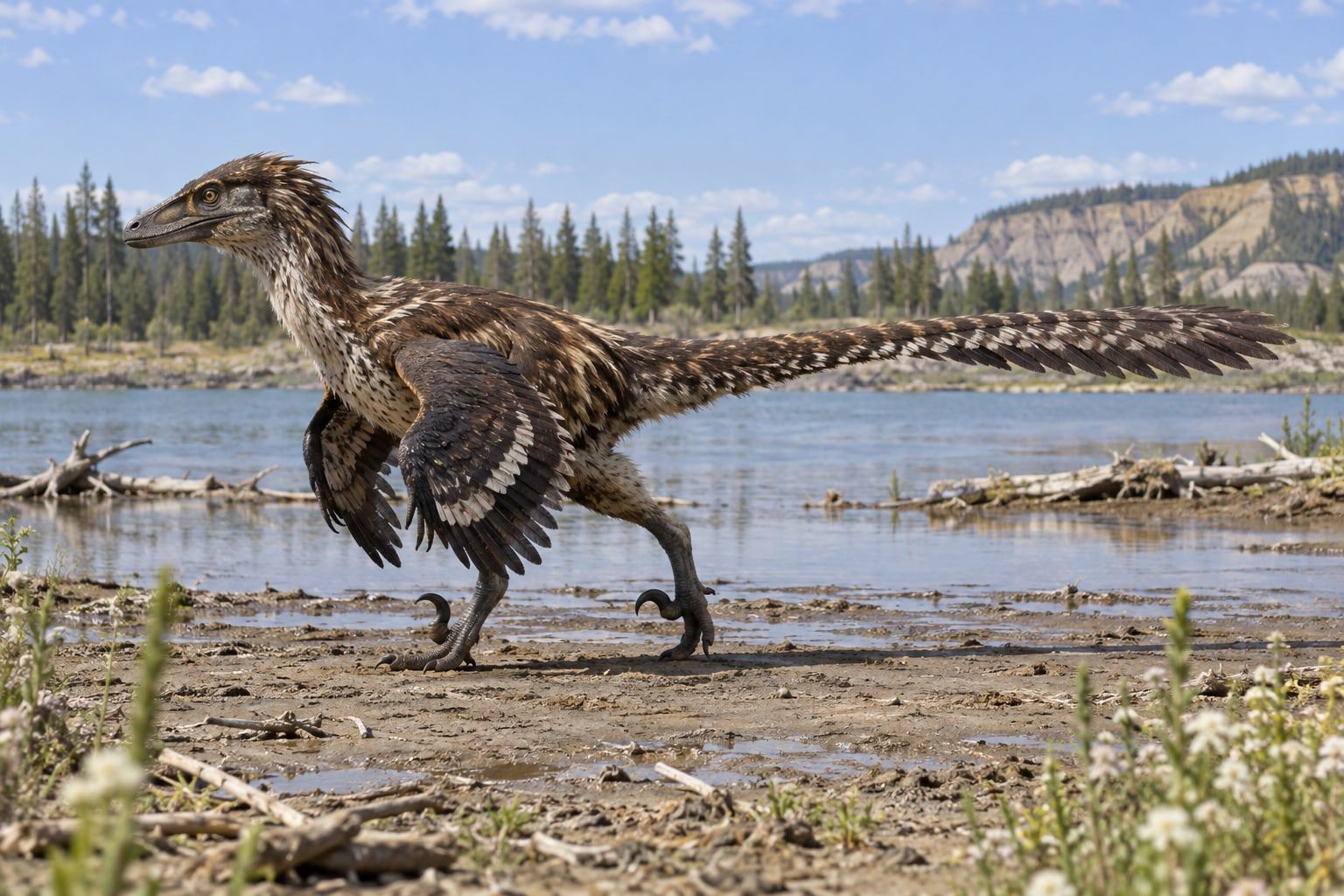
Richardoestesia is known mostly from teeth: small, narrow and finely serrated. The teeth belonged to a small theropod with a slender jaw. They may have suited catching fish or small prey, but the animal's body is unknown.
Its world
Its teeth come from many Late Cretaceous rock layers in western North America, from Alberta to Texas, over millions of years. That means the name may cover several different animals. Teeth like them have also been reported from Asia and Europe.
How it was found
Currie and colleagues named Richardoestesia in 1990, from a pair of lower jaws. Since then, 155 finds have been listed, almost all of them teeth.
Lived alongside
Found in the same rock formations
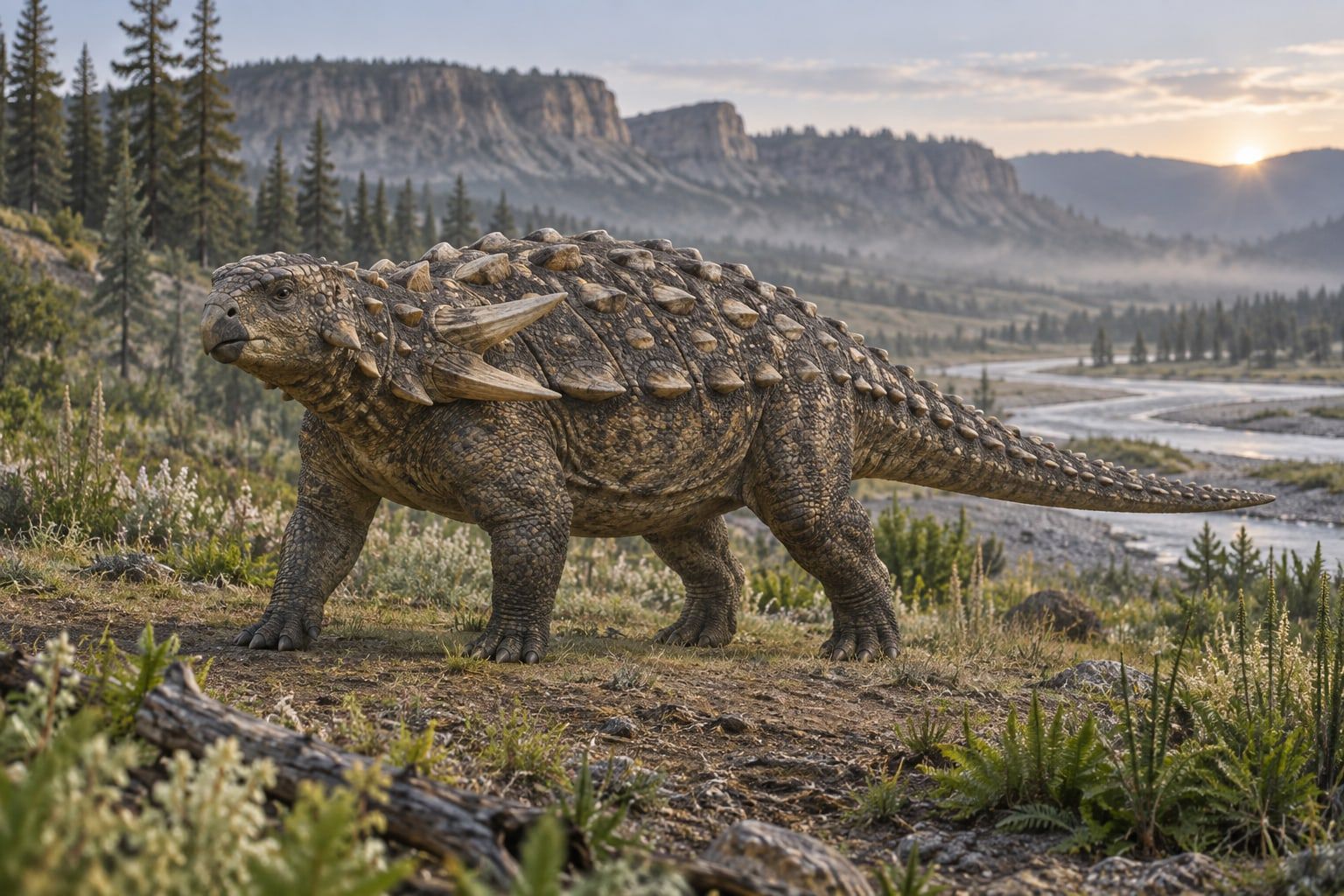
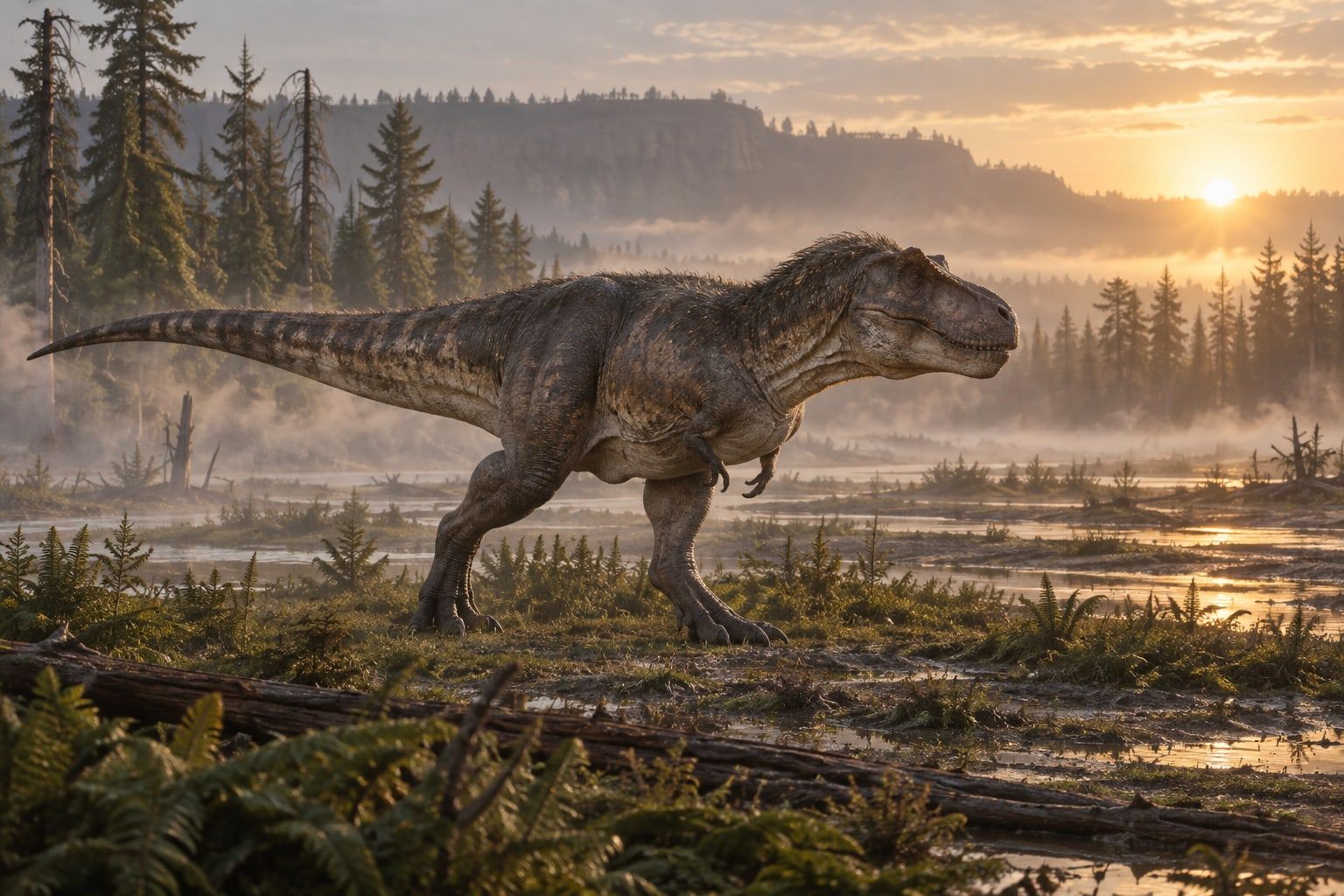
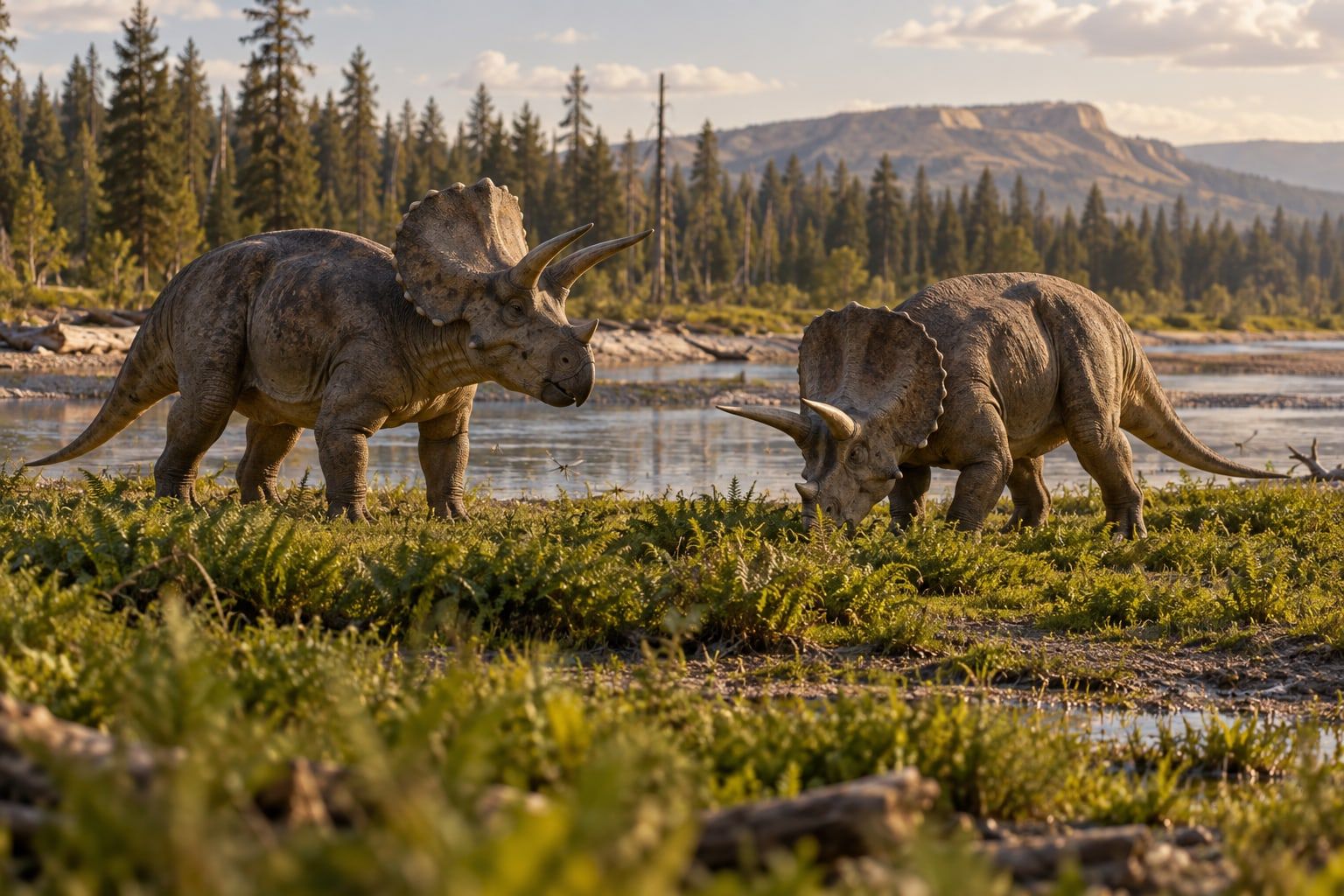
Close relatives
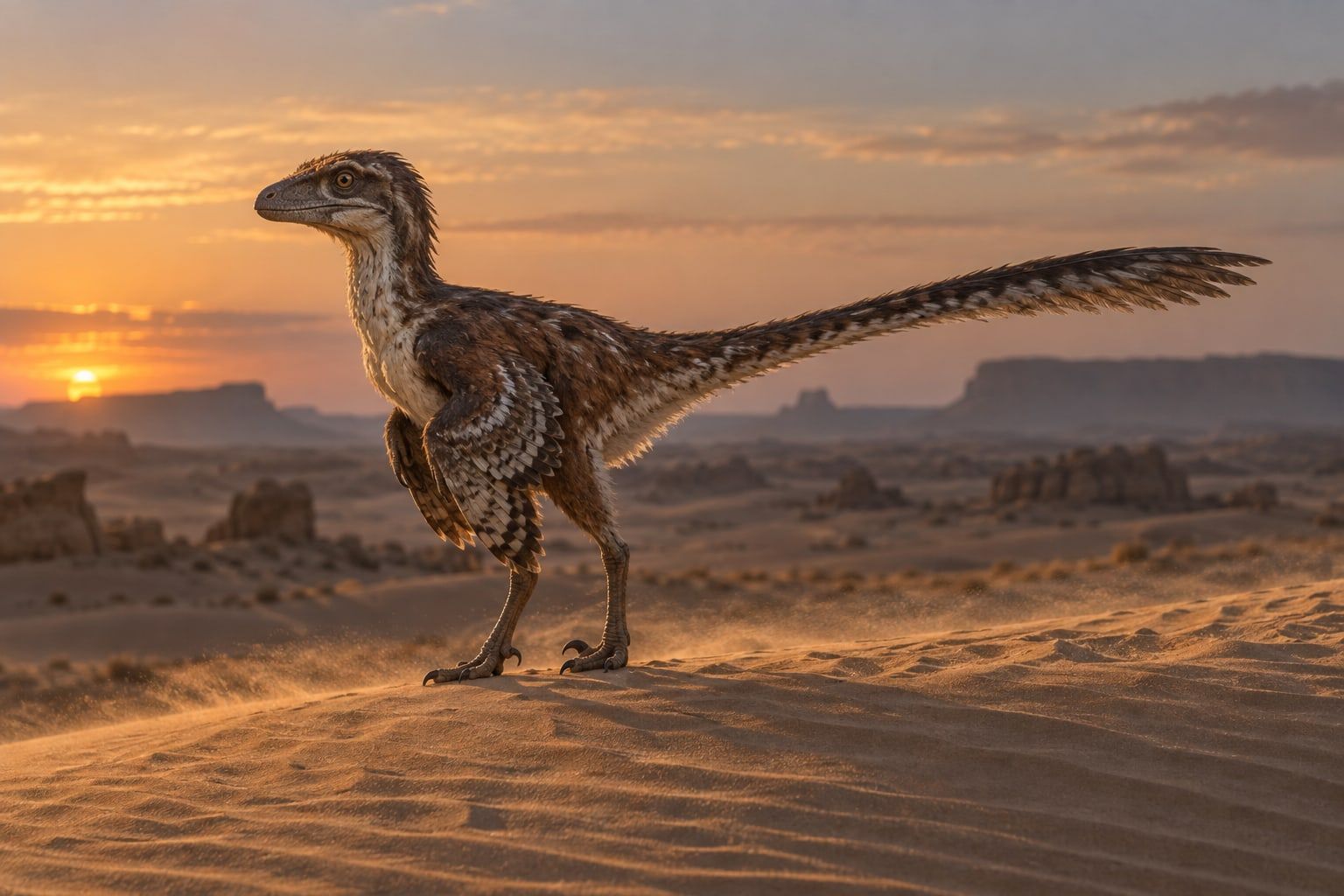
Other members of Dromaeosauridae
Sources: WikidataNamed in: P. J. Currie, J. K. Rigby, Jr., and R. E. Sloan. 1990. Theropod teeth from the Judith River Formation of southern Alberta, Canada. In K. Carpenter and P. J. Currie (eds.), Dinosaur Systematics: Perspectives and Approaches. Cambridge University Press, Cambridge