Outline: a typical theropod
Paronychodon
"beside claw tooth"
Type species Paronychodon lacustris
- Lived
- 86 to 66 million years ago, Late Cretaceous
- Diet
- Carnivore
- Group
- Theropods
- Found in
- United States, Canada, Uzbekistan and Romania
- Named by
- Cope 1876
Where its fossils were found
The evidence
Today
75 million years ago
Also reported from Portugal.
Field notes
About Paronychodon
What it was like
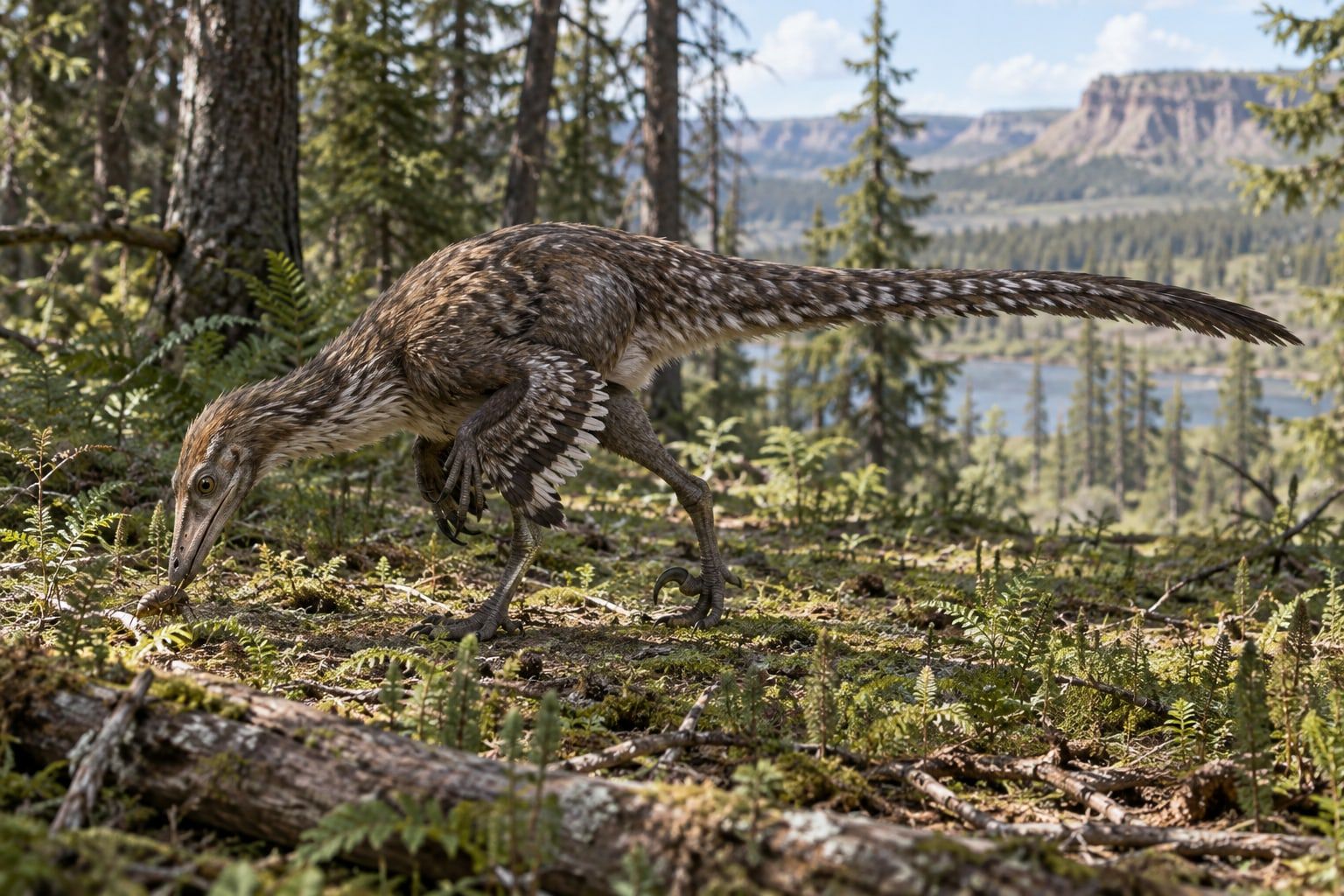
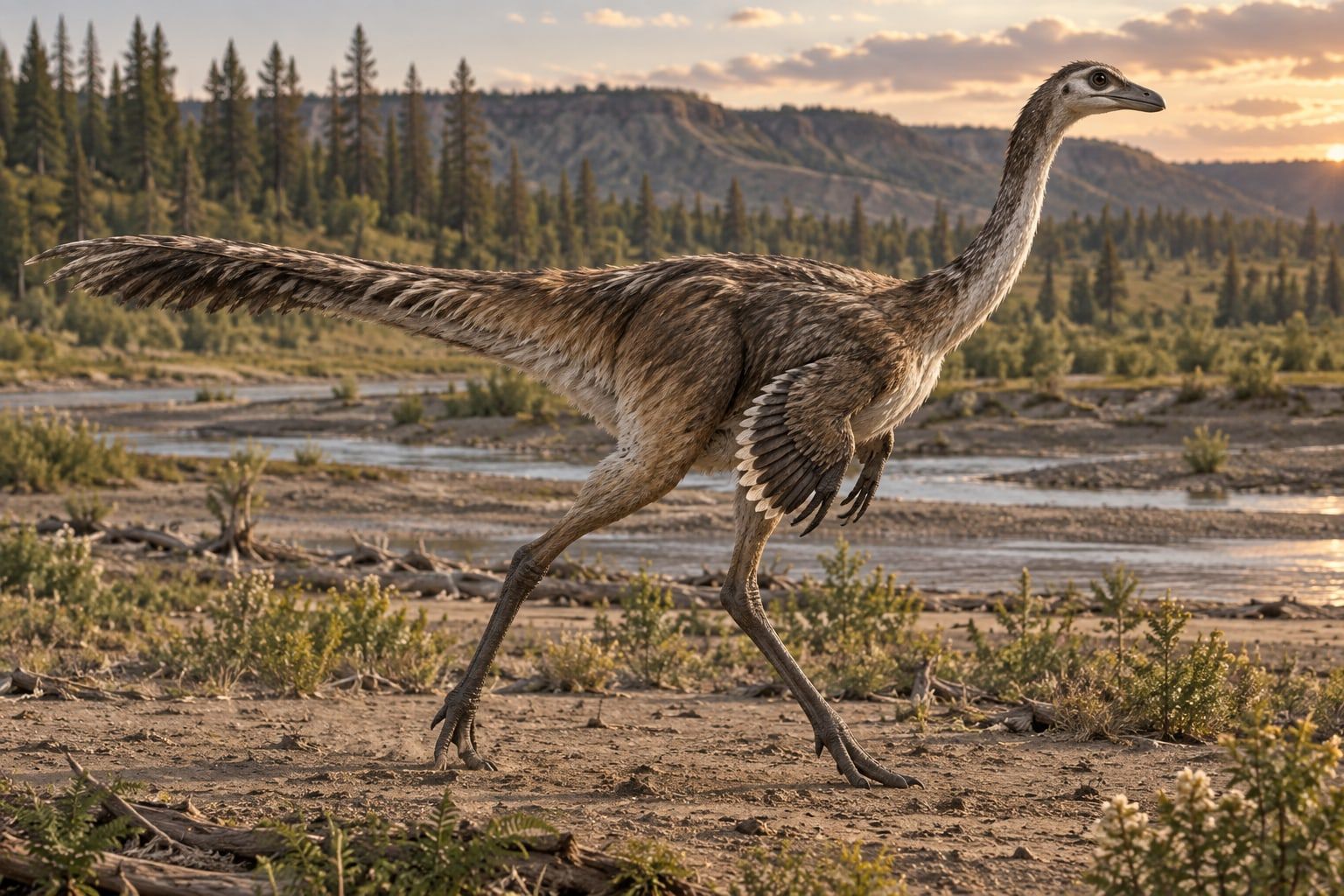
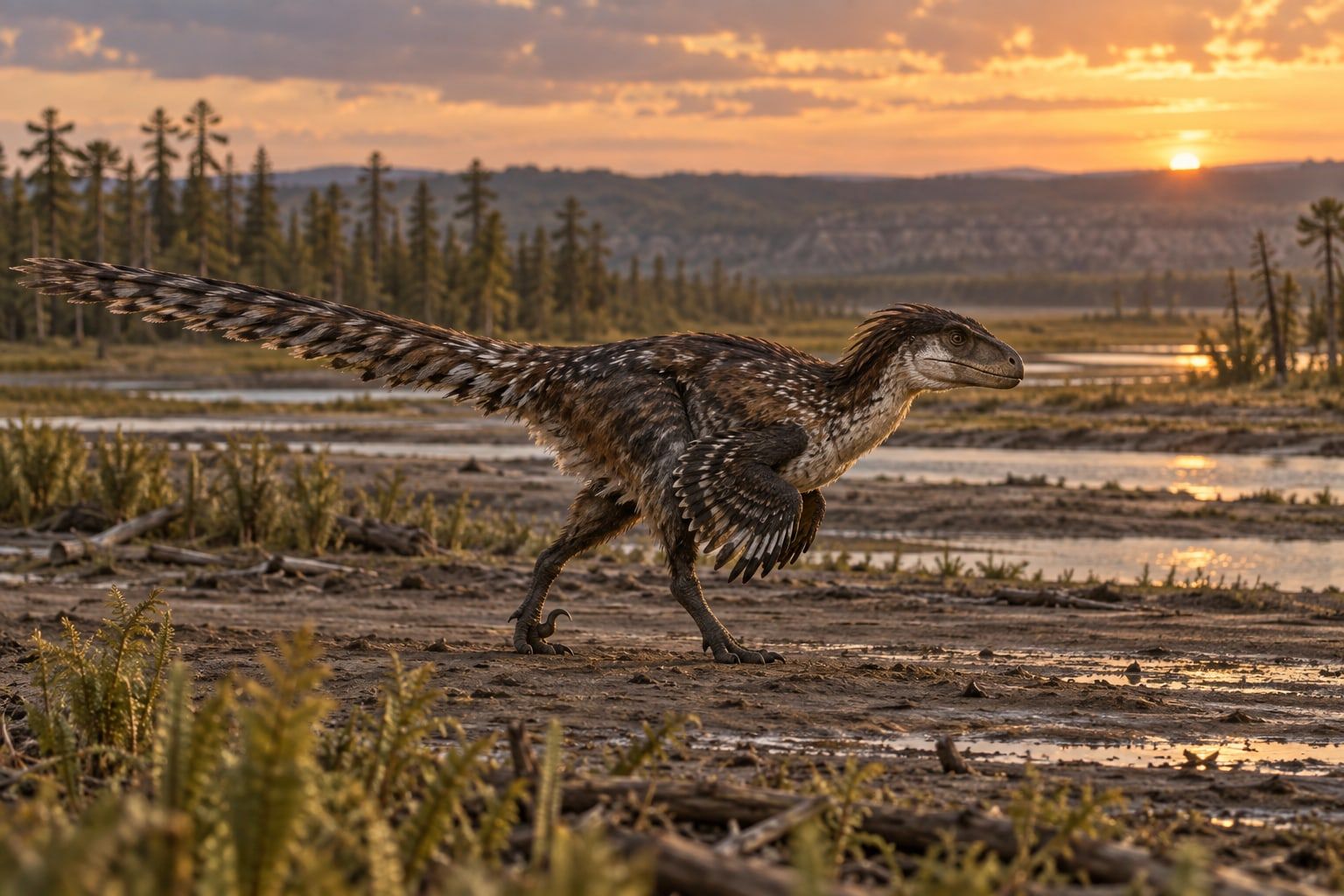
Paronychodon is a name given to small, distinctive teeth, flat on one side and marked with long ridges. No skeleton has ever been found with these teeth, so no one knows what the animal looked like.
The teeth were probably shed by small, feathered meat eaters, perhaps relatives of Troodon or other bird-like dinosaurs. Many scientists think the name covers teeth from several different animals.
Its world
Teeth of this kind have been found in Late Cretaceous rocks across western North America, in places such as Montana, Wyoming and Alberta. They come from the Hell Creek, Lance and Dinosaur Park formations, among others.
How it was found
Cope named Paronychodon in 1876, from teeth found in Montana. More than a hundred finds have since been placed in the genus, but since it is based only on teeth, most scientists treat it as doubtful.
Lived alongside
Found in the same rock formations
Close relatives
Other members of Paraves
Sources: WikidataNamed in: E. D. Cope. 1876. Descriptions of some vertebrate remains from the Fort Union Beds of Montana. Proceedings of the Academy of Natural Sciences of Philadelphia 28:248-261