Ferenceratops
- Lived
- 72 to 66 million years ago, Late Cretaceous
- Diet
- Herbivore
- Group
- Ceratopsians
- Found in
- Romania
- Named by
- Maidment et al. 2026
Where its fossils were found
The evidence
Today

Habitat
It lived on an island in what is now Romania, within the scattered islands of Late Cretaceous Europe. Magyarosaurus, Telmatosaurus and Zalmoxes were other plant eaters of the region.
Field notes
About Ferenceratops
What it was like
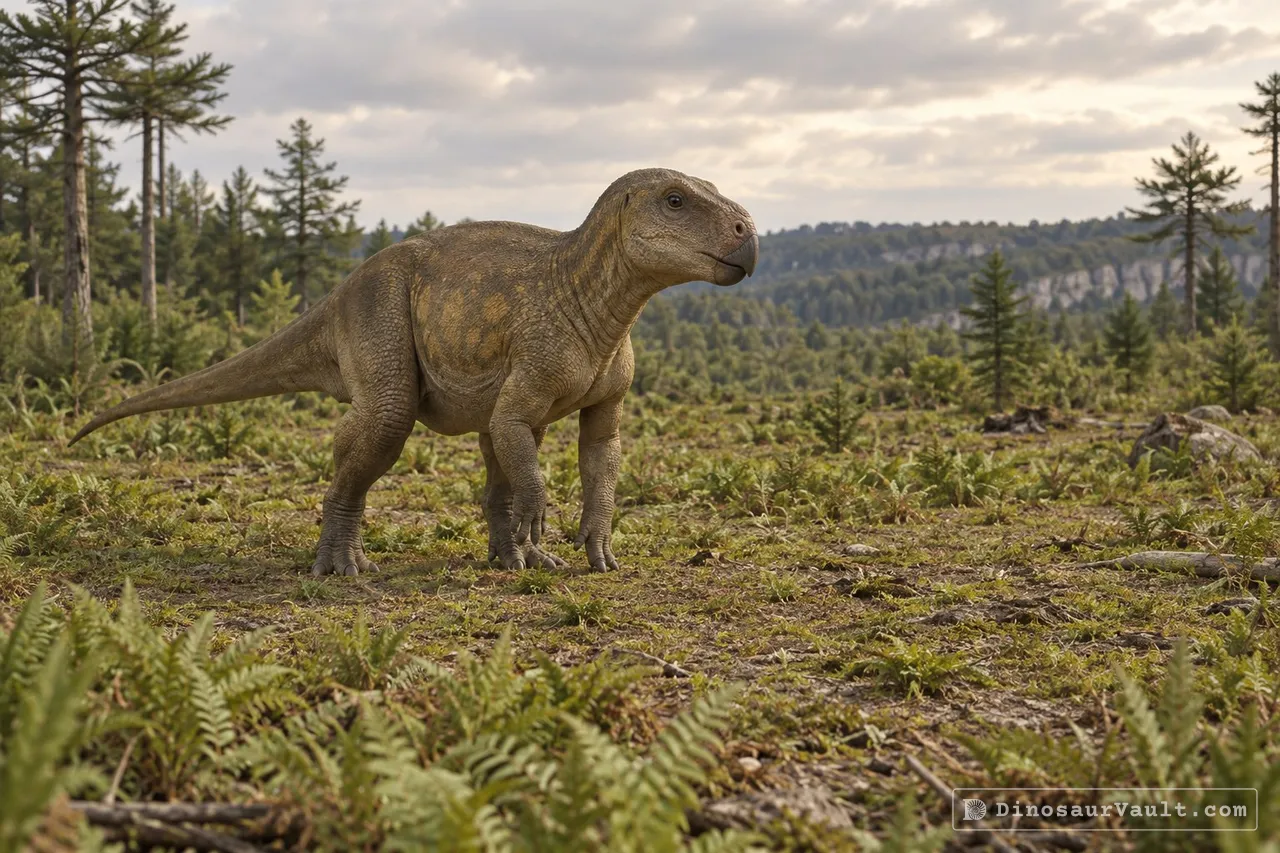
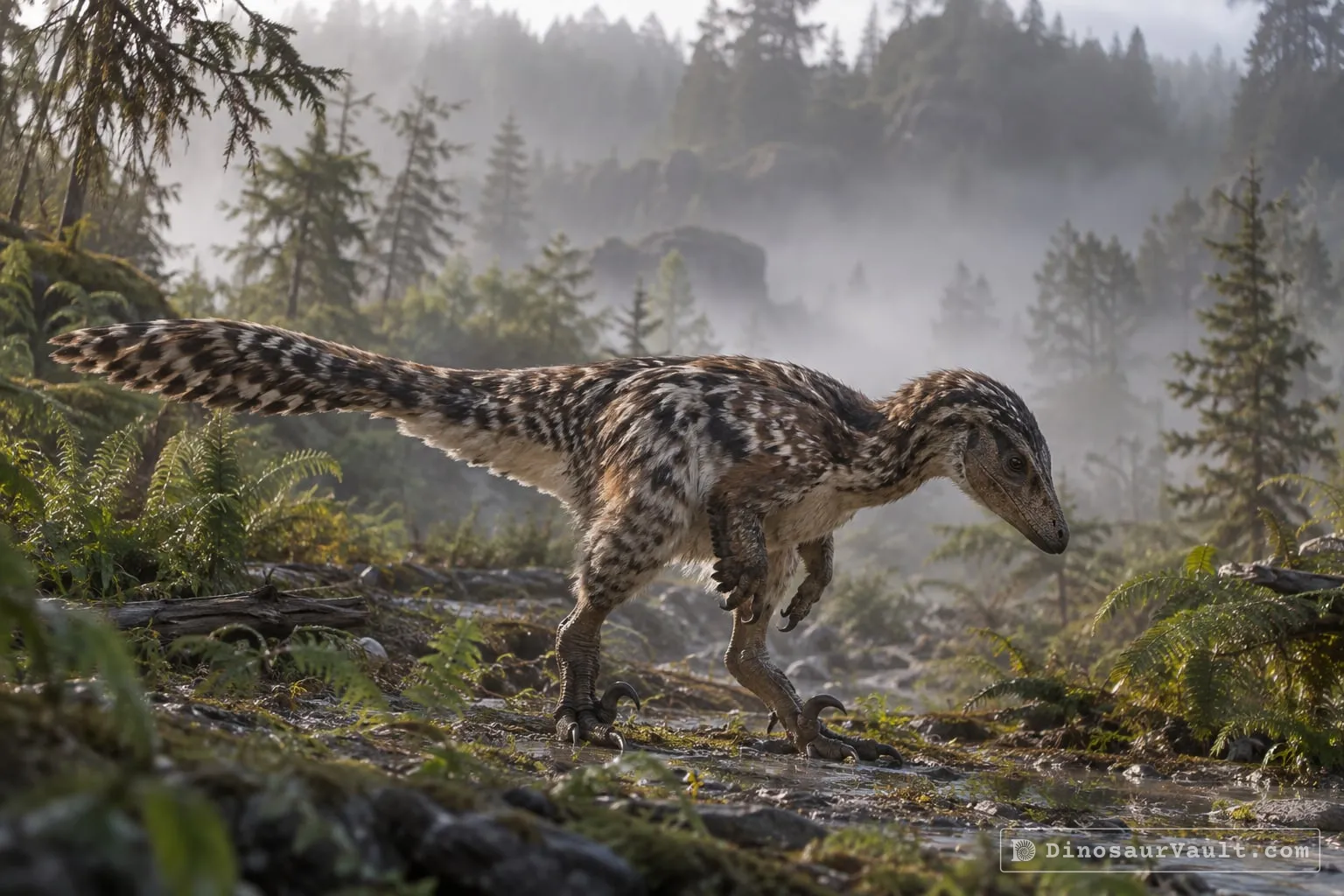
Ferenceratops was a small horned dinosaur, an early and simple relative of animals like Triceratops. It probably lacked the big horns and frill of its famous cousins. Its closest known relative is Ajkaceratops.
Its world
It lived about 72 to 66 million years ago, in the Late Cretaceous, in what is now Romania. The region was then an island, home to small dinosaurs such as the dwarf sauropod Magyarosaurus, the duck-bill Telmatosaurus and the plant eater Zalmoxes.
How it was found
Maidment and colleagues named Ferenceratops in 2026. Its bones had long been filed under Zalmoxes before they were recognized as a horned dinosaur. Eight finds are known.
Field gallery
More views of Ferenceratops
Scenes reconstructed from the available fossil evidence.
Lived alongside
Found in the same rock formations
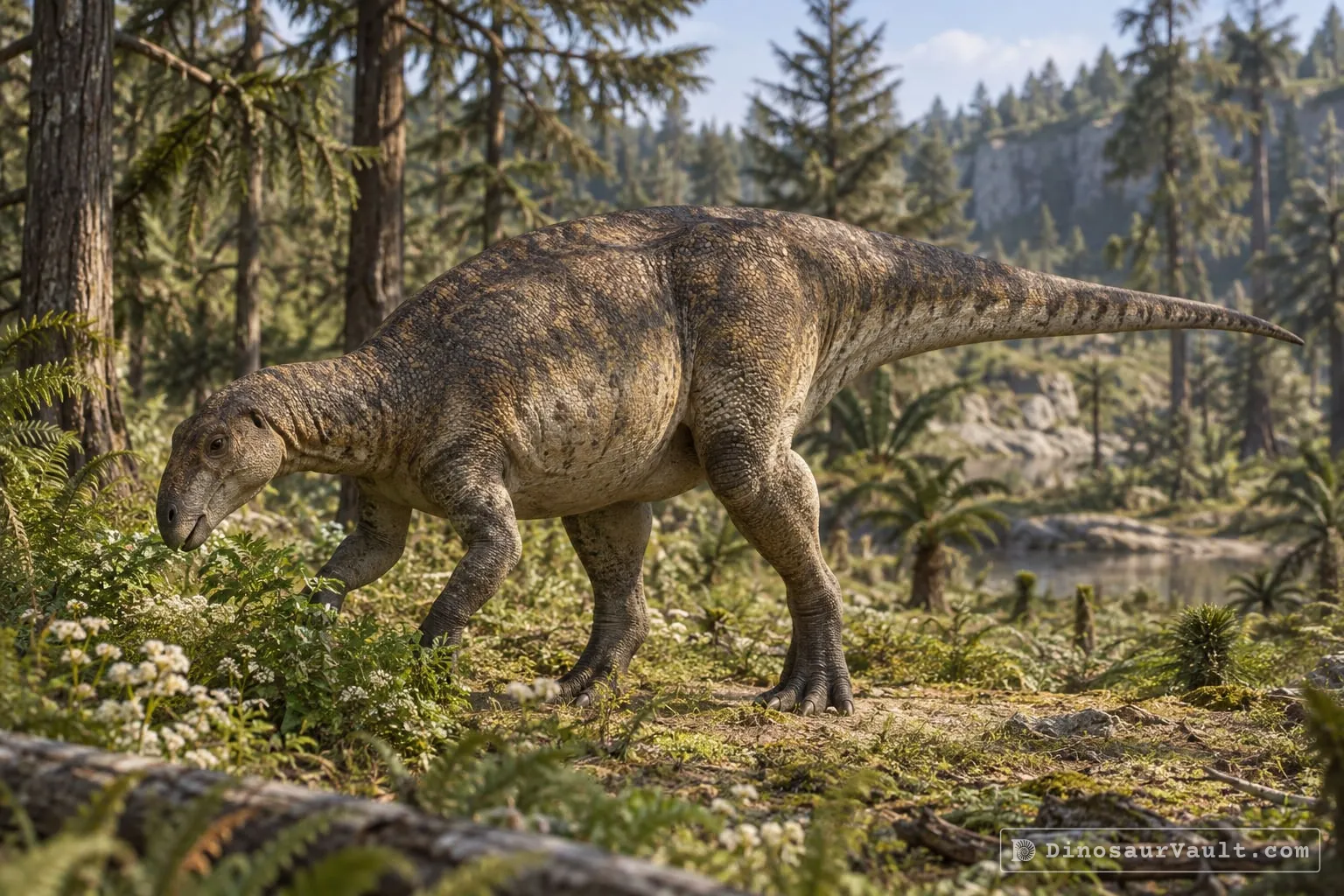
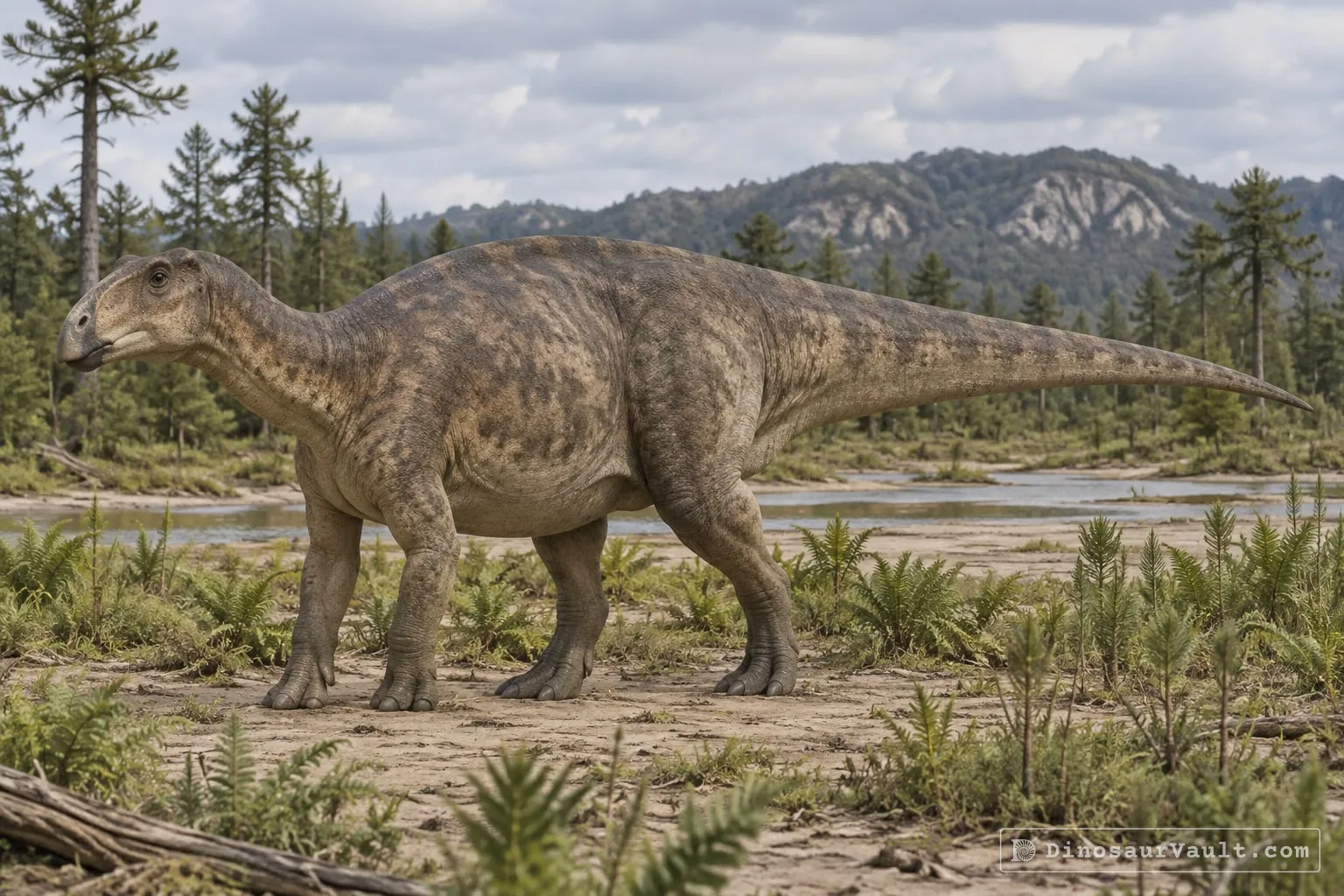
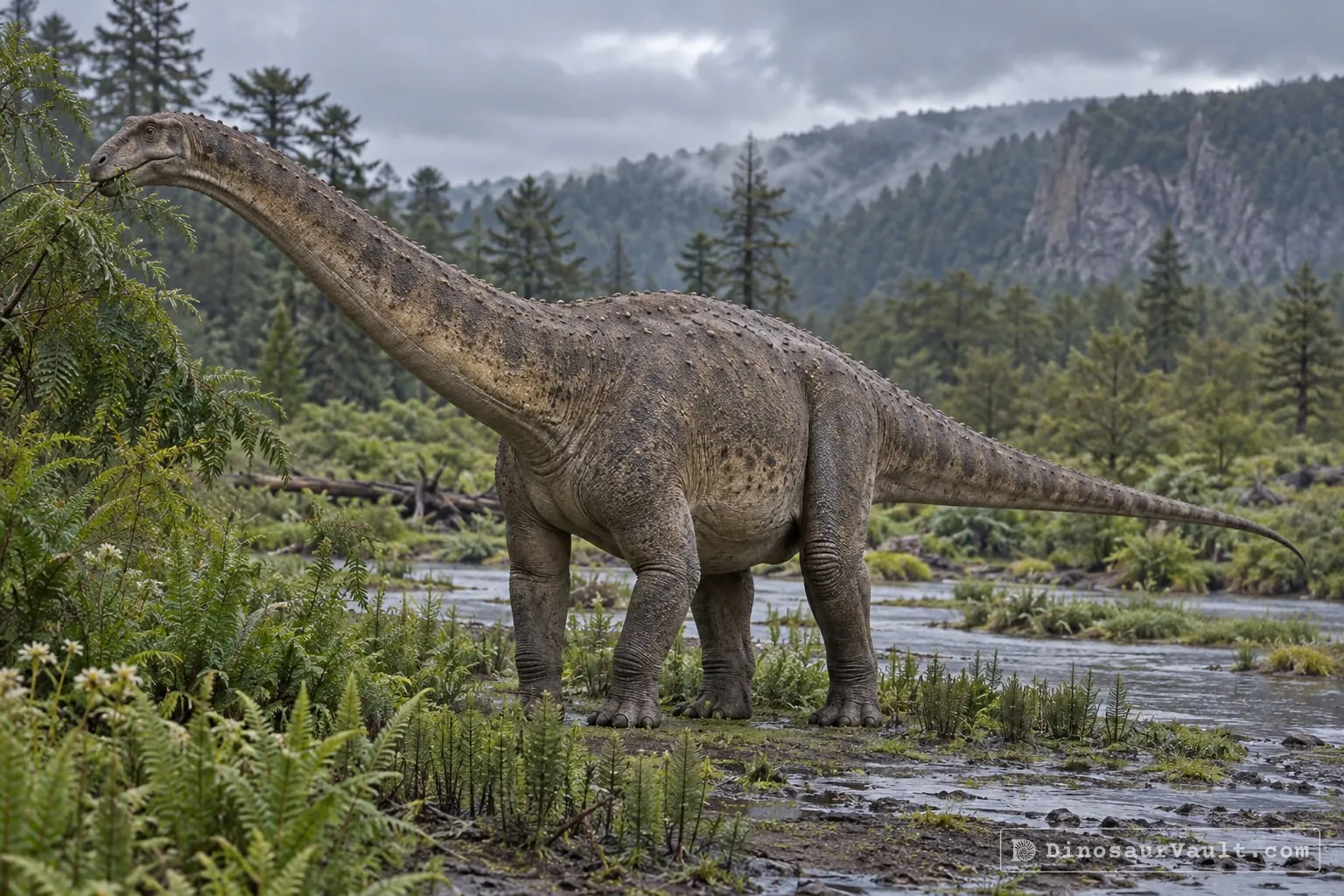
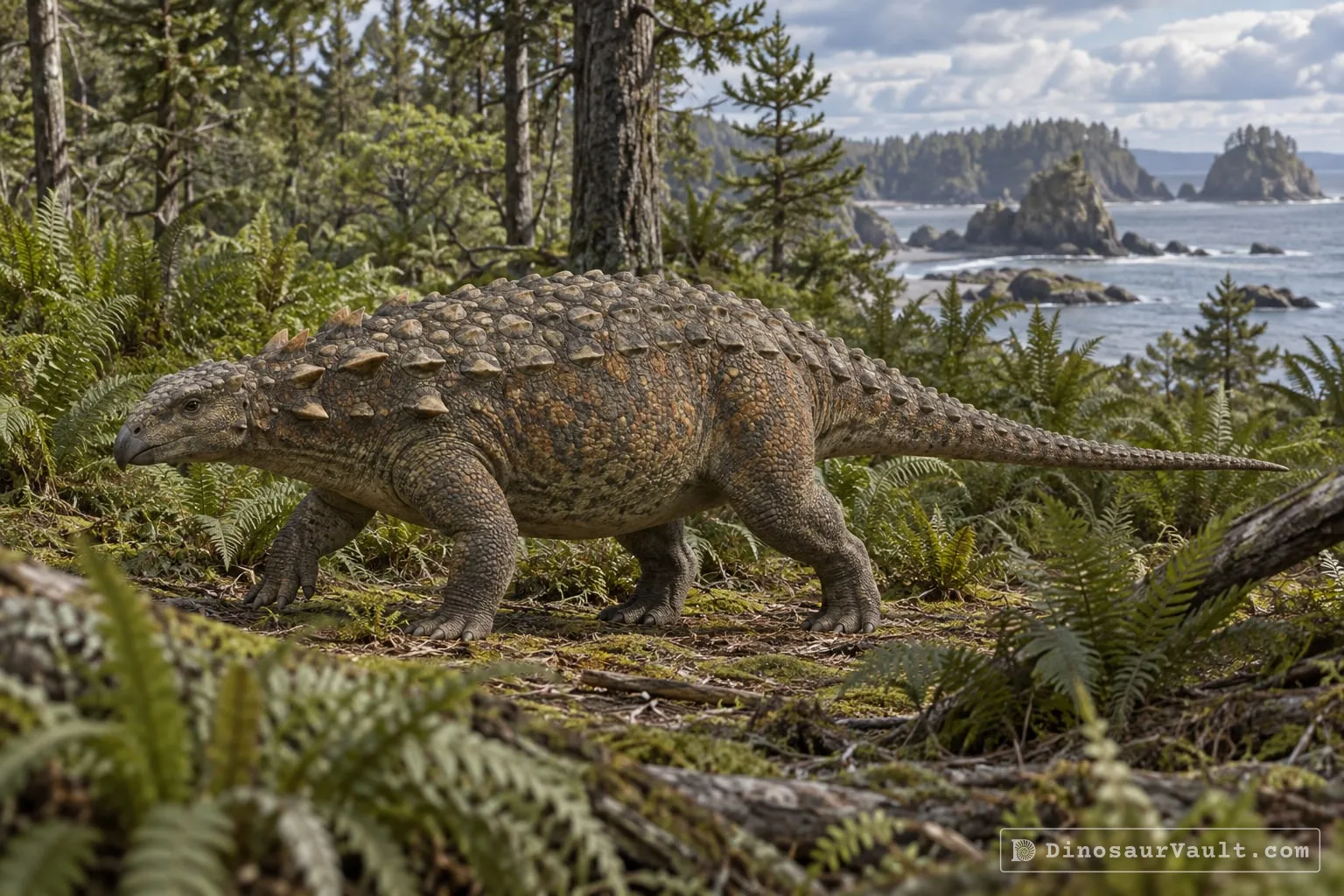
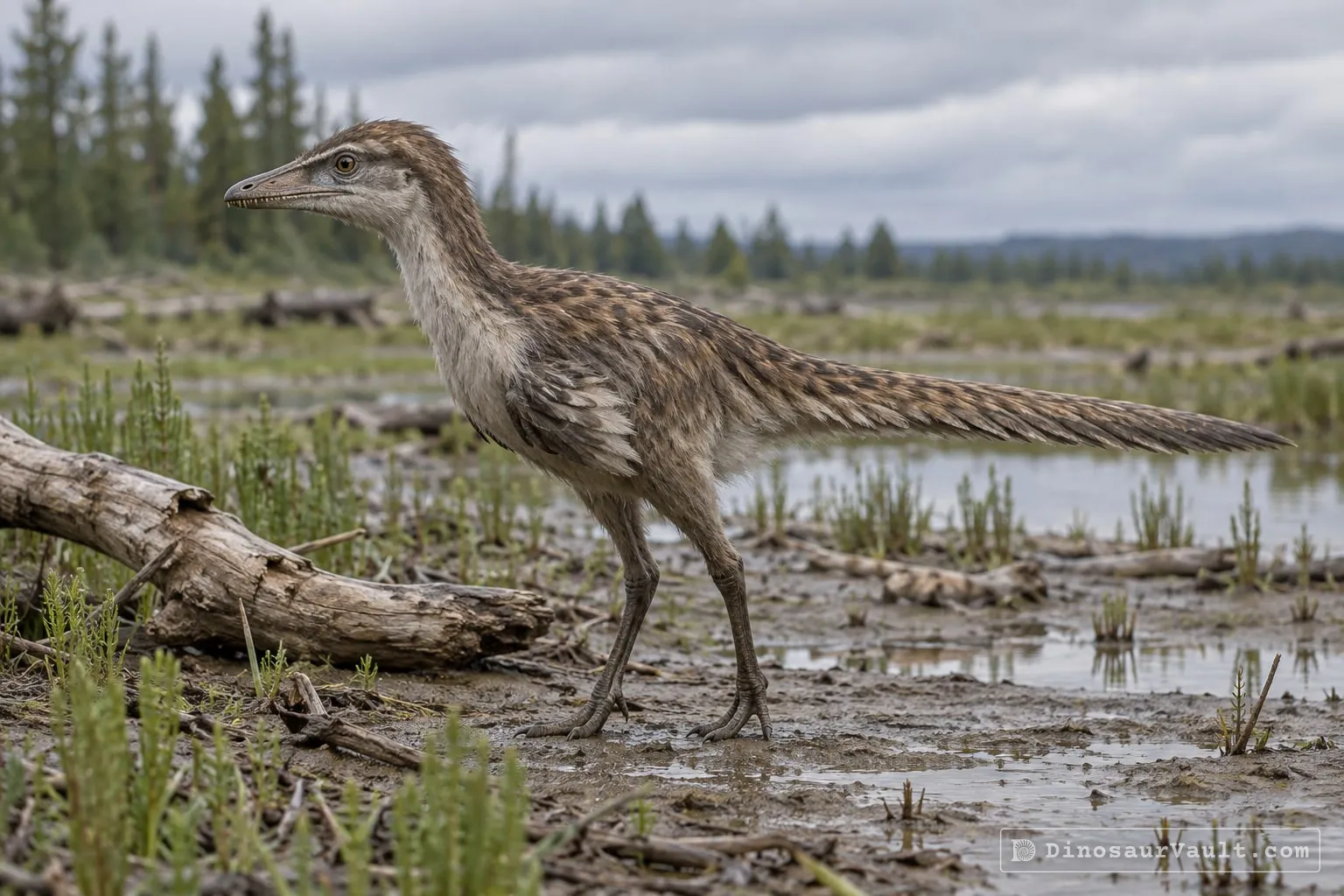
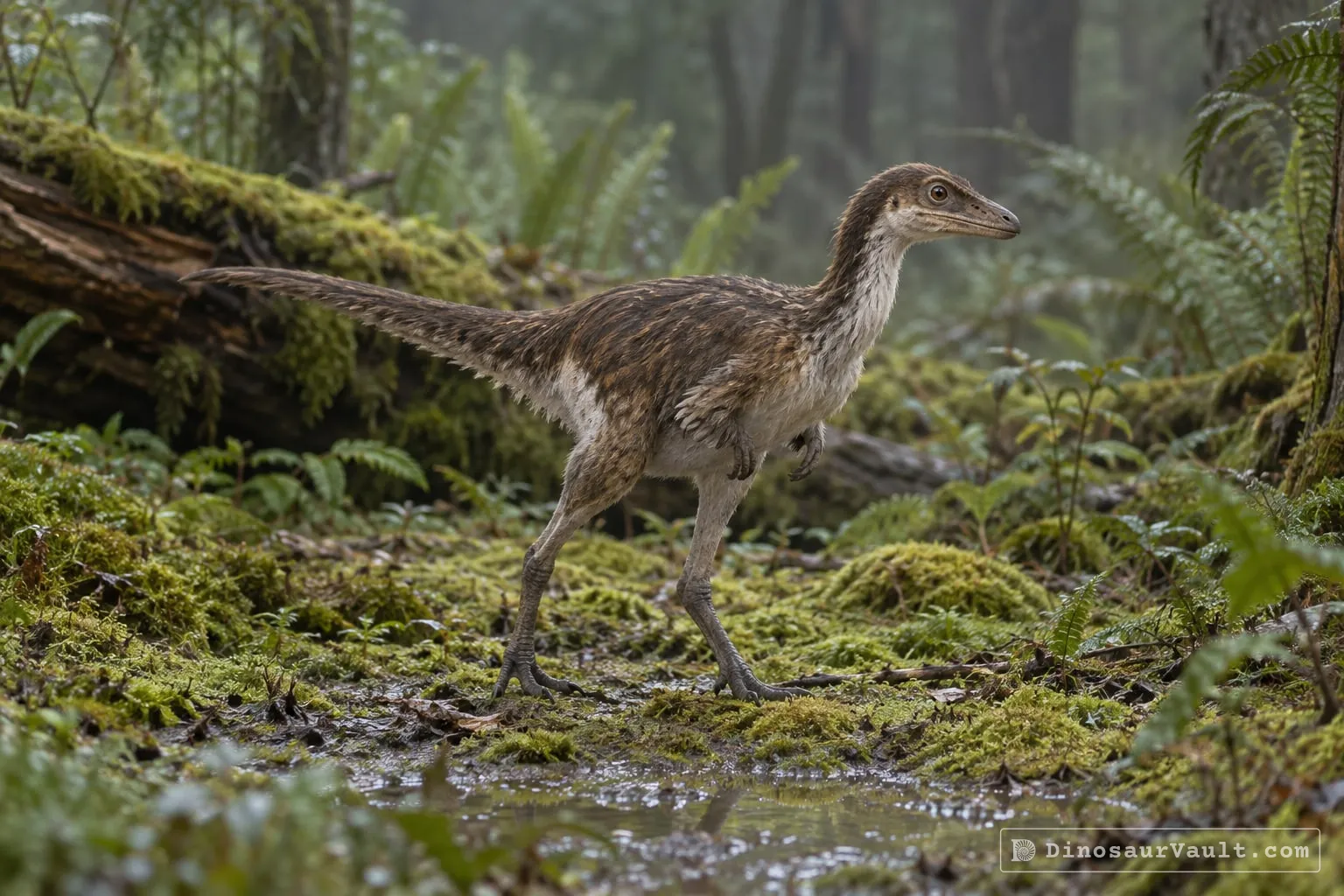
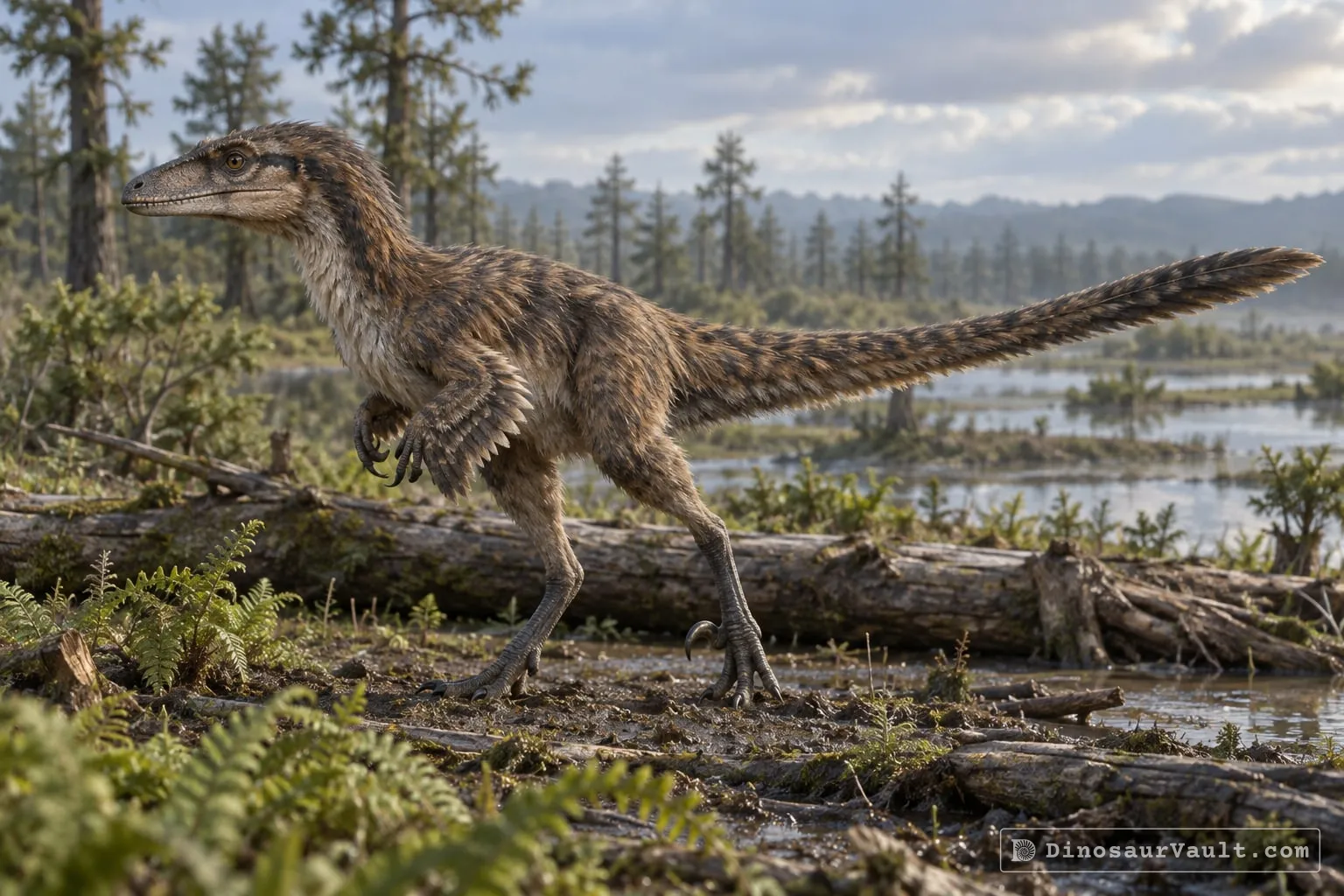


A rock formation can hold fossils laid down millions of years apart, so not every animal here met Ferenceratops.
The evidence
The science behind Ferenceratops
Which parts of the picture come from its own bones, and which come from its relatives.
From its own fossils
- The original specimen preserves part of a lower jaw, shoulder bones, a hip bone and a thigh bone.
- The lower jaw has a broad, angled shelf, the shoulder blade is narrow with a flared end, and the hip bone ends in an expanded, boot-shaped tip.
- The shape of its hip bone helped identify it as a ceratopsian.
Borrowed from relatives
- Its missing head parts are restored by comparison with early ceratopsians such as Ajkaceratops, probably without the large horns and frill of Triceratops.
Still unknown
- The complete shape of its skull.
- Which other bones formerly assigned to Zalmoxes shqiperorum belong to Ferenceratops.
- Its skin texture and color.
Discovery timeline
- 2003Full descriptionWeishampel et al.
- 2009New findGodefroit, Codrea & Weishampel
- 2026Named itMaidment et al.
Key papers
The research behind what we know of Ferenceratops
Full description
Described the species under the name Zalmoxes shqiperorum and compared its bones with those of other plant-eating dinosaurs.
Osteology and phylogeny of Zalmoxes (n. g.), an unusual Euornithopod dinosaur from the latest Cretaceous of Romania. Journal of Systematic Palaeontology 1: 65-123
Read the paper : Osteology and phylogeny of Zalmoxes (n. g.), an unusual Euornithopod dinosaur from the latest Cretaceous of Romania (opens in a new tab)New find
Described additional skeletons and young animals under the old name Zalmoxes shqiperorum; their assignment now needs review.
Osteology of Zalmoxes shqiperorum (Dinosauria, Ornithopoda), based on new specimens from the Upper Cretaceous of Năălaţţ-Vad (Romania). Geodiversitas 31: 525-553
Read the paper : Osteology of Zalmoxes shqiperorum (Dinosauria, Ornithopoda), based on new specimens from the Upper Cretaceous of Năălaţţ-Vad (Romania) (opens in a new tab)Named it
Reidentified a species previously assigned to Zalmoxes as a ceratopsian and gave it the new genus name Ferenceratops.
A hidden diversity of ceratopsian dinosaurs in Late Cretaceous Europe. Nature 651: 397-403
Read the paper : A hidden diversity of ceratopsian dinosaurs in Late Cretaceous Europe (opens in a new tab)
Close relatives
Other members of Ceratopsia


Sources: Wikidata