Telmatosaurus
"marsh lizard"
- Lived
- 72 to 66 million years ago, Late Cretaceous
- Diet
- Herbivore
- Length
- about 5 m (16 ft)
- Group
- Ornithopods, Telmatosauridae
- Found in
- Romania
- Named by
- Nopcsa 1903
Size comparison
To scale


Scale in metersOutline: typical ornithopod shape
Where its fossils were found
The evidence
Today

70 million years ago
Also reported from France.
Habitat
River floodplains on an island in what is now Romania. Zalmoxes, Magyarosaurus and Struthiosaurus lived in the same island world.
Field notes
About Telmatosaurus
What it was like
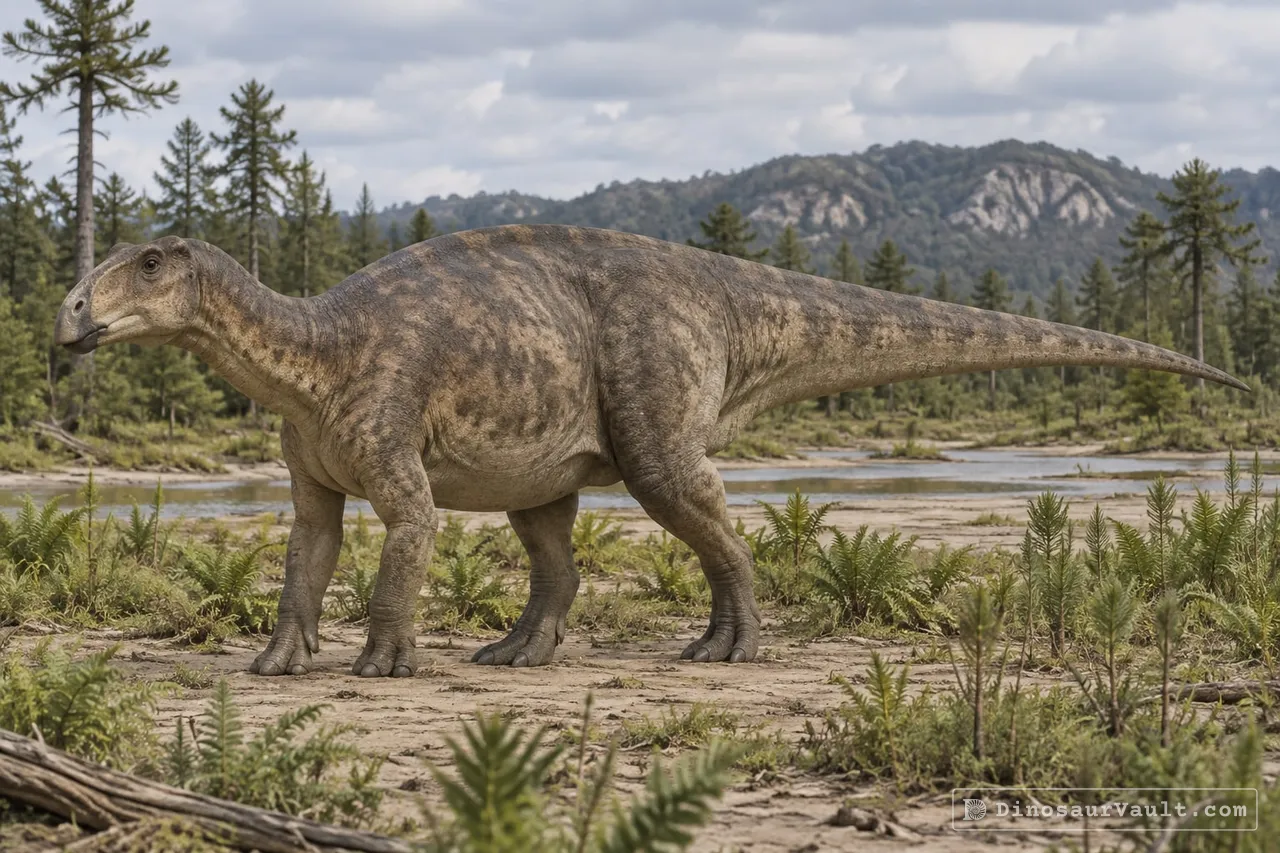
Telmatosaurus was a relative of the duckbills, about 5 meters (16 feet) long. It was small for its group. Scientists think it lived on an island and, like other animals there, evolved a smaller body.
Its world
It lived about 72 to 66 million years ago, near the end of the Cretaceous, in what is now Romania. The island world it lived in was home to the small plant eater Zalmoxes, the dwarf sauropod Magyarosaurus, the armored Struthiosaurus and the small predator Balaur.
How it was found
Nopcsa named Telmatosaurus in 1903. About twenty finds are known, including eggs and young that may belong to it.
Field gallery
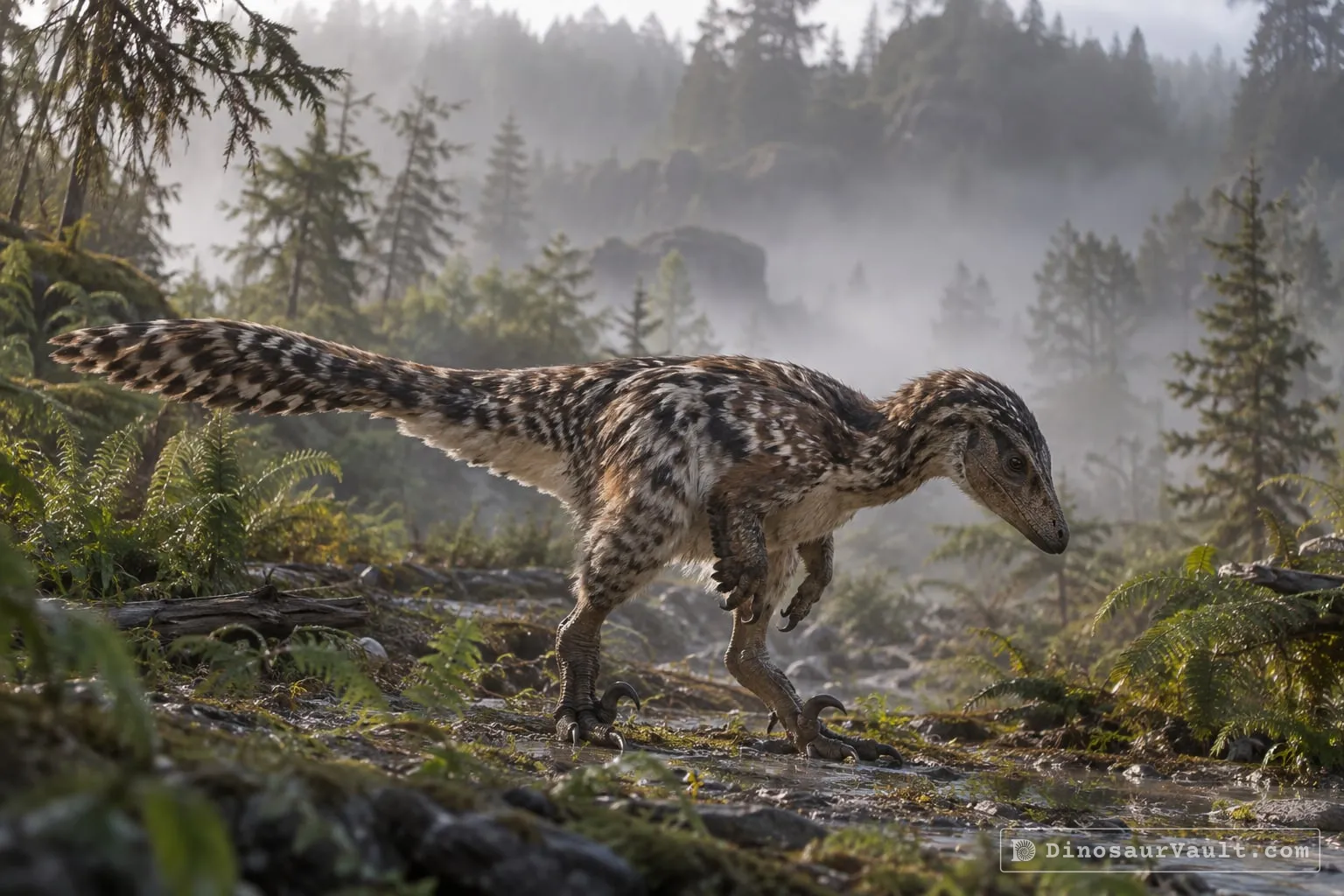
More views of Telmatosaurus
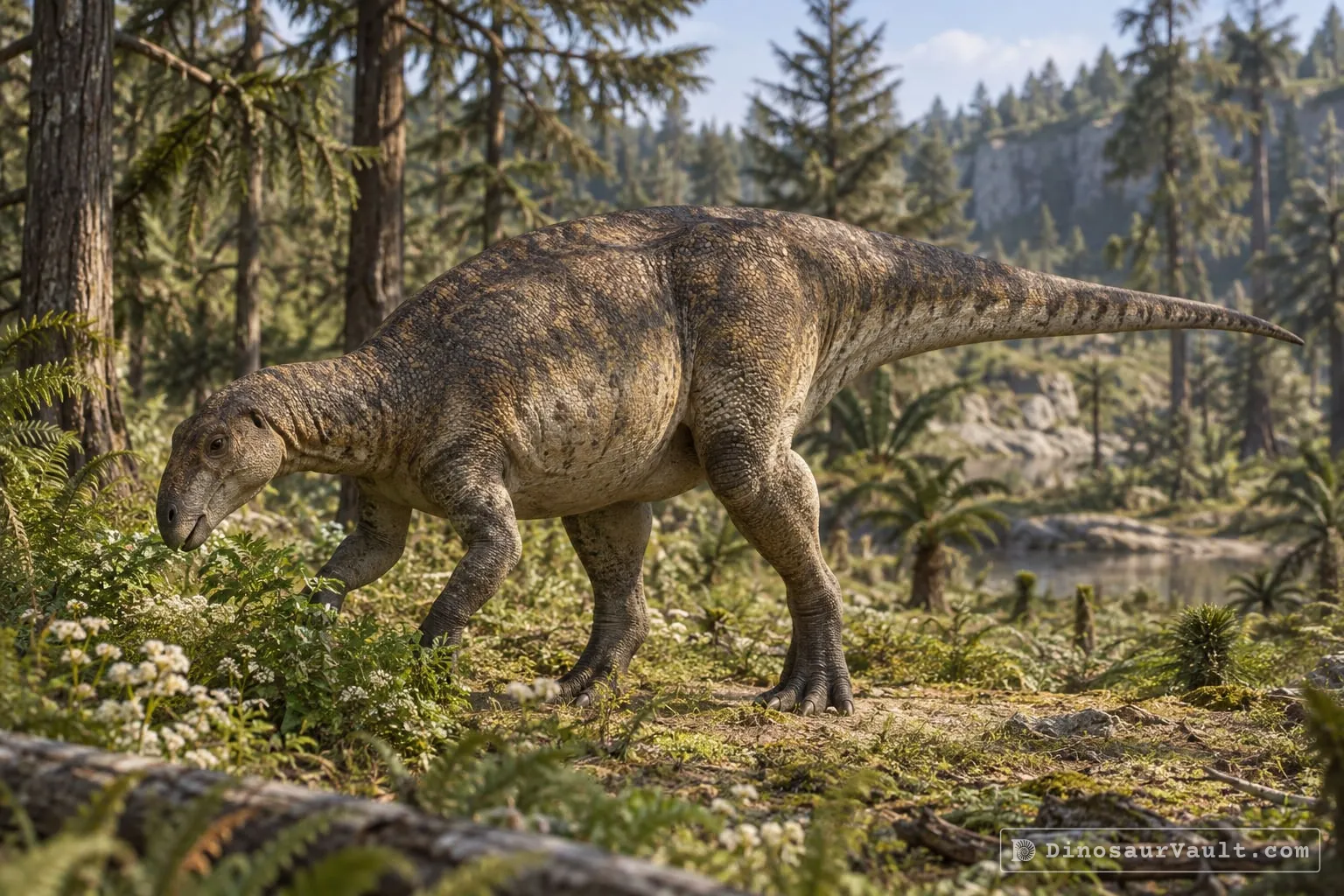
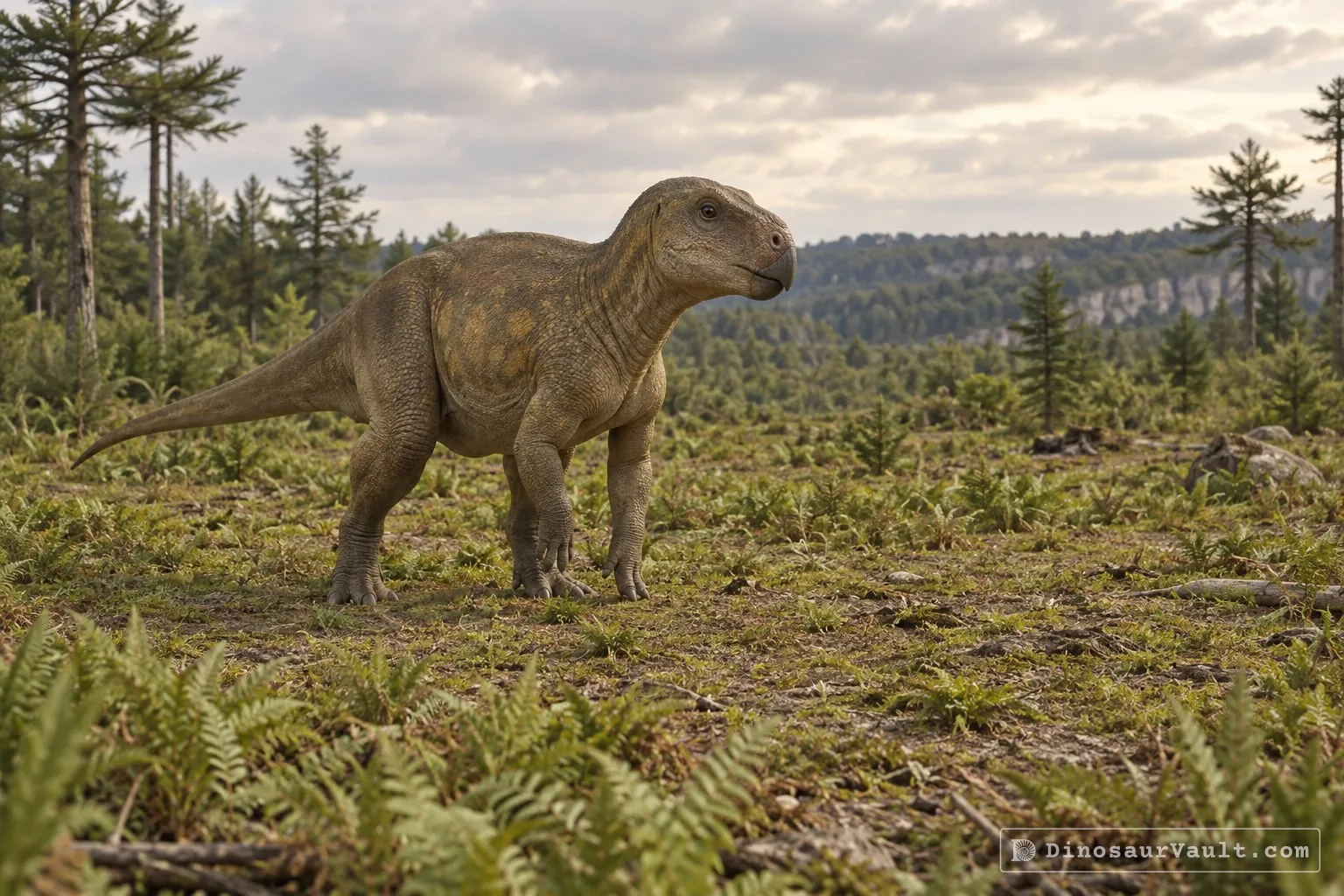
Scenes reconstructed from the available fossil evidence.
Lived alongside
Found in the same rock formations
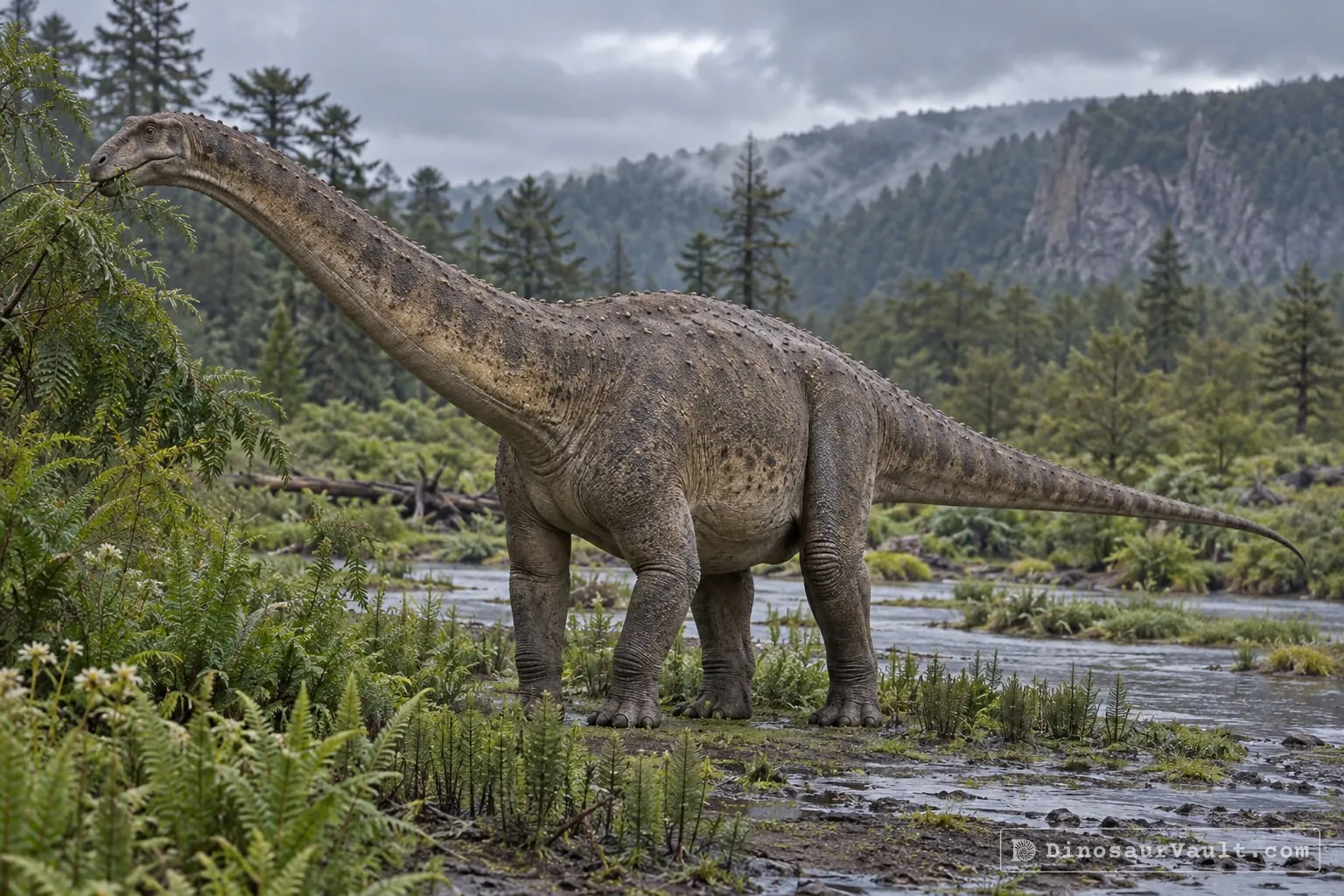
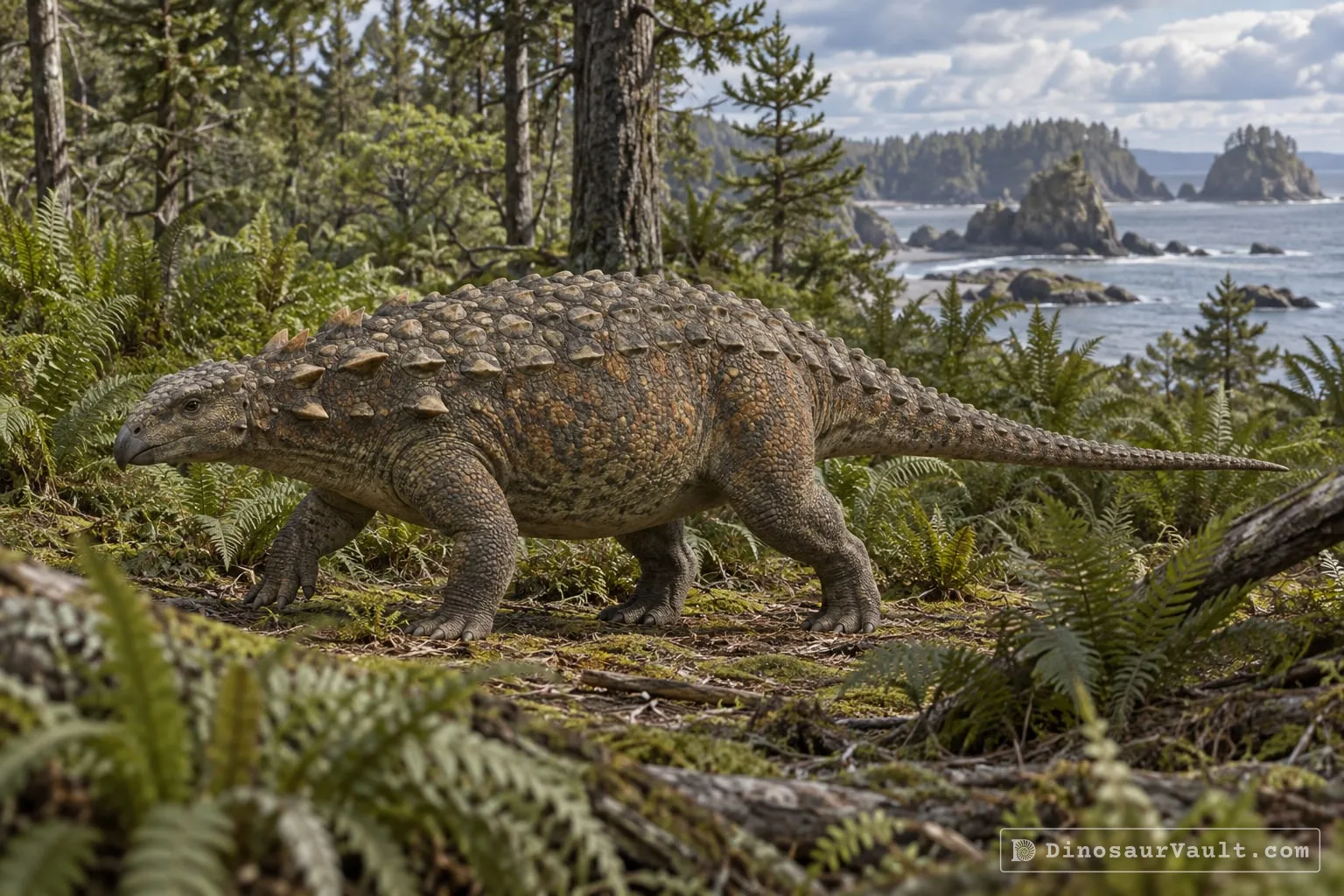
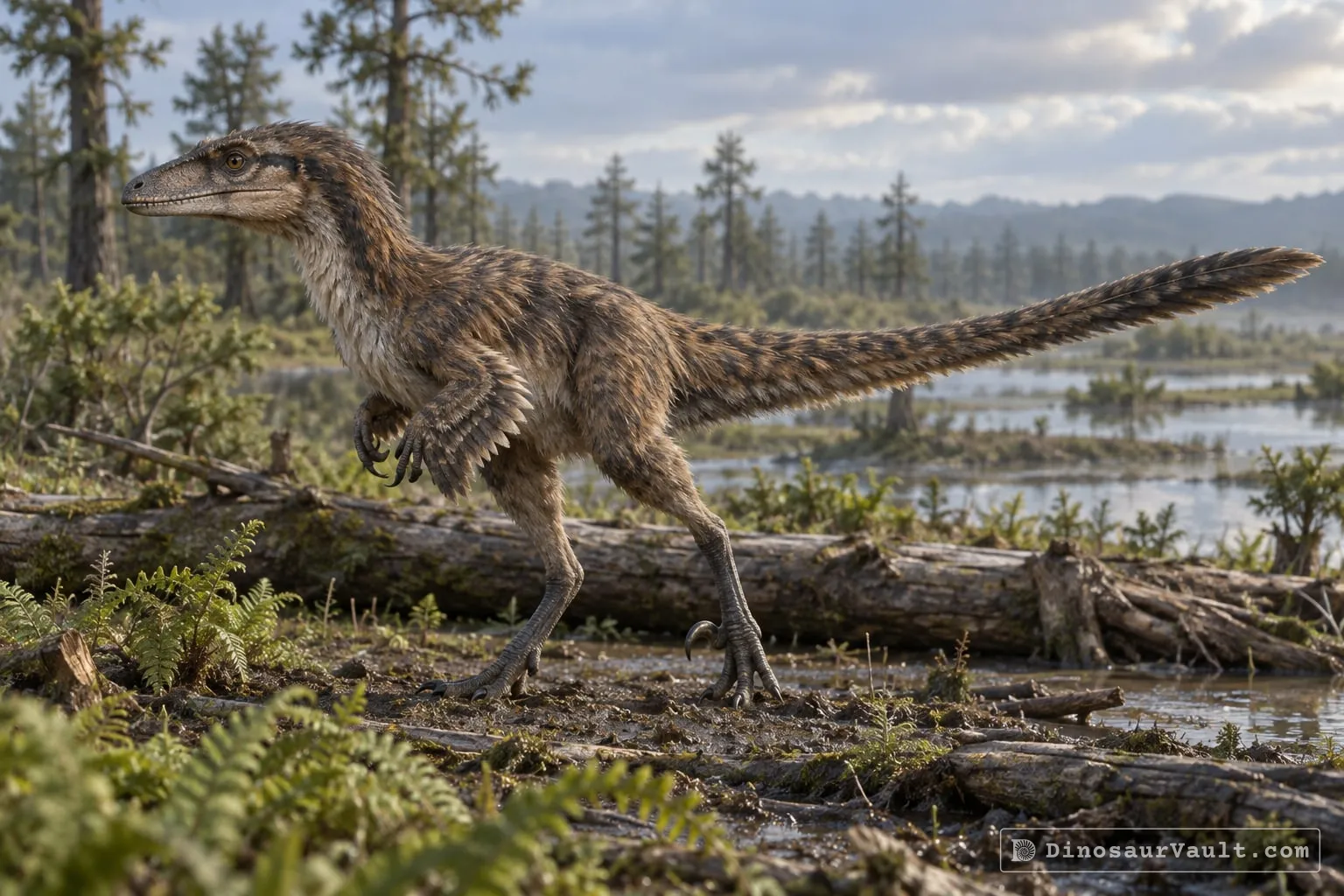
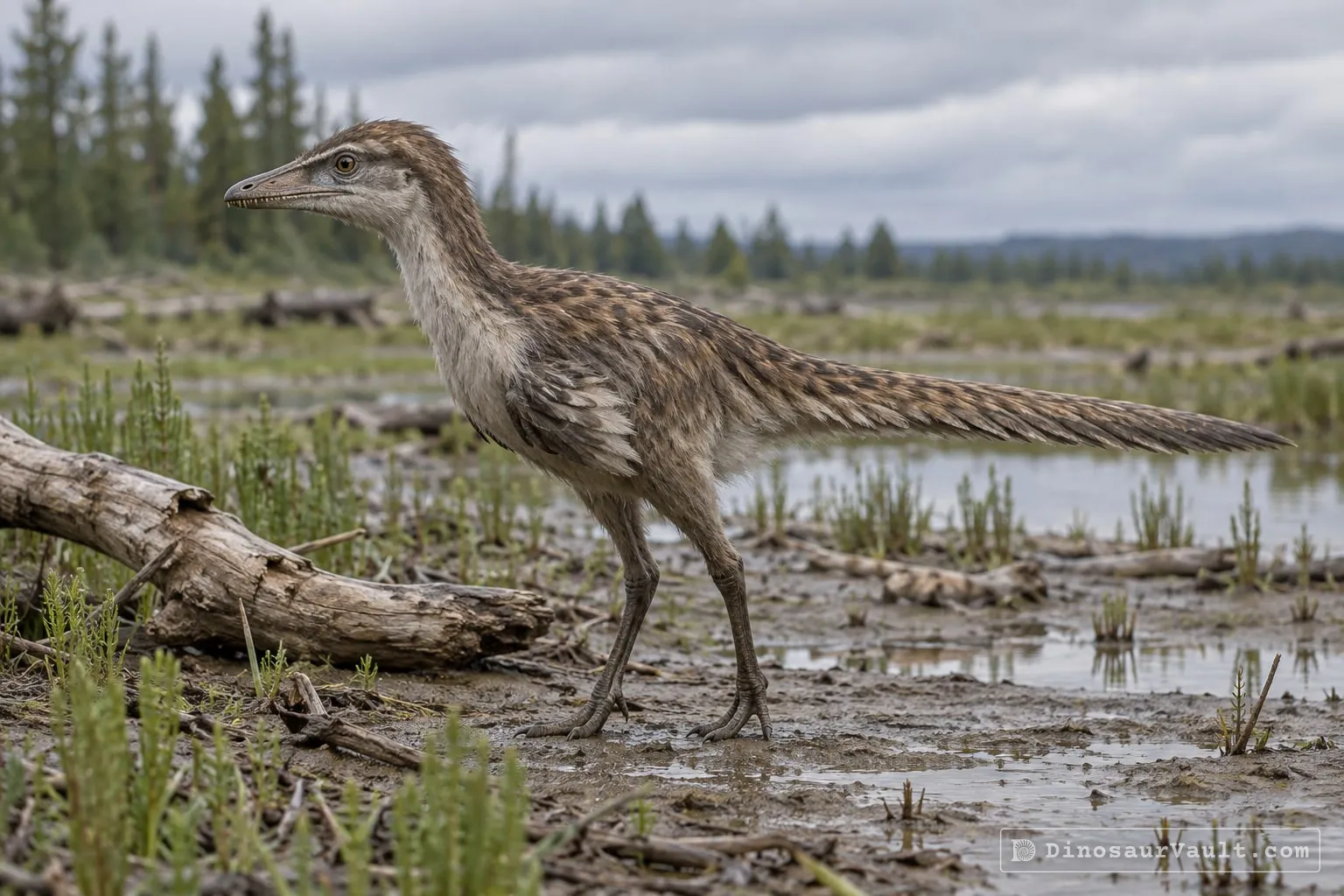
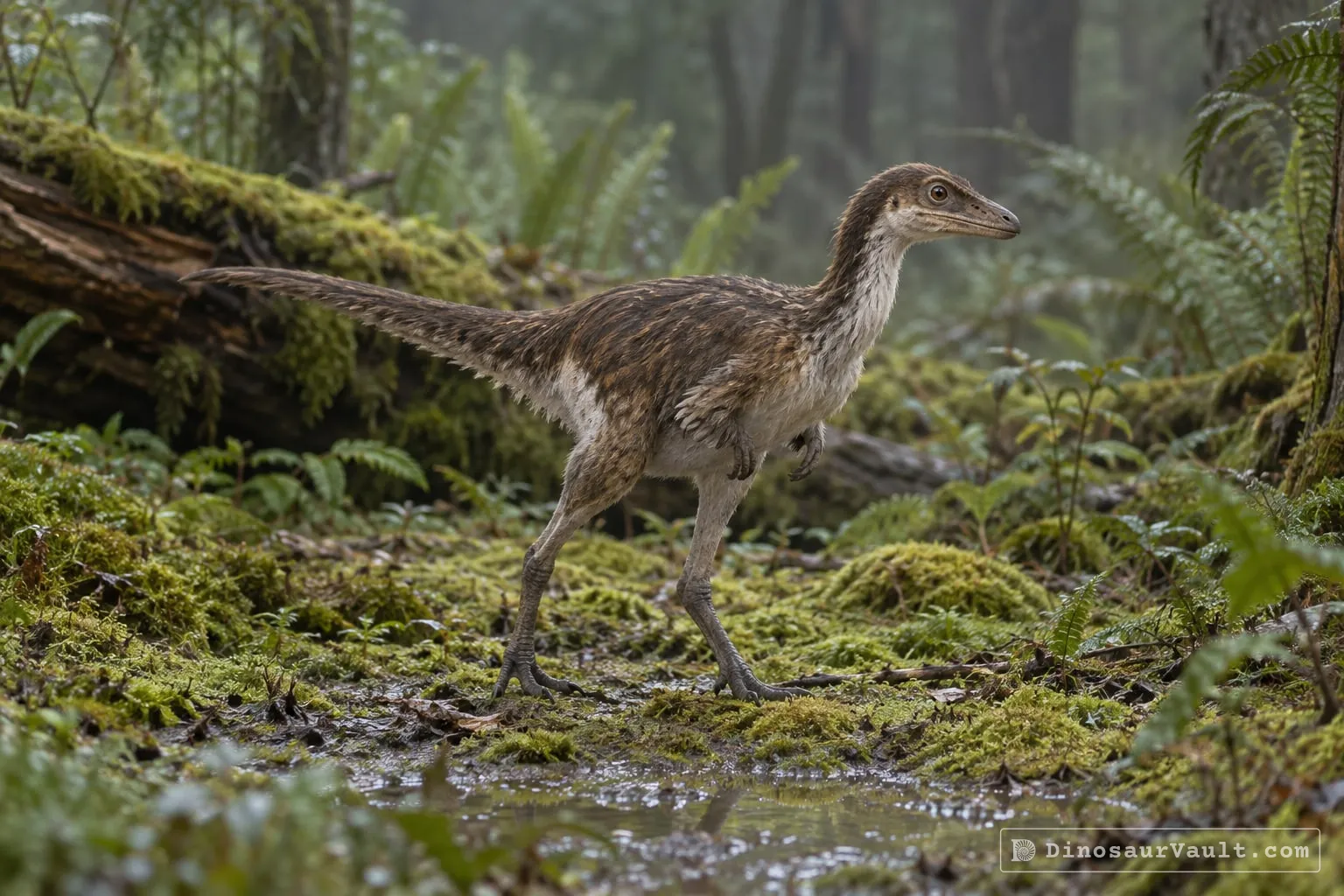


A rock formation can hold fossils laid down millions of years apart, so not every animal here met Telmatosaurus.
The evidence
The science behind Telmatosaurus
Which parts of the picture come from its own bones, and which come from its relatives.
From its own fossils
- Skulls and lower jaws show a low head with closely packed rows of teeth for processing plants.
- The microscopic structure of its limb bones shows that small individuals could be adults, supporting the idea of an island dwarf.
- A young animal's lower jaw has a swelling diagnosed as a benign tumor.
Borrowed from relatives
- Comparisons with Iguanodon and other duckbill relatives help restore missing parts of its skeleton.
Still unknown
- Its color and skin pattern.
- Which plants it preferred to eat.
- How parents cared for hatchlings.
Discovery timeline
- 1903Named itNopcsa
- 2010Growing upBenton et al.
- 2016SkullDumbravă et al.
- 2016Growing upGrigorescu
Key papers
The research behind what we know of Telmatosaurus
Named it
Replaced an earlier name that had already been used for a crocodile with Telmatosaurus.
Telmatosaurus, new name for the dinosaur Limnosaurus. Geological Magazine, decade 4 10: 94-95
No link available
Growing up
Combined geology and bone structure to support island dwarfism in Telmatosaurus and Magyarosaurus.
Dinosaurs and the island rule: The dwarfed dinosaurs from Haţeg Island. Palaeogeography, Palaeoclimatology, Palaeoecology 293: 438-454
Read the paper : Dinosaurs and the island rule: The dwarfed dinosaurs from Haţeg Island (opens in a new tab)Skull
Scans of a swollen lower jaw identified a benign tumor of the tissue that forms teeth.
A dinosaurian facial deformity and the first occurrence of ameloblastoma in the fossil record. Scientific Reports 6
Read the paper : A dinosaurian facial deformity and the first occurrence of ameloblastoma in the fossil record (opens in a new tab)Growing up
Reexamined eggs and associated Telmatosaurus hatchlings, including a tooth found inside a broken egg.
The ‘Tuştea puzzle’ revisited: Late Cretaceous (Maastrichtian) Megaloolithus eggs associated with Telmatosaurus hatchlings in the Haţeg Basin. Historical Biology 29: 627-640
Read the paper : The ‘Tuştea puzzle’ revisited: Late Cretaceous (Maastrichtian) Megaloolithus eggs associated with Telmatosaurus hatchlings in the Haţeg Basin (opens in a new tab)
Close relatives
Other members of Telmatosauridae


Sources: Wikidata