Ceratonykus
"horned claw"
- Lived
- 84 to 72 million years ago, Late Cretaceous
- Diet
- Carnivore
- Group
- Theropods, Alvarezsauridae
- Found in
- Mongolia
- Named by
- Alifanov and Barsbold 2009
Where its fossils were found
The evidence
Today

80 million years ago
Habitat
The Baruungoyot Formation records dry country with sand dunes and floodplains. Other dinosaurs included Saichania, Tarchia and Shri.
Field notes
About Ceratonykus
What it was like
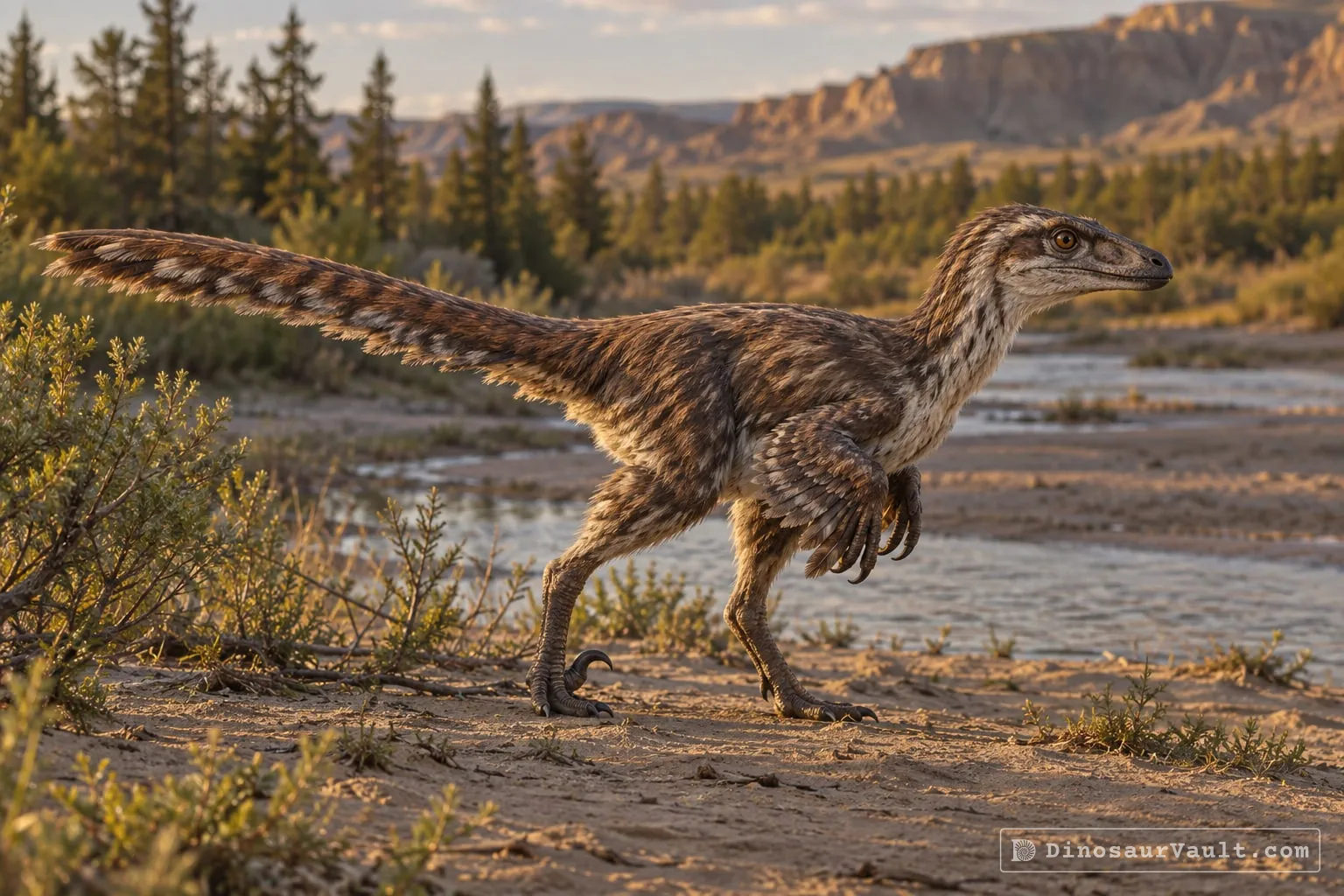
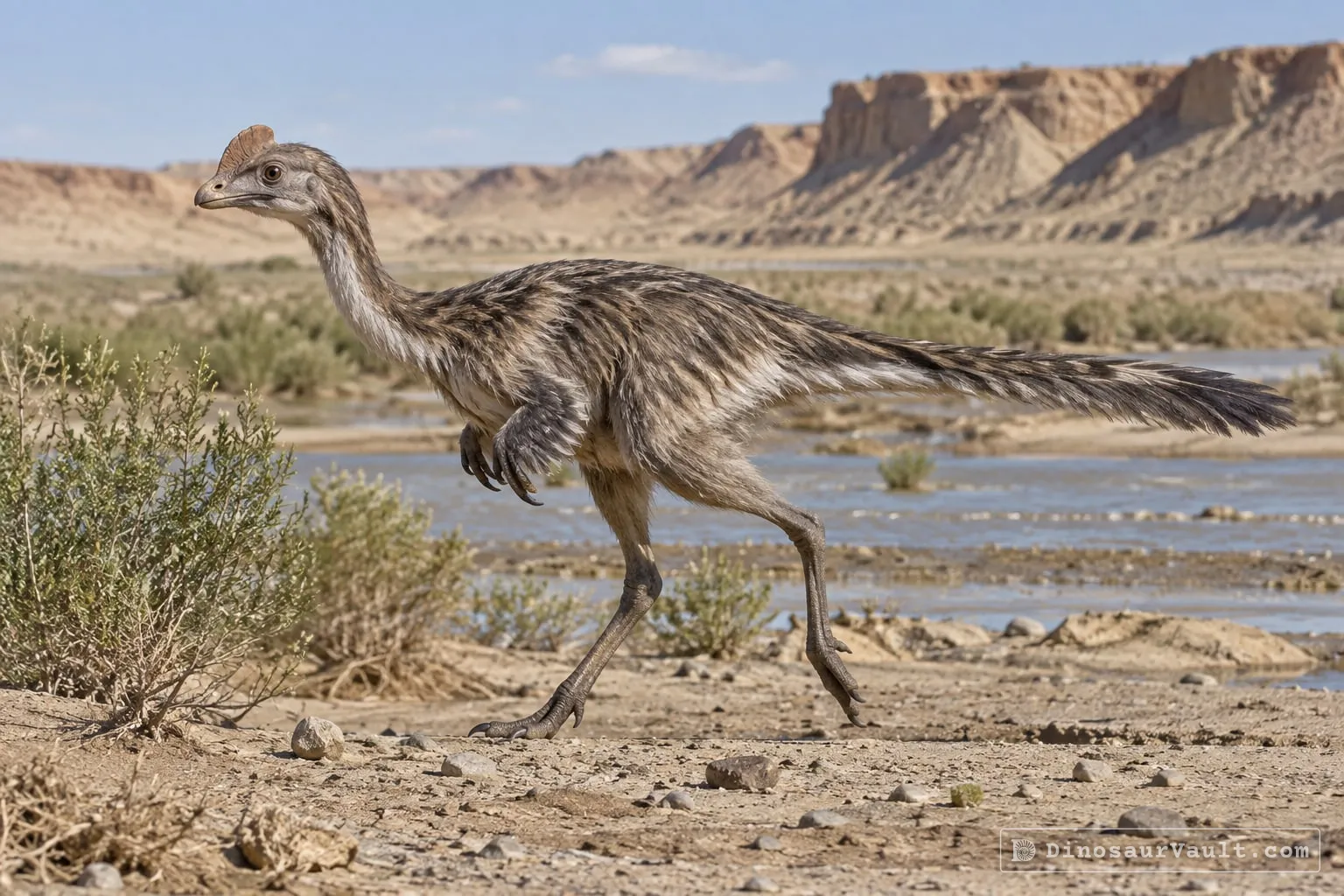
Ceratonykus was a small alvarezsaur, a bird-like theropod with long legs and short, strong arms. It is known from part of a skeleton with a piece of skull.
Its world
It lived in the Late Cretaceous, in what is now Mongolia. It comes from the Baruungoyot Formation, a dry land shared with the armored Saichania and Tarchia and the dromaeosaur Shri.
How it was found
Alifanov and Barsbold named Ceratonykus in 2009.
Field gallery
More views of Ceratonykus
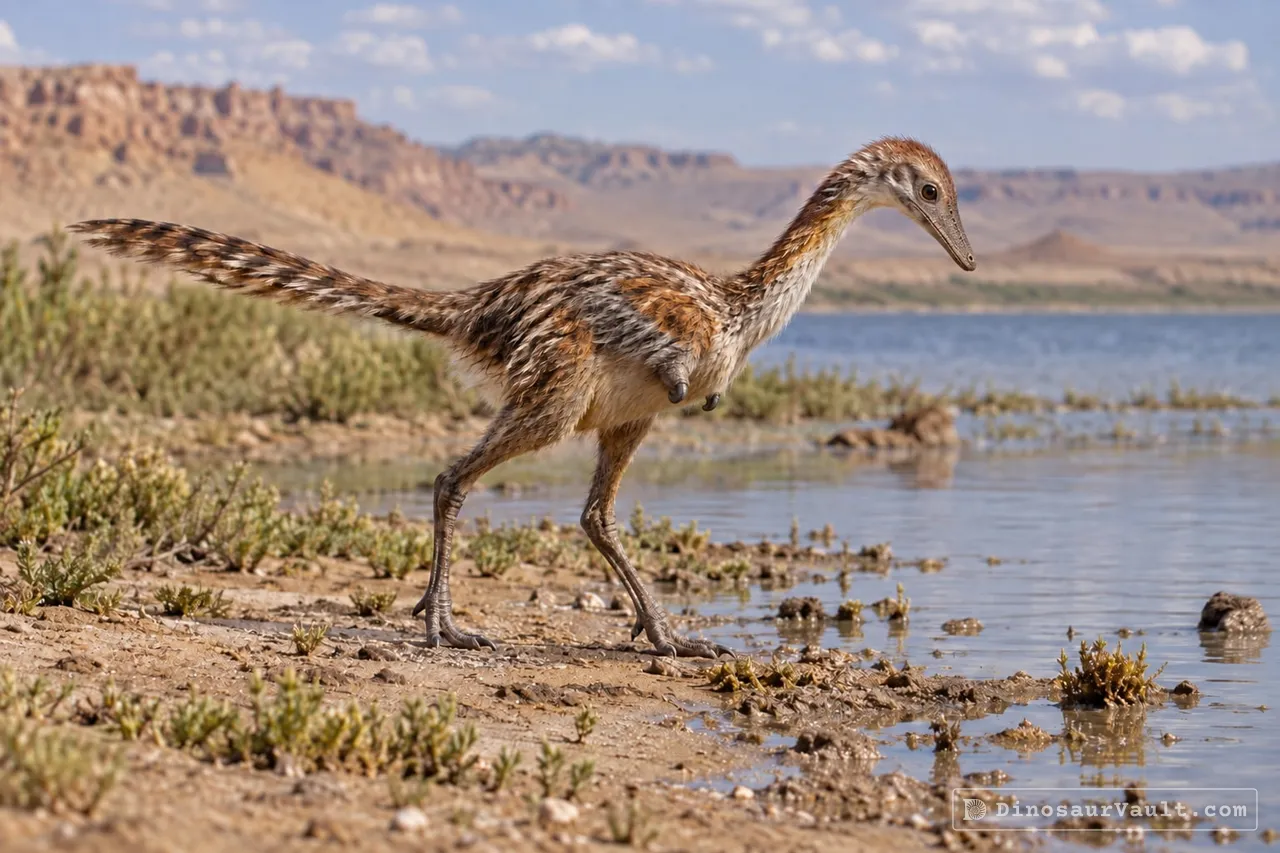
Scenes reconstructed from the available fossil evidence.
Lived alongside
Found in the same rock formations
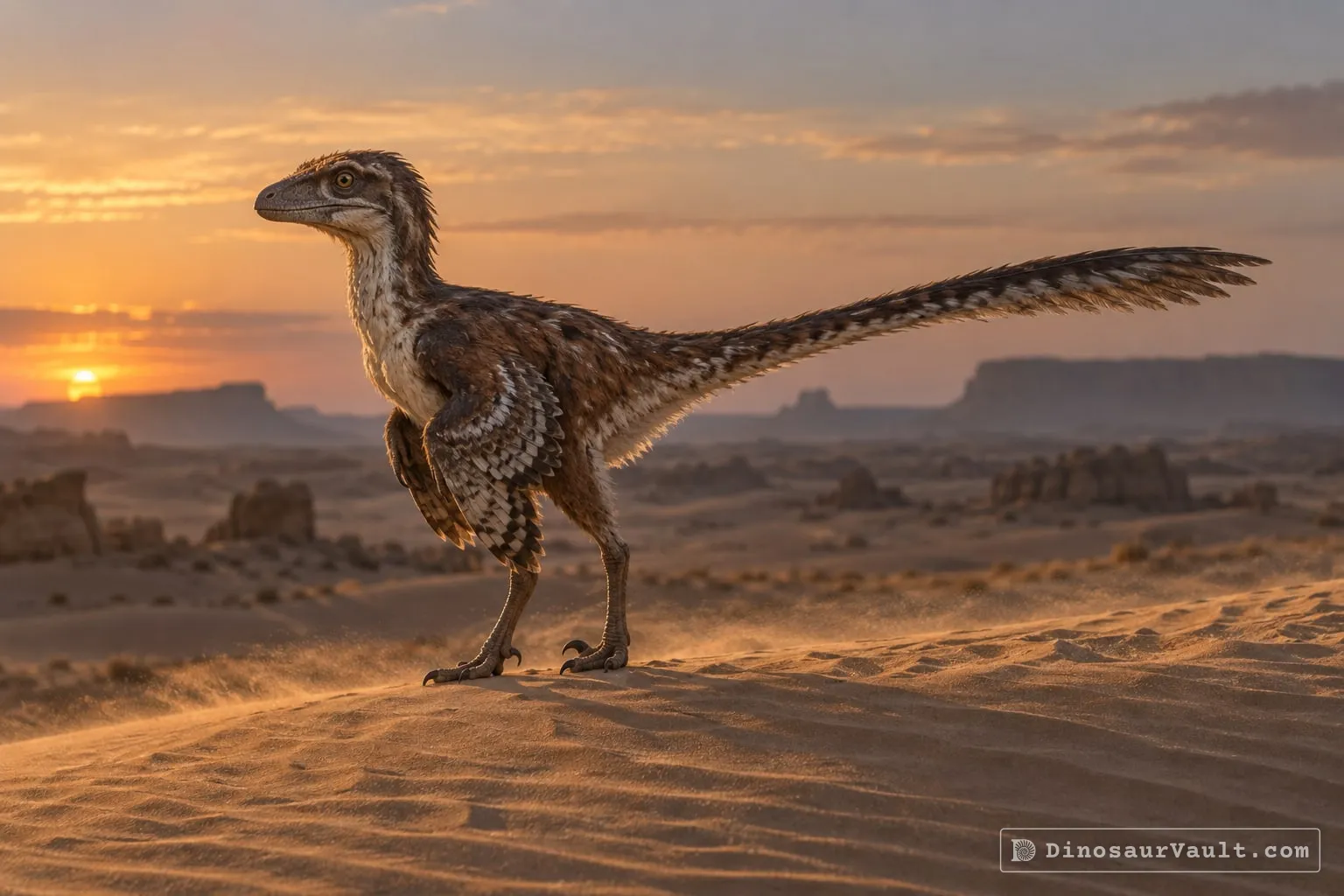
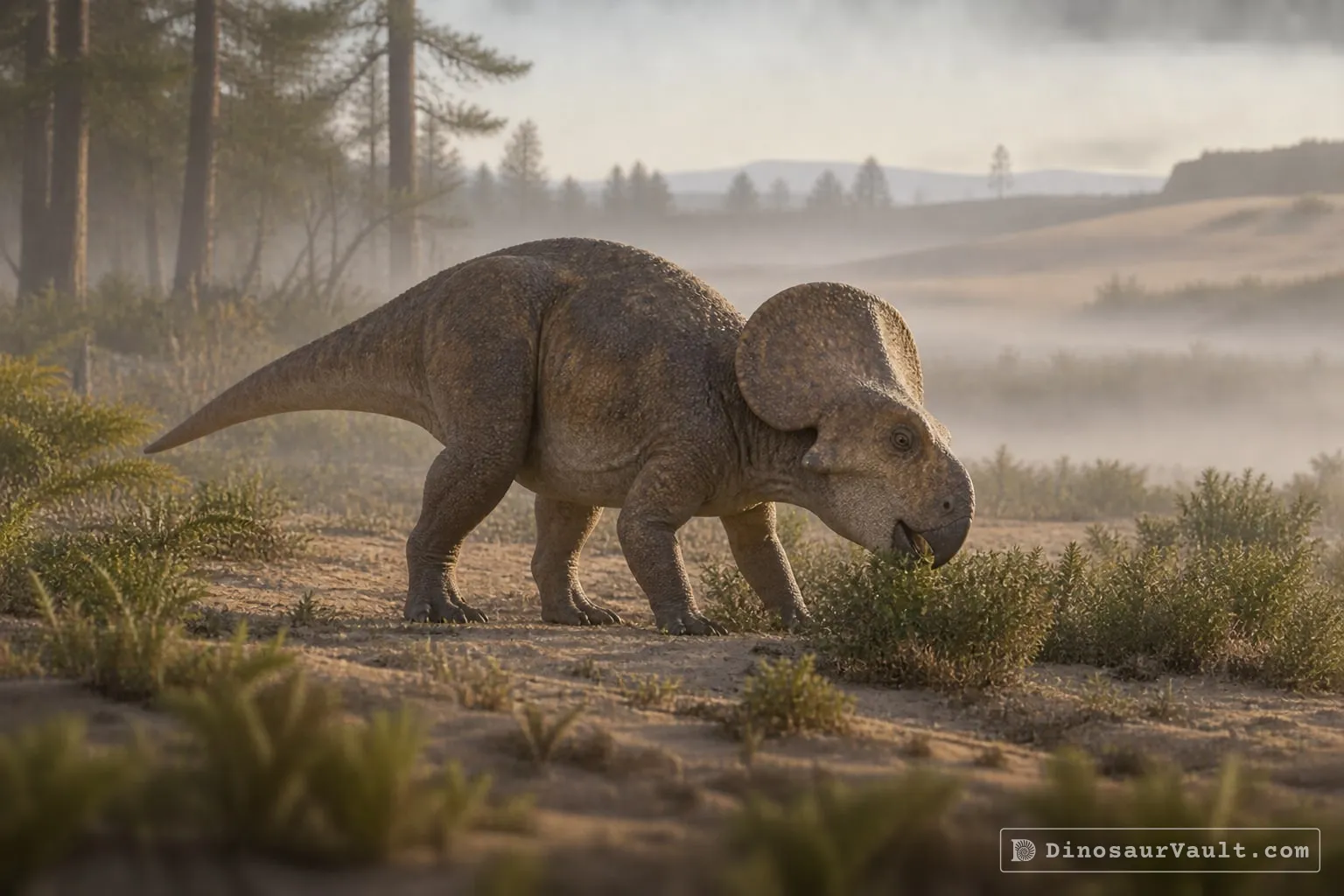
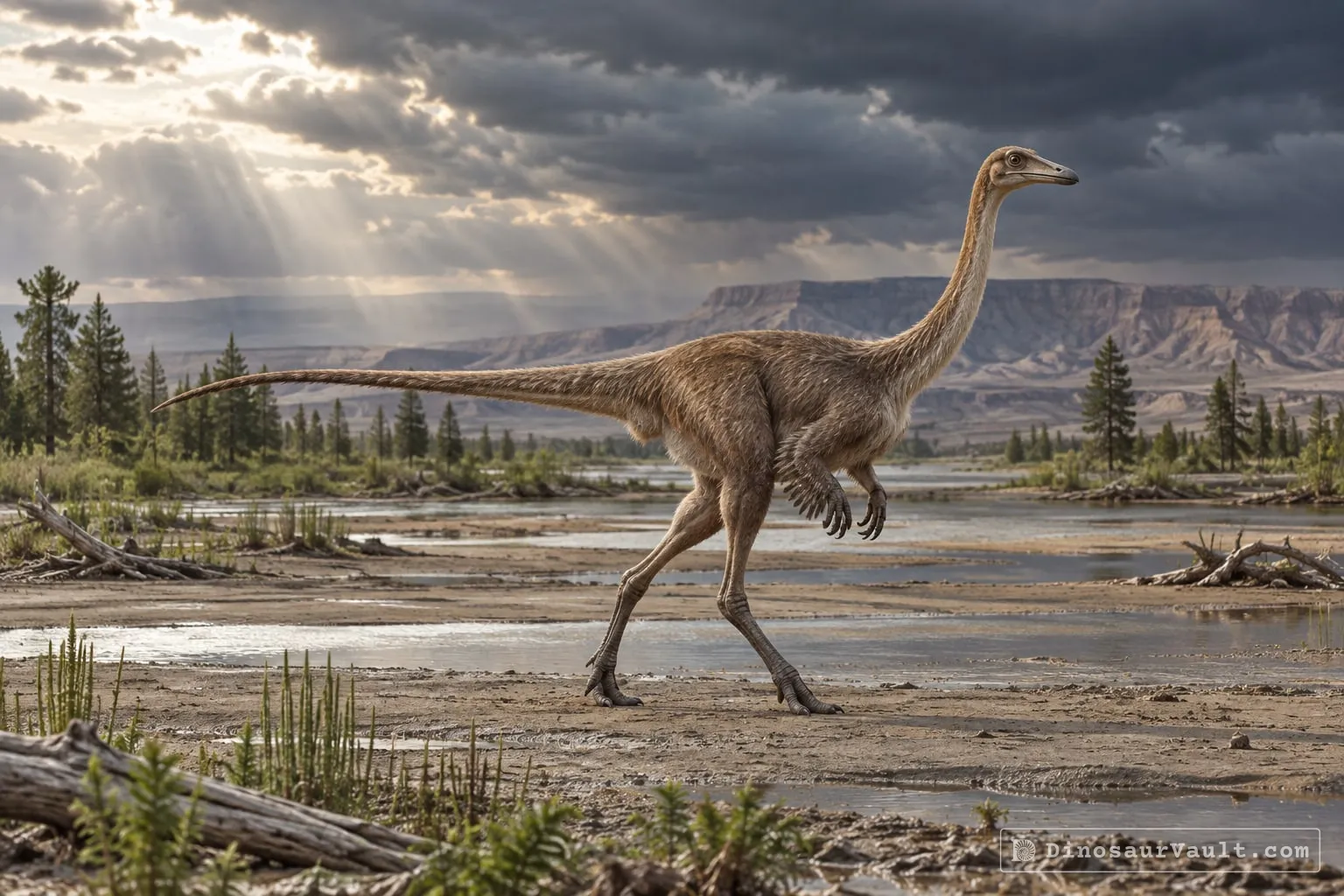
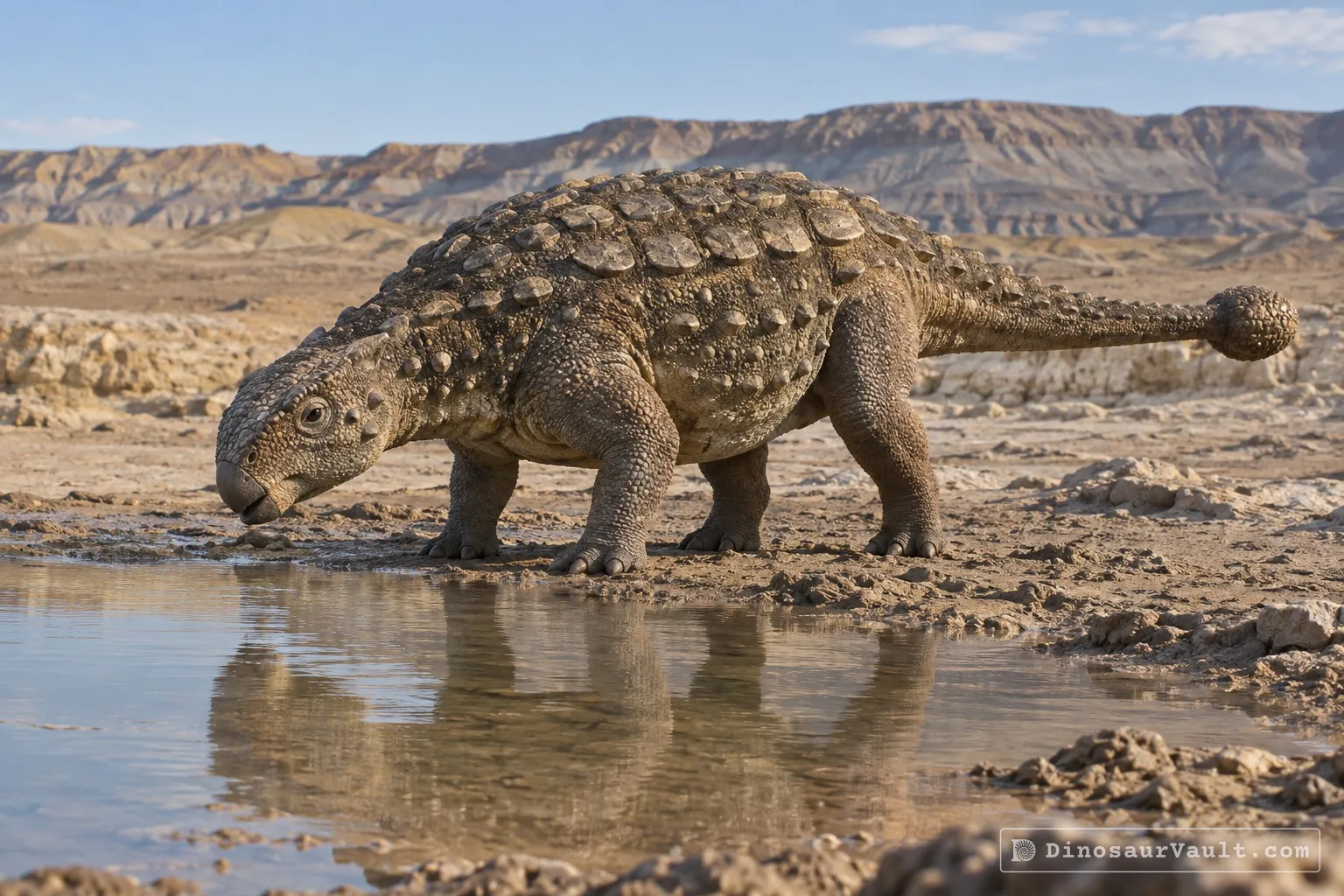
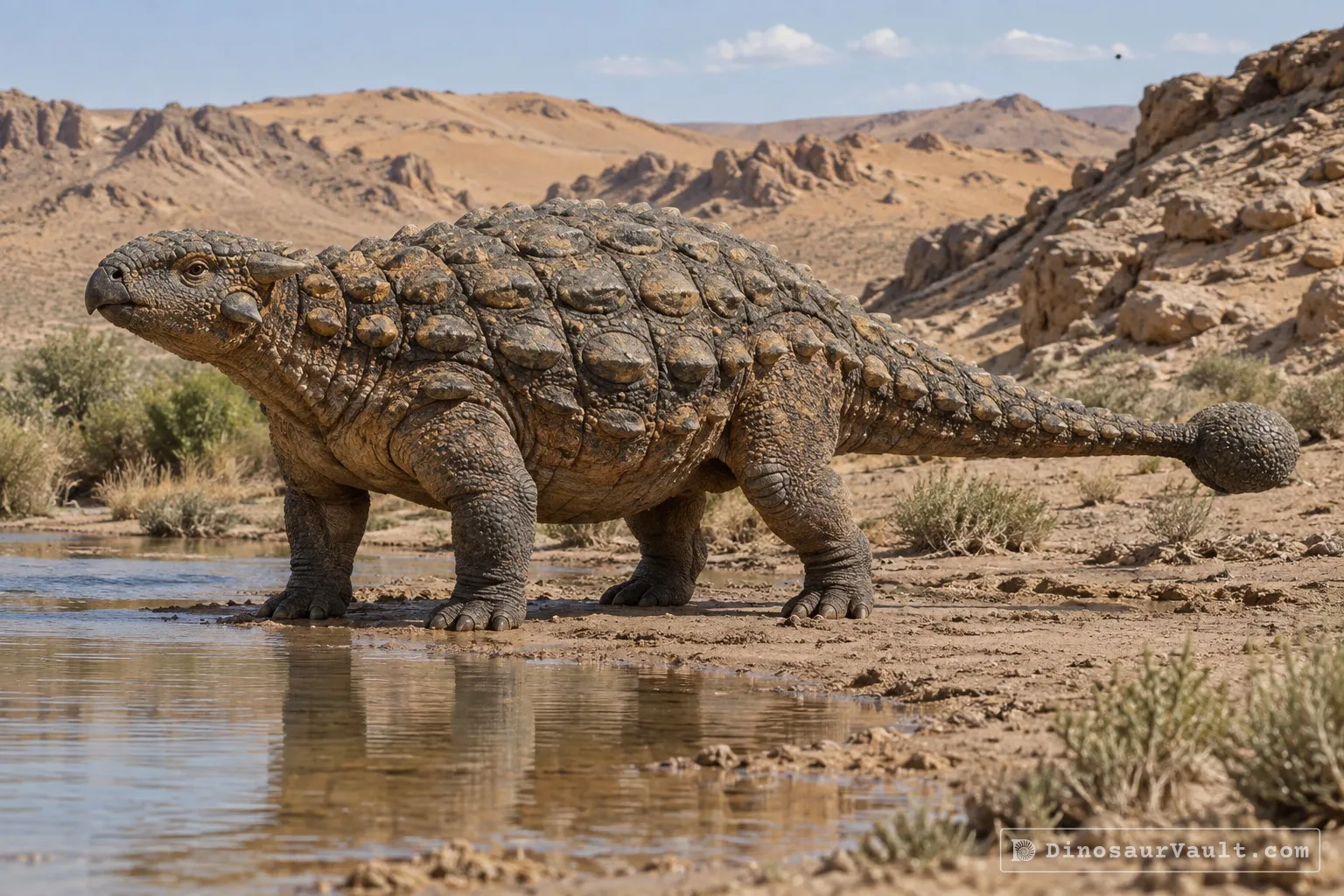
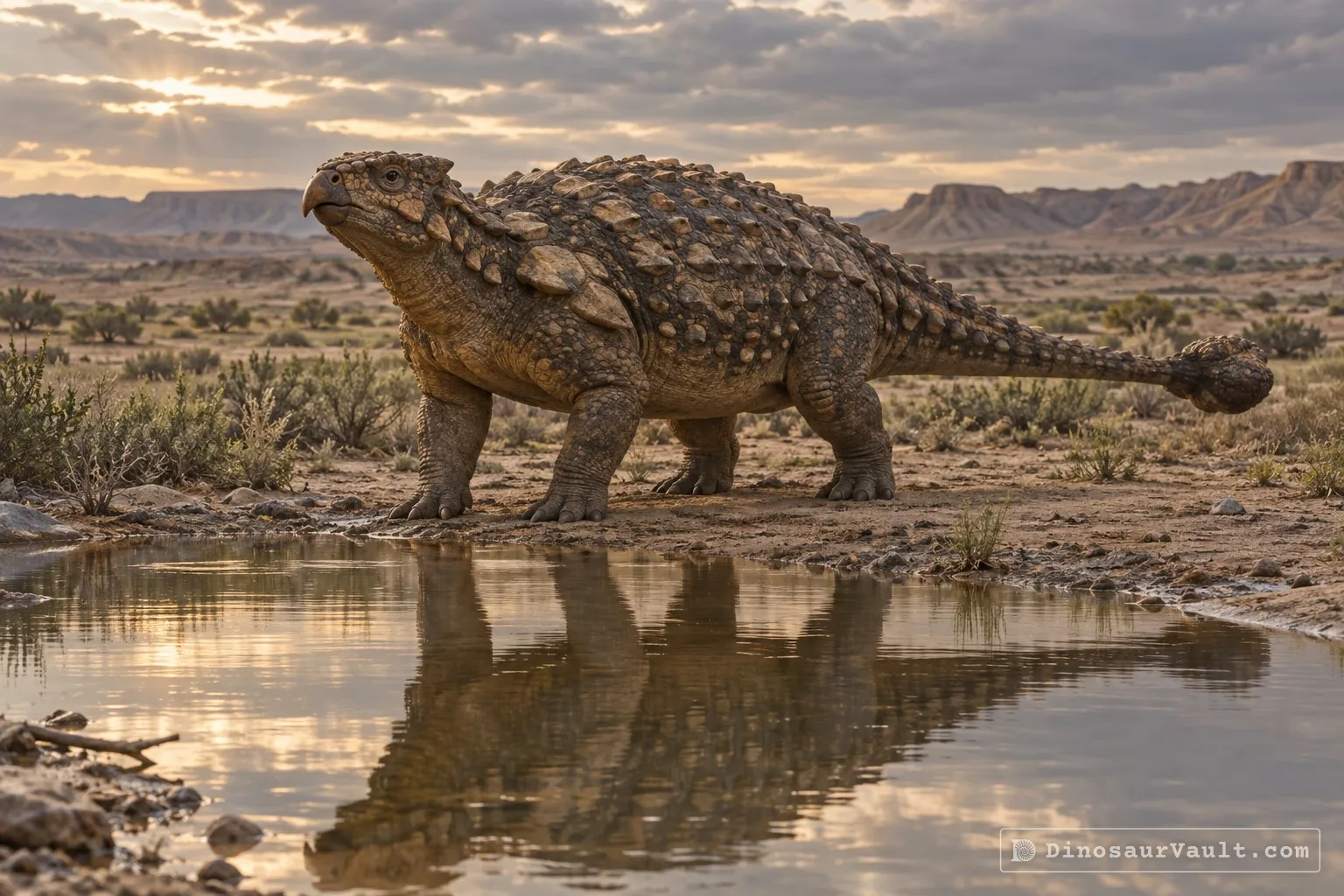


A rock formation can hold fossils laid down millions of years apart, so not every animal here met Ceratonykus.
The evidence
The science behind Ceratonykus
Which parts of the picture come from its own bones, and which come from its relatives.
From its own fossils
- A fragmentary skeleton includes part of the skull and bones of the limbs.
- The type specimen preserves curved thigh bones and an enlarged finger bone from the left hand.
- A preserved cast of the brain cavity shows enlarged regions involved in hearing.
Borrowed from relatives
- Its missing head and body can be compared with other alvarezsaurs such as Shuvuuia.
Still unknown
- Experts disagree about whether Ceratonykus is a separate genus or the same animal as Parvicursor.
- Its feather covering, color and exact diet.
- Whether the spike-like objects assigned to its right hand are finger bones or another kind of bone.
Discovery timeline
- 2009Named itAlifanov & Barsbold
- 2021Family treeAverianov & Lopatin
- 2023Family treeKubo et al.
- 2025Family treeAverianov, Lopatin & Atuchin
Key papers
The research behind what we know of Ceratonykus
Named it
Described a small alvarezsaur from a fragmentary skeleton with skull remains and a preserved cast of the brain cavity.
Ceratonykus oculatus gen. et sp. nov., a new dinosaur (?Theropoda, Alvarezsauria) from the Late Cretaceous of Mongolia. Paleontological Journal 43: 94-106
Read the paper : Ceratonykus oculatus gen. et sp. nov., a new dinosaur (?Theropoda, Alvarezsauria) from the Late Cretaceous of Mongolia (opens in a new tab)Family tree
Questioned limb proportions based on incomplete bones and suggested that Ceratonykus might belong to the same genus as Parvicursor.
A re-appraisal of Parvicursor remotus from the Late Cretaceous of Mongolia: implications for the phylogeny and taxonomy of alvarezsaurid theropod dinosaurs. Journal of Systematic Palaeontology 19: 1097-1128
Read the paper : A re-appraisal of Parvicursor remotus from the Late Cretaceous of Mongolia: implications for the phylogeny and taxonomy of alvarezsaurid theropod dinosaurs (opens in a new tab)Family tree
Described Jaculinykus; its analysis kept Ceratonykus and Parvicursor as separate but closely paired alvarezsaurs.
A new alvarezsaurid dinosaur (Theropoda, Alvarezsauria) from the Upper Cretaceous Baruungoyot Formation of Mongolia provides insights for bird-like sleeping behavior in non-avian dinosaurs. PLOS ONE 18: e0293801
Read the paper : A new alvarezsaurid dinosaur (Theropoda, Alvarezsauria) from the Upper Cretaceous Baruungoyot Formation of Mongolia provides insights for bird-like sleeping behavior in non-avian dinosaurs (opens in a new tab)Family tree
Questioned the identification of the spike-like objects assigned to the right hand of Ceratonykus.
Forelimb structure and function in a new Late Cretaceous parvicursorine theropod dinosaur from Mongolia. Proceedings of the Zoological Institute RAS 329: 382
Read the paper : Forelimb structure and function in a new Late Cretaceous parvicursorine theropod dinosaur from Mongolia (opens in a new tab)
Close relatives
Other members of Alvarezsauridae


Sources: Wikidata