Cedrorestes
"Cedar mountain dweller"
- Lived
- 137 to 133 million years ago, Early Cretaceous
- Diet
- Herbivore
- Group
- Ornithopods
- Found in
- United States
- Named by
- Gilpin et al. 2007
Where its fossils were found
The evidence
Today

135 million years ago
Habitat
It lived on a floodplain with river channels and wet lowlands in what is now Utah. The lower Cedar Mountain Formation also preserves Utahraptor and Gastonia.
Field notes
About Cedrorestes
What it was like
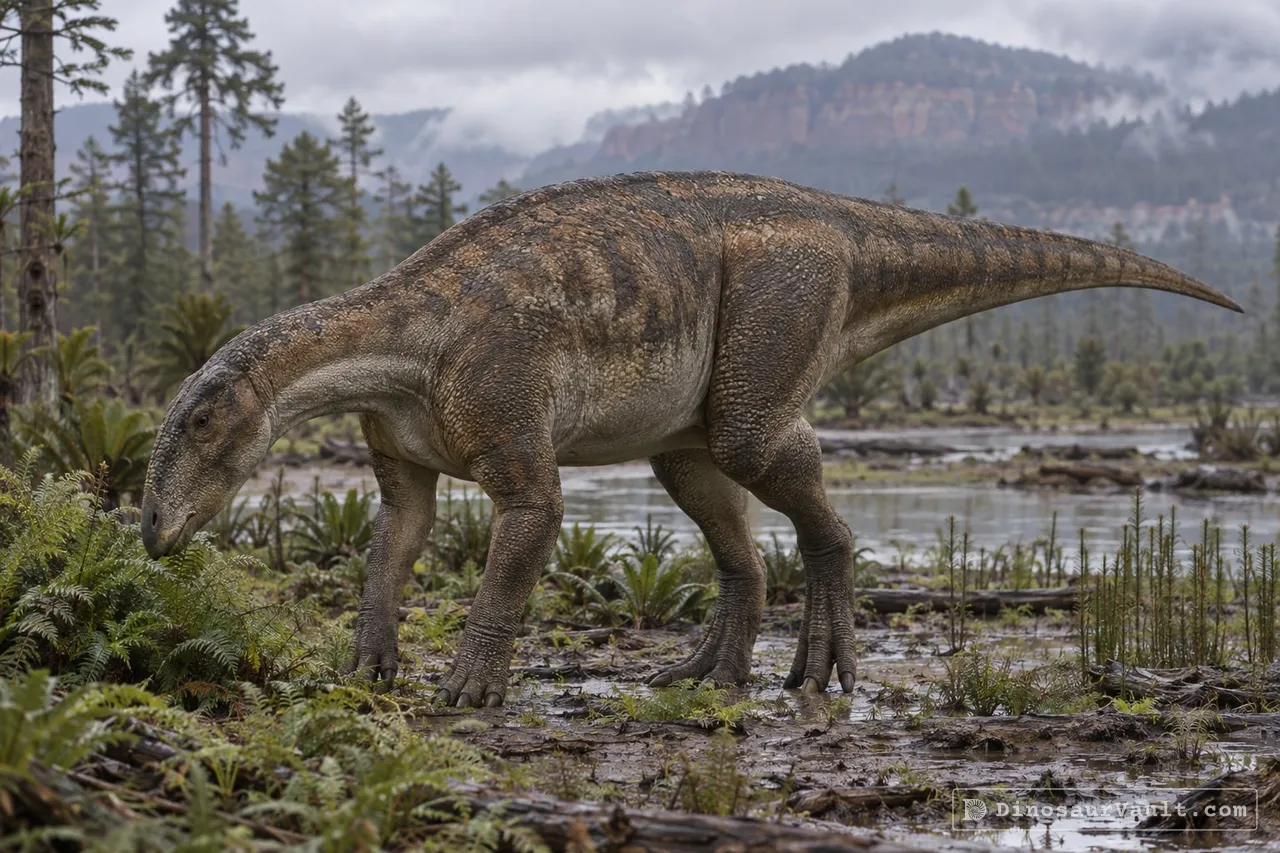
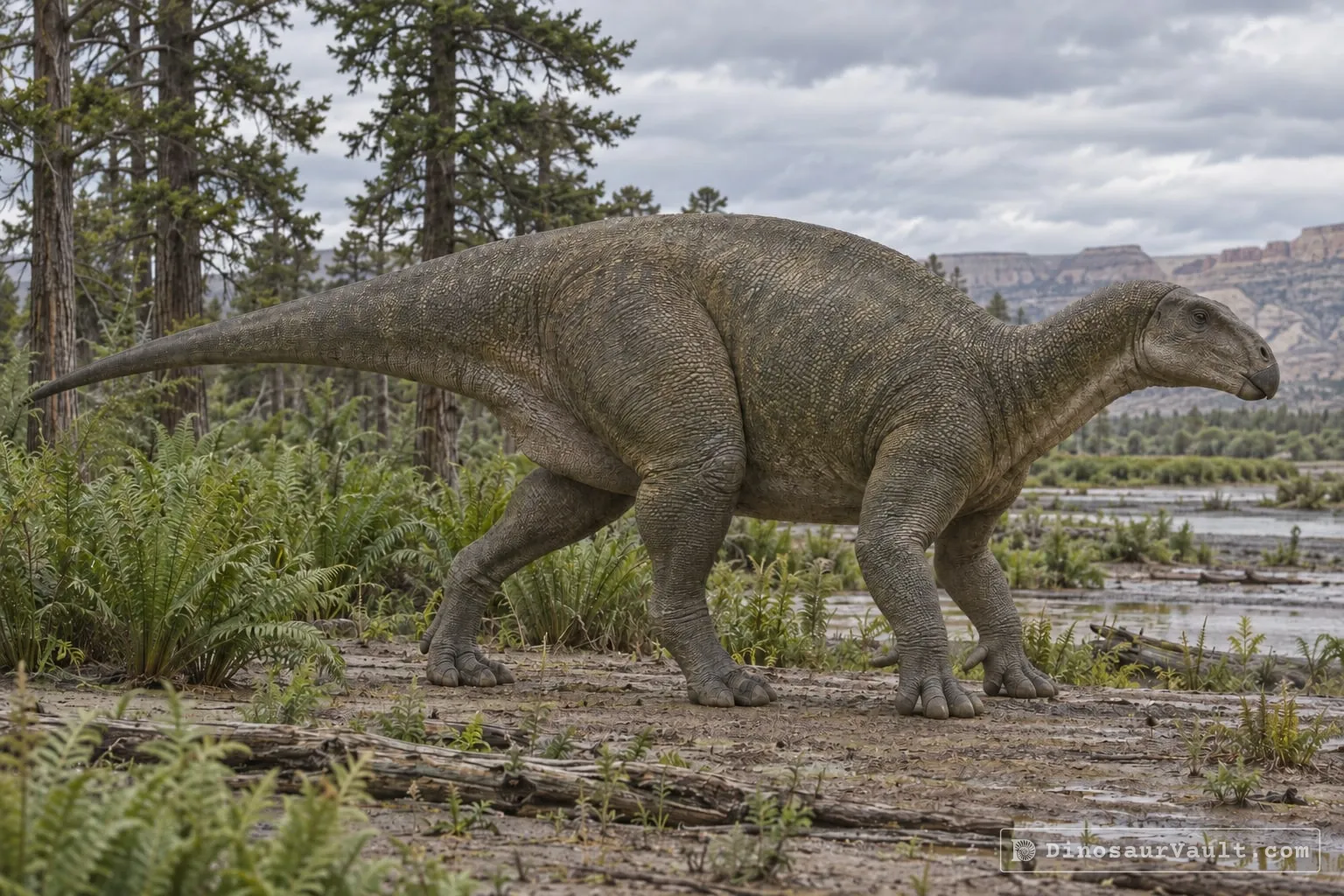
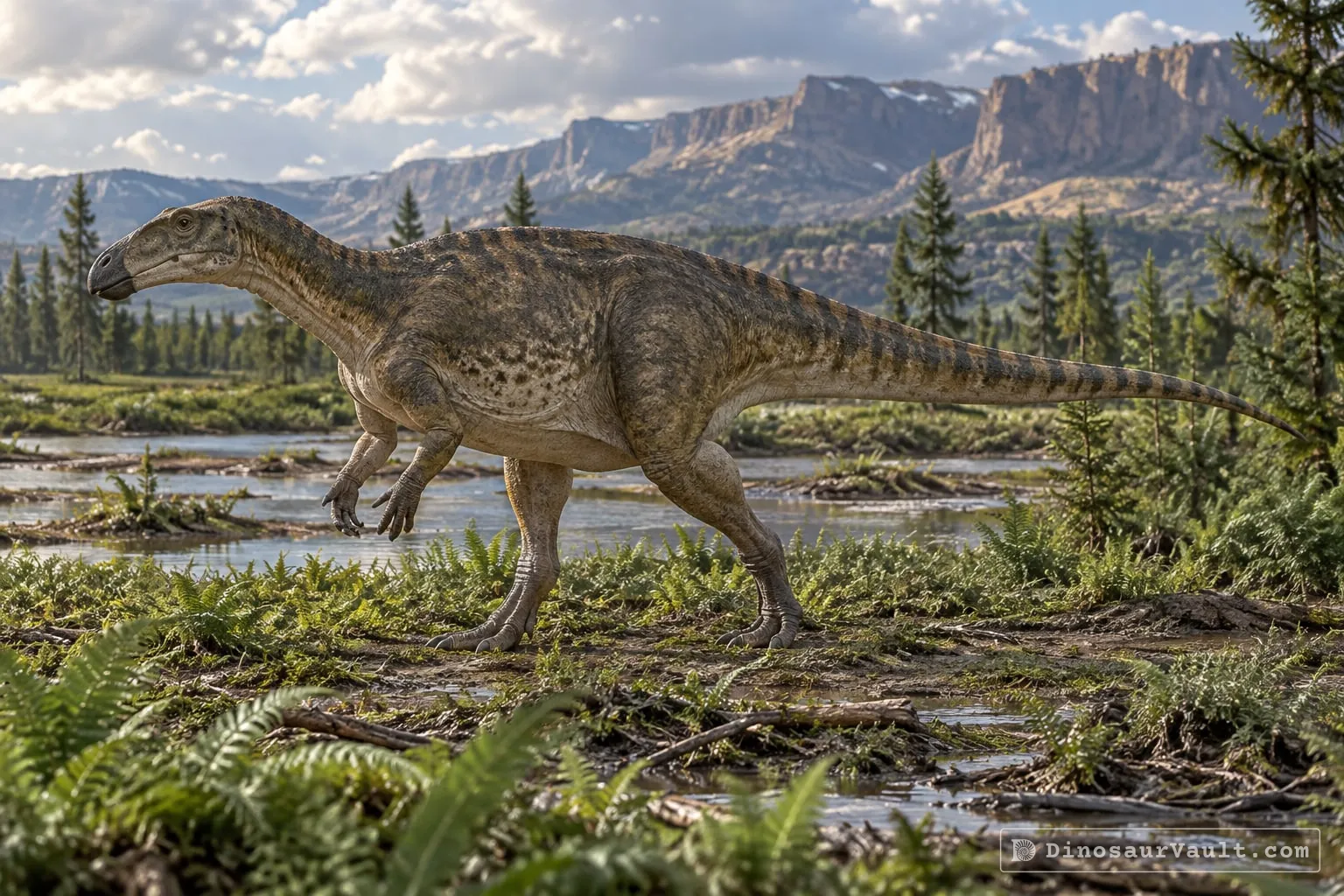
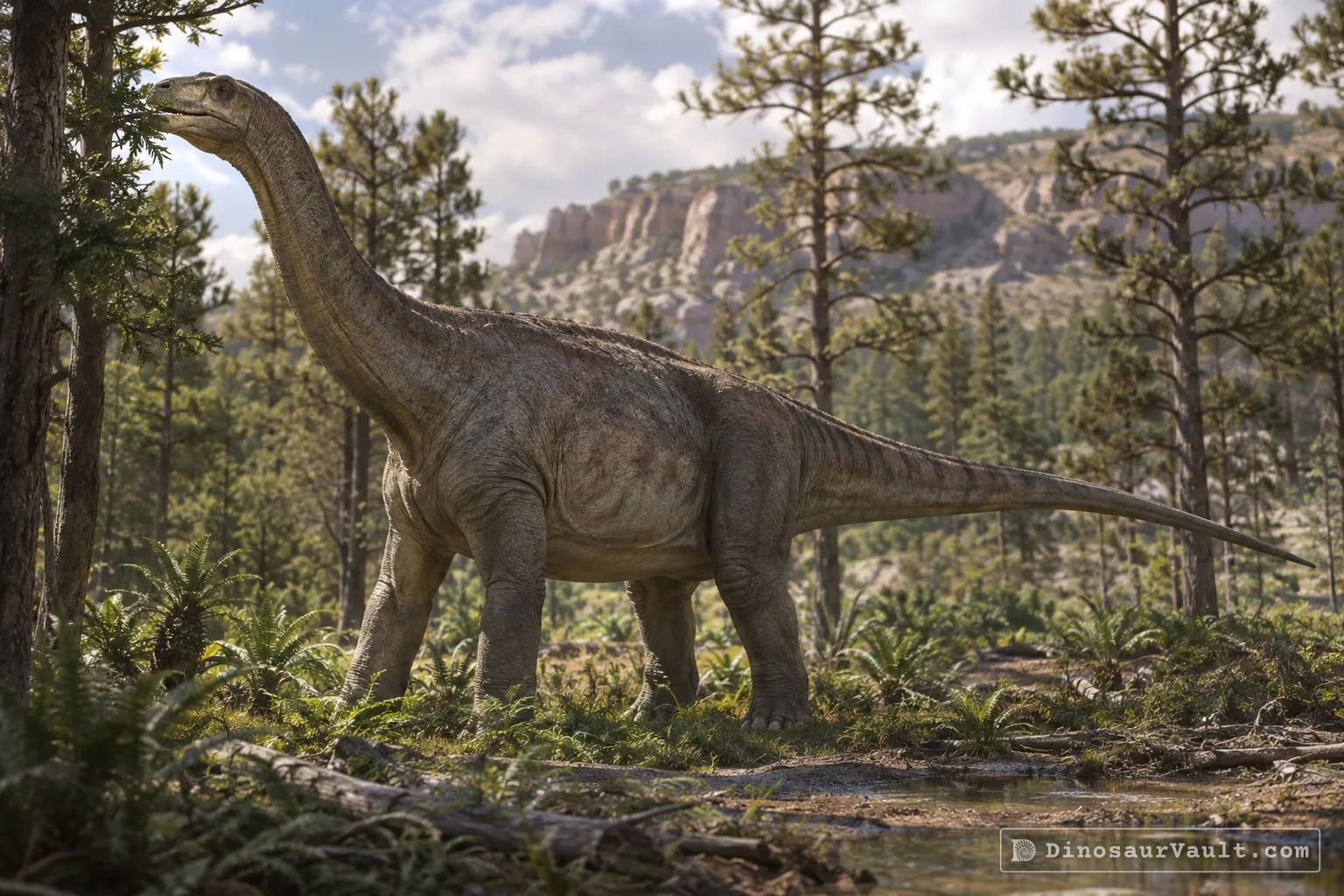
Cedrorestes was a plant eater, an early relative of the duck-billed dinosaurs. It is known from a partial skeleton, mainly hip and leg bones.
Its world
It lived about 137 to 133 million years ago, in the Early Cretaceous, in what is now Utah. Its bones come from the Cedar Mountain Formation, whose lower layers also held the big raptor Utahraptor and the armored Gastonia.
How it was found
Gilpin and colleagues named it in 2007 from one find.
Field gallery
More views of Cedrorestes
Scenes reconstructed from the available fossil evidence.
1 of 2
Lived alongside
Found in the same rock formations
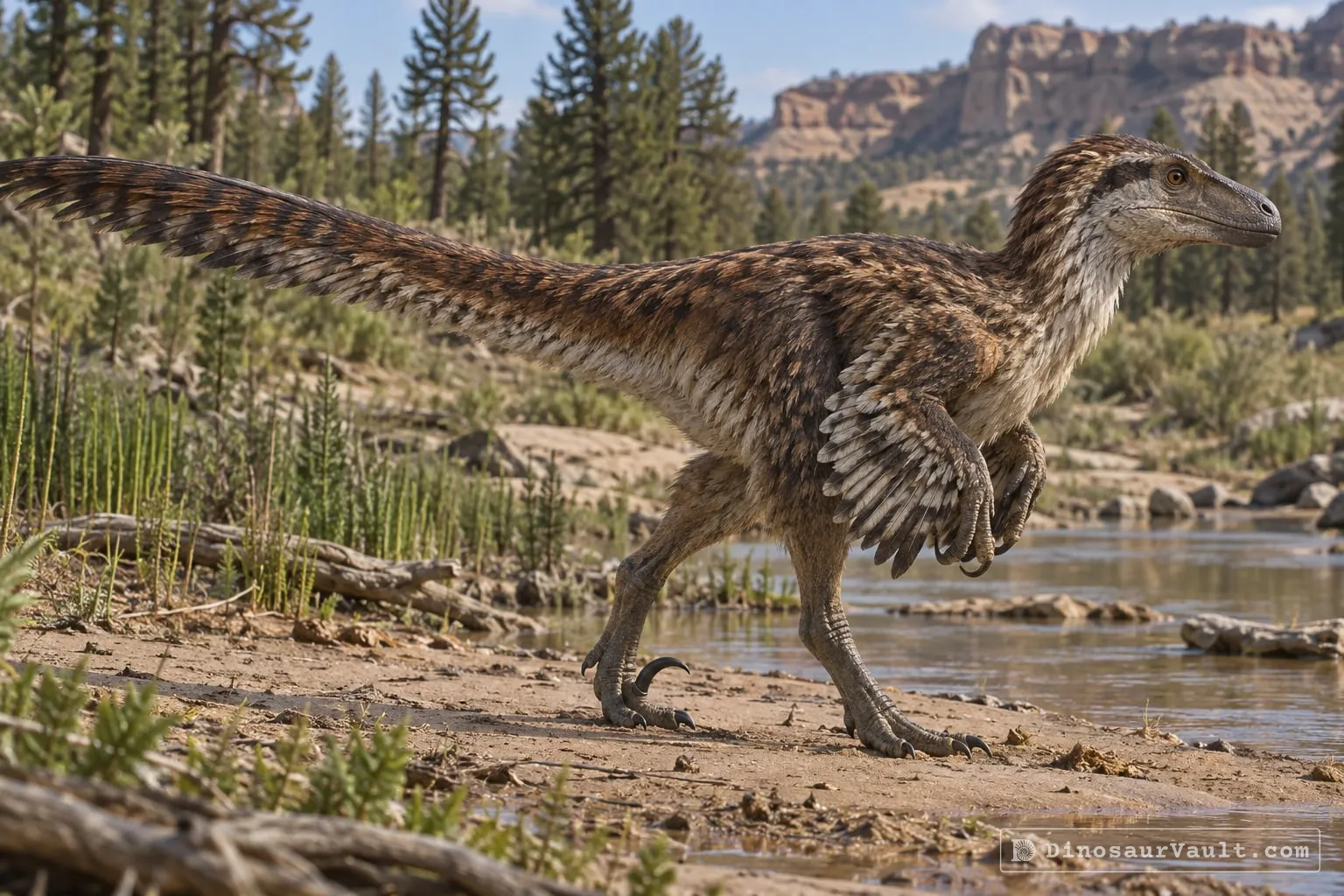
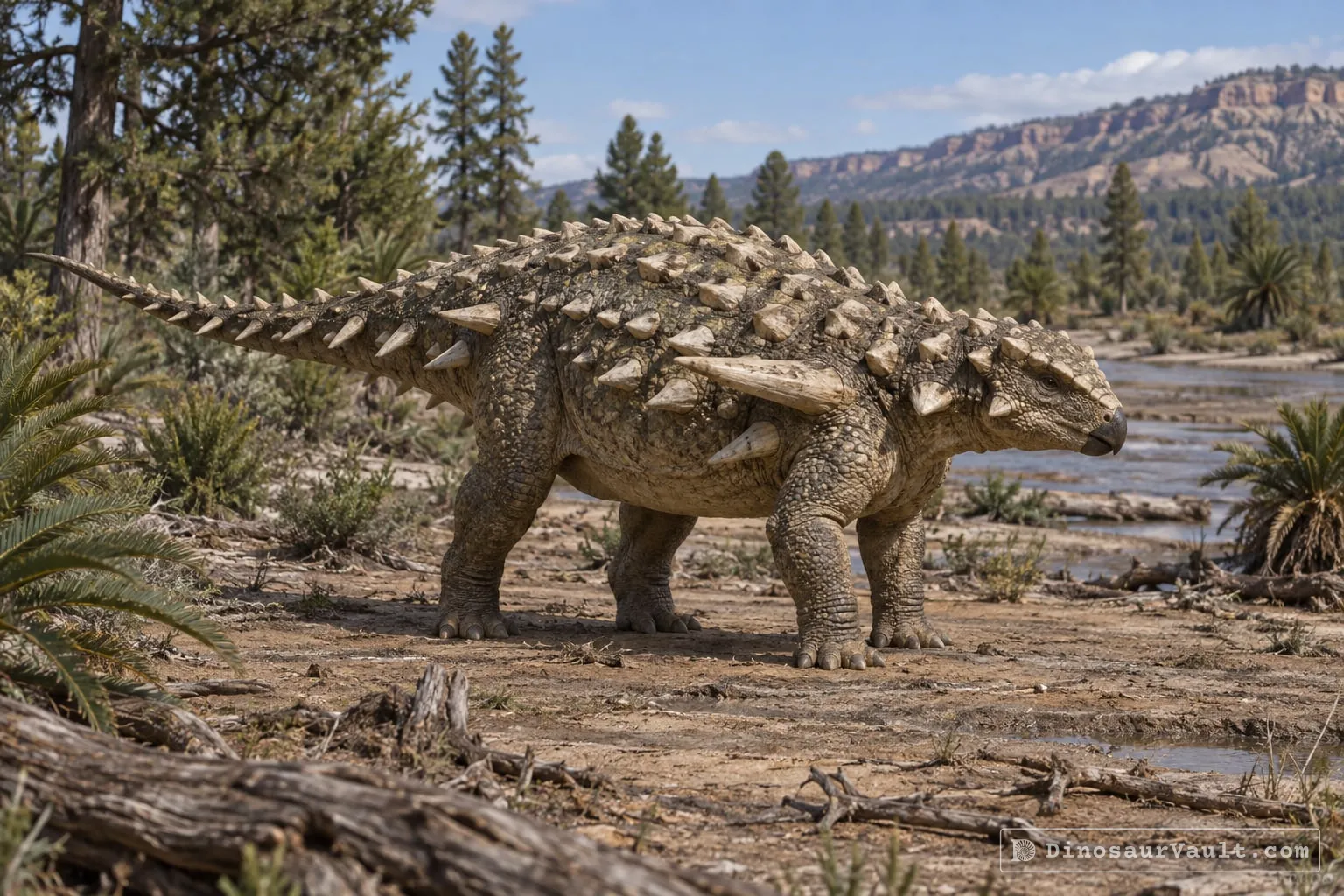
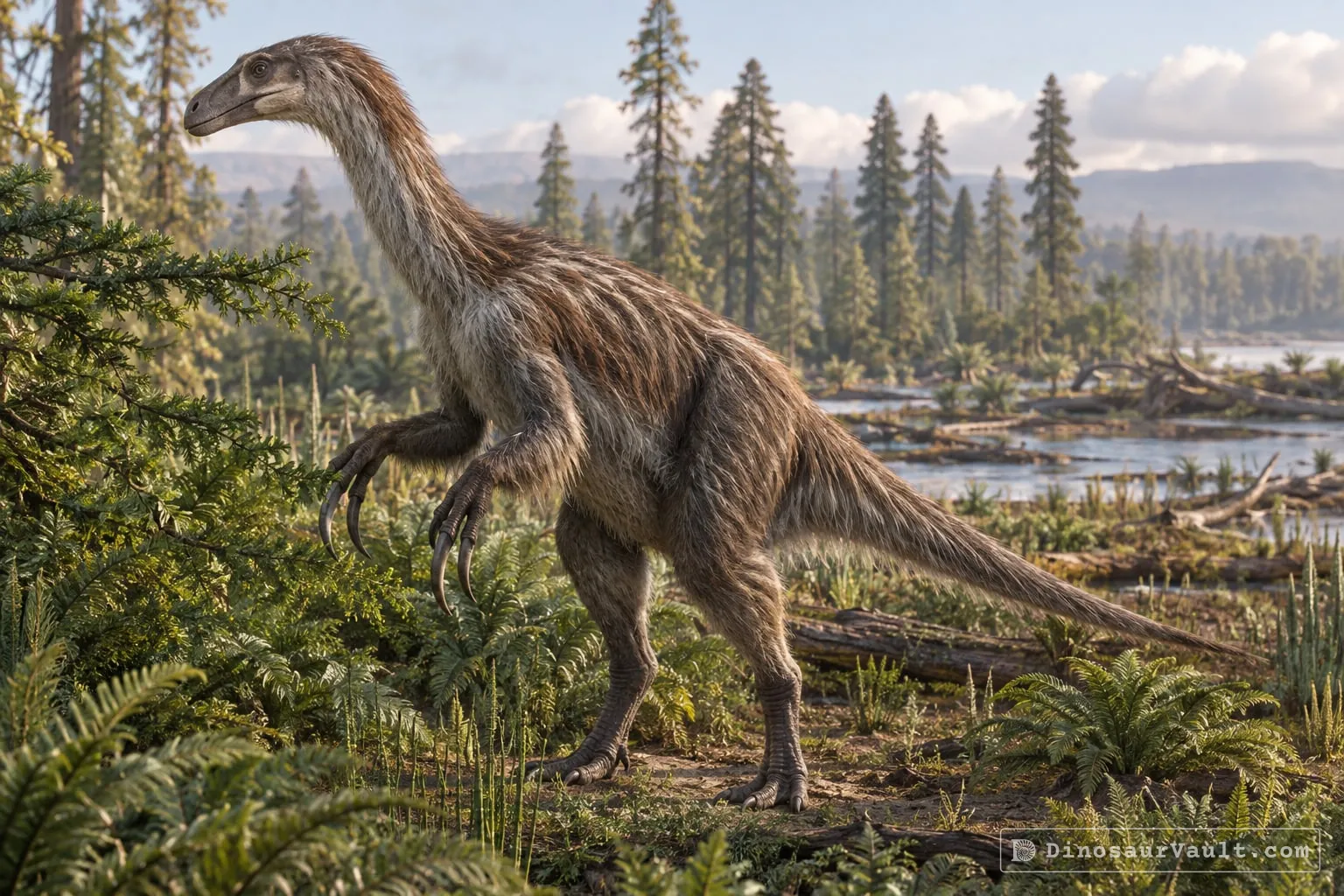
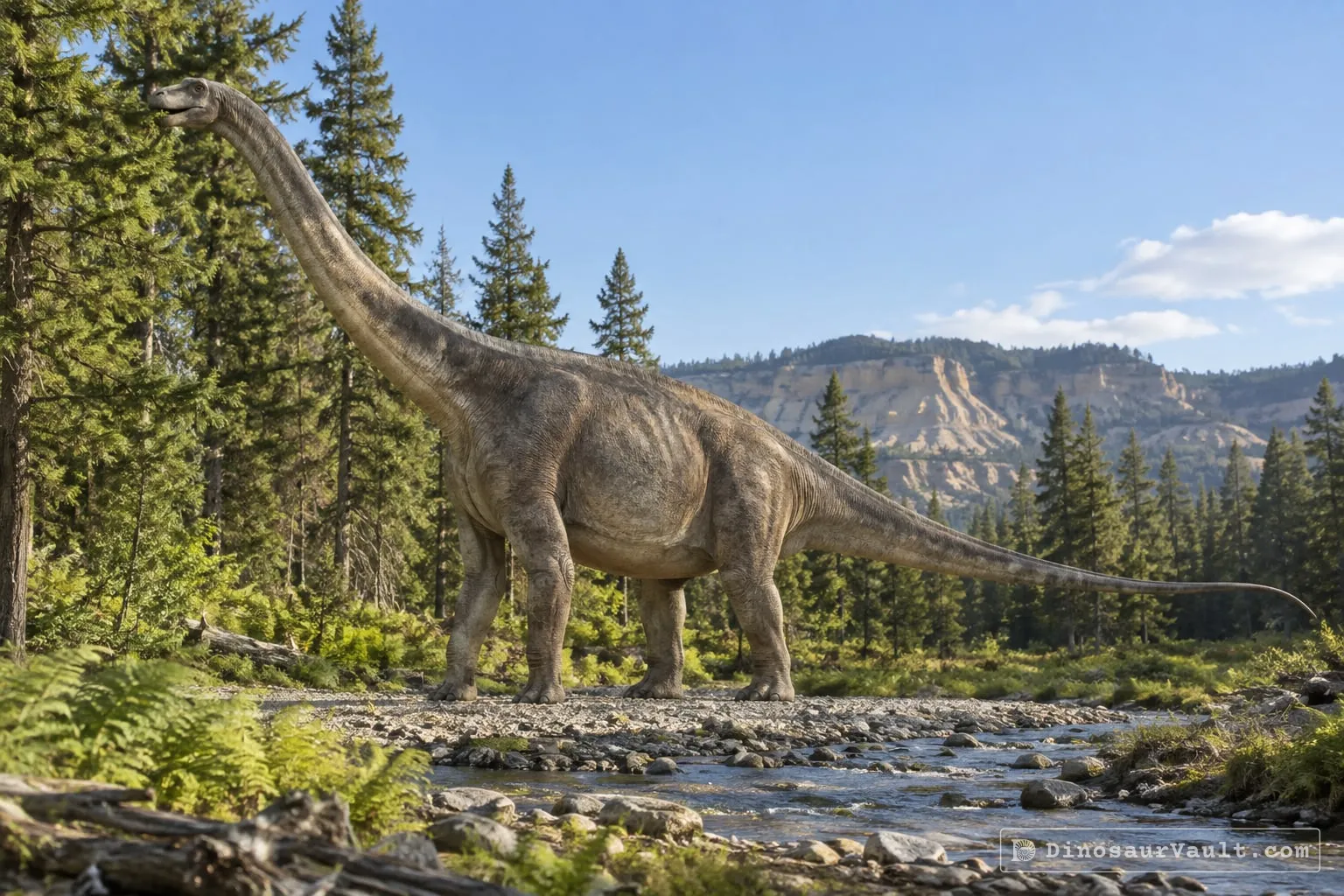
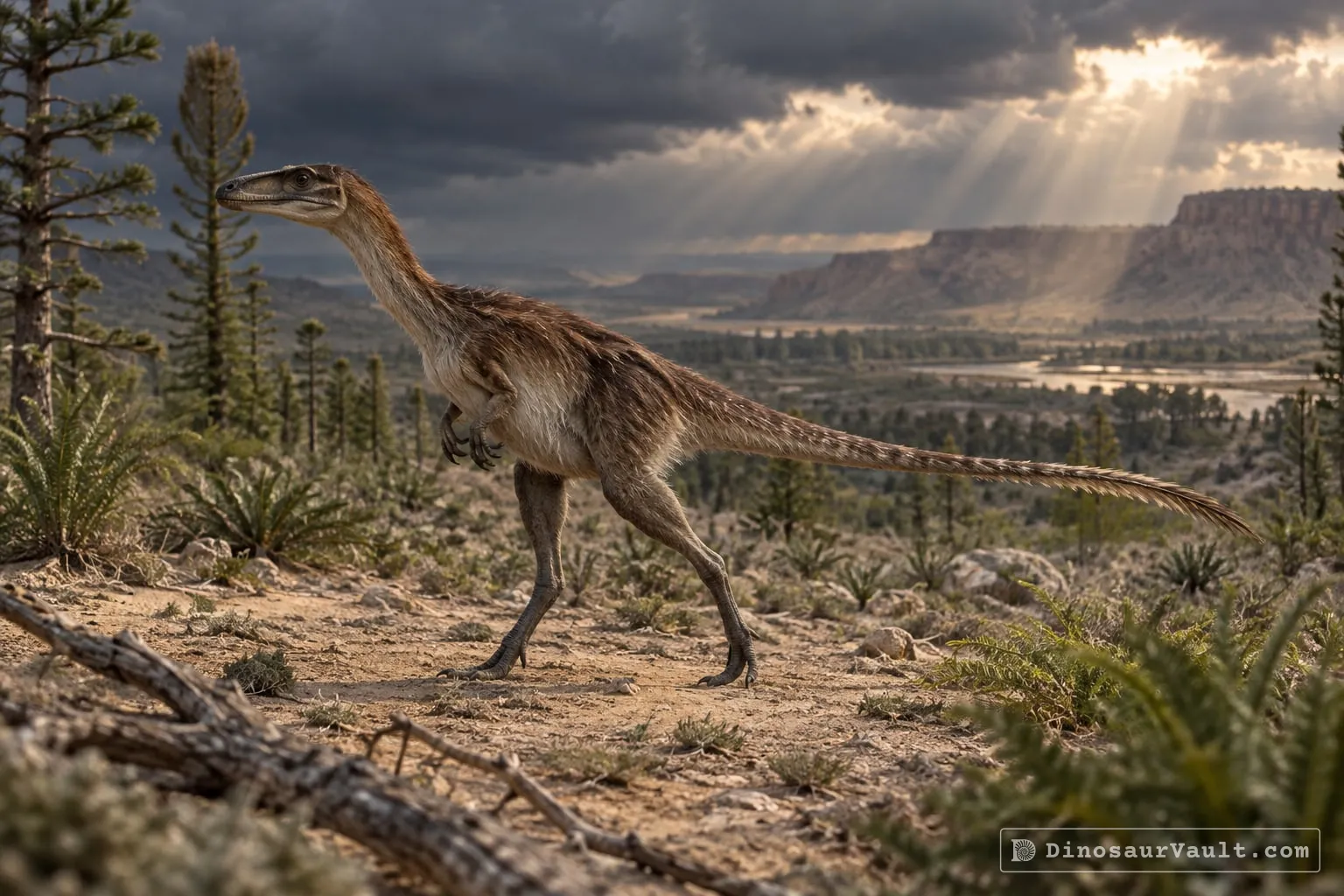


A rock formation can hold fossils laid down millions of years apart, so not every animal here met Cedrorestes.
The evidence
The science behind Cedrorestes
Which parts of the picture come from its own bones, and which come from its relatives.
From its own fossils
- The type specimen preserves hip bones, a fused backbone at the hips, shin and foot bones, ribs and hardened tendons.
- A later study kept a swelling on the outer side of the upper hip bone as a distinguishing feature.
Borrowed from relatives
- A reconstruction of its missing head can borrow from other iguanodontians such as Iguanodon.
- The type specimen has an upper hip bone whose deep blade was compared with Camptosaurus and whose side swelling was compared with duck-billed dinosaurs.
Still unknown
- The shape of its skull and neck.
- How much crushing and repair filler changed the apparent swelling of its hip bone.
- Experts disagree about how to distinguish its damaged hip from those of other iguanodontians, including Planicoxa and Iguanacolossus, and its exact relationship to duck-billed dinosaurs.
Discovery timeline
- 2007Named itGilpin, DiCroce & Carpenter
- 2010Same rocksMcDonald et al.
- 2012Family treeMcDonald
Key papers
The research behind what we know of Cedrorestes
Named it
Described a partial skeleton whose hip combines features of earlier iguanodontians and duck-billed dinosaurs.
A possible new basal hadrosaur from the Lower Cretaceous Cedar Mountain Formation of eastern Utah. Horns and Beaks: Ceratopsian and Ornithopod Dinosaurs.
No link available
Same rocks
Reexamined the damaged hip of Cedrorestes and questioned whether its original distinguishing features could be reliably identified.
New Basal Iguanodonts from the Cedar Mountain Formation of Utah and the Evolution of Thumb-Spiked Dinosaurs. PLoS ONE 5: e14075
Read the paper : New Basal Iguanodonts from the Cedar Mountain Formation of Utah and the Evolution of Thumb-Spiked Dinosaurs (opens in a new tab)Family tree
Compared early iguanodontians and treated the side swelling of the Cedrorestes hip as a distinctive feature.
Phylogeny of Basal Iguanodonts (Dinosauria: Ornithischia): An Update. PLoS ONE 7: e36745
Read the paper : Phylogeny of Basal Iguanodonts (Dinosauria: Ornithischia): An Update (opens in a new tab)
Close relatives
Other members of Hadrosauroidea


Sources: Wikidata