Outline: a typical theropod
Falcarius
fal-KAIR-ee-us
"sickle cutter"
- Lived
- 143 to 133 million years ago, Early Cretaceous
- Diet
- Carnivore
- Group
- Theropods
- Found in
- United States
- Named by
- Kirkland et al. 2005
Where its fossils were found
The evidence
Today

140 million years ago
Field notes
About Falcarius
What it was like
Falcarius was one of the earliest known therizinosaurs, the strange, long-clawed dinosaurs that came from meat-eating ancestors but mostly ate plants. It had a small head, a long neck and tail, and curved claws on its hands.
Its teeth were small and leaf-shaped, suited to plants, so it may have eaten plants and small animals. It shows how this group made the change from hunting to plant eating.
Its world
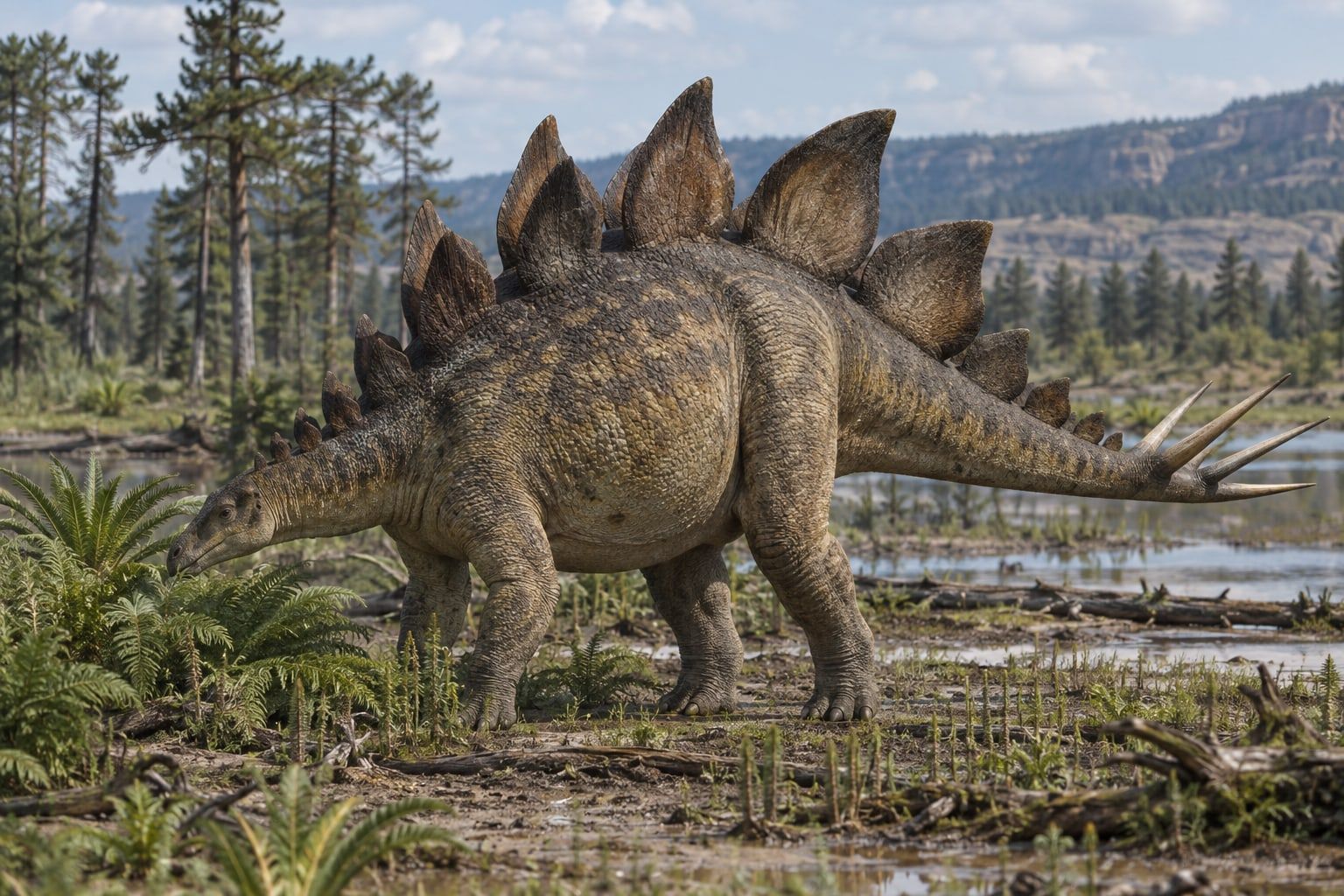
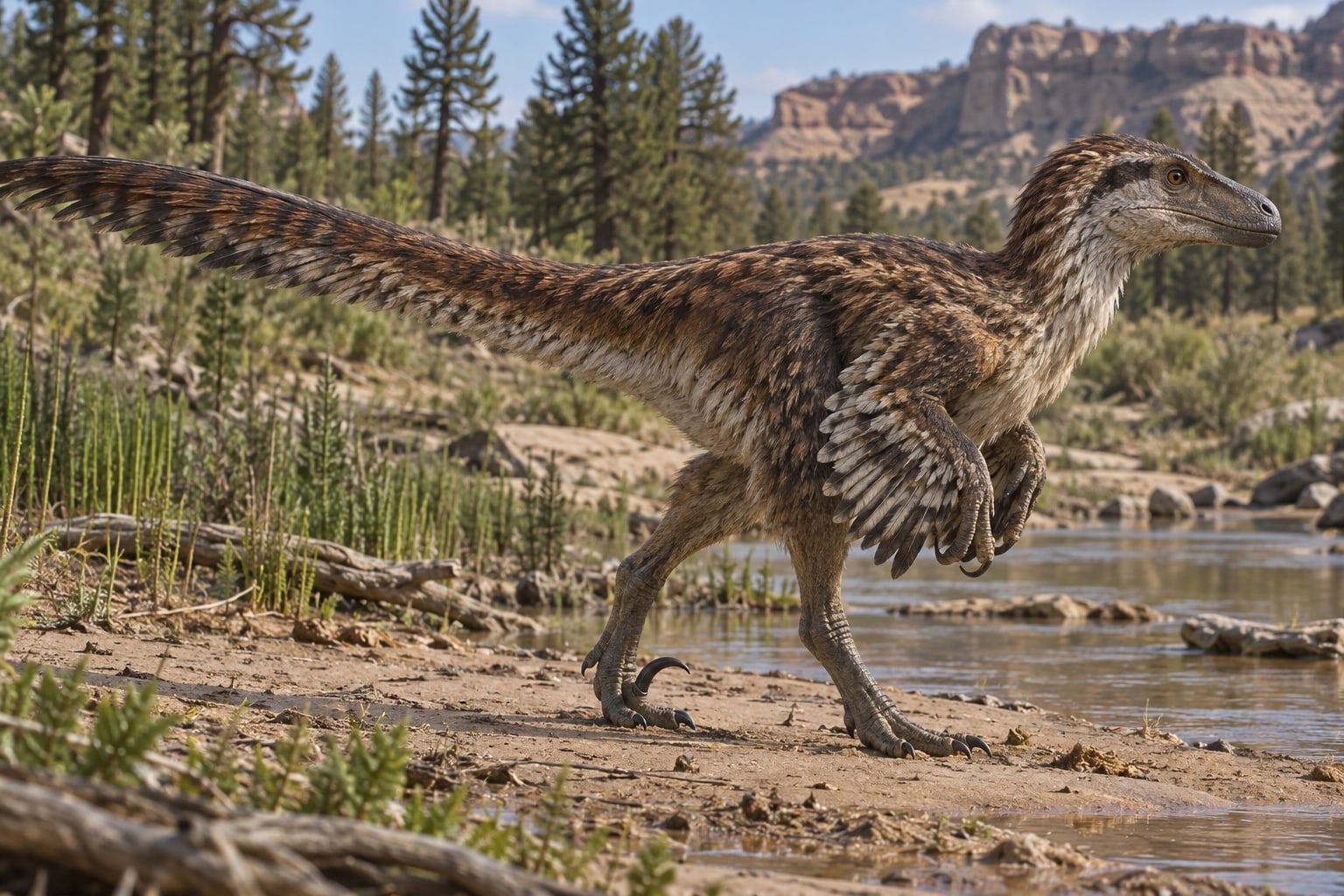
It lived in the Early Cretaceous in what is now Utah, in the United States. Its bones come from the Cedar Mountain Formation, where it shared the land with the giant raptor Utahraptor and the armored Gastonia.
How it was found
Kirkland and colleagues named Falcarius in 2005. A bone bed in Utah holds the remains of many individuals, from young to fully grown.
Lived alongside
Found in the same rock formations
Close relatives
Other members of Therizinosauria
Sources: WikidataNamed in: J. I. Kirkland, L. E. Zanno, and S. D. Sampson, J. M. Clark, D. D. DeBlieux. 2005. A primitive therizinosauroid dinsoaur from the Early Cretaceous of Utah. Nature 435(3468):84-87