Cedarosaurus
"Cedar lizard"
Type species Cedarosaurus weiskopfae
- Lived
- 137 to 110 million years ago, Early Cretaceous
- Diet
- Herbivore
- Group
- Sauropods, Brachiosauridae
- Found in
- United States
- Named by
- Tidwell et al. 1999
Where its fossils were found
The evidence
Today

125 million years ago
Habitat
In Utah, rivers crossed floodplains that had wet and dry seasons. Utahraptor and Gastonia lived in the same part of the Cedar Mountain Formation.
Field notes
About Cedarosaurus
What it was like
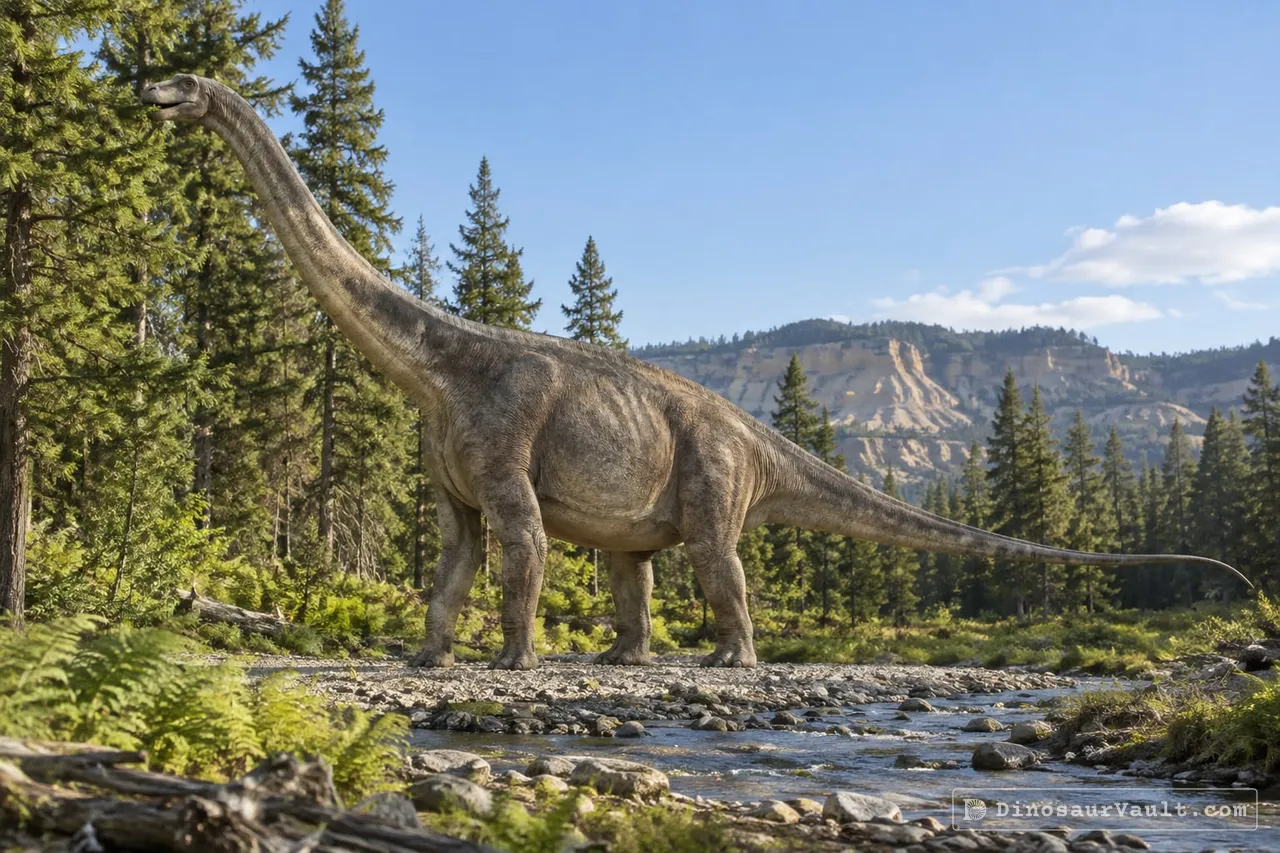
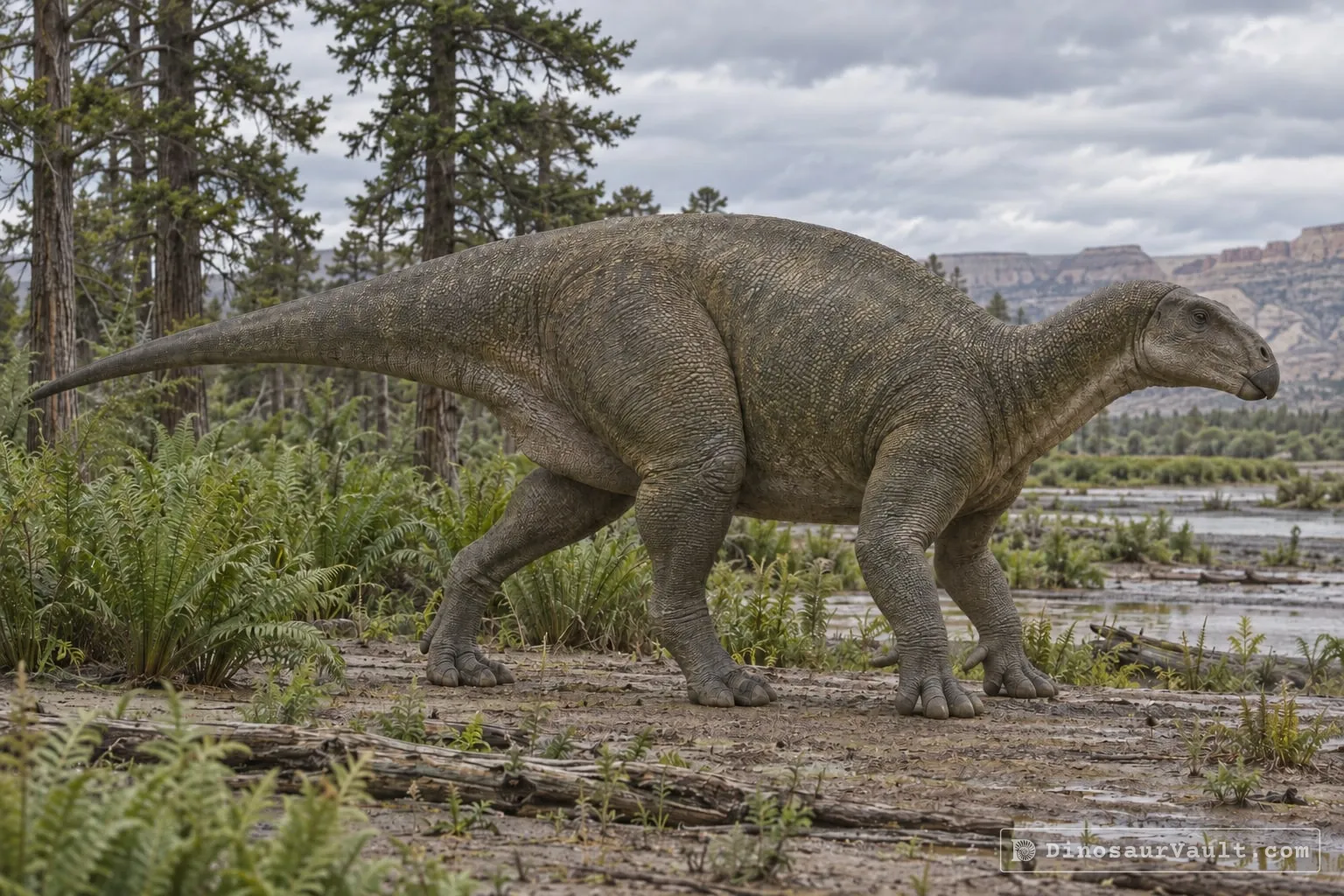
Cedarosaurus was a long-necked plant eater related to Brachiosaurus. Its front legs were longer than its back legs, so it held its neck high. Polished stones found with one skeleton may have been swallowed and kept in its gut.
Its world
It lived in the Early Cretaceous in what is now Utah and Texas. Its bones come from the Cedar Mountain and Paluxy formations. In Utah it shared the land with the big raptor Utahraptor and the armored Gastonia.
How it was found
Tidwell and colleagues named it in 1999. The type species is Cedarosaurus weiskopfae. It is named after the Cedar Mountain Formation.
Field gallery
More views of Cedarosaurus
Scenes reconstructed from the available fossil evidence.
Lived alongside
Found in the same rock formations
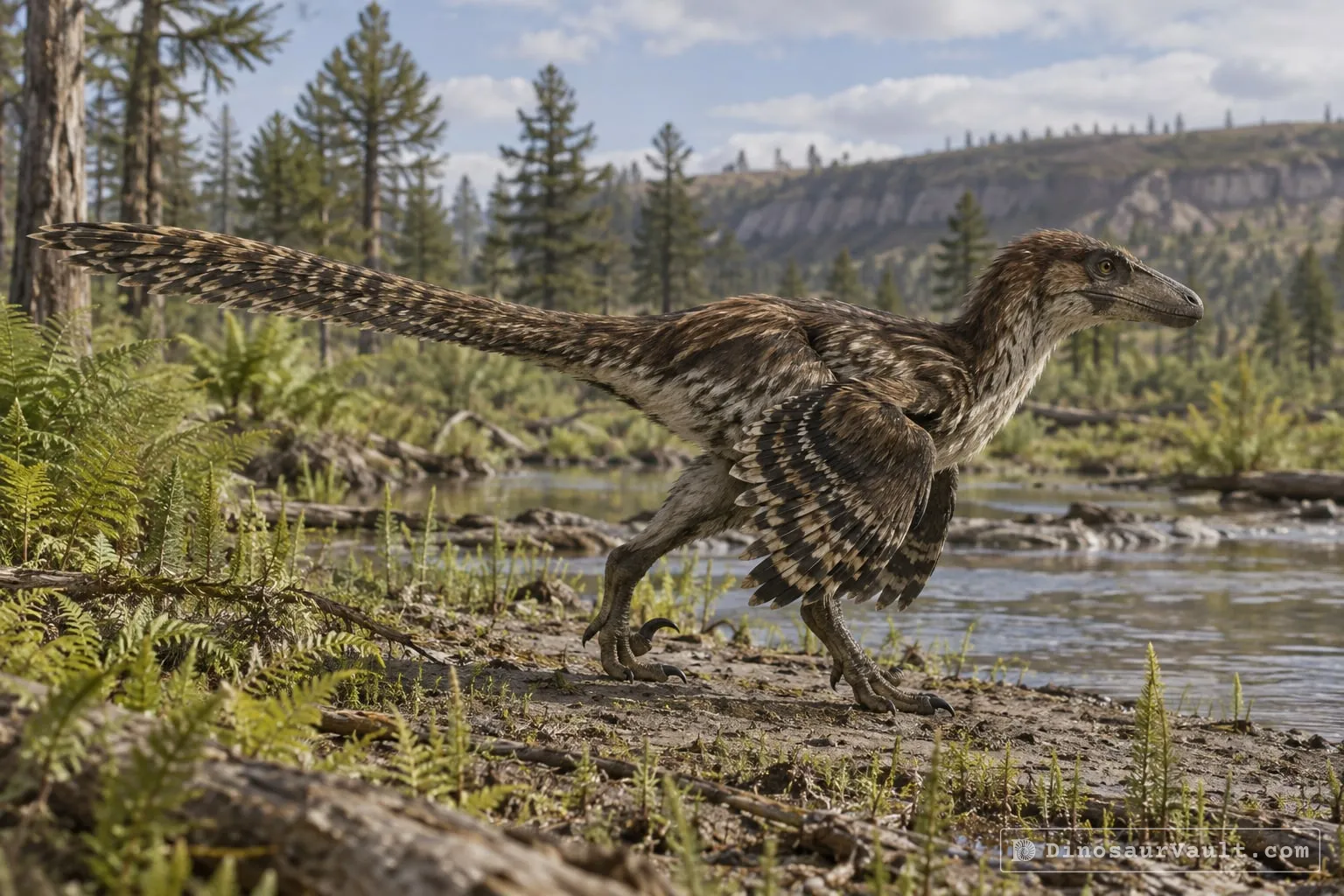
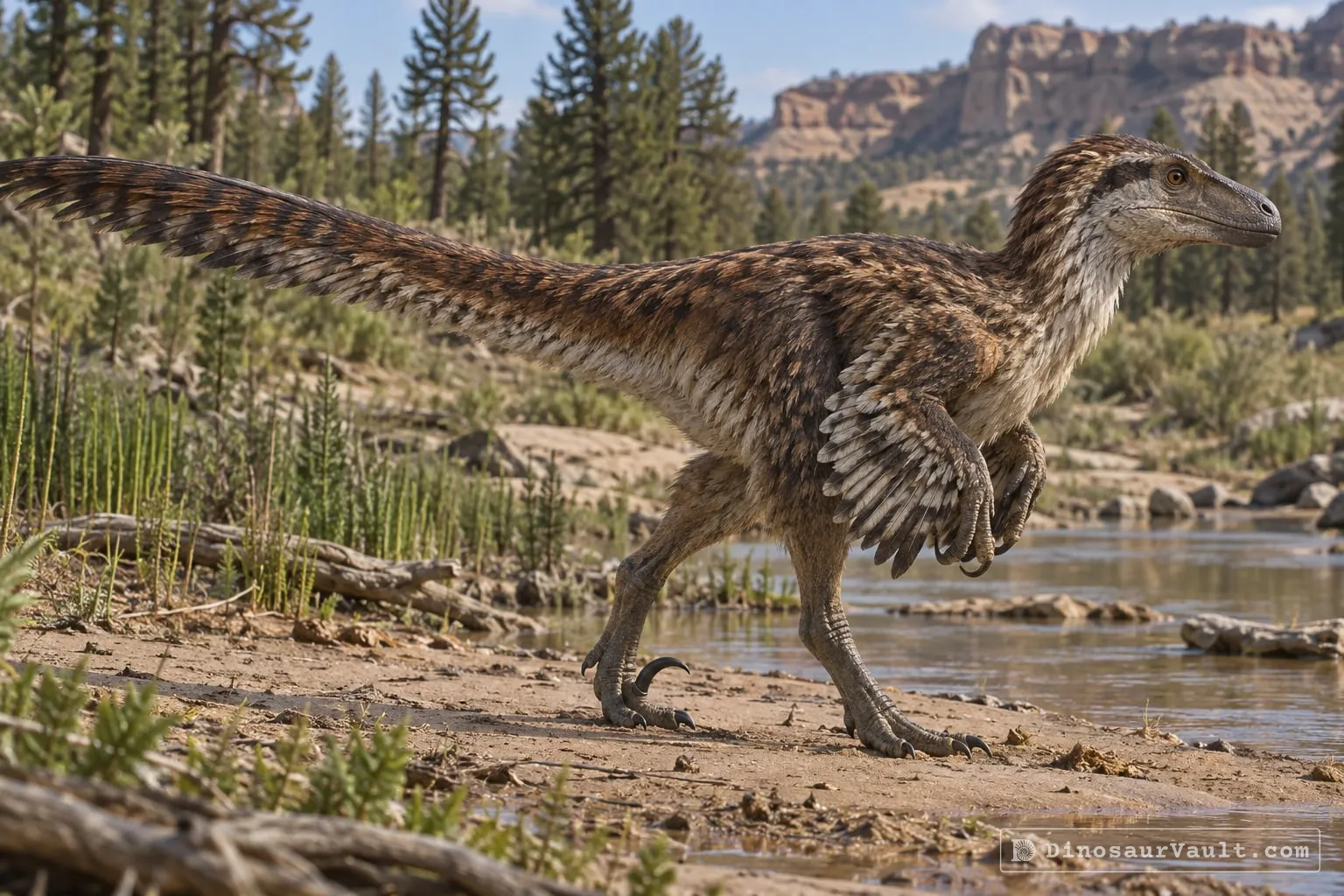
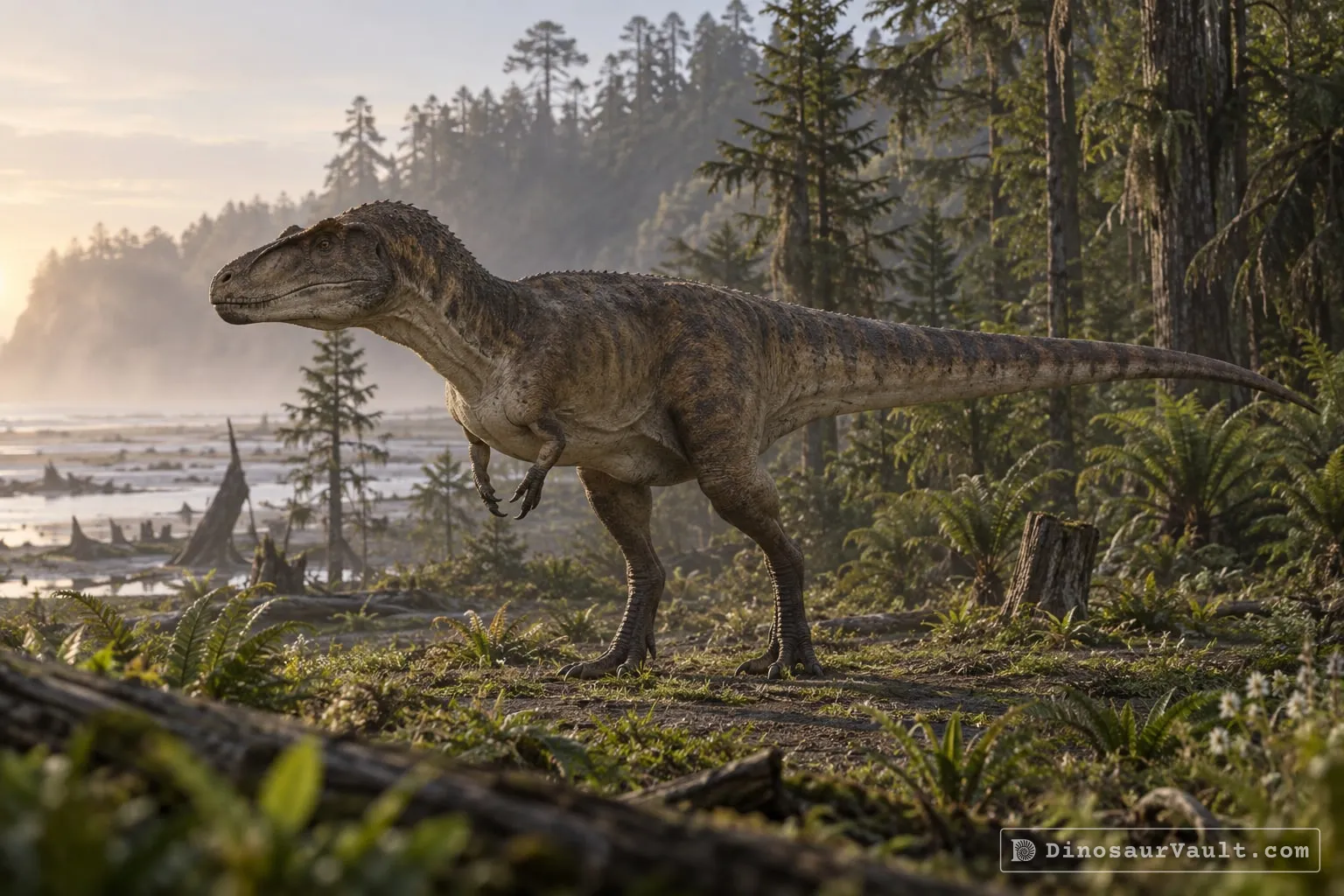
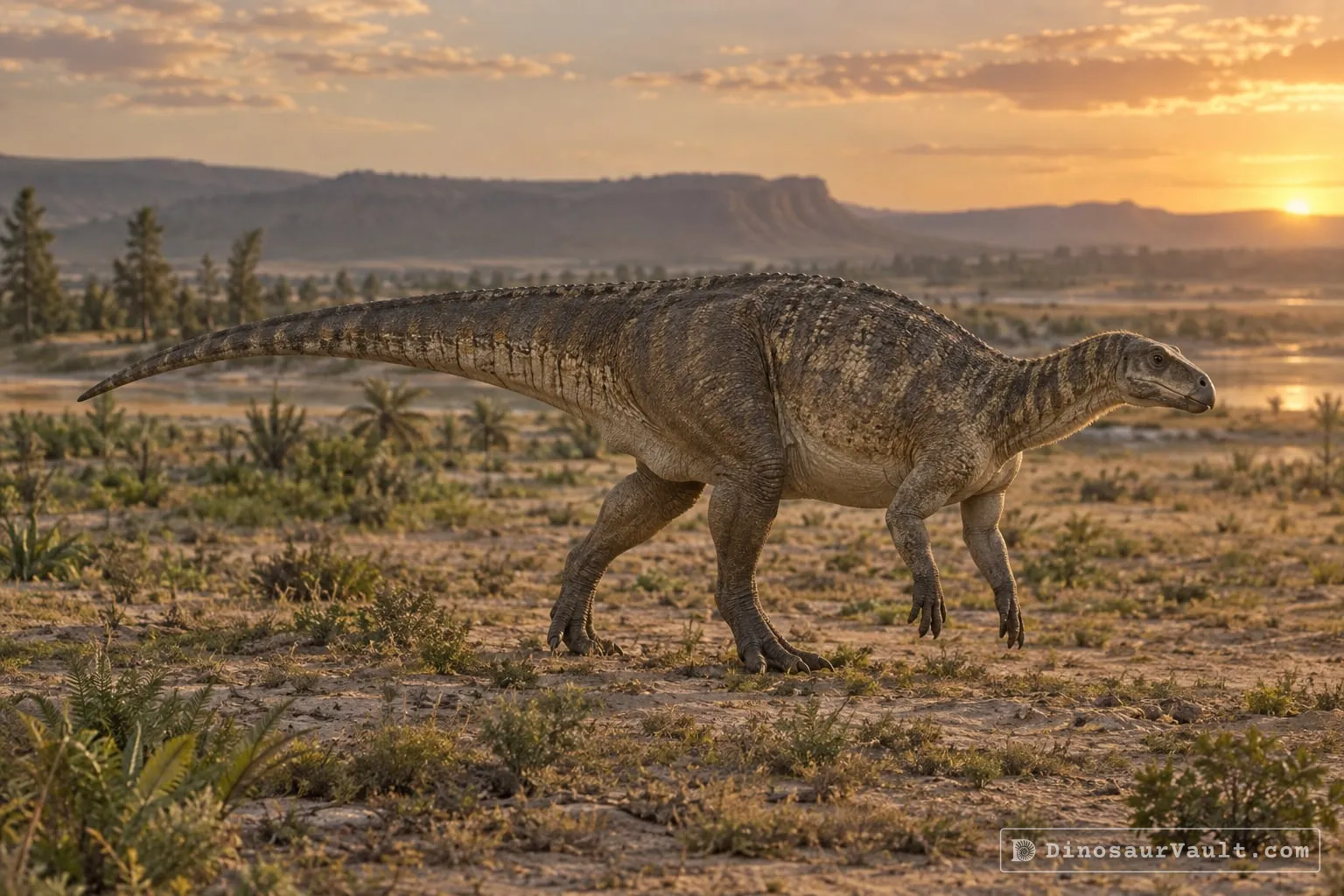
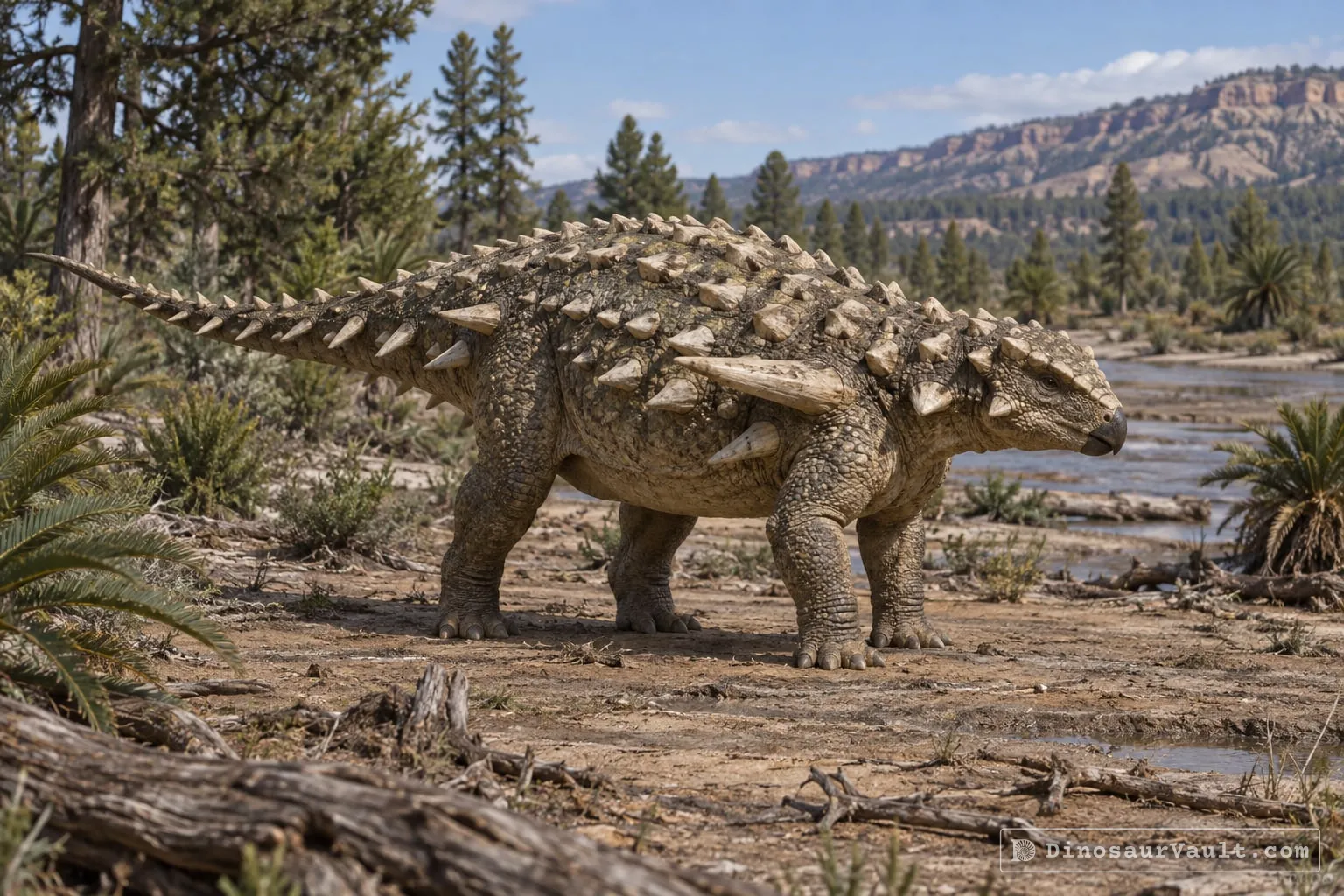
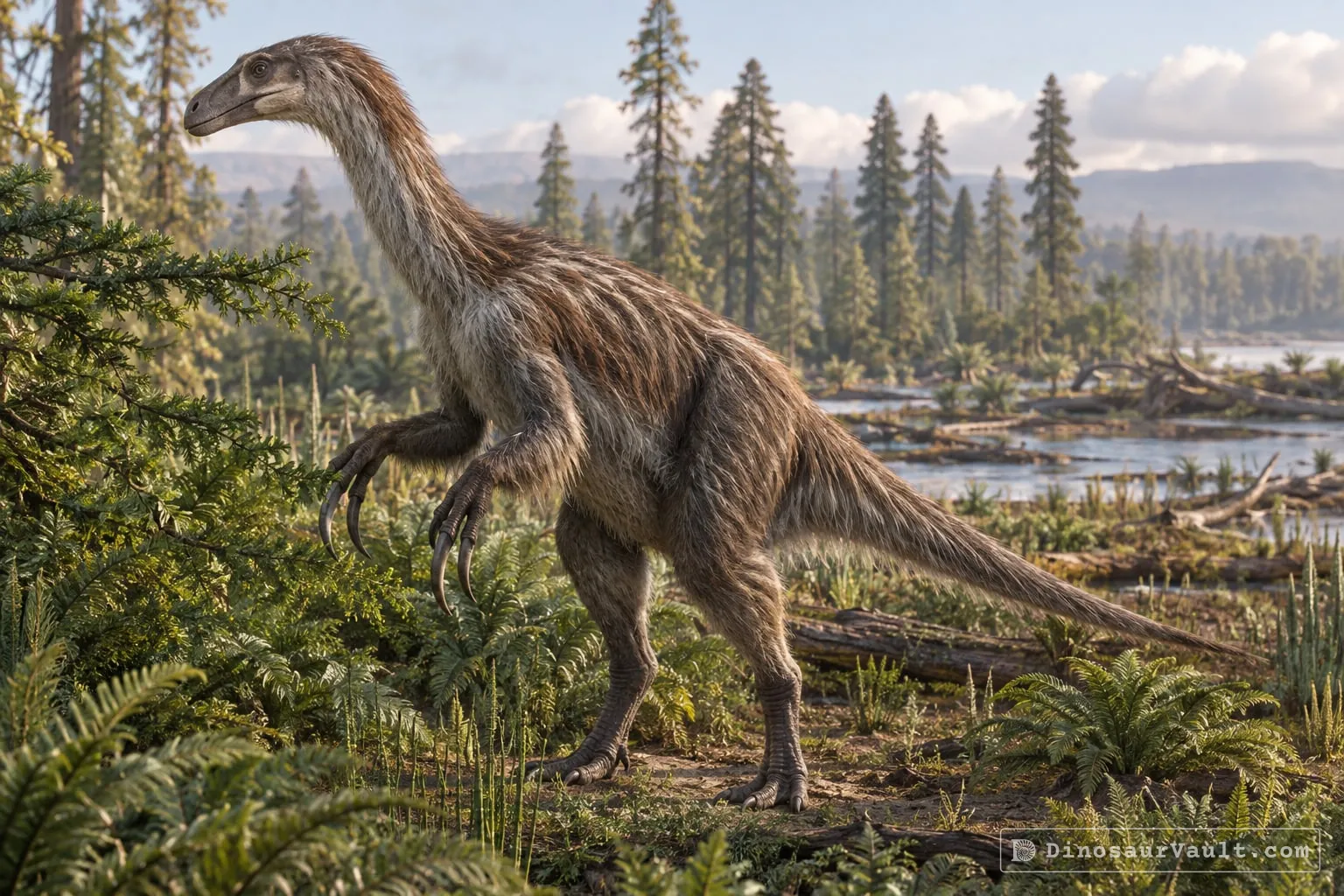
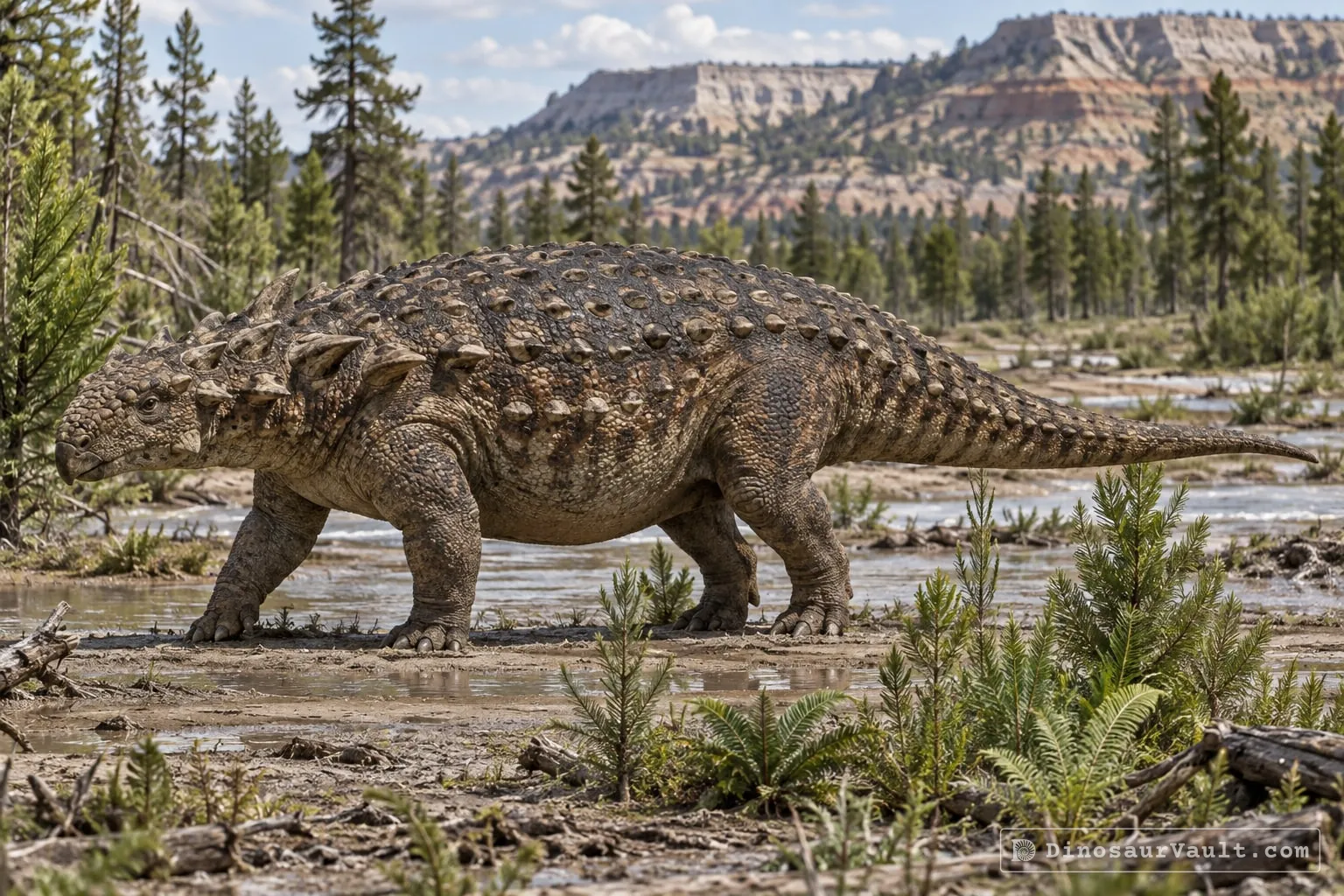


A rock formation can hold fossils laid down millions of years apart, so not every animal here met Cedarosaurus.
The evidence
The science behind Cedarosaurus
Which parts of the picture come from its own bones, and which come from its relatives.
From its own fossils
- An associated skeleton preserves much of the trunk, tail and limbs.
- Its upper arm and thigh bones are nearly equal in length, and the forelimb bones are relatively slender.
- Distinctive bumps and ridges on its forearm and foot bones help identify the genus.
Borrowed from relatives
- Abydosaurus guides the reconstruction of the missing head and neck, including an elongated muzzle with teeth.
- The upright hand bones of Brachiosaurus guide the compact, column-shaped forefeet.
Still unknown
- The length and usual resting position of its neck.
- The complete arrangement of its fingers and toe claws.
- Its skin texture and color.
Often drawn wrong
- Extremely tall front legs exaggerate the difference between its upper arm and thigh bones.
- A row of separate, spreading fingers misses the compact supporting hand of its sauropod relatives.
Discovery timeline
- 1999Named itTidwell, Carpenter & Brooks
- 2010Close relativeChure et al.
- 2013RedescriptionD’Emic
Key papers
The research behind what we know of Cedarosaurus
Named it
Described an associated skeleton from the Cedar Mountain Formation and identified Cedarosaurus as a relative of Brachiosaurus.
New sauropod from the Lower Cretaceous of Utah, USA. Oryctos 2: 21-37
No link available
Close relative
Described skulls and neck bones of Abydosaurus, providing a close-relative guide to the missing head and neck of Cedarosaurus.
First complete sauropod dinosaur skull from the Cretaceous of the Americas and the evolution of sauropod dentition. Naturwissenschaften 97: 379-391
Read the paper : First complete sauropod dinosaur skull from the Cretaceous of the Americas and the evolution of sauropod dentition (opens in a new tab)Redescription
Revised the features that identify Cedarosaurus and assigned a previously described foot from Texas to the genus.
Revision of the sauropod dinosaurs of the Lower Cretaceous Trinity Group, southern USA, with the description of a new genus. Journal of Systematic Palaeontology 11: 707-726
Read the paper : Revision of the sauropod dinosaurs of the Lower Cretaceous Trinity Group, southern USA, with the description of a new genus (opens in a new tab)
Close relatives
Other members of Brachiosauridae


Sources: Wikidata