Outline: a typical ornithopod
Iguanacolossus
"iguana colossus"
- Lived
- 139 to 133 million years ago, Early Cretaceous
- Diet
- Herbivore
- Group
- Ornithopods
- Found in
- United States
- Named by
- McDonald et al. 2010
Where its fossils were found
The evidence
Today

135 million years ago
Field notes
About Iguanacolossus
What it was like
Iguanacolossus was a large, heavily built relative of Iguanodon, a plant eater that probably walked on all fours much of the time. It is known from a partial skeleton of one animal.
Its world
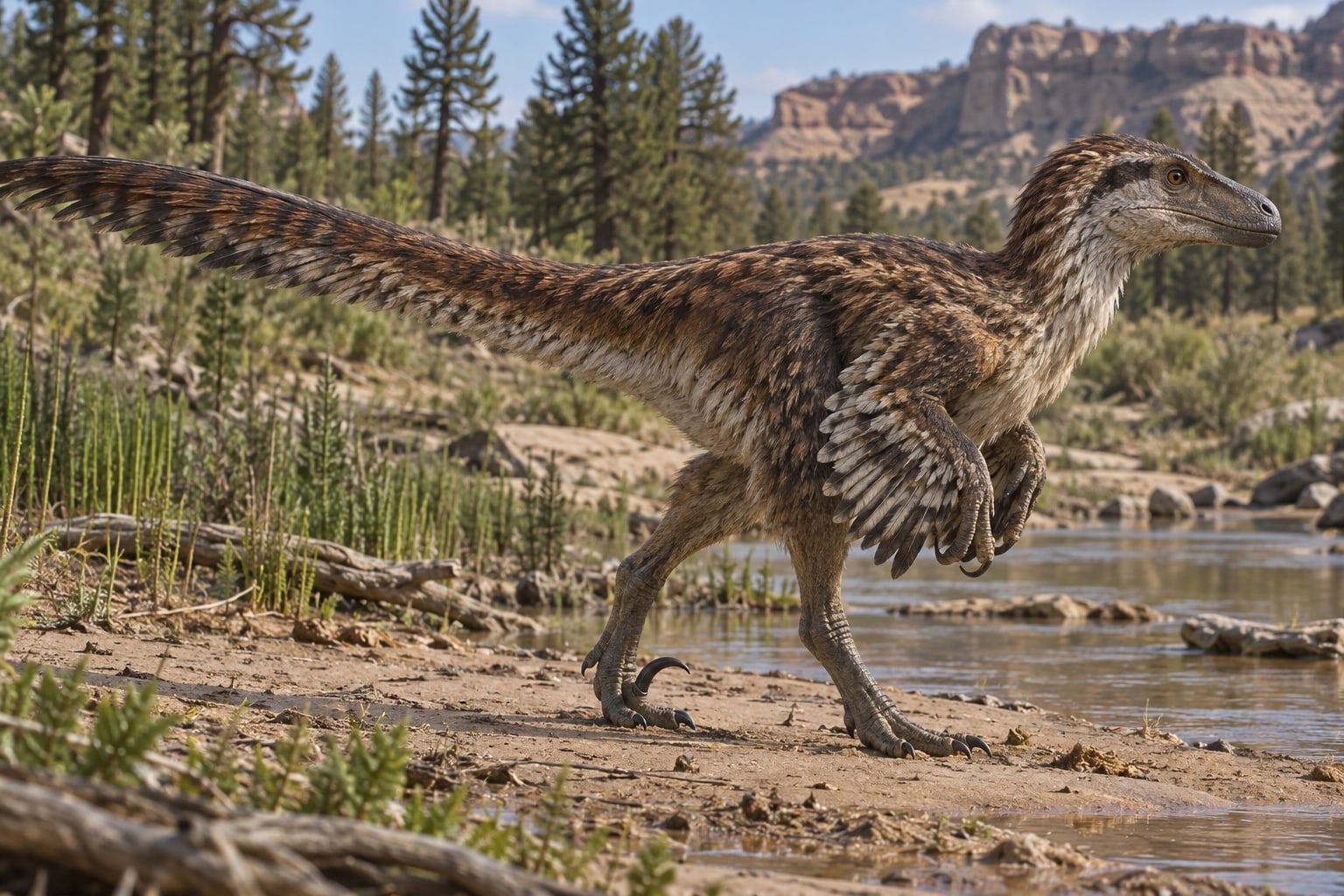
It lived about 139 to 133 million years ago, in the Early Cretaceous, in what is now Utah. Its bones come from the Cedar Mountain Formation, whose lower layers also held the long-clawed Falcarius.
How it was found
McDonald and colleagues named it in 2010, at the same time as its smaller relative Hippodraco.
Lived alongside
Found in the same rock formations
Close relatives
Other members of Styracosterna
Sources: WikidataNamed in: A. T. McDonald, J. I. Kirkland, and D. D. DeBlieux, S. K. Madsen, J. Cavin, A. R. C. Milner, L. Panzarin. 2010. New basal iguanodonts from the Cedar Mountain Formation of Utah and the evolution of thumb-spiked dinosaurs. PLoS One 5(11):e14075:1-35