Hippodraco
"horse dragon"
- Lived
- 137 to 133 million years ago, Early Cretaceous
- Diet
- Herbivore
- Group
- Ornithopods
- Found in
- United States
- Named by
- McDonald et al. 2010
Where its fossils were found
The evidence
Today

135 million years ago
Habitat
Floodplains and lakes lay within a landscape that was dry for part of the year in what is now Utah. Gastonia and Utahraptor lived in the same part of the Cedar Mountain Formation.
Field notes
About Hippodraco
What it was like
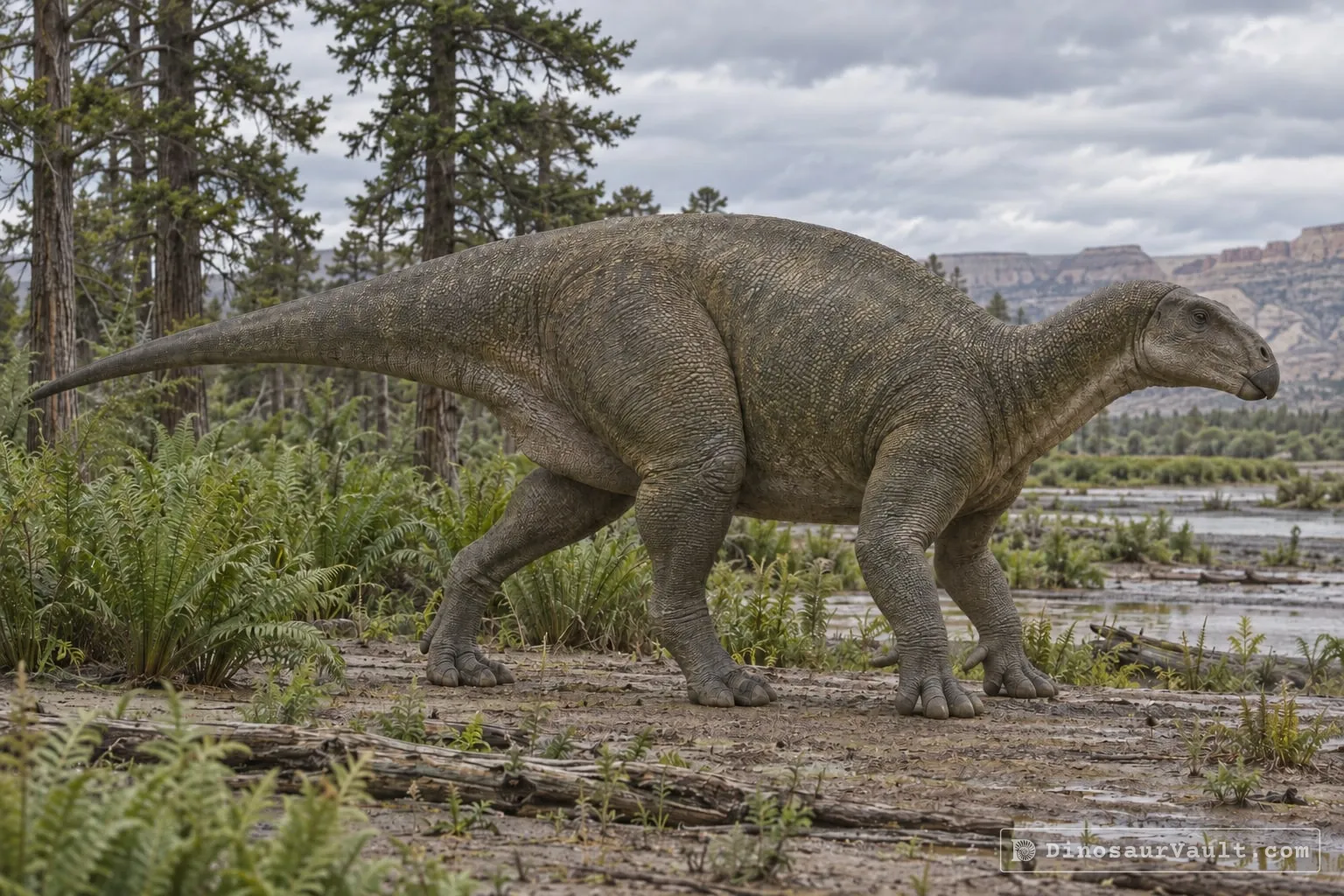
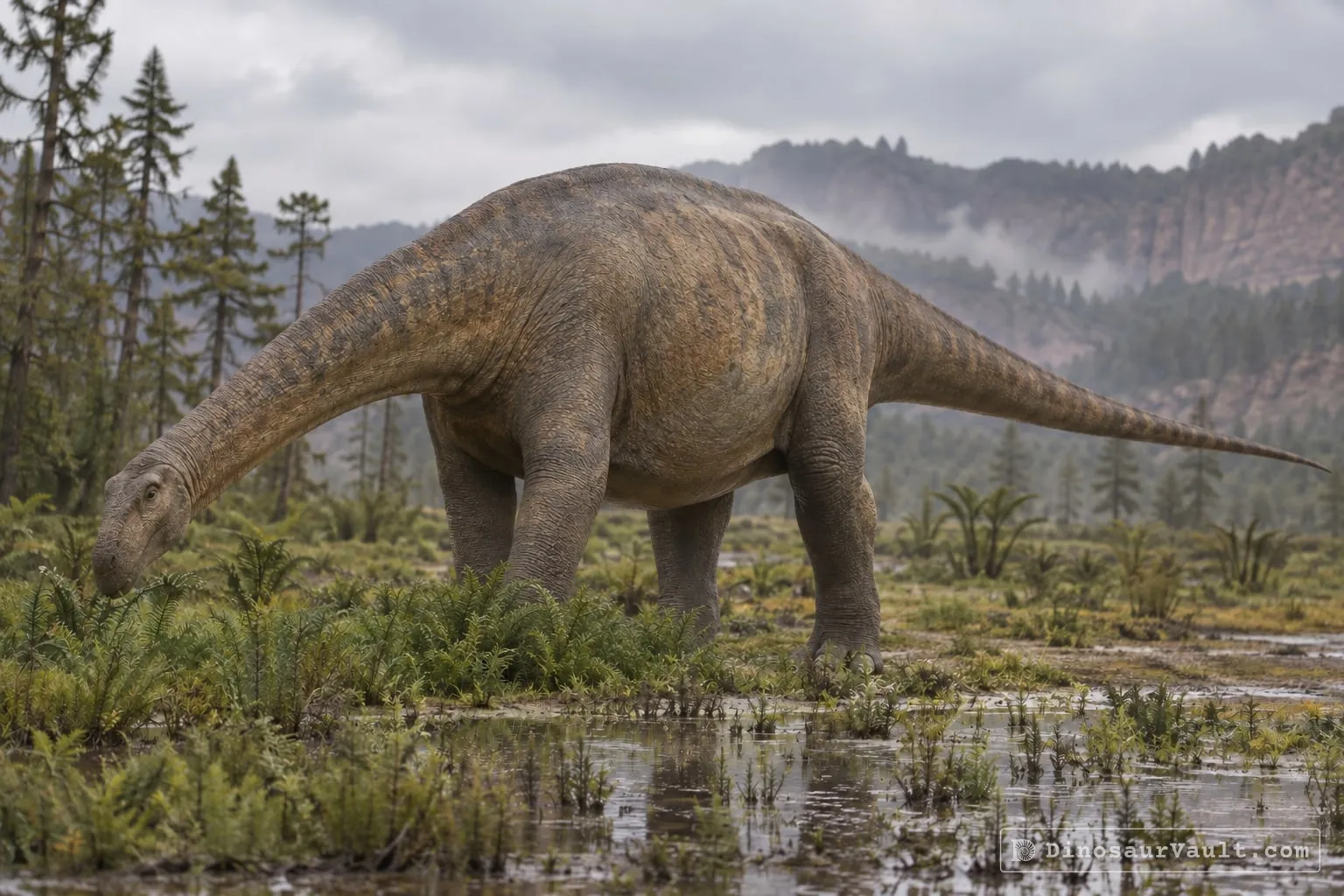
Hippodraco was a plant eater related to Iguanodon, known from a partial skull and skeleton of a young animal. It had a long, low skull, which reminded the scientists who named it of a horse's head.
Its world
It lived in the Early Cretaceous in what is now Utah, in the United States. Its bones come from the Cedar Mountain Formation, where it shared the land with the armored Gastonia and the giant raptor Utahraptor.
How it was found
McDonald and colleagues named Hippodraco in 2010, from a single find.
Field gallery
More views of Hippodraco
Scenes reconstructed from the available fossil evidence.
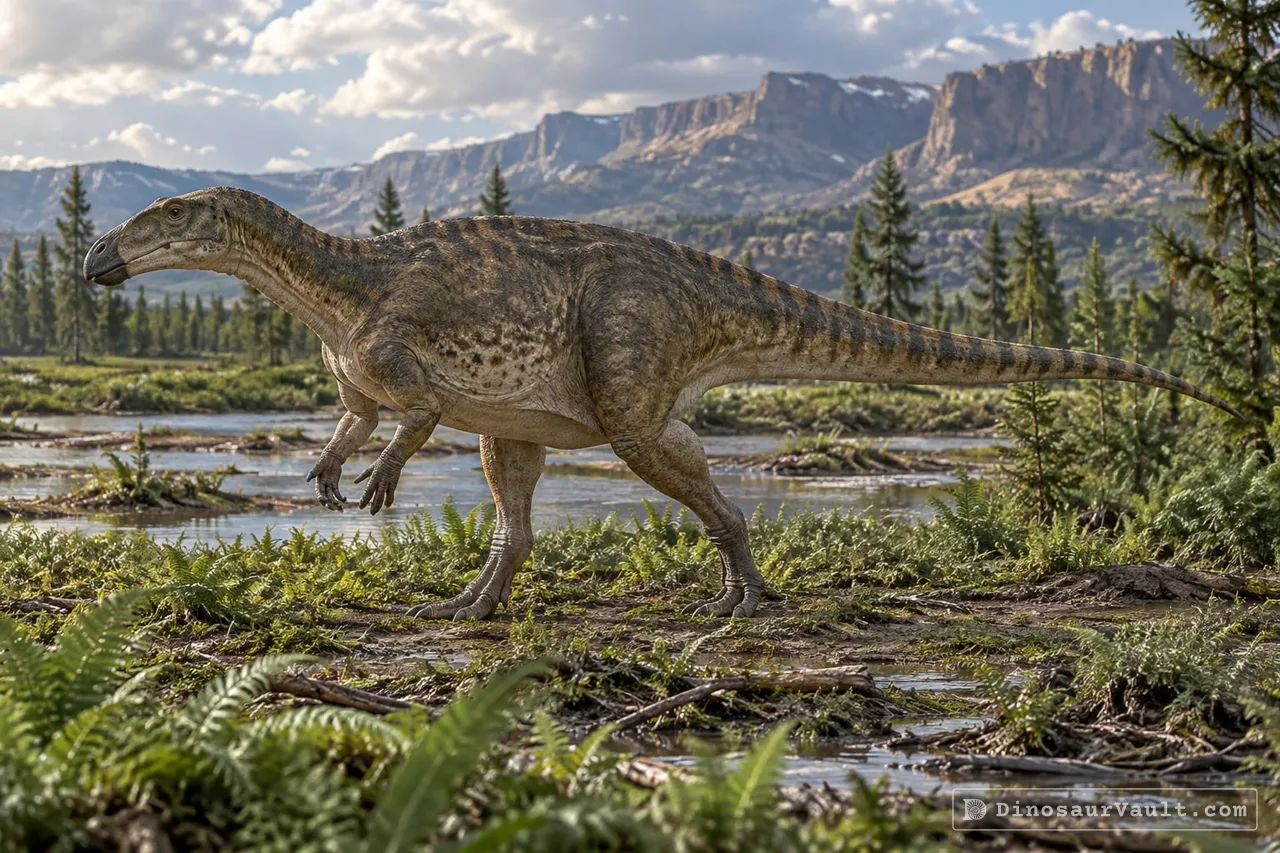
1 of 2
Lived alongside
Found in the same rock formations
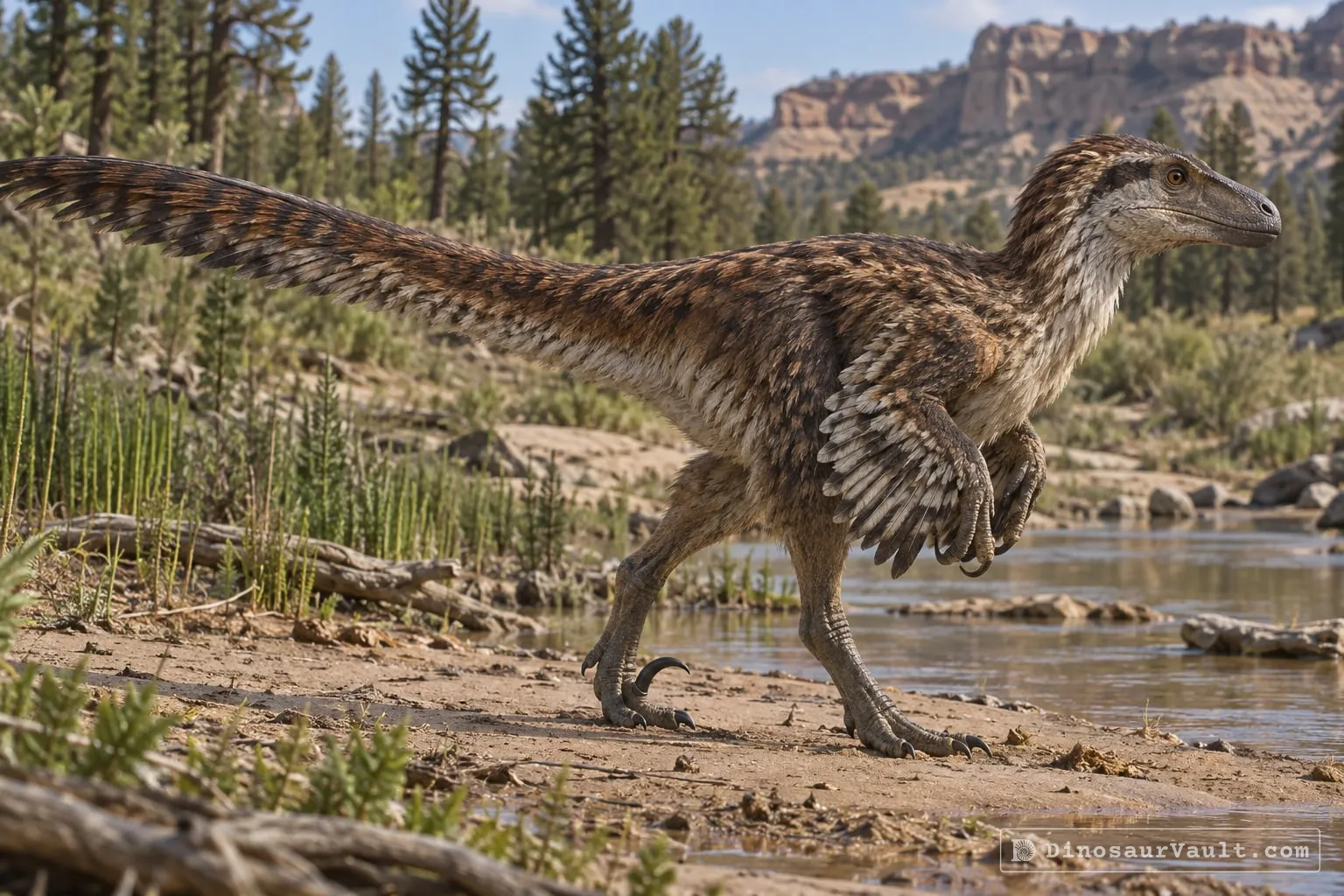
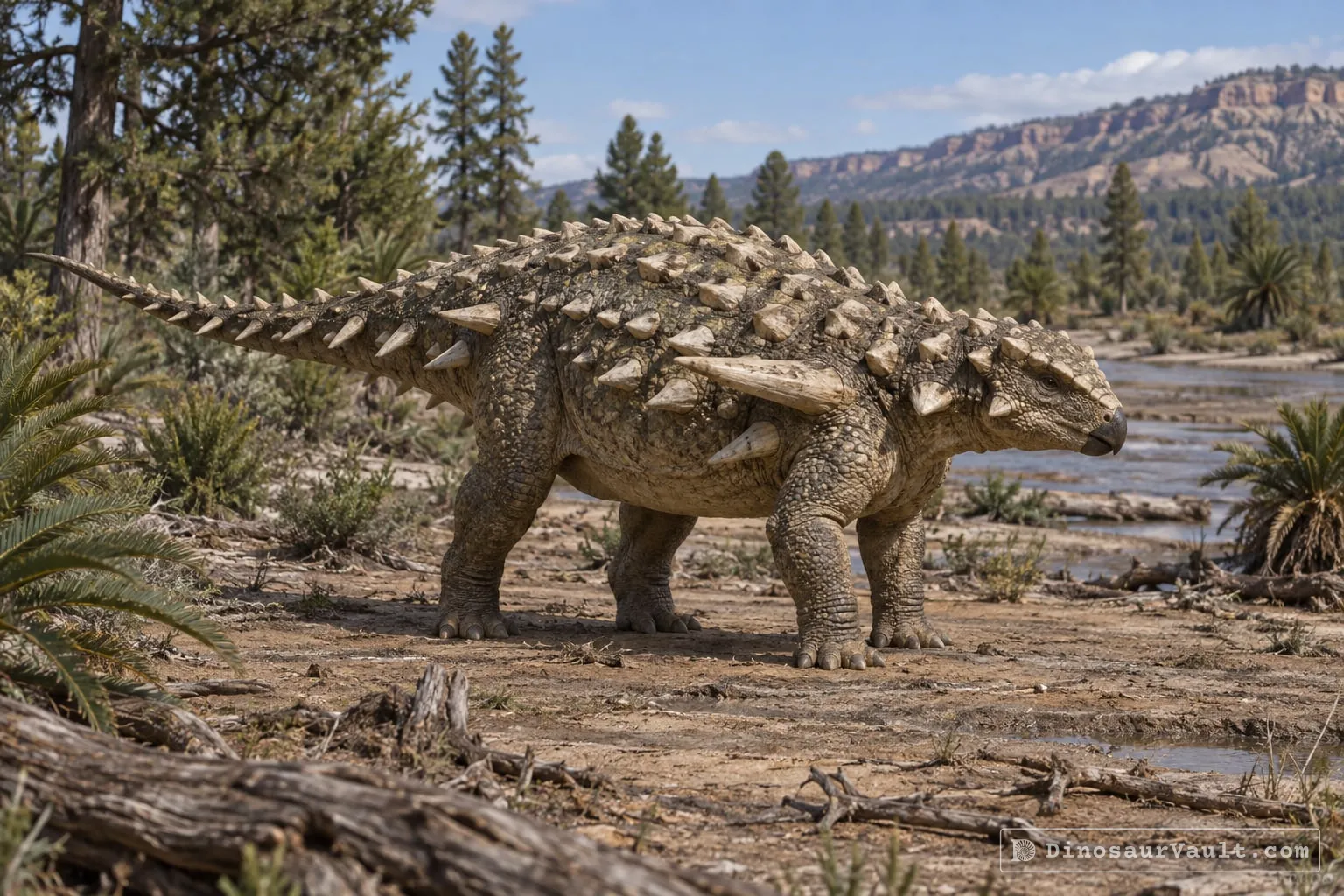
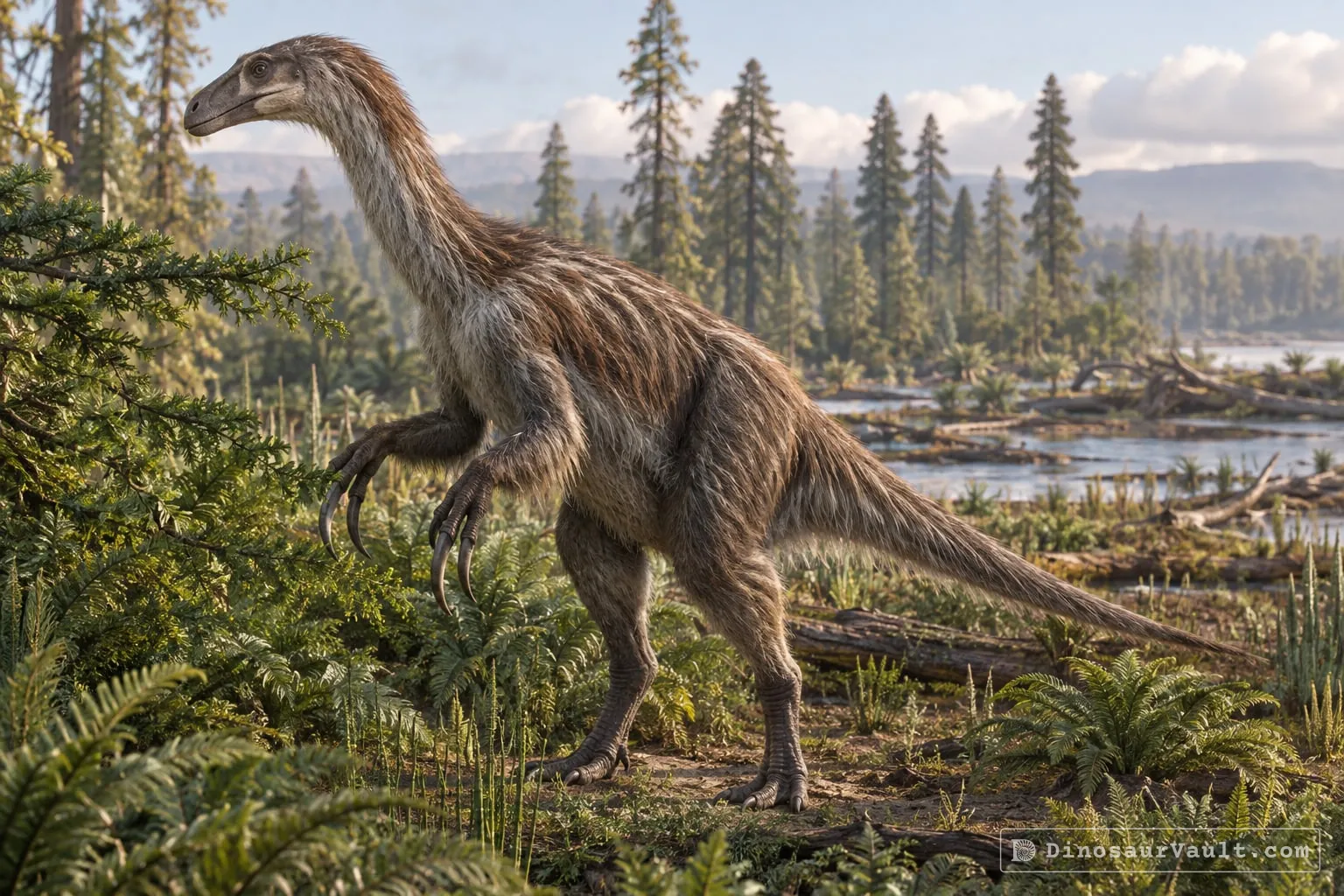
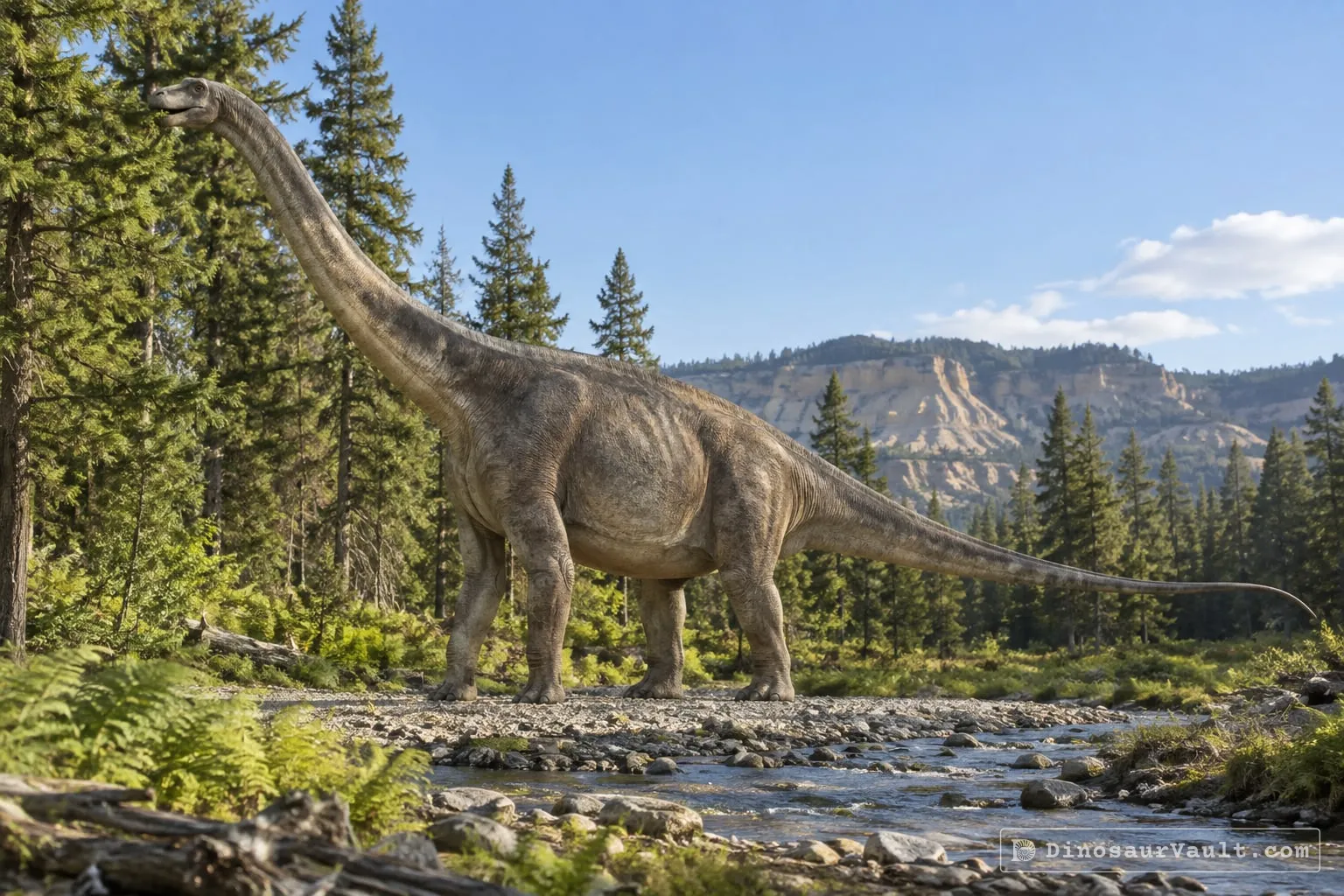
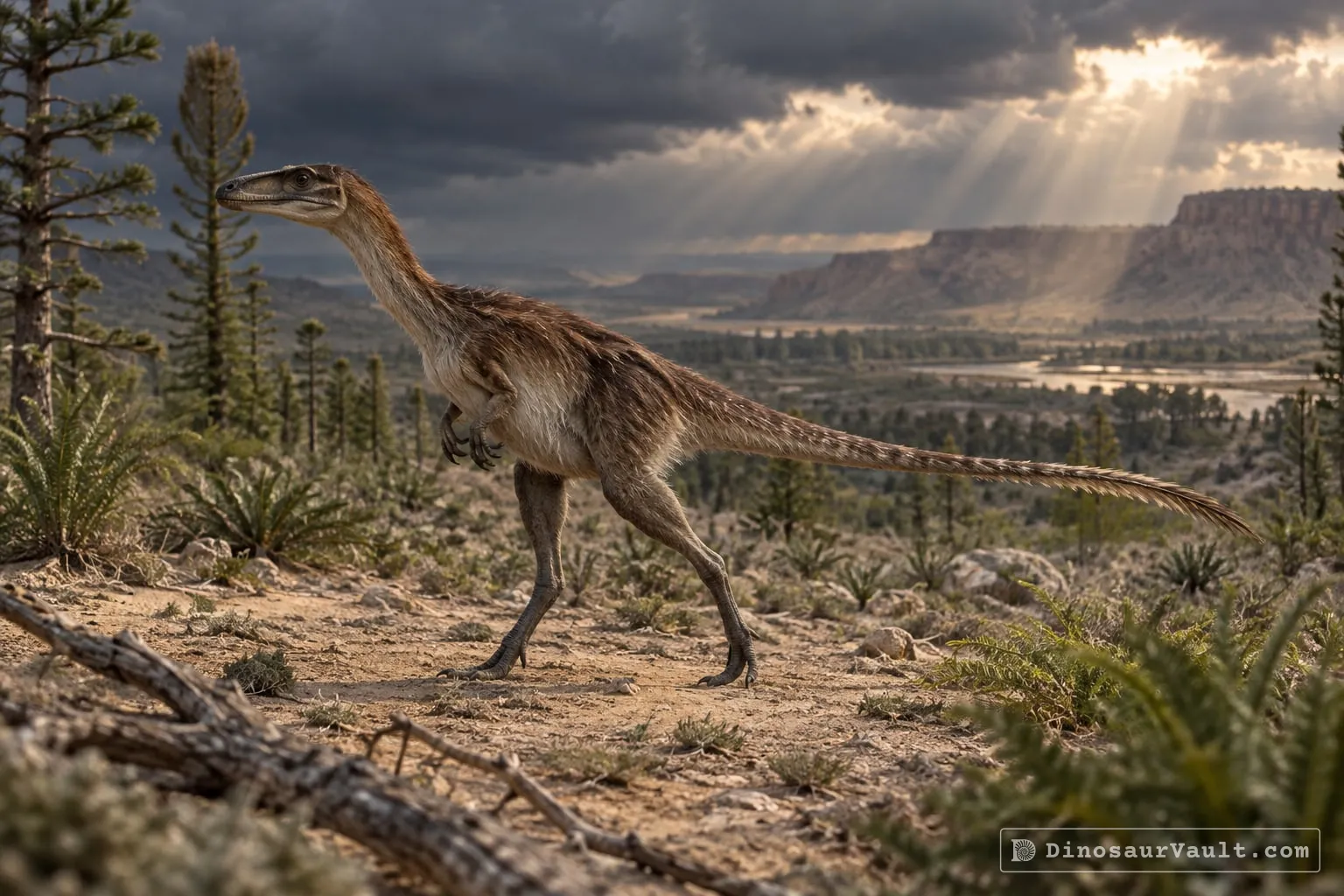
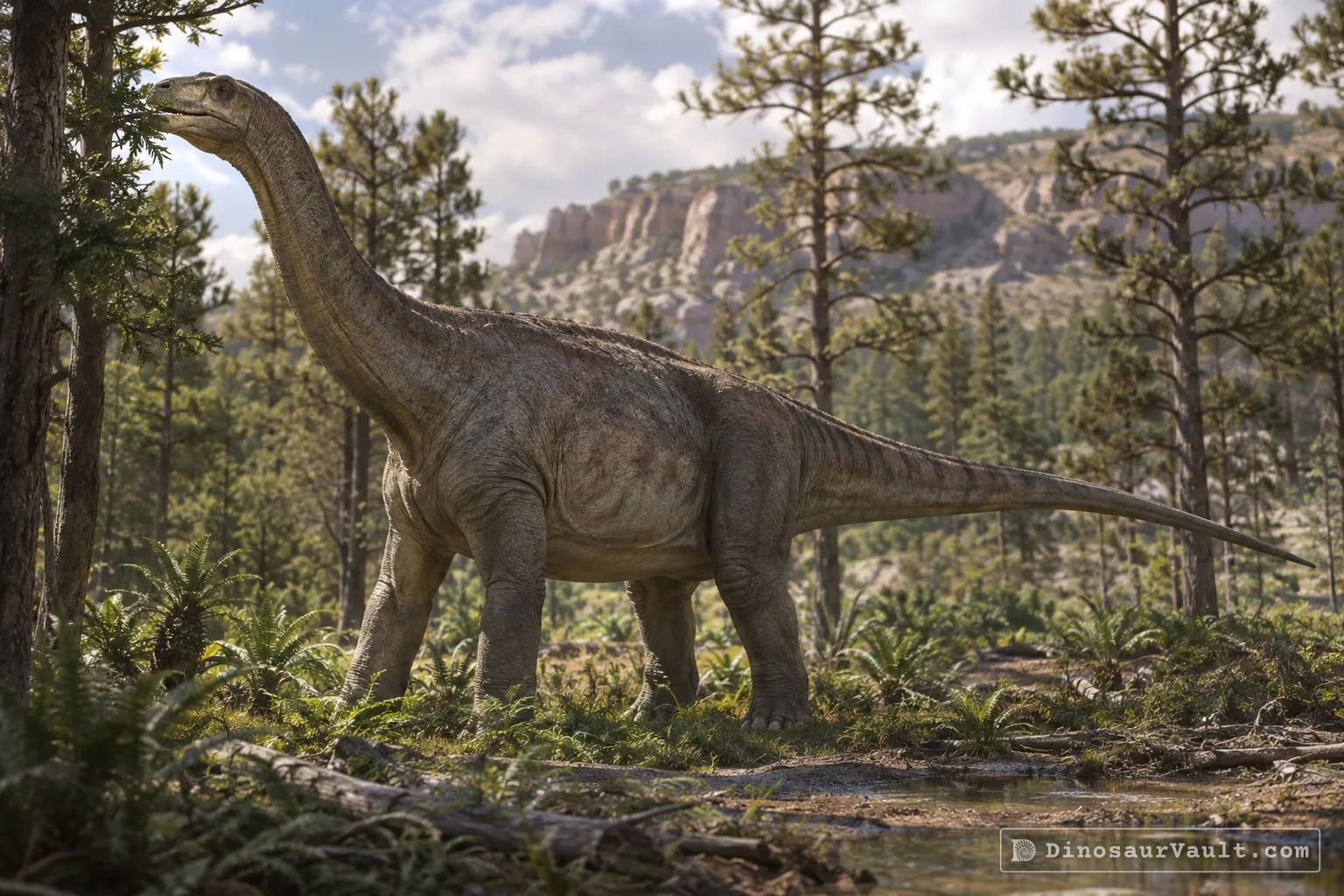


A rock formation can hold fossils laid down millions of years apart, so not every animal here met Hippodraco.
The evidence
The science behind Hippodraco
Which parts of the picture come from its own bones, and which come from its relatives.
From its own fossils
- A nearly complete, crushed skull and parts of the backbone and limbs belong to a single animal.
- A broad, rounded shelf runs along the outside of the lower jaw, setting the tooth row far inward.
- The lower teeth have oblong, shield-shaped crowns.
Borrowed from relatives
- Missing parts of the body are restored from other early iguanodonts such as Iguanacolossus.
- Skull comparisons with Theiophytalia help place it among the early relatives of duck-billed dinosaurs.
Still unknown
- Its full adult size.
- Its skin texture and color.
- The shape of its missing hands.
Discovery timeline
- 2010Named itMcDonald et al.
- 2012Family treeMcDonald
- 2015Close relativeBoyd & Pagnac
Key papers
The research behind what we know of Hippodraco
Named it
Named Hippodraco from a partial skeleton with a long, low skull and a distinctive shelf beside its lower tooth row.
New Basal Iguanodonts from the Cedar Mountain Formation of Utah and the Evolution of Thumb-Spiked Dinosaurs. PLoS ONE 5: e14075
Read the paper : New Basal Iguanodonts from the Cedar Mountain Formation of Utah and the Evolution of Thumb-Spiked Dinosaurs (opens in a new tab)Family tree
Recovered Hippodraco and Theiophytalia as close relatives among early iguanodonts.
Phylogeny of Basal Iguanodonts (Dinosauria: Ornithischia): An Update. PLoS ONE 7: e36745
Read the paper : Phylogeny of Basal Iguanodonts (Dinosauria: Ornithischia): An Update (opens in a new tab)Close relative
Restudied Dakotadon and placed it closer to Hippodraco and other Early Cretaceous iguanodonts than to earlier forms such as Camptosaurus.
Insight on the anatomy, systematic relationships, and age of the Early Cretaceous ankylopollexian dinosaur Dakotadon lakotaensis. PeerJ 3: e1263
Read the paper : Insight on the anatomy, systematic relationships, and age of the Early Cretaceous ankylopollexian dinosaur Dakotadon lakotaensis (opens in a new tab)
Close relatives
Other members of Styracosterna


Sources: Wikidata