Nedcolbertia
- Lived
- 137 to 133 million years ago, Early Cretaceous
- Diet
- Carnivore
- Group
- Theropods
- Found in
- United States
- Named by
- Kirkland et al. 1998
Where its fossils were found
The evidence
Today

135 million years ago
Habitat
Its burial site was probably a muddy lake margin on a seasonally dry plain. Utahraptor, Gastonia and Cedarosaurus also occur in this part of the Cedar Mountain Formation.
Field notes
About Nedcolbertia
What it was like
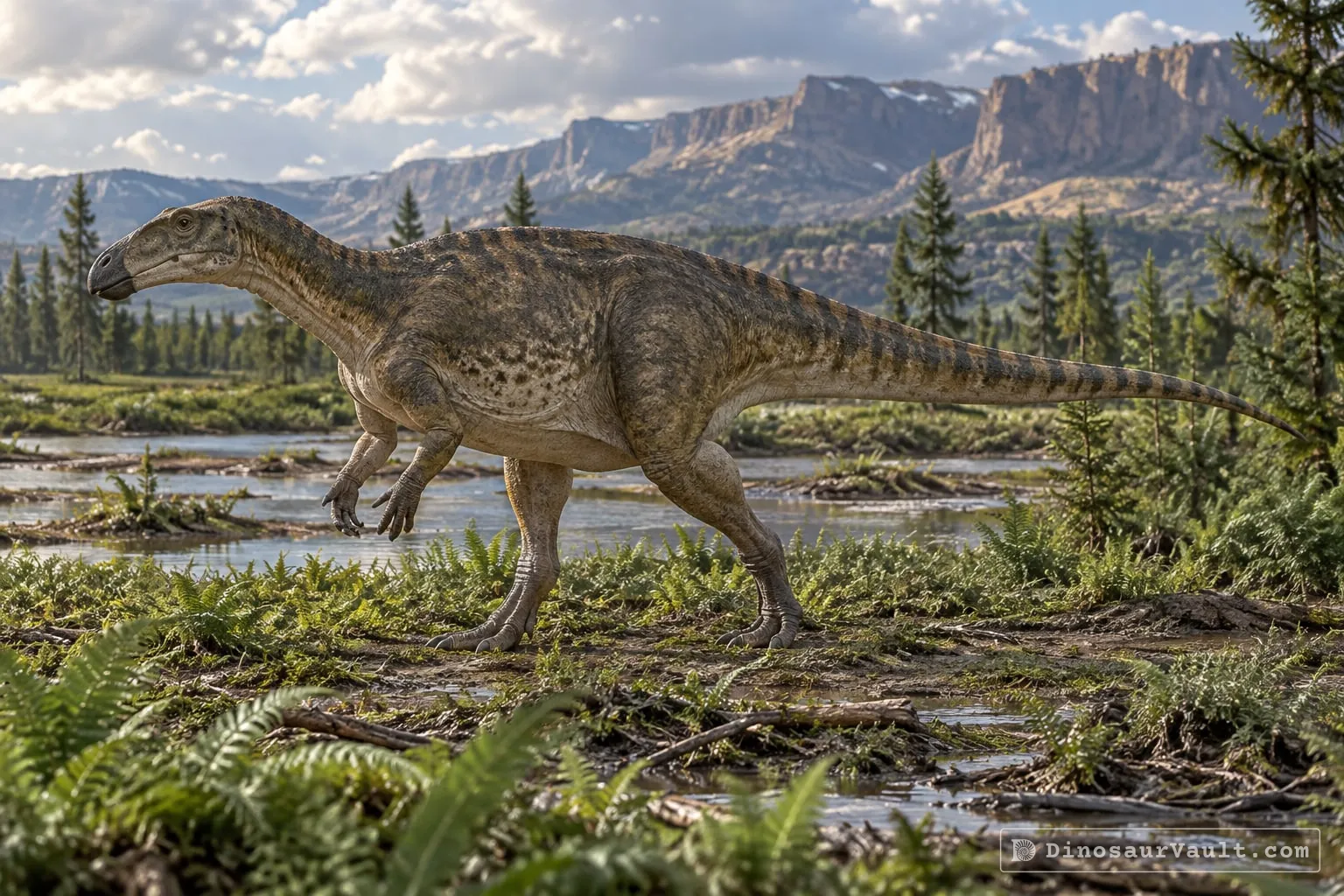
Nedcolbertia was a small, lightly built theropod. It is known from parts of several young animals, so its adult size and shape are unclear.
Its world
It lived in the Early Cretaceous, in what is now Utah. It comes from the Cedar Mountain Formation.
How it was found
Kirkland and colleagues named Nedcolbertia in 1998, in honor of a well known American paleontologist.
Field gallery
More views of Nedcolbertia
Scenes reconstructed from the available fossil evidence.
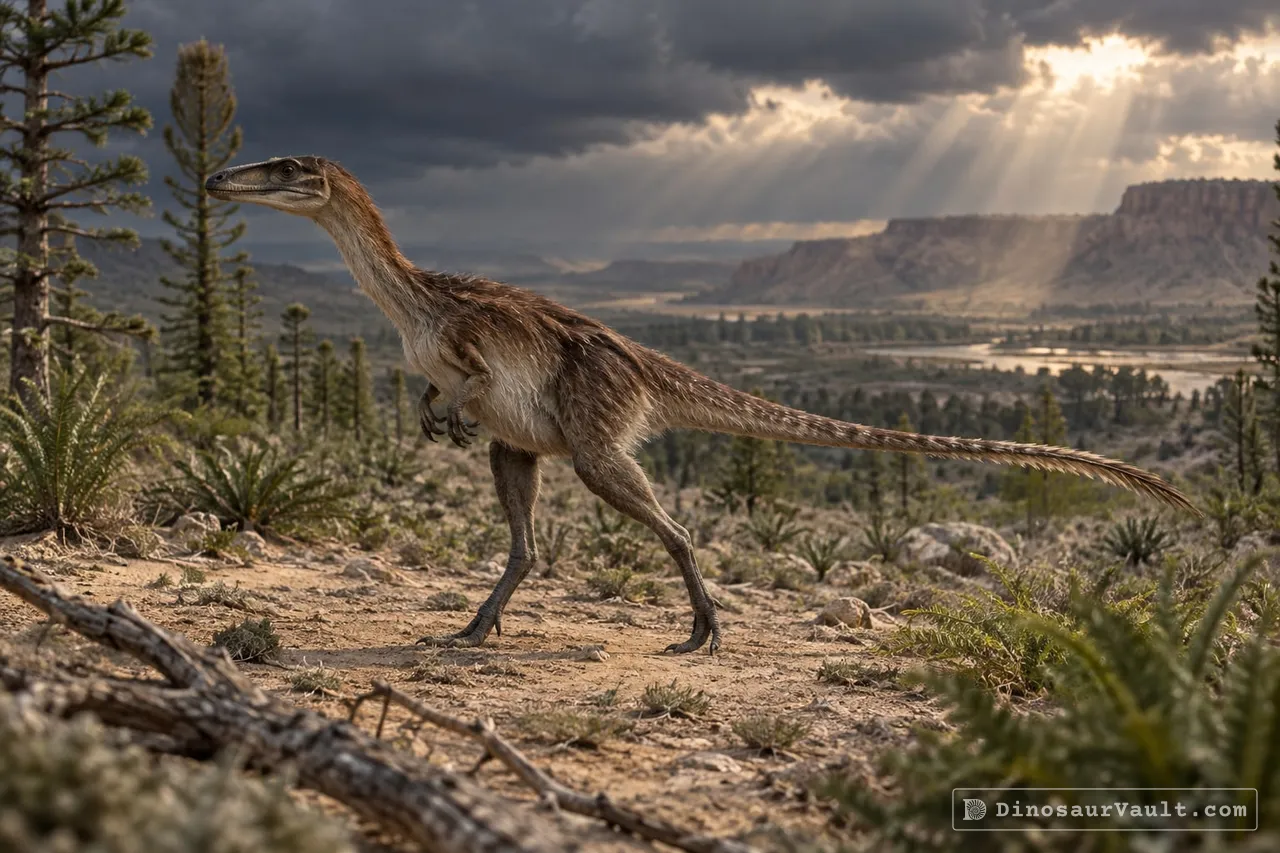
1 of 3
Lived alongside
Found in the same rock formations
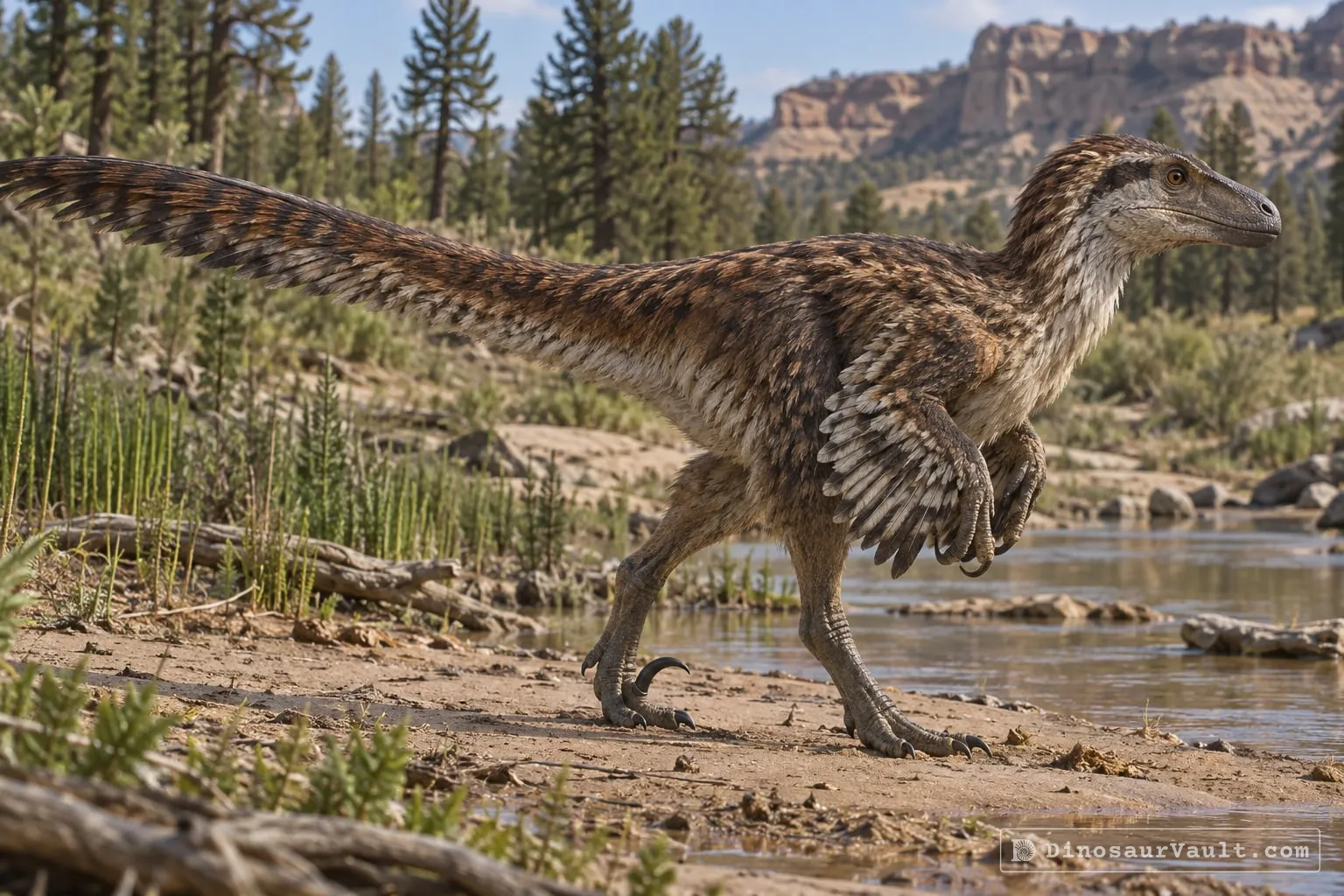
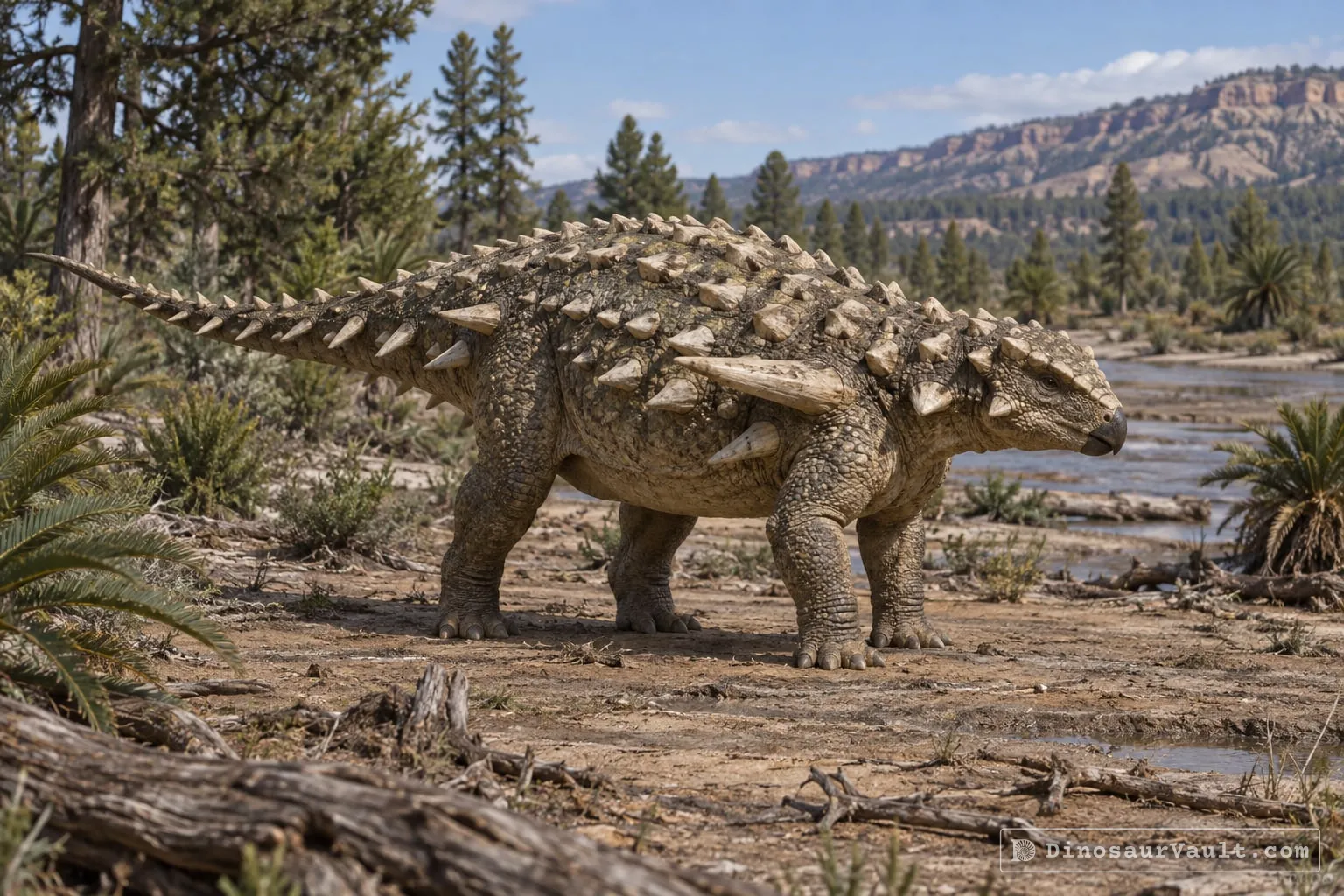
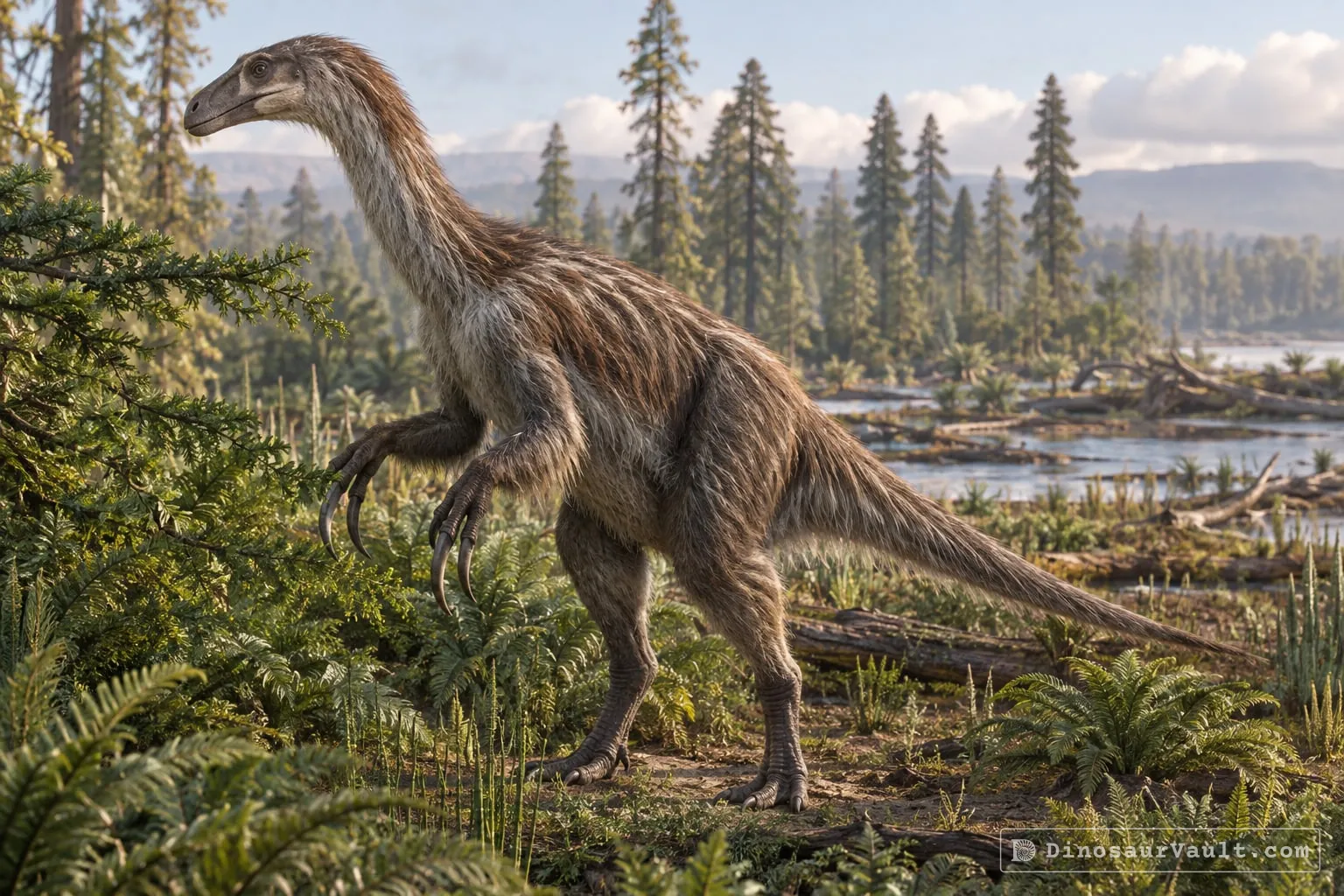
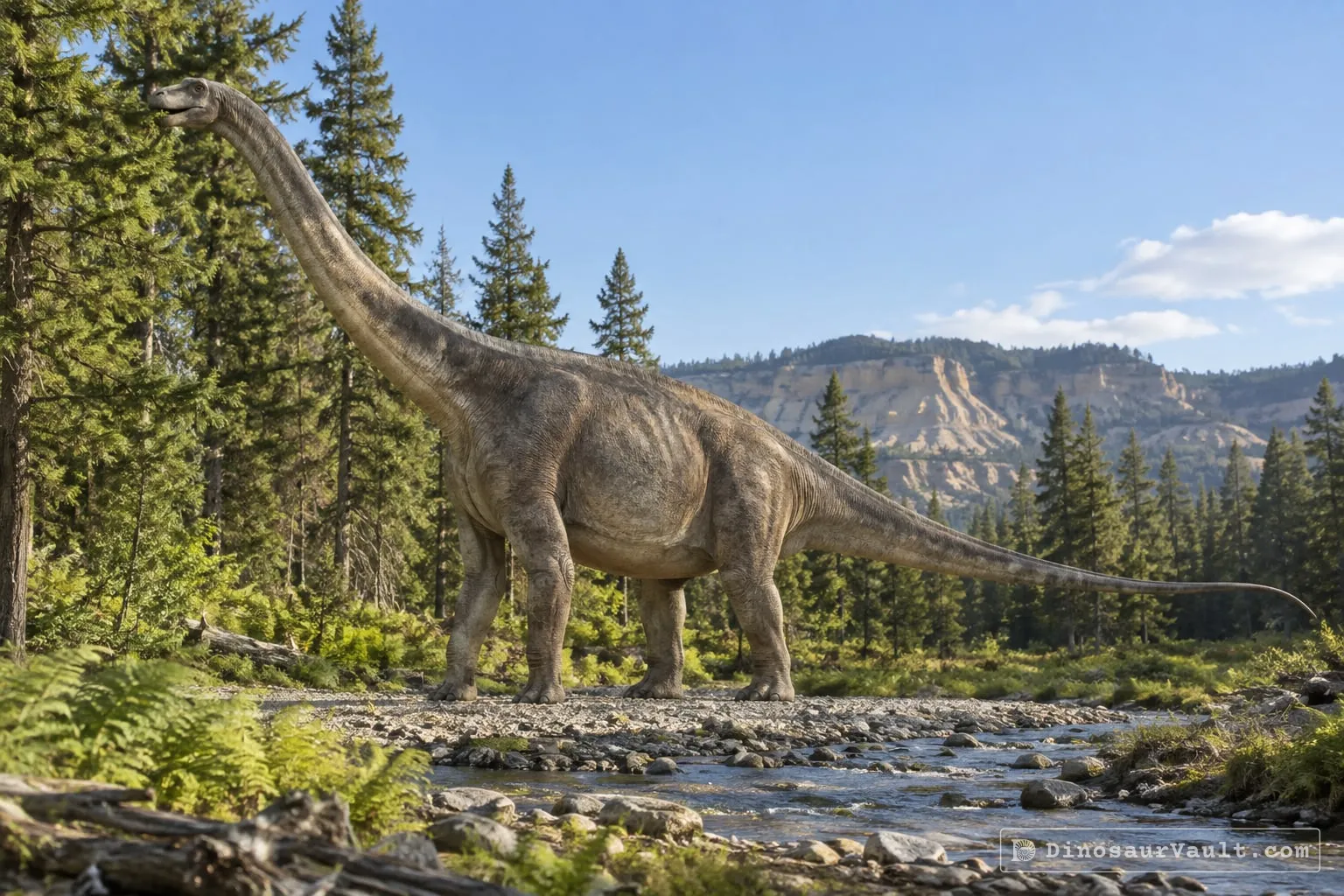
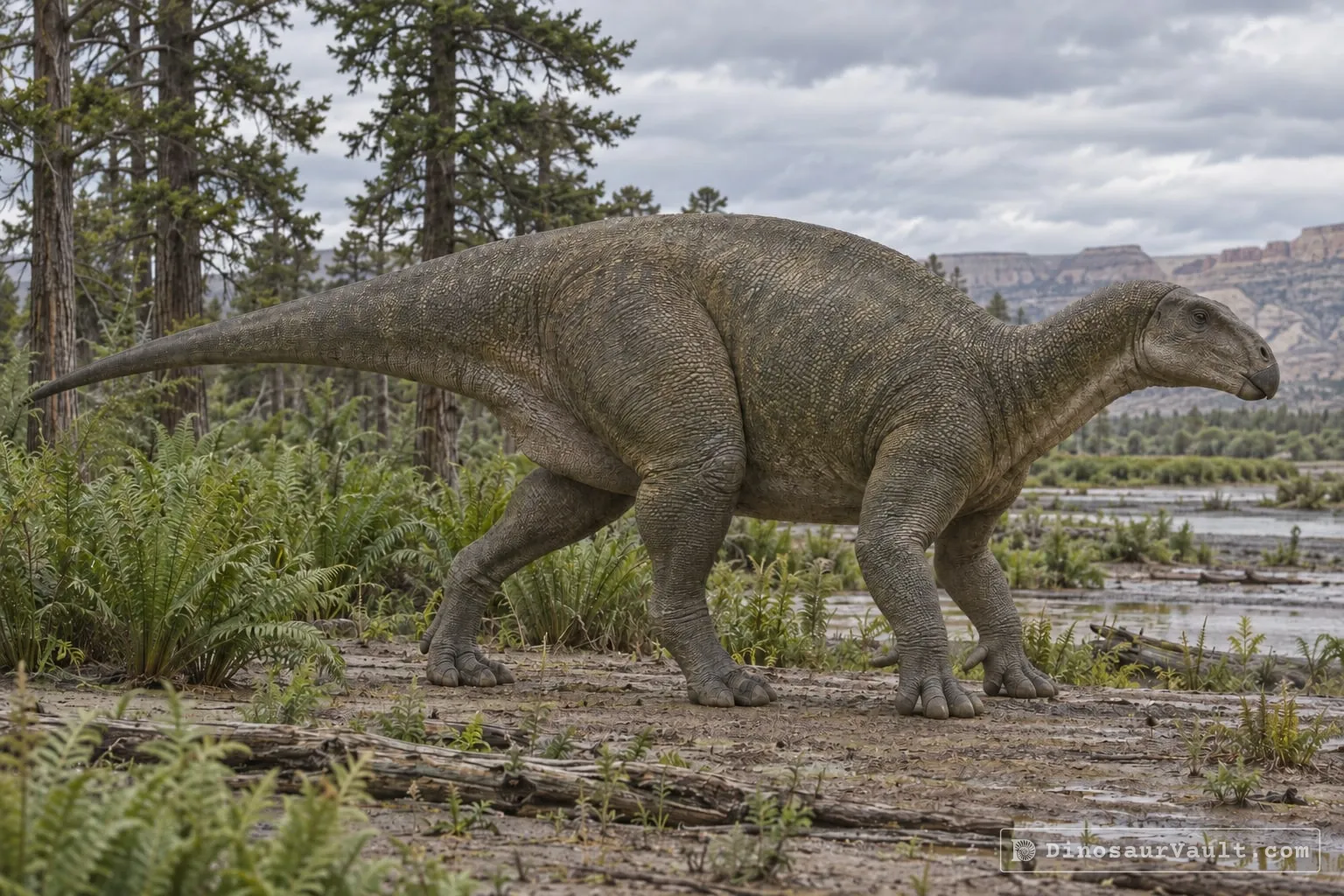
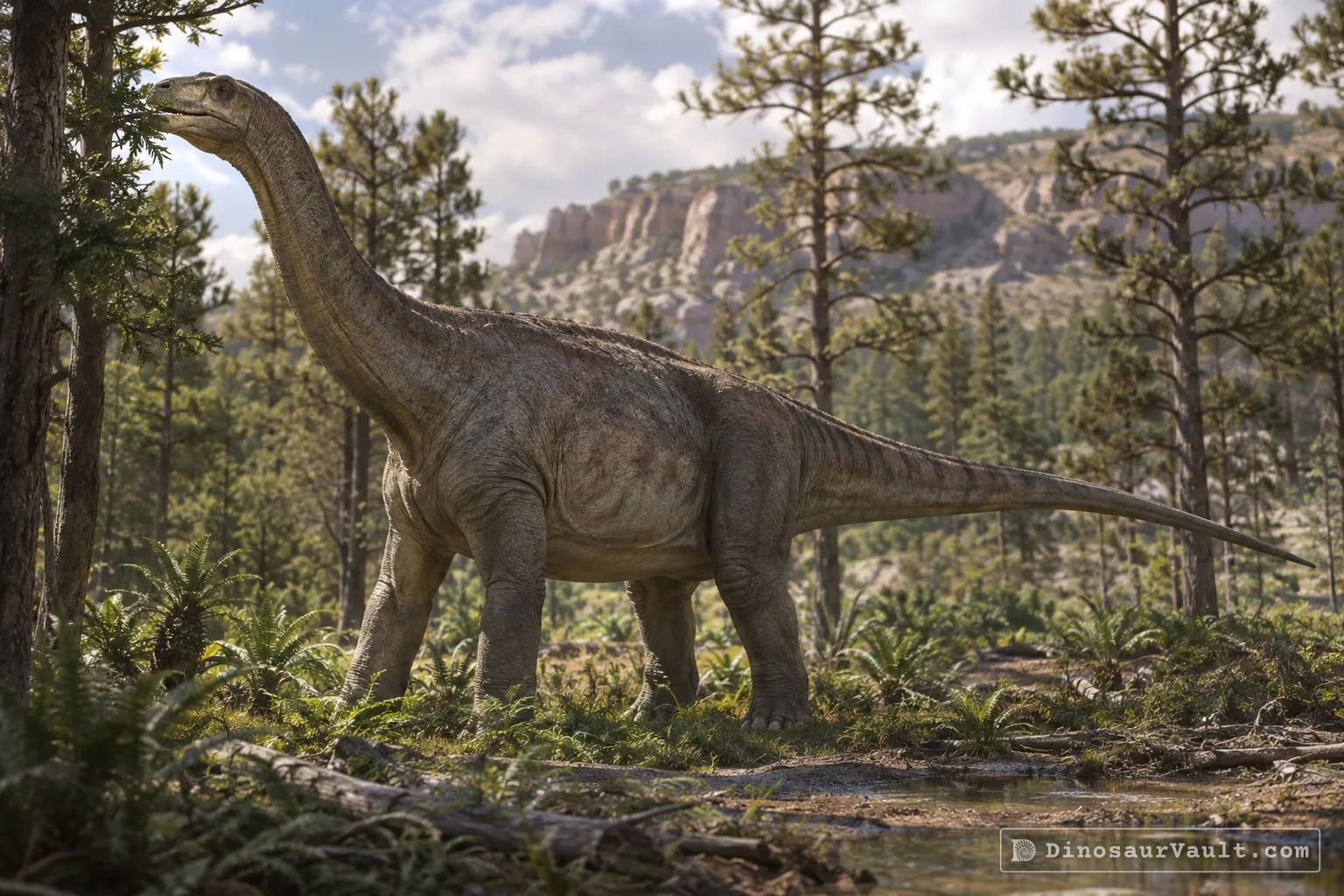
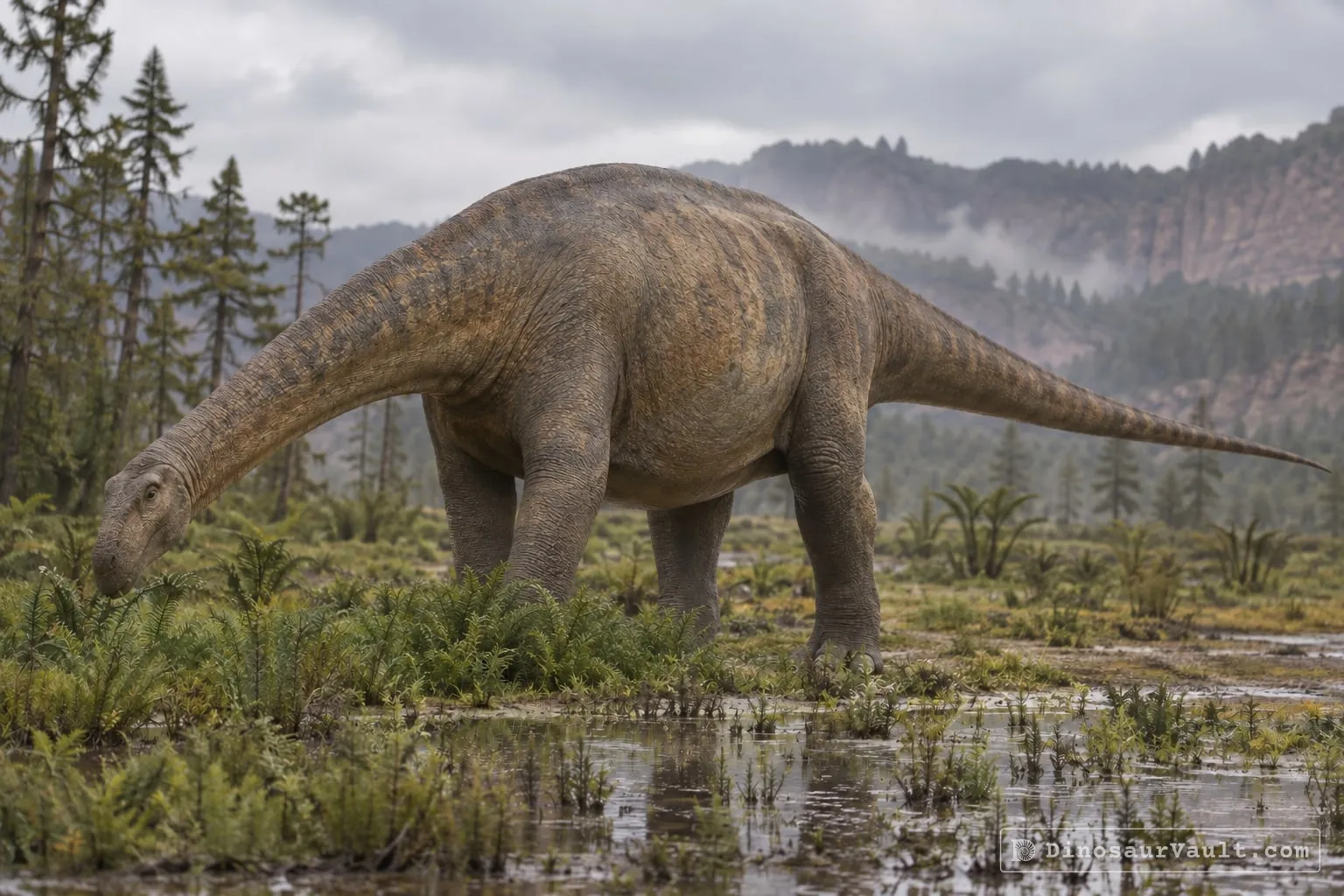


A rock formation can hold fossils laid down millions of years apart, so not every animal here met Nedcolbertia.
The evidence
The science behind Nedcolbertia
Which parts of the picture come from its own bones, and which come from its relatives.
From its own fossils
- Partial skeletons preserve legs, feet and parts of the tail of a lightly built theropod.
- Its foot claws were long, with deep grooves along their sides for the claw covering.
- The thumb claw had a large attachment for the muscle that bent it.
Borrowed from relatives
- Missing parts of the body are filled in by comparison with small theropods such as Nqwebasaurus and Harpymimus.
- A feather covering is plausible by comparison with Ornithomimus, whose fossils preserve feathers.
Still unknown
- Its full-grown size and proportions.
- The shape of its skull.
- Its exact place among the early ostrich-like dinosaurs.
Discovery timeline
- 1998Named itKirkland et al.
- 2012Close relativeZelenitsky et al.
- 2017Family treeBrownstein
Key papers
The research behind what we know of Nedcolbertia
Named it
Described a small theropod from partial skeletons and compared its bones with other lightly built meat eaters.
A small coelurosaurian theropod from the Yellow Cat Member of the Cedar Mountain Formation (Lower Cretaceous, Barremian) of eastern Utah. Lower and Middle Cretaceous Terrestrial Ecosystems, New Mexico Museum of Natural History and Science Bulletin 14: 239-248
No link available
Close relative
Found feathers on Ornithomimus, providing a comparison for the possible body covering of Nedcolbertia.
Feathered Non-Avian Dinosaurs from North America Provide Insight into Wing Origins. Science 338: 510-514
Read the paper : Feathered Non-Avian Dinosaurs from North America Provide Insight into Wing Origins (opens in a new tab)Family tree
Compared the legs, feet and claws with ostrich-like dinosaurs and proposed that Nedcolbertia was an early member of that group.
Description of Arundel Clay ornithomimosaur material and a reinterpretation of Nedcolbertia justinhofmanni as an “Ostrich Dinosaur”: biogeographic implications. PeerJ 5: e3110
Read the paper : Description of Arundel Clay ornithomimosaur material and a reinterpretation of Nedcolbertia justinhofmanni as an “Ostrich Dinosaur”: biogeographic implications (opens in a new tab)
Close relatives
Other members of Coelurosauria


Sources: Wikidata