Utahraptor
YOO-tah-RAP-tor
"Utah's thief"
- Lived
- 137 to 133 million years ago, Early Cretaceous
- Diet
- Carnivore
- Length
- about 6 m (20 ft)
- Group
- Theropods, Dromaeosauridae
- Found in
- United States
- Named by
- Kirkland et al. 1993
Size comparison
To scale

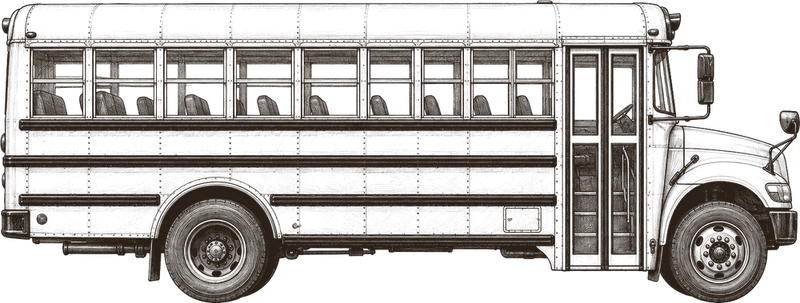
Scale in meters
Where its fossils were found
The evidence
Today
135 million years ago
Field notes
About Utahraptor
What it was like
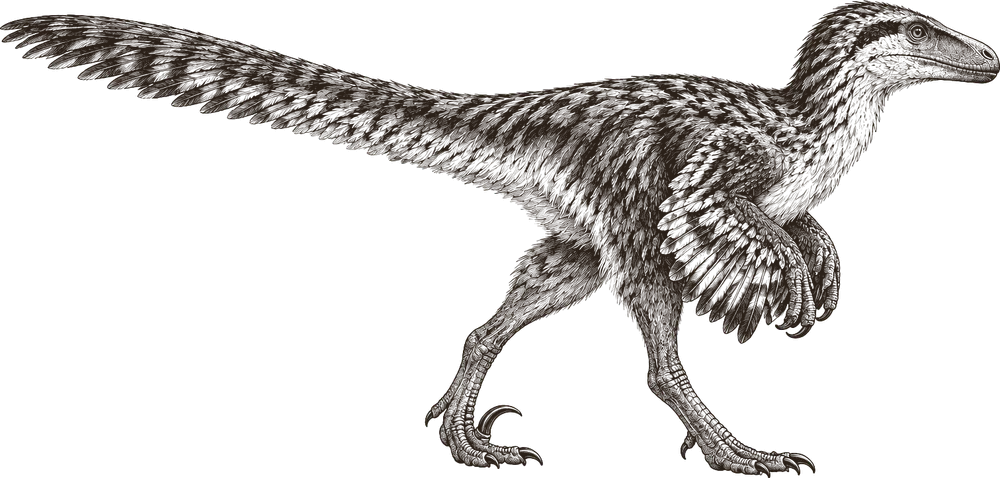
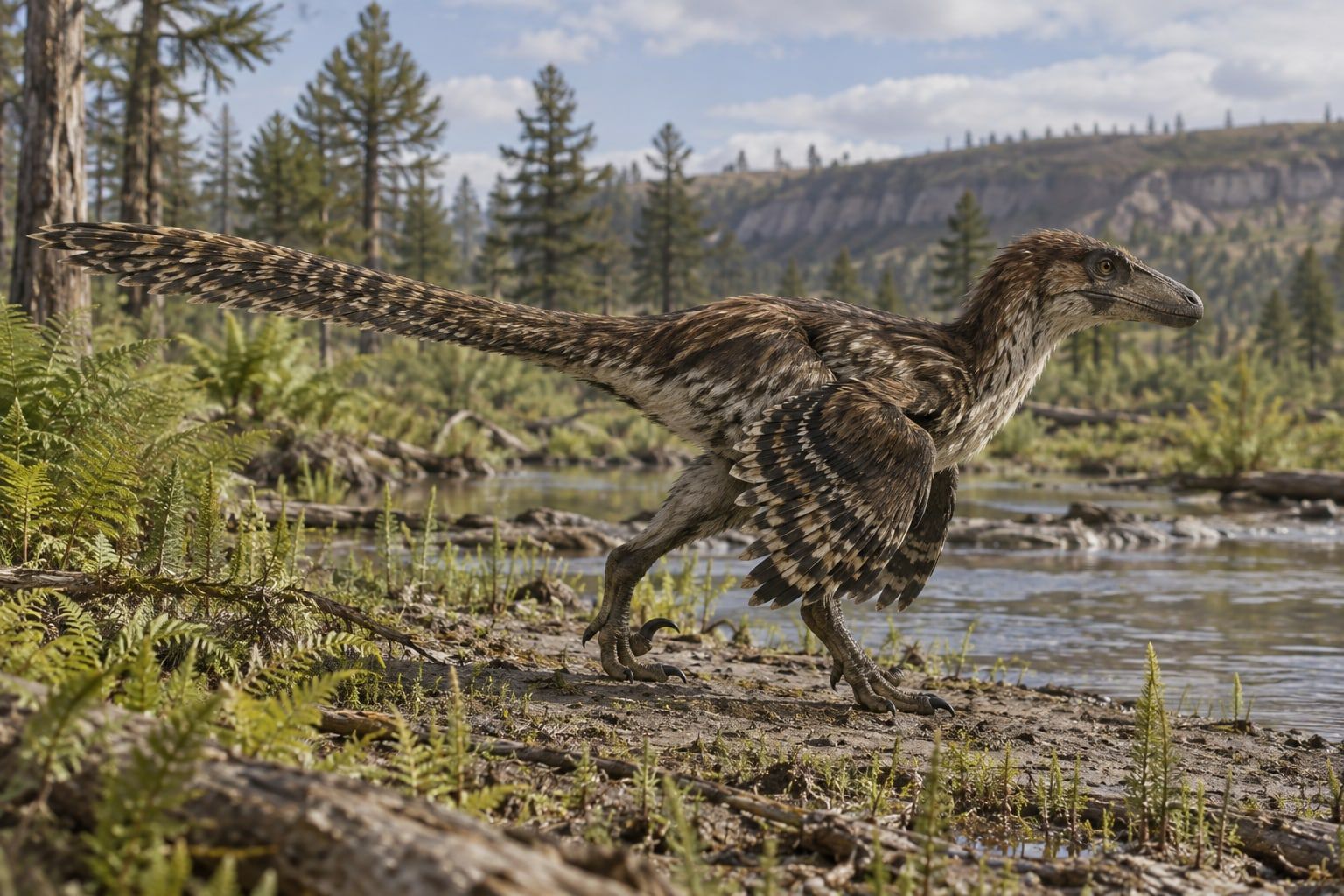
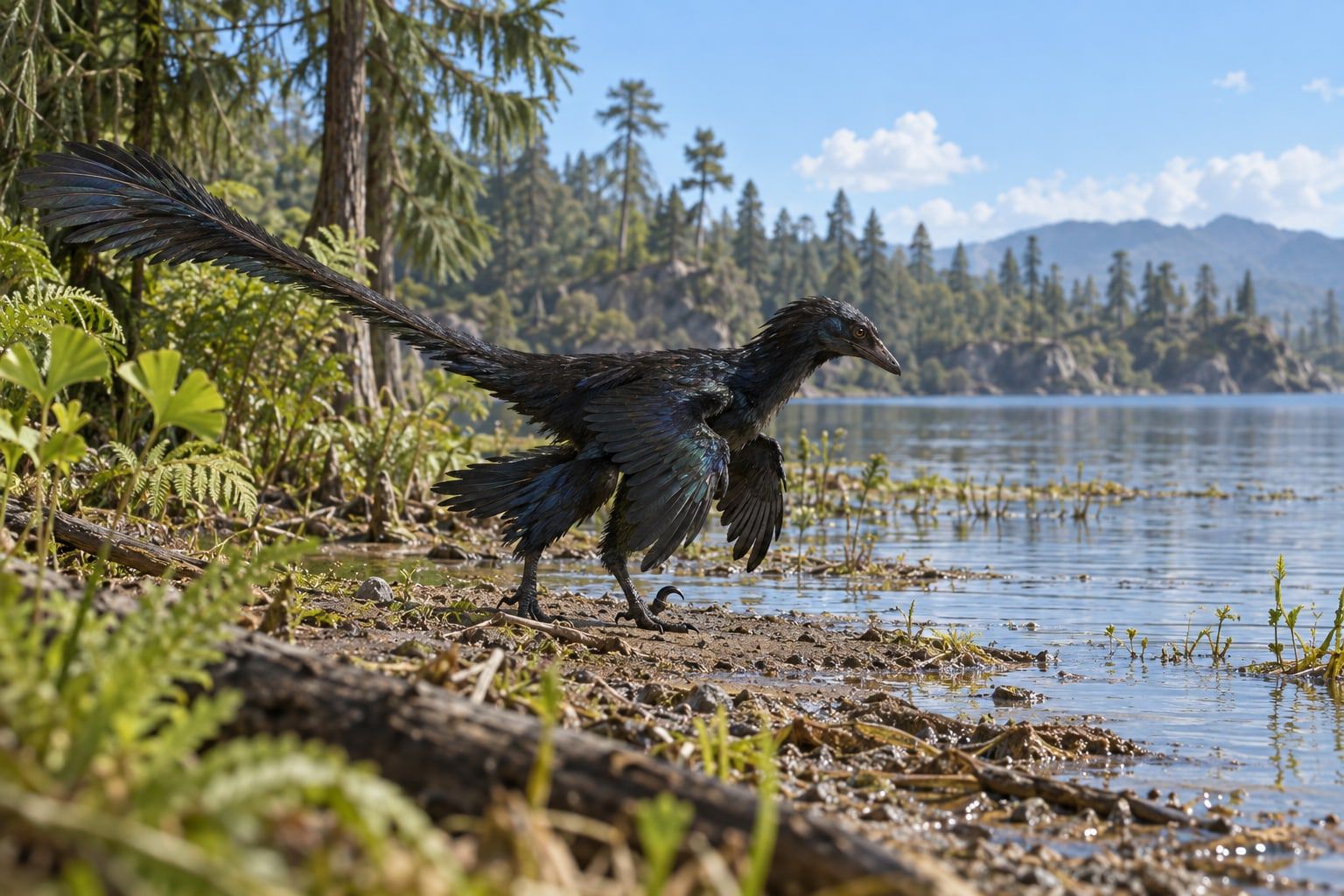
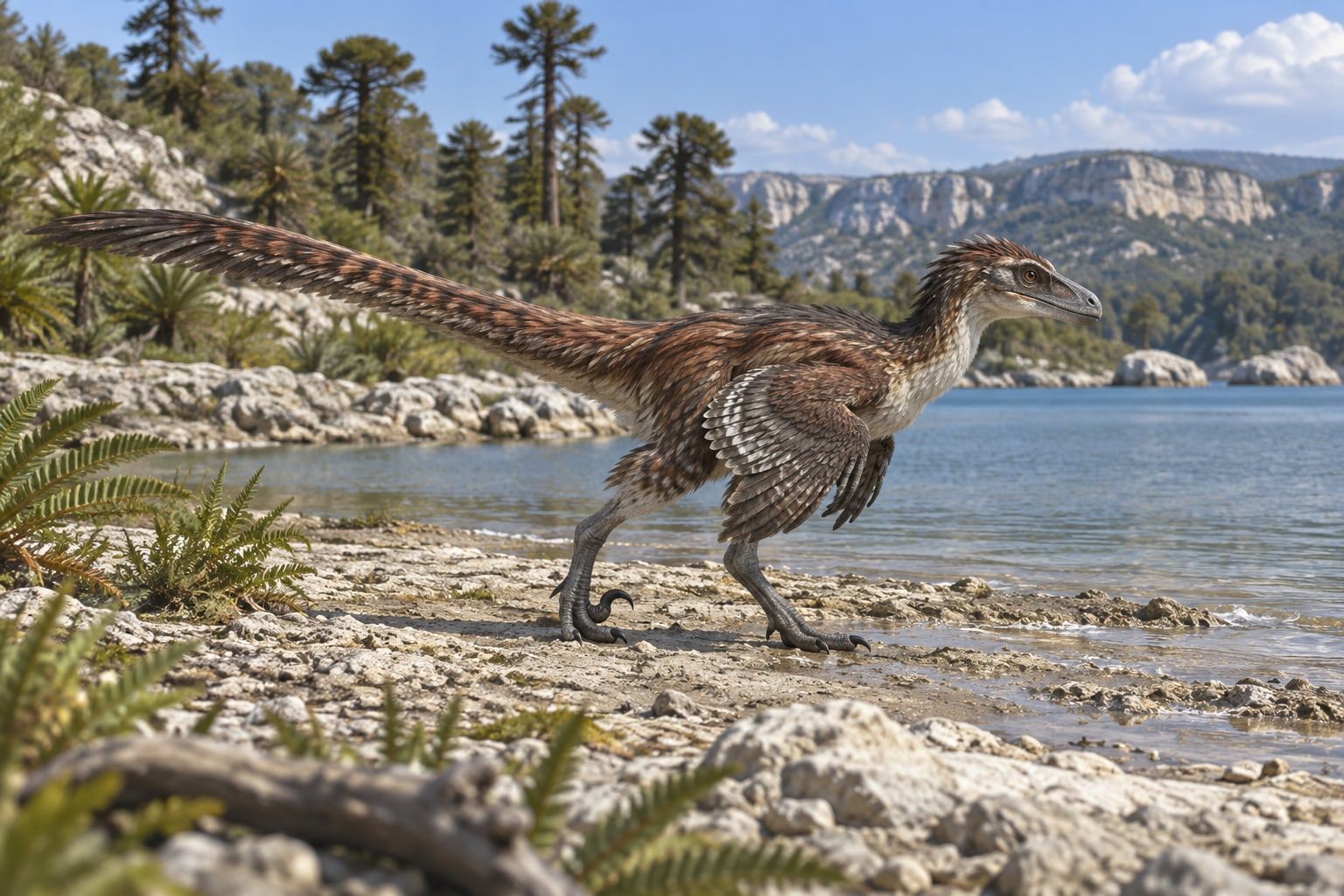
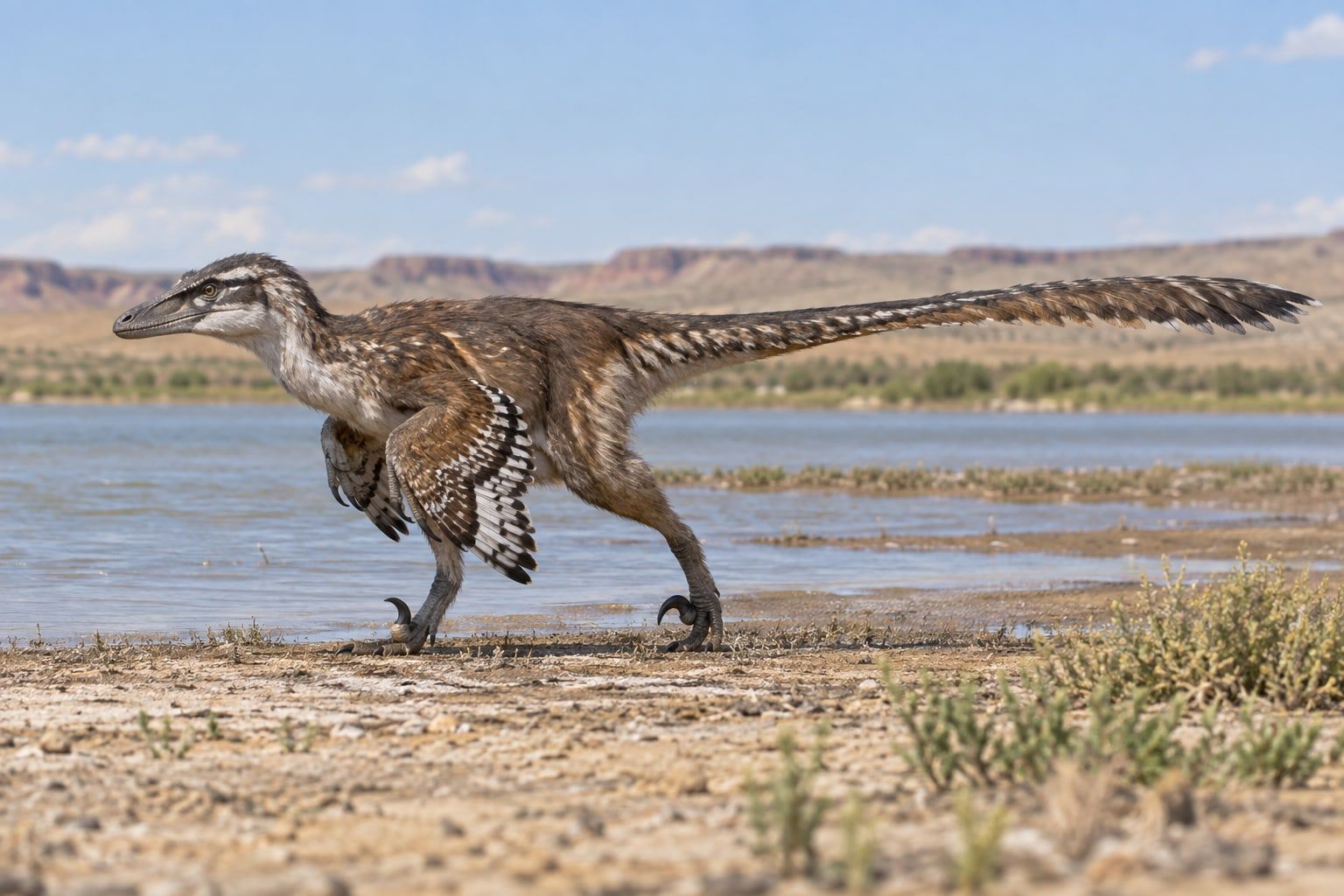
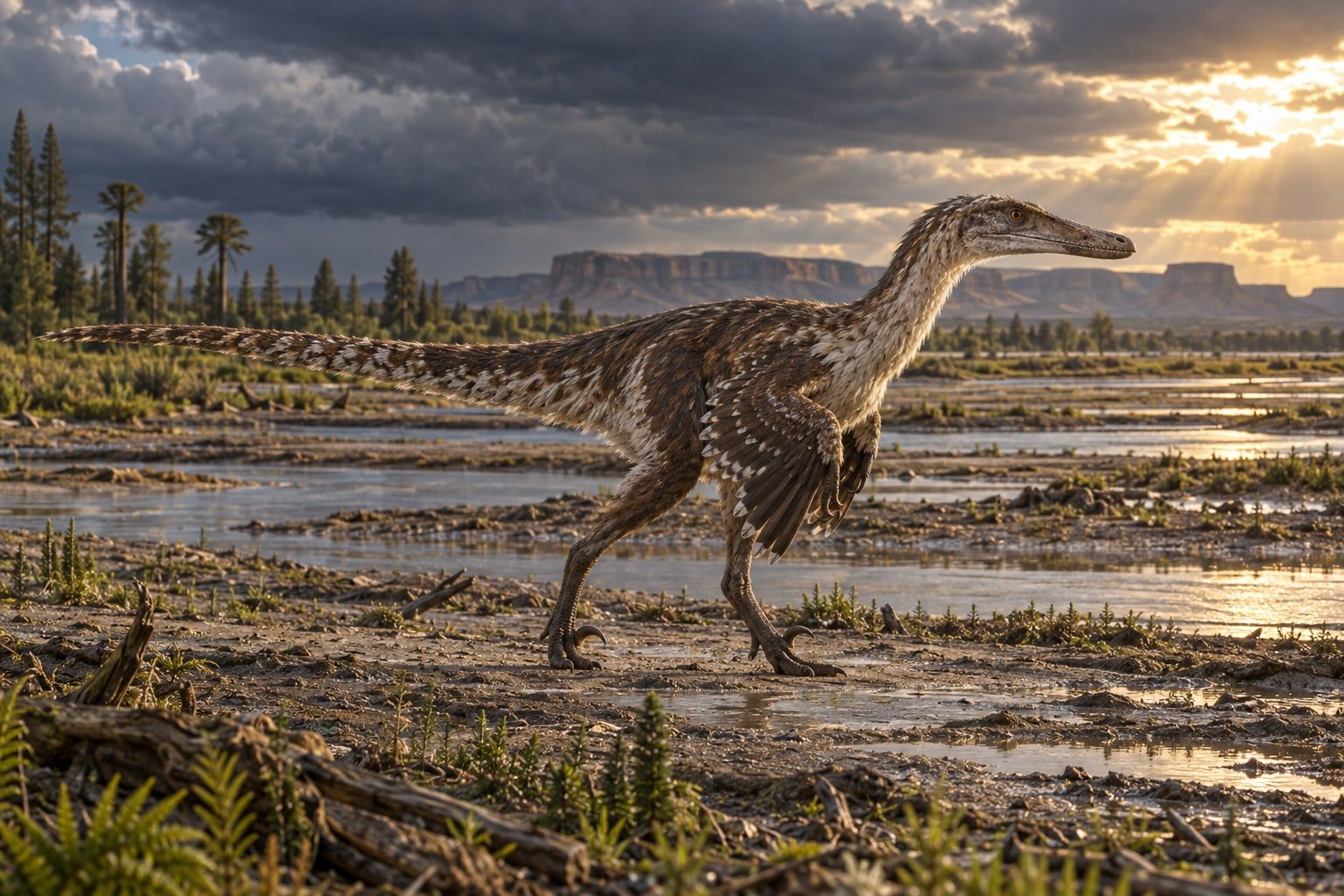
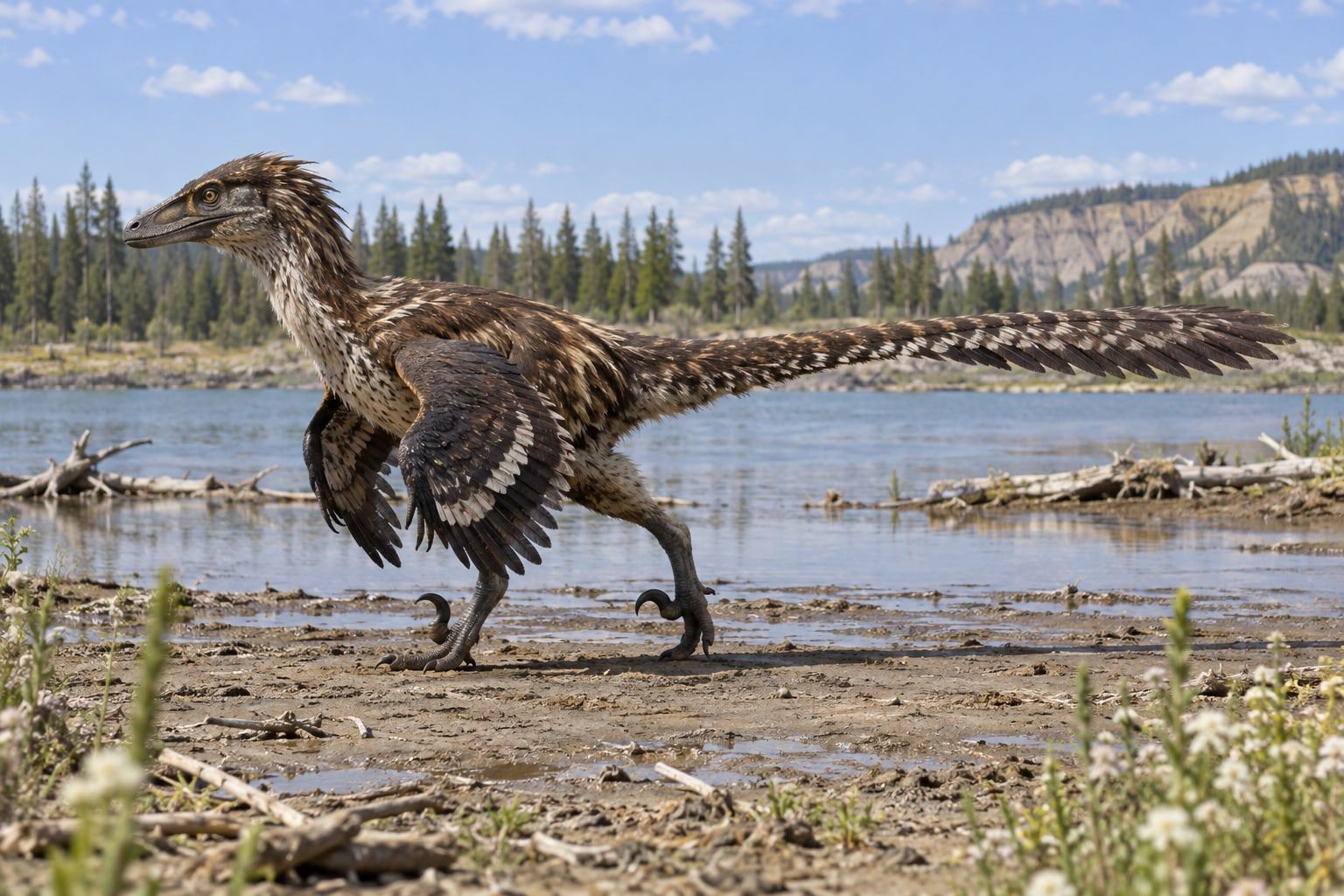
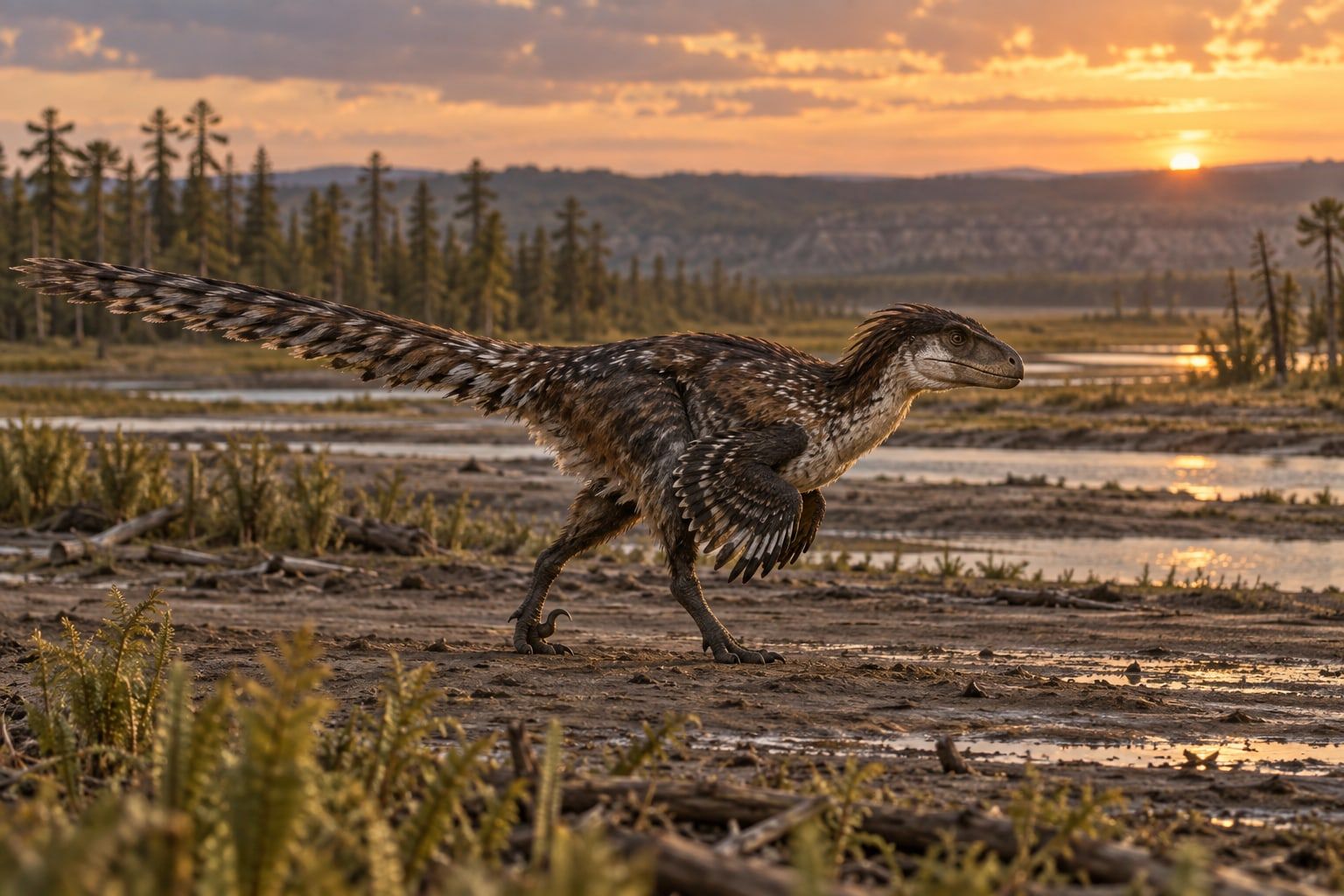
Utahraptor was the largest known member of its family, a group of feathered, sickle-clawed hunters. At about 6 meters long, it dwarfed smaller relatives such as Velociraptor. Its jaws held small, serrated teeth, and each foot carried a large, curved claw on the second toe, likely used to slash or hold onto struggling prey.
Its body was heavily built for a member of this family, with strong legs suited to short bursts of speed rather than long chases. Feathers probably covered parts of its body, even though its large size meant it could not fly.
Its world
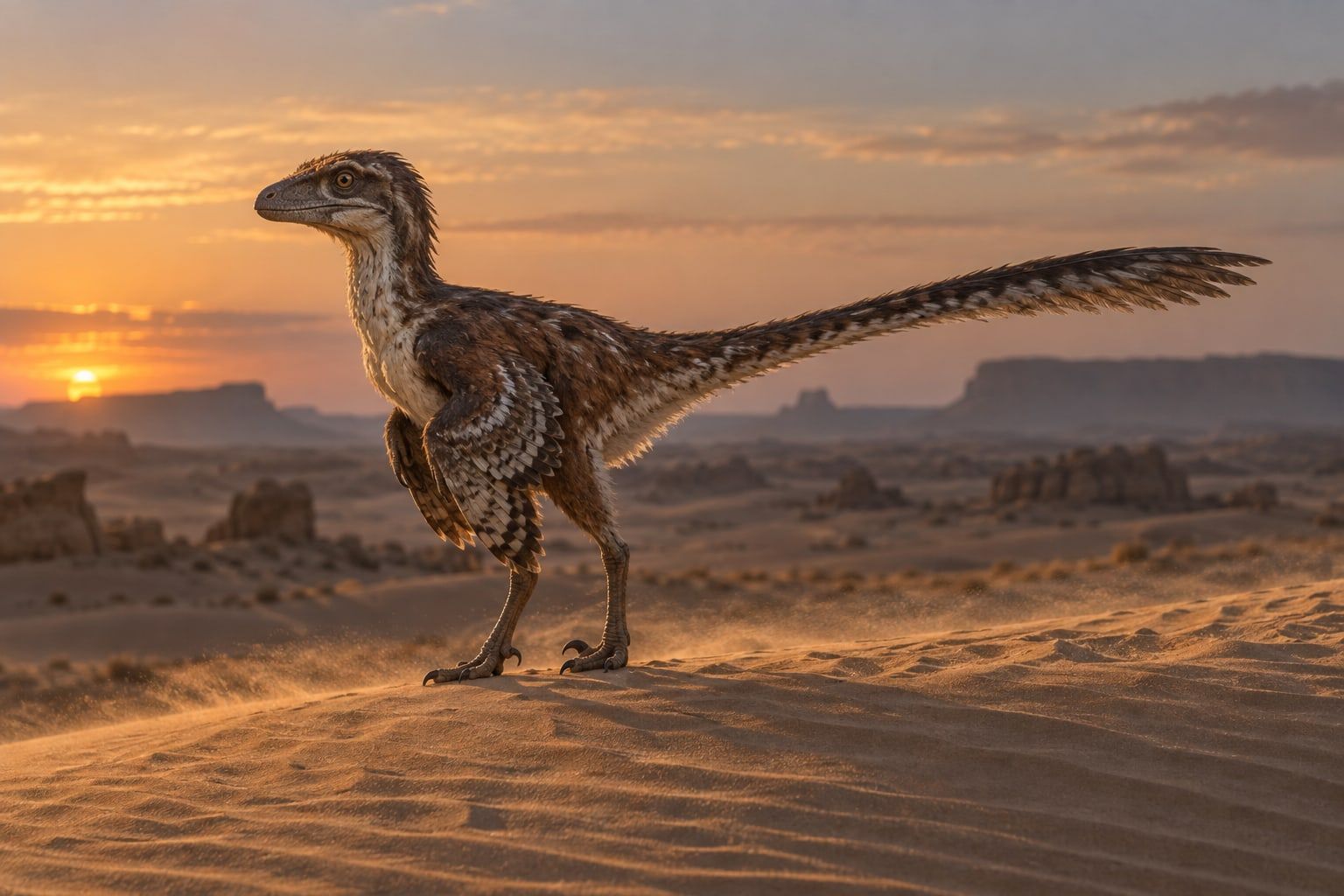
Utahraptor lived in the Early Cretaceous, from about 137 to 133 million years ago, in what is now Utah. Its bones come from the Cedar Mountain formation, alongside the armored Gastonia, the plant-eating Falcarius, and the towering Stegosaurus.
As a large, powerful predator, Utahraptor likely hunted the armored and plant-eating dinosaurs that shared its world, though its exact hunting style is still debated. Some scientists think it ambushed prey at close range rather than chasing it down.
How it was found
Utahraptor was named in 1993 by Kirkland and colleagues, based on fossils uncovered in Utah. Paleontologists have since recorded four finds of the genus, including remains of individuals of different ages found together, which suggests Utahraptor may have spent time in groups.
Lived alongside
Found in the same rock formations
Close relatives
Other members of Dromaeosauridae
Sources: WikidataNamed in: J. I. Kirkland, D. Burge, and R. Gaston. 1993. A large dromaeosaur (Theropoda) from the Lower Cretaceous of eastern Utah. Hunteria 2(10):1-16