Outline: a typical ankylosaur
Gastonia
gas-TOH-nee-uh
- Lived
- 137 to 101 million years ago, Early Cretaceous
- Diet
- Herbivore
- Length
- about 4.6 m (15 ft)
- Group
- Ankylosaurs, Nodosauridae
- Found in
- United States
- Named by
- Kirkland 1998
Size comparison
To scale


Scale in metersOutline: typical ankylosaur shape
Where its fossils were found
The evidence
Today

120 million years ago
Field notes
About Gastonia
What it was like
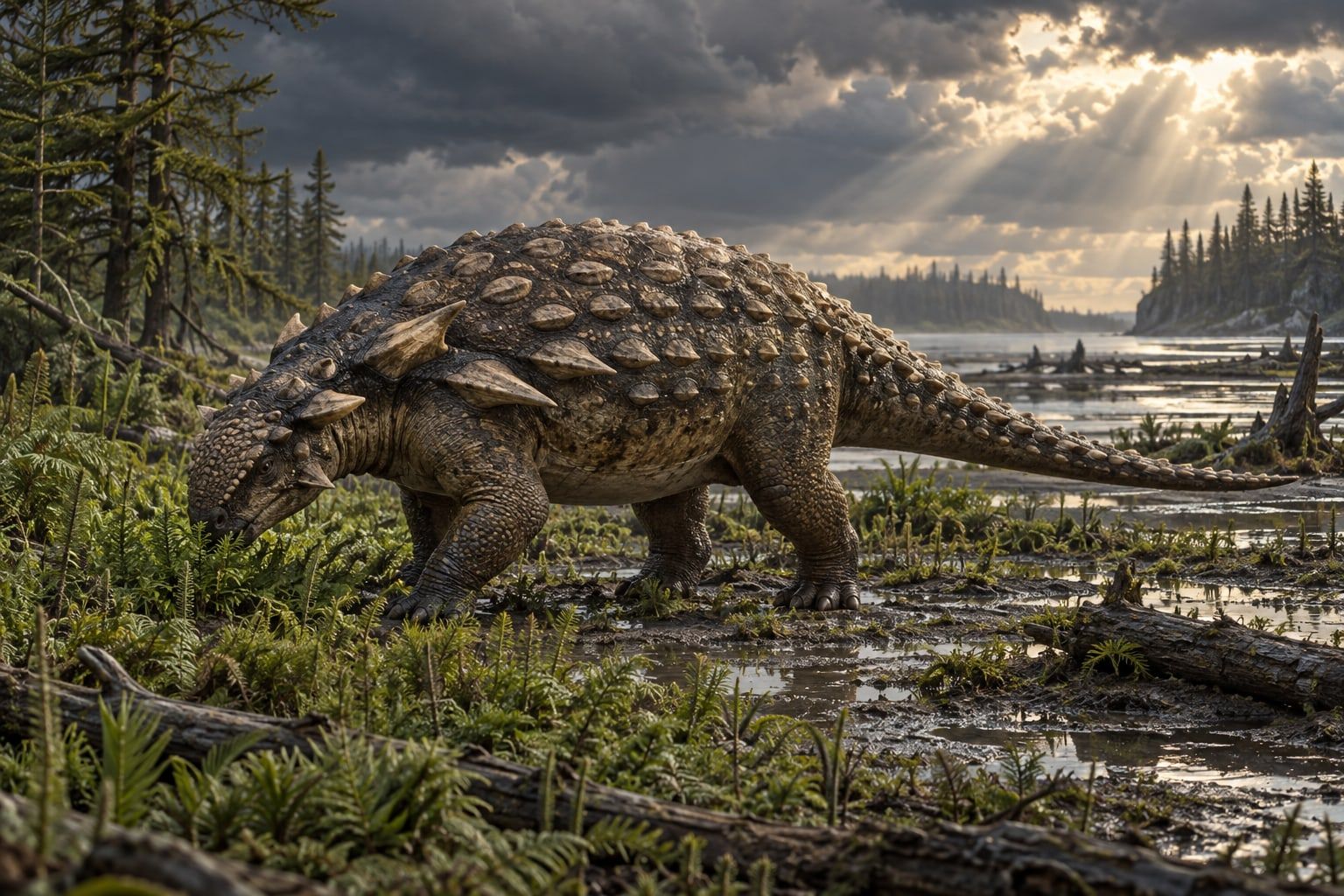
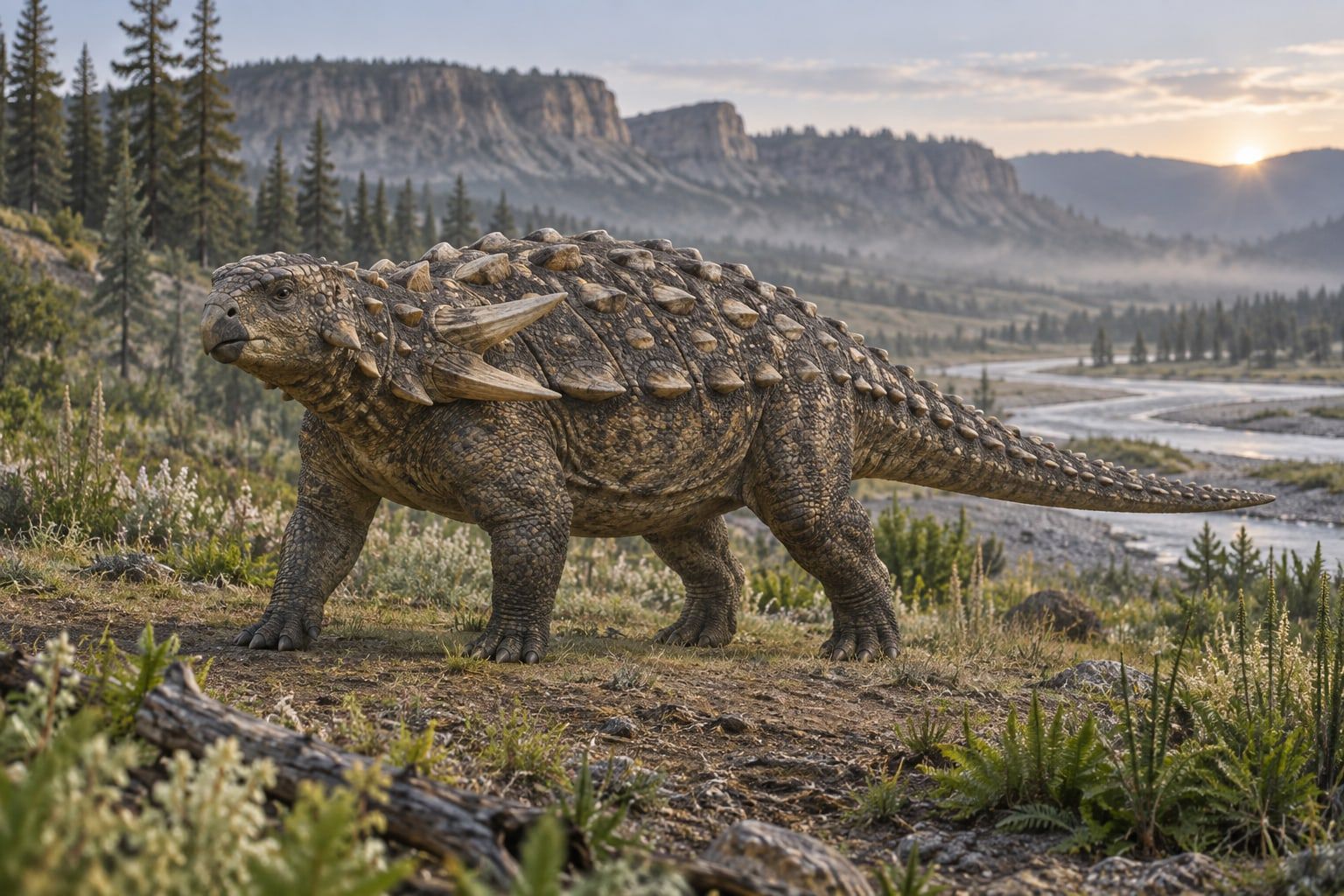
Gastonia was an armored plant eater about 4.6 meters (15 feet) long. Its back was covered in bony plates, large spikes stuck out from its shoulders and sides, and a solid shield of fused armor covered its hips.
It had a low, wide body and walked on four short legs. Its closest relative was probably Polacanthus from England.
Its world
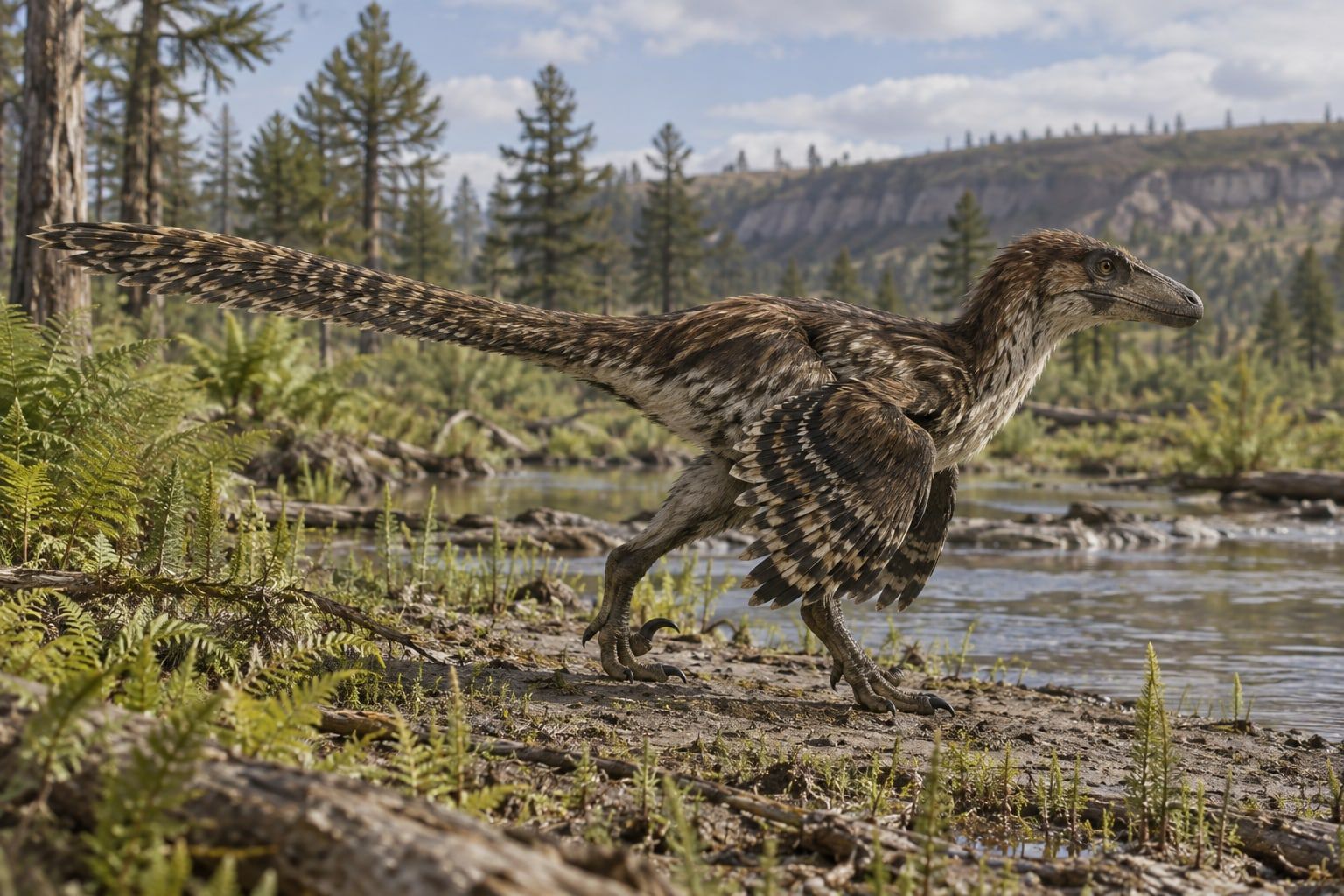
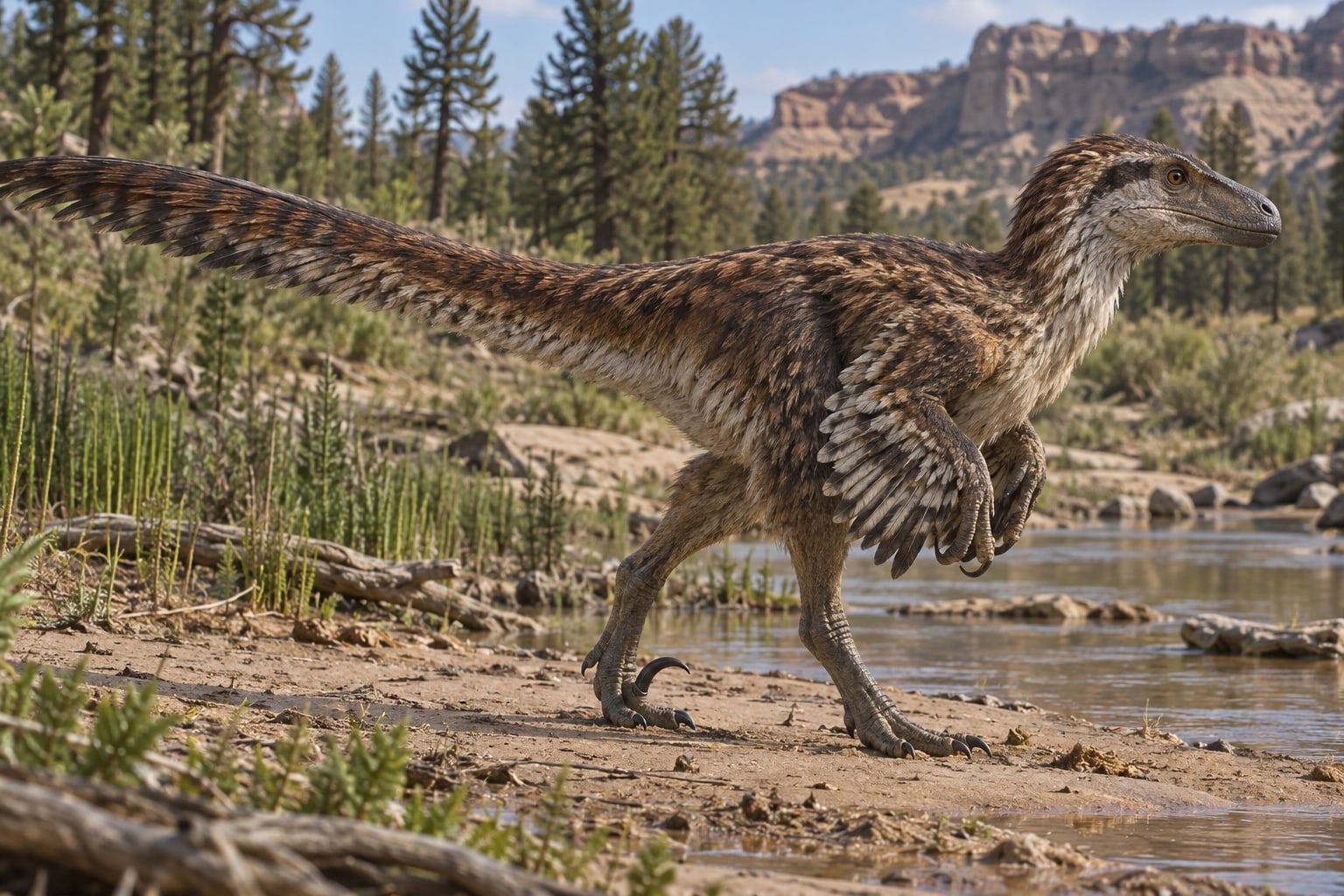
It lived in the Early Cretaceous, in what is now Utah. Its fossils come from the Cedar Mountain Formation, where the big raptor Utahraptor also lived and may have been among its dangers.
Other neighbors included the plant eater Falcarius and the armored Peloroplites.
How it was found
Kirkland named Gastonia in 1998. Three finds are known, and its bones were found in the same quarry as Utahraptor.
Lived alongside
Found in the same rock formations
Close relatives
Other members of Nodosauridae
Sources: WikidataNamed in: J. I. Kirkland. 1998. A polacanthine ankylosaur (Ornithischia: Dinosauria) from the Early Cretaceous (Barremian) of eastern Utah. Lower and Middle Cretaceous Terrestrial Ecosystems (S. G. Lucas, J. I. Kirkland, & J. W. Estep, eds.), New Mexico Museum of Natural History and Science Bulletin 14:271-281