Moabosaurus
"Moab lizard"
- Lived
- 137 to 133 million years ago, Early Cretaceous
- Diet
- Herbivore
- Group
- Sauropods
- Found in
- United States
- Named by
- Britt et al. 2017
Where its fossils were found
The evidence
Today

135 million years ago
Habitat
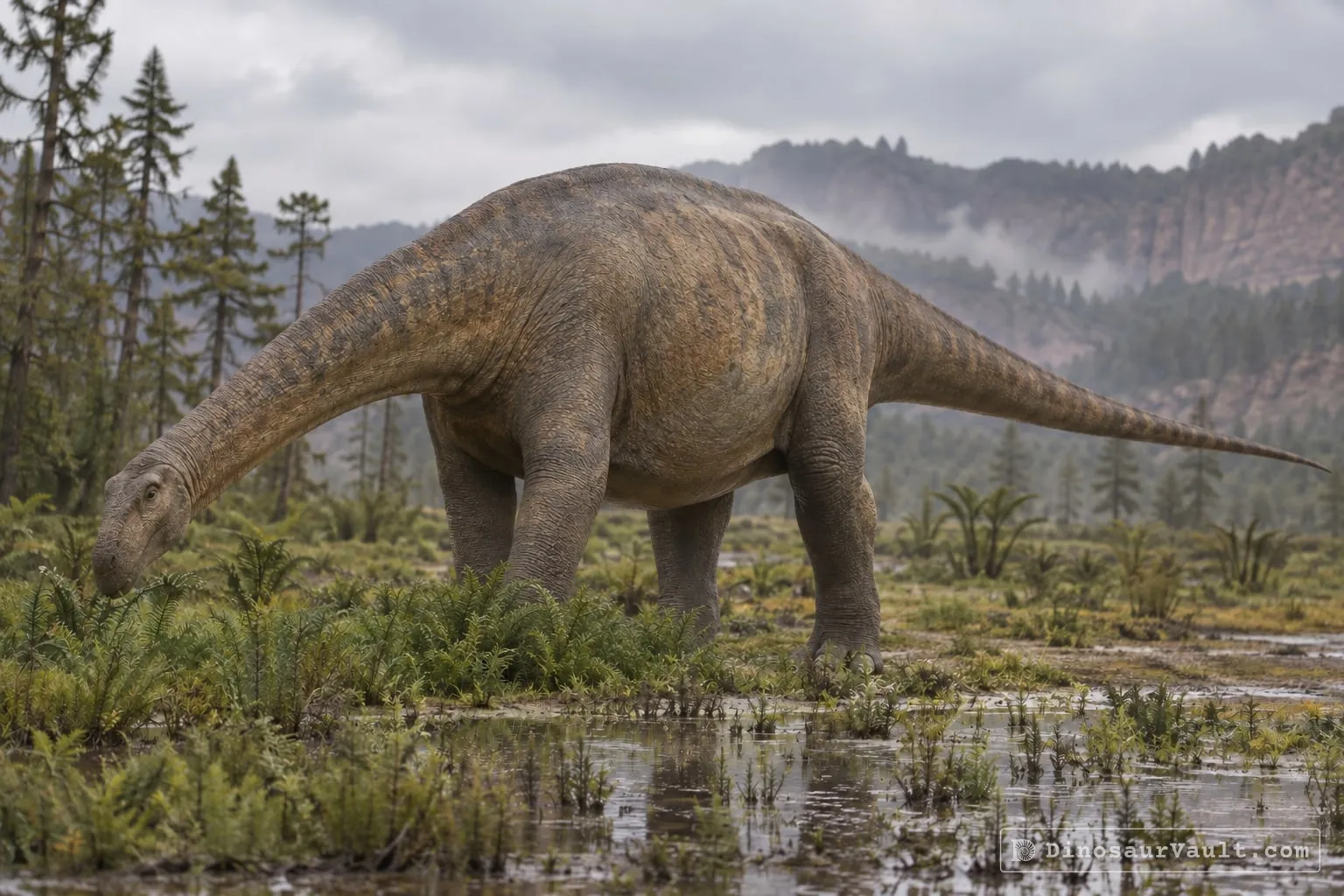
A low plain with muddy channels and occasional debris flows in the Cedar Mountain Formation of Utah. Other dinosaurs in these rocks included Utahraptor and Gastonia.
Field notes
About Moabosaurus
What it was like
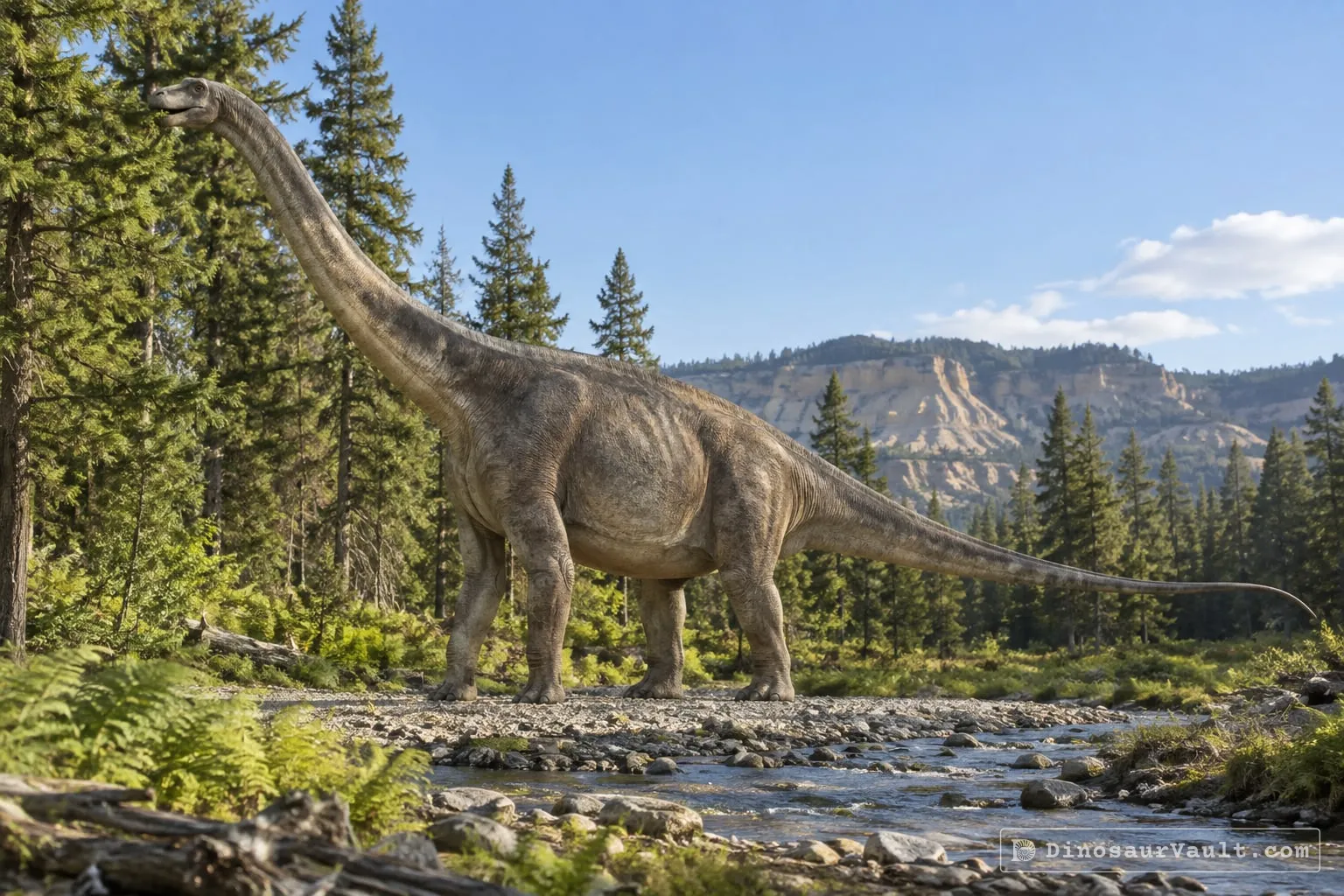
Moabosaurus was a long-necked sauropod from the turiasaur group, a line of big plant eaters best known from Europe. It is known from many bones of several individuals, including parts of the skull.
Its world
It lived about 137 to 133 million years ago, in the Early Cretaceous, in what is now Utah. Its bones come from the Cedar Mountain Formation, whose lower layers also held the big raptor Utahraptor and the armored Gastonia.
How it was found
Britt and colleagues named it in 2017. It is named after a nearby town. Its relatives in North America suggest that turiasaurs crossed between Europe and North America.
Field gallery
More views of Moabosaurus
Scenes reconstructed from the available fossil evidence.
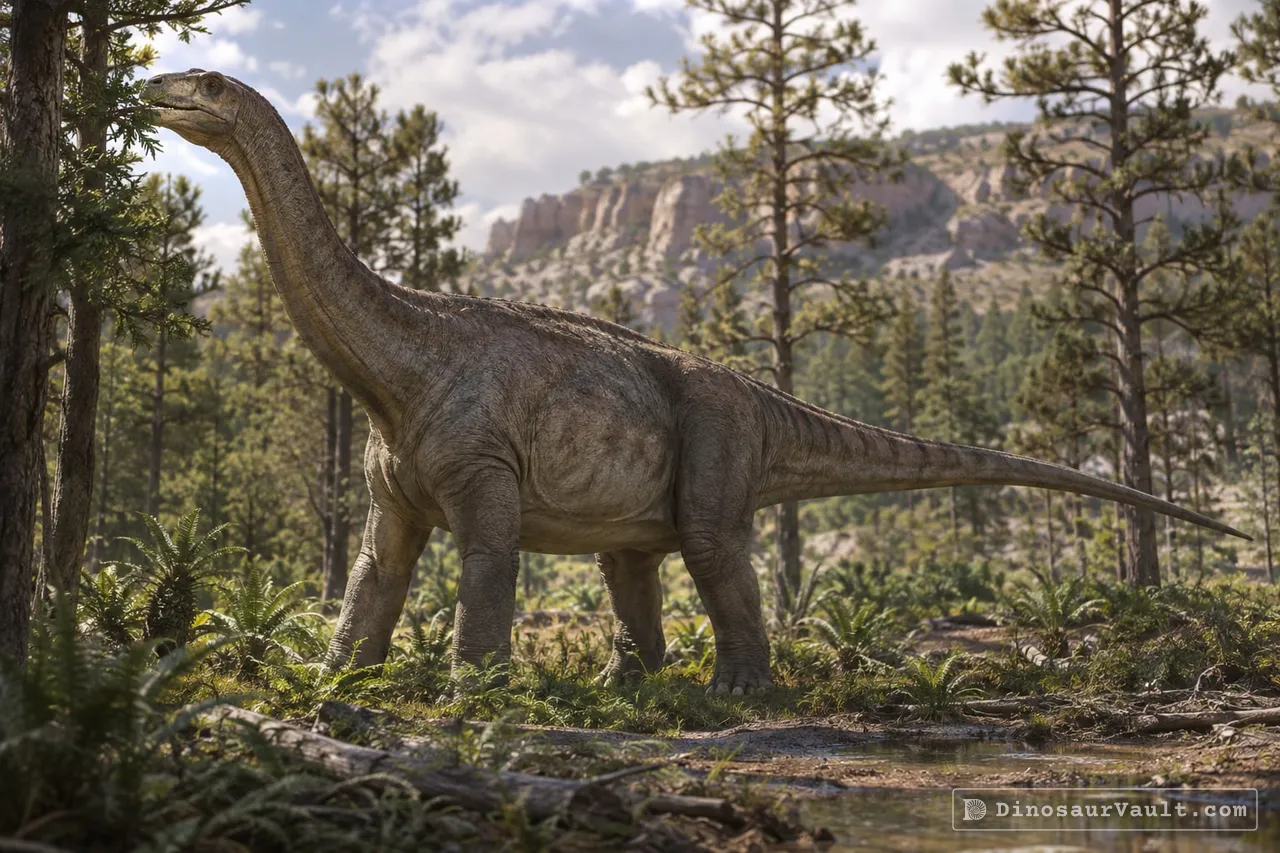
1 of 2
Lived alongside
Found in the same rock formations
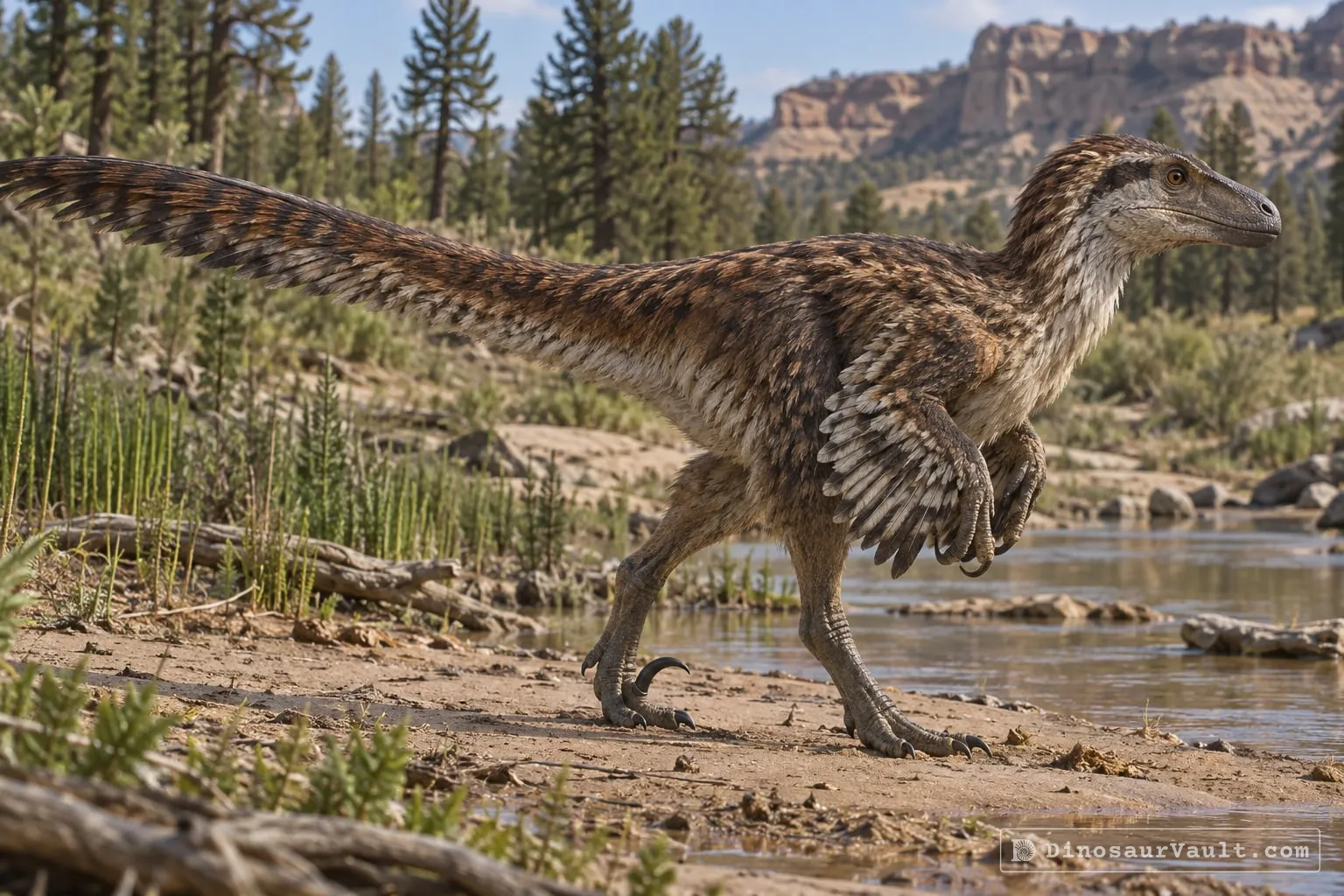
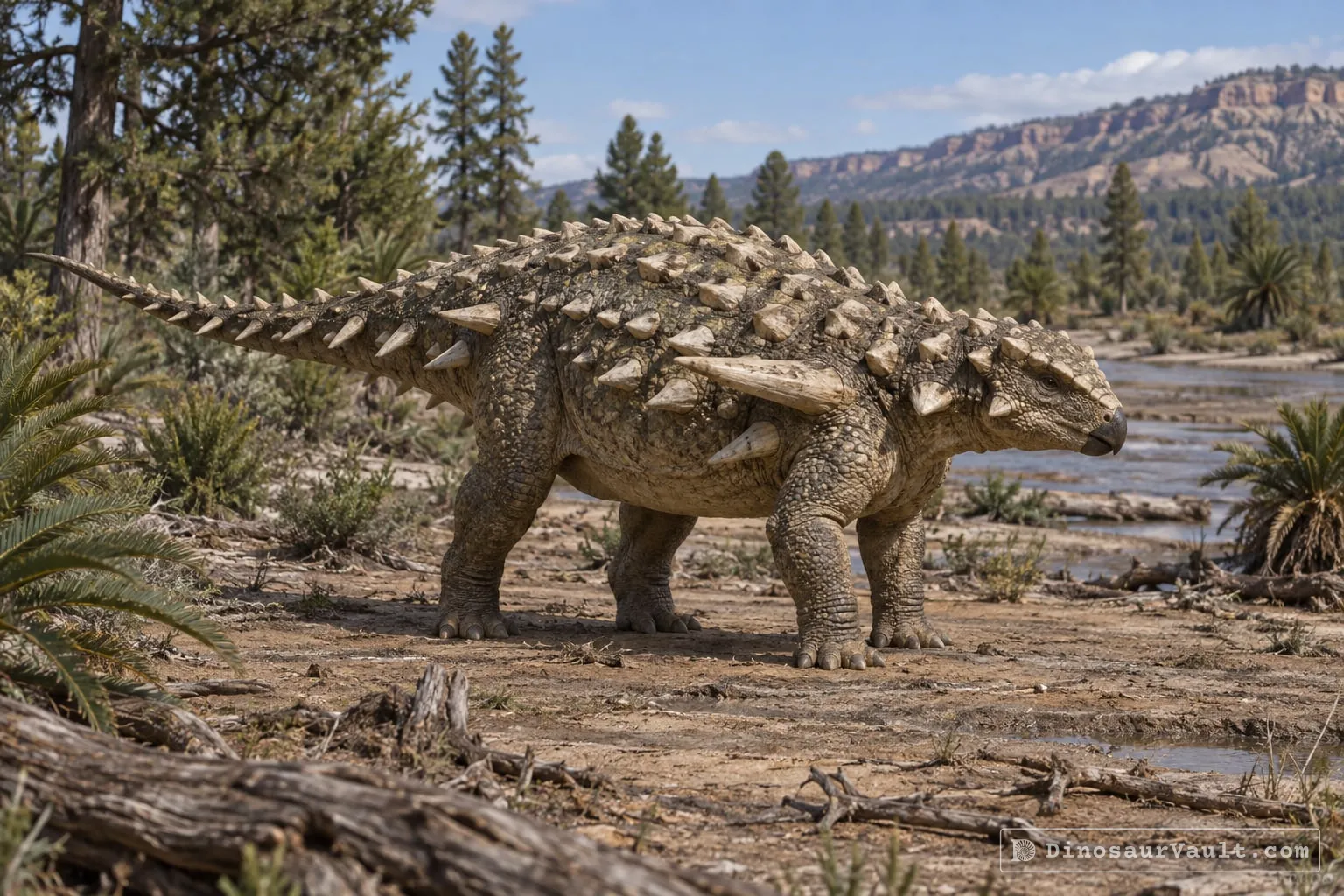
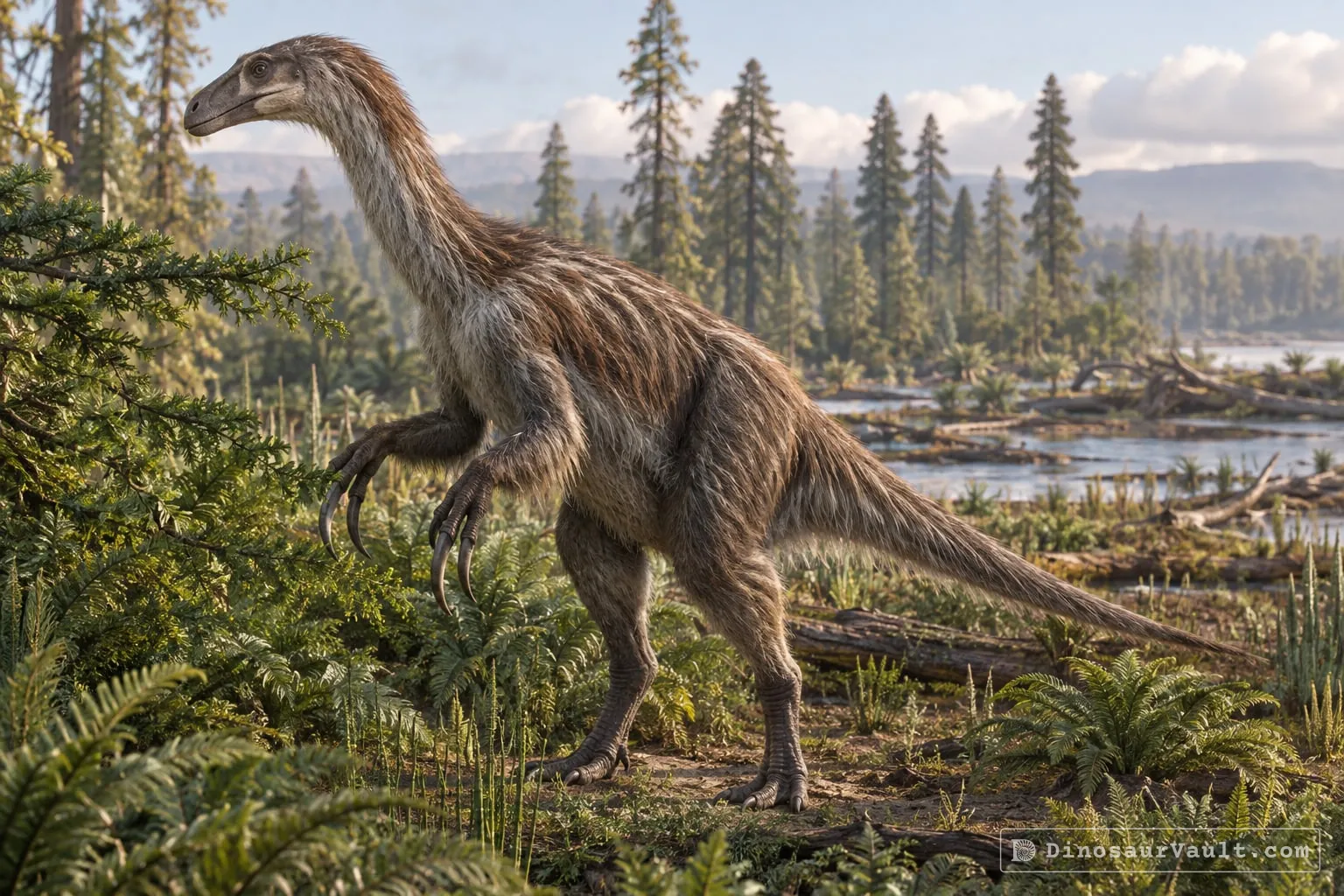
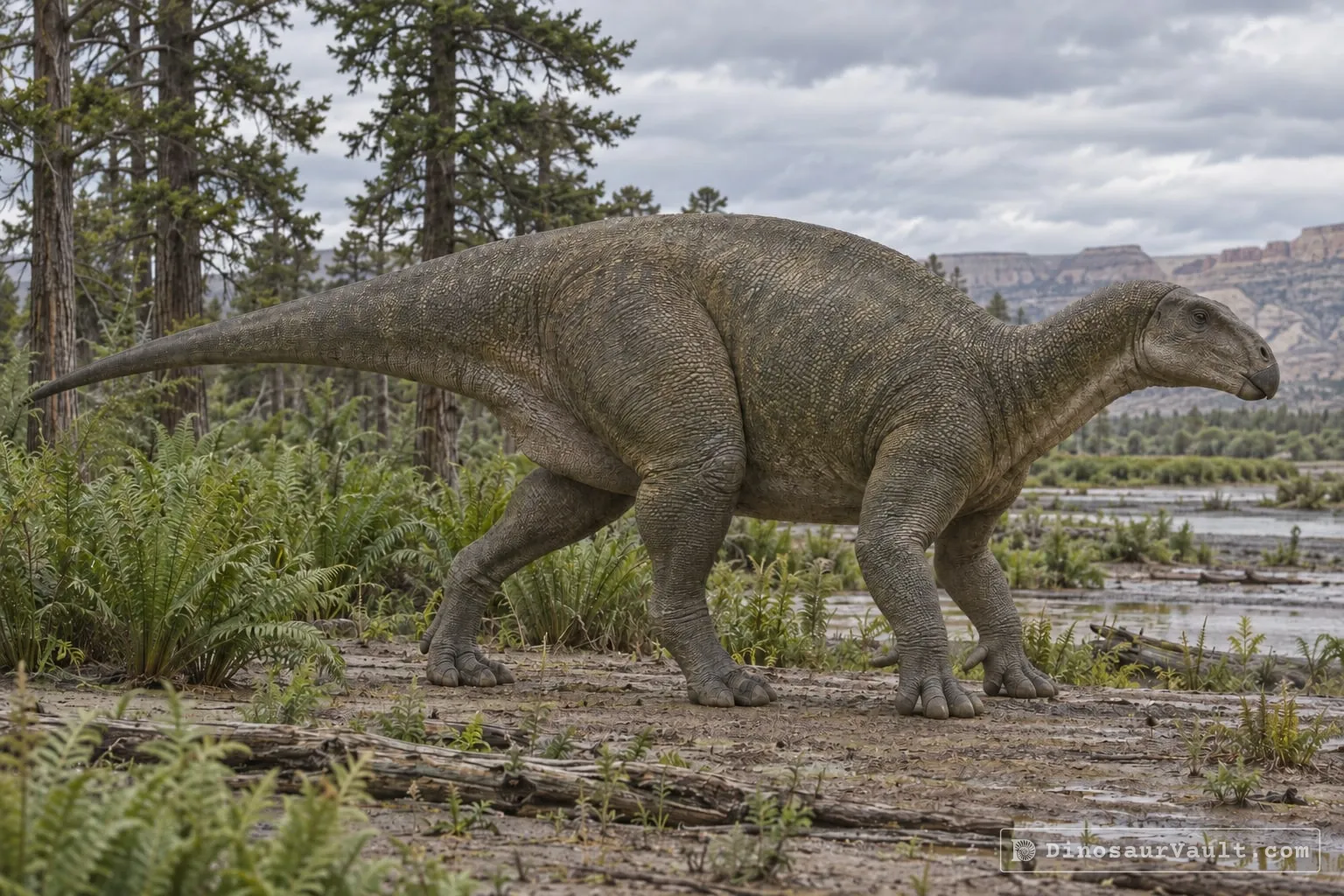
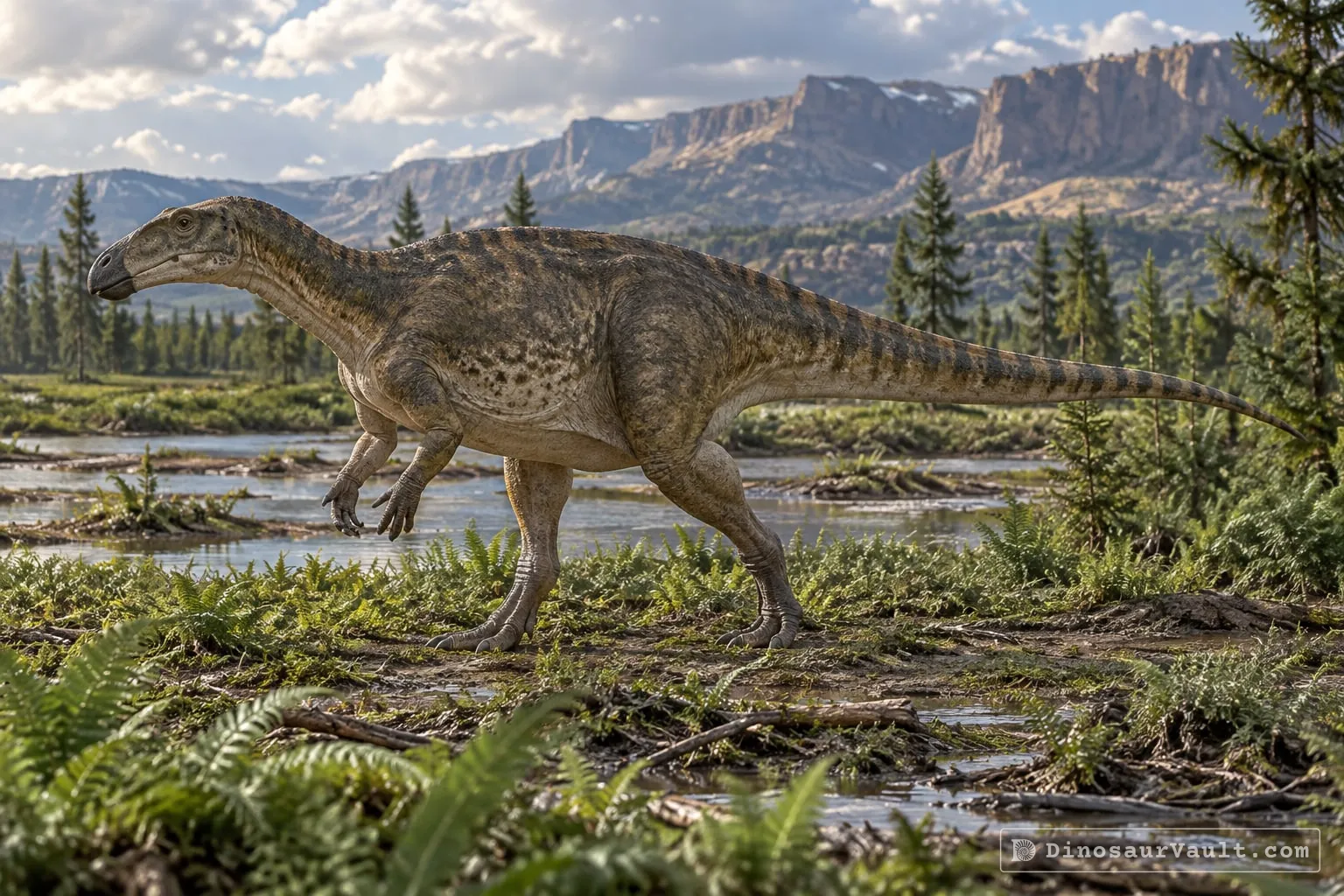
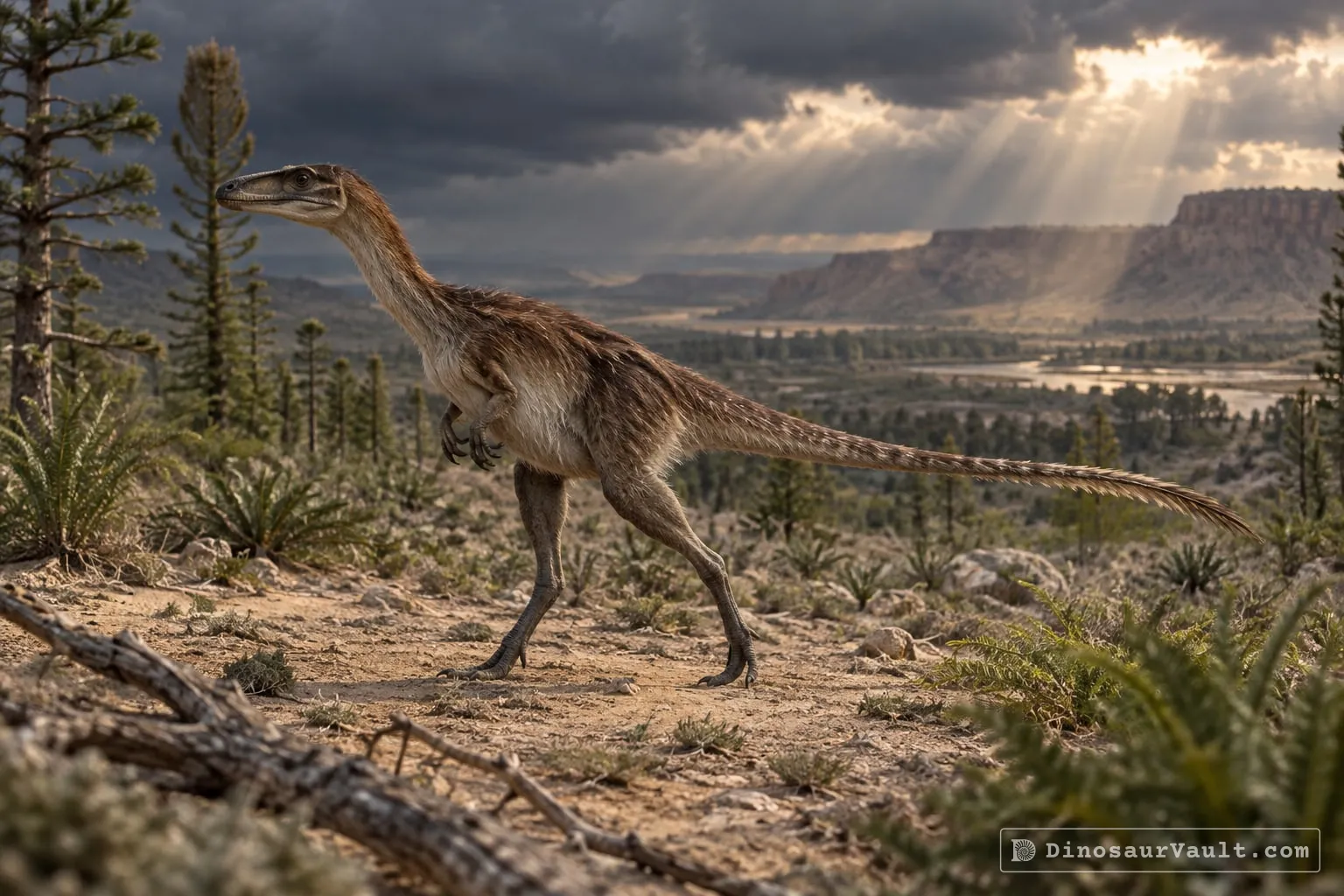


A rock formation can hold fossils laid down millions of years apart, so not every animal here met Moabosaurus.
The evidence
The science behind Moabosaurus
Which parts of the picture come from its own bones, and which come from its relatives.
From its own fossils
- Many separate bones preserve parts of the skull, neck, back, tail and limbs from several individuals.
- Broad, spoon-shaped teeth have wrinkled enamel.
- Some neck ribs split into paired branches.
Borrowed from relatives
- Missing parts of its skeleton are restored by comparison with turiasaurs such as Mierasaurus and Turiasaurus.
Still unknown
- The exact number of vertebrae in its neck and tail.
- Its skin texture and color.
- Which plants it ate.
Discovery timeline
- 2006Fossil sitesEberth et al.
- 2017Named itBritt et al.
- 2017Family treeRoyo-Torres et al.
Key papers
The research behind what we know of Moabosaurus
Fossil sites
Studied the bonebeds where Moabosaurus was later named, explaining how debris flows concentrated dinosaur remains.
Dalton Wells: Geology and significance of debris-flow-hosted dinosaur bonebeds in the Cedar Mountain Formation (Lower Cretaceous) of eastern Utah, USA. Palaeogeography, Palaeoclimatology, Palaeoecology 236: 217-245
Read the paper : Dalton Wells: Geology and significance of debris-flow-hosted dinosaur bonebeds in the Cedar Mountain Formation (Lower Cretaceous) of eastern Utah, USA (opens in a new tab)Named it
Named Moabosaurus from many bones, describing broad teeth, distinctive vertebrae and neck ribs with branching shafts.
Moabosaurus utahensis, n. gen., n. sp., a new sauropod from the Early Cretaceous (Aptian) of North America. Contributions from the Museum of Paleontology, University of Michigan 32: 189-243
No link available
Family tree
Placed Moabosaurus and Mierasaurus among turiasaurs and proposed that their ancestors dispersed from Europe to North America.
Descendants of the Jurassic turiasaurs from Iberia found refuge in the Early Cretaceous of western USA. Scientific Reports 7
Read the paper : Descendants of the Jurassic turiasaurs from Iberia found refuge in the Early Cretaceous of western USA (opens in a new tab)
Close relatives
Other members of Turiasauria


Sources: Wikidata