Archaeornithomimus
AR-kee-or-NITH-oh-MY-mus
"ancient bird mimic"
- Lived
- 84 to 72 million years ago, Late Cretaceous
- Diet
- Omnivore
- Length
- about 3.5 m (11 ft)
- Group
- Theropods, Ornithomimidae
- Found in
- China
- Named by
- Russell 1972
Size comparison
To scale

Scale in metersOutline: typical theropod shape
Where its fossils were found
The evidence
Today

80 million years ago
Habitat
Rivers deposited sand and mud across floodplains in what is now China. Gigantoraptor, Alectrosaurus and Bactrosaurus are also known from the Iren Dabasu Formation.
Field notes
About Archaeornithomimus
What it was like
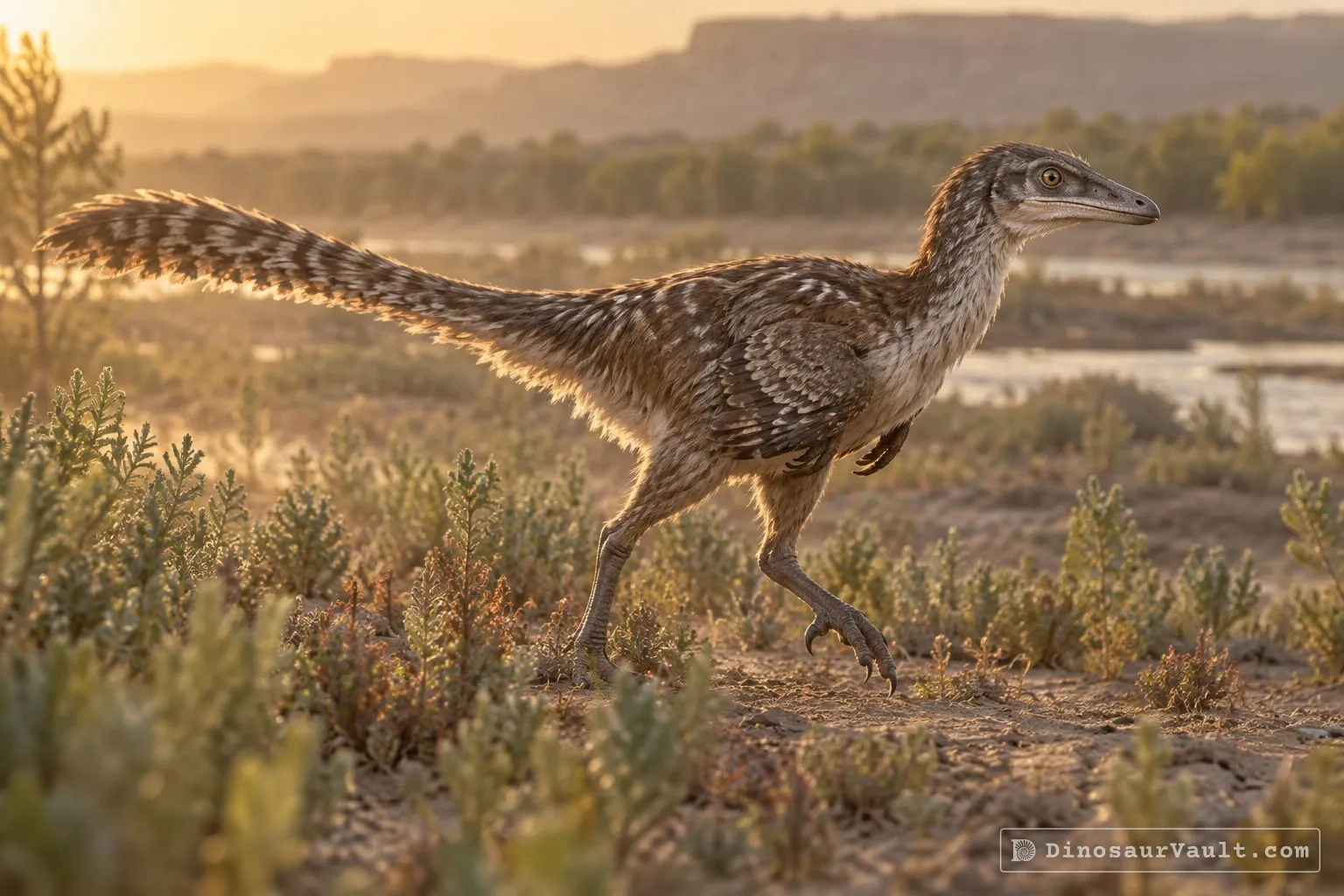
Archaeornithomimus was an ostrich-like dinosaur about 3.5 meters (11 feet) long. It had long legs for running, long arms with clawed hands and a toothless beak. Like its relatives, it probably ate a mix of plants and small animals.
Its world
It lived in the Late Cretaceous in what is now China. Its bones come from the Iren Dabasu Formation, where it shared the land with the giant oviraptor Gigantoraptor, the tyrannosaur Alectrosaurus and the duckbill Bactrosaurus.
How it was found
It was first described as a species of Ornithomimus. Russell gave it its own genus in 1972. It is known from bones of several individuals, but no complete skeleton.
Field gallery
More views of Archaeornithomimus
Scenes reconstructed from the available fossil evidence.
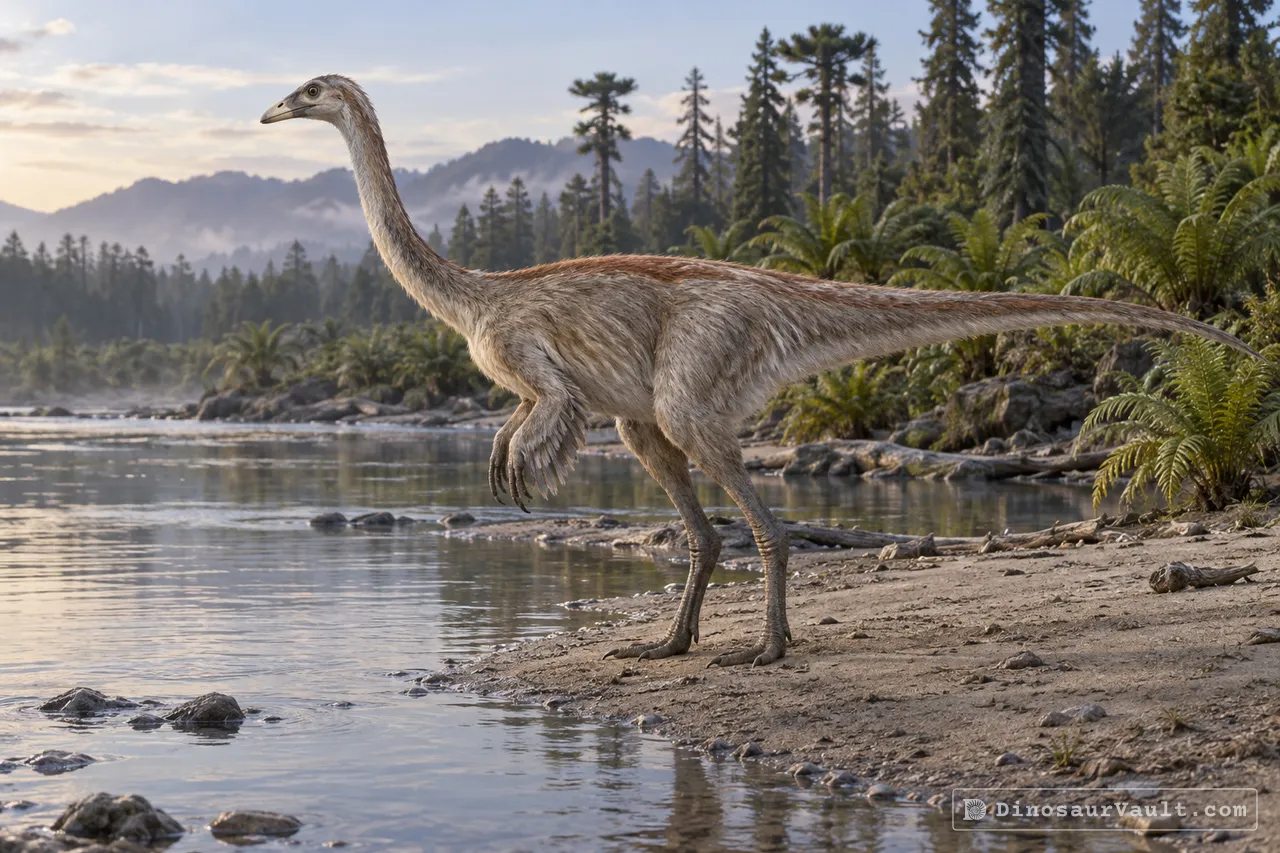
1 of 3
Lived alongside
Found in the same rock formations
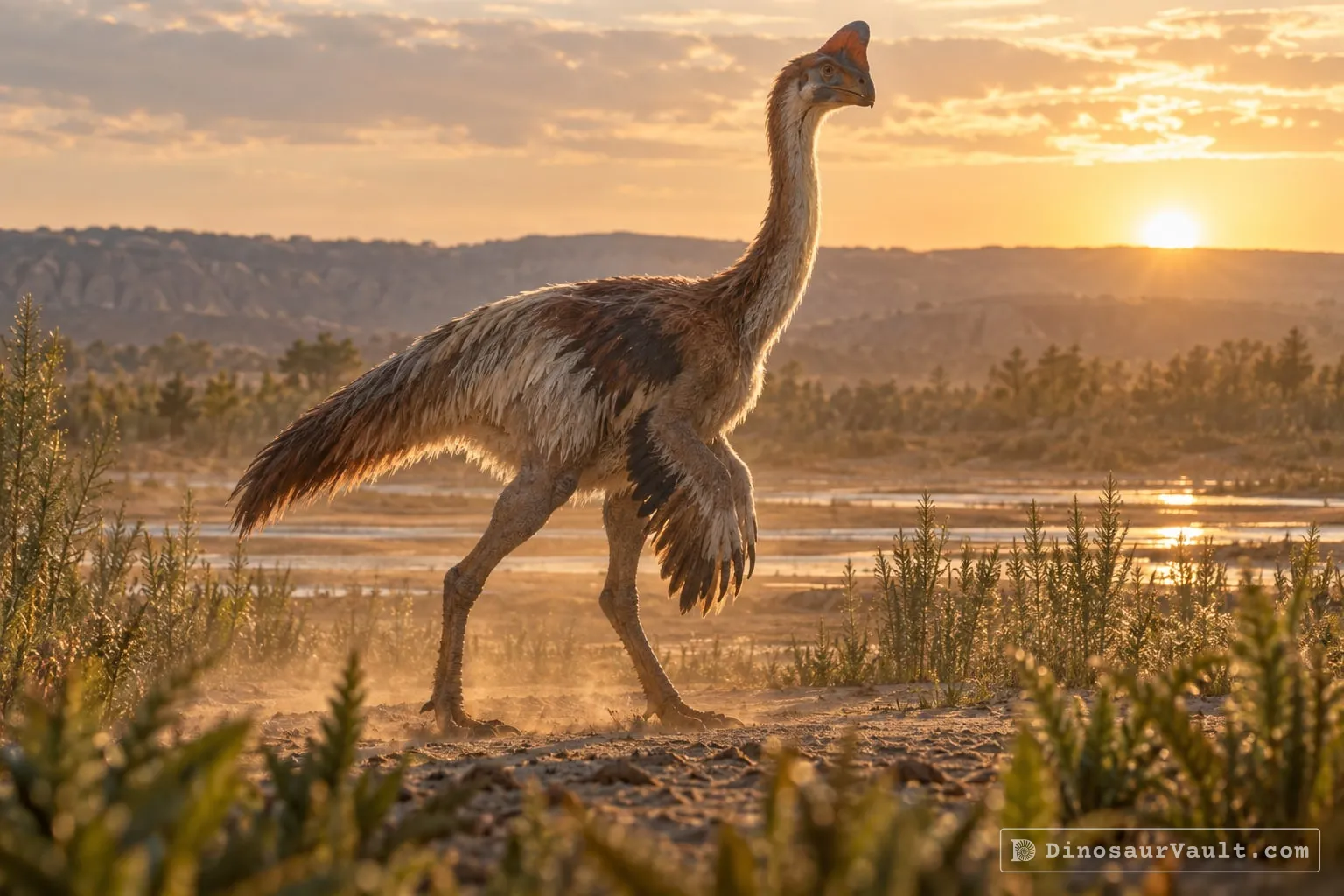
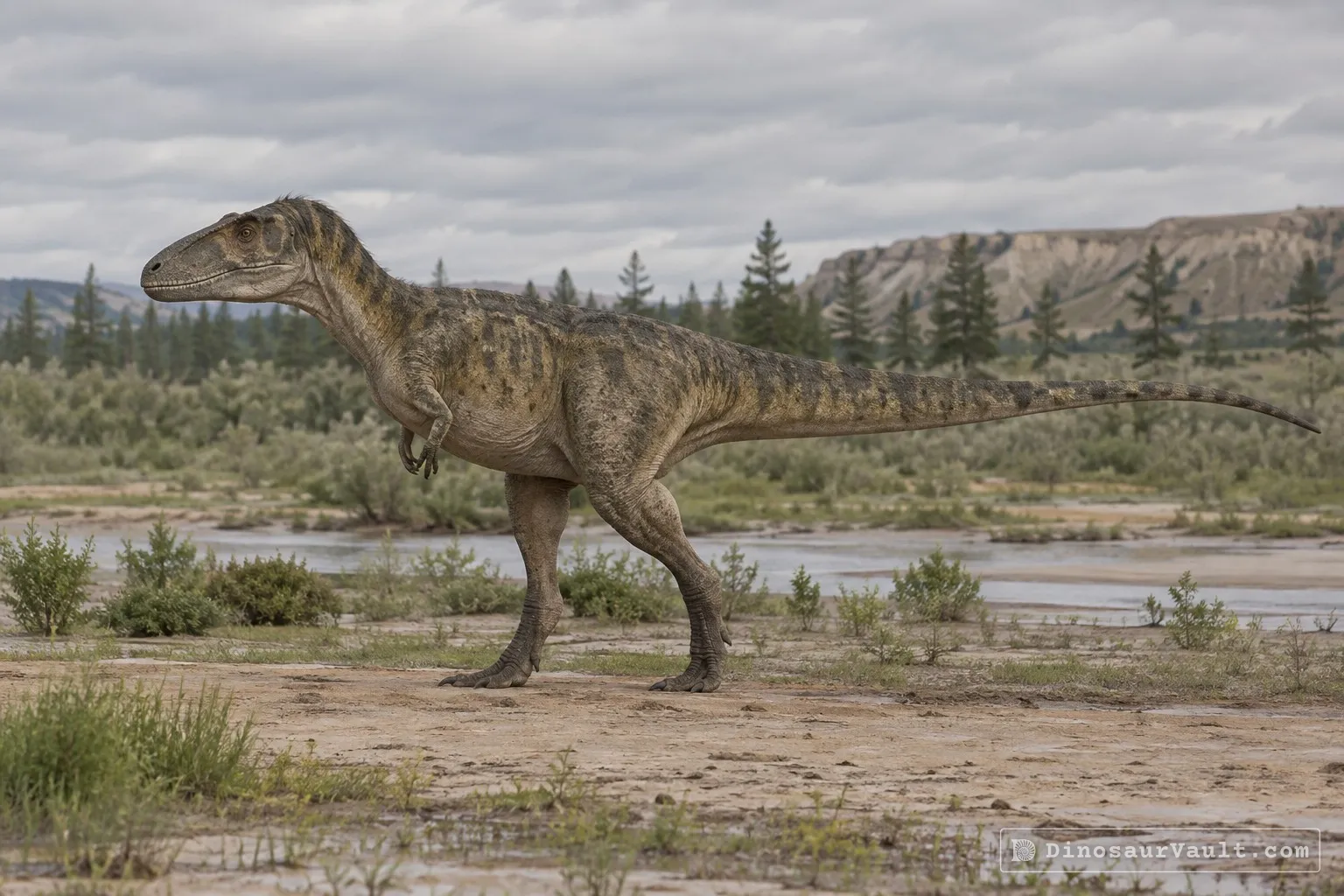
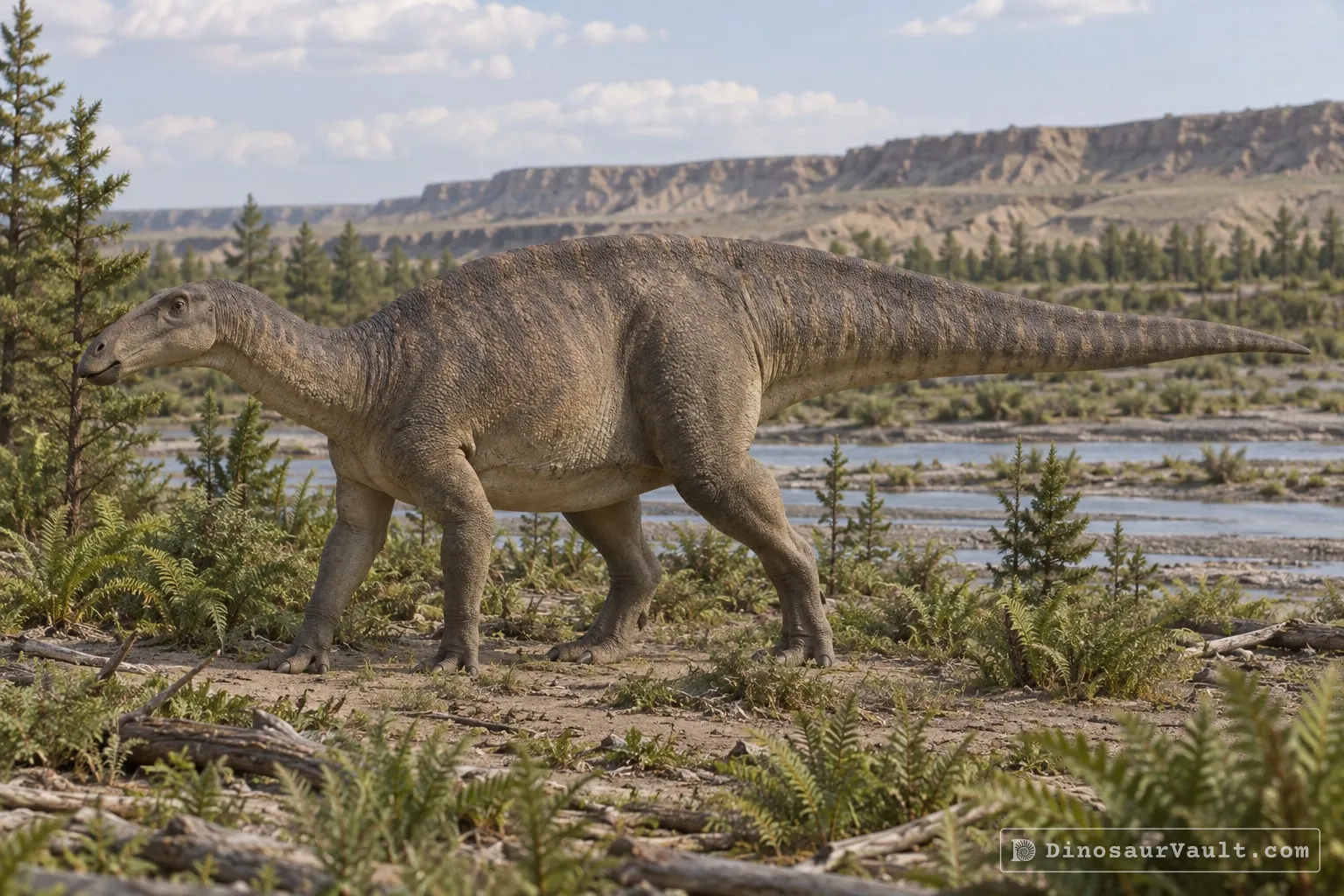
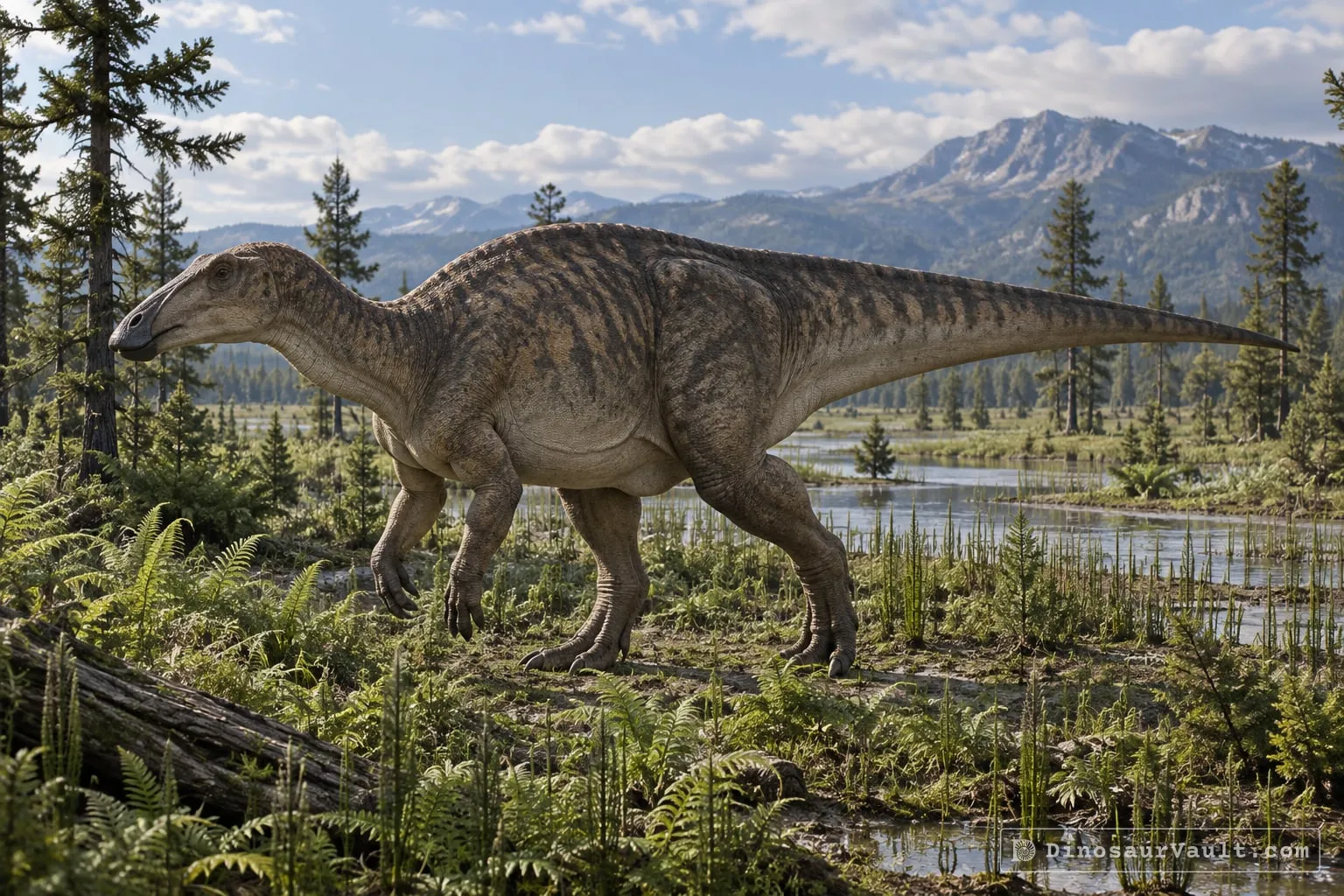
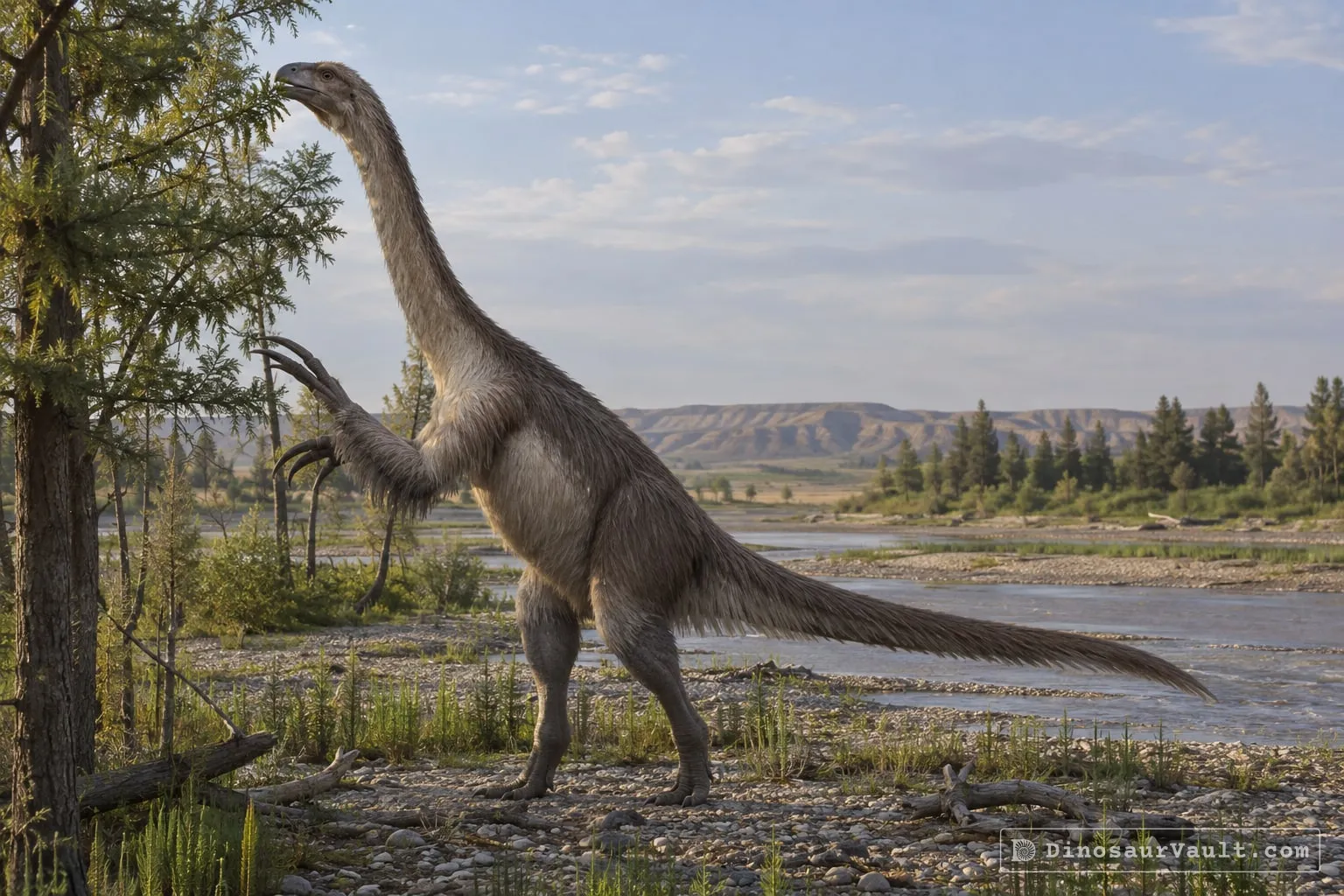
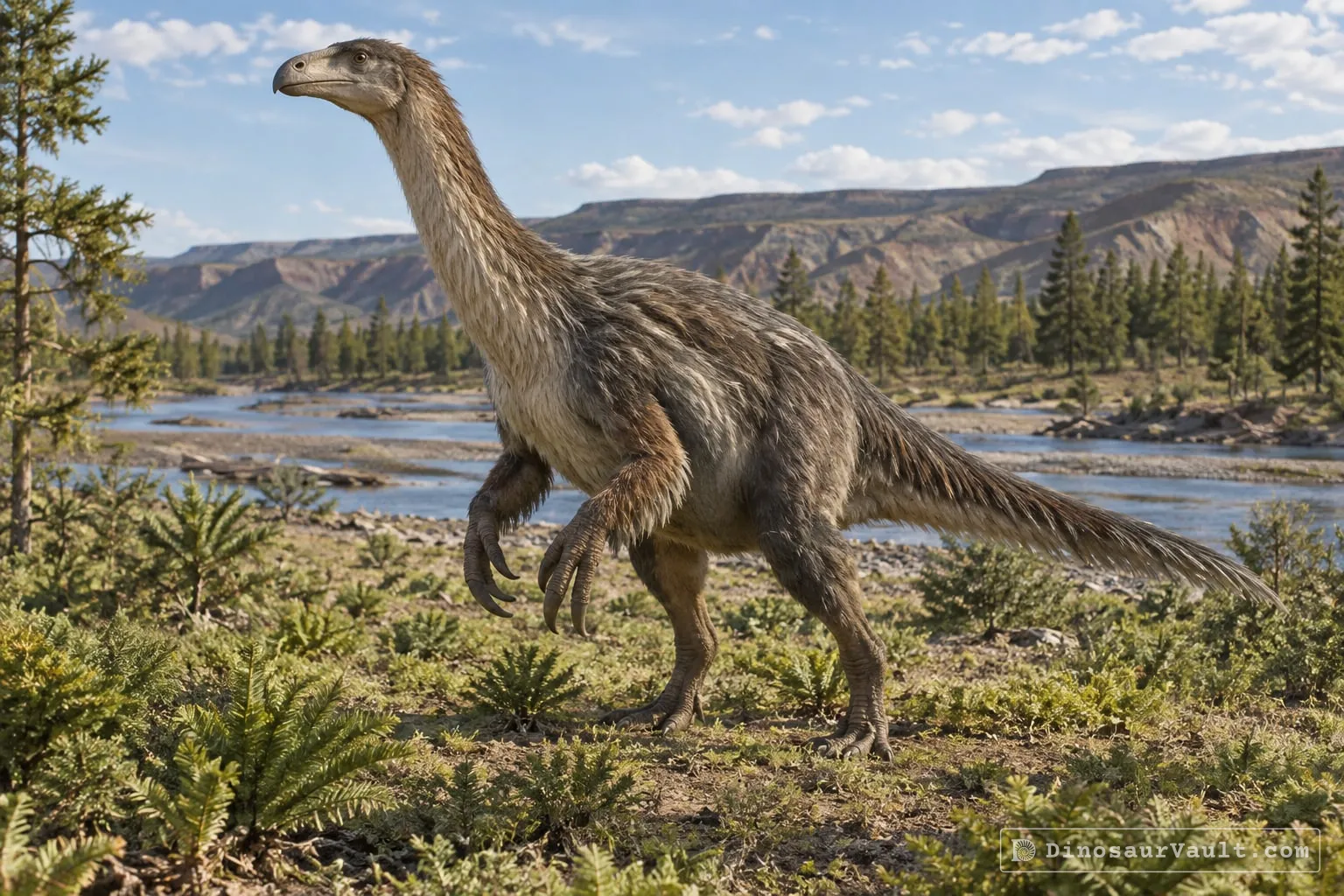


A rock formation can hold fossils laid down millions of years apart, so not every animal here met Archaeornithomimus.
The evidence
The science behind Archaeornithomimus
Which parts of the picture come from its own bones, and which come from its relatives.
From its own fossils
- Scattered bones from several individuals preserve parts of the body, arms, hands, legs and feet.
- The long limb bones support an ostrich-like body carried on its hind legs.
Borrowed from relatives
- Gallimimus guides the restoration of its missing head and toothless beak.
- A possible covering of fine body feathers and arm feathers follows the preserved feathers of Ornithomimus.
Still unknown
- Whether all the scattered bones assigned to it belong to the same species.
- The shape of its skull and whether a small inner toe was present.
- Its color and the extent of any feather covering.
Often drawn wrong
- Its palms faced inward, rather than pointing at the ground.
Discovery timeline
- 1972Named itRussell
- 2012Close relativeZelenitsky et al.
- 2022Same rocksYao et al.
Key papers
The research behind what we know of Archaeornithomimus
Named it
Separated Archaeornithomimus from Ornithomimus and gave the Chinese dinosaur its own genus.
Ostrich Dinosaurs from the Late Cretaceous of Western Canada. Canadian Journal of Earth Sciences 9: 375-402
Read the paper : Ostrich Dinosaurs from the Late Cretaceous of Western Canada (opens in a new tab)Close relative
Found body feathers and winglike arm structures in Ornithomimus, a comparison for the possible feather covering of Archaeornithomimus.
Feathered Non-Avian Dinosaurs from North America Provide Insight into Wing Origins. Science 338: 510-514
Read the paper : Feathered Non-Avian Dinosaurs from North America Provide Insight into Wing Origins (opens in a new tab)Same rocks
Described a pelvis that differs from Archaeornithomimus, showing that another ornithomimosaur lived in the same region.
New ornithomimosaurian (Dinosauria: Theropoda) pelvis from the Upper Cretaceous Erlian Formation of Nei Mongol, North China. Cretaceous Research 137: 105234
Read the paper : New ornithomimosaurian (Dinosauria: Theropoda) pelvis from the Upper Cretaceous Erlian Formation of Nei Mongol, North China (opens in a new tab)
Close relatives
Other members of Ornithomimidae


Sources: Wikidata