Limaysaurus
"Limay lizard"
- Lived
- 113 to 106 million years ago, Early Cretaceous
- Diet
- Herbivore
- Group
- Sauropods, Rebbachisauridae
- Found in
- Argentina
- Named by
- Salgado et al. 2004
Where its fossils were found
The evidence
Today

110 million years ago
Habitat
It lived on river floodplains in what is now Argentina. Giganotosaurus and Buitreraptor also occur in the Candeleros Formation.
Field notes
About Limaysaurus
What it was like
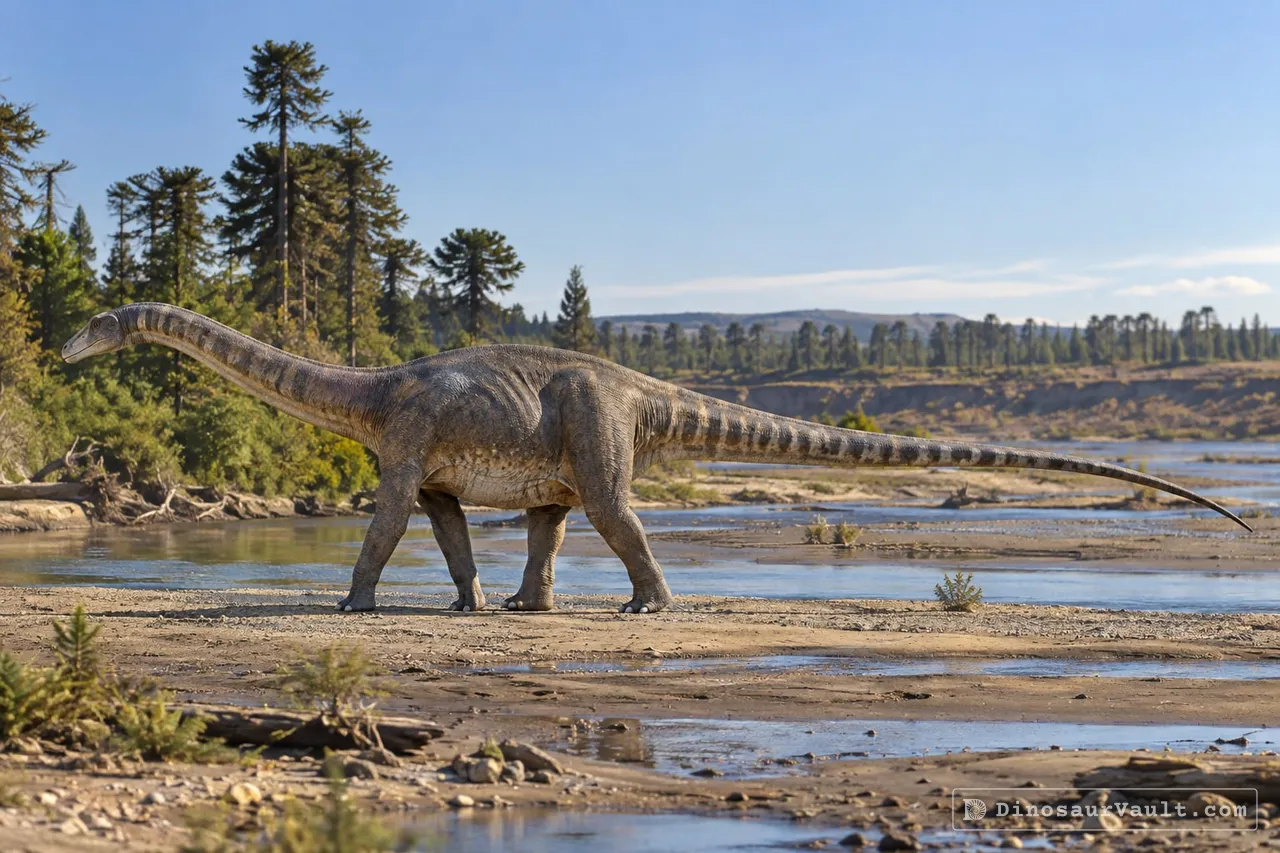
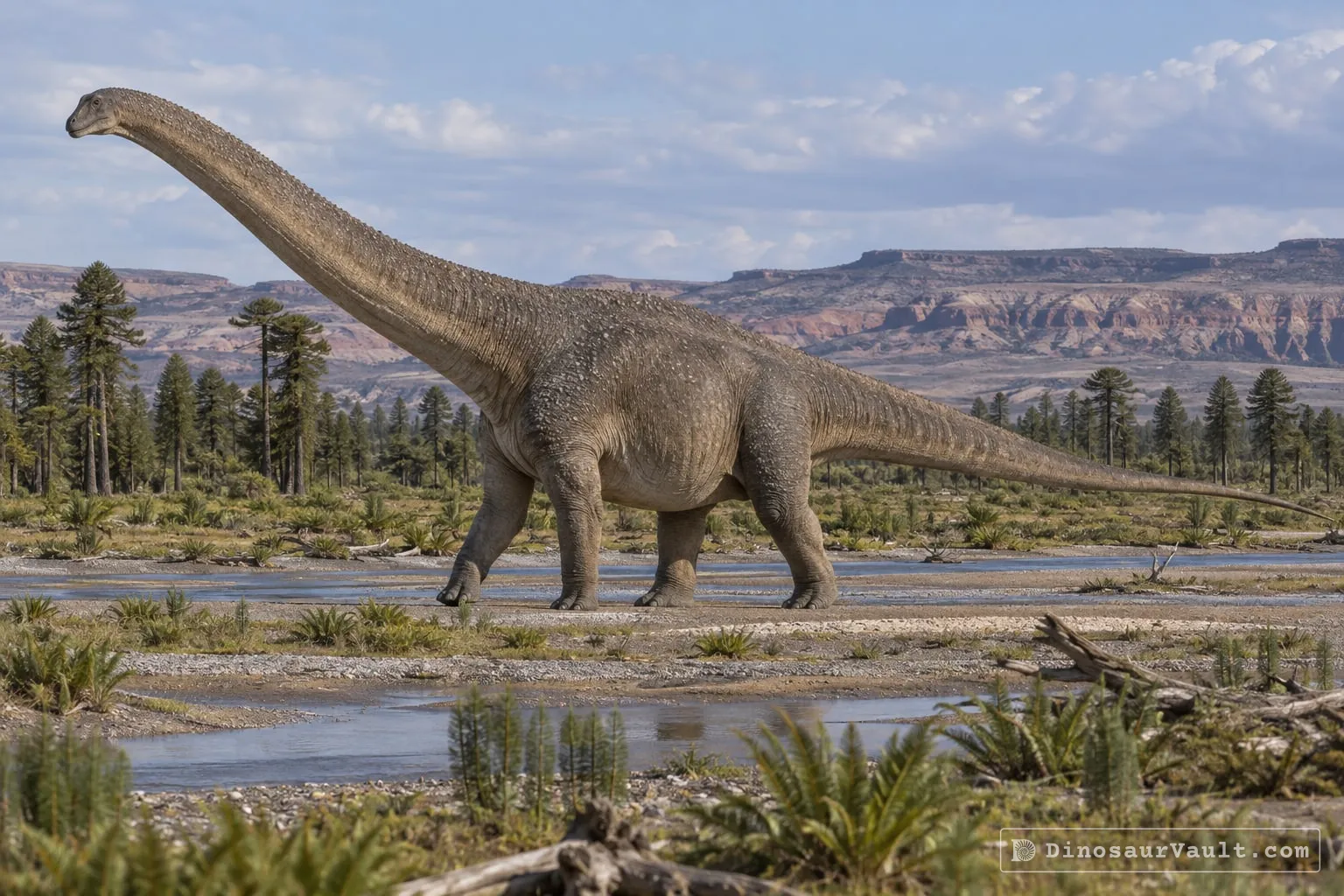
Limaysaurus was a rebbachisaurid, a sauropod with a broad snout and tall spines on its back. It was of medium size for a sauropod, and its neck was fairly short.
Its world
It lived in the Cretaceous, in what is now Argentina. It comes from the Candeleros Formation, where it shared the land with the giant predator Giganotosaurus and the small feathered hunter Buitreraptor.
How it was found
Salgado and colleagues named Limaysaurus in 2004, from a skeleton first described as a species of Rebbachisaurus.
Field gallery
More views of Limaysaurus
Scenes reconstructed from the available fossil evidence.
Lived alongside
Found in the same rock formations
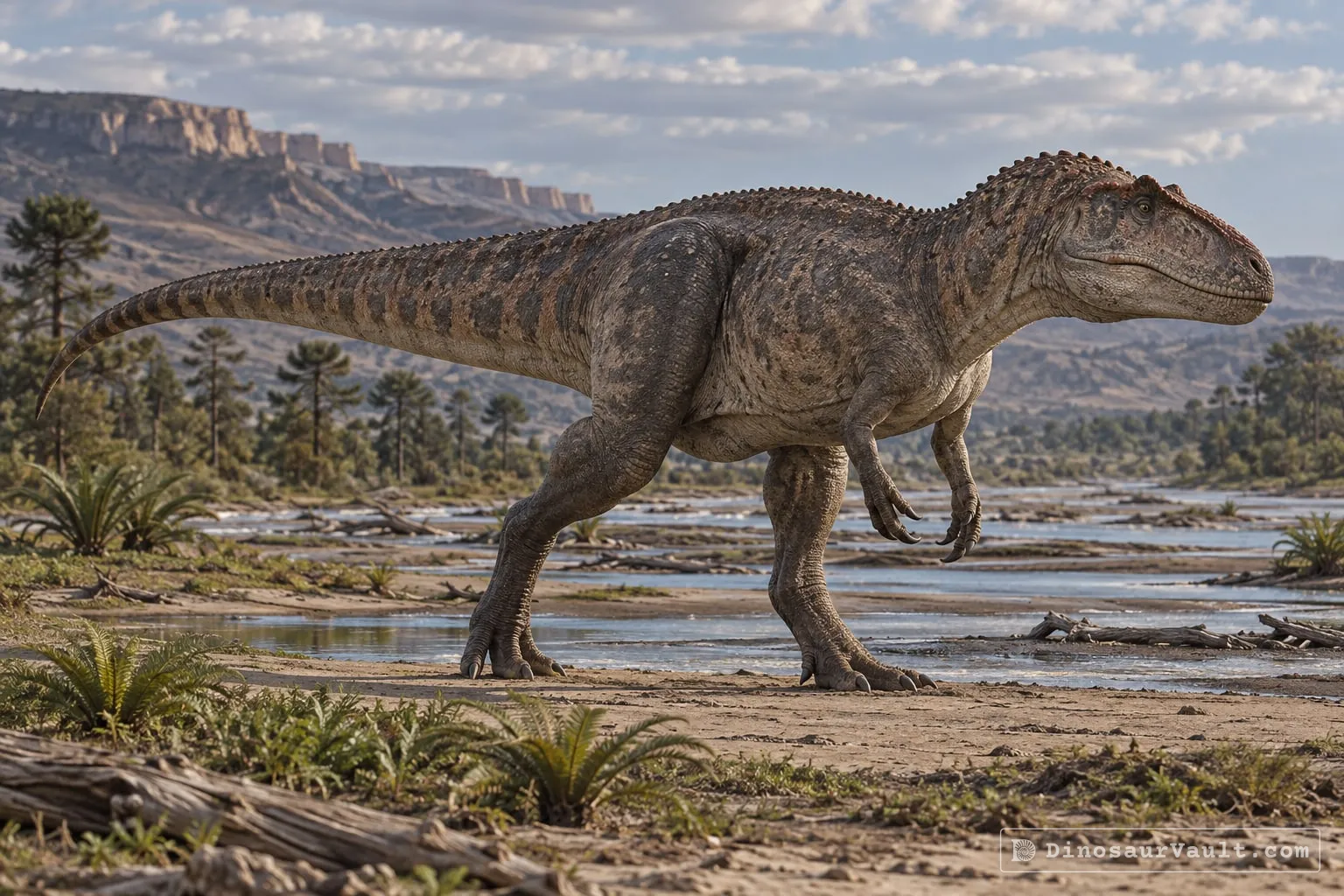
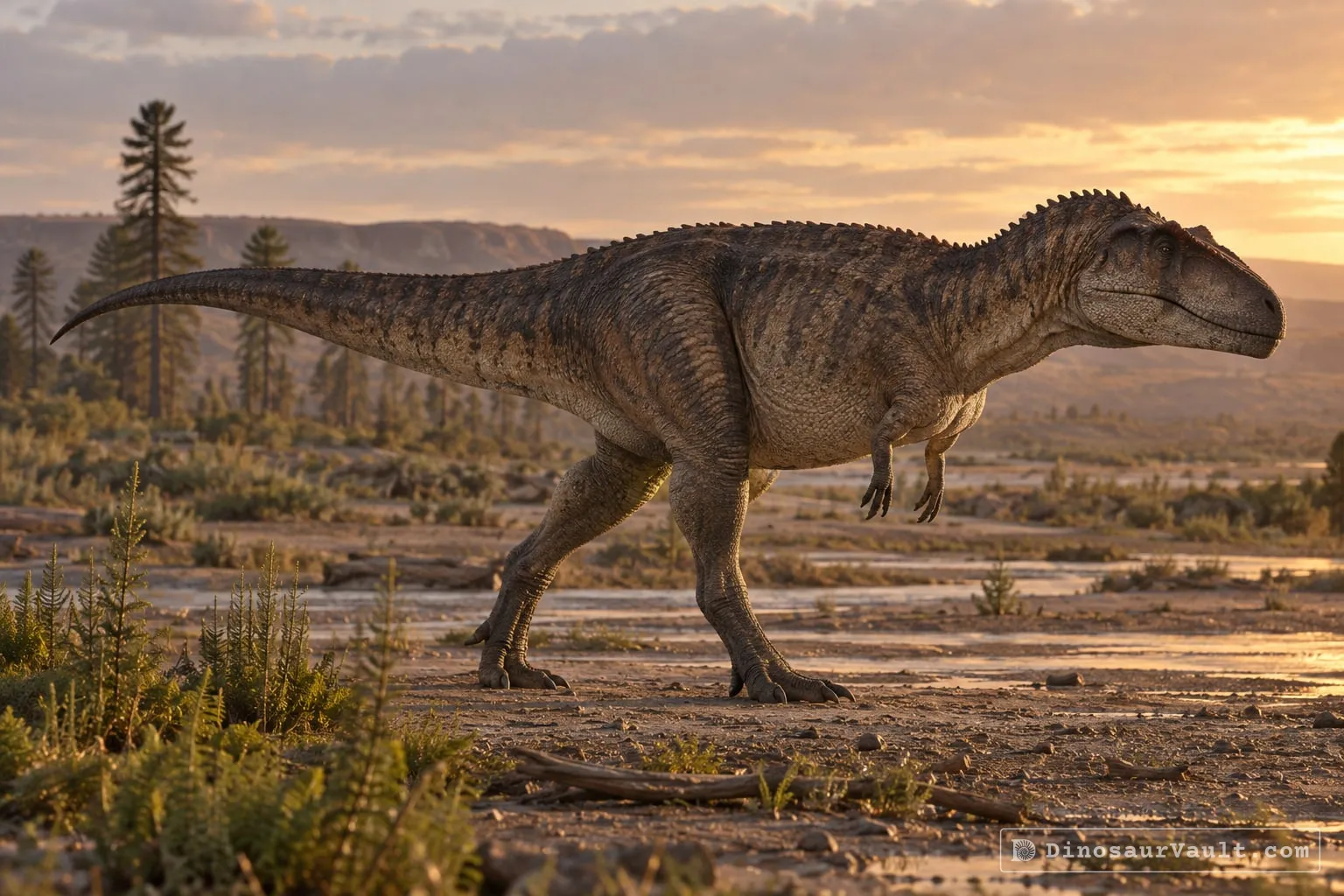
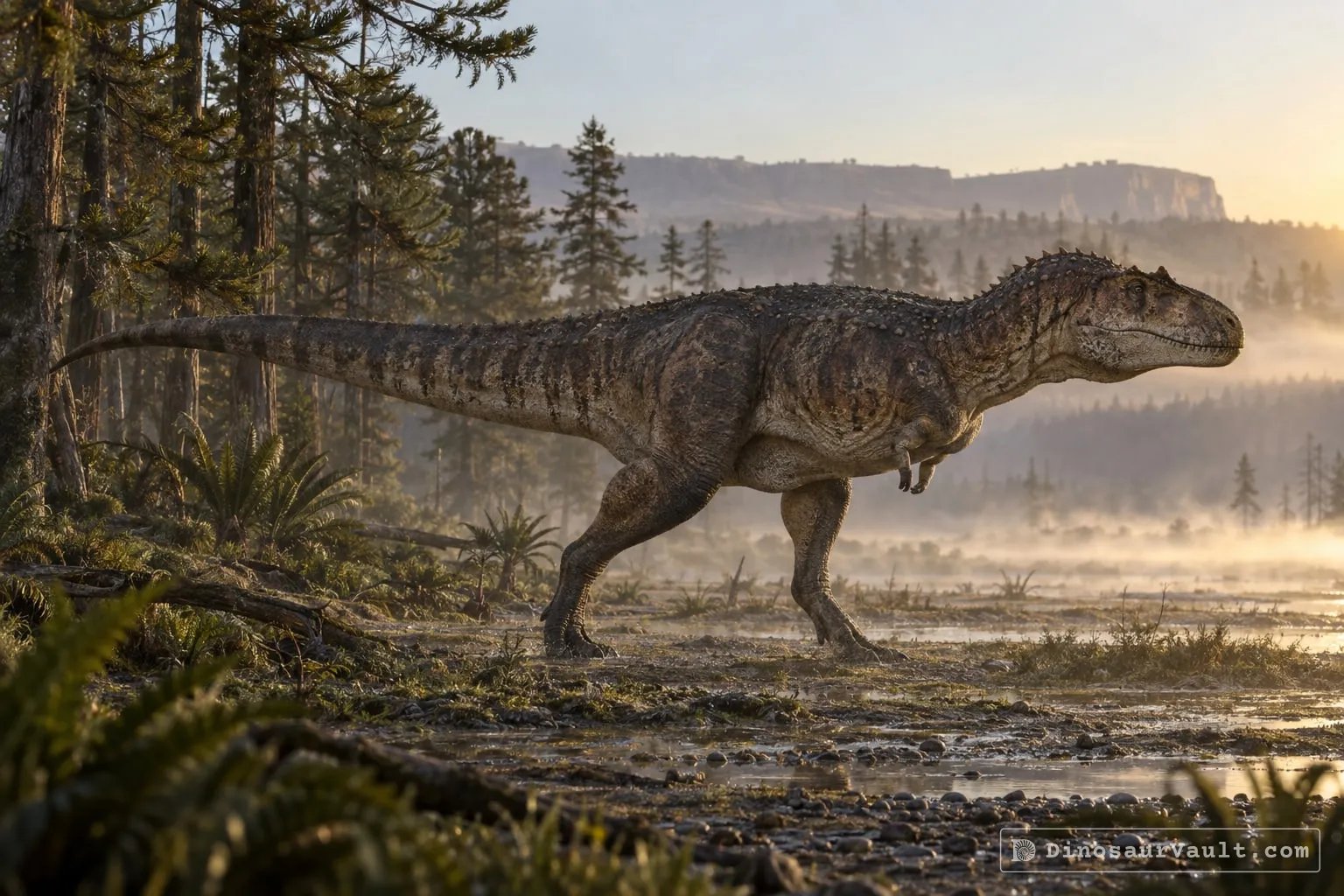
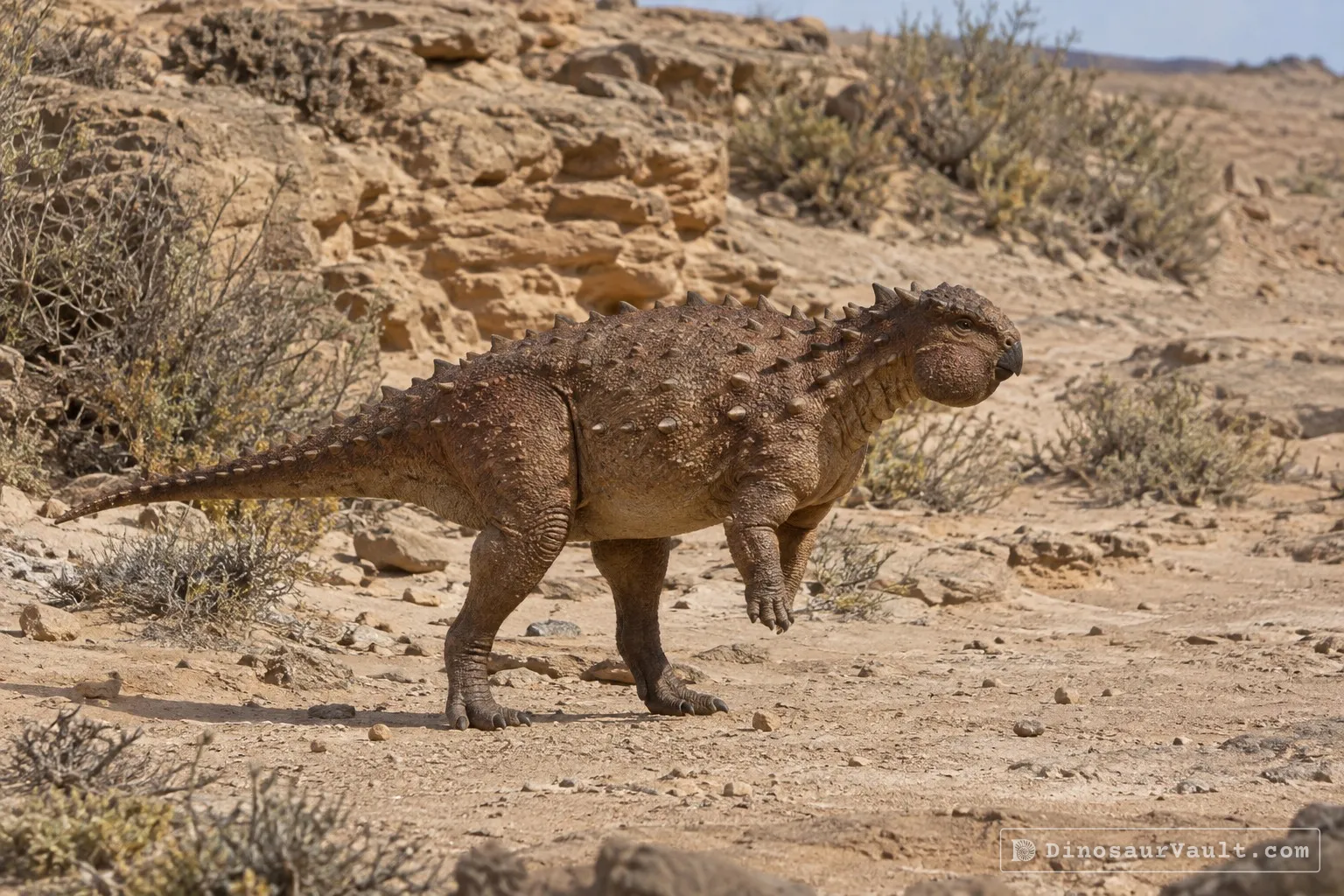
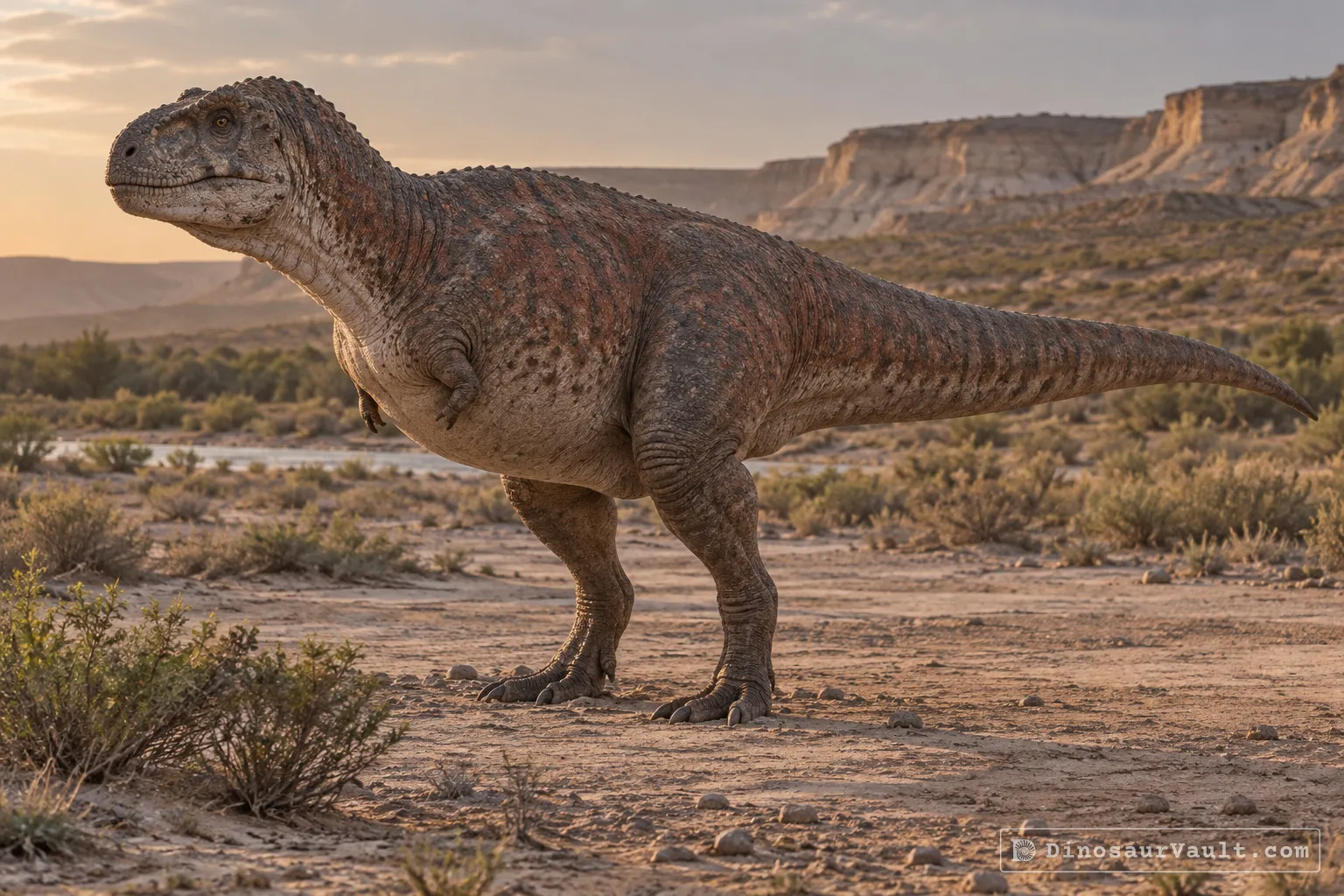
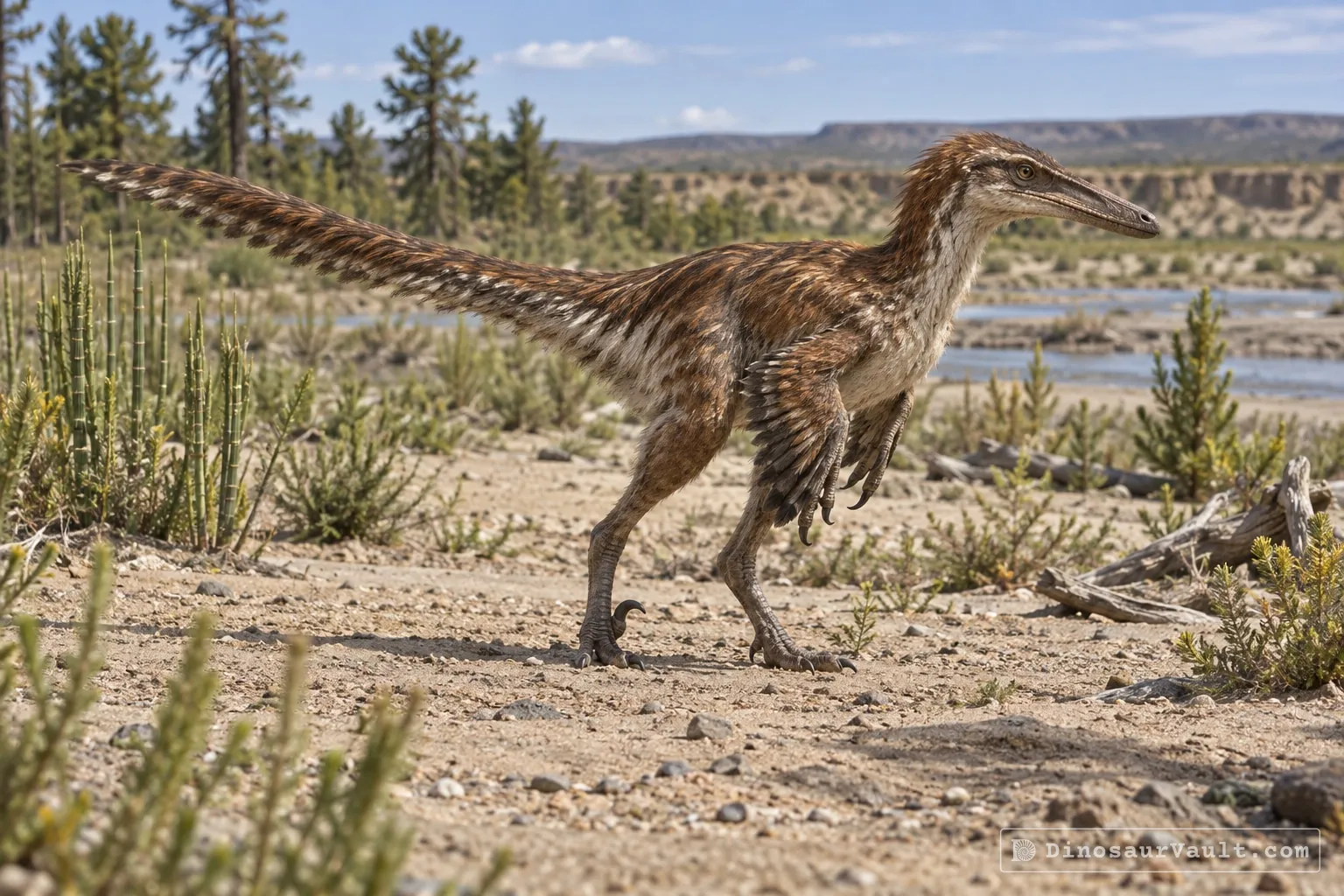
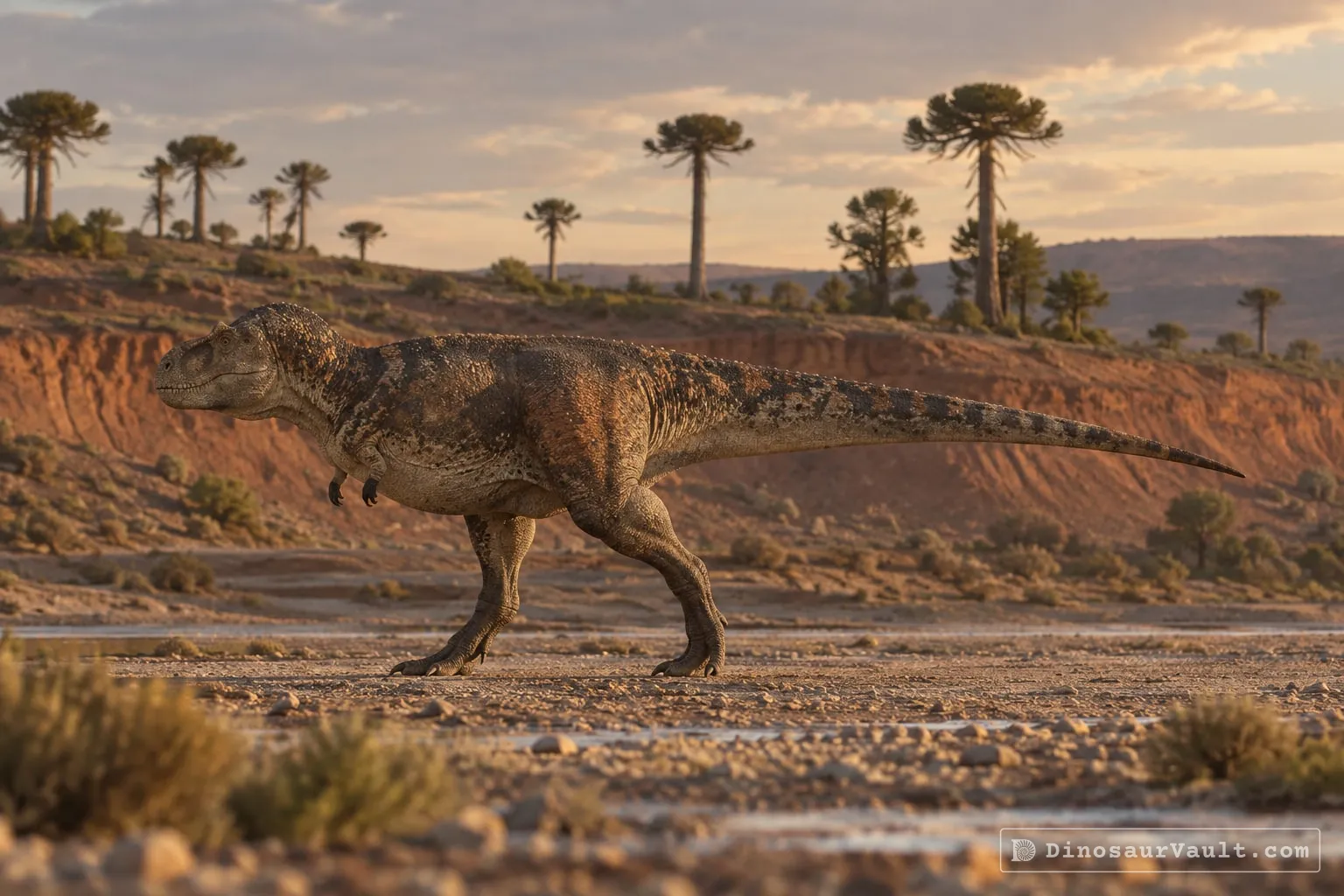


A rock formation can hold fossils laid down millions of years apart, so not every animal here met Limaysaurus.
The evidence
The science behind Limaysaurus
Which parts of the picture come from its own bones, and which come from its relatives.
From its own fossils
- Much of a skeleton preserves the back of the skull, backbone, shoulders, hips and limb bones.
- Tall, undivided spines rise from vertebrae in the neck and back.
- The upper arm is short and robust compared with the thigh.
Borrowed from relatives
- Lavocatisaurus guides the missing front of the snout and lower jaw.
- Apatosaurus and Camarasaurus guide the missing hand and toe tips, with compact supporting forefeet and curved inner hind claws.
Still unknown
- The complete front of its skull.
- The height and shape of the flesh covering its tall back spines.
- Its full finger and toe arrangement, and how its young grew.
Discovery timeline
- 2004Named itSalgado et al.
- 2018Close relativeCanudo et al.
- 2021SkullPAULINA-CARABAJAL & CALVO
Key papers
The research behind what we know of Limaysaurus
Named it
Separated Limaysaurus from Rebbachisaurus and described additional bones assigned to the genus.
Lower Cretaceous rebbachisaurid sauropods from Cerro Aguada del León (Lohan Cura Formation), Neuquén Province, northwestern Patagonia, Argentina. Journal of Vertebrate Paleontology 24: 903-912
Read the paper : Lower Cretaceous rebbachisaurid sauropods from Cerro Aguada del León (Lohan Cura Formation), Neuquén Province, northwestern Patagonia, Argentina (opens in a new tab)Close relative
Described Lavocatisaurus with a well-preserved skull, providing a comparison for the missing front of the Limaysaurus head.
A new rebbachisaurid sauropod from the Aptian–Albian, Lower Cretaceous Rayoso Formation, Neuquén, Argentina. Acta Palaeontologica Polonica 63
Read the paper : A new rebbachisaurid sauropod from the Aptian–Albian, Lower Cretaceous Rayoso Formation, Neuquén, Argentina (opens in a new tab)Skull
Used scans to redescribe the back of the skull and reconstruct the spaces occupied by the brain and inner ear.
Re-description of the braincase of the rebbachisaurid sauropod Limaysaurus tessonei and novel endocranial information based on CT scans. Anais da Academia Brasileira de Ciências 93
Read the paper : Re-description of the braincase of the rebbachisaurid sauropod Limaysaurus tessonei and novel endocranial information based on CT scans (opens in a new tab)
Close relatives
Other members of Rebbachisauridae


Sources: Wikidata