Outline: a typical theropod
Buitreraptor
Type species Buitreraptor gonzalezorum
- Lived
- 113 to 110 million years ago, Early Cretaceous
- Diet
- Carnivore
- Length
- about 1.3 m (4 ft)
- Group
- Theropods, Dromaeosauridae
- Found in
- Argentina
- Named by
- Makovicky et al. 2005
Size comparison
To scale

Scale in metersOutline: typical theropod shape
Where its fossils were found
The evidence
Today

110 million years ago
Field notes
About Buitreraptor
What it was like
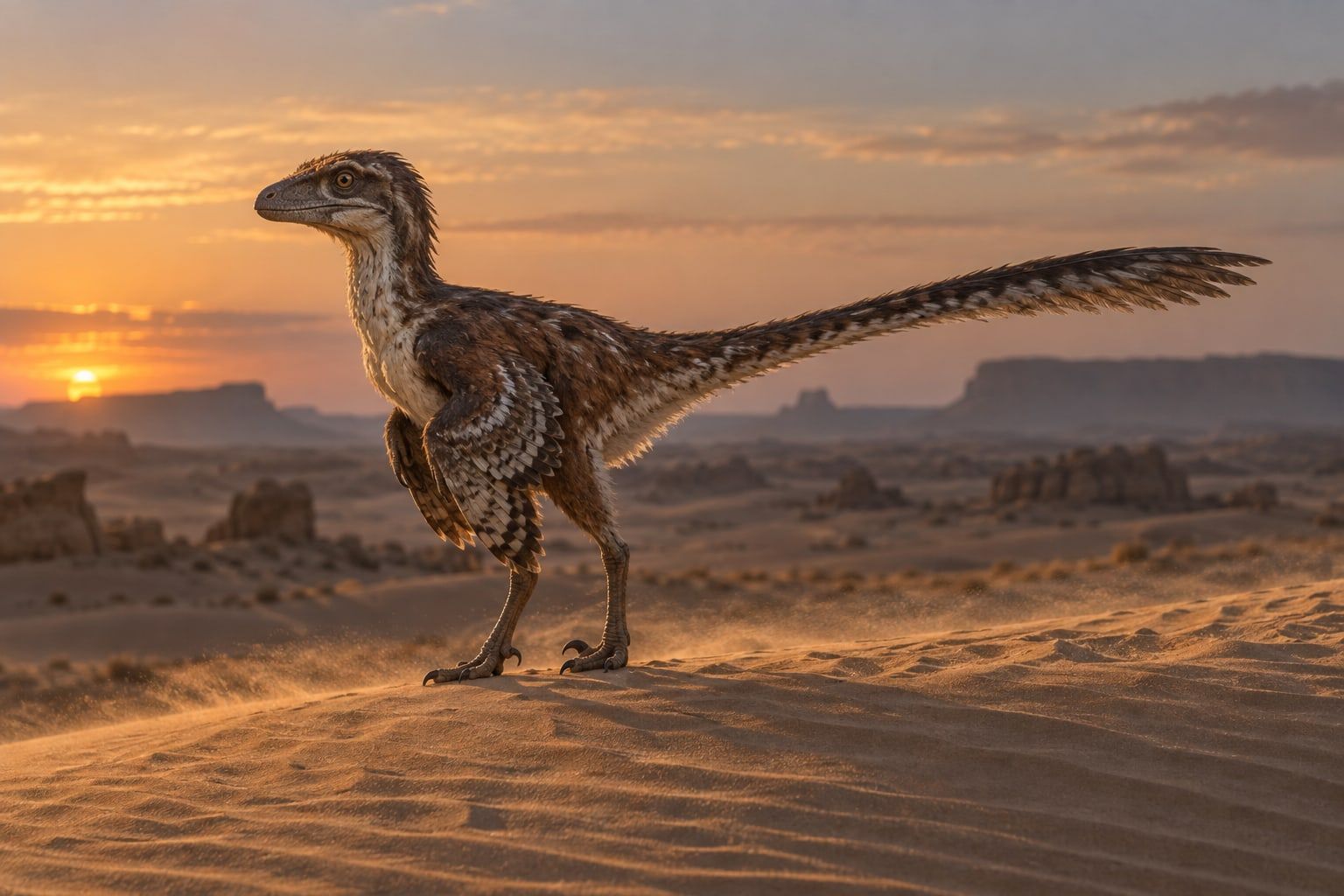
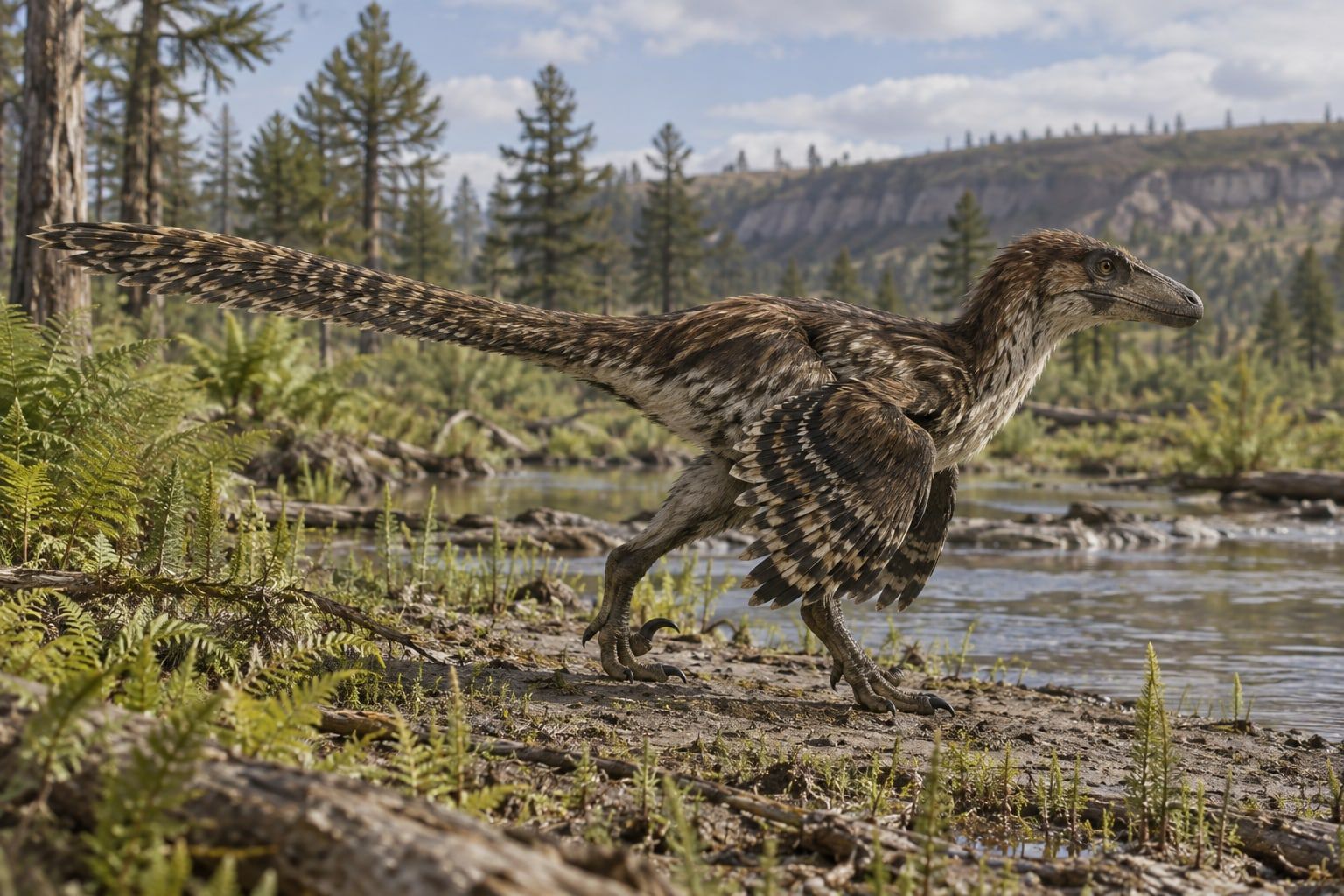
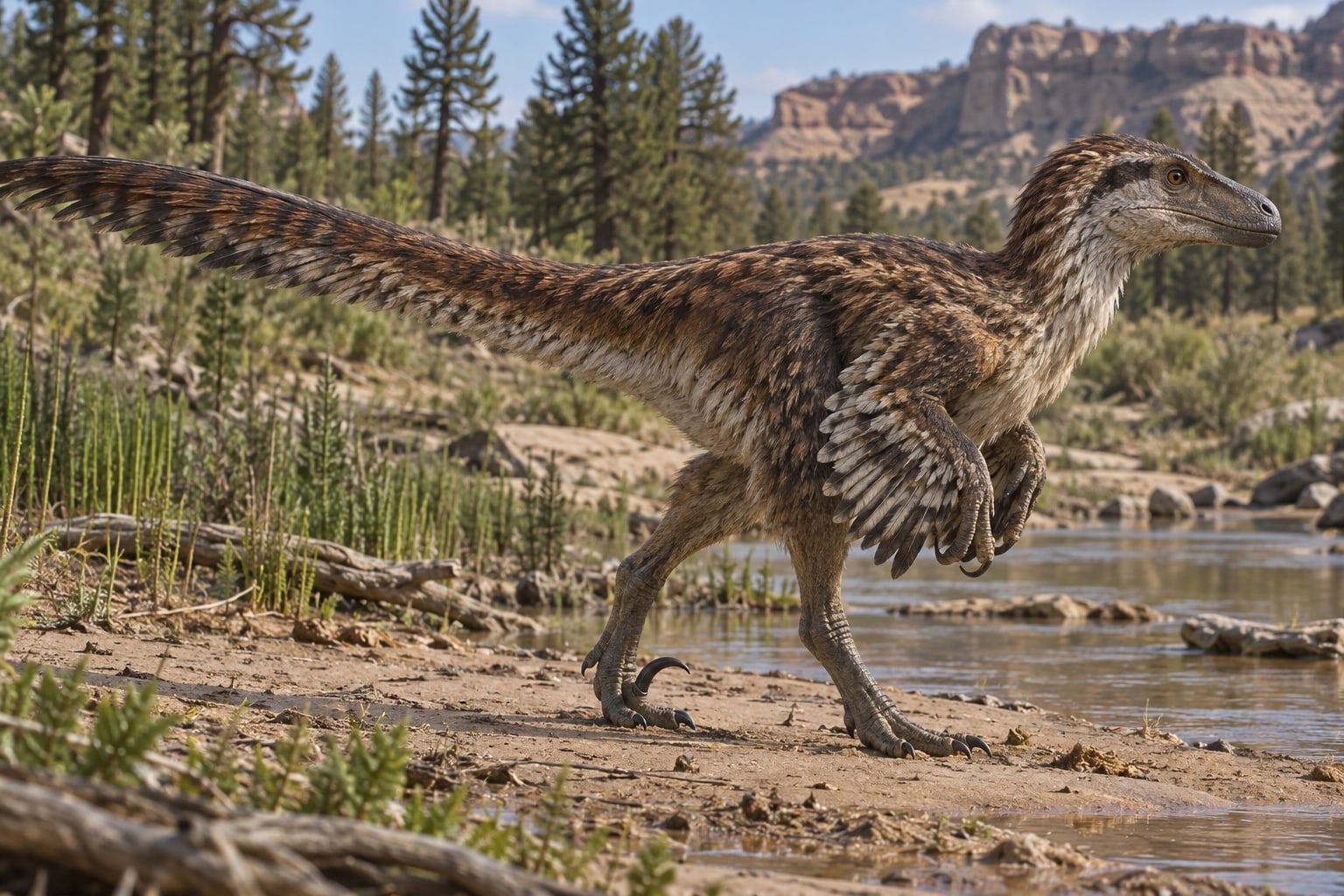
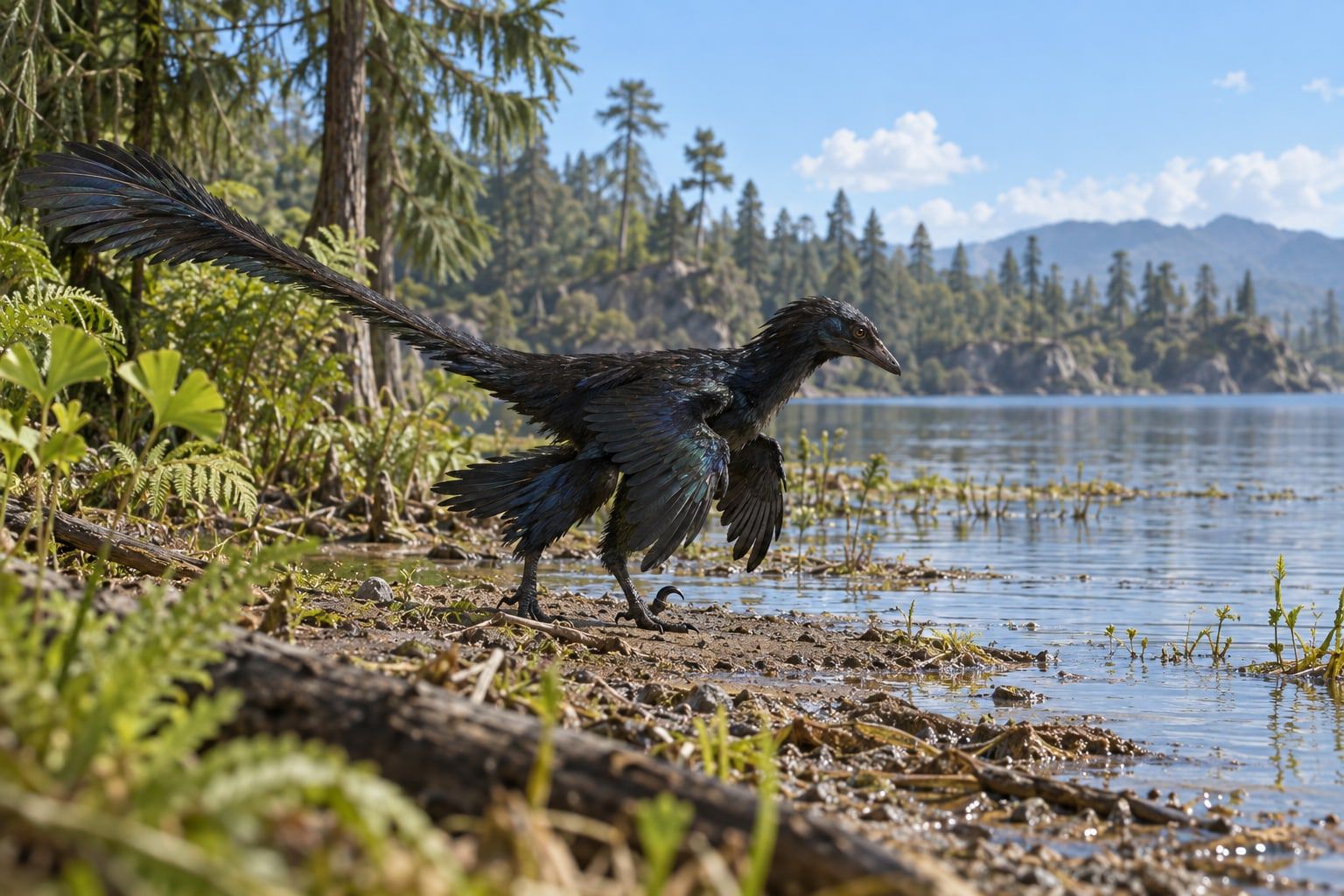
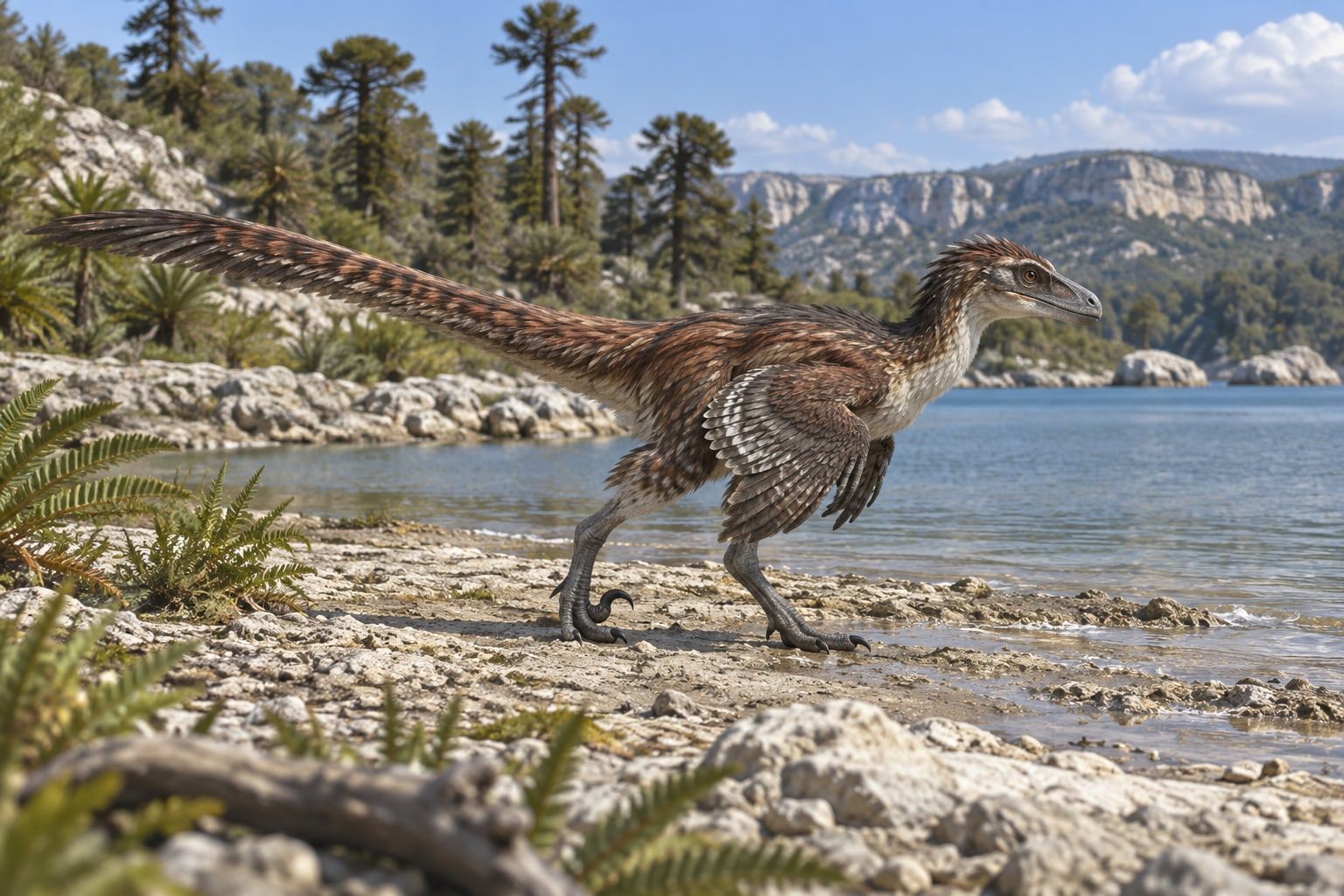
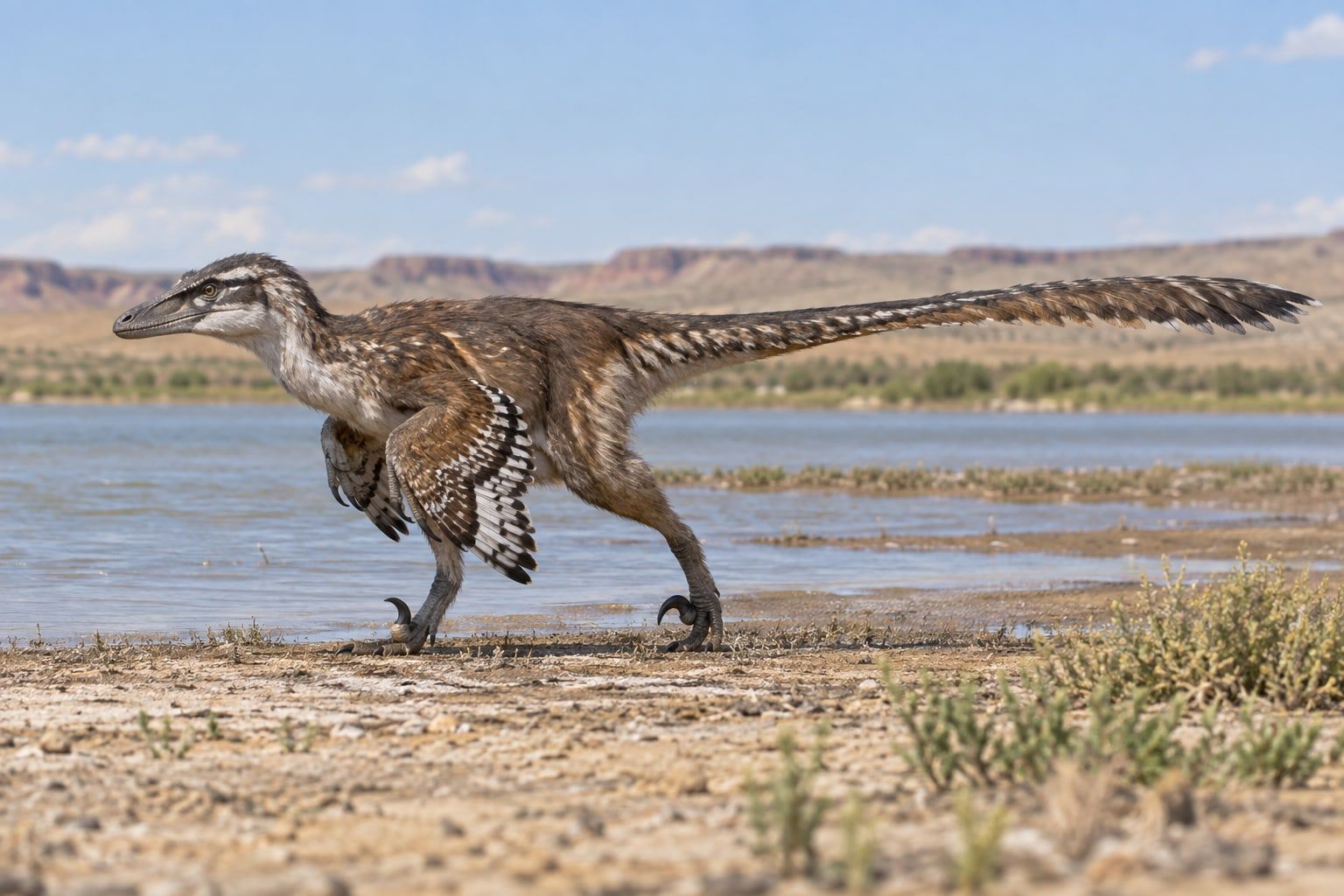
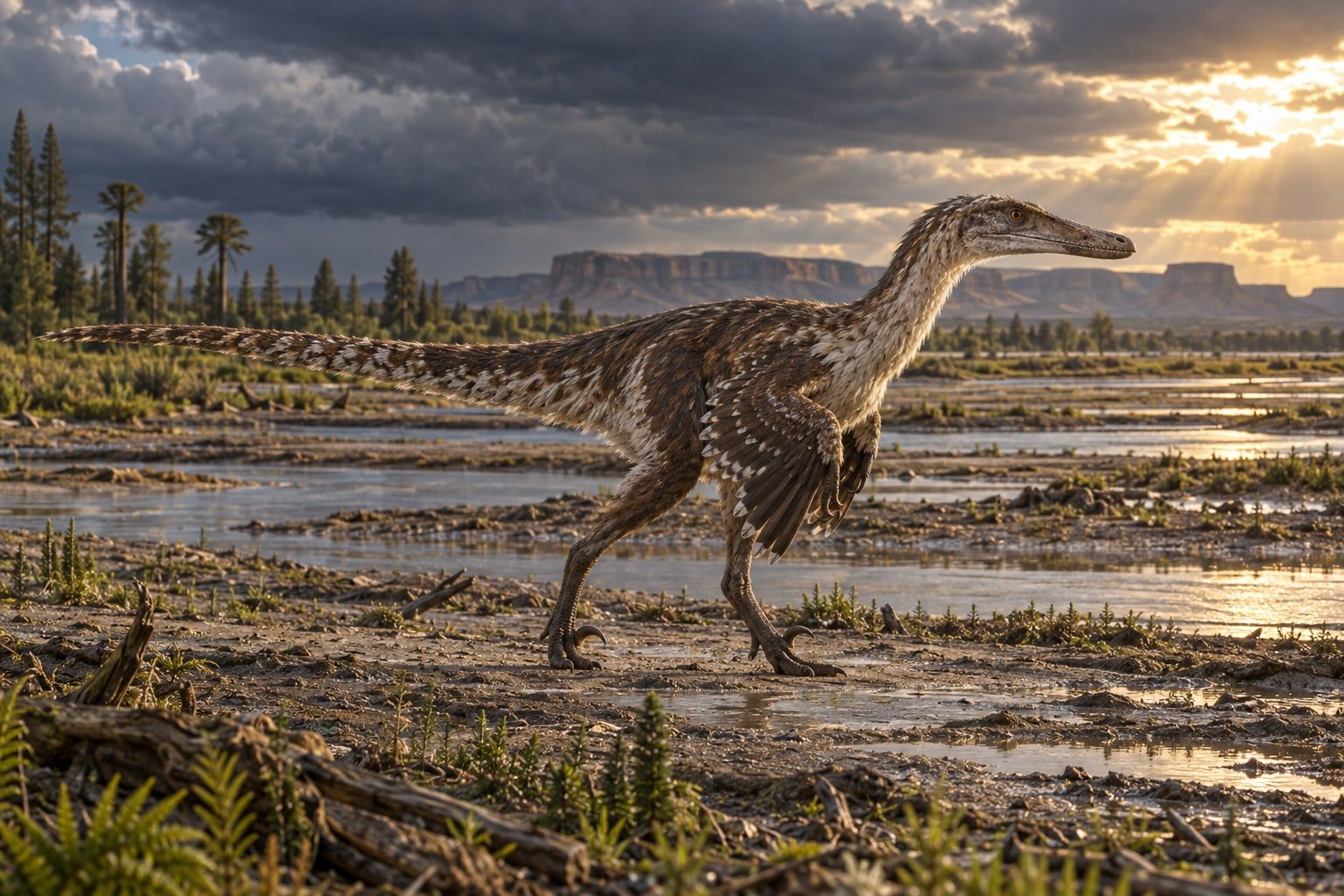
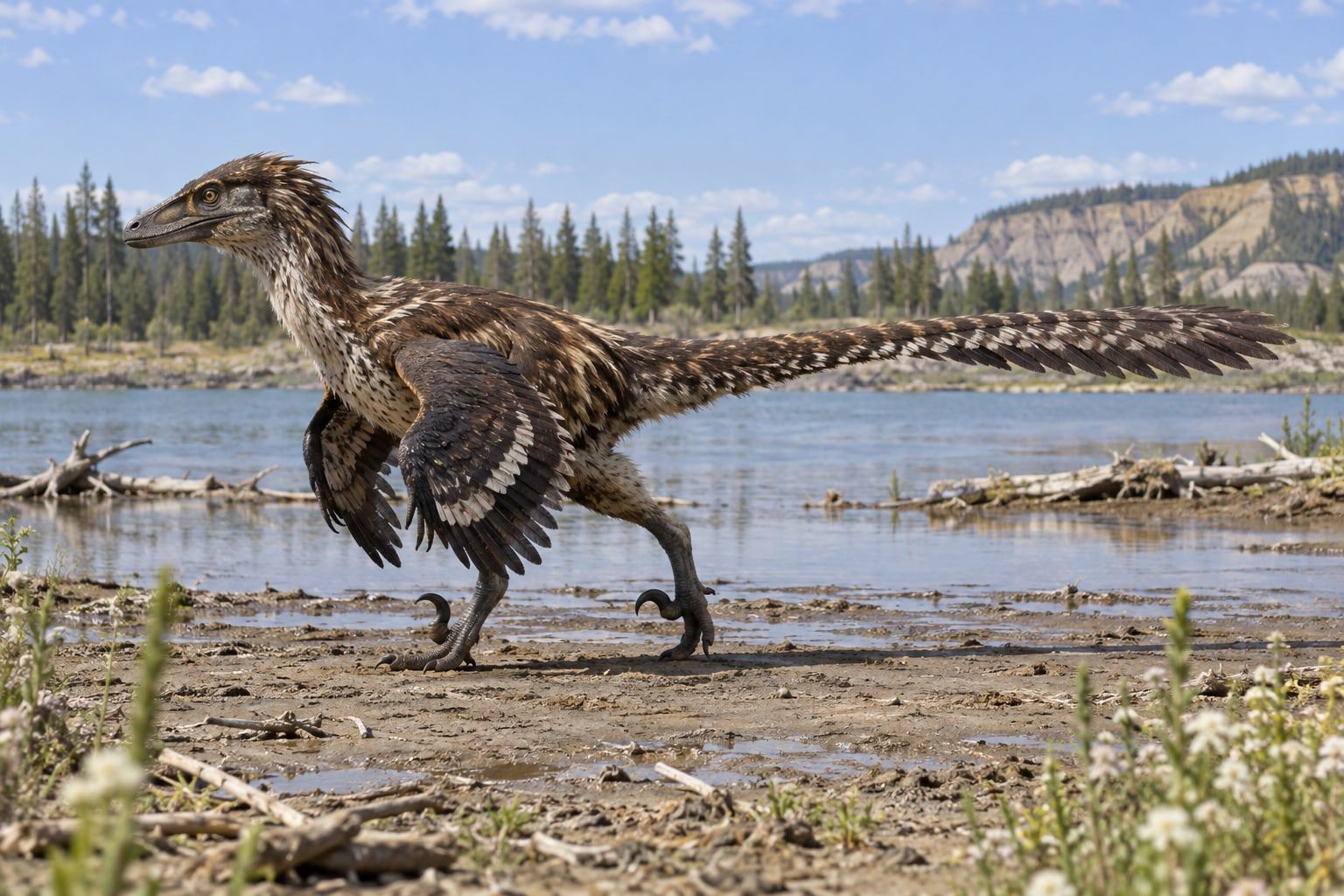
Buitreraptor was a small feathered hunter about 1.3 meters (4 feet) long, from the southern branch of the raptor family. It had a very long, narrow snout filled with many small teeth without serrations.
Its slim jaws suggest it caught small animals, and some scientists think it may have hunted fish or lizards.
Its world
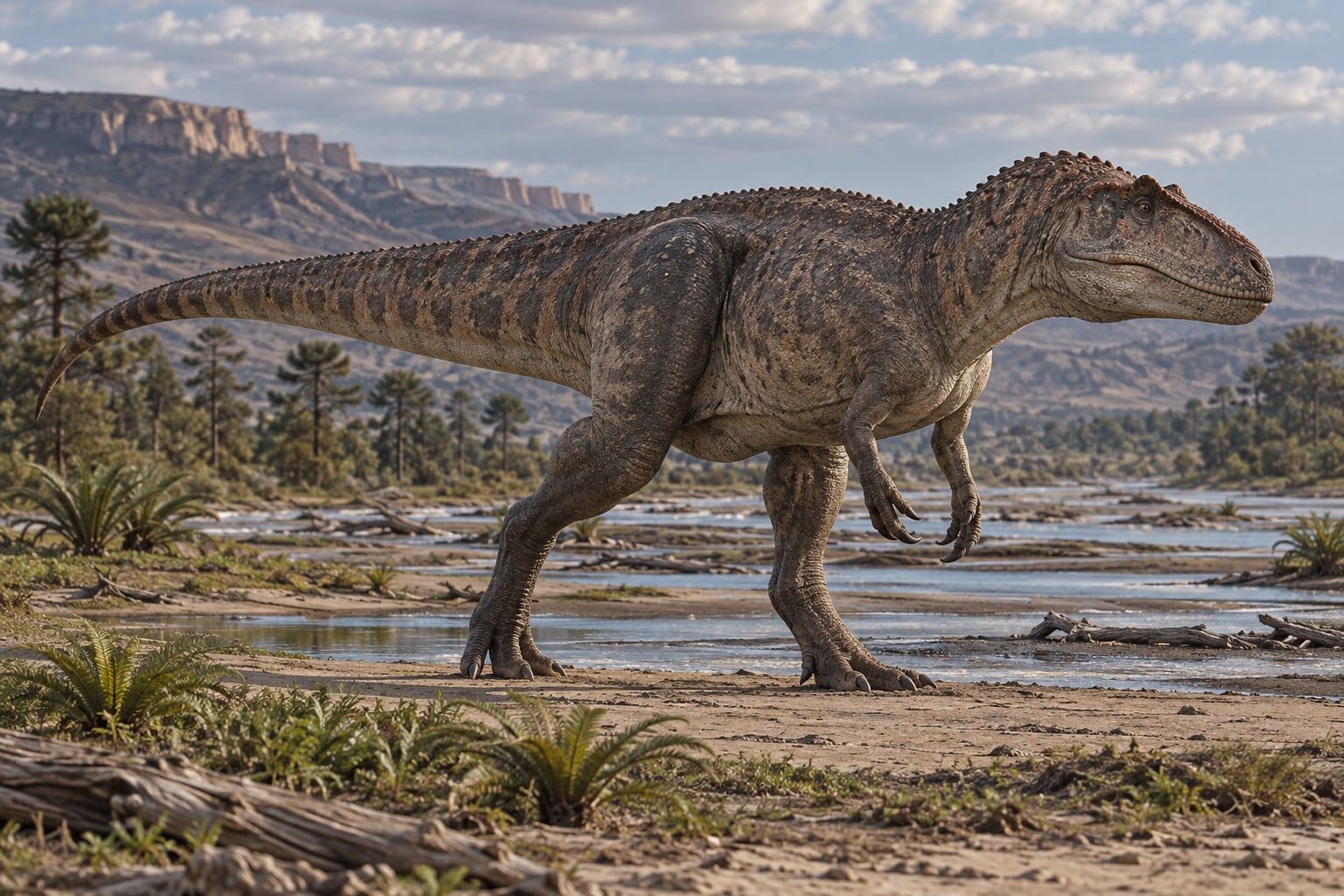
It lived about 113 to 110 million years ago, in the Cretaceous, in what is now Argentina. Its bones come from the Candeleros Formation, home also to the giant hunter Giganotosaurus and the long-necked Andesaurus and Limaysaurus.
How it was found
Makovicky and colleagues named Buitreraptor gonzalezorum in 2005. Its finds showed that raptors had spread to the southern continents and developed their own forms there.
Lived alongside
Found in the same rock formations
Close relatives
Other members of Dromaeosauridae
Sources: WikidataNamed in: P. J. Makovicky, S. Apesteguía, and F. L. Agnolín. 2005. The earliest dromaeosaurid theropod from South America. Nature 437:1007-1011