Jakapil
"shield bearer"
- Lived
- 113 to 110 million years ago, Early Cretaceous
- Diet
- Herbivore
- Found in
- Argentina
- Named by
- Riguetti et al. 2022
Where its fossils were found
The evidence
Today

110 million years ago
Habitat
Jakapil lived among shifting sand dunes in an arid to semi-arid landscape in Argentina. The Candeleros Formation also contains Buitreraptor, Giganotosaurus and Andesaurus.
Field notes
About Jakapil
What it was like
Jakapil was a small armored plant eater that probably walked on its hind legs. Rows of bony plates protected its back, and it had a short, deep face with leaf-shaped teeth.
It belongs to an early branch of the armored dinosaurs, the group that also led to the stegosaurs and ankylosaurs. Most members of that early branch had died out long before, so Jakapil shows that some lasted far longer than scientists expected.
Its world
It lived about 113 to 110 million years ago, in the Early Cretaceous, in what is now Argentina. Its bones come from the Candeleros Formation, where giant sauropods such as Andesaurus and Limaysaurus lived, along with the huge predator Giganotosaurus and the small hunter Buitreraptor.
How it was found
Riguetti and colleagues named Jakapil in 2022 from one partial skeleton. Its name comes from a local language of the region, not from Greek or Latin.
Field gallery
More views of Jakapil
Scenes reconstructed from the available fossil evidence.
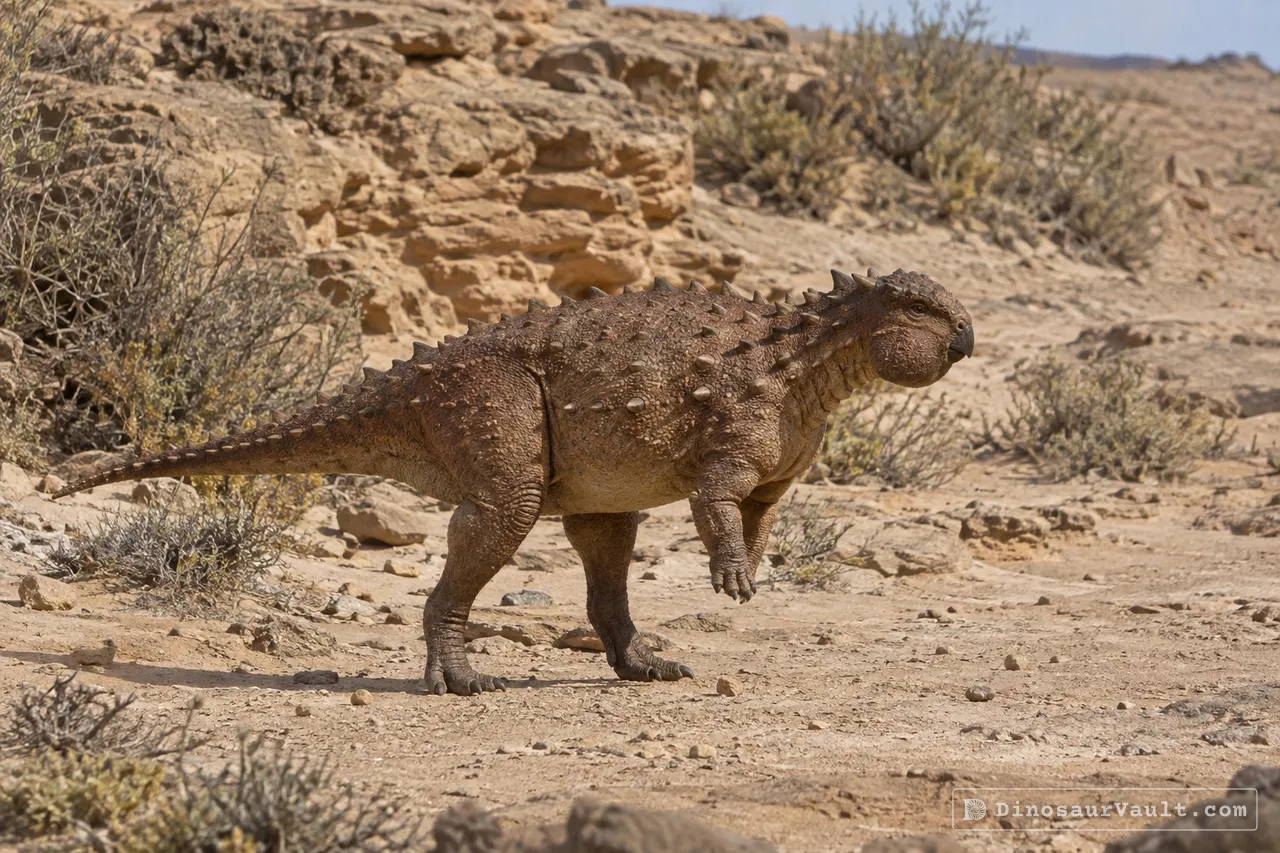
1 of 3
Lived alongside
Found in the same rock formations
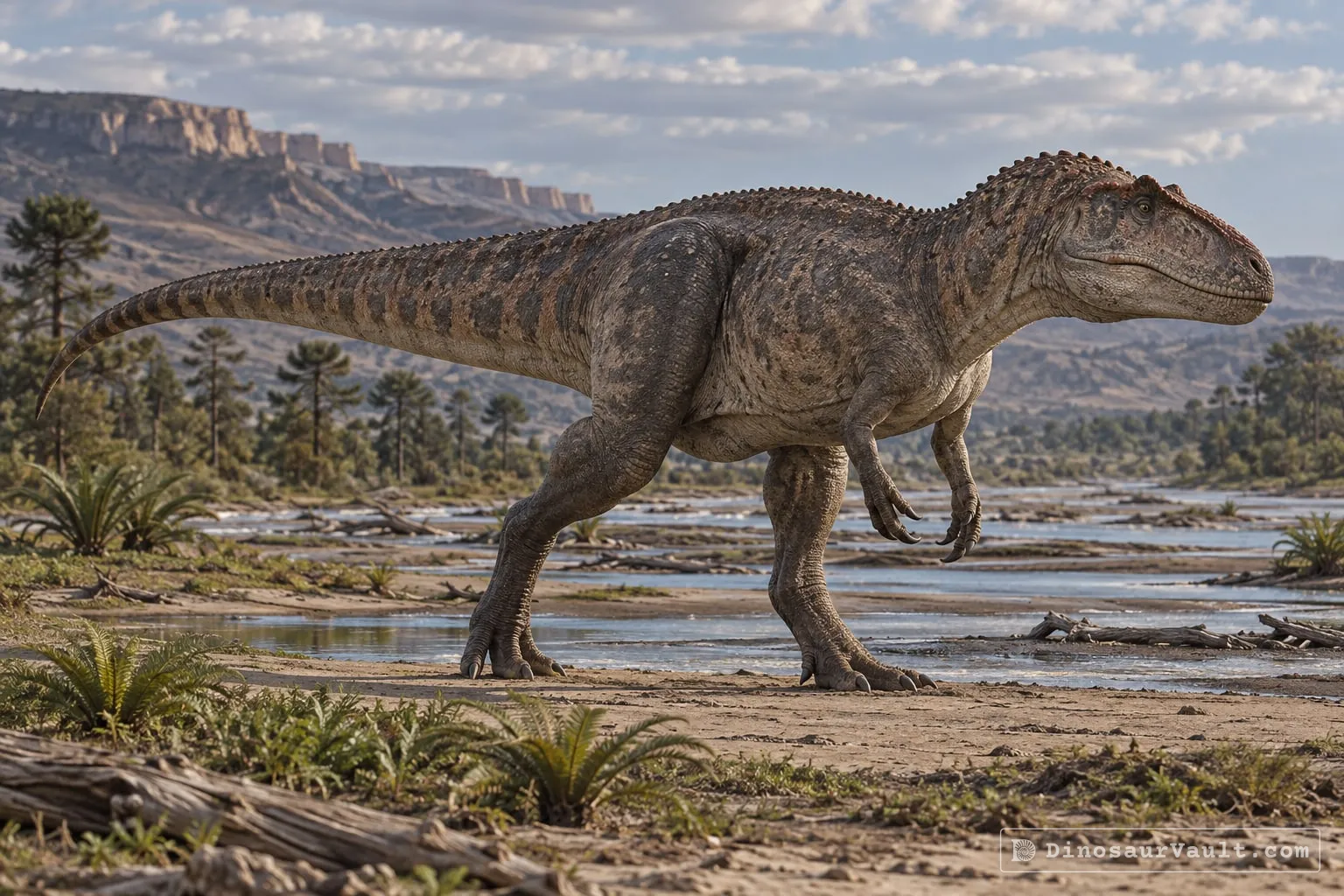
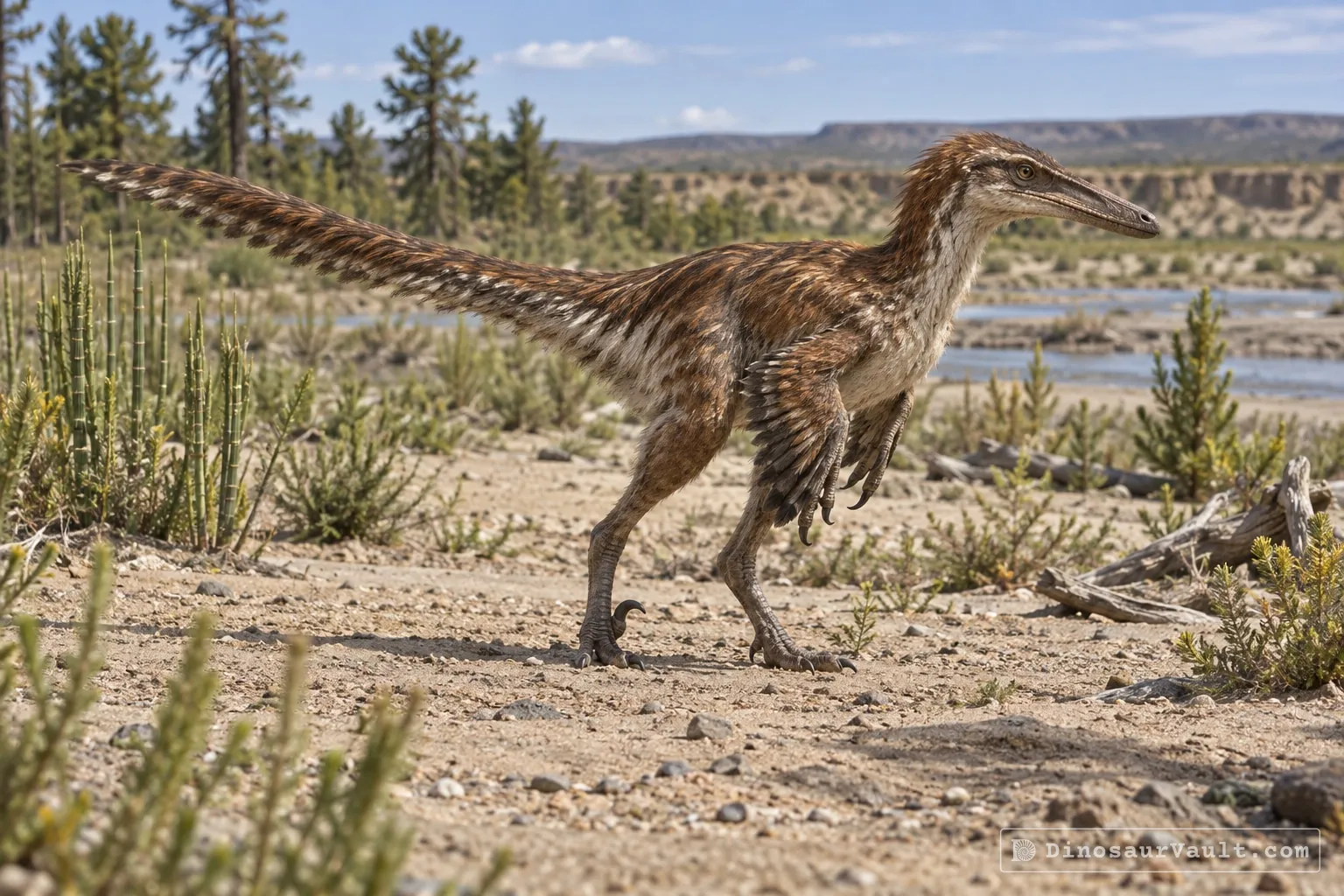
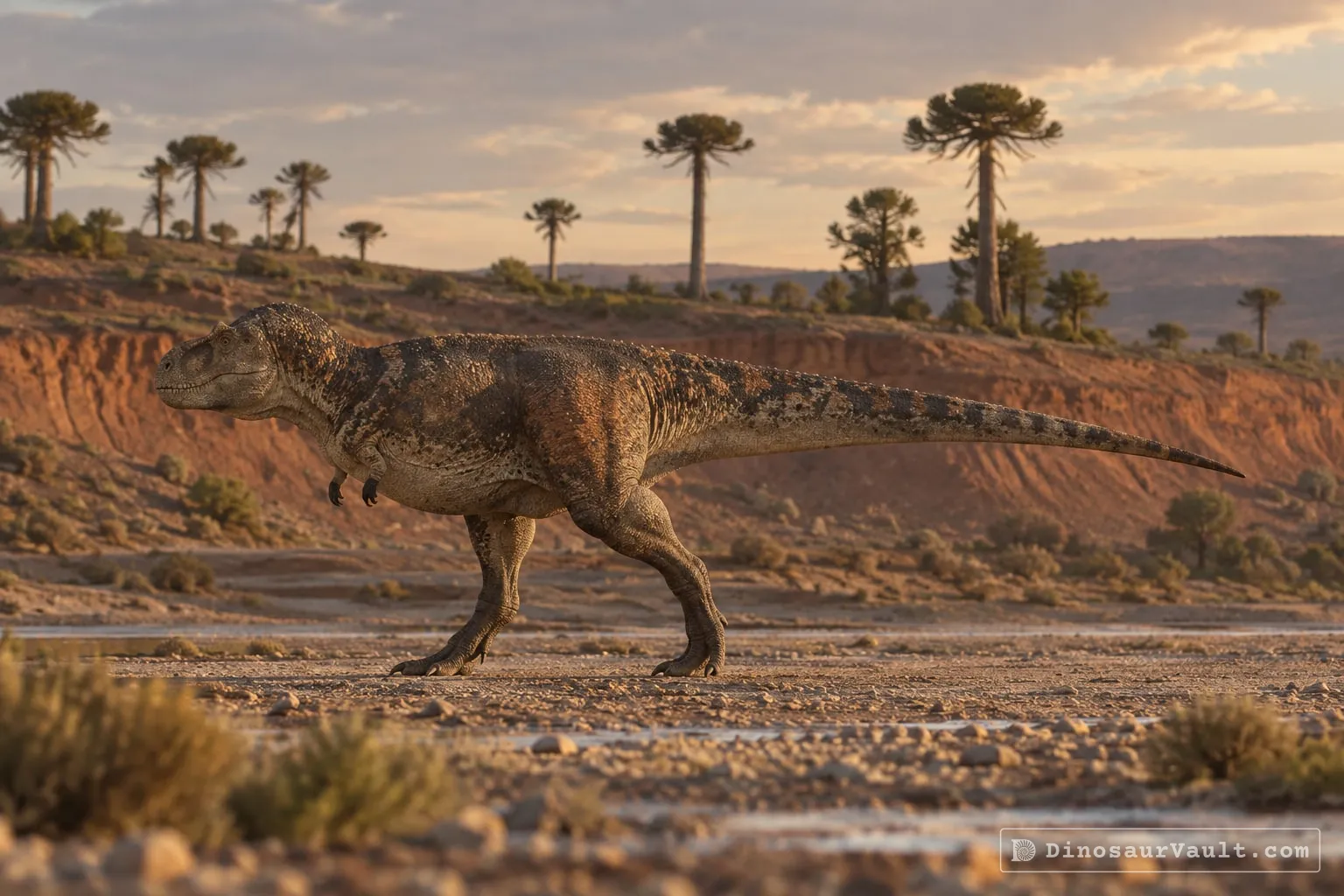
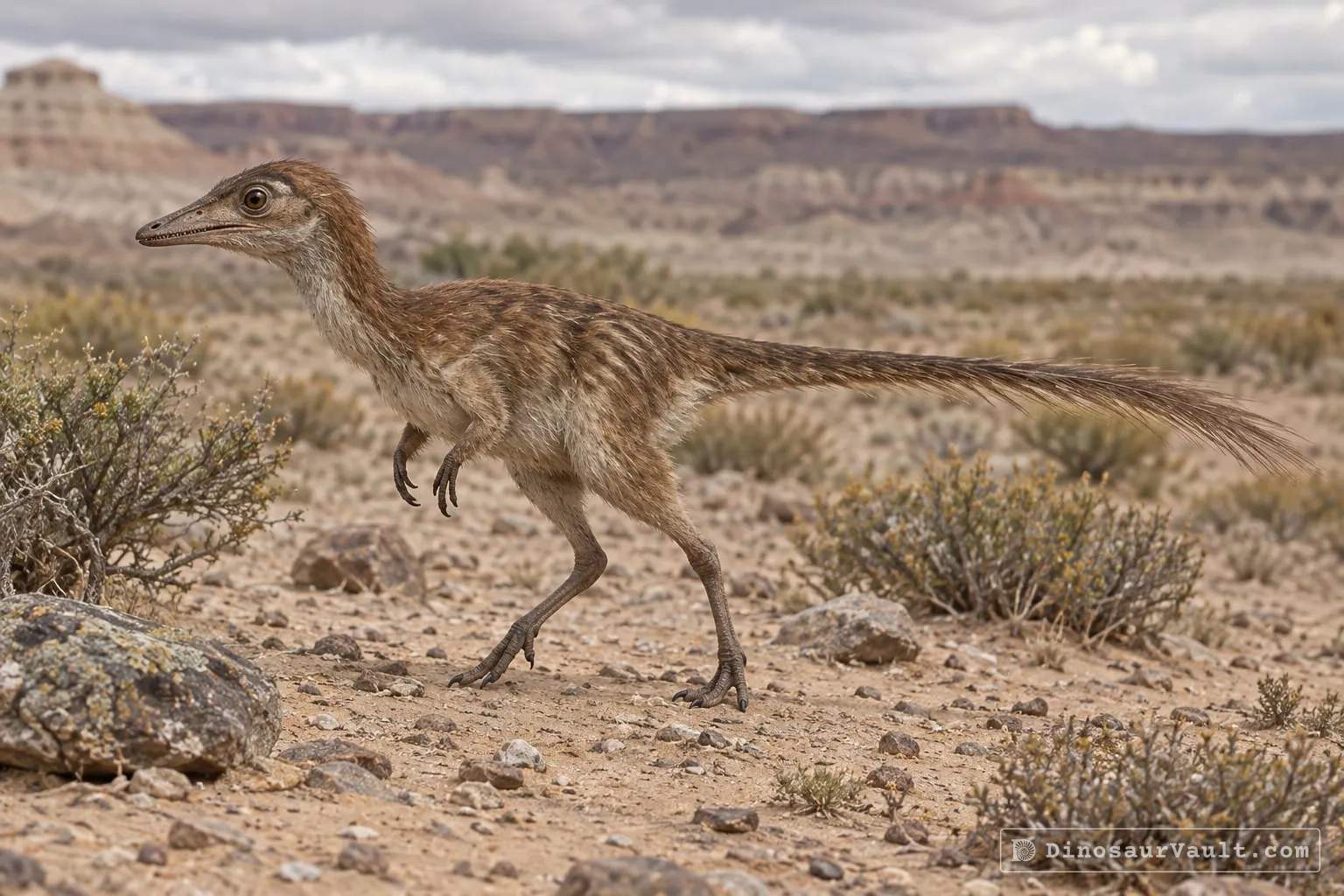
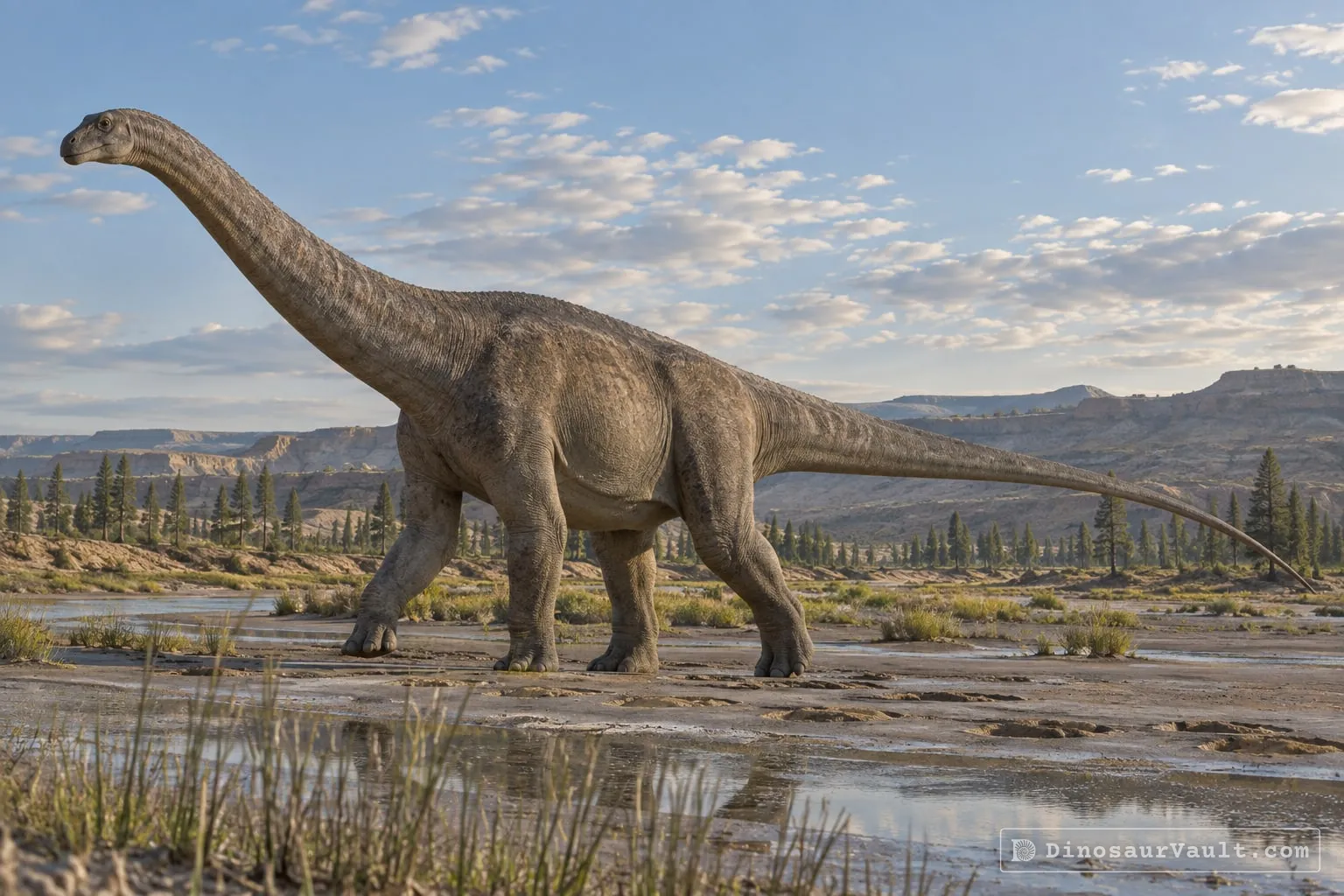
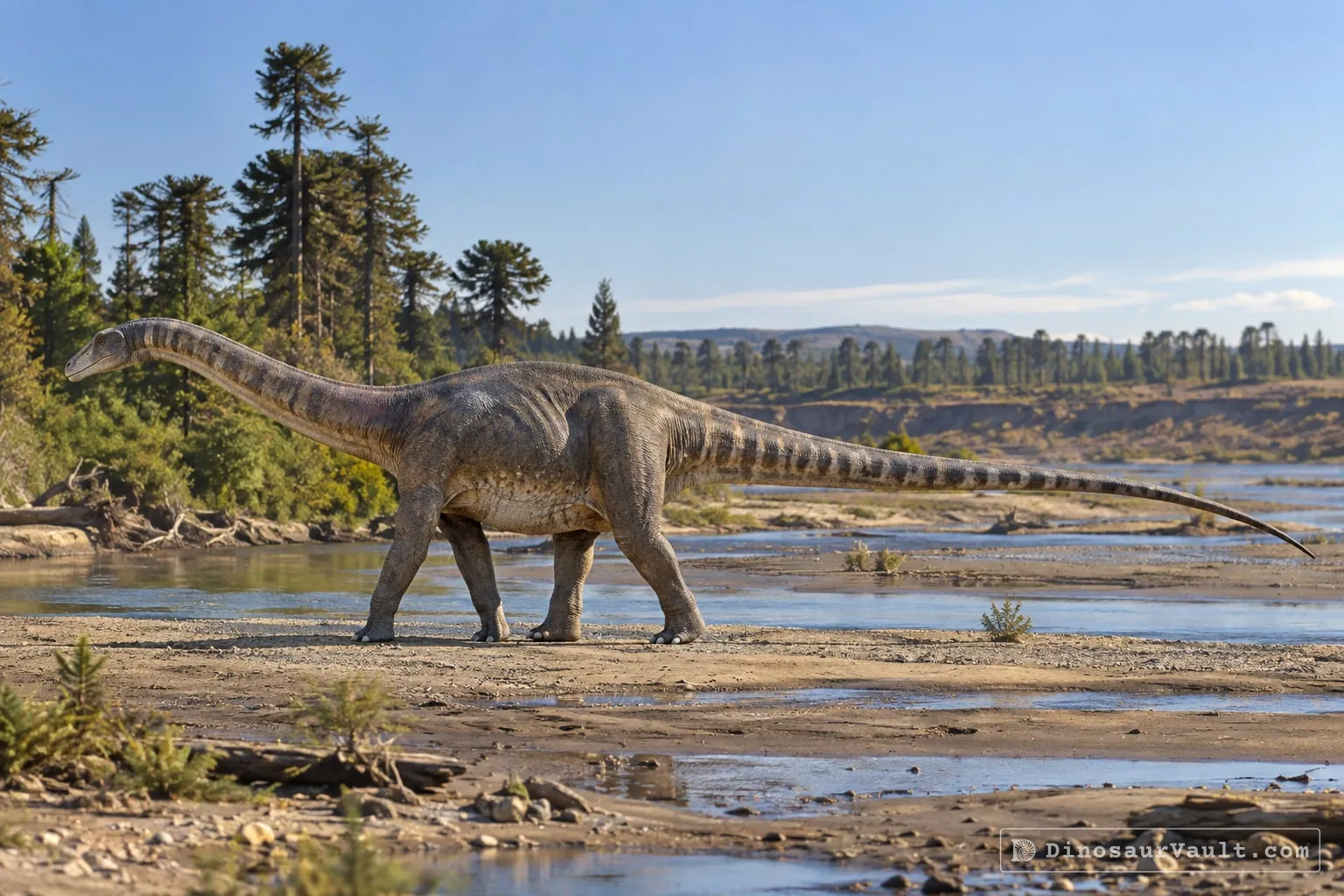
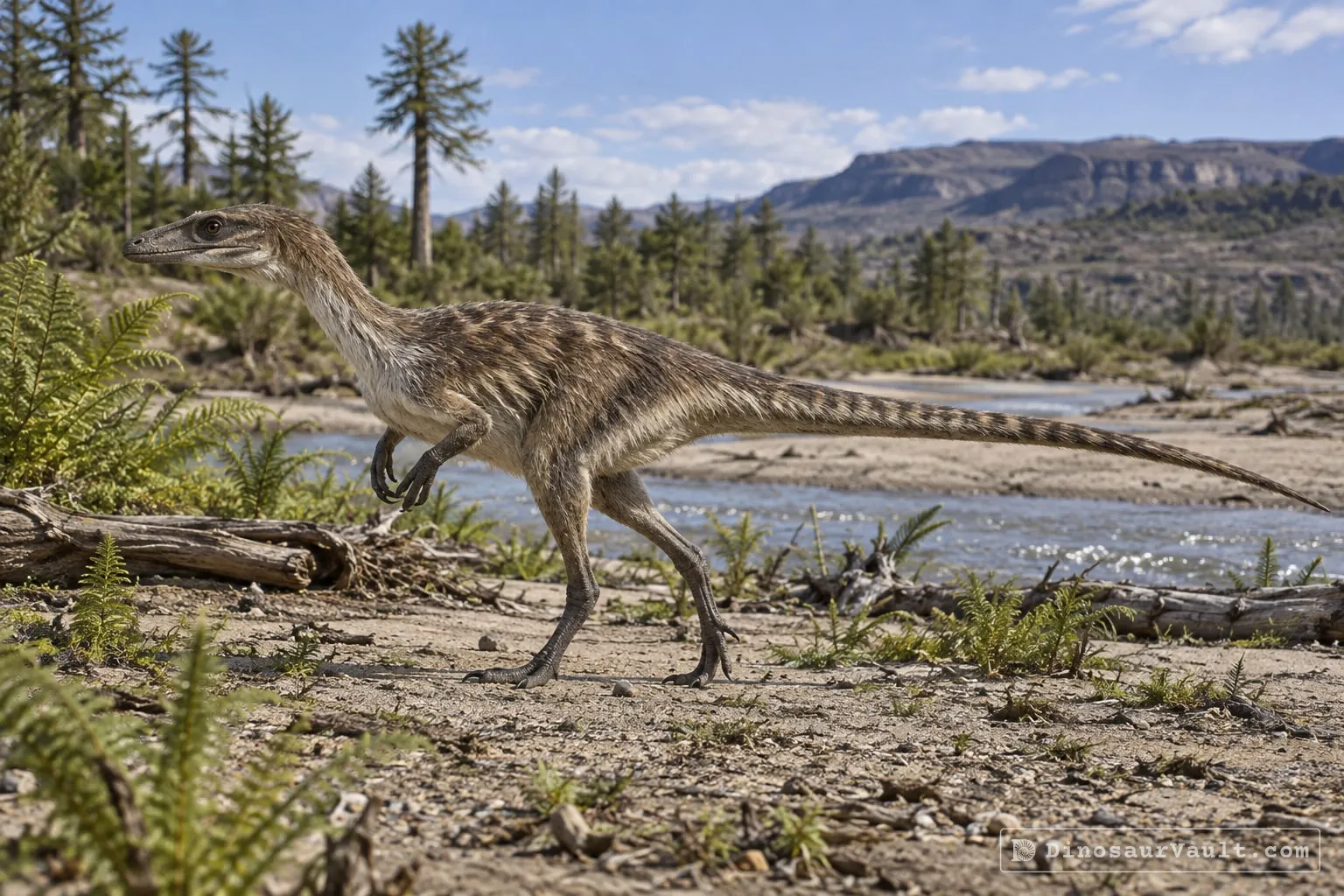


A rock formation can hold fossils laid down millions of years apart, so not every animal here met Jakapil.
The evidence
The science behind Jakapil
Which parts of the picture come from its own bones, and which come from its relatives.
From its own fossils
- A partial skeleton preserves a nearly complete lower jaw, deep toward the back with a large ridge along its underside, and leaf-shaped teeth worn where upper and lower teeth met.
- Its armor includes flat plates, small bony disks and pointed elements. A separate find of cone-shaped plates has also been referred to Jakapil.
- Its upper arms were slender and small, and one claw from the skeleton is blunt and hoof-like.
Borrowed from relatives
- Missing skull outlines are restored by comparison with Scelidosaurus.
- Scutellosaurus provides a comparison for restoring an early armored dinosaur that probably walked on its hind legs.
Still unknown
- The exact arrangement of its armor across the body.
- Its full-grown size and complete skull shape.
- Whether it was an early armored dinosaur at all. Its describers and a later study place it there, but other researchers have suggested it may be an armored relative of horned and dome-headed dinosaurs, or another kind of armored plant eater.
Discovery timeline
- 2021Close relativeBreeden et al.
- 2022Named itRiguetti, Apesteguía & Pereda-Suberbiola
- 2023Family treeRaven et al.
- 2026Family treeCross et al.
Key papers
The research behind what we know of Jakapil
Close relative
Described Scutellosaurus in detail, providing a comparison for the skeleton and posture of small early armored dinosaurs such as Jakapil.
The anatomy and palaeobiology of the early armoured dinosaur Scutellosaurus lawleri (Ornithischia: Thyreophora) from the Kayenta Formation (Lower Jurassic) of Arizona. Royal Society Open Science 8
Read the paper : The anatomy and palaeobiology of the early armoured dinosaur Scutellosaurus lawleri (Ornithischia: Thyreophora) from the Kayenta Formation (Lower Jurassic) of Arizona (opens in a new tab)Named it
Described a small armored dinosaur with a deep lower jaw and reduced arms, suggesting that it walked on its hind legs.
A new Cretaceous thyreophoran from Patagonia supports a South American lineage of armoured dinosaurs. Scientific Reports 12
Read the paper : A new Cretaceous thyreophoran from Patagonia supports a South American lineage of armoured dinosaurs (opens in a new tab)Family tree
A study of armored dinosaur relationships left Jakapil out but questioned whether it belongs with them, citing its toothless snout tip, short tooth row, deep jaw and unusual teeth.
The phylogenetic relationships and evolutionary history of the armoured dinosaurs (Ornithischia: Thyreophora). Journal of Systematic Palaeontology 21
Read the paper : The phylogenetic relationships and evolutionary history of the armoured dinosaurs (Ornithischia: Thyreophora) (opens in a new tab)Family tree
Compared tooth shapes across armored dinosaurs; Jakapil's unusual teeth gave inconsistent matches to the groups tested.
Reclassification of ankylosaurs with ambiguous taxonomy using tooth morphometrics. Zoological Journal of the Linnean Society 206
Read the paper : Reclassification of ankylosaurs with ambiguous taxonomy using tooth morphometrics (opens in a new tab)
Close relatives
Other members of Thyreophoroidea

Sources: Wikidata