Ekrixinatosaurus
"explosion-born lizard"
- Lived
- 113 to 110 million years ago, Early Cretaceous
- Diet
- Carnivore
- Group
- Theropods, Abelisauridae
- Found in
- Argentina
- Named by
- Calvo et al. 2004
Where its fossils were found
The evidence
Today

110 million years ago
Habitat
The Candeleros Formation records sandy landscapes crossed by rivers, with dunes in some areas. Giganotosaurus, Buitreraptor and Andesaurus are also known from these rocks.
Field notes
About Ekrixinatosaurus
What it was like
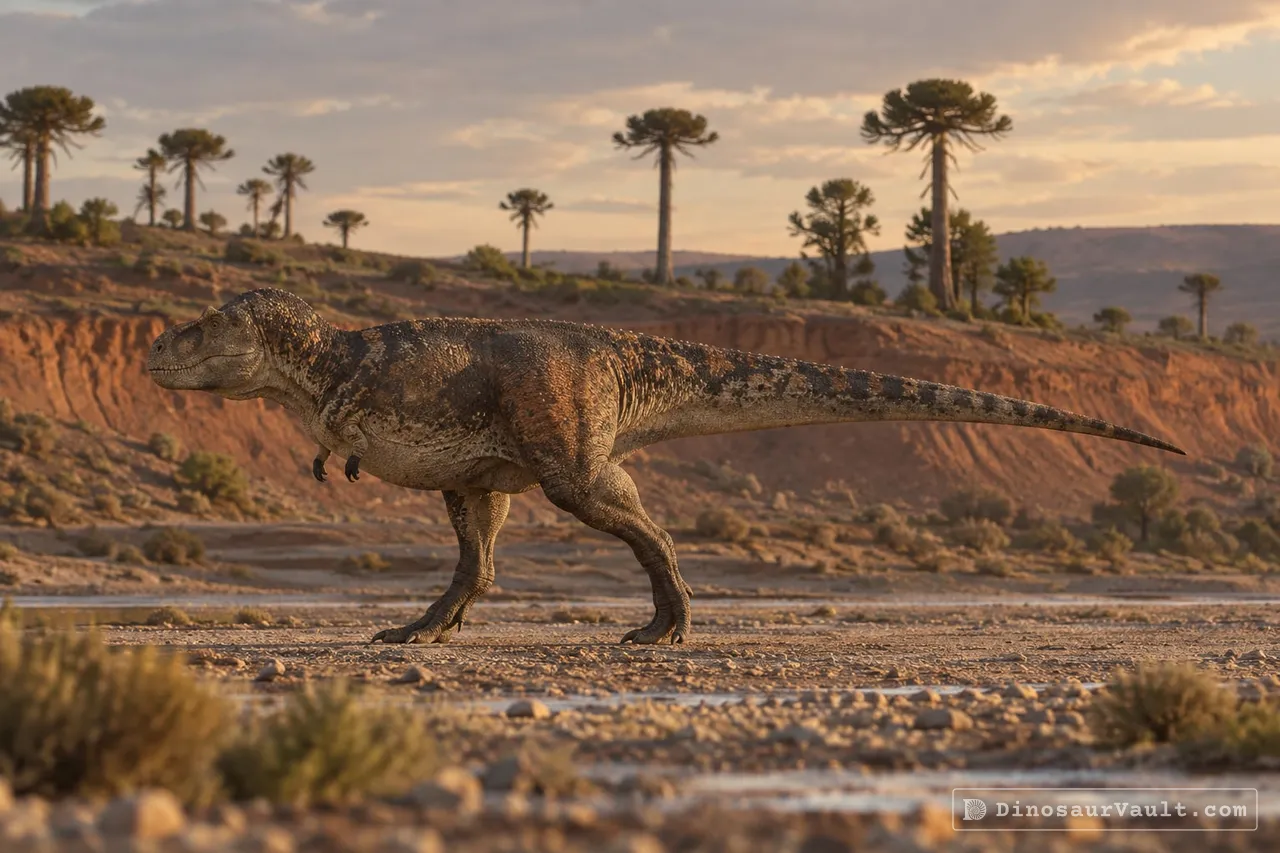
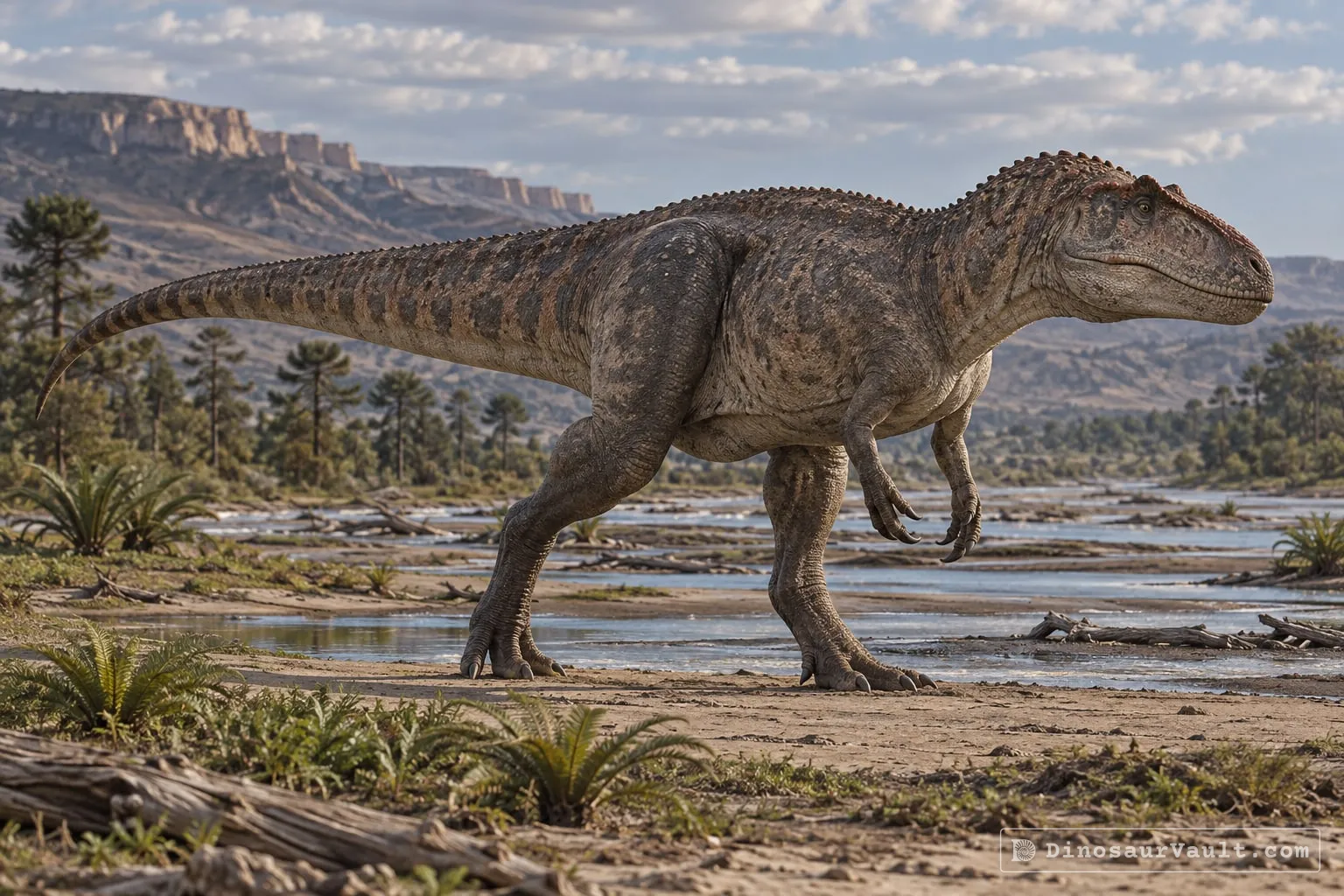
Ekrixinatosaurus was a large abelisaurid, a family of predators with short, deep skulls and tiny arms. It is known from parts of the skull, jaws, backbone and limbs, which show a heavily built animal.
Its world
It lived about 113 to 110 million years ago, in the Early Cretaceous, in what is now Argentina. Its bones come from the Candeleros Formation, where it shared the land with the giant predator Giganotosaurus, the small hunter Buitreraptor and sauropods such as Limaysaurus and Andesaurus.
How it was found
Calvo and colleagues named it in 2004 from one find. Its name refers to the blasting during building work that uncovered the bones.
Field gallery
More views of Ekrixinatosaurus
Scenes reconstructed from the available fossil evidence.
1 of 3
Lived alongside
Found in the same rock formations
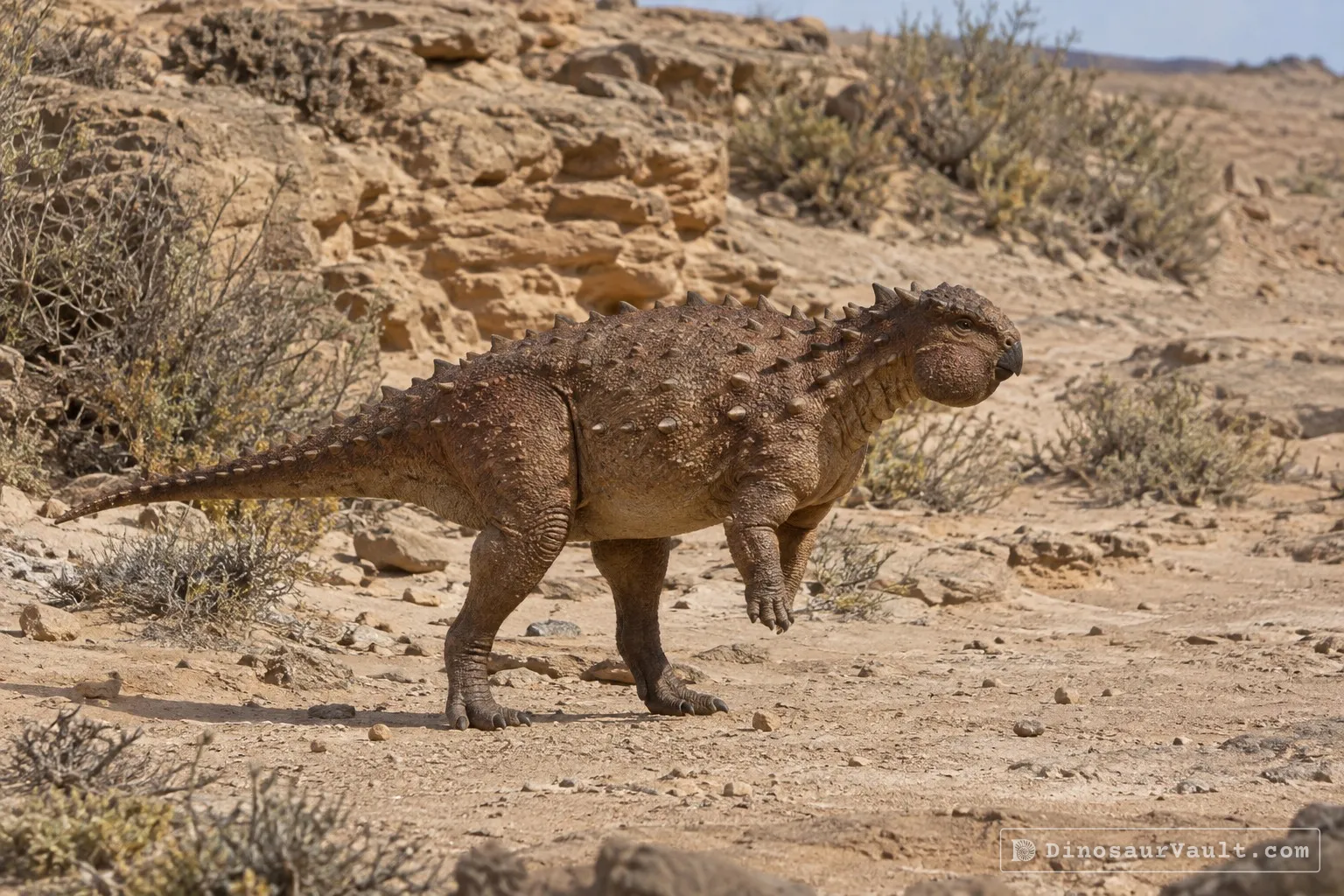
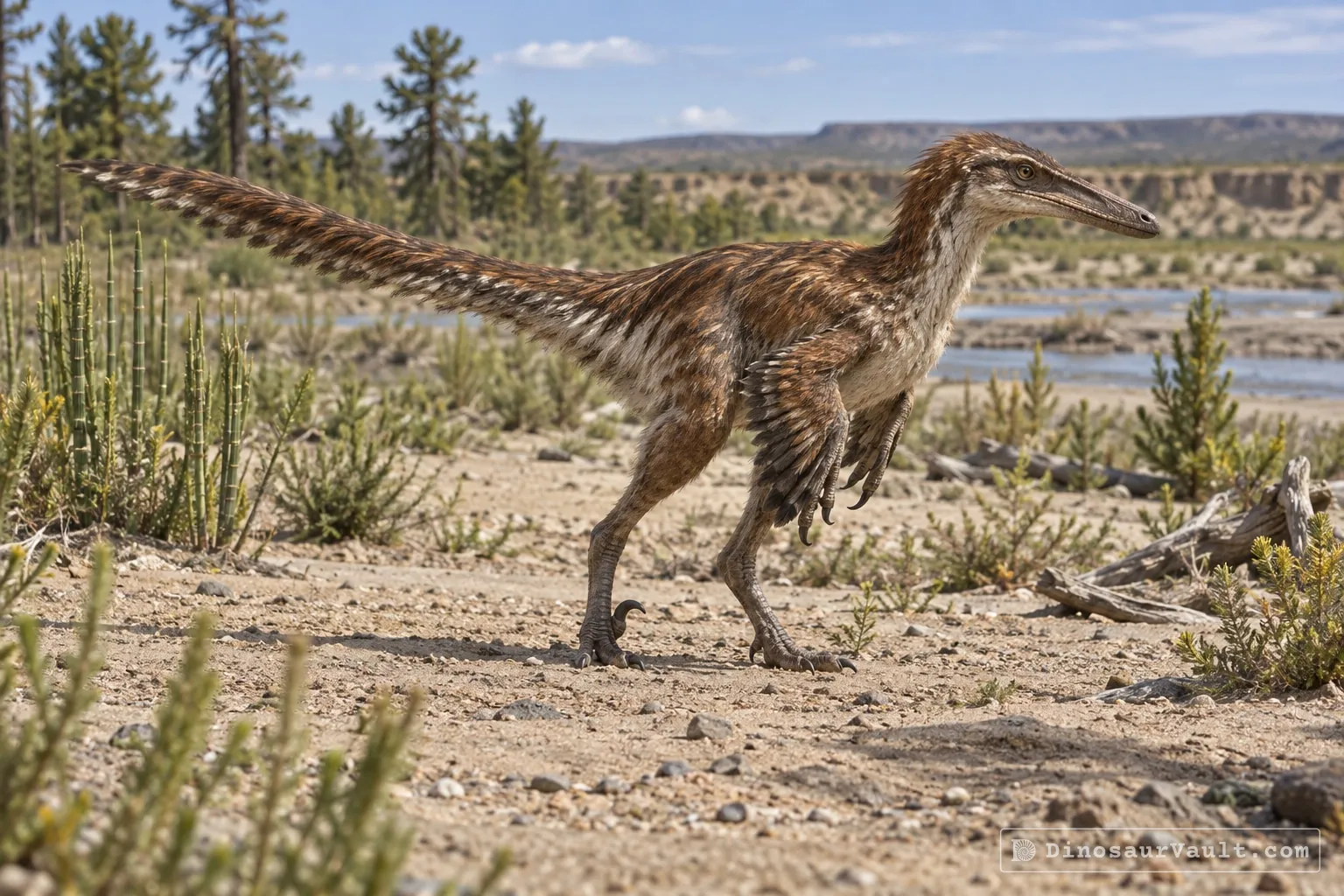
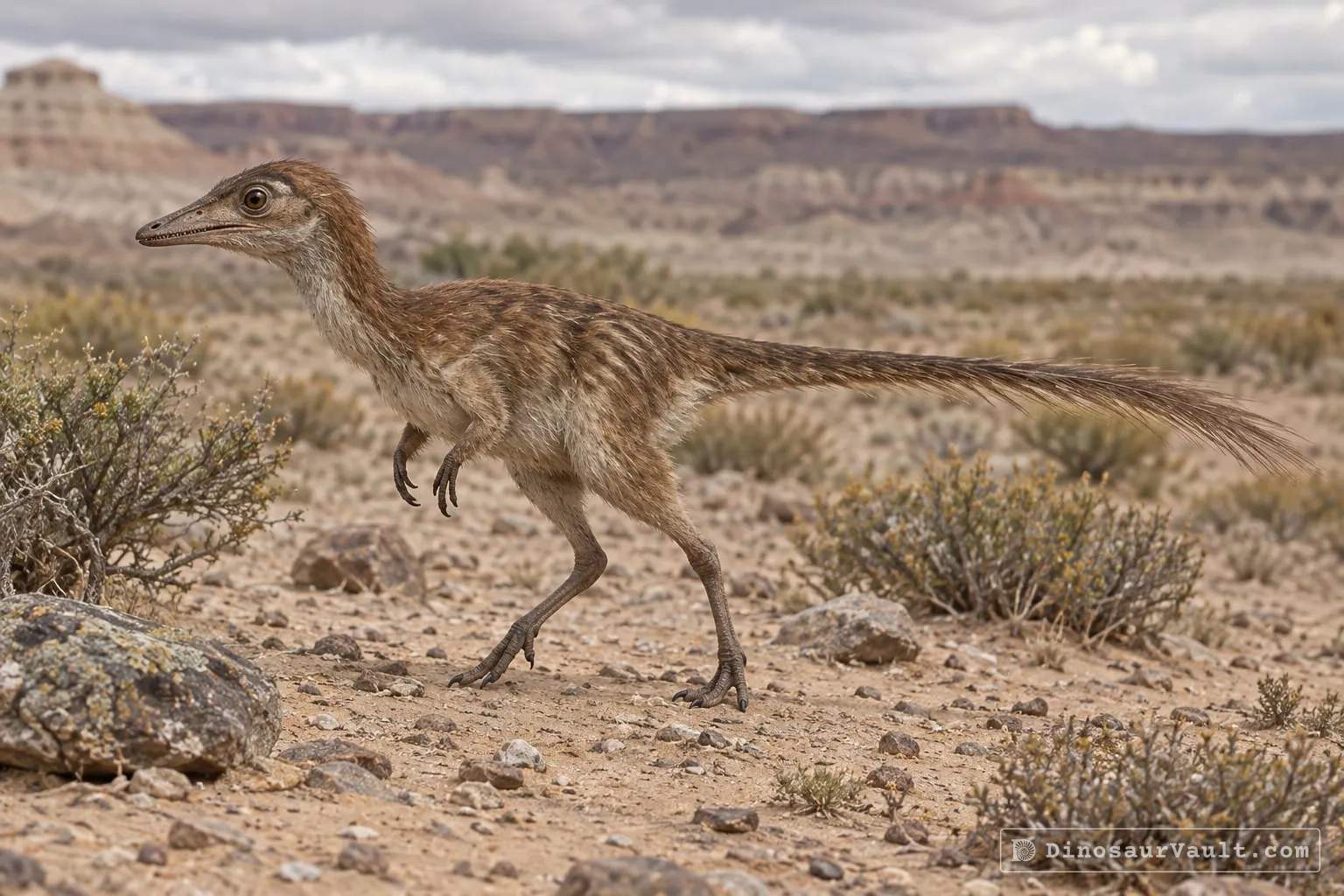
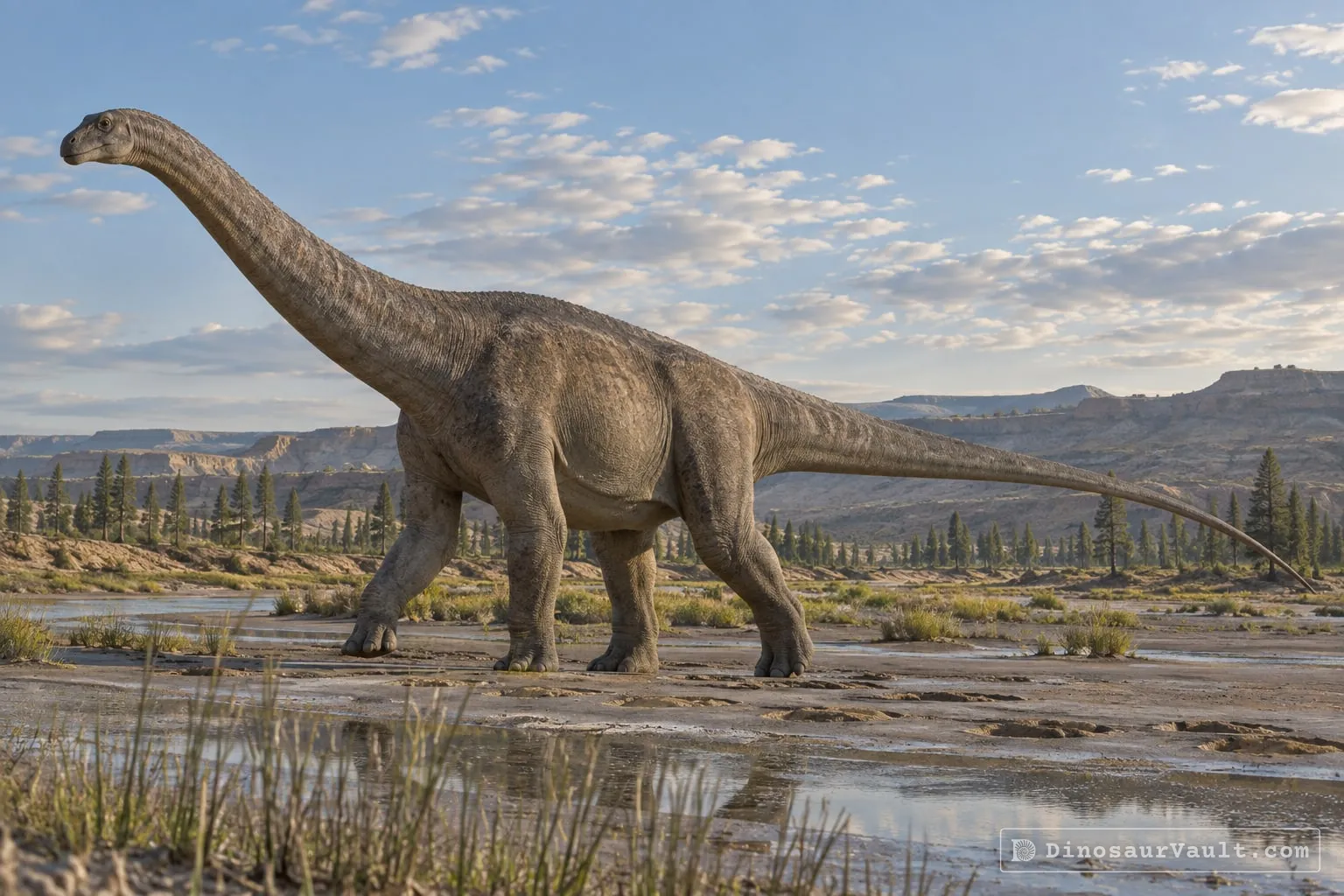
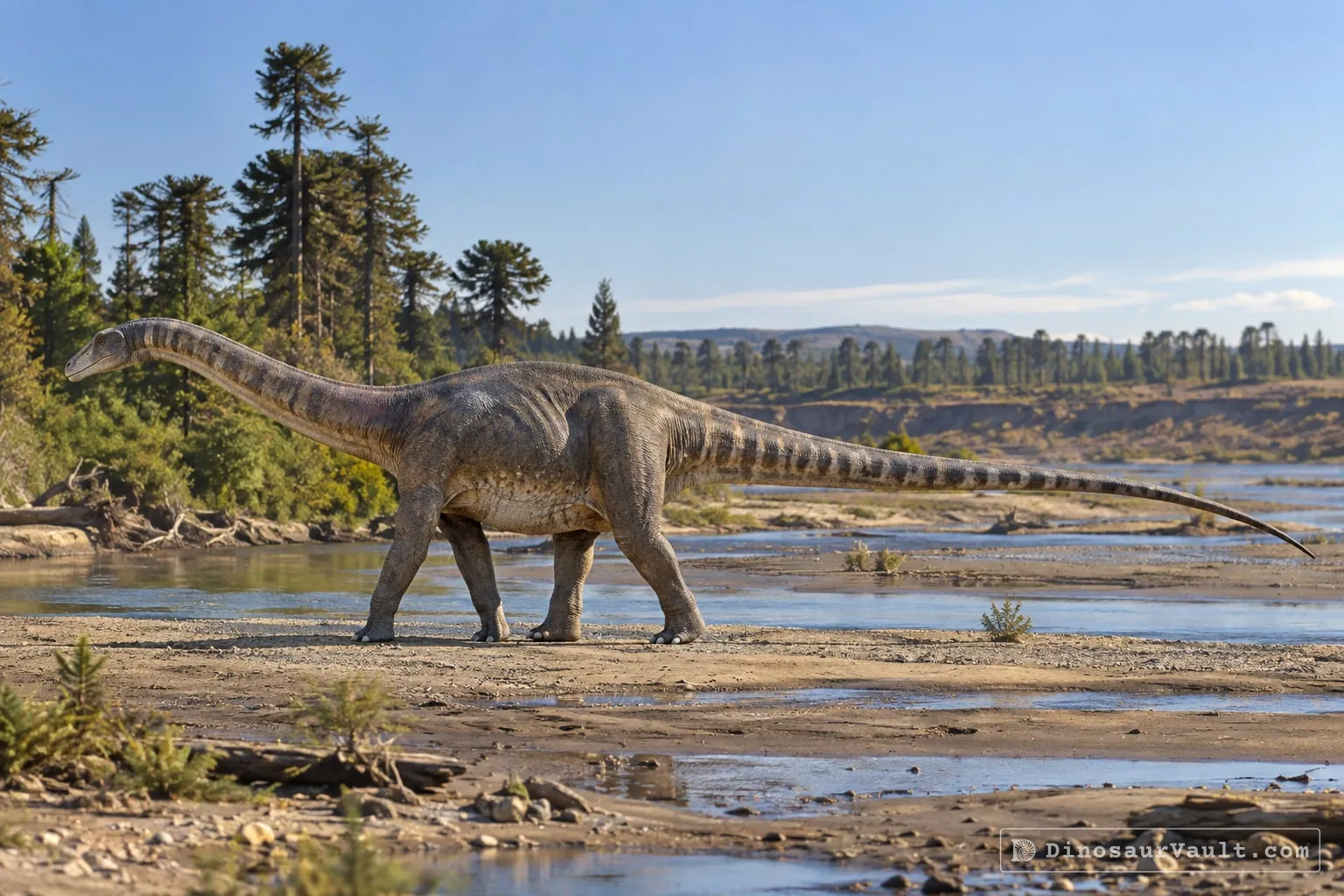
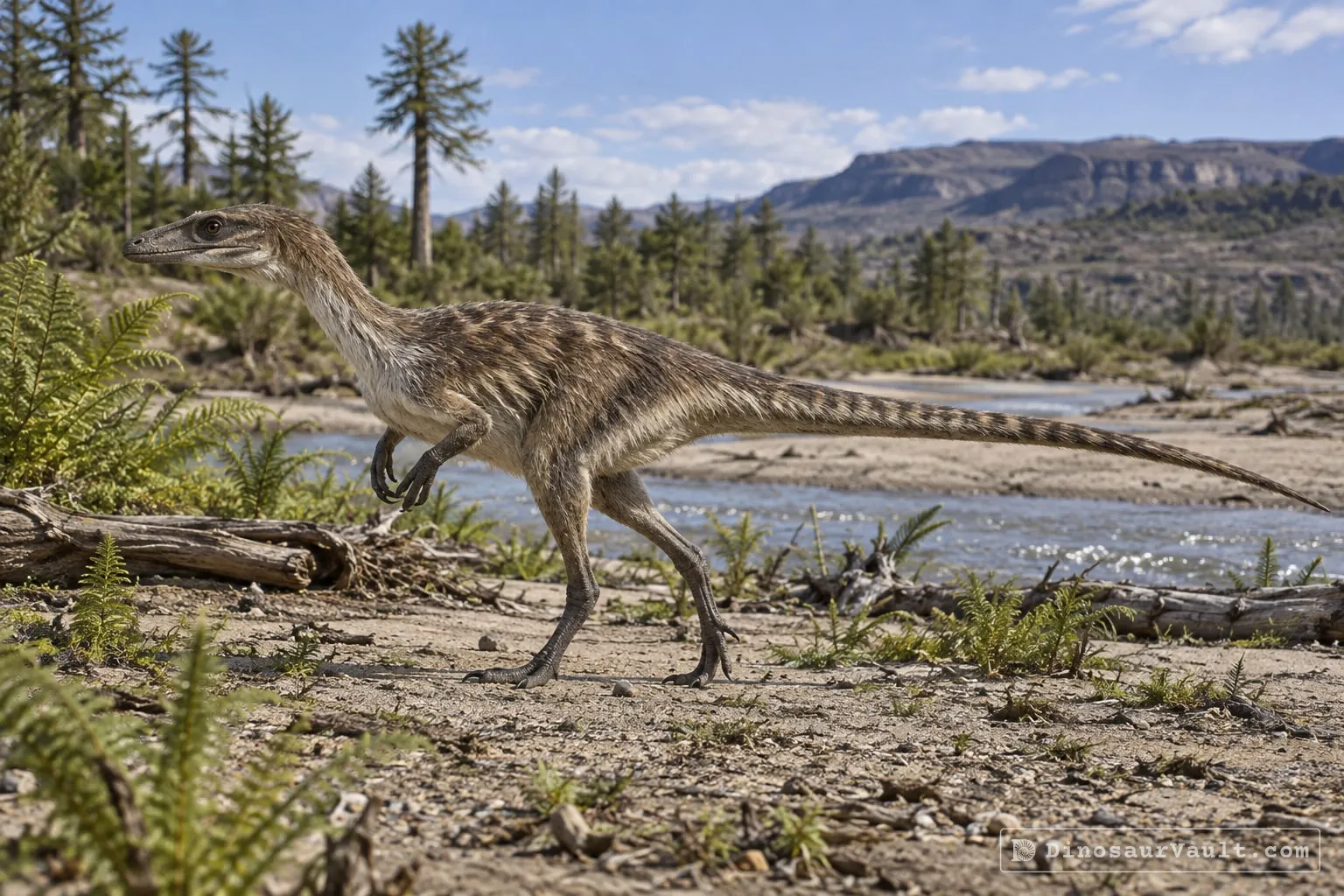
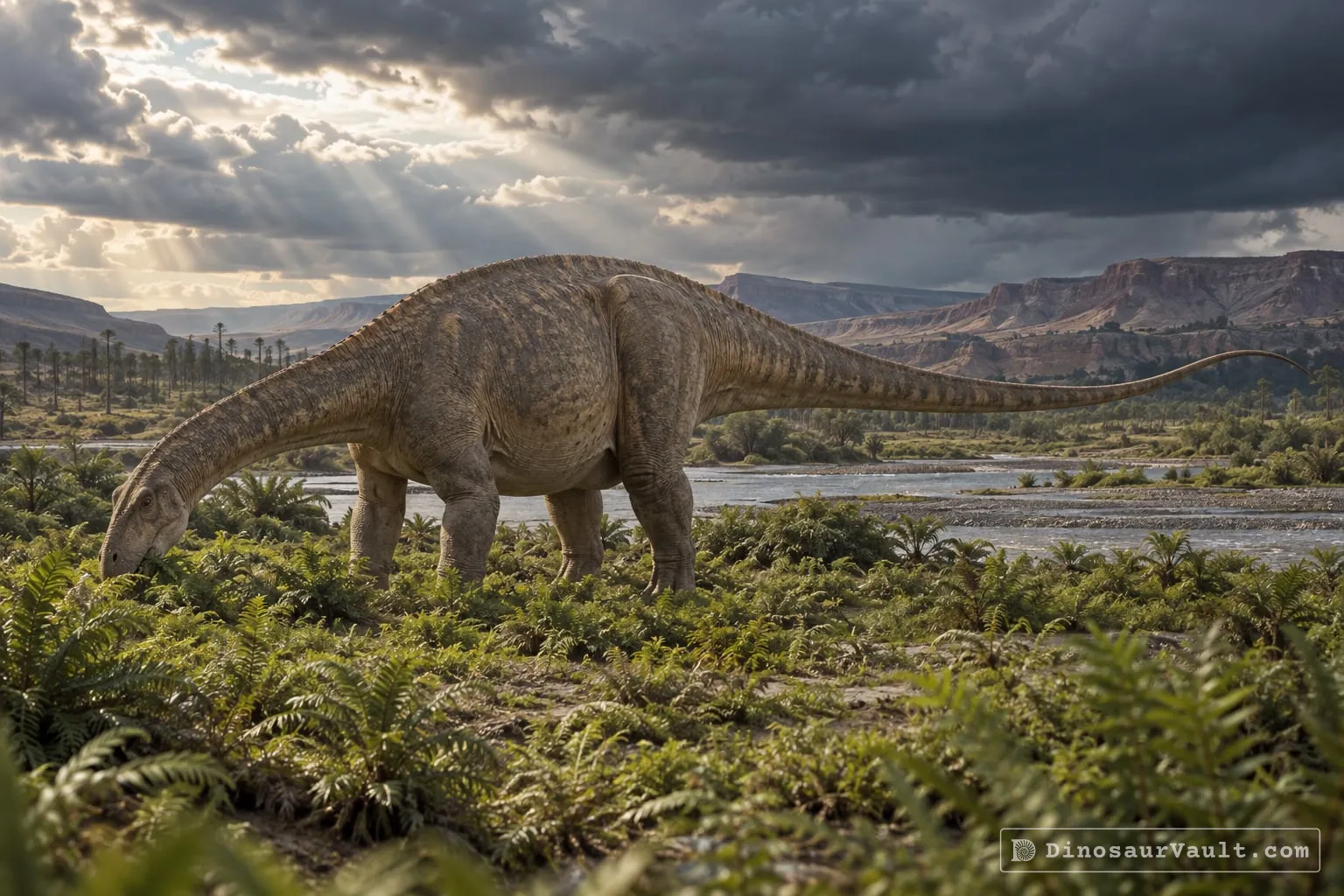


A rock formation can hold fossils laid down millions of years apart, so not every animal here met Ekrixinatosaurus.
The evidence
The science behind Ekrixinatosaurus
Which parts of the picture come from its own bones, and which come from its relatives.
From its own fossils
- Parts of the skull, jaws, backbone, pelvis and hind legs show a heavily built predator.
- The upper jaw is short and deep, while the lower jaw has a curved underside and a rounded front.
- The thigh and shin bones are stout, with the shin shorter than the thigh.
Borrowed from relatives
- Majungasaurus guides the missing front of the snout and other gaps in the skull.
- Aucasaurus and Carnotaurus provide comparisons for the missing, greatly reduced arms and hands.
- Scaly skin follows the preserved skin of Carnotaurus.
Still unknown
- Its complete skull shape and overall body proportions.
- The exact shape of its hands and fingers.
- Its skin texture and color.
Often drawn wrong
- Paired horns copy Carnotaurus rather than the known skull bones of Ekrixinatosaurus.
- Large grasping hands copy other theropods rather than the reduced arms of its abelisaurid relatives.
Discovery timeline
- 2004Named itCalvo, Rubilar-Rogers & Moreno
- 2011Close relativeRUIZ et al.
- 2021SkinHendrickx & Bell
Key papers
The research behind what we know of Ekrixinatosaurus
Named it
Named Ekrixinatosaurus from a partial skull and skeleton showing a robust abelisaurid predator.
A new Abelisauridae (Dinosauria: Theropoda) from northwest Patagonia. Ameghiniana 41: 555-563
No link available
Close relative
Compared the reduced hands of Carnotaurus, Aucasaurus and Majungasaurus, providing a guide to the missing forelimbs of Ekrixinatosaurus.
The hand structure of Carnotaurus sastrei (Theropoda, Abelisauridae): implications for hand diversity and evolution in abelisaurids. Palaeontology 54: 1271-1277
Read the paper : The hand structure of Carnotaurus sastrei (Theropoda, Abelisauridae): implications for hand diversity and evolution in abelisaurids (opens in a new tab)Skin
Described varied scales in Carnotaurus, supporting scaly skin as a comparison for Ekrixinatosaurus.
The scaly skin of the abelisaurid Carnotaurus sastrei (Theropoda: Ceratosauria) from the Upper Cretaceous of Patagonia. Cretaceous Research 128: 104994
Read the paper : The scaly skin of the abelisaurid Carnotaurus sastrei (Theropoda: Ceratosauria) from the Upper Cretaceous of Patagonia (opens in a new tab)
Close relatives
Other members of Abelisauridae


Sources: Wikidata