Ziapelta
"Zia shield"
- Lived
- 84 to 72 million years ago, Late Cretaceous
- Diet
- Herbivore
- Group
- Ankylosaurs, Ankylosauridae
- Found in
- United States
- Named by
- Arbour et al. 2014
Where its fossils were found
The evidence
Today

80 million years ago
Habitat
It probably browsed on low plants on river plains in what is now New Mexico. Other dinosaurs from the Kirtland Formation include Bistahieversor, Parasaurolophus and Pentaceratops.
Field notes
About Ziapelta
What it was like
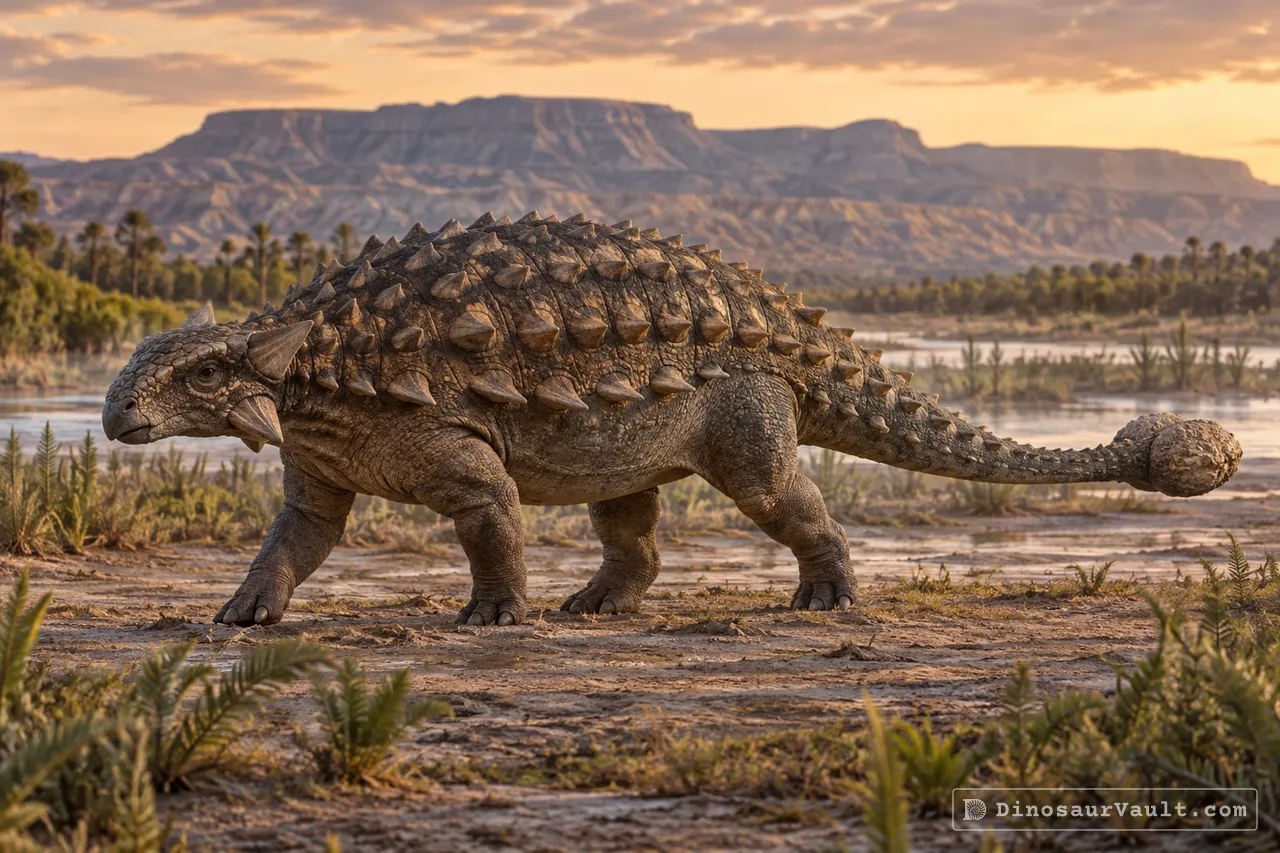
Ziapelta was an ankylosaur, a low, armored plant eater with a tail club. It had large, curved horns at the back of its skull and a pattern of bony tiles on its snout.
Its world
It lived in the Late Cretaceous, in what is now New Mexico. It comes from the Kirtland Formation, where it shared the land with the tyrannosaur Bistahieversor, the horned Pentaceratops and the crested duckbill Parasaurolophus.
How it was found
Arbour and colleagues named Ziapelta in 2014. Its name comes from a sun symbol on the flag of New Mexico.
Field gallery
More views of Ziapelta
Scenes reconstructed from the available fossil evidence.
1 of 3
Lived alongside
Found in the same rock formations
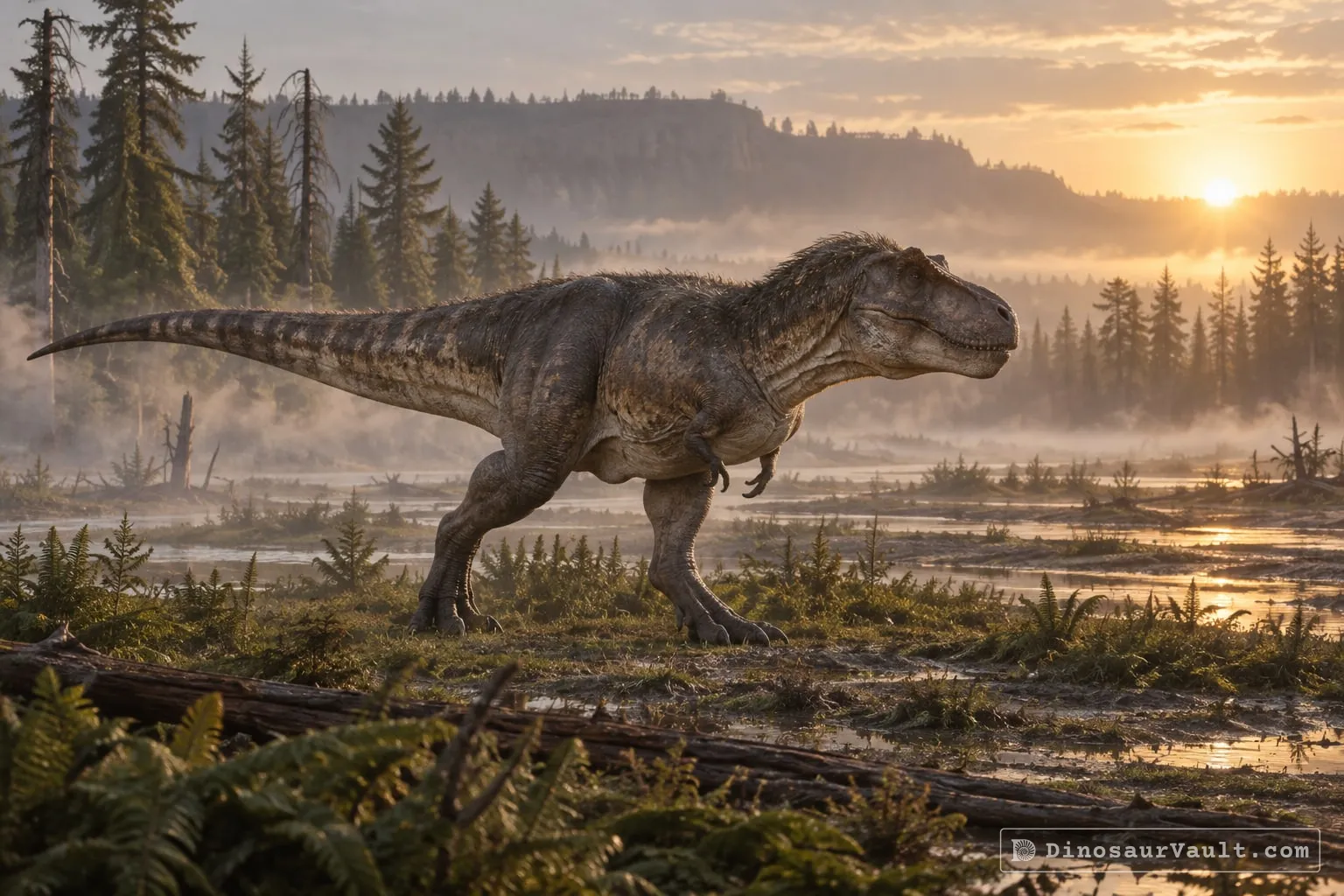
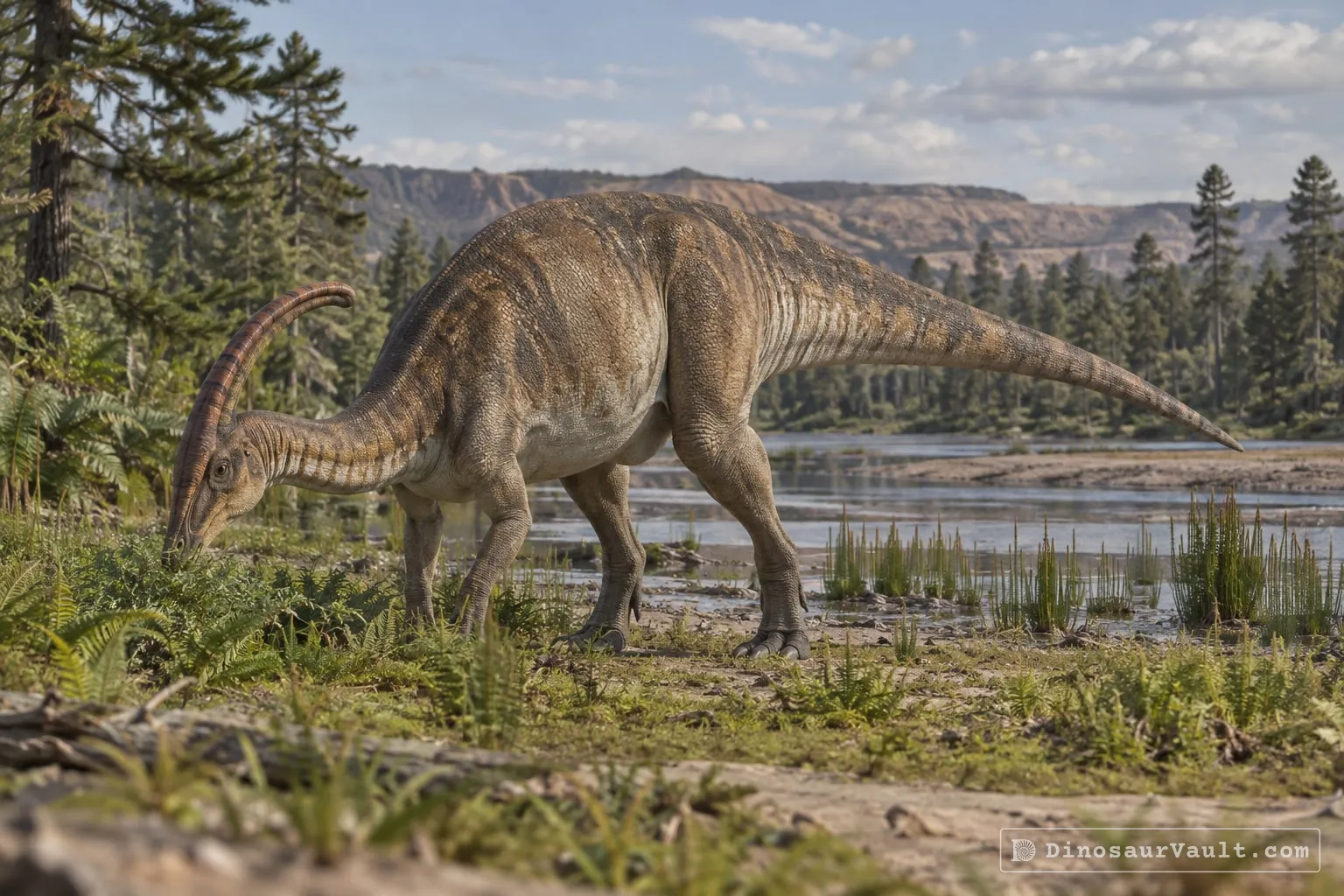
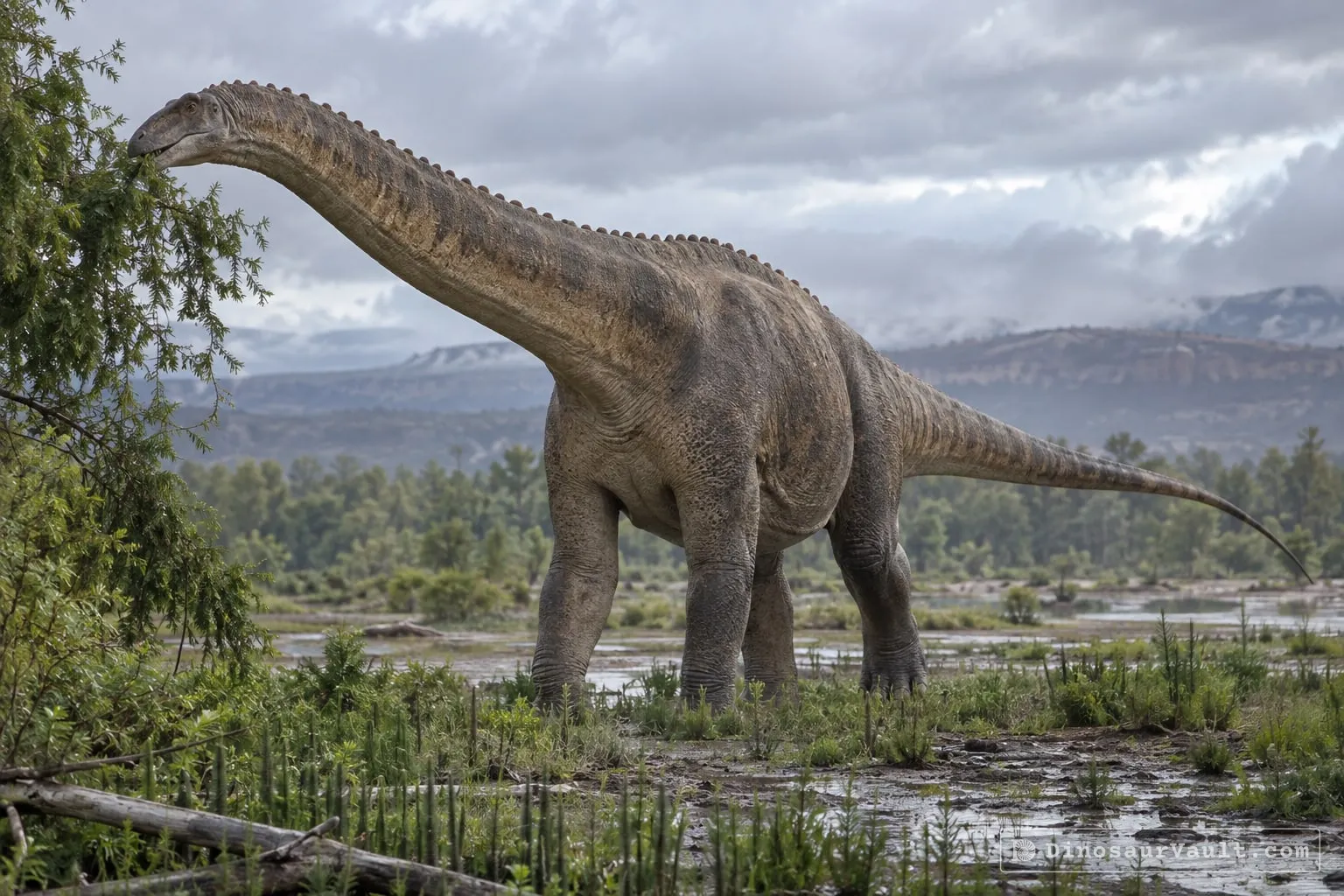
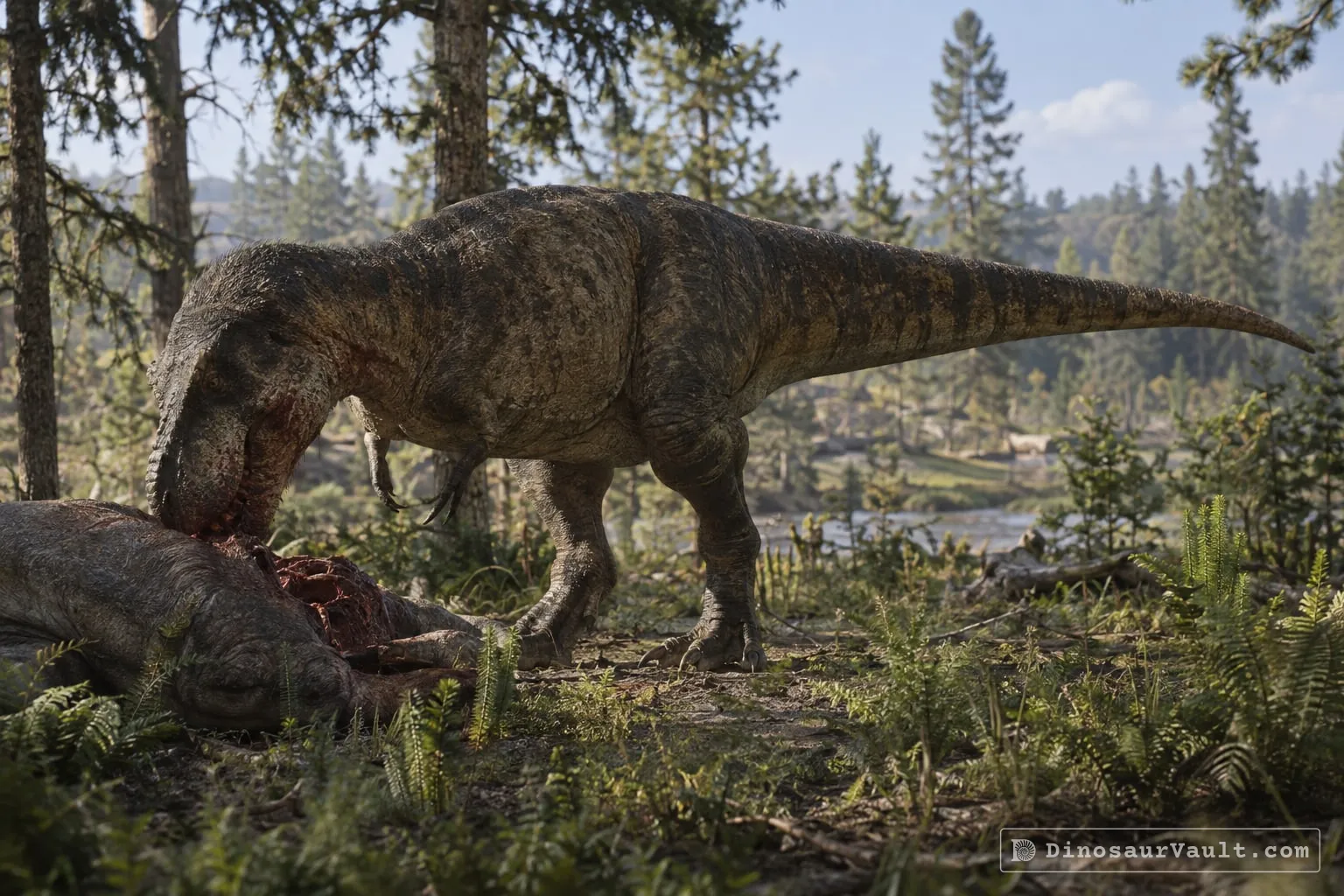
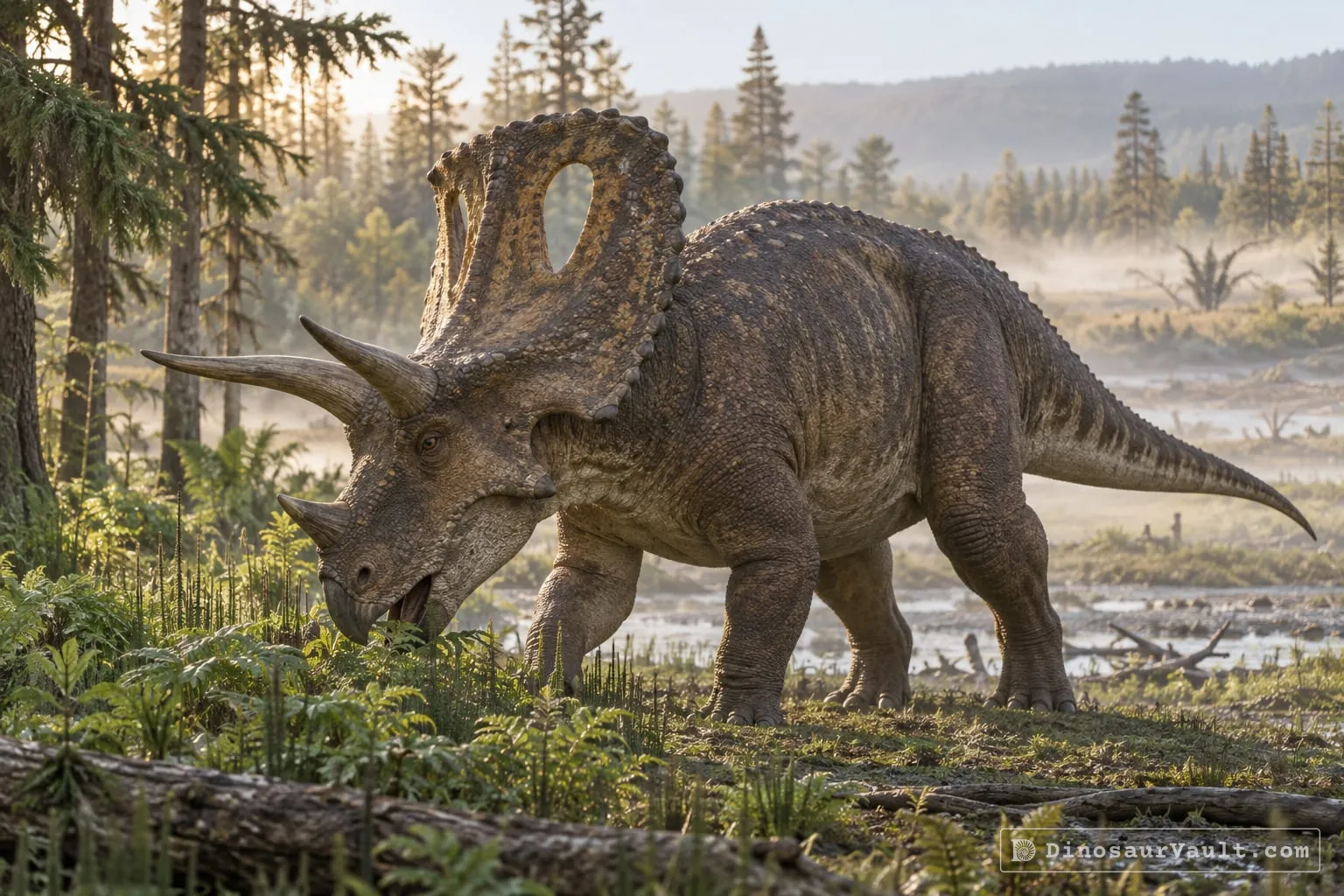
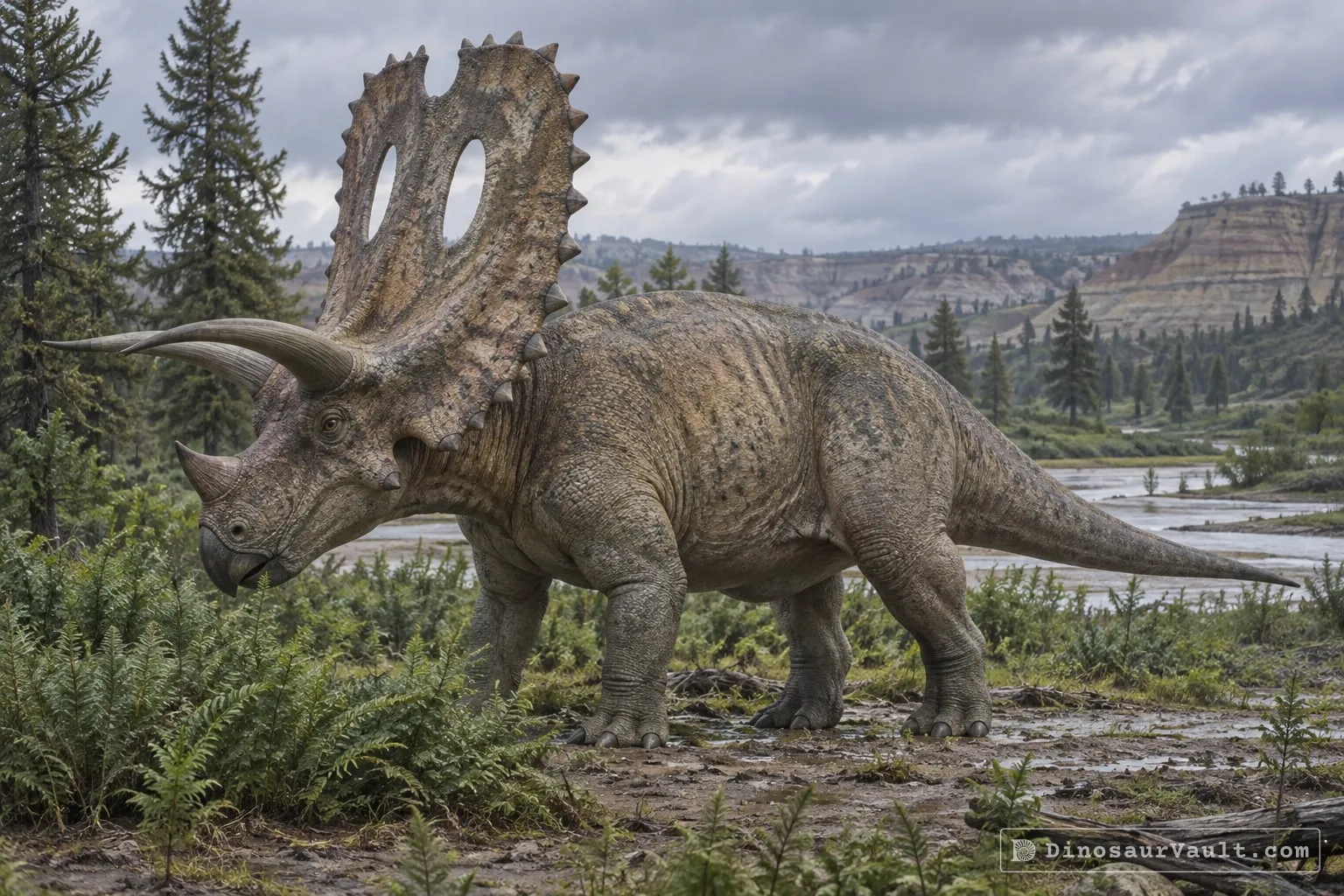
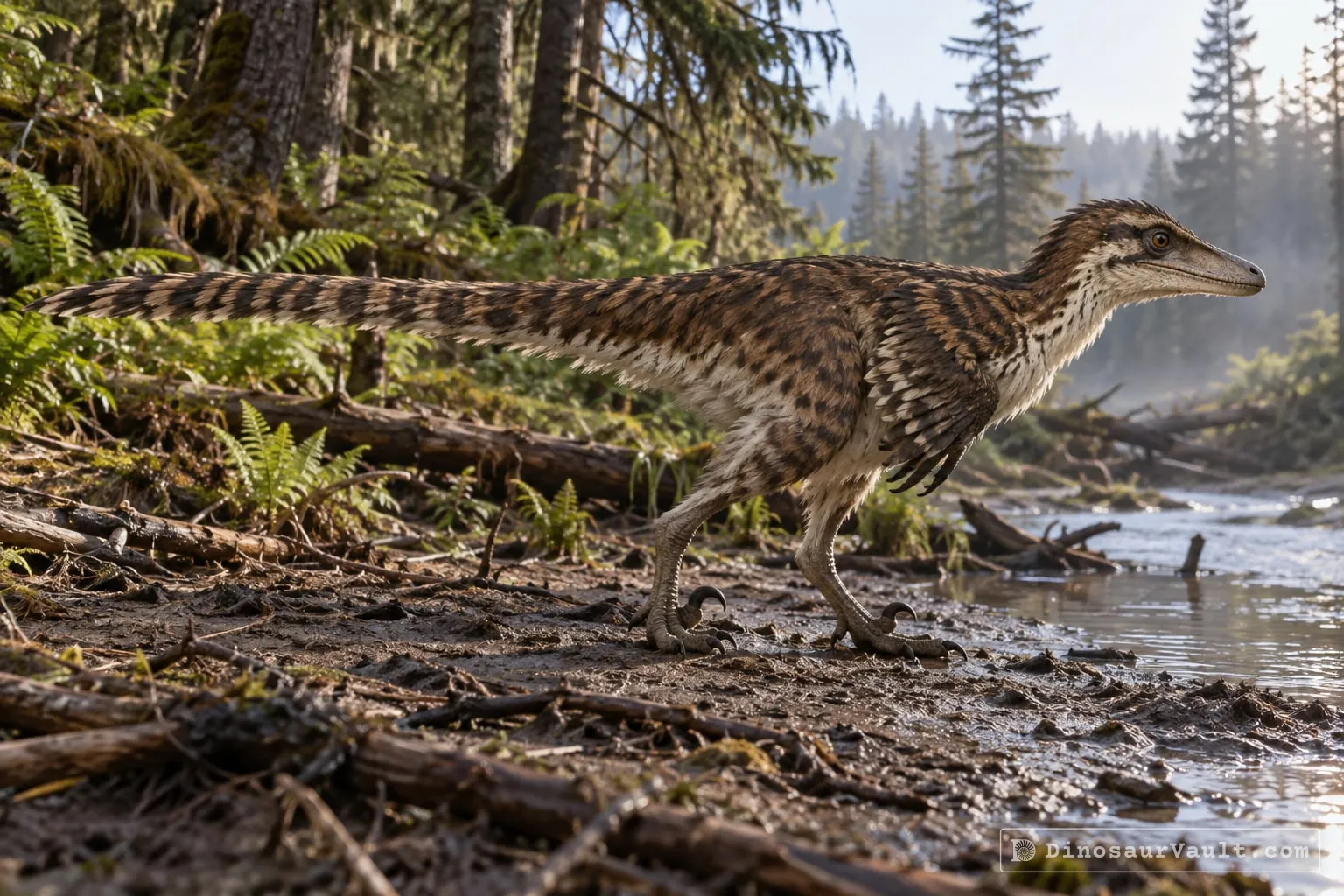
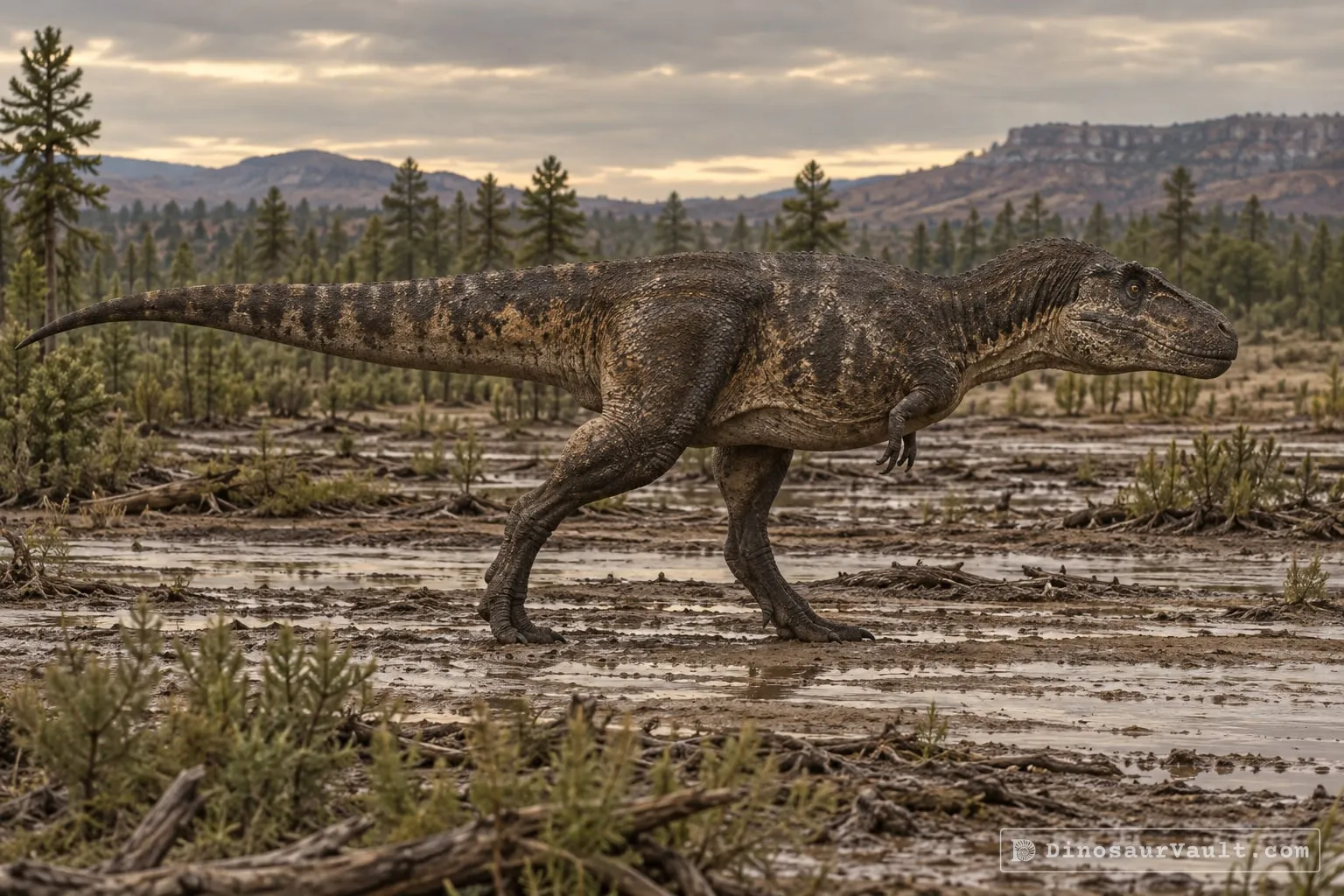


A rock formation can hold fossils laid down millions of years apart, so not every animal here met Ziapelta.
The evidence
The science behind Ziapelta
Which parts of the picture come from its own bones, and which come from its relatives.
From its own fossils
- Its fossils include a skull, bands of neck armor and separate fragments of bony armor.
- A large triangular bony tile sits in the middle of the snout, surrounded by a mixture of flat and bulging tiles.
- Thick horns at the back of the skull point outward and downward.
Borrowed from relatives
- The missing body and tail club are restored from more complete ankylosaurids such as Euoplocephalus and Zuul.
Still unknown
- The complete arrangement of armor along its back.
- The shape and size of its tail club.
- Its skin color.
Discovery timeline
- 2014Named itArbour et al.
- 2015Family treeArbour & Currie
- 2017Close relativeArbour & Evans
Key papers
The research behind what we know of Ziapelta
Named it
Named Ziapelta from its distinctive skull and neck armor, and linked it to ankylosaurids farther north in North America.
A New Ankylosaurid Dinosaur from the Upper Cretaceous (Kirtlandian) of New Mexico with Implications for Ankylosaurid Diversity in the Upper Cretaceous of Western North America. PLoS ONE 9: e108804
Read the paper : A New Ankylosaurid Dinosaur from the Upper Cretaceous (Kirtlandian) of New Mexico with Implications for Ankylosaurid Diversity in the Upper Cretaceous of Western North America (opens in a new tab)Family tree
Revised the ankylosaurid family tree and traced the spread of advanced ankylosaurids from Asia into North America.
Systematics, phylogeny and palaeobiogeography of the ankylosaurid dinosaurs. Journal of Systematic Palaeontology 14: 385-444
Read the paper : Systematics, phylogeny and palaeobiogeography of the ankylosaurid dinosaurs (opens in a new tab)Close relative
Described Zuul with a preserved skull, tail club and soft tissues, providing a fuller picture of a relative of Ziapelta.
A new ankylosaurine dinosaur from the Judith River Formation of Montana, USA, based on an exceptional skeleton with soft tissue preservation. Royal Society Open Science 4: 161086
Read the paper : A new ankylosaurine dinosaur from the Judith River Formation of Montana, USA, based on an exceptional skeleton with soft tissue preservation (opens in a new tab)
Close relatives
Other members of Ankylosauridae


Sources: Wikidata