Tyrannosaurus rex
Also known as T. rex
tie-RAN-oh-SORE-us
"tyrant lizard"
- Lived
- 72 to 66 million years ago, Late Cretaceous
- Diet
- Carnivore
- Length
- about 12 m (40 ft)
- Weight
- about 8.4 metric tons (9.3 short tons)
- Group
- Theropods, Tyrannosauridae
- Found in
- United States and Canada
- Named by
- Osborn 1905
Size comparison
To scale
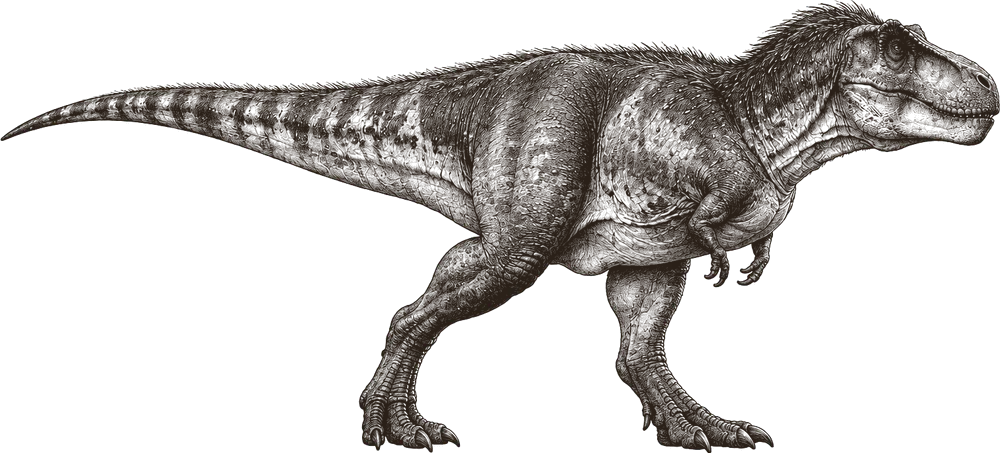


Scale in meters
Where its fossils were found
The evidence
Today

70 million years ago
Also reported from China, Mexico and Russia.
Habitat
Rivers crossed the Hell Creek floodplain between wooded patches, with flowering trees, conifers and ferns. Triceratops, Edmontosaurus and Thescelosaurus shared this landscape.
A Dinosaur Vault film
What If a Tyrannosaurus Rex Walked Down Your Street?
A Tyrannosaurus rex, true to scale, on a street like yours. Then back to the world it really knew.
Subscribe on YouTubeField notes
About T. rex
What it was like
Tyrannosaurus was a huge, heavy-headed hunter that walked on two legs. Its skull alone was massive, packed with thick, banana-sized teeth built for crushing bone as well as slicing meat. Its arms were short but strong, each ending in two clawed fingers. A full-grown Tyrannosaurus stretched to about 12.3 meters (40 feet) long and weighed around 8.4 metric tons.
Its bite was among the most powerful of any land animal that has ever lived. It most likely hunted plant eaters like hadrosaurs and young ceratopsians, and probably scavenged carcasses when it found them, as many predators do.
Its world
Tyrannosaurus lived in the Late Cretaceous, from about 72 to 66 million years ago, across what is now the western United States and Canada. Its fossils turn up in rock layers such as Hell Creek and Lance, alongside plant eaters like Triceratops, Ankylosaurus, and Pachycephalosaurus, and smaller hunters like Troodon.
Tyrannosaurus was among the last non-avian dinosaurs. It disappeared 66 million years ago, when an asteroid struck near what is now Chicxulub in Yucatan, Mexico, and triggered a mass extinction.
How it was found
Osborn named Tyrannosaurus in 1905, giving it a name that means tyrant lizard. Since then, paleontologists have logged about 75 fossil finds of this genus, more than almost any other large predatory dinosaur, which is why so much is known about how it lived.
Field gallery
More views of Tyrannosaurus rex
Scenes reconstructed from the available fossil evidence.
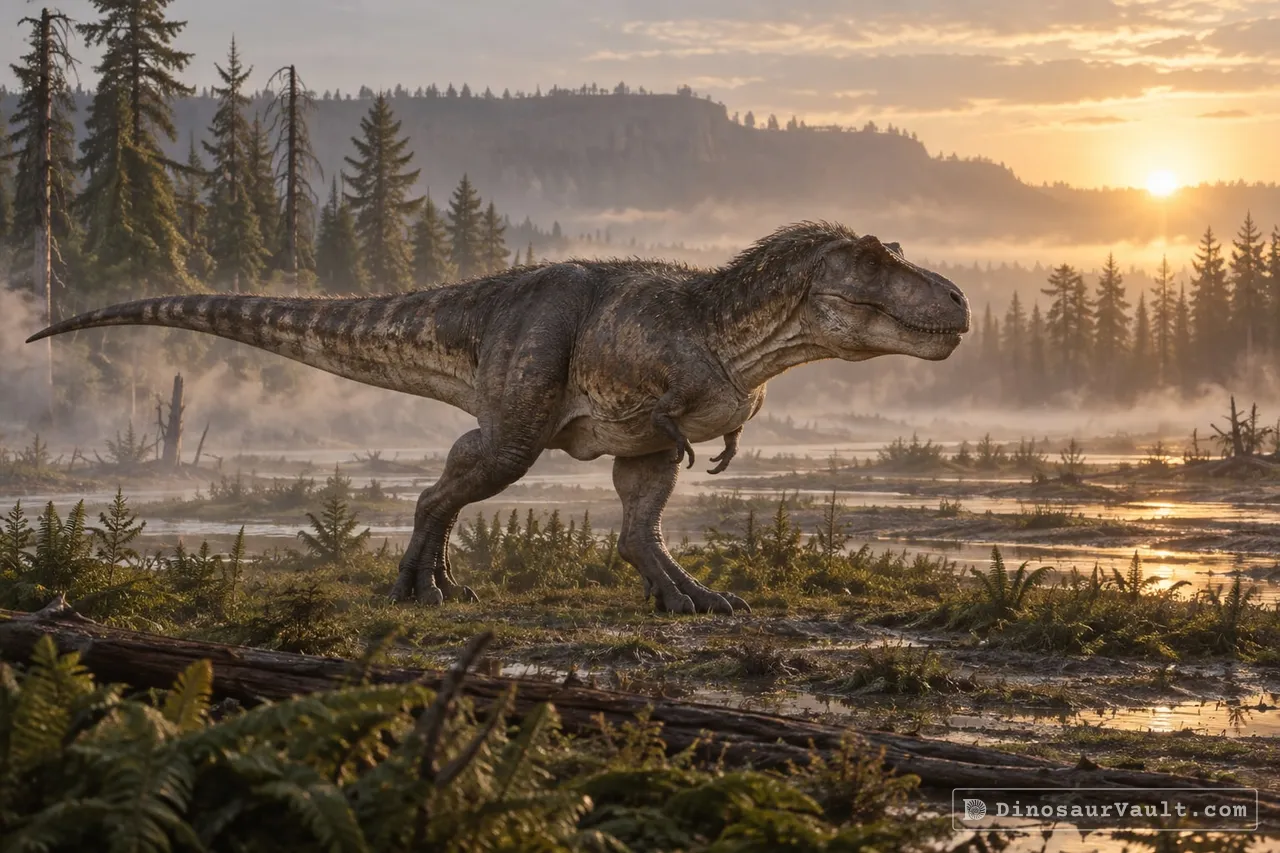
1 of 8
Lived alongside
Found in the same rock formations
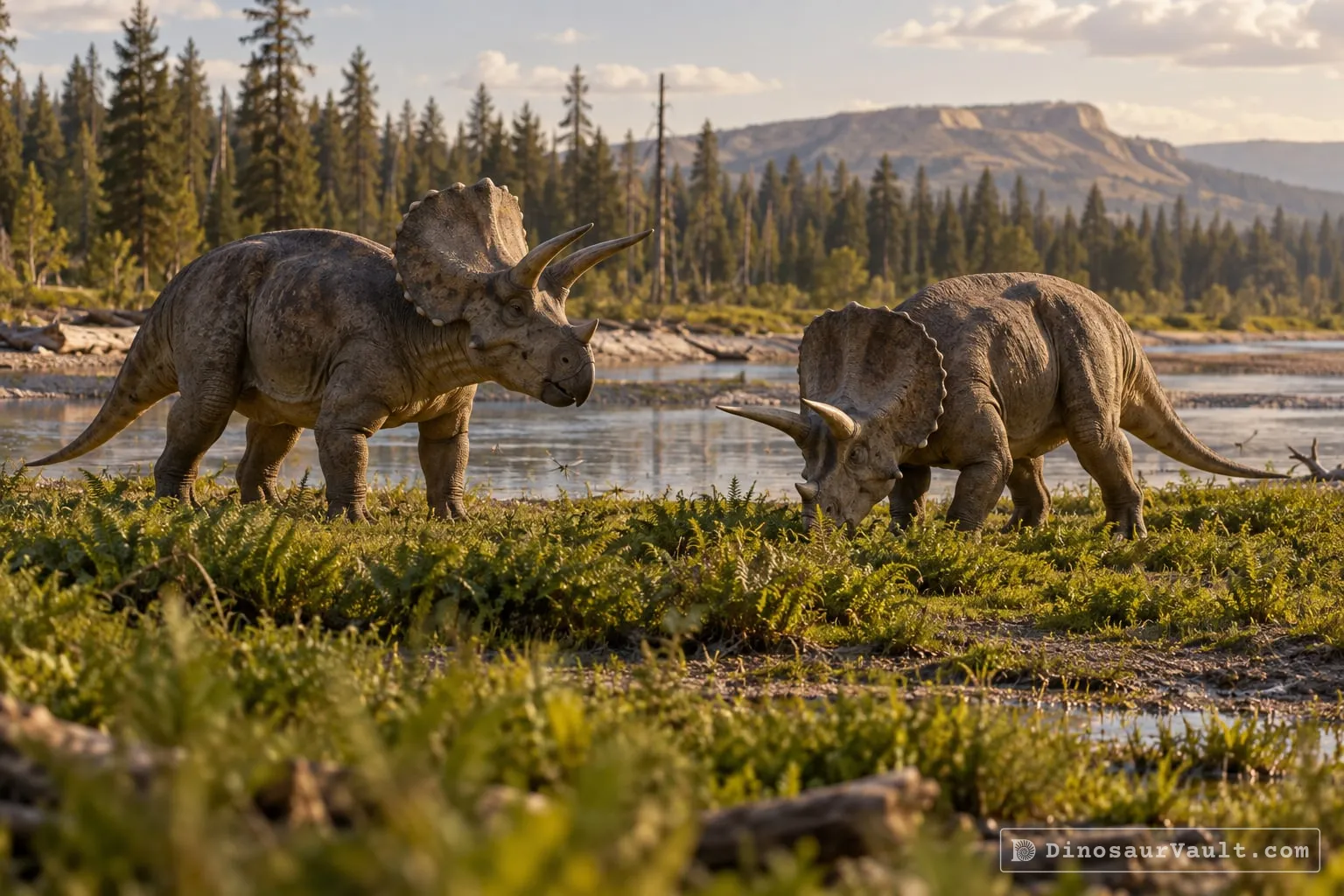
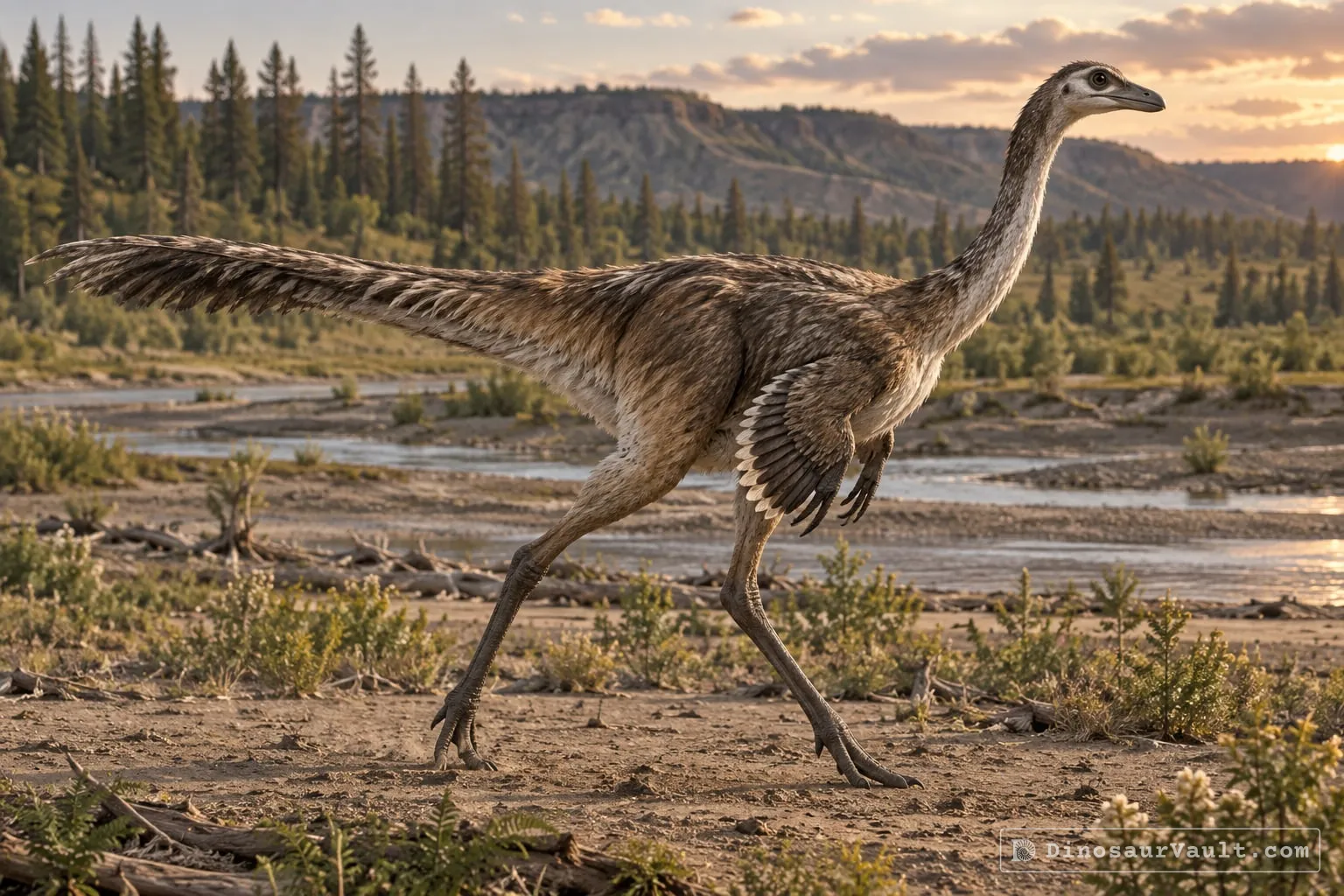
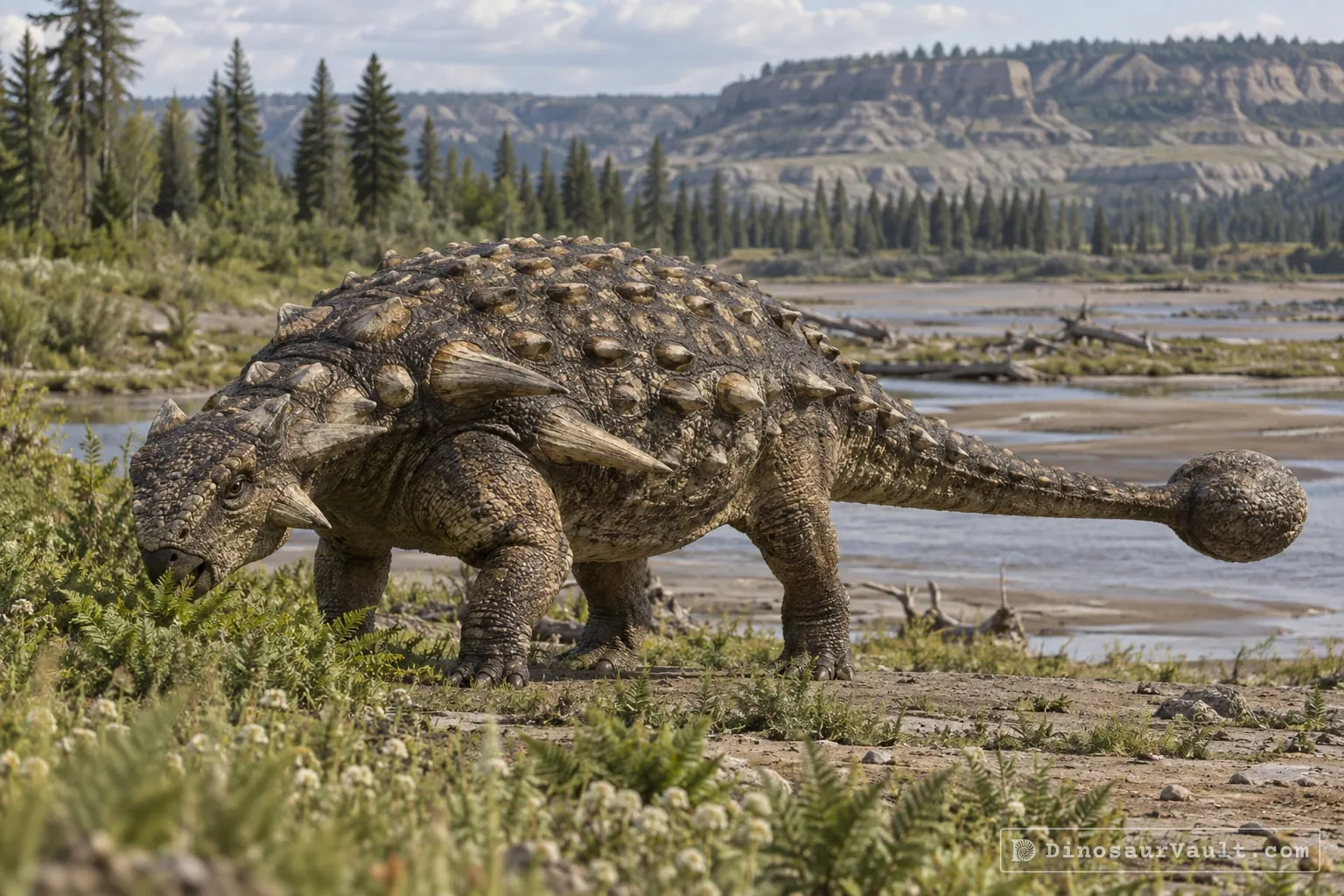
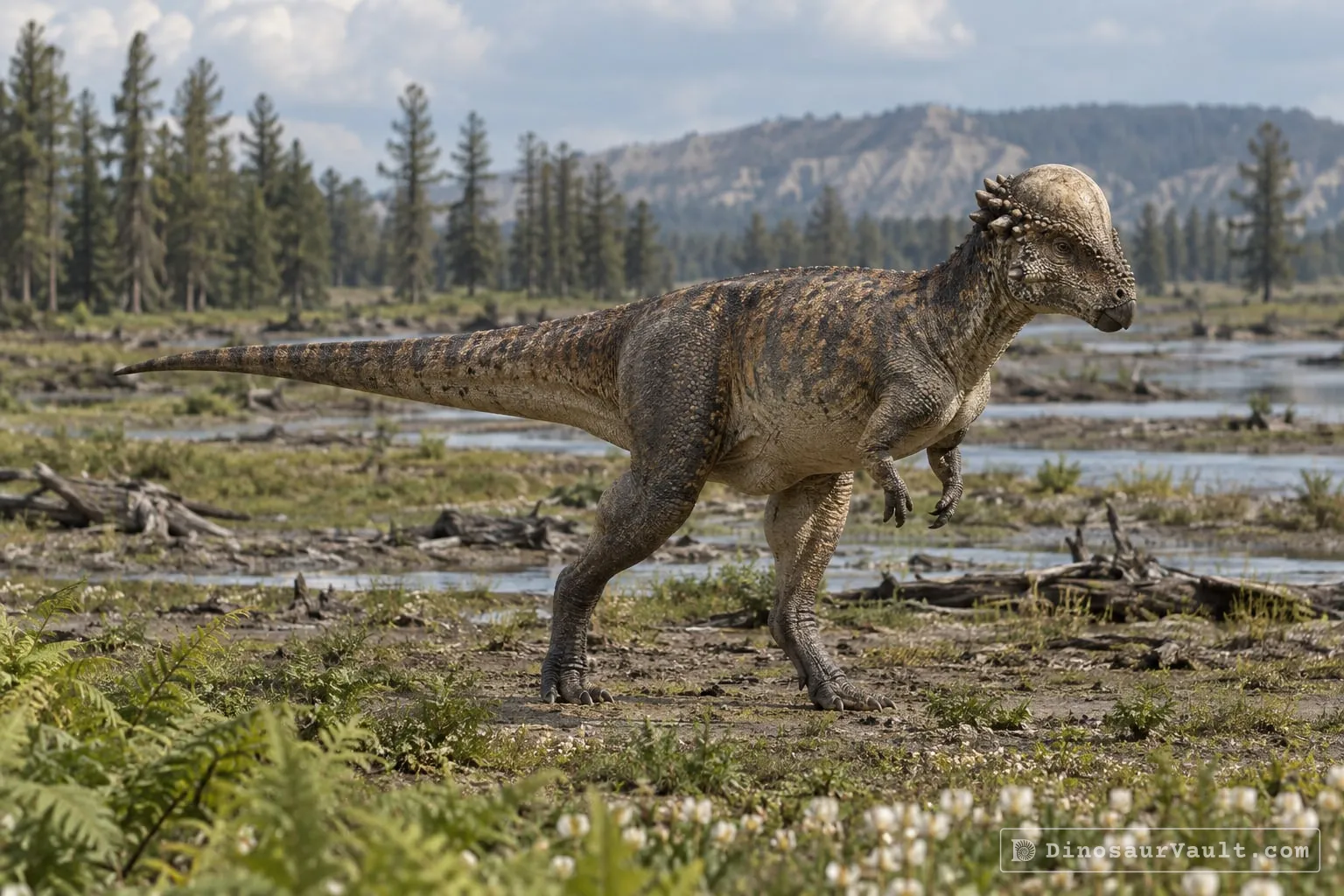
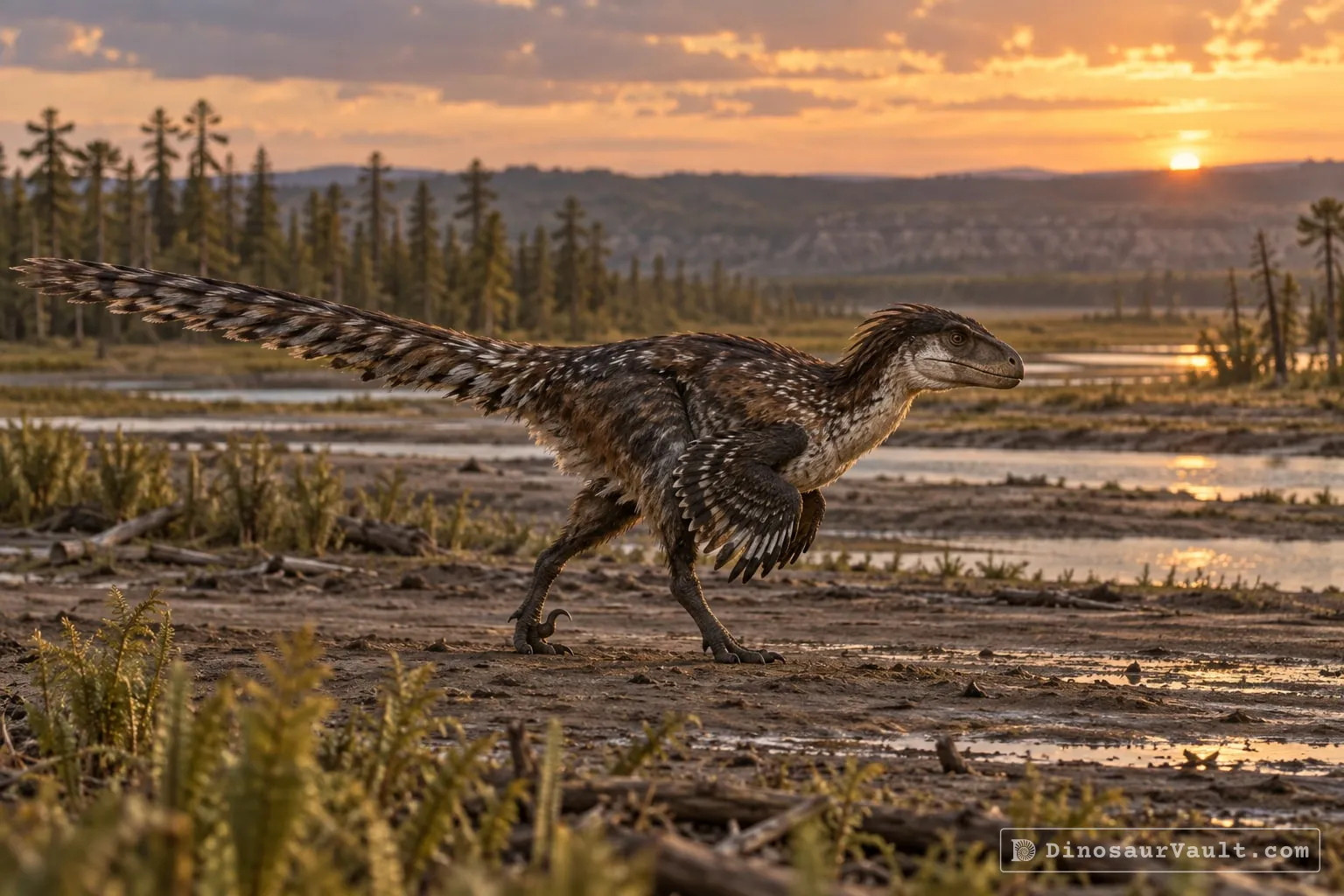
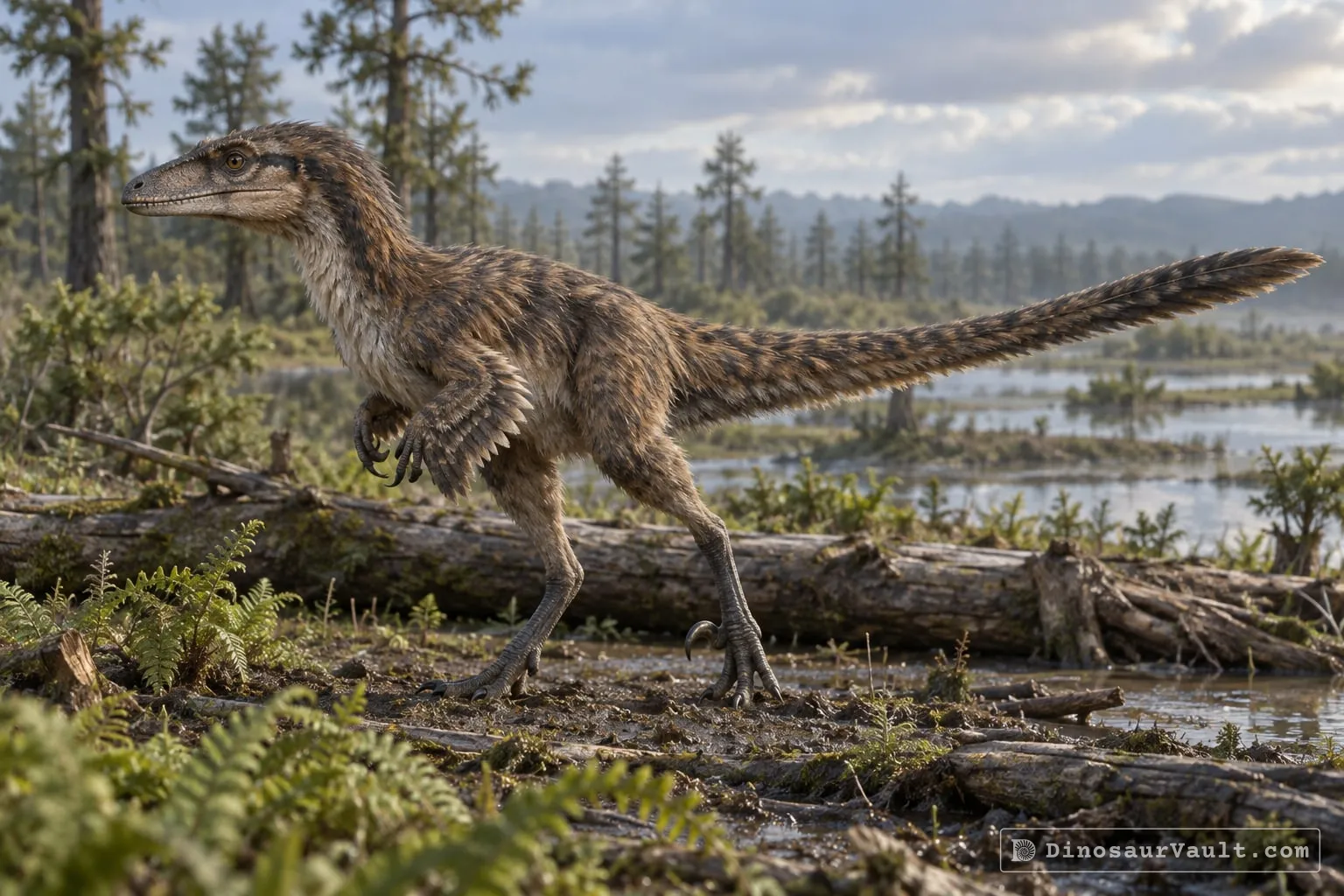
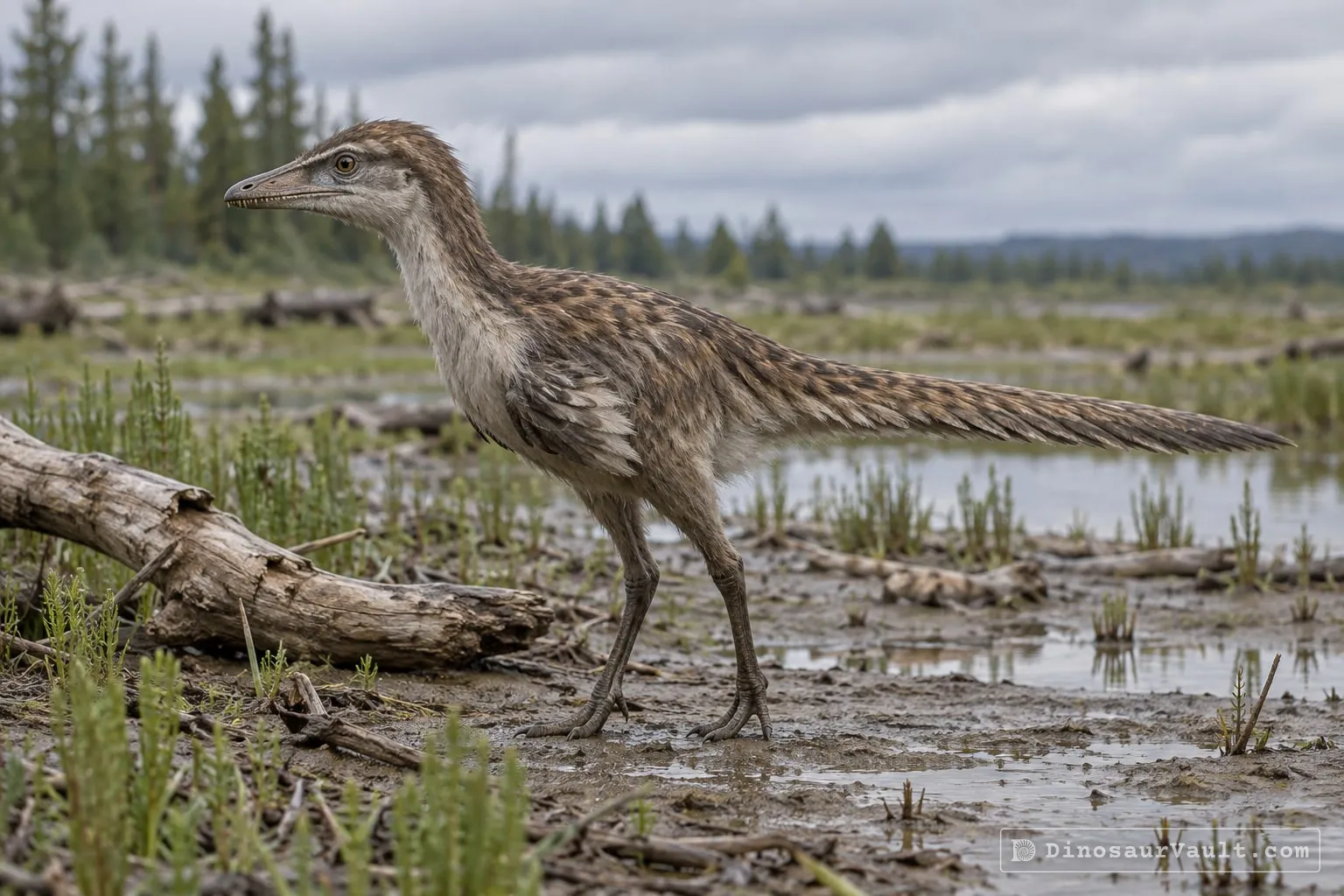
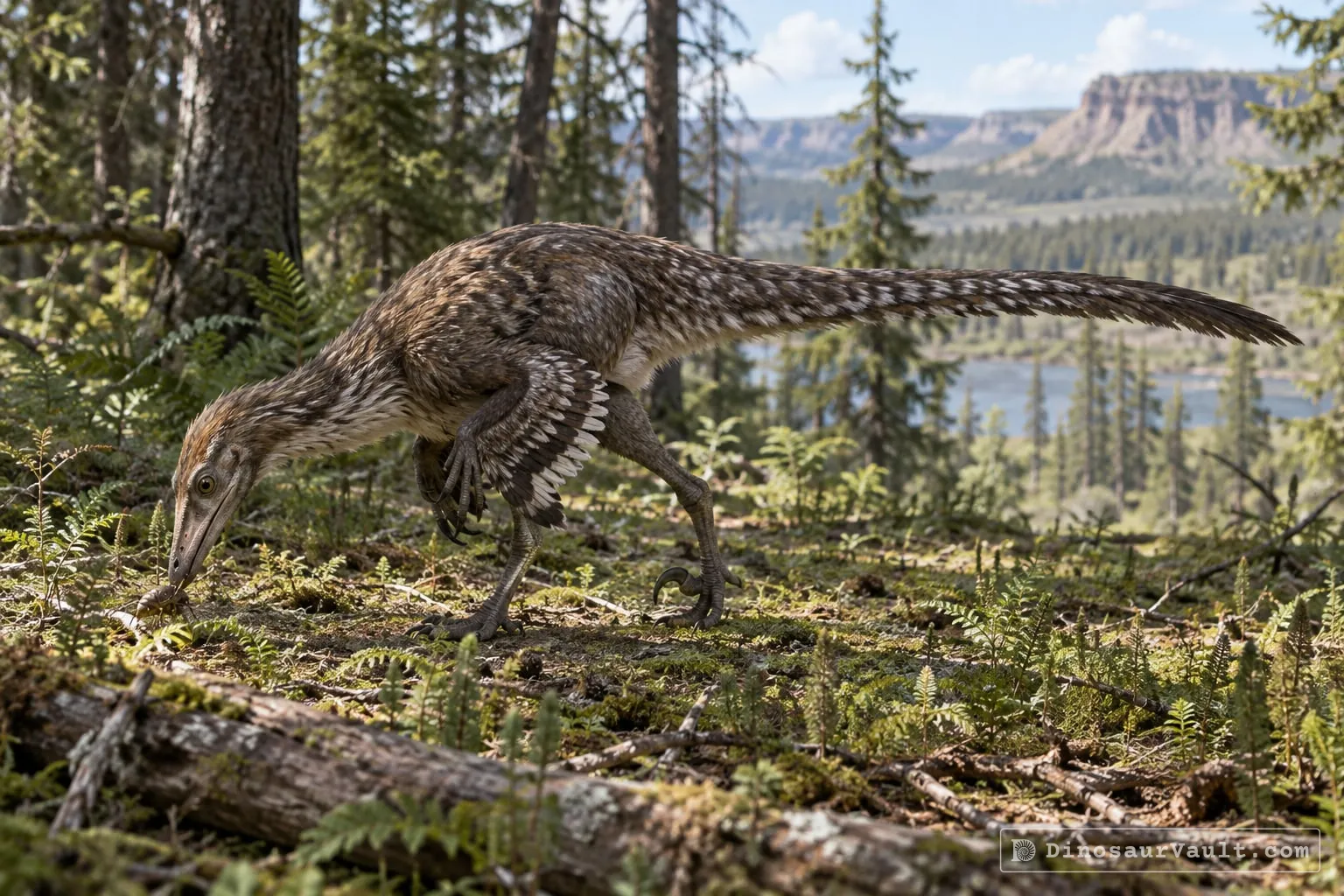


A rock formation can hold fossils laid down millions of years apart, so not every animal here met Tyrannosaurus.
The evidence
The science behind Tyrannosaurus rex
Which parts of the picture come from its own bones, and which come from its relatives.
From its own fossils
- Nearly complete skeletons show a deep skull, thick teeth, powerful hindlegs and short arms with two clawed fingers.
- Skin from the neck, hips and tail shows small, pebbly scales.
- Tiny leg and foot bones have been identified as hatchling Tyrannosaurus.
Borrowed from relatives
- Almost the whole skeleton is known from its own bones, so little of its basic shape needs to be borrowed.
- Lips covering the teeth follow comparisons with living reptiles and other theropods.
- Scaly skin in Albertosaurus, Gorgosaurus and Tarbosaurus supports a mostly scaly adult.
Still unknown
- The full body shape and covering of a hatchling.
- Whether it hunted in packs or cared for its young.
- Its color and whether feathers grew anywhere on the adult body.
Often drawn wrong
- Older pictures stand it upright with its tail dragging. Its body balanced over the hips with the tail held off the ground.
- Its palms faced inward rather than down.
- A closed mouth probably hid the teeth behind lips, rather than leaving them exposed like a crocodile's.
Discovery timeline
- 1905Named itOsborn
- 2017SkinBell et al.
- 2023SkullCullen et al.
- 2025Family treeZanno & Napoli
- 2026Growing upLongrich et al.
Key papers
The research behind what we know of Tyrannosaurus rex
Named it
Named Tyrannosaurus from a partial skeleton with huge jaws and teeth.
Tyrannosaurus and other Cretaceous carnivorous dinosaurs. Bulletin of the American Museum of Natural History 21: 259-265
No link available
Skin
Described pebbly scales on Tyrannosaurus and other large tyrannosaurs, supporting a mostly scaly adult body.
Tyrannosauroid integument reveals conflicting patterns of gigantism and feather evolution. Biology Letters 13: 20170092
Read the paper : Tyrannosauroid integument reveals conflicting patterns of gigantism and feather evolution (opens in a new tab)Skull
Compared teeth and skulls with living reptiles and argued that theropod lips covered the teeth when the mouth closed.
Theropod dinosaur facial reconstruction and the importance of soft tissues in paleobiology. Science 379: 1348-1352
Read the paper : Theropod dinosaur facial reconstruction and the importance of soft tissues in paleobiology (opens in a new tab)Family tree
A nearly mature skeleton supported Nanotyrannus as a separate animal, changing how some supposed young Tyrannosaurus are identified.
Nanotyrannus and Tyrannosaurus coexisted at the close of the Cretaceous. Nature 648: 357-367
Read the paper : Nanotyrannus and Tyrannosaurus coexisted at the close of the Cretaceous (opens in a new tab)Growing up
Described tiny hatchling leg and foot bones, showing how small Tyrannosaurus was at the start of life.
Hatchlings of Tyrannosaurus rex and the Evolution of Dinosaur Reproductive Strategies. Biology 15: 1090
Read the paper : Hatchlings of Tyrannosaurus rex and the Evolution of Dinosaur Reproductive Strategies (opens in a new tab)
Close relatives
Other members of Tyrannosauridae


Sources: Wikidata