Saurornitholestes
sore-OR-nith-oh-LES-teez
"lizard-bird thief"
- Lived
- 84 to 66 million years ago, Late Cretaceous
- Diet
- Carnivore
- Length
- about 1.8 m (6 ft)
- Group
- Theropods, Dromaeosauridae
- Found in
- Canada and United States
- Named by
- Sues 1978
Size comparison
To scale

Scale in metersOutline: typical theropod shape
Where its fossils were found
The evidence
Today

75 million years ago
Habitat
The Dinosaur Park Formation records a coastal floodplain crossed by rivers, with forests dominated by conifers. Gorgosaurus, Dromaeosaurus and Stegoceras lived in this landscape.
Field notes
About Saurornitholestes
What it was like
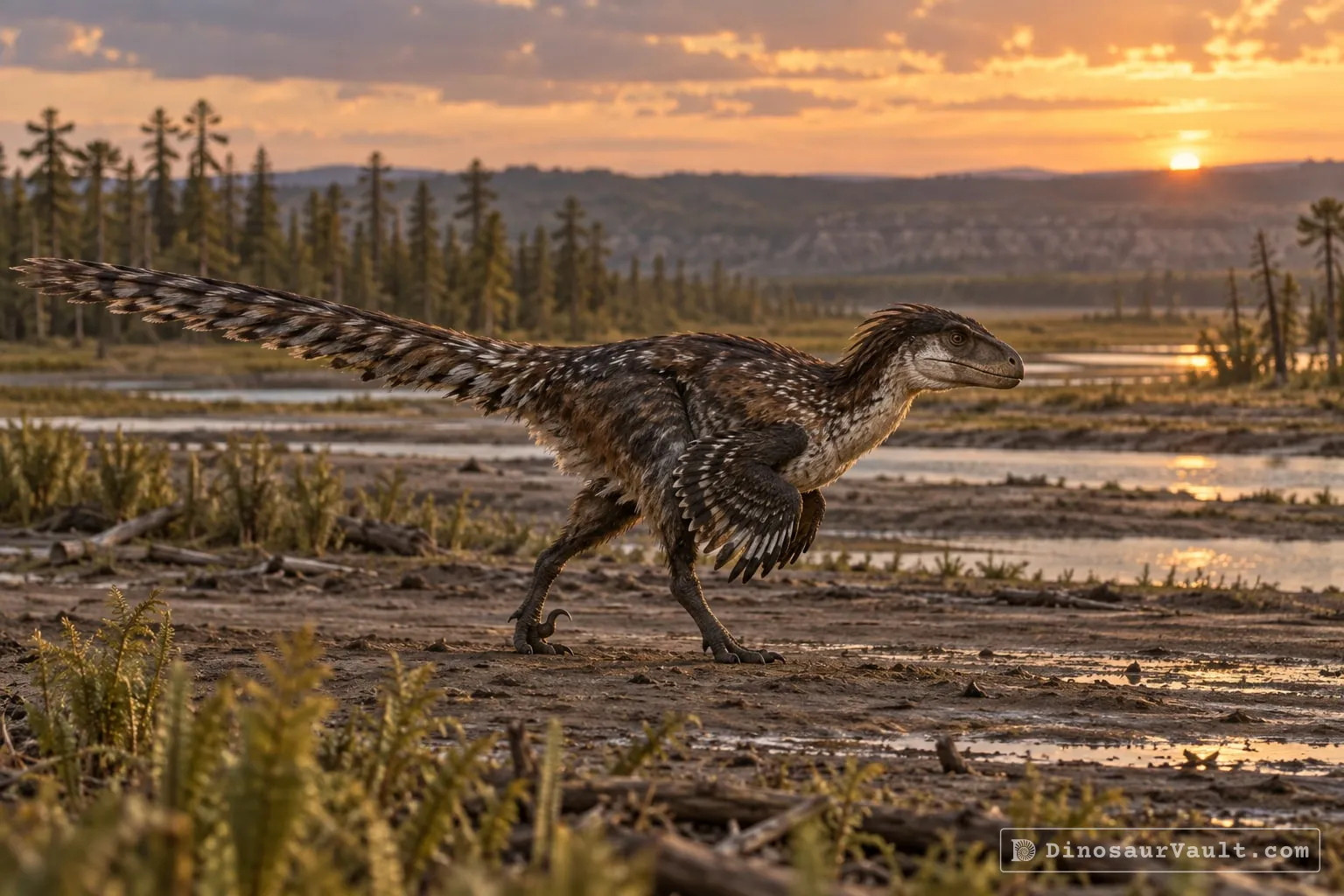
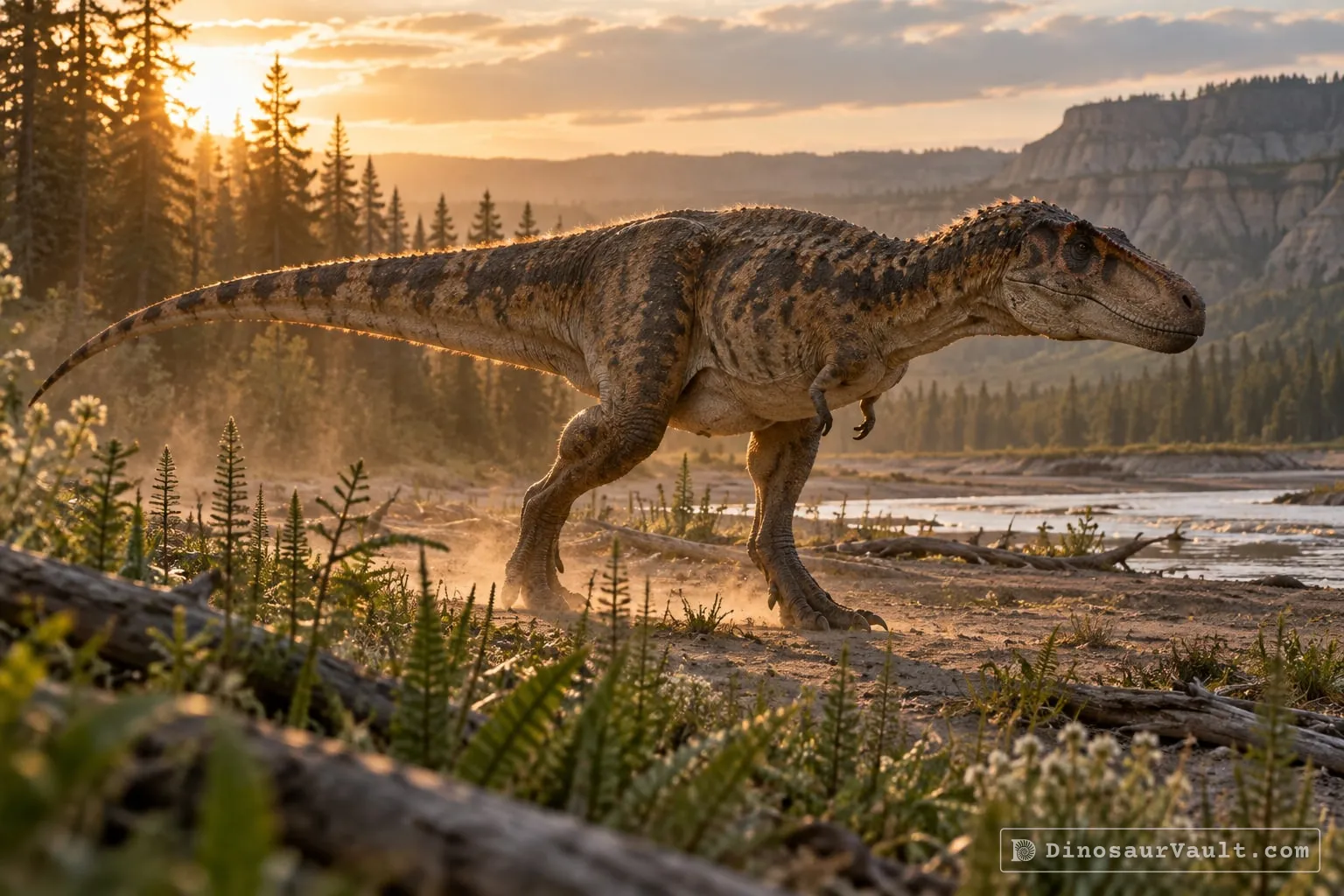
Saurornitholestes was a feathered hunter about 1.8 meters (6 feet) long, a relative of Velociraptor. It ran on two legs, had grasping hands, and held a sickle claw off the ground on each foot.
Its teeth have been found in large numbers, and one of its bite marks has even been found on a pterosaur bone.
Its world
It lived in the Late Cretaceous across western North America, from Alberta to Texas. Its fossils come from many formations, including the Dinosaur Park, Oldman and Judith River.
It shared these lands with the tyrannosaurs Gorgosaurus and Daspletosaurus, the dome-headed Stegoceras and smaller hunters such as Troodon and Dromaeosaurus.
How it was found
Sues named Saurornitholestes in 1978. About 124 finds are known, most of them teeth.
Field gallery
More views of Saurornitholestes
Scenes reconstructed from the available fossil evidence.
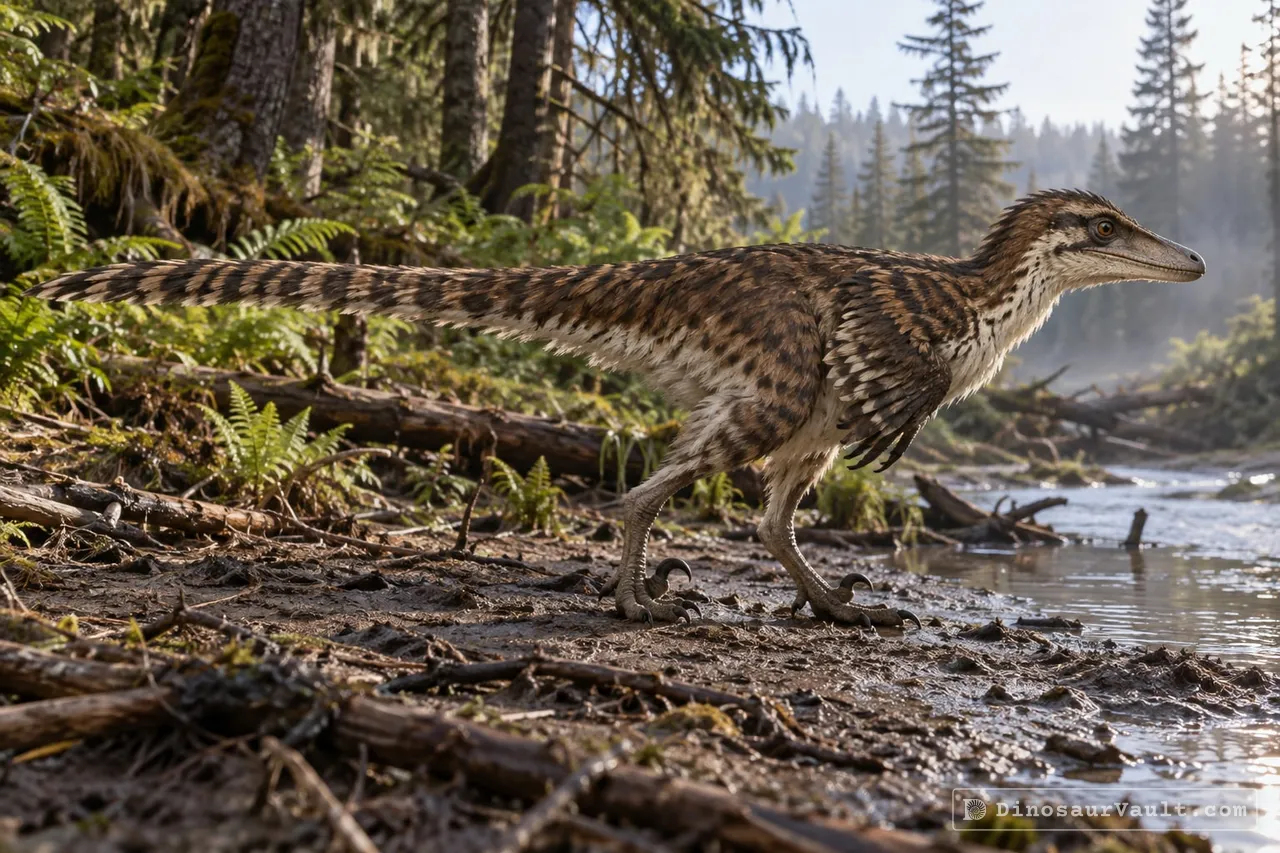
1 of 3
Lived alongside
Found in the same rock formations
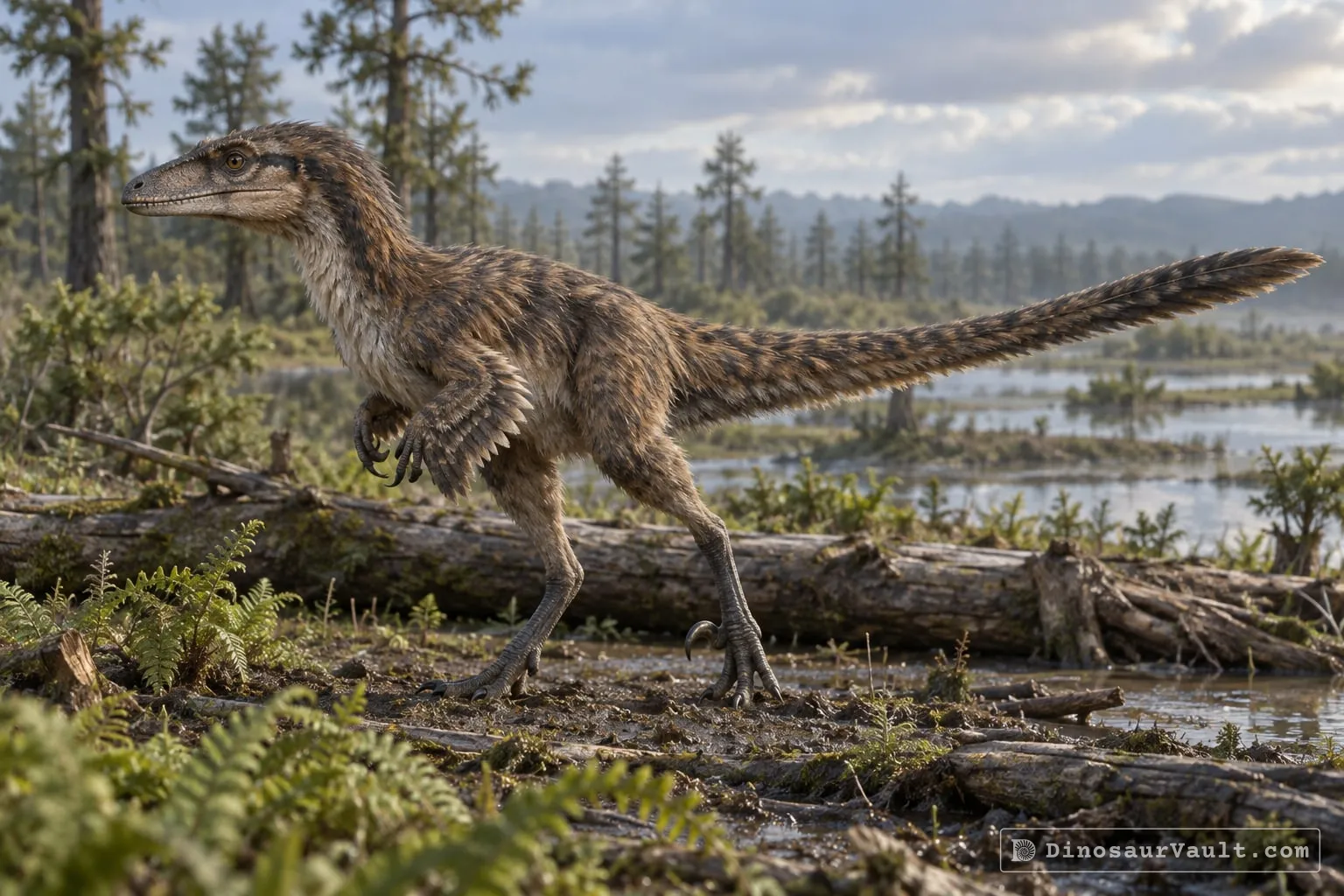
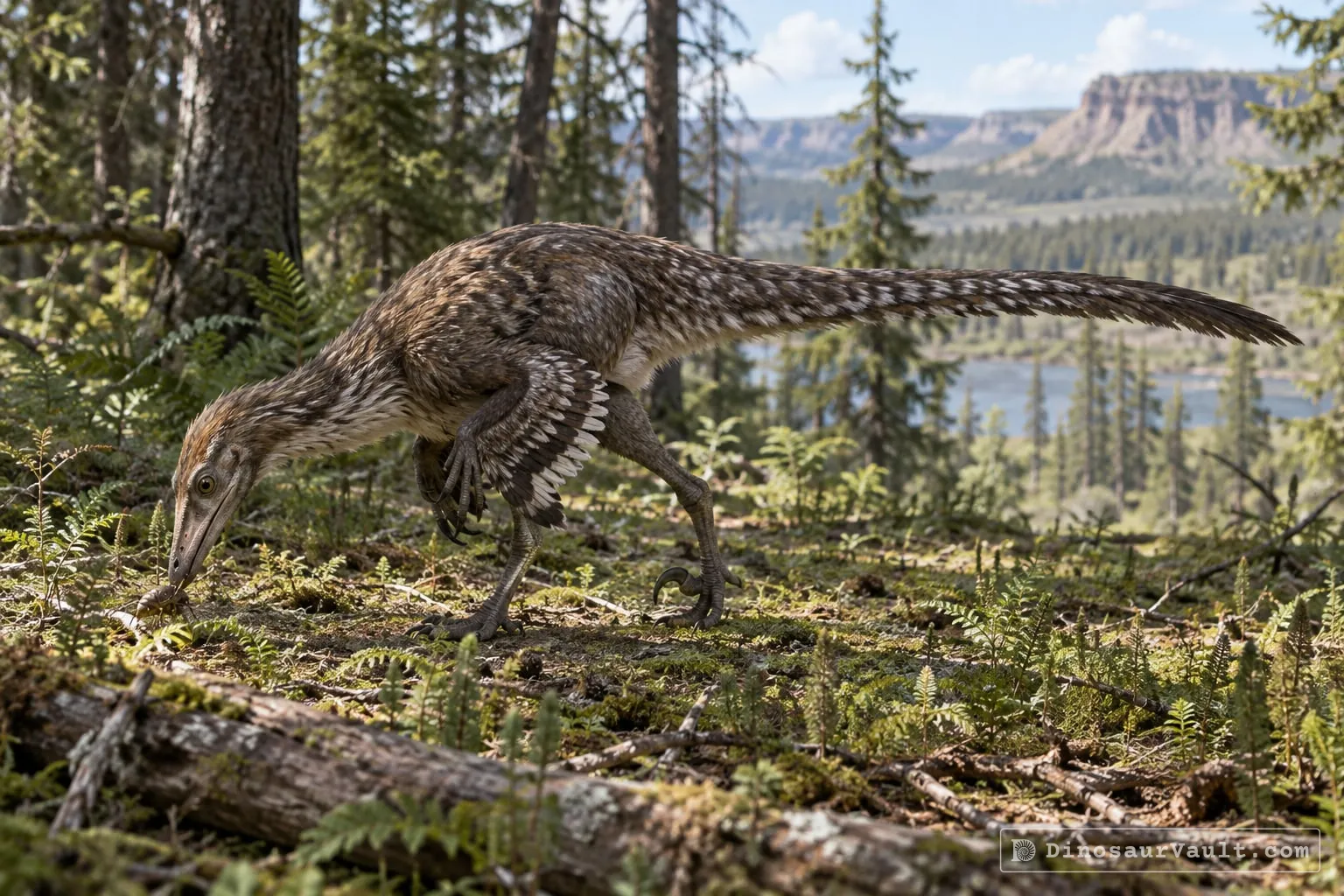
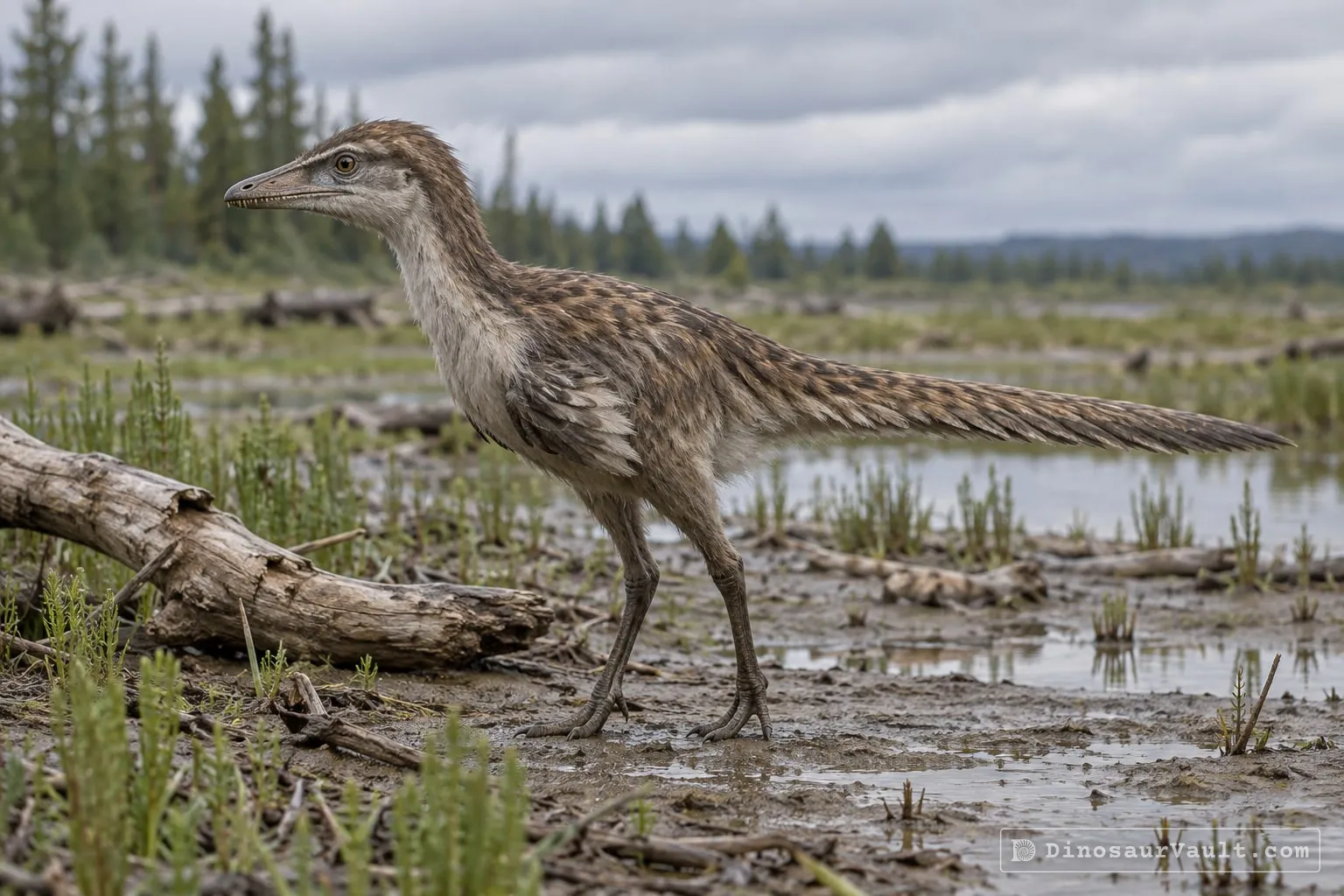
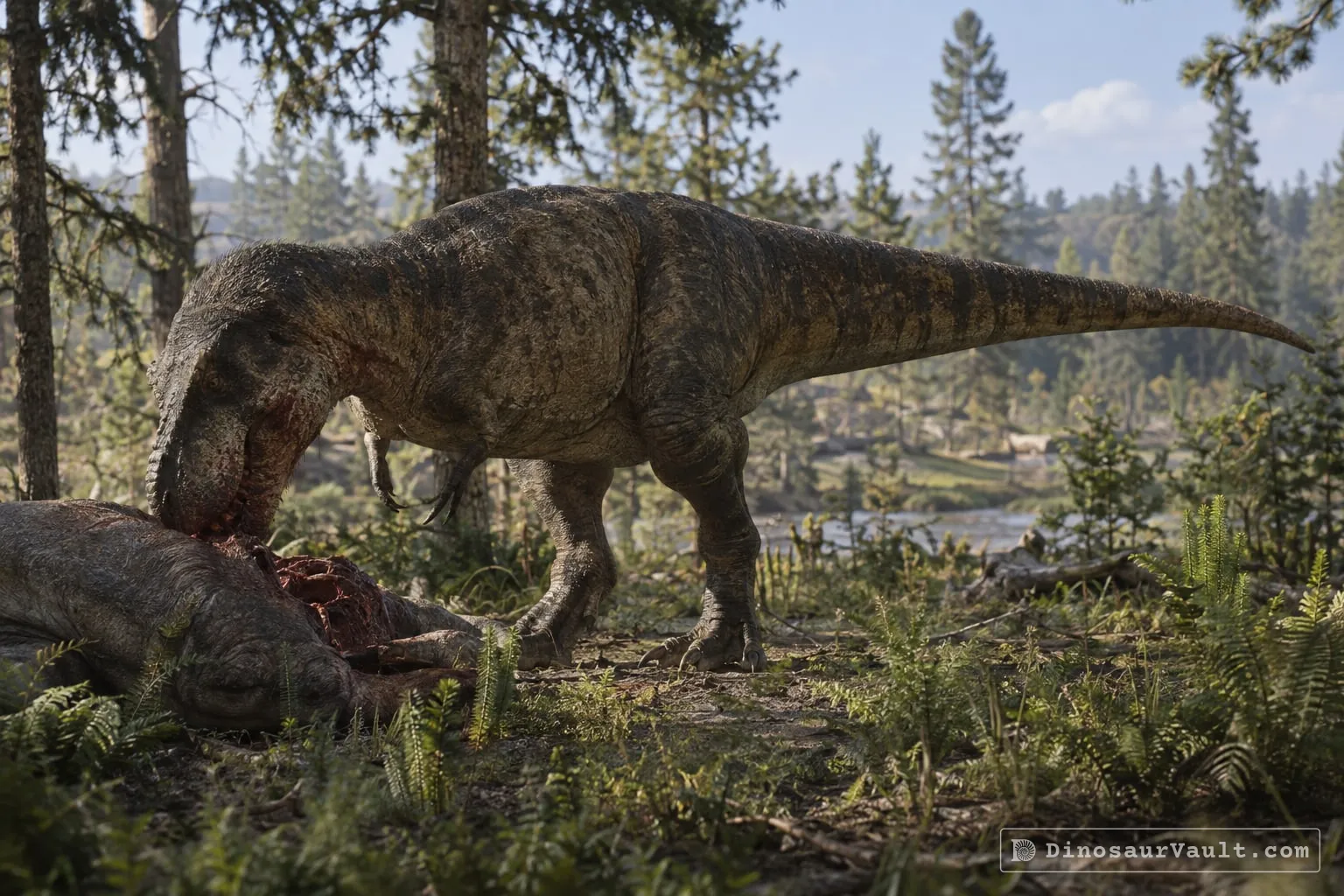
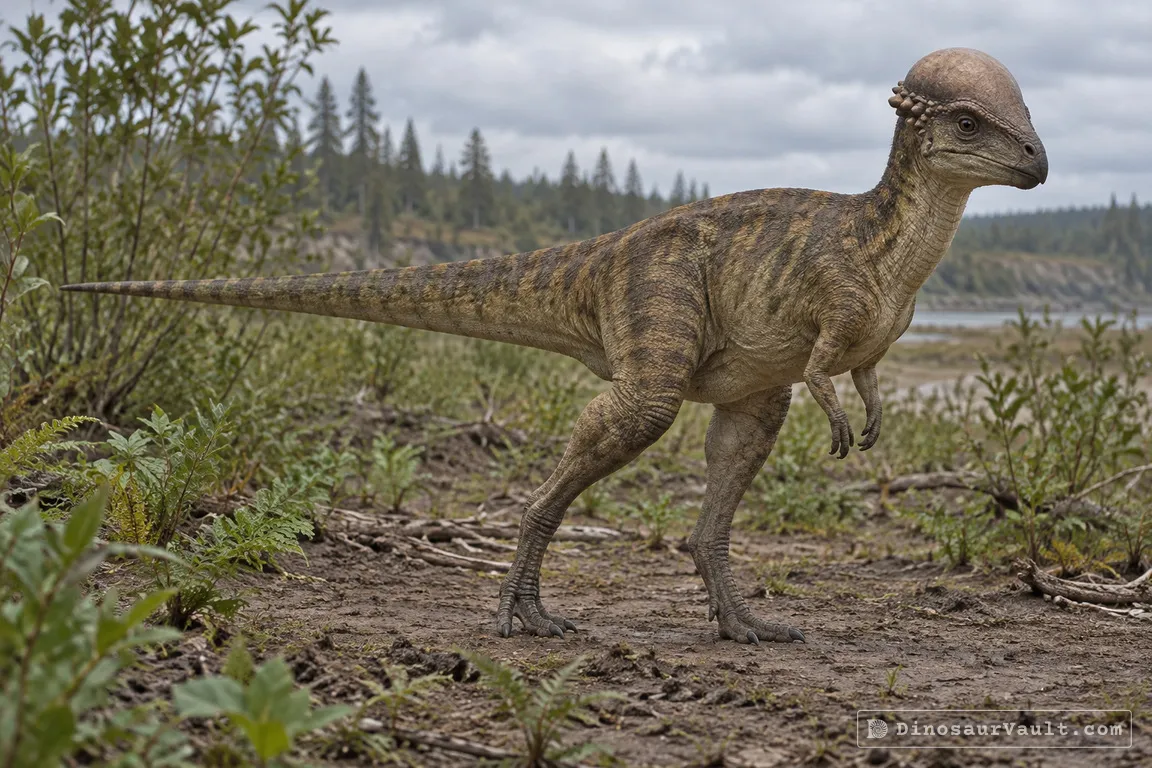
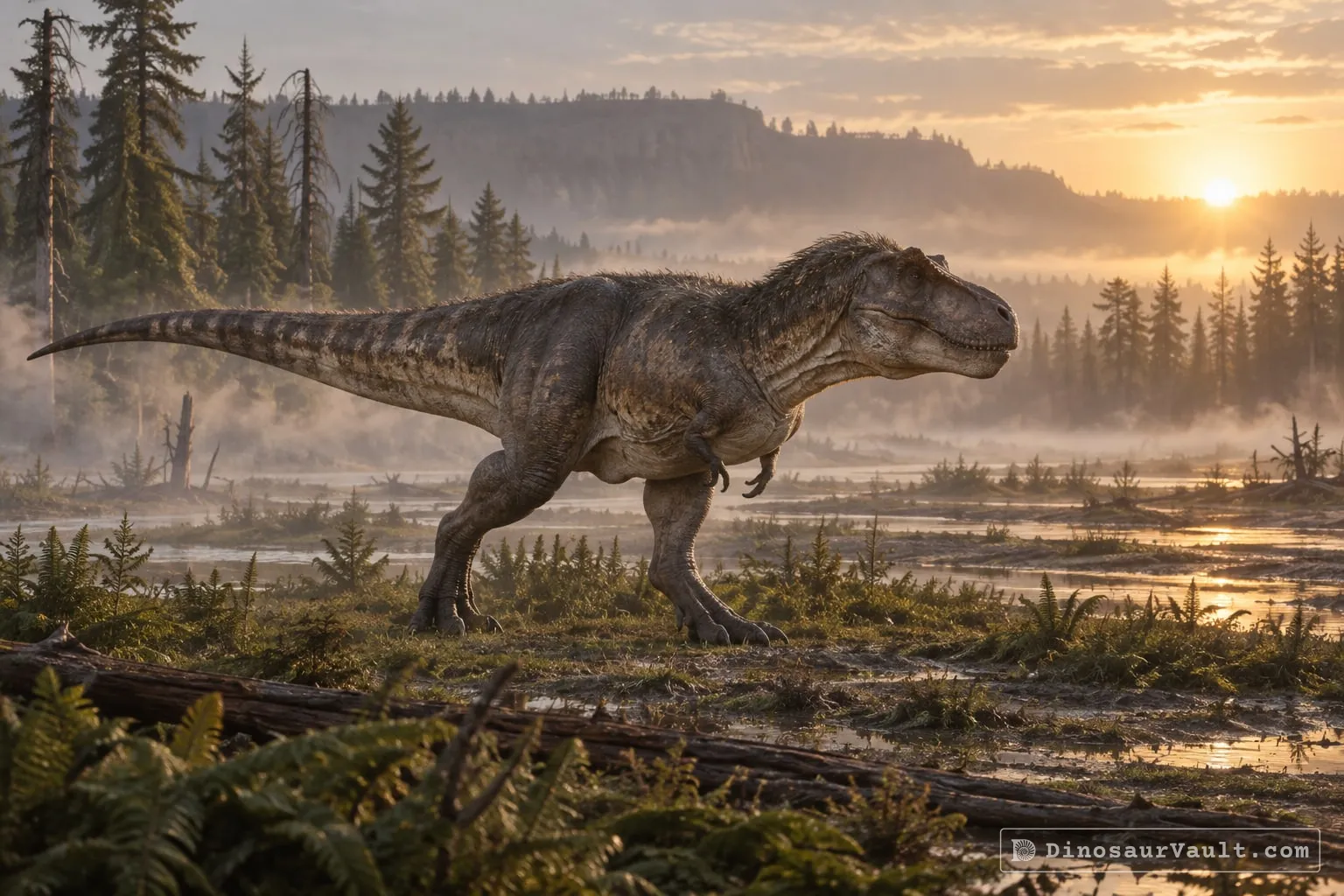


A rock formation can hold fossils laid down millions of years apart, so not every animal here met Saurornitholestes.
The evidence
The science behind Saurornitholestes
Which parts of the picture come from its own bones, and which come from its relatives.
From its own fossils
- An almost complete skeleton preserves the skull as well as much of the body.
- Its face was shorter, taller and wider than that of Velociraptor.
- Specialized front teeth have wear patterns that may come from preening feathers.
Borrowed from relatives
- Feathered arms are inferred from relatives such as Velociraptor, whose forearm bones preserve feather attachment bumps.
- Most of its bone anatomy can now be restored from its own skeletons.
Still unknown
- The color and detailed arrangement of its feathers.
- Whether it hunted alone or in groups.
- How often it caught live prey rather than scavenging.
Discovery timeline
- 1978Named itSUES
- 2007Close relativeTurner, Makovicky & Norell
- 2019SkullCurrie & Evans
Key papers
The research behind what we know of Saurornitholestes
Named it
Named a small meat eater from a partial skeleton and skull bones, recognizing it as a member of the sickle-clawed dinosaur family.
A new small theropod dinosaur from the Judith River Formation (Campanian) of Alberta Canada. Zoological Journal of the Linnean Society 62: 381-400
Read the paper : A new small theropod dinosaur from the Judith River Formation (Campanian) of Alberta Canada (opens in a new tab)Close relative
Found feather attachment bumps on a Velociraptor forearm, supporting feathered arms in its relatives, including Saurornitholestes.
Feather quill knobs in the dinosaur Velociraptor. Science 317: 1721
Read the paper : Feather quill knobs in the dinosaur Velociraptor (opens in a new tab)Skull
Described a much more complete skull, showing a short, deep face and specialized front teeth that may have helped with feather preening.
Cranial Anatomy of New Specimens of Saurornitholestes langstoni (Dinosauria, Theropoda, Dromaeosauridae) from the Dinosaur Park Formation (Campanian) of Alberta. The Anatomical Record 303: 691-715
Read the paper : Cranial Anatomy of New Specimens of Saurornitholestes langstoni (Dinosauria, Theropoda, Dromaeosauridae) from the Dinosaur Park Formation (Campanian) of Alberta (opens in a new tab)
Close relatives
Other members of Dromaeosauridae


Sources: Wikidata