Bistahieversor
"Bistahi destroyer"
- Lived
- 84 to 72 million years ago, Late Cretaceous
- Diet
- Carnivore
- Group
- Theropods, Tyrannosauridae
- Found in
- United States
- Named by
- Carr and Williamson 2010
Where its fossils were found
The evidence
Today

80 million years ago
Habitat
It probably roamed river plains near the Western Interior Seaway in what is now New Mexico. Parasaurolophus, Pentaceratops and Kritosaurus were among the plant eaters of this region.
Field notes
About Bistahieversor
What it was like
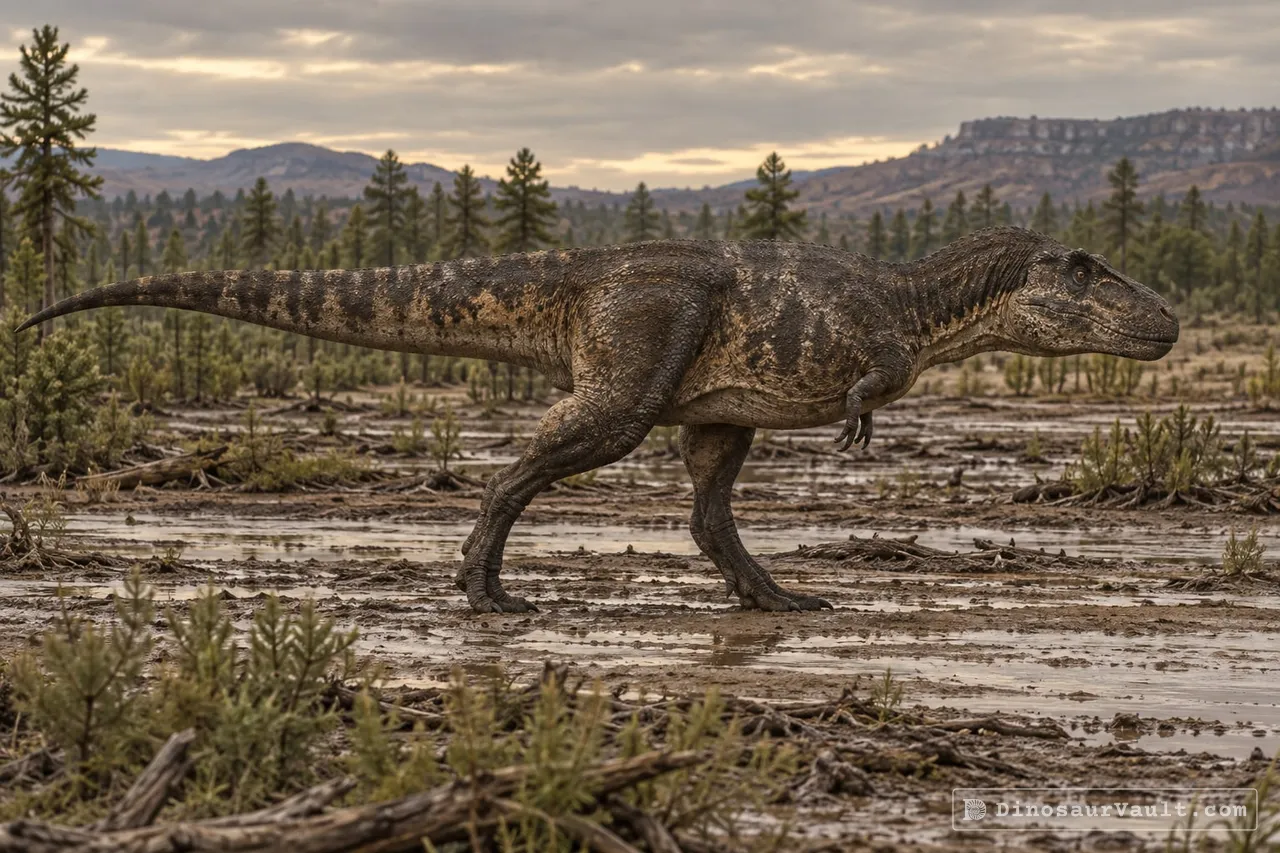
Bistahieversor was a tyrannosaur, a relative of Tyrannosaurus and Daspletosaurus. It walked on two legs and had a deep skull with thick teeth and small arms.
Its skull had a small opening above each eye that other tyrannosaurs lack, and some scientists think it had a keen sense of smell.
Its world
It lived about 84 to 72 million years ago, in the Late Cretaceous, in what is now New Mexico. Its bones come from the Fruitland and Kirtland formations of the badlands, where Parasaurolophus, Pentaceratops and Kritosaurus lived too. It was probably the top predator of its area.
How it was found
Carr and Williamson named Bistahieversor in 2010. Four finds are known, including a young animal.
Field gallery
More views of Bistahieversor
Scenes reconstructed from the available fossil evidence.
1 of 3
Lived alongside
Found in the same rock formations
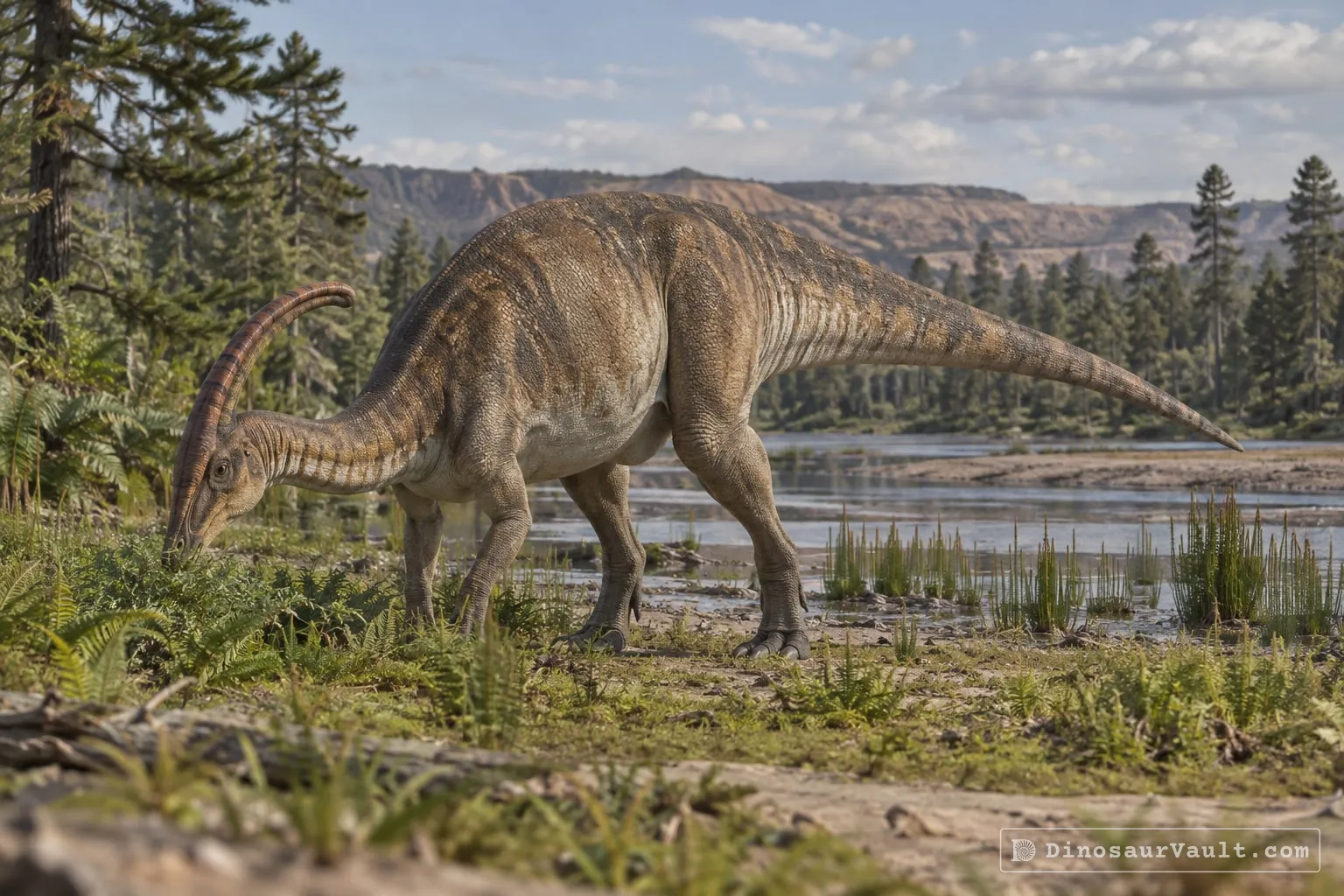
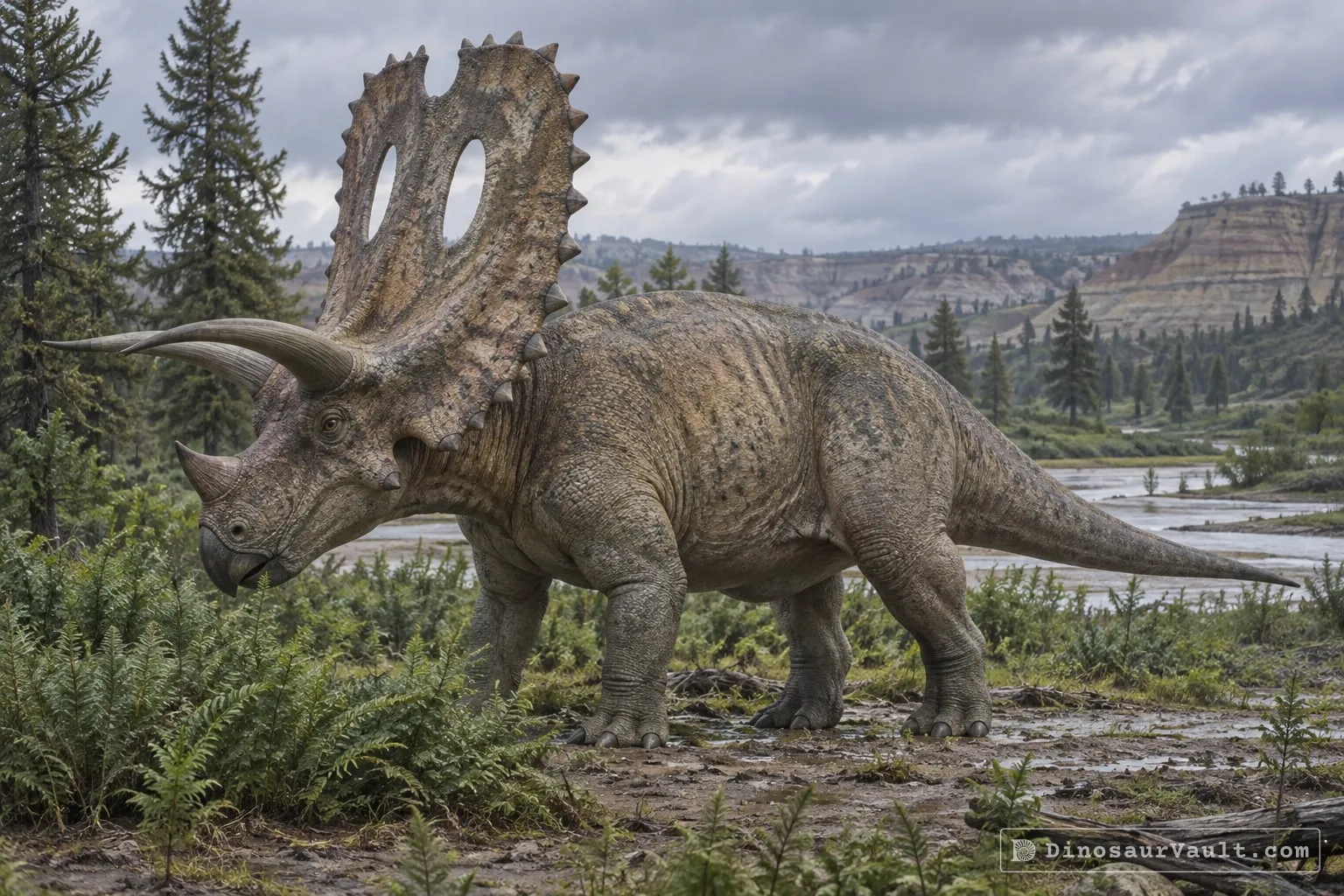
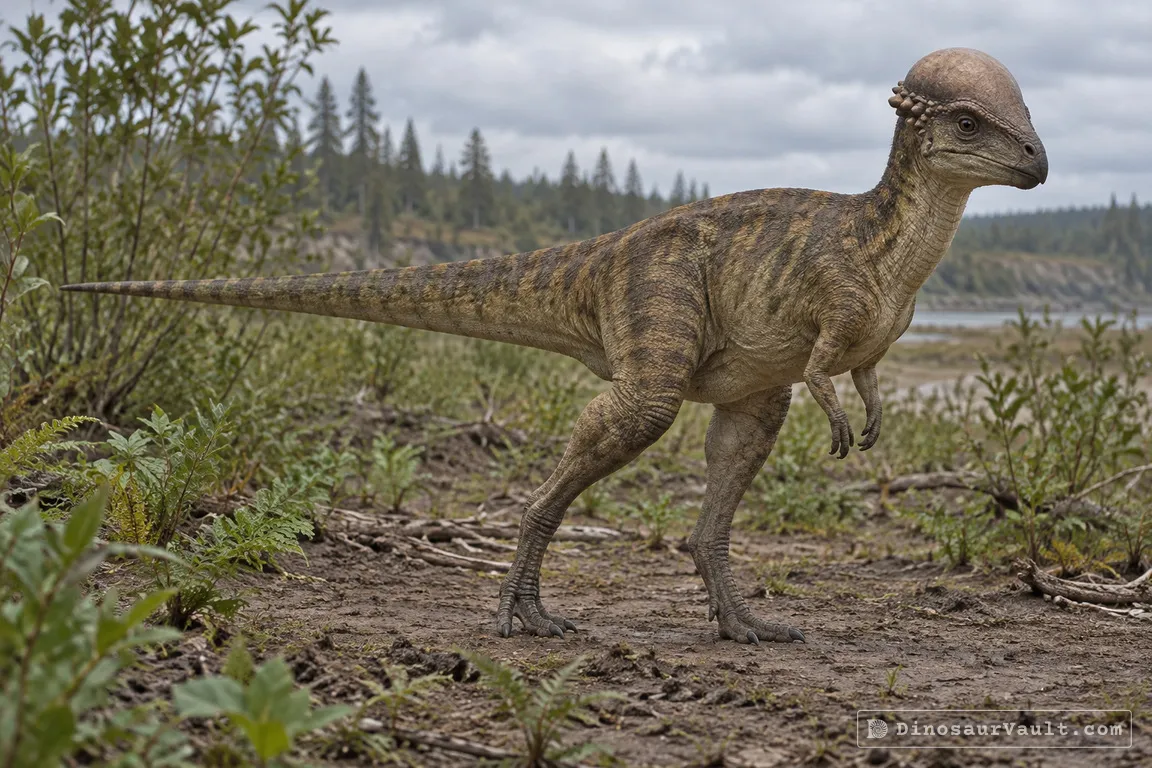
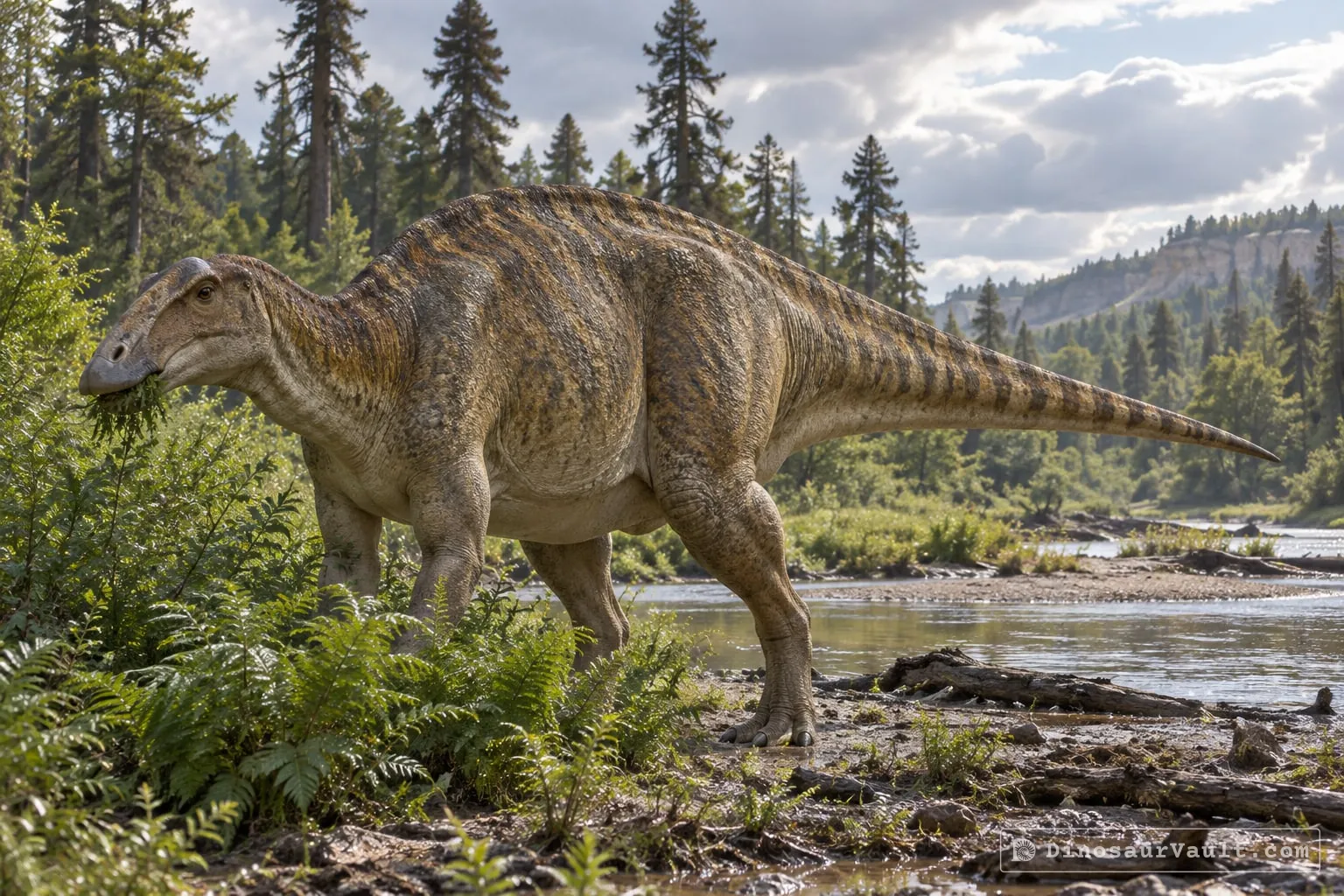
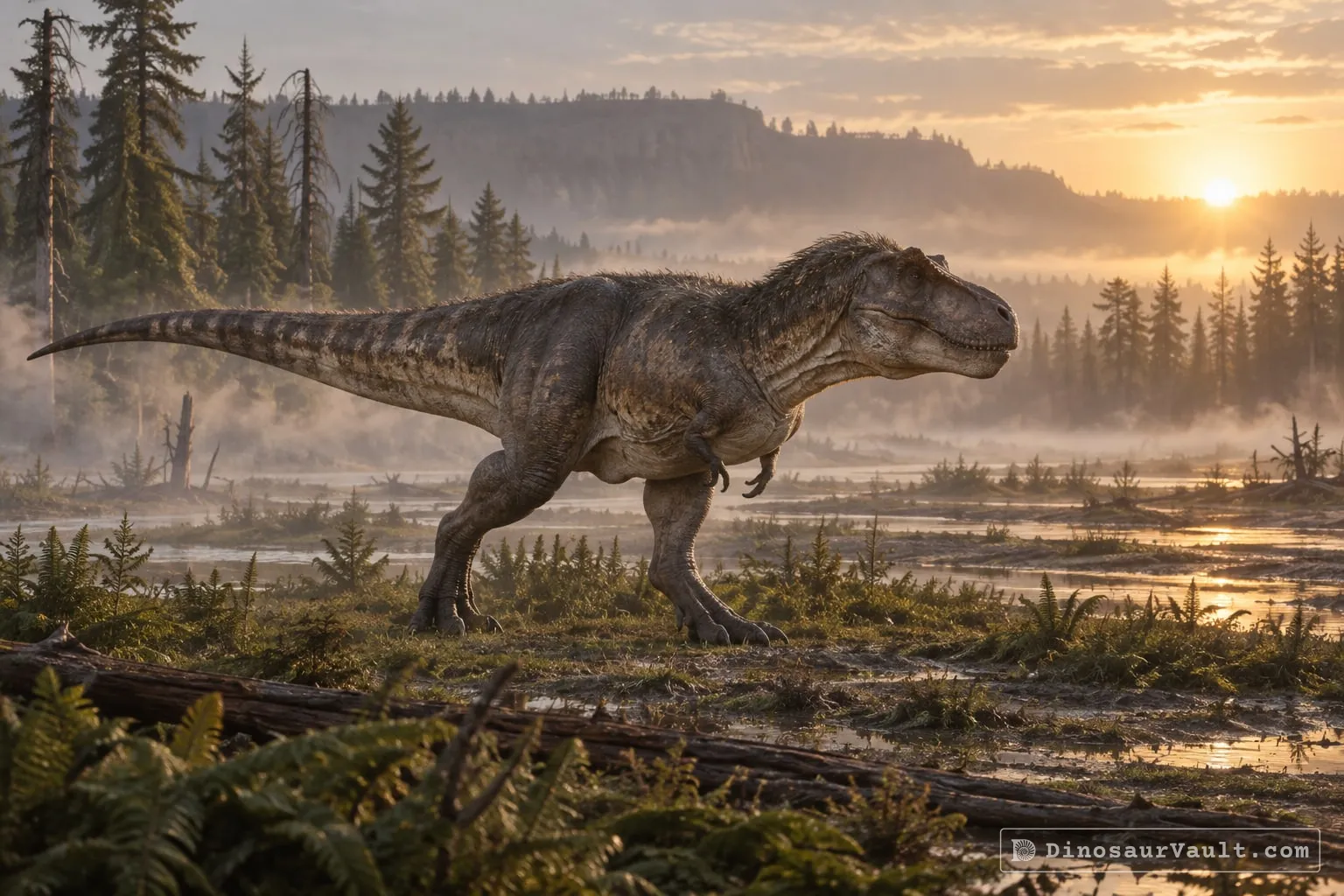
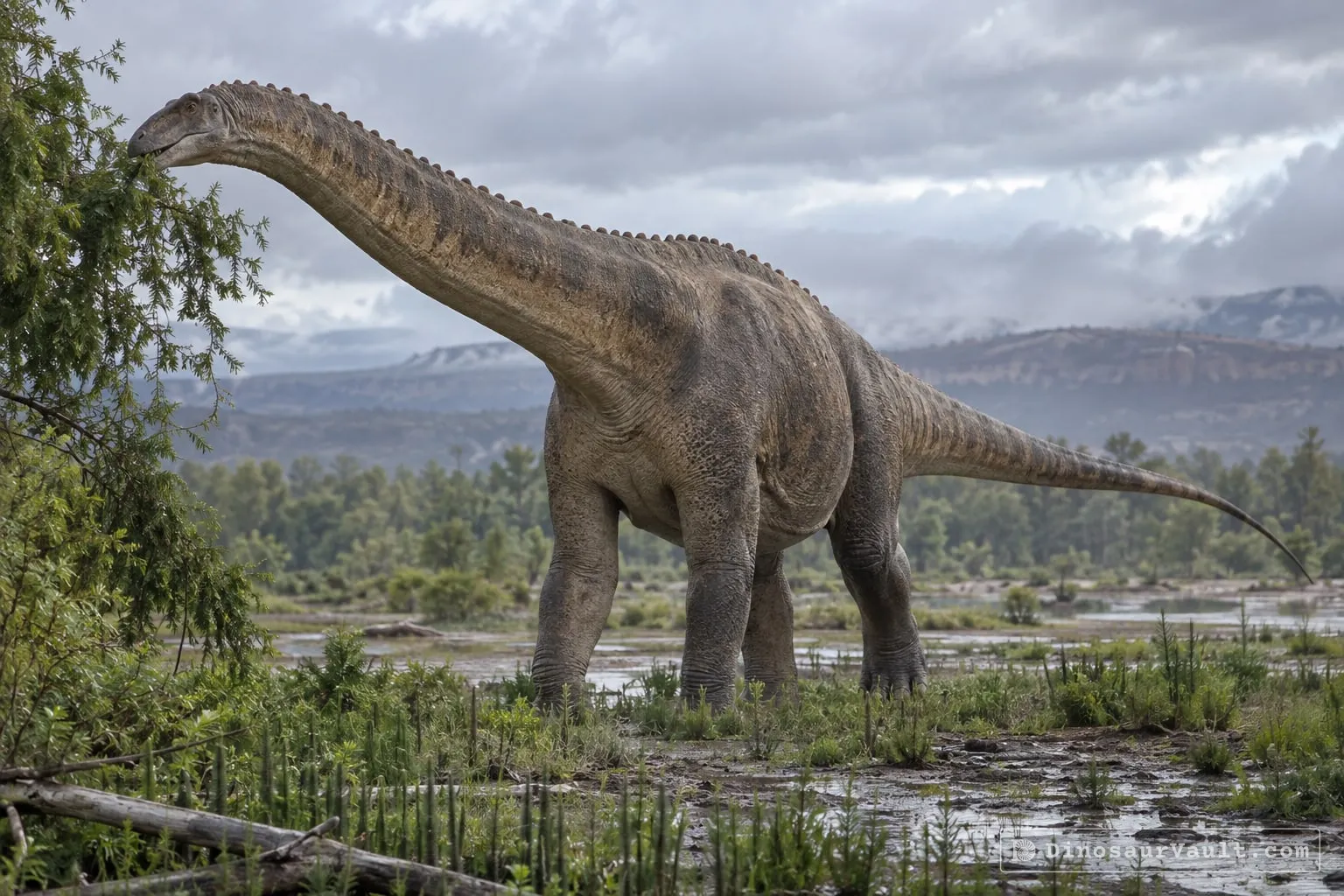
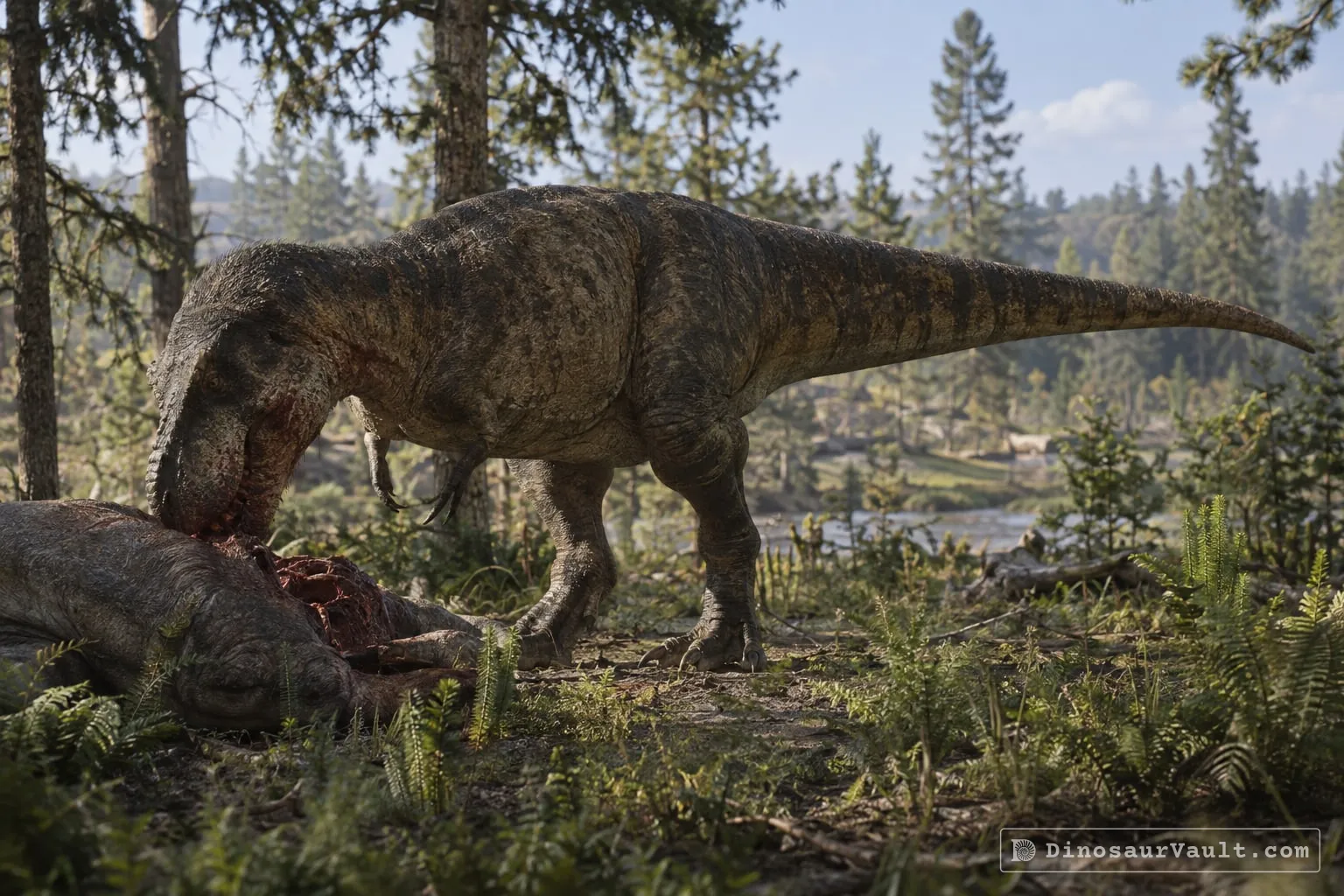


A rock formation can hold fossils laid down millions of years apart, so not every animal here met Bistahieversor.
The evidence
The science behind Bistahieversor
Which parts of the picture come from its own bones, and which come from its relatives.
From its own fossils
- Partial skeletons of an adult and a young animal preserve the deep snout and jaws.
- The skull has an extra opening above the eye.
- Scans of the braincase show large smell centers and roomy air spaces around the brain.
Borrowed from relatives
- Missing parts of the body are restored by comparison with large tyrannosaurs such as Tyrannosaurus and Daspletosaurus.
Still unknown
- Its color and the extent of any feather covering.
- Whether it hunted alone or in groups.
- Exactly where it belongs among the closest relatives of Tyrannosaurus.
Discovery timeline
- 2010Named itCarr & Williamson
- 2016Family treeBrusatte & Carr
- 2020SkullMcKeown et al.
Key papers
The research behind what we know of Bistahieversor
Named it
Named a deep-snouted tyrannosaur from adult and young skeletons found in New Mexico.
Bistahieversor sealeyi, gen. et sp. nov., a new tyrannosauroid from New Mexico and the origin of deep snouts in Tyrannosauroidea. Journal of Vertebrate Paleontology 30: 1-16
Read the paper : Bistahieversor sealeyi, gen. et sp. nov., a new tyrannosauroid from New Mexico and the origin of deep snouts in Tyrannosauroidea (opens in a new tab)Family tree
Placed Bistahieversor just outside the family containing Tyrannosaurus, showing that a deep snout evolved before some other features of giant tyrannosaurs.
The phylogeny and evolutionary history of tyrannosauroid dinosaurs. Scientific Reports 6
Read the paper : The phylogeny and evolutionary history of tyrannosauroid dinosaurs (opens in a new tab)Skull
Skull scans revealed large smell centers and an extensive system of air spaces resembling those of Tyrannosaurus.
Neurosensory and Sinus Evolution as Tyrannosauroid Dinosaurs Developed Giant Size: Insight from the Endocranial Anatomy of Bistahieversor sealeyi. The Anatomical Record 303: 1043-1059
Read the paper : Neurosensory and Sinus Evolution as Tyrannosauroid Dinosaurs Developed Giant Size: Insight from the Endocranial Anatomy of Bistahieversor sealeyi (opens in a new tab)
Close relatives
Other members of Tyrannosauridae


Sources: Wikidata