Daspletosaurus
das-PLEET-oh-SORE-us
"frightful lizard"
- Lived
- 84 to 72 million years ago, Late Cretaceous
- Diet
- Carnivore
- Length
- about 9 m (30 ft)
- Group
- Theropods, Tyrannosauridae
- Found in
- Canada and United States
- Named by
- Russell 1970
Size comparison
To scale
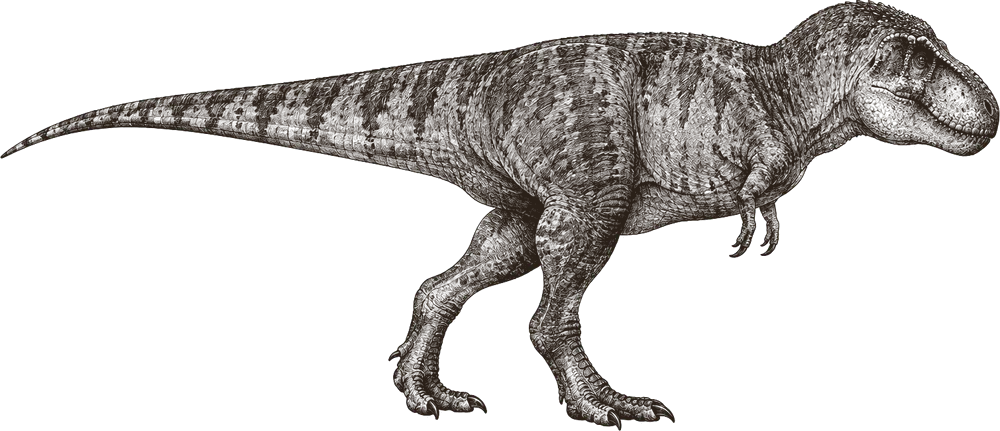


Scale in meters
Where its fossils were found
The evidence
Today

80 million years ago
Habitat
The Two Medicine landscape included seasonal lowlands where rivers spilled sediment across their banks. Achelousaurus lived there; elsewhere in its range, neighbors included Corythosaurus and Euoplocephalus.
Field notes
About Daspletosaurus
What it was like
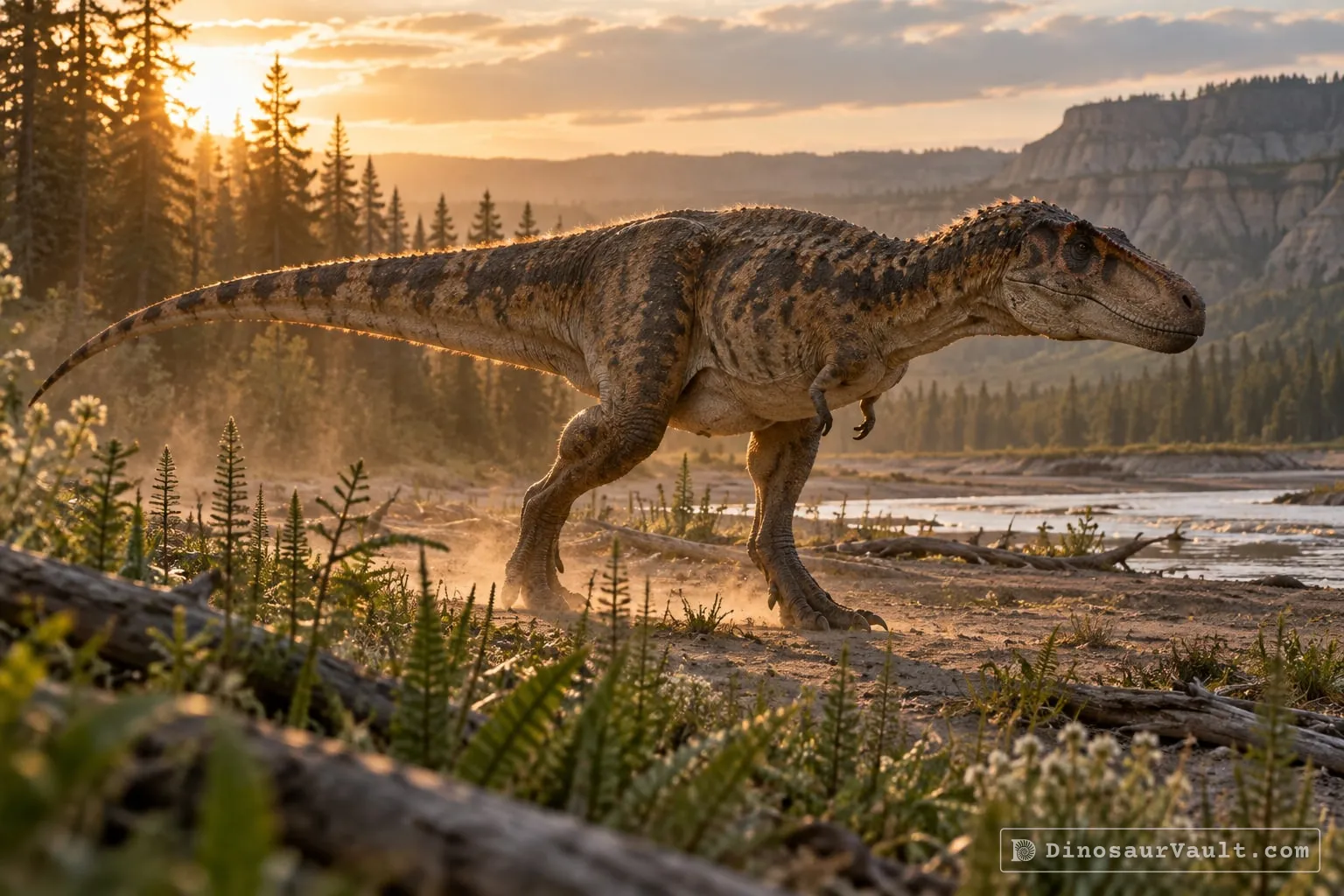
Daspletosaurus was a heavily built tyrannosaurid, a close relative of Tyrannosaurus, and grew to about 9 meters (30 feet) long. Like other tyrannosaurids it walked on two legs, had a massive skull full of thick, sharp teeth, and carried small arms that looked out of proportion to the rest of its body.
It was an apex predator in its ecosystem, likely hunting large plant eaters such as the horned and duck-billed dinosaurs that shared its world.
Its world
Daspletosaurus lived from about 84 to 72 million years ago, during the Late Cretaceous, across what is now Alberta, Montana, New Mexico, and Wyoming in North America. Its fossils come from rock layers including the Two Medicine, Oldman, Dinosaur Park, Judith River, Kirtland, and Mesaverde formations.
It shared its habitat with the plant eaters Corythosaurus, Euoplocephalus, and Stegoceras, the small hunters Saurornitholestes, Richardoestesia, and Paronychodon, the troodontid Troodon, and in some areas the tyrannosaurid Gorgosaurus.
How it was found
Russell named Daspletosaurus in 1970. About 18 fossil finds of this genus are known today, a modest number that still leaves researchers debating how many species belong to the genus and how it relates to close relatives like Tarbosaurus and Albertosaurus.
Field gallery
More views of Daspletosaurus
Scenes reconstructed from the available fossil evidence.
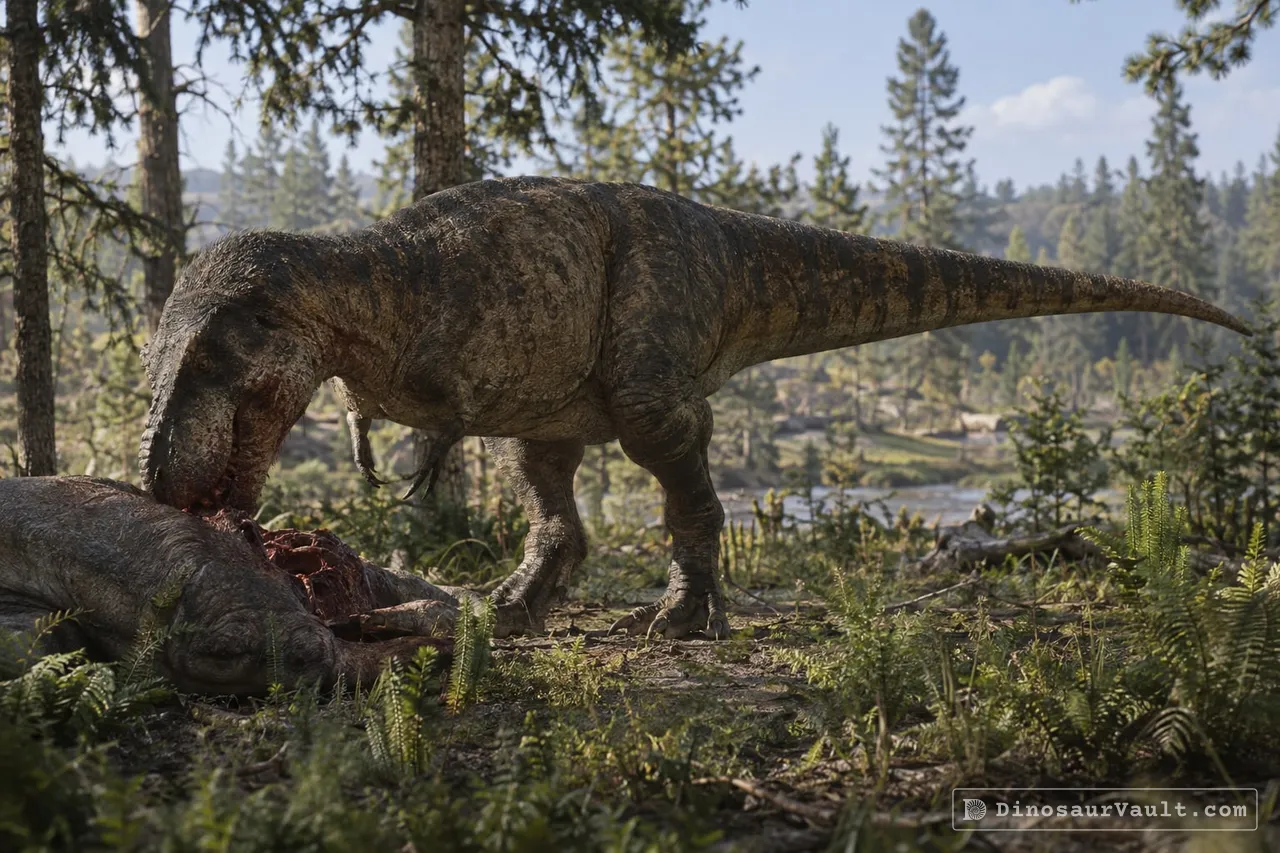
1 of 7
Lived alongside
Found in the same rock formations
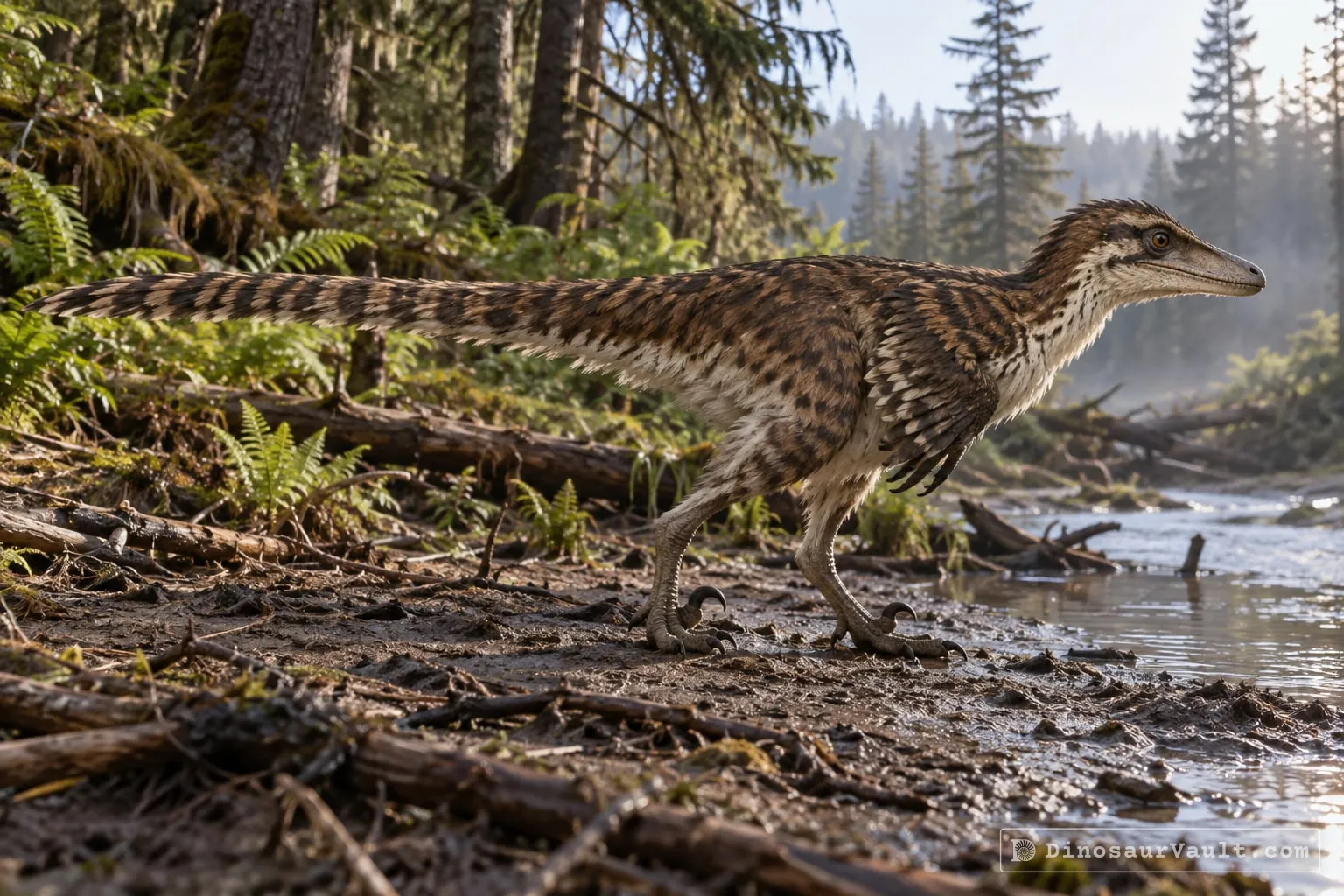
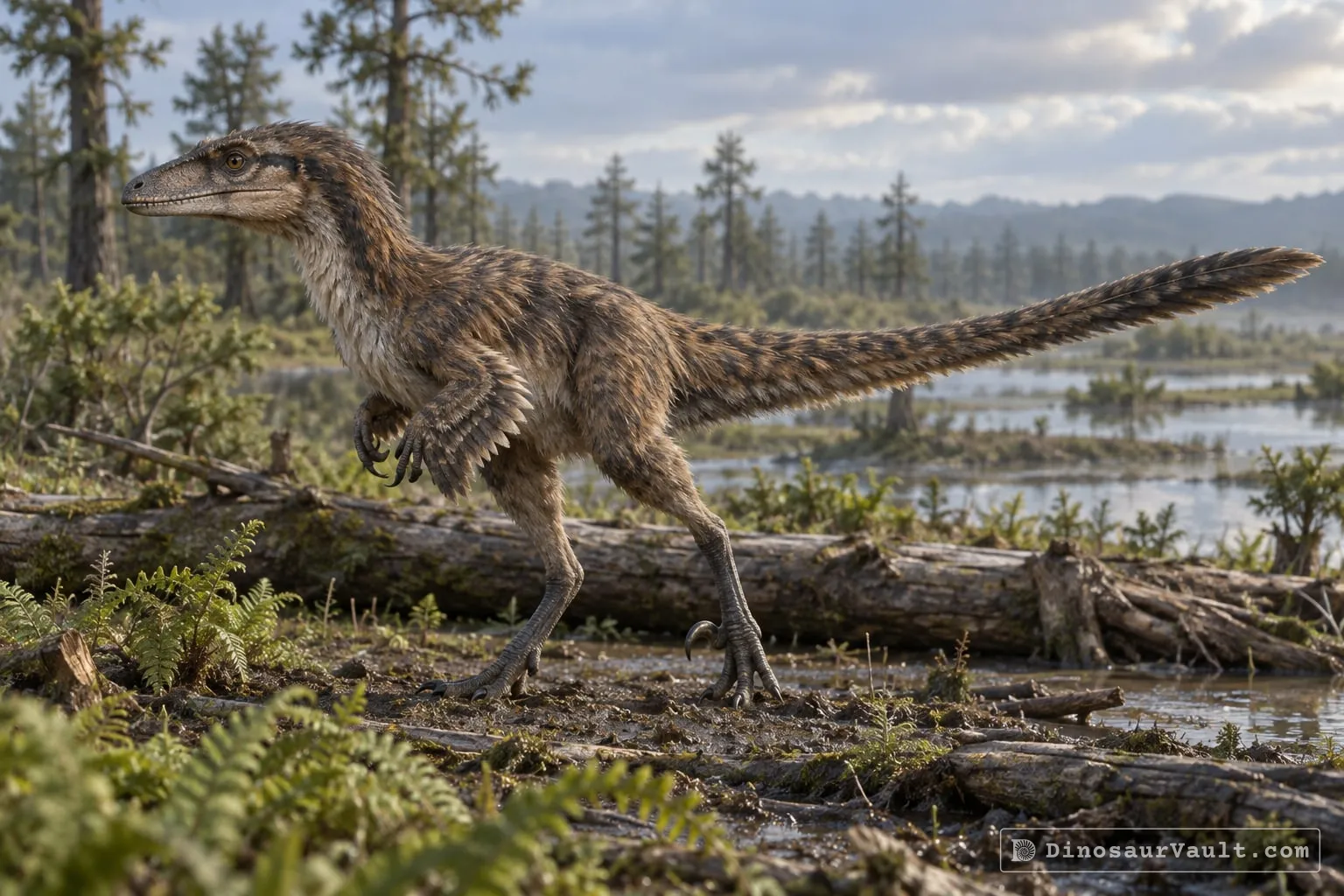
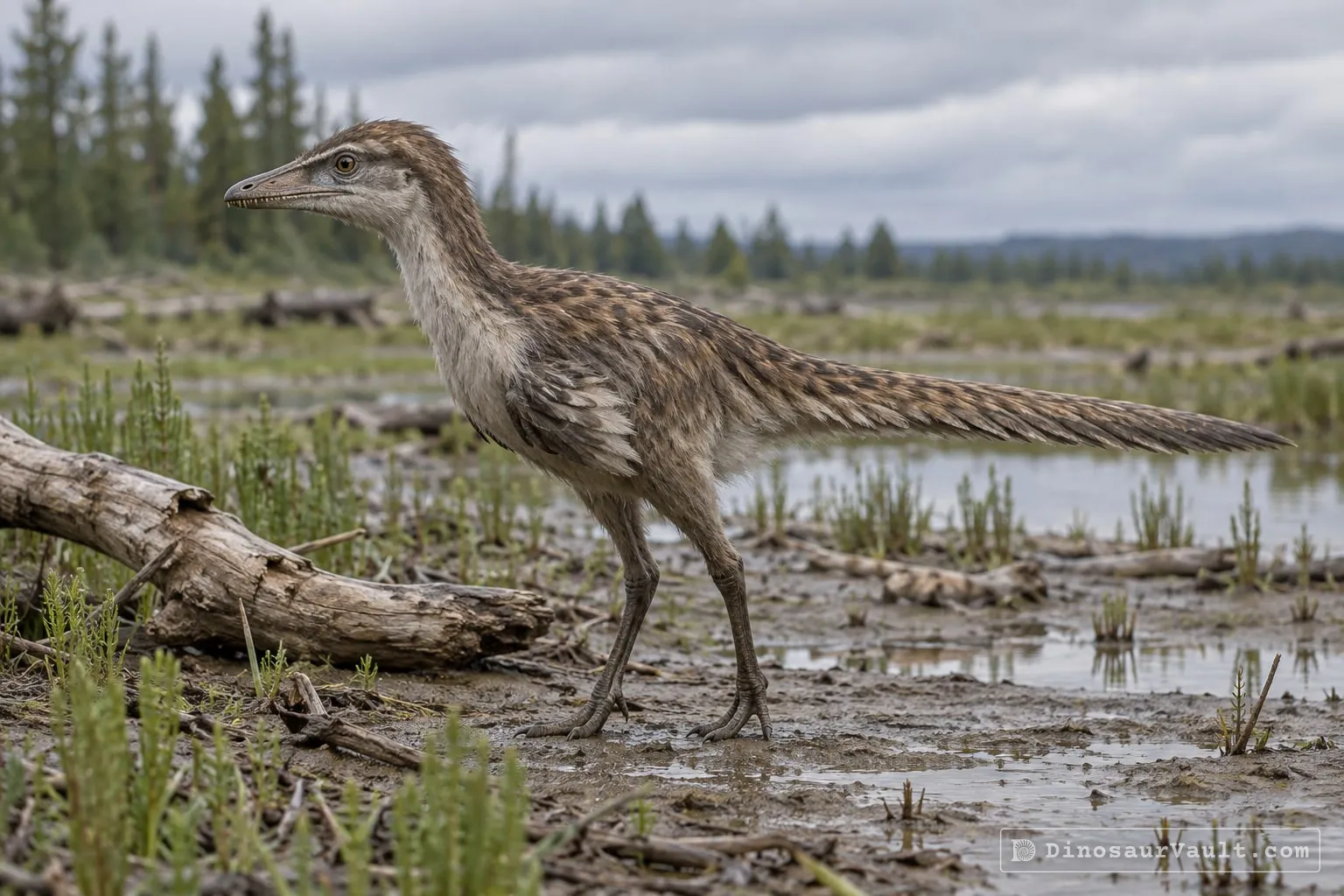
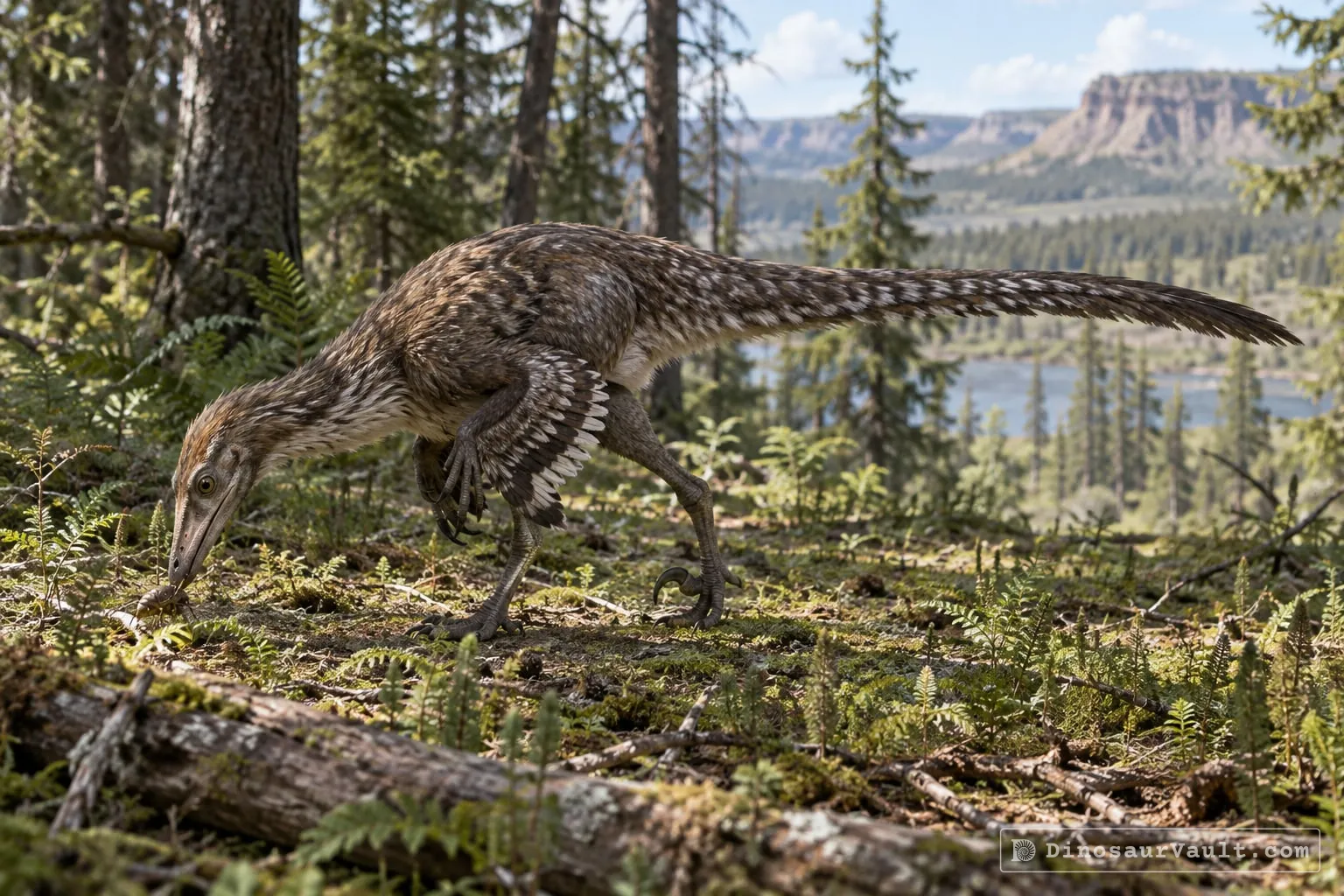
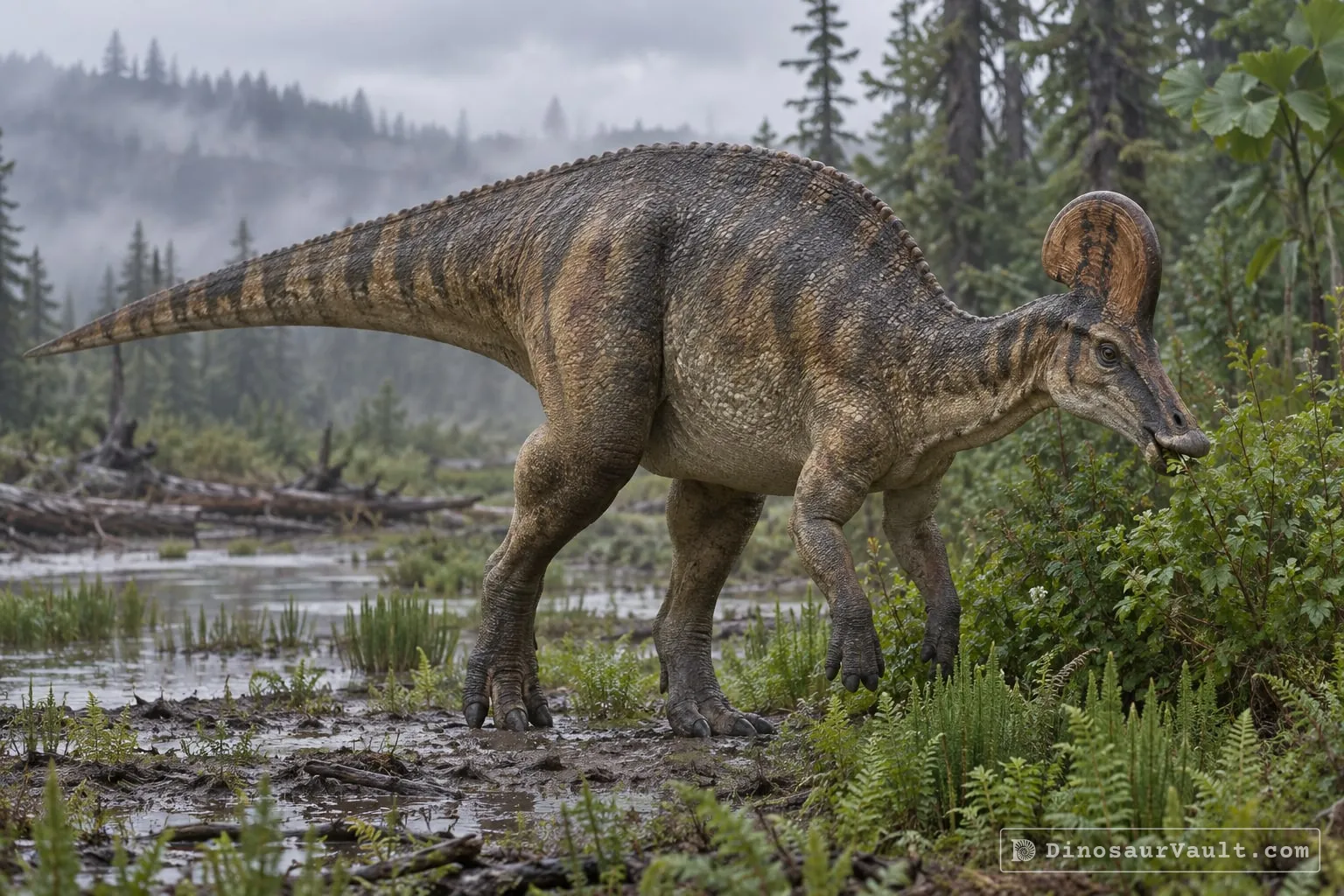
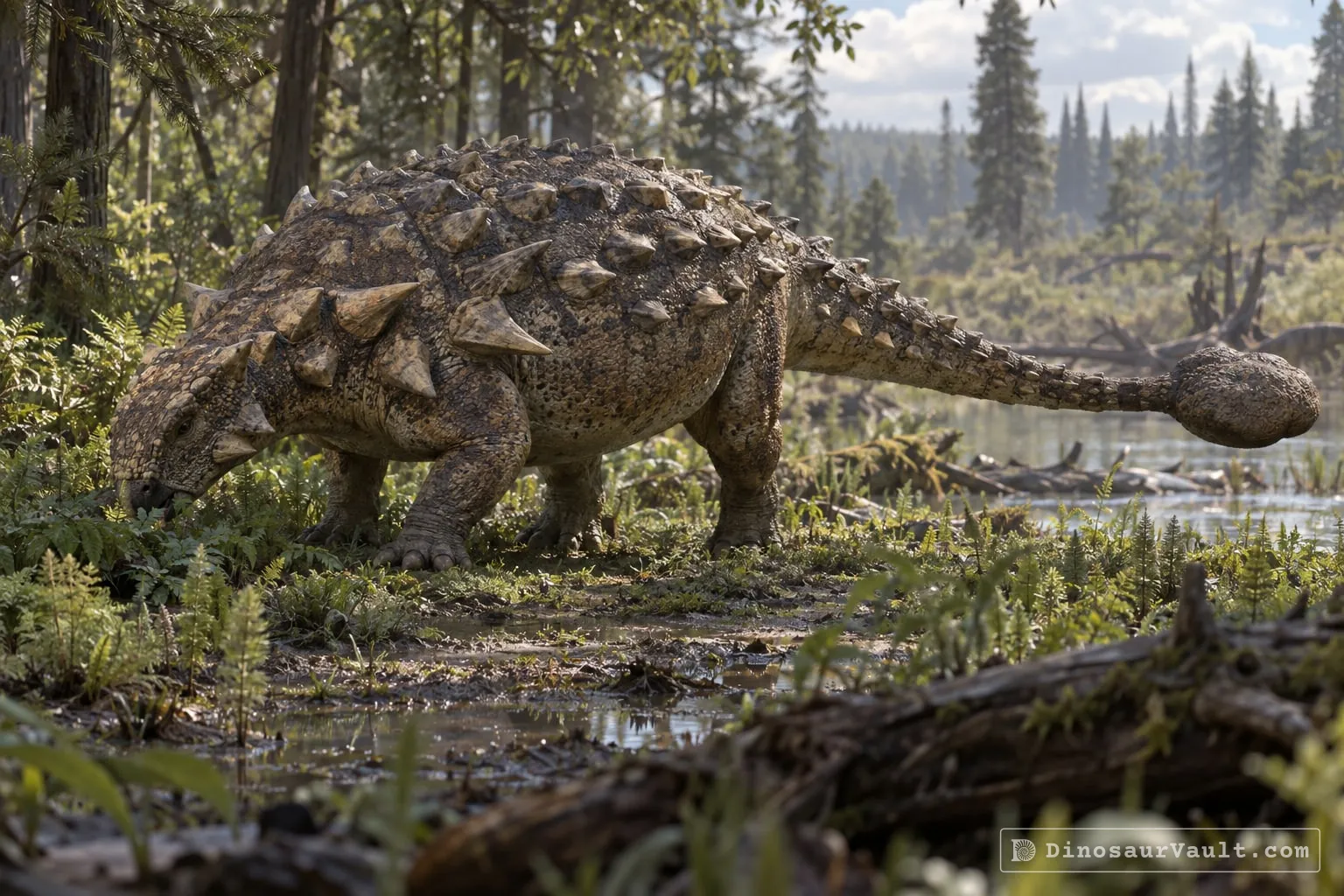


A rock formation can hold fossils laid down millions of years apart, so not every animal here met Daspletosaurus.
The evidence
The science behind Daspletosaurus
Which parts of the picture come from its own bones, and which come from its relatives.
From its own fossils
- Skulls preserve deep jaws, thick teeth and bony ornaments above the eyes.
- A small lower jaw belongs to a juvenile Daspletosaurus horneri.
- Healed wounds on one skull show that the animal survived repeated injuries.
Borrowed from relatives
- Body parts missing from individual skeletons are filled in using other Daspletosaurus specimens and relatives such as Tyrannosaurus.
- Lips over the teeth follow comparisons with other theropods and living lizards.
Still unknown
- Its color and the extent of any feather covering.
- The complete body proportions of young Daspletosaurus horneri.
- How much care adults gave their young.
Often drawn wrong
- Its short hands had two main fingers, unlike the three-fingered hands of many earlier theropods.
- A closed mouth probably covered the teeth rather than leaving them exposed like a crocodile's.
Discovery timeline
- 1970Named itRussell
- 2015How it fedHone & Tanke
- 2017SkullCarr et al.
- 2022New findWarshaw & Fowler
- 2023SkinCullen et al.
Key papers
The research behind what we know of Daspletosaurus
Named it
Distinguished Daspletosaurus from other tyrannosaurs using its heavily built skull and skeleton.
Tyrannosaurs from the Late Cretaceous of western Canada. National Museum of Natural Sciences, Publications in Paleontology 1: 1-34
No link available
How it fed
Healed skull wounds suggest combat, while bites made after death indicate that a large tyrannosaur fed on the carcass.
Pre- and postmortem tyrannosaurid bite marks on the remains of Daspletosaurus (Tyrannosaurinae: Theropoda) from Dinosaur Provincial Park, Alberta, Canada. PeerJ 3: e885
Read the paper : Pre- and postmortem tyrannosaurid bite marks on the remains of Daspletosaurus (Tyrannosaurinae: Theropoda) from Dinosaur Provincial Park, Alberta, Canada (opens in a new tab)Skull
Named Daspletosaurus horneri and described skull changes during growth, including the bony ornaments above the eyes.
A new tyrannosaur with evidence for anagenesis and crocodile-like facial sensory system. Scientific Reports 7
Read the paper : A new tyrannosaur with evidence for anagenesis and crocodile-like facial sensory system (opens in a new tab)New find
Described Daspletosaurus wilsoni with skull features intermediate between previously named species and proposed an evolutionary sequence.
A transitional species of Daspletosaurus Russell, 1970 from the Judith River Formation of eastern Montana. PeerJ 10: e14461
Read the paper : A transitional species of Daspletosaurus Russell, 1970 from the Judith River Formation of eastern Montana (opens in a new tab)Skin
Tooth wear and skull comparisons support lips that covered the teeth of large theropods when their mouths were closed.
Theropod dinosaur facial reconstruction and the importance of soft tissues in paleobiology. Science 379: 1348-1352
Read the paper : Theropod dinosaur facial reconstruction and the importance of soft tissues in paleobiology (opens in a new tab)
Close relatives
Other members of Tyrannosauridae


Sources: Wikidata