Xuwulong
- Lived
- 121 to 113 million years ago, Early Cretaceous
- Diet
- Herbivore
- Group
- Ornithopods
- Found in
- China
- Named by
- You et al. 2011
Where its fossils were found
The evidence
Today

115 million years ago
Habitat
Lakes, marshes and river floodplains in what is now China. The Xiagou Formation also preserves Qiaowanlong, Xiongguanlong and Archaeoceratops.
Field notes
About Xuwulong
What it was like
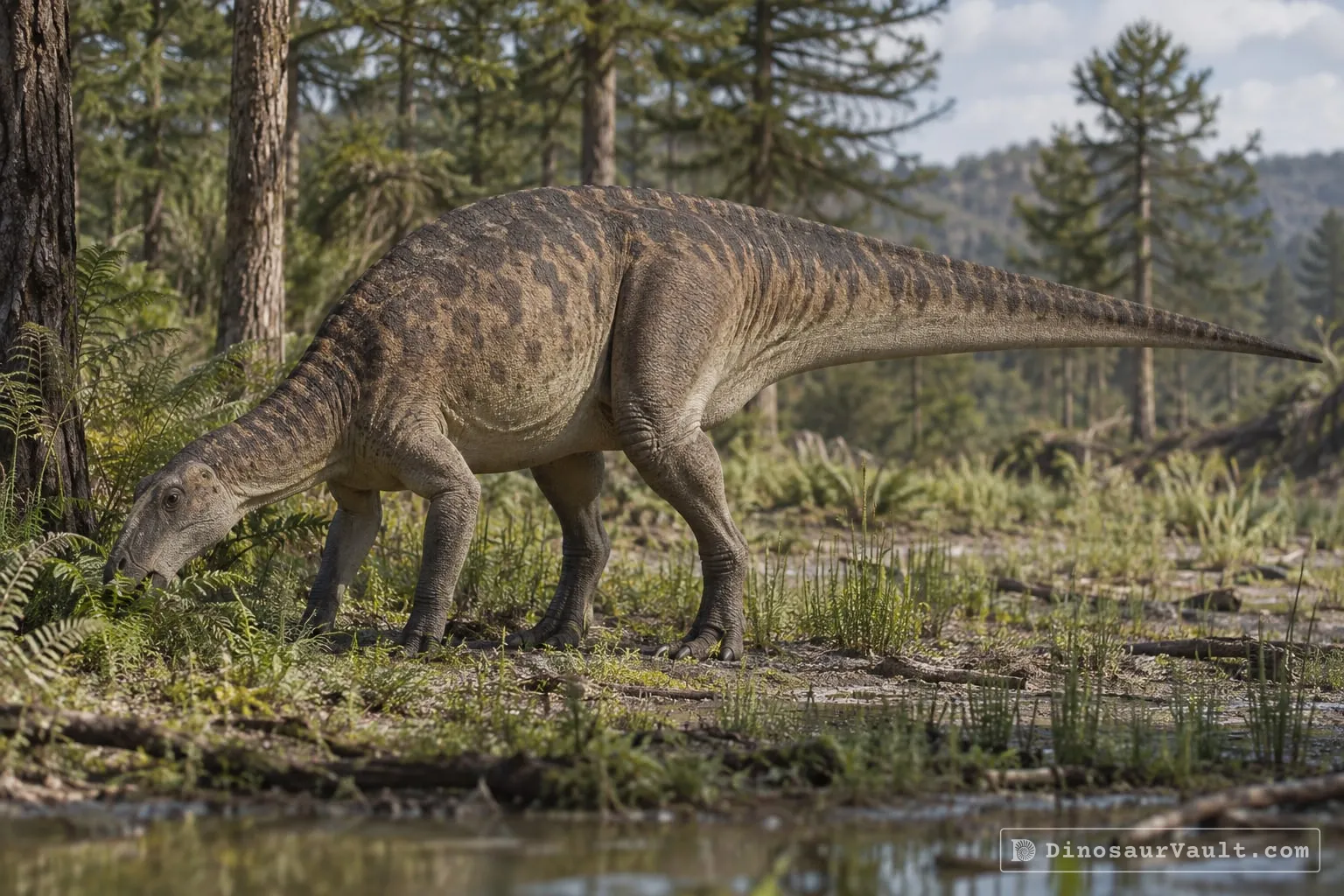
Xuwulong was an early relative of the duckbills, a plant eater with a long, low skull. It is known from a skull and part of the skeleton.
Its world
It lived in the Early Cretaceous, in what is now China. It comes from the Xiagou Formation, where it shared the land with the sauropod Qiaowanlong, the early tyrannosaur Xiongguanlong and the horned Archaeoceratops.
How it was found
You and colleagues named Xuwulong in 2011.
Field gallery
More views of Xuwulong
Scenes reconstructed from the available fossil evidence.
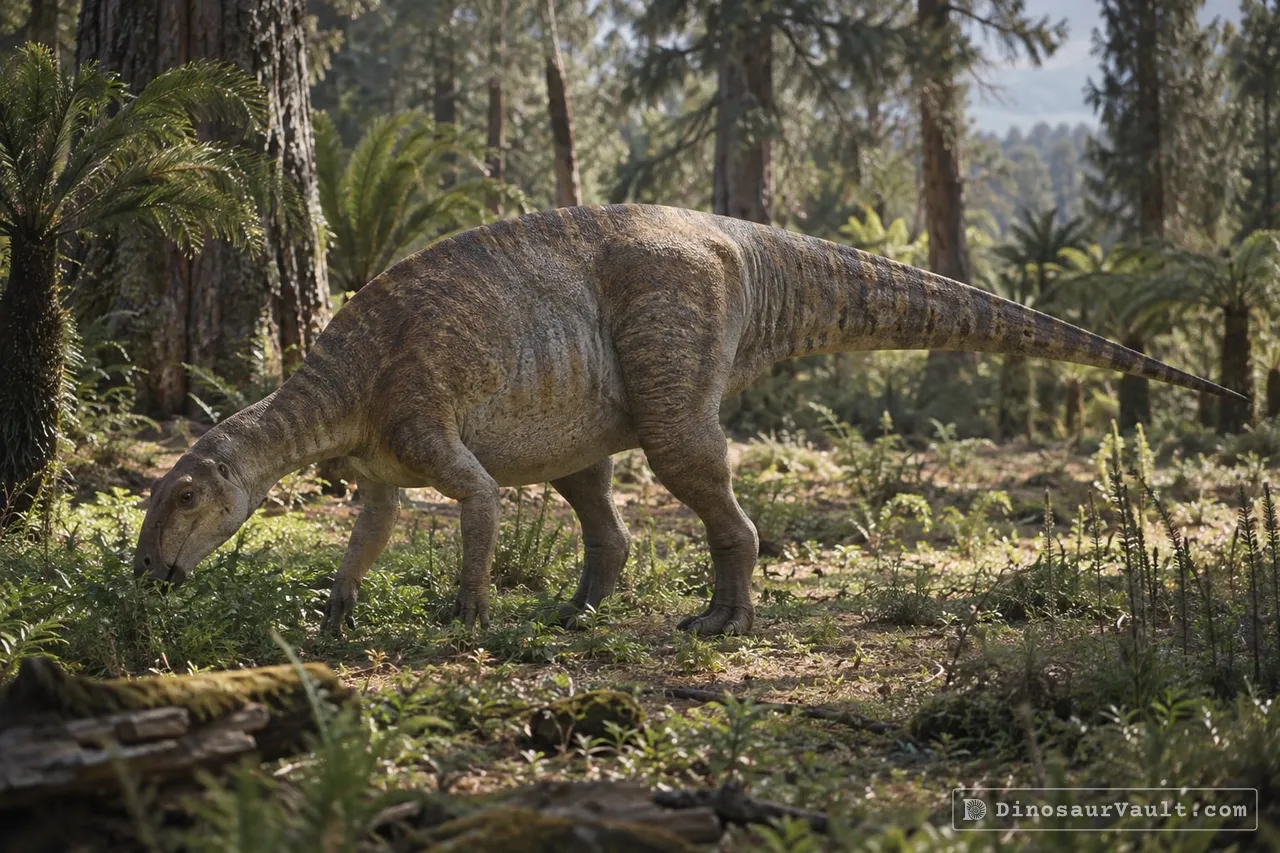
1 of 3
Lived alongside
Found in the same rock formations
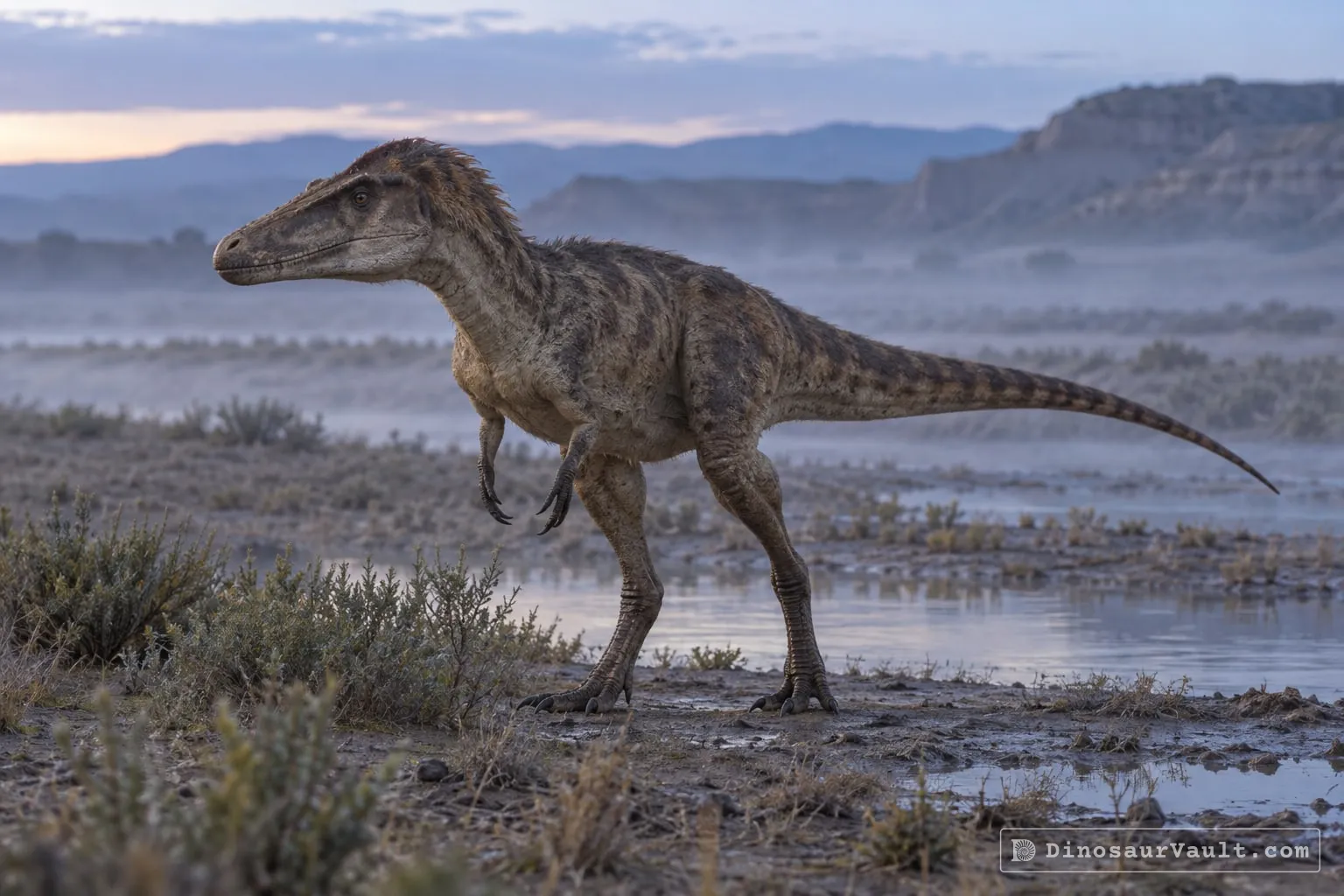
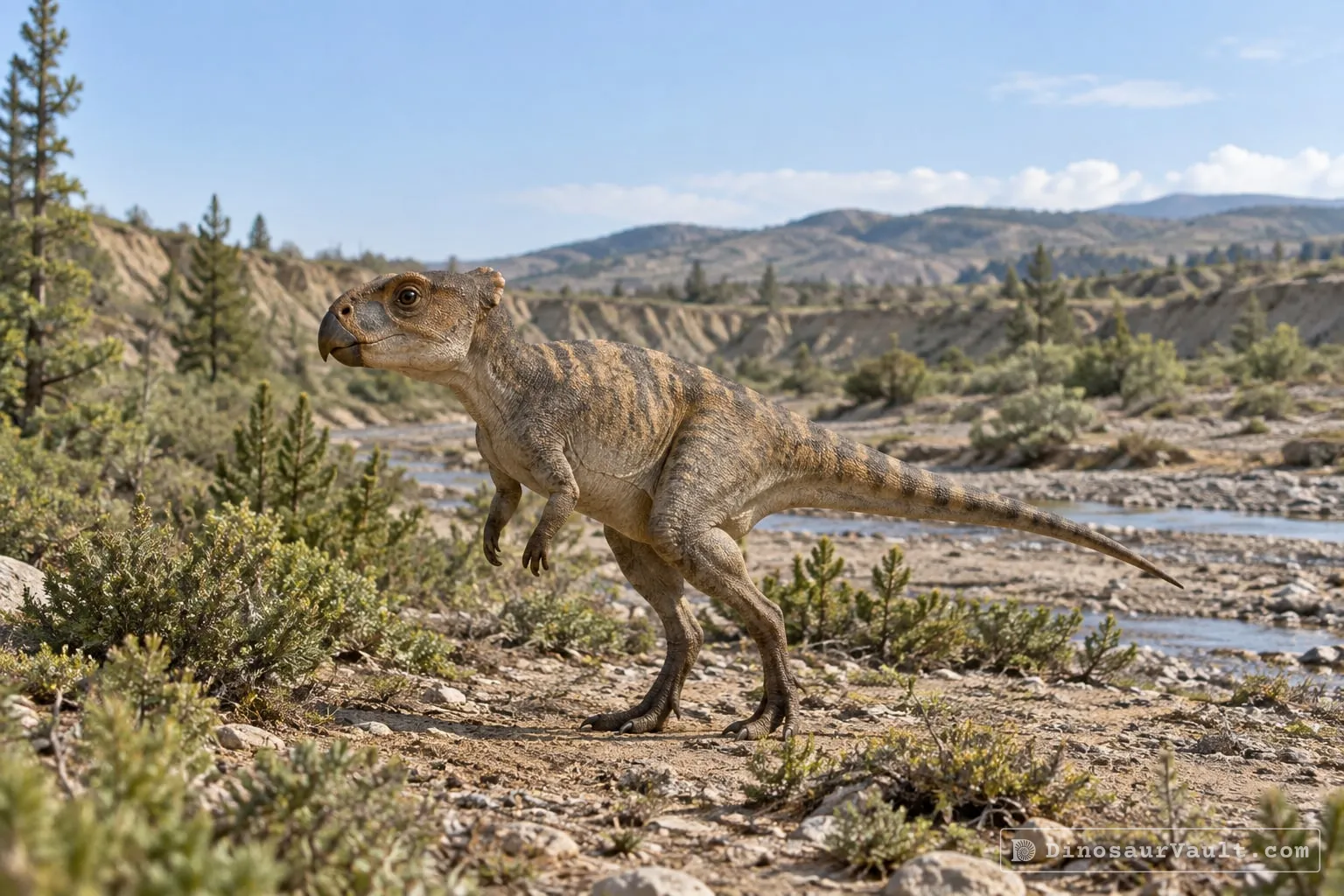
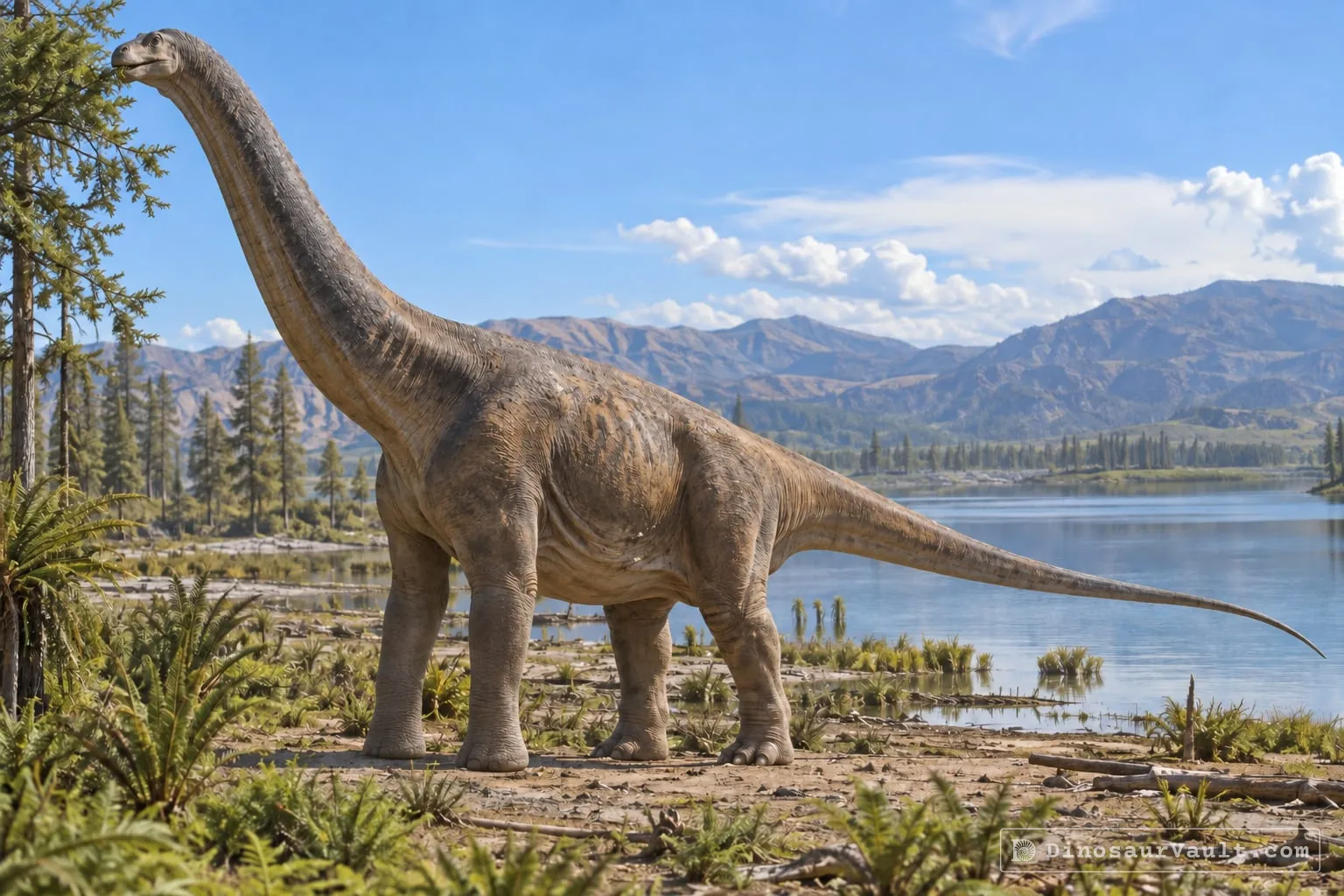
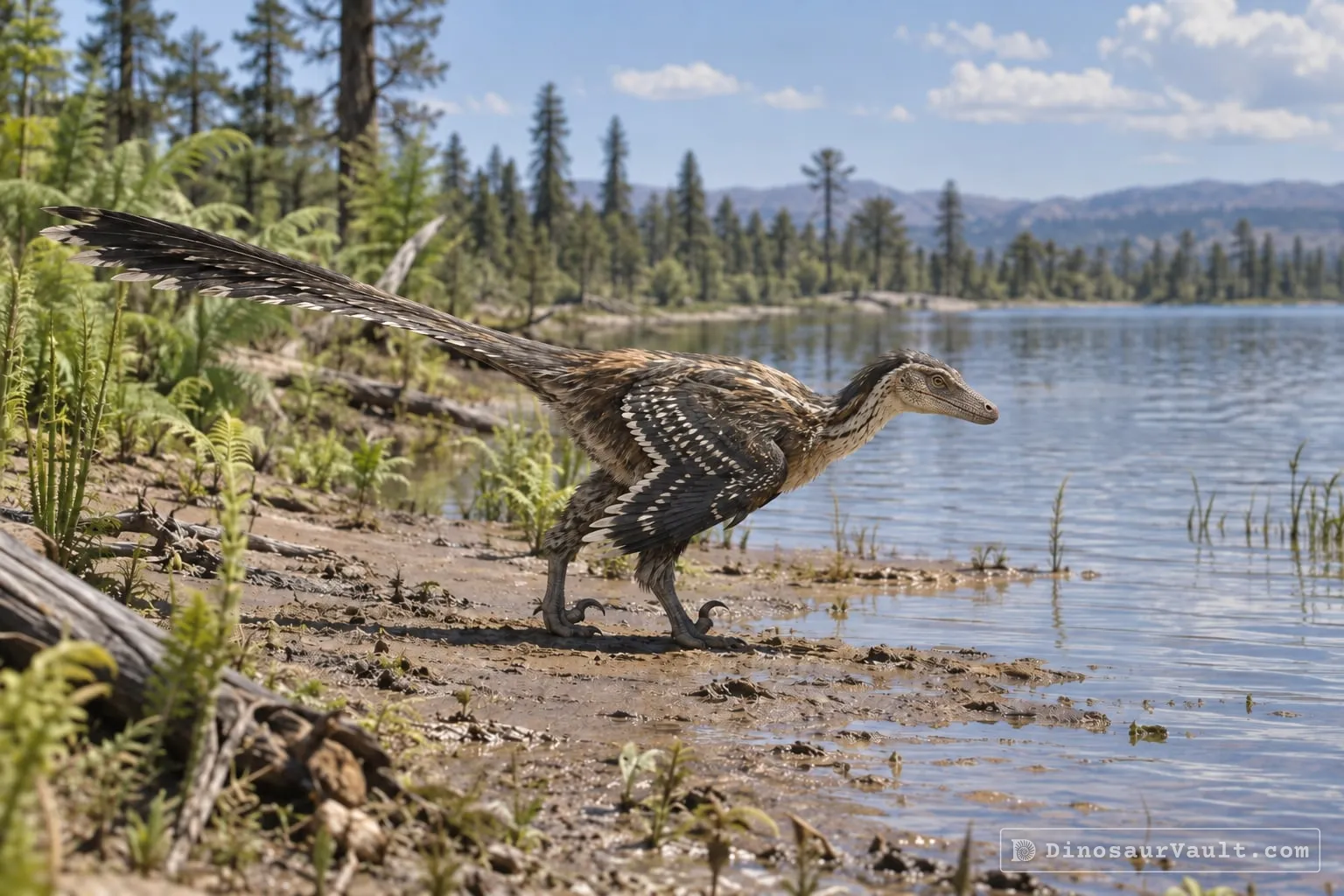
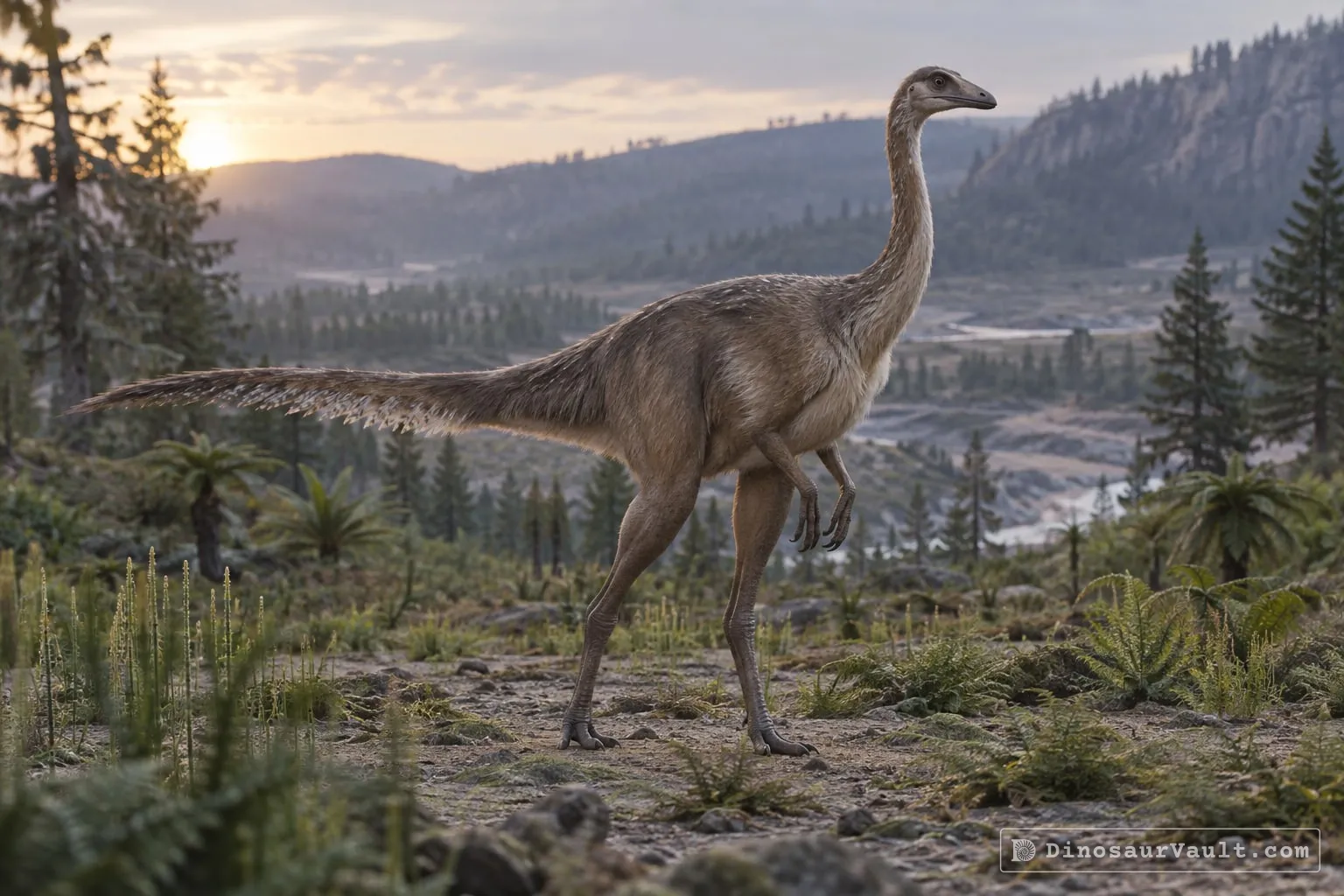
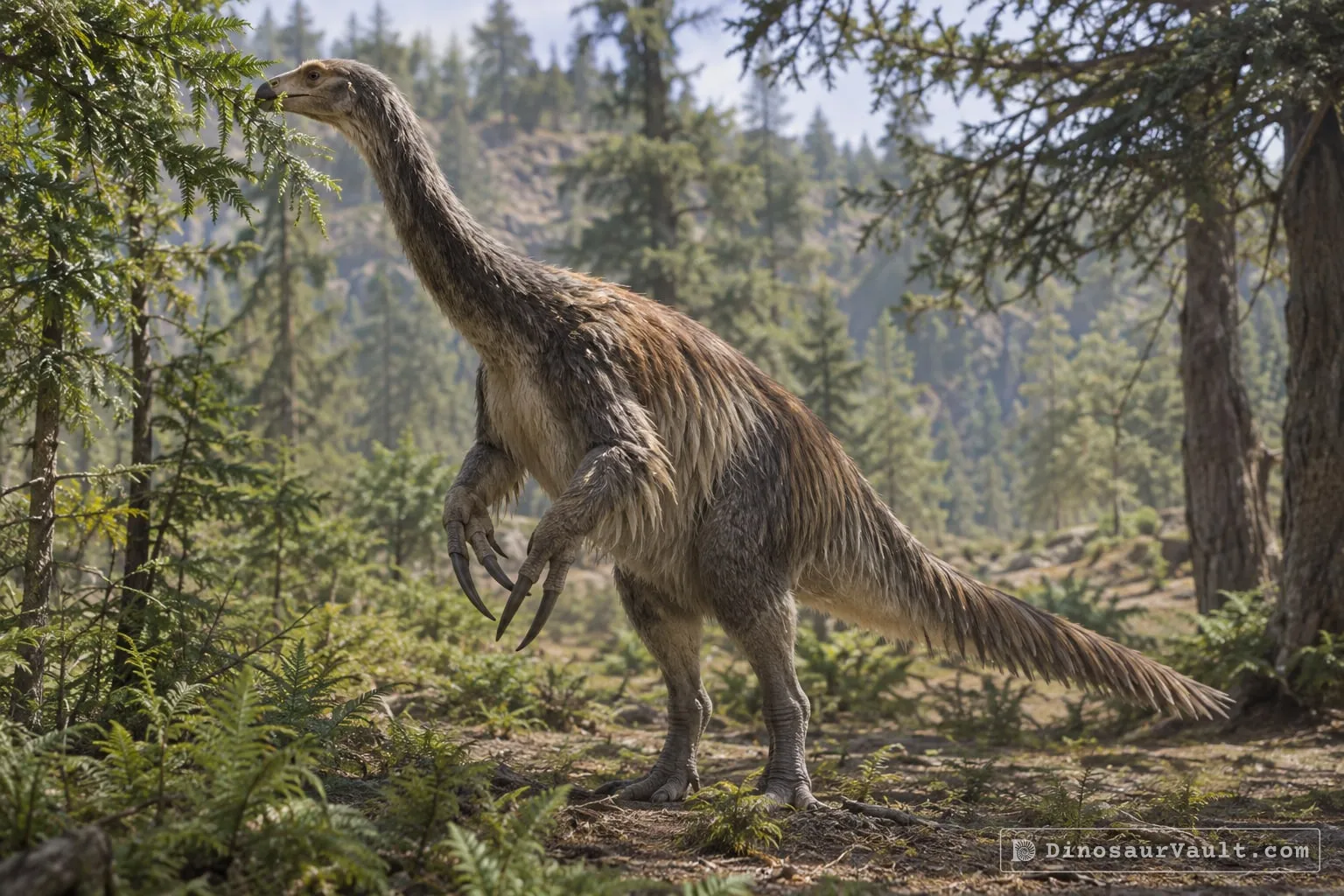


A rock formation can hold fossils laid down millions of years apart, so not every animal here met Xuwulong.
The evidence
The science behind Xuwulong
Which parts of the picture come from its own bones, and which come from its relatives.
From its own fossils
- A skeleton found with its bones still connected preserves a complete skull, most of the backbone and the left side of the pelvis.
- The tip of the lower jaw has an angular outline when seen from the side.
- A forward-projecting part of the pelvis is enlarged and bends downward.
Borrowed from relatives
- The missing limbs are restored using early duckbill relatives such as Equijubus, while the head follows its own complete skull.
Still unknown
- Its limb proportions and usual walking posture.
- Its skin texture and color.
- How its body changed as it grew.
Discovery timeline
- 2009Same rocksLi et al.
- 2011Named itYou, Li & Liu
- 2012Family treeMcDonald
Key papers
The research behind what we know of Xuwulong
Same rocks
Described Xiongguanlong, a long-snouted relative of the tyrannosaurs from the same regional dinosaur fauna.
A longirostrine tyrannosauroid from the Early Cretaceous of China. Proceedings of the Royal Society B: Biological Sciences 277: 183-190
Read the paper : A longirostrine tyrannosauroid from the Early Cretaceous of China (opens in a new tab)Named it
Described the skull, backbone and pelvis of an early duckbill relative with an unusual lower jaw and a downward-bending pelvic projection.
A new hadrosauriform dinosaur from the Early Cretaceous of Gansu Province, China. Acta Geologica Sinica 85: 51-57
No link available
Family tree
Added Xuwulong to a broad comparison of early duckbill relatives to test its place in their family tree.
Phylogeny of Basal Iguanodonts (Dinosauria: Ornithischia): An Update. PLoS ONE 7: e36745
Read the paper : Phylogeny of Basal Iguanodonts (Dinosauria: Ornithischia): An Update (opens in a new tab)
Close relatives
Other members of Hadrosauroidea


Sources: Wikidata