Qiaowanlong
"Qiaowan dragon"
Type species Qiaowanlong kangxii
- Lived
- 121 to 113 million years ago, Early Cretaceous
- Diet
- Herbivore
- Group
- Sauropods, Euhelopodidae
- Found in
- China
- Named by
- You and Li 2009
Where its fossils were found
The evidence
Today

115 million years ago
Habitat
Lowlands near lakes in Early Cretaceous China. Other dinosaurs in the region included Xiongguanlong, Suzhousaurus and Beishanlong.
Field notes
About Qiaowanlong
What it was like
Qiaowanlong was a long-necked sauropod known from neck bones and hips. Its neck bones have split spines, a feature also seen in some unrelated sauropods.
Its world
It lived in the Early Cretaceous, in what is now China. It comes from the Xiagou Formation, where it shared the land with the early tyrannosaur Xiongguanlong, the horned Archaeoceratops and the therizinosaur Suzhousaurus.
How it was found
You and Li named Qiaowanlong in 2009. The type species is Qiaowanlong kangxii.
Field gallery
More views of Qiaowanlong
Scenes reconstructed from the available fossil evidence.
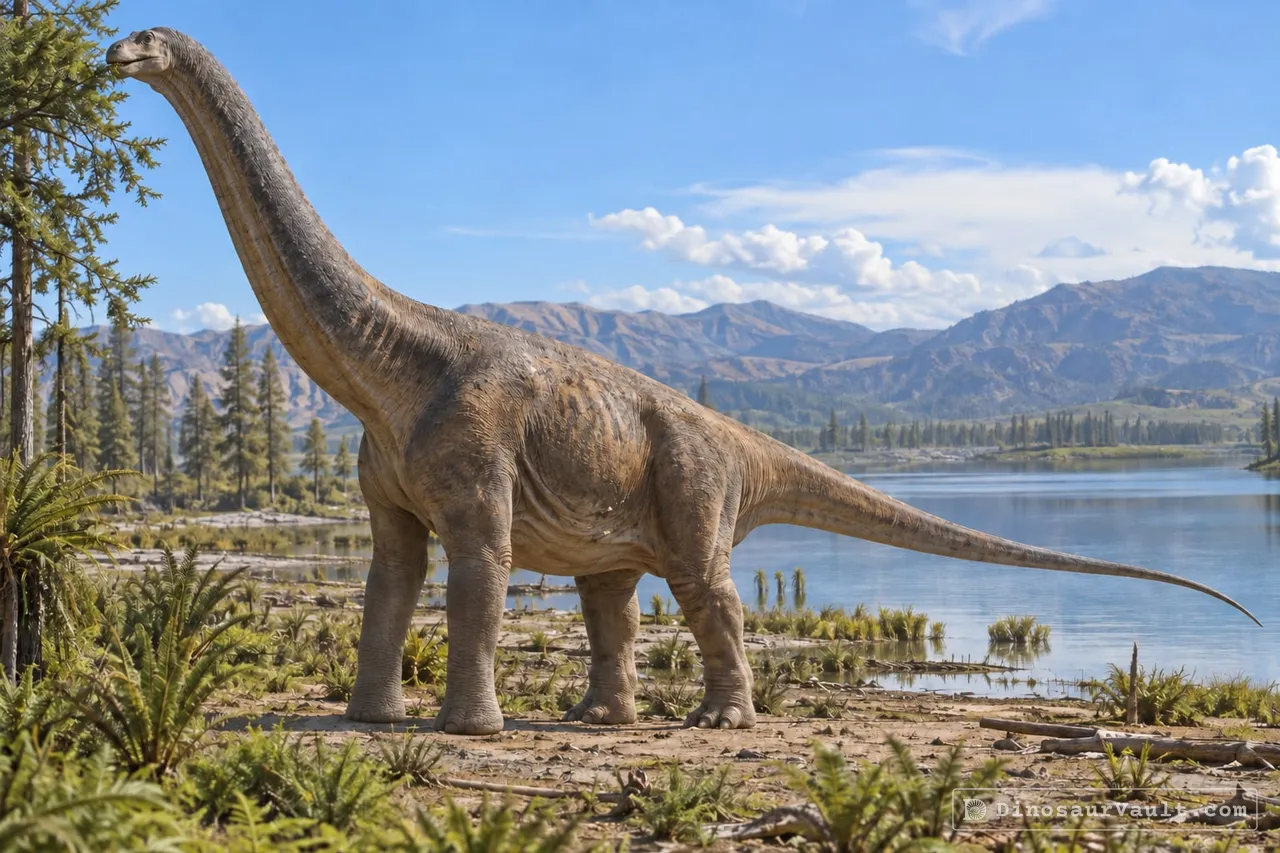
1 of 3
Lived alongside
Found in the same rock formations
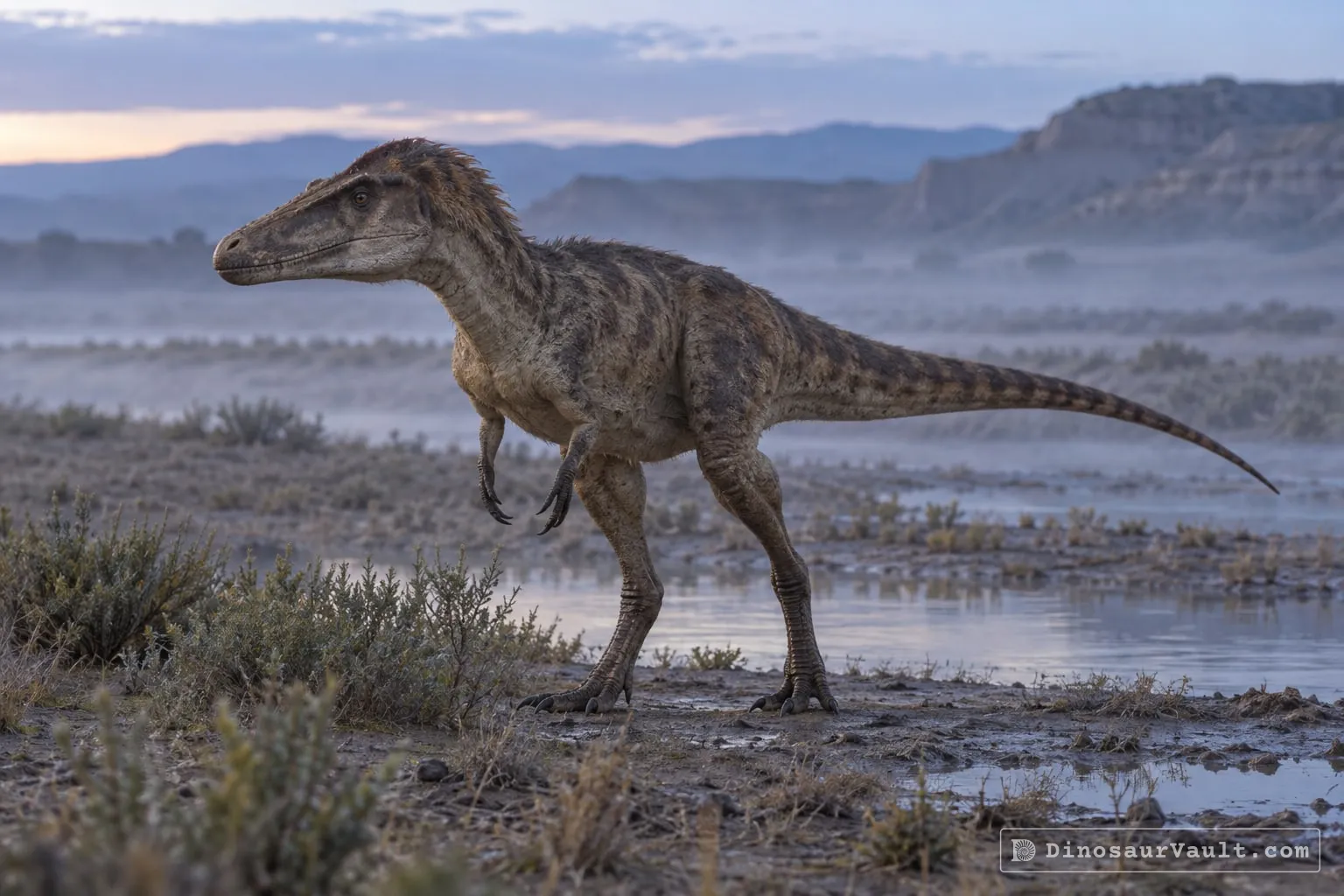
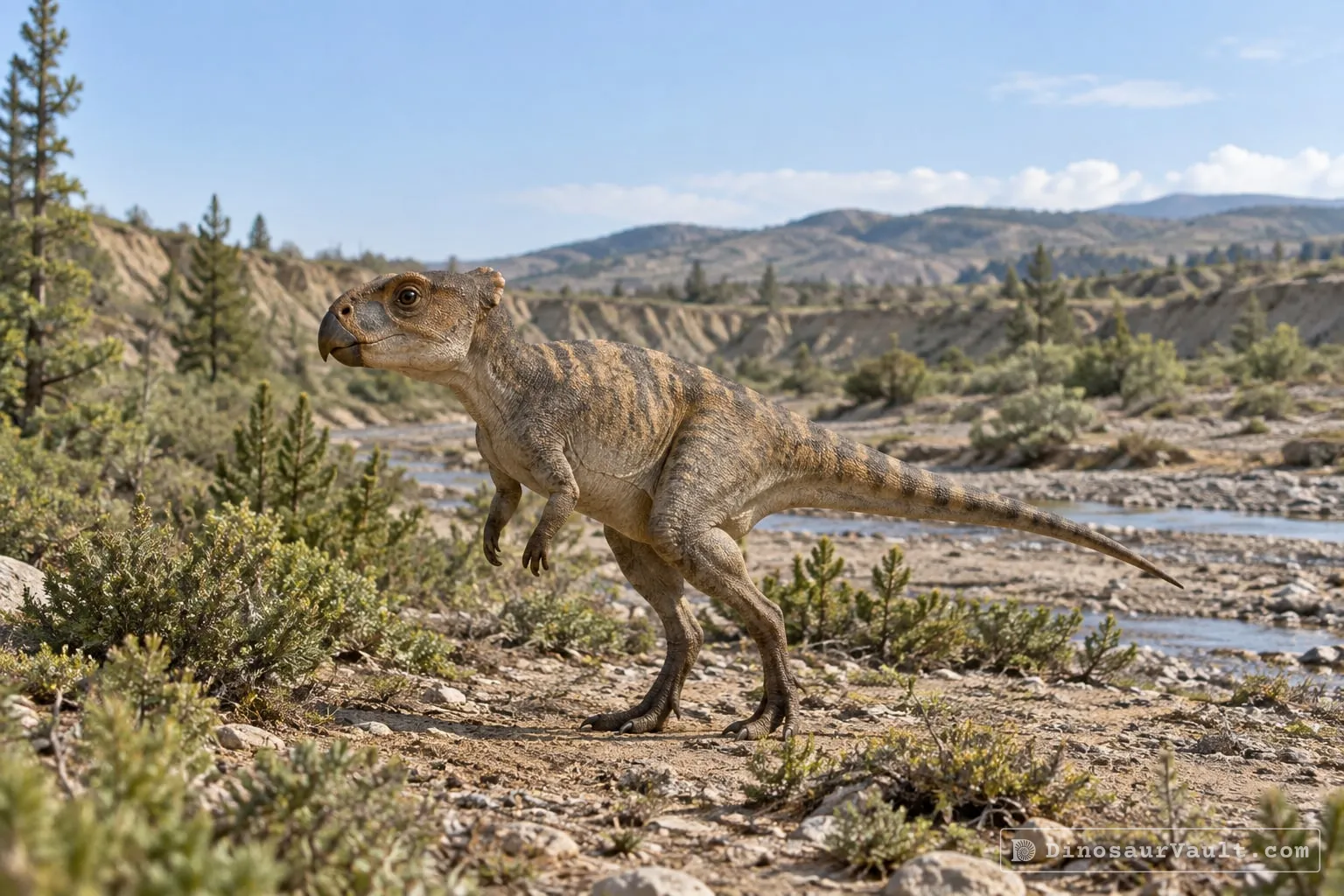
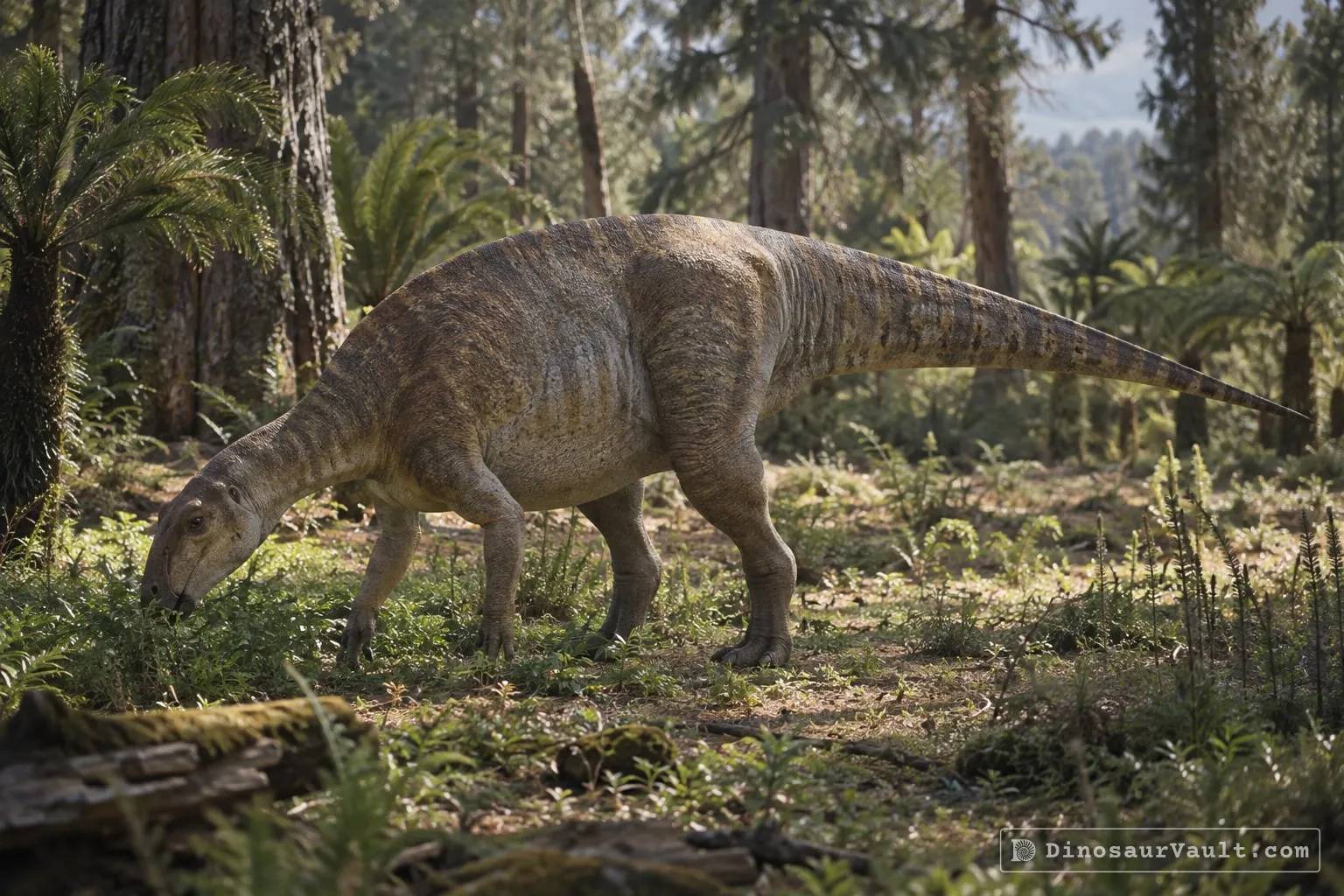
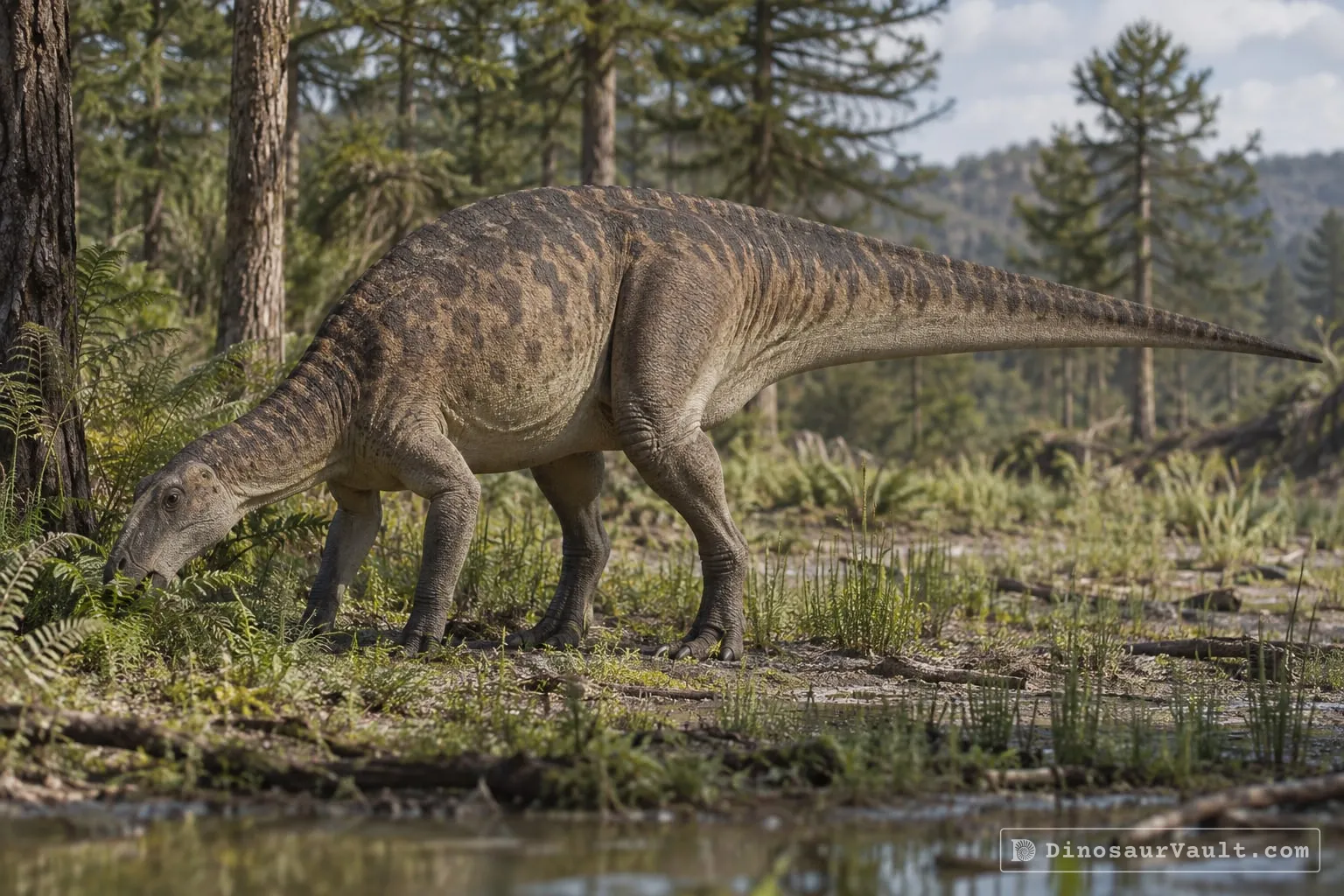
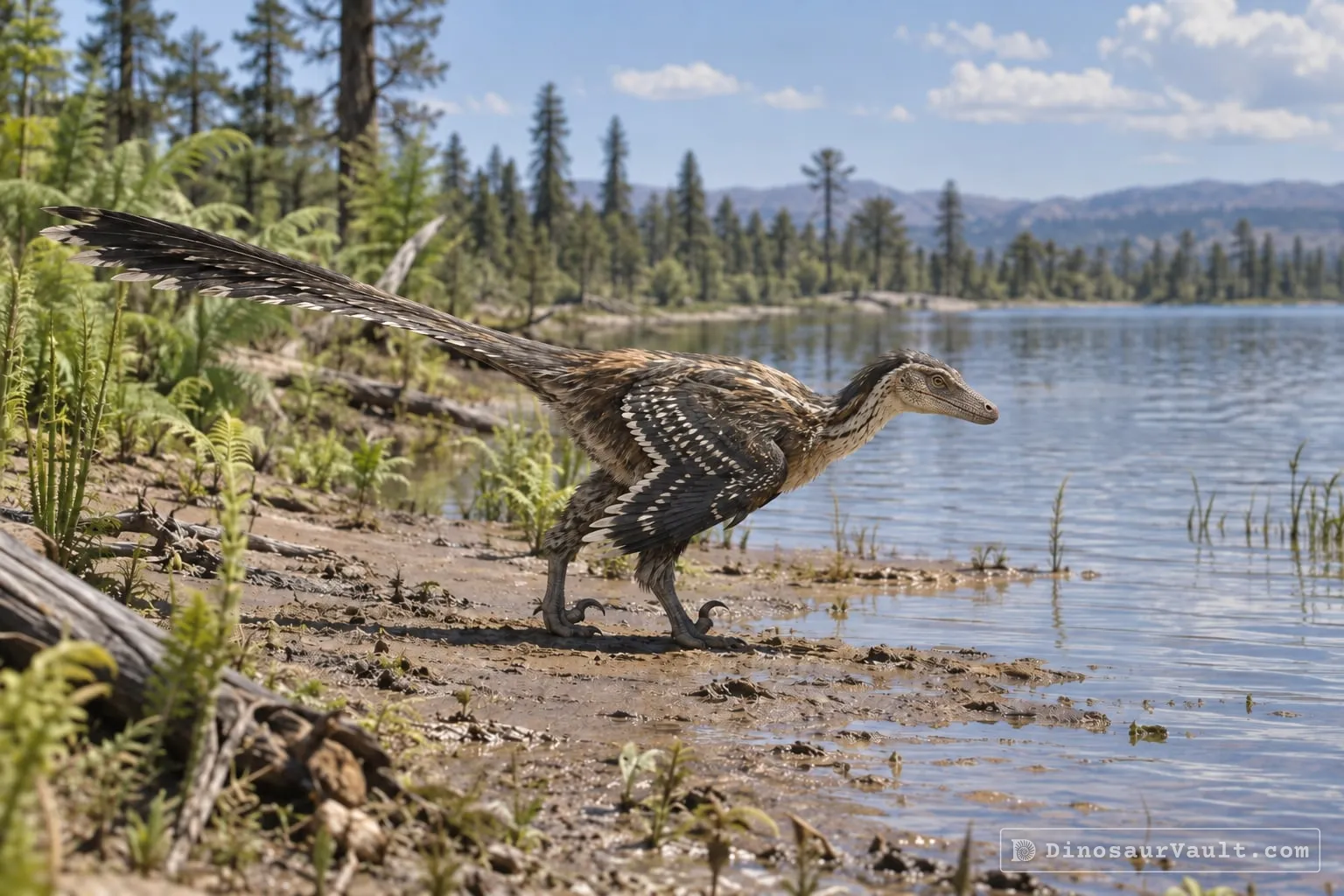
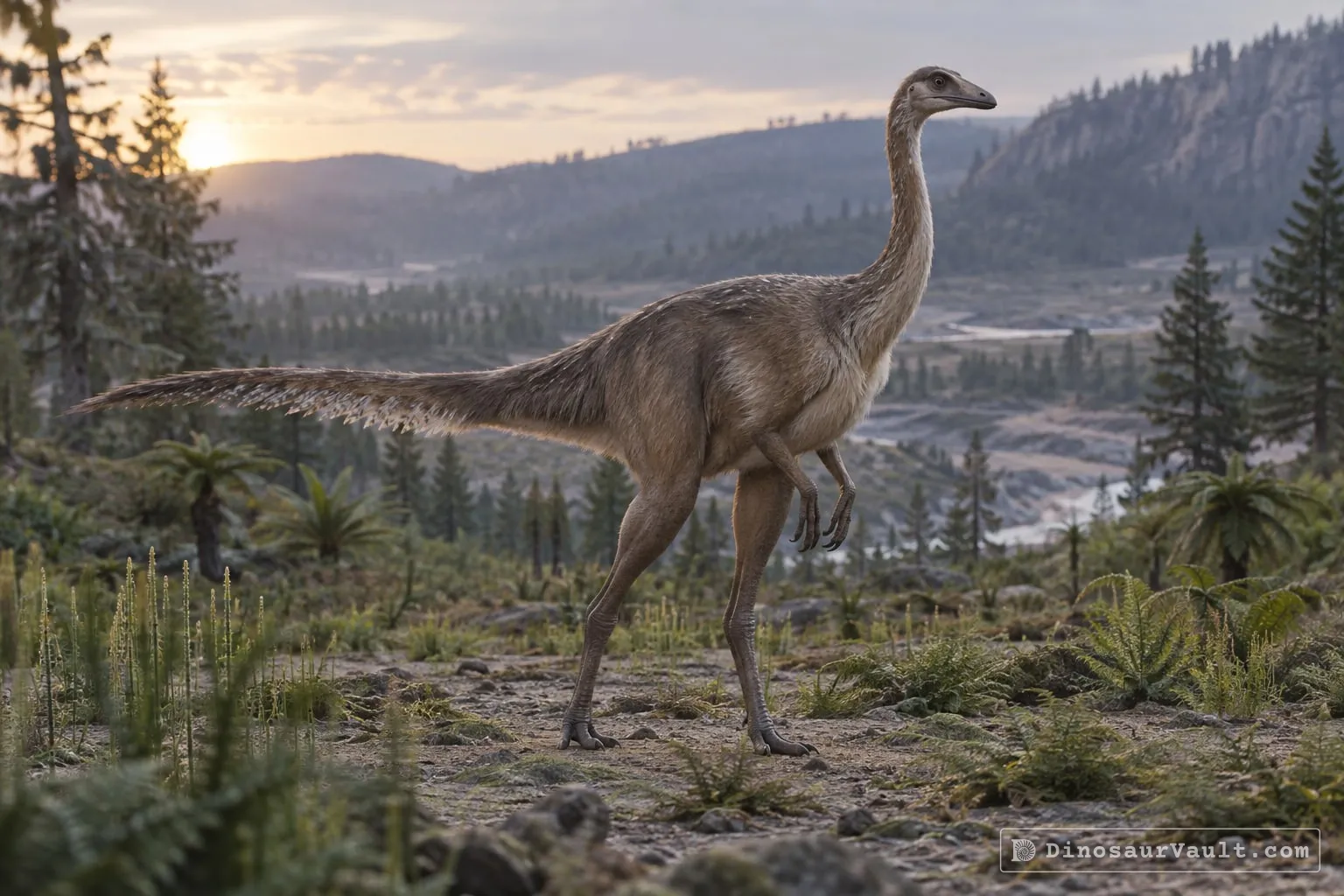
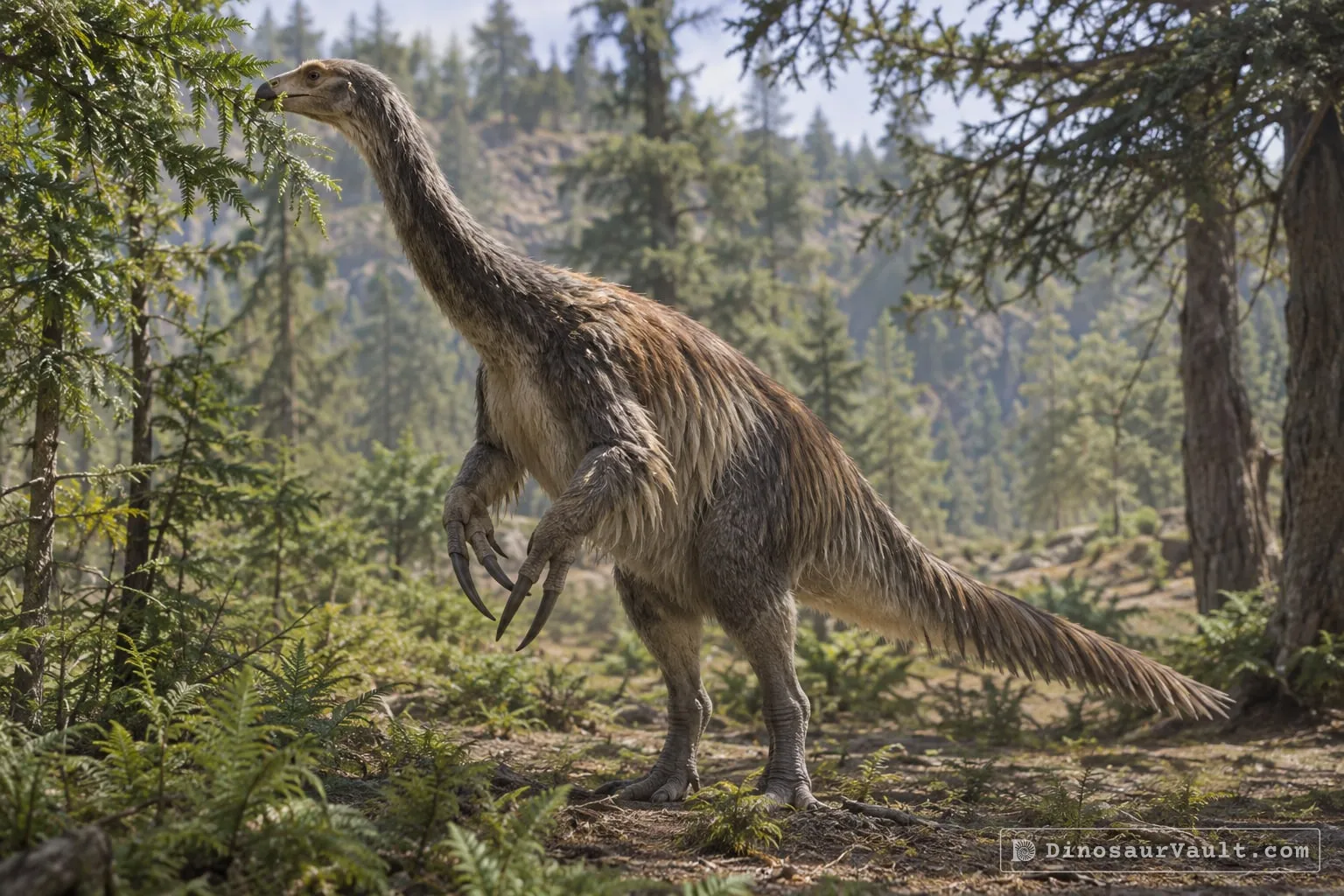


A rock formation can hold fossils laid down millions of years apart, so not every animal here met Qiaowanlong.
The evidence
The science behind Qiaowanlong
Which parts of the picture come from its own bones, and which come from its relatives.
From its own fossils
- A connected series of neck bones and the right half of the pelvis preserve part of a single animal.
- The spines on top of its neck bones split into deep forks.
- One of the lower hip bones was unusually short and slender.
Borrowed from relatives
- The missing skull, limbs and tail are restored by comparison with related sauropods such as Euhelopus and Erketu.
Still unknown
- The shape of its skull and the proportions of its legs.
- Its skin covering and color.
- How it held its neck while feeding.
Discovery timeline
- 2009Named itYou & Li
- 2010Family treeKsepka & Norell
- 2013Family treeMannion et al.
Key papers
The research behind what we know of Qiaowanlong
Named it
Described the neck bones and pelvis, including the forked neck spines, and initially classified Qiaowanlong as a brachiosaurid.
The first well-preserved Early Cretaceous brachiosaurid dinosaur in Asia. Proceedings of the Royal Society B: Biological Sciences 276: 4077-4082
Read the paper : The first well-preserved Early Cretaceous brachiosaurid dinosaur in Asia (opens in a new tab)Family tree
Placed Qiaowanlong outside the brachiosaurids, among sauropods more closely related to titanosaurs.
The Illusory Evidence for Asian Brachiosauridae: New Material ofErketu ellisoniand a Phylogenetic Reappraisal of Basal Titanosauriformes. American Museum Novitates 3700: 1-27
Read the paper : The Illusory Evidence for Asian Brachiosauridae: New Material ofErketu ellisoniand a Phylogenetic Reappraisal of Basal Titanosauriformes (opens in a new tab)Family tree
Compared sauropod family trees and placed Qiaowanlong near other Asian sauropods, including Euhelopus, Erketu and Phuwiangosaurus.
Osteology of the Late Jurassic Portuguese sauropod dinosaurLusotitan atalaiensis(Macronaria) and the evolutionary history of basal titanosauriforms. Zoological Journal of the Linnean Society 168: 98-206
Read the paper : Osteology of the Late Jurassic Portuguese sauropod dinosaurLusotitan atalaiensis(Macronaria) and the evolutionary history of basal titanosauriforms (opens in a new tab)
Close relatives
Other members of Euhelopodidae


Sources: Wikidata